
Reviewed · WORKSHOPS
Beginner Swahili Woodcarving Classes with Woman Woodcarver
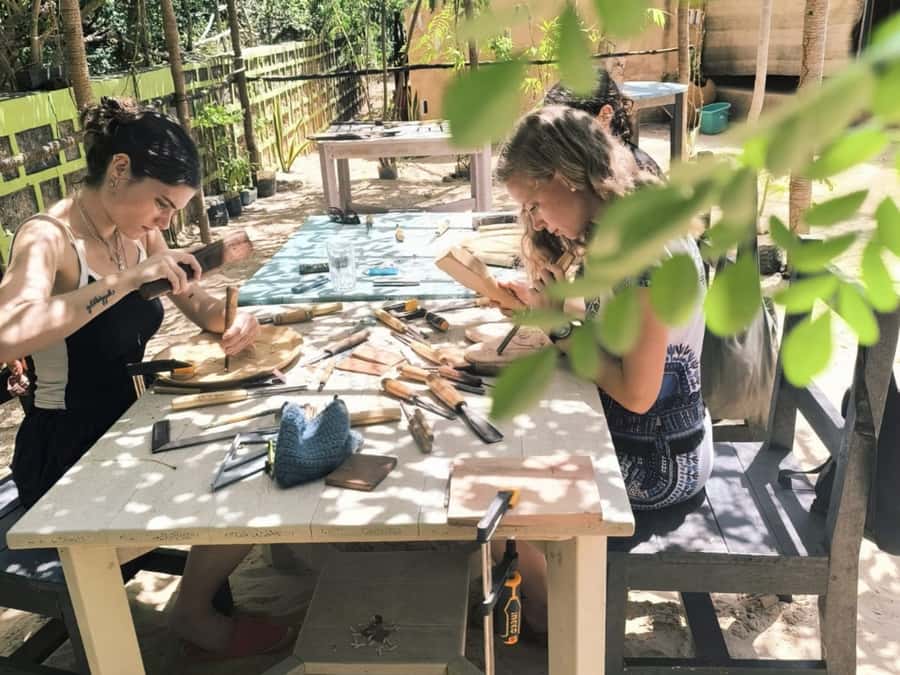
Wood takes patience. That is what makes this three-hour class in Shela so appealing: you do not just look at Swahili craft, you work with it under the care of Almasi, the only woman woodcarving teacher on Lamu Island. I like the personal setting at the Earth Love Healing Center Garden, and I like that every student leaves with a handmade souvenir rather than a quick photo and a vague memory.
The class is beginner-friendly for adults and children aged five and older, with tools, materials, and refreshments provided. My main caution is practical: carving requires steady hand work and patience, and the activity is not suitable for people with mobility impairments, despite the booking information also describing it as wheelchair accessible. Confirm your needs with Almasi before booking.
In This Review
- Key Points at a Glance
- Why This Class Feels Different From Shopping for Carvings
- Meeting Almasi at Peponi Hotel
- The First Part of the Lesson: Tools, Wood, and Basic Technique
- Three Hours of Focused, Hands-On Work
- A Handmade Souvenir With a Story Behind It
- Refreshments and the Warm Finish
- What the $75 Price Really Buys You
- Who Will Enjoy This Most?
- Language, Group Size, and Practical Comfort
- The Teaching Style Is the Main Attraction
- Should You Book the Woodcarving Class?
- FAQ
- How long does the Swahili woodcarving class last?
- How much does the class cost?
- Where does the class take place?
- Can the class take place at my hotel or home?
- Are tools and materials provided?
- Is the class suitable for children?
- What languages does Almasi speak during the class?
Key Points at a Glance
- Taught by Almasi: Learn from Lamu Island’s only woman woodcarving teacher, in English or Swahili.
- A three-hour hands-on class: This is a working lesson, not a demonstration where you simply watch.
- Your own finished souvenir: You create a small handmade piece to take home.
- Held in Shela or at your accommodation: The usual meeting point is Peponi Hotel, with home and hotel sessions available by request.
- Suitable for beginners and children: The class welcomes first-timers, but children must be at least five years old.
- A private group experience: You can share the class with friends or family without joining a large public group.
Why This Class Feels Different From Shopping for Carvings
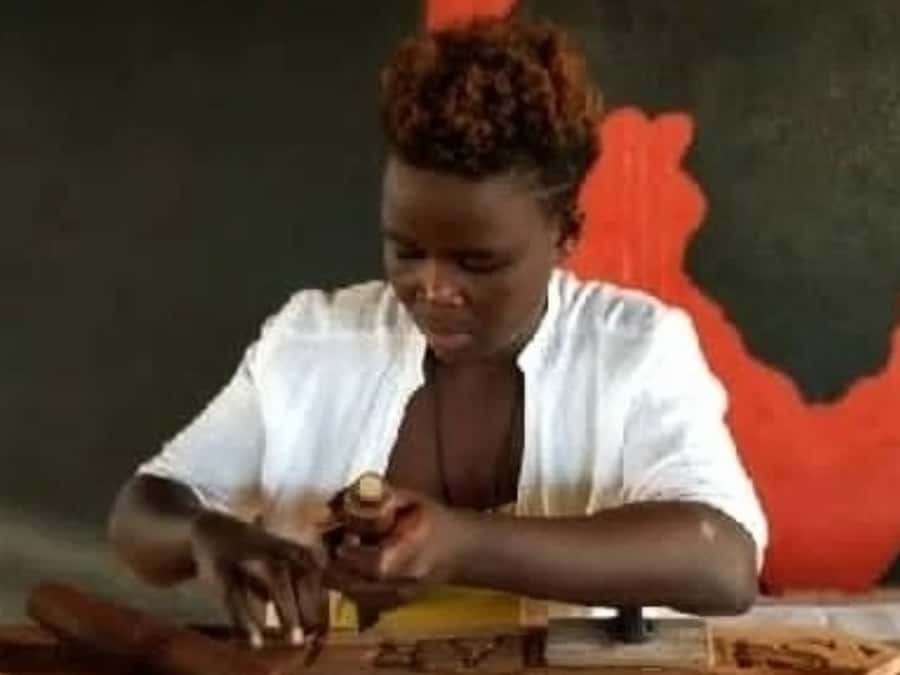
Lamu is a good place to learn woodcarving because the craft is tied to everyday Swahili culture, local design, and generations of handwork. Buying a carved object is easy. Spending time learning how such an object begins gives you a better sense of the care behind it.
You are not expected to arrive with artistic skill. The class is designed for beginners, and the tools and materials are supplied. That matters because you can focus on learning rather than trying to find the correct wood, carving knife, or protective equipment before the lesson begins.
The activity also has a welcome human scale. Almasi teaches as a local woman artist and presents the class as a way to pass on traditional Swahili woodcarving techniques. That personal connection is a major reason to choose this experience instead of a short craft demonstration.
I would not book it if you want a fast, polished activity with a guaranteed perfect result. Woodcarving is slow work. One of the most useful lessons here is patience, and your finished piece may show the marks of a beginner. That is not a flaw. It is the point.
A few more options to weigh up in Mombasa
- Walking Tour Through Old Town Mombasa and Fort Jesus
★ 5.0 · 393 reviews - Mombasa: Kisite Park Private Cruise with Breakfast and Lunch
★ 4.7 · 181 reviews - Mombasa City Tour
★ 5.0 · 170 reviews
Meeting Almasi at Peponi Hotel
The stated meeting point is Peponi Hotel. Ask at the counter, and staff will point you toward the guide. This is a simple arrangement, but you should allow a little time to get oriented if you do not know Shela well.
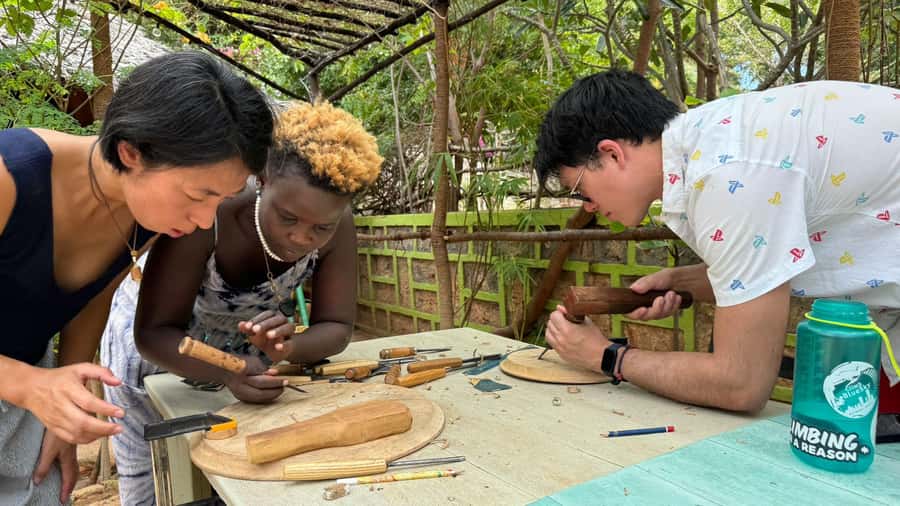
The class normally takes place at the quiet Earth Love Healing Center Garden in Shela. The setting is important. A garden gives the lesson a calmer feel than a busy shop, and it lets you concentrate on the wood, the tools, and Almasi’s instructions.
You can also request the class at your home or hotel. That option is useful for families, small private groups, or anyone who would rather not meet at the standard location. Since the activity is private, ask in advance about the preferred location and start time.
The available information does not give a fixed daily schedule. You need to check availability for starting times. The full session lasts three hours, so choose a time when you are not trying to squeeze in another major activity immediately afterward.
The First Part of the Lesson: Tools, Wood, and Basic Technique
The class begins with an introduction to traditional Swahili woodcarving techniques. You can expect Almasi to explain how to handle the tools and how to work the wood safely and patiently.
The exact carving project is not specified, so you should not assume you will make a particular animal, mask, spoon, or decorative design. That uncertainty is worth accepting. The focus is on learning the process and completing your own handmade souvenir, not ordering a fixed object from a menu.
Tool handling is one of the most valuable parts for a first-timer. A carving tool can remove far more wood than you expect with one careless movement. Almasi’s teaching style, as described by the people who took her lessons, is calm and attentive. She explains details about using the tools and gives students time to understand the work.
You will likely spend part of this opening period learning how pressure, angle, and patience affect the cut. Do not rush because you want to see a finished shape quickly. Woodcarving rewards small movements, and the lesson is designed to help you build confidence step by step.
Three Hours of Focused, Hands-On Work
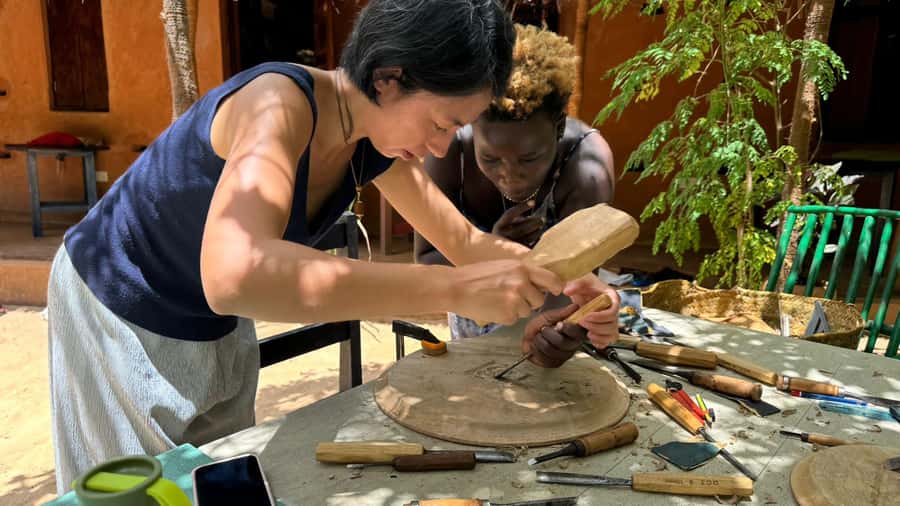
The heart of the experience is the time you spend carving. You work on your own piece while Almasi guides you. This makes the class more engaging than a cultural talk, since your hands are involved from the start.
The three-hour length is well judged for a beginner lesson. It gives you enough time to learn basic handling, practice, correct mistakes, and make visible progress. It is also long enough for you to discover whether you enjoy the quiet concentration that carving requires.
People who took the class describe Almasi as patient, warm, and serious about her work. That combination matters. Too much correction can make a beginner nervous, while too little guidance can leave you unsure what to do next. A calm teacher helps you stay with the process.
You should expect a gradual activity rather than constant entertainment. There may be stretches when the main event is simply shaping wood. I see that as a strength for anyone who wants a break from busy sightseeing, but it may feel too slow if you prefer active tours with frequent changes of scene.
The lesson is private, so you can ask questions without worrying about holding up a large group. Friends and family can work together and compare their progress. A child may need closer supervision and encouragement, especially when using carving tools, even though the class is suitable for children aged five and older.
A completely different kind of day:
- Mombasa: Tusks, Fort Jesus, Old Town, Beach and City Tour
★ 4.7 · 137 reviews - Half-Day Scenic Bike Tour
★ 5.0 · 75 reviews - 2 Days Tsavo East National Park Tour From Mombasa/Diani (1 Night)
★ 5.0 · 50 reviews - Mombasa: Guided Nature Walk Amongst Giraffes
★ 4.8 · 48 reviews
A Handmade Souvenir With a Story Behind It
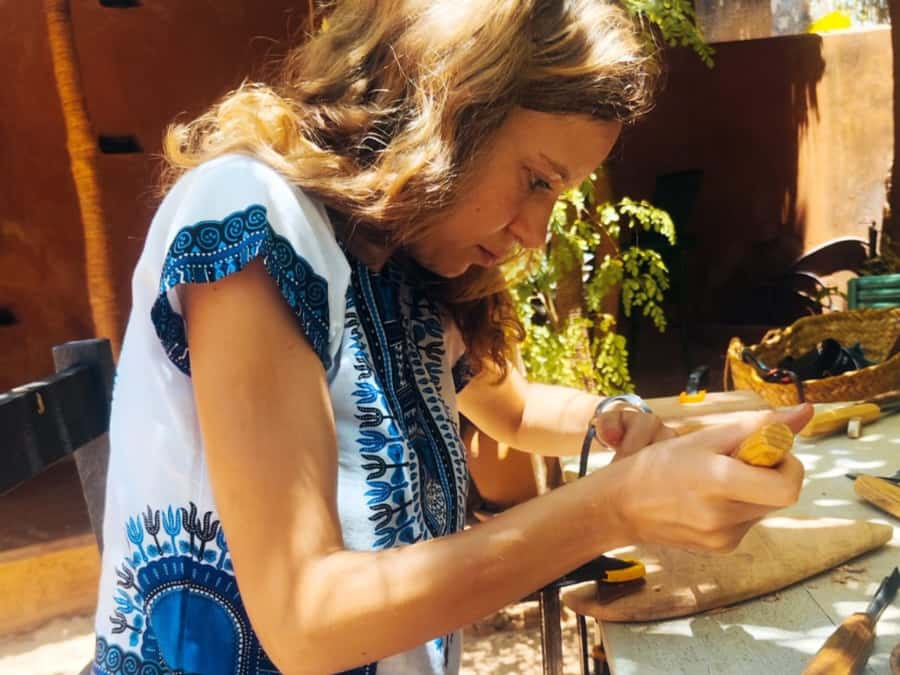
At the end of the class, you keep your own handmade souvenir. Its value is not only in the object itself. You also take home the memory of making it, the time spent learning from Almasi, and a clearer understanding of how traditional craft is produced.
Do not judge your piece by comparing it with work made by a professional wood sculptor. Almasi is described as an exceptional sculptor, while you are beginning your first lesson. Your work will probably be simpler. That difference makes the souvenir personal rather than shop-perfect.
This is also a practical choice if you want to avoid buying a generic keepsake. A handmade item made during your stay connects to a particular afternoon in Shela. It can remind you of the slower rhythm of working with wood long after you leave Kenya.
The class description promises a souvenir for every student. If you are booking for several people, each person should have the chance to create an individual piece. You can confirm the planned project and materials with Almasi before the lesson if that matters to your group.
Refreshments and the Warm Finish
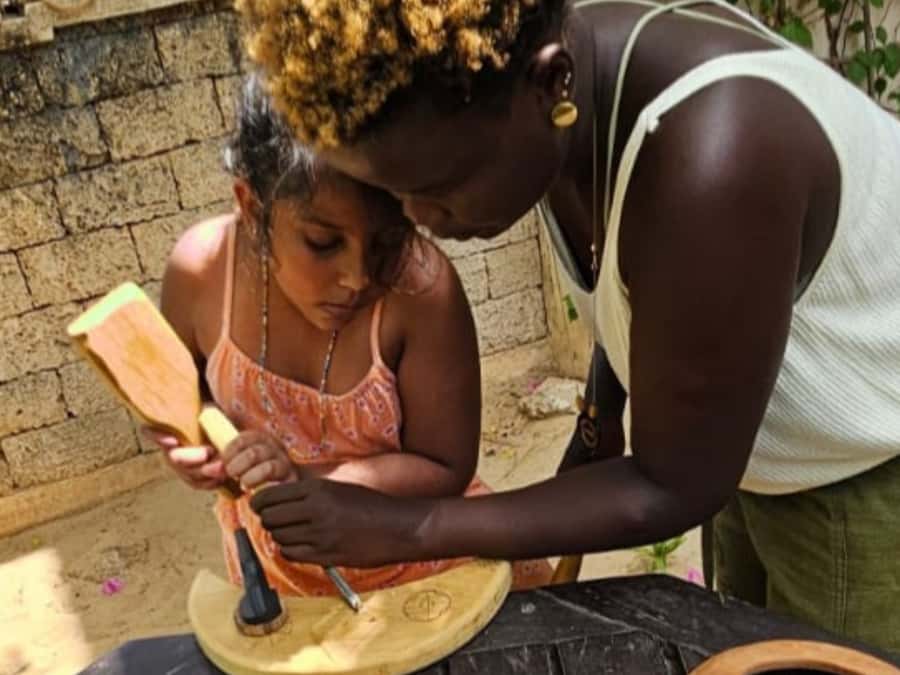
Refreshments are included. The specific food and drink are not stated, so do not book this expecting a particular meal or menu. Still, a snack or drink makes sense after several hours of careful hand work.
One person who took the class described being invited for a snack at the end, which added warmth to the experience. That small gesture fits the tone of the lesson: personal, welcoming, and connected to time spent together rather than a quick commercial transaction.
You should still bring water, especially if you are spending time outdoors. The recommended items are a hat, sunscreen, water, and comfortable clothes. Comfortable clothing is useful because you will be working with your hands for an extended period, and a hat and sunscreen are sensible for a garden setting.
What the $75 Price Really Buys You
The price is $75 per person for three hours. At first glance, that is more than the cost of simply purchasing a small carved souvenir. But the comparison is not quite fair.
Your fee covers the lesson, all necessary materials and tools, your finished piece, and refreshments. You are also paying for direct instruction from Almasi, a private group format, and the chance to learn a traditional local craft from a practicing woman artist.
The value is strongest if you enjoy making things and want a meaningful cultural activity. It is also a reasonable choice for a family or group that wants a shared experience instead of several separate purchases in a market.
The value is weaker if you only want a cheap souvenir or a short introduction. Three hours is a substantial block of your day, and the class demands attention. You should book it because you want to learn, not simply because the final object is included.
I also like the reserve-now-and-pay-later option, since it lets you hold a place without paying immediately. Free cancellation is available up to 24 hours before the activity for a full refund. Still, check the exact booking conditions when you reserve, especially if your schedule in Lamu may change.
Who Will Enjoy This Most?
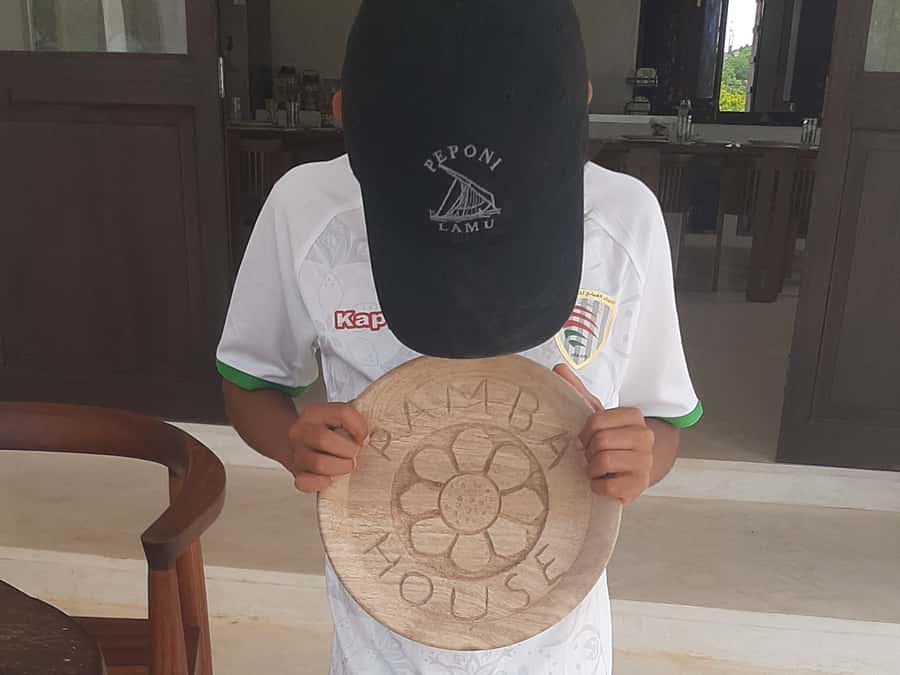
I would recommend the class to people who like slow travel and hands-on activities. You do not need previous carving experience, and the beginner format removes the pressure to arrive prepared.
It is a particularly good fit for:
- Adults who want a personal introduction to Swahili craft
- Families with children aged five and older
- Couples or friends looking for a private shared activity
- Visitors who prefer making a souvenir to buying one
- Anyone interested in meeting a local artist and learning directly from her
- People who enjoy patient, focused work
The activity may not suit someone with limited hand strength, difficulty using carving tools, or mobility concerns. The information says it is not suitable for people with mobility impairments, while also marking it as wheelchair accessible. Because those statements do not fully match, contact the provider before booking if access is important to you.
You should also think about your child’s attention span. The class is open to children, but woodcarving is not a noisy, fast-moving activity. A child who enjoys careful craft work may love it. A child who needs constant action may become restless.
Language, Group Size, and Practical Comfort
Almasi teaches in Swahili and English. That gives you a useful chance to learn about the craft in a local language while still having English instruction available.
The class is a private group experience. You will not be placed into a large mixed group, based on the information provided. This should make it easier to ask questions and set a comfortable pace, though the exact maximum group size is not stated.
Materials and tools are included, so you can come as you are. I would still wear clothes you do not mind using during a craft session. The provider specifically recommends comfortable clothes, along with a hat, sunscreen, and water.
The class can take place at the Earth Love Healing Center Garden in Shela or at your home or hotel by request. If you choose the accommodation option, arrange it ahead of time rather than assuming it will be available at the last minute.
The Teaching Style Is the Main Attraction
The strongest part of this experience is not the souvenir. It is Almasi’s way of teaching.
Her instruction is described as attentive, patient, kind, and professional. She explains how to use the tools and gives careful guidance without making beginners feel foolish. That is exactly what you want when working with an unfamiliar material.
Woodcarving also gives you a lesson in pace. You cannot force the wood to become something else in one quick movement. You have to watch the cut, make a small adjustment, and try again. The process can feel grounding because it asks for your full attention.
I would choose this class for the chance to spend time with a skilled local artist in a personal setting. The fact that Almasi is the only woman woodcarving teacher on Lamu Island adds an important perspective to an art form often presented only through finished objects and male craft traditions.
The experience does not promise a long formal lecture on Swahili culture, and you should not expect a museum-style presentation. Its cultural value comes through practice, conversation, and the act of learning a traditional technique directly.
Should You Book the Woodcarving Class?
Book it if you want a quiet, personal activity that connects you with Lamu through making rather than watching. The $75 price is fair for three hours of instruction, supplied tools and materials, refreshments, a private group, and a souvenir you create yourself.
I would skip it if your schedule is packed, you dislike repetitive hand work, or you want a guaranteed professional-looking result. Woodcarving asks for patience, and the best reward is the process as much as the object.
For families, couples, and craft-minded visitors, this is one of the more personal ways to spend time in Shela. Bring water, sunscreen, a hat, comfortable clothes, and an open mind. Most of all, give the wood time. It will not be hurried.
FAQ
How long does the Swahili woodcarving class last?
The class lasts three hours. Starting times vary, so check availability when booking.
How much does the class cost?
The price is $75 per person.
Where does the class take place?
The usual class location is the Earth Love Healing Center Garden in Shela, Lamu Island. The meeting point is Peponi Hotel, where you can ask at the counter for directions to the guide.
Can the class take place at my hotel or home?
Yes. The class can be conducted at your home or hotel upon request.
Are tools and materials provided?
Yes. All necessary materials and tools are included.
Is the class suitable for children?
Yes, the class is suitable for beginners, including children aged five and older. Children under five are not permitted.
What languages does Almasi speak during the class?
Instruction is available in Swahili and English.
Just added in Mombasa
- 4-Day Tsavo East West and Amboseli National Park from Mombasa★ 4.0 · 5 reviews
- 1-Day Tsavo East Safari From Mombasa★ 5.0 · 3 reviews
- Tsavo East National Park 2 days Voi Safari Lodge from Mombasa.★ 5.0 · 2 reviews
- 4×4 Safari in Tsavo East National Park★ 5.0 · 4 reviews
- 4 Days Mount Kenya Trekking★ 5.0 · 6 reviews
- Private Transfer from Mombasa★ 5.0 · 6 reviews
- Swahili Street Food Tour★ 5.0 · 7 reviews
- Fort Jesus Sound and Light show Mombasa★ 4.0 · 17 reviews
Workshops, compared.

Traditional Kenyan Cooking Class & Local Market Tour
Read our review →
Authentic Kenyan Cooking Class & Market Tour in Nairobi
Read our review →
Private Traditional Kenyan Cooking Class with Lunch in Nairobi
Read our review →
Market Tour and Traditional Kenyan Cooking Class in Nairobi
Read our review →
Local Market Tour and Traditional Meal Cooking Class
Read our review →
Private Kenyan Cooking Class in Nairobi with a Local
Read our review →
Nairobi Traditional Cooking Classes and Local Market Visit
Read our review →Browse the lists this tour appears in