
Reviewed · MALINDI TOURS
Malindi : Kenyan Cooking Class with Campfire Meal
Kenya tastes better over a fire. This two-hour class at Mida Creek Nature Camp gives you a close look at Coastal Kenyan cooking, with local ingredients, traditional tools, and a meal you help prepare. I like the natural camp setting, and I like that the class stays small, with no more than 10 people. The main drawback is that two hours can feel short if you want to cook every dish slowly and sit down for a long meal afterward.
I also like the personal touch from Harrison, whose warm welcome, clear explanations, and pride in local food have made a strong impression. You can choose lunch or dinner, request dishes in advance, and either eat with the group or take the food home. People with food allergies should take extra care: you must contact the provider before booking, and the experience is not recommended for those with allergies.
In This Review
- Key points at a glance
- Why this Kenyan cooking class is worth your time
- Meeting Harrison and settling into camp
- Cooking Kenyan dishes over a campfire
- A fast menu with plenty of variety
- Choosing lunch or dinner at the camp
- The meal and the choice to take it home
- A nature camp with room to do more
- Allergies, requests, and practical limits
- Who will enjoy this experience most?
- Booking advice and cancellation flexibility
- Should you book the Mida Creek cooking class?
- FAQ
- Where does the Kenyan cooking class take place?
- How long does the experience last?
- How much does the cooking class cost?
- What does the price include?
- Can I choose lunch or dinner?
- Which Kenyan dishes might I prepare?
- Can I take the food home?
- Is the class suitable for someone with food allergies?
- How many people can join the class?
Key points at a glance
- Seven dishes in under two hours: One recent class prepared seven Kenyan dishes with fresh local ingredients, so expect a busy, hands-on session.
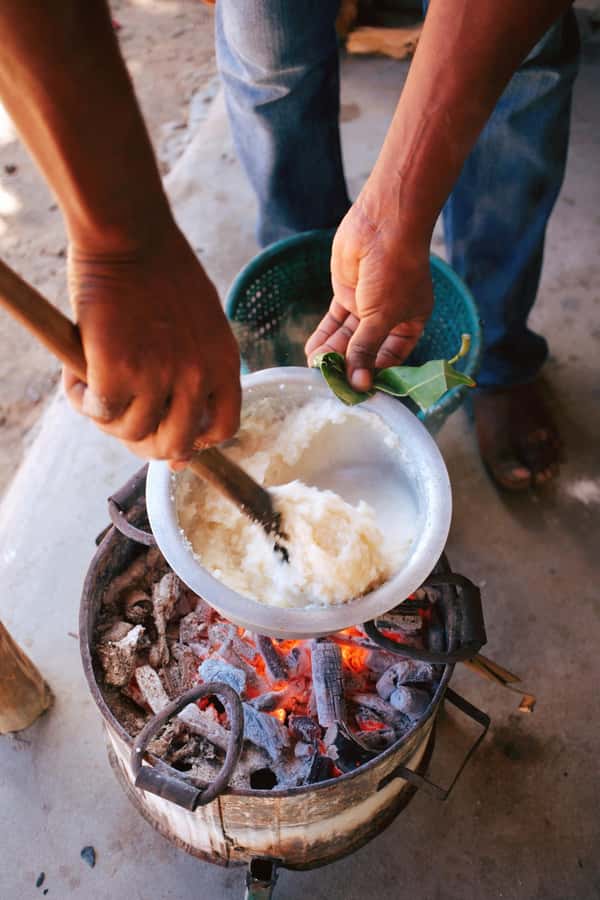
- Campfire cooking at Mida Creek: You cook outdoors at a nature camp, using traditional techniques and tools rather than a modern kitchen.
- Harrison leads the class: His patient explanations and clear passion for Kenyan food add a personal, family-style feel.
- Lunch or dinner is your choice: The group agrees on a suitable start time, usually a couple of hours before the meal.
- A small group of up to 10: The limited size gives you a better chance to ask questions and take part in the preparation.
- $25 covers the essentials: Ingredients, the cooking lesson, and the meal are included, making this a strong-value cultural activity.
Why this Kenyan cooking class is worth your time
Many food classes show you a finished plate and call it culture. This one puts you beside the fire, working through the steps yourself. That matters in Kenya, where simple ingredients and careful cooking often do more of the work than elaborate equipment.
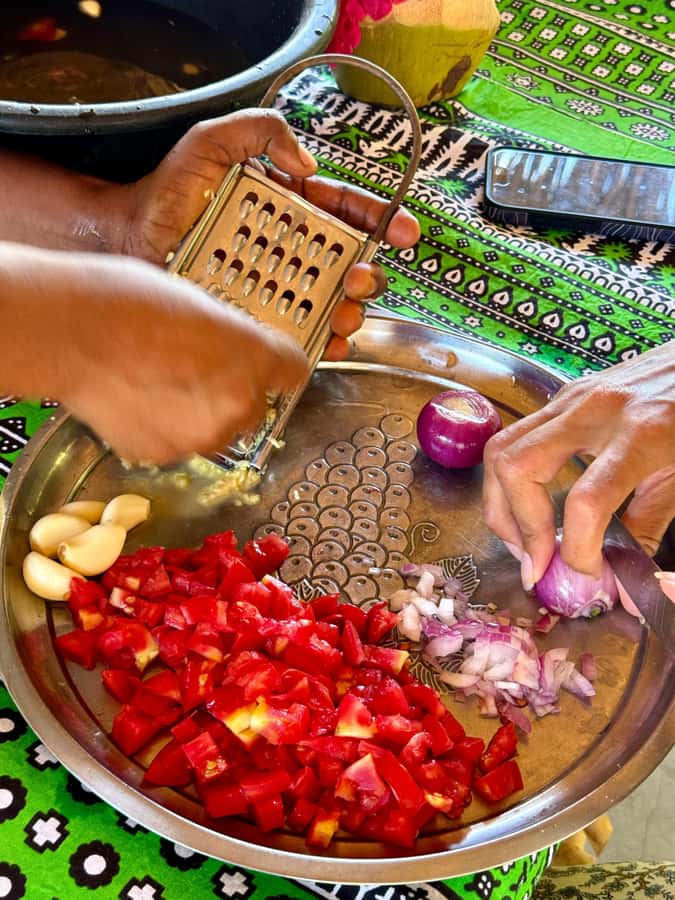
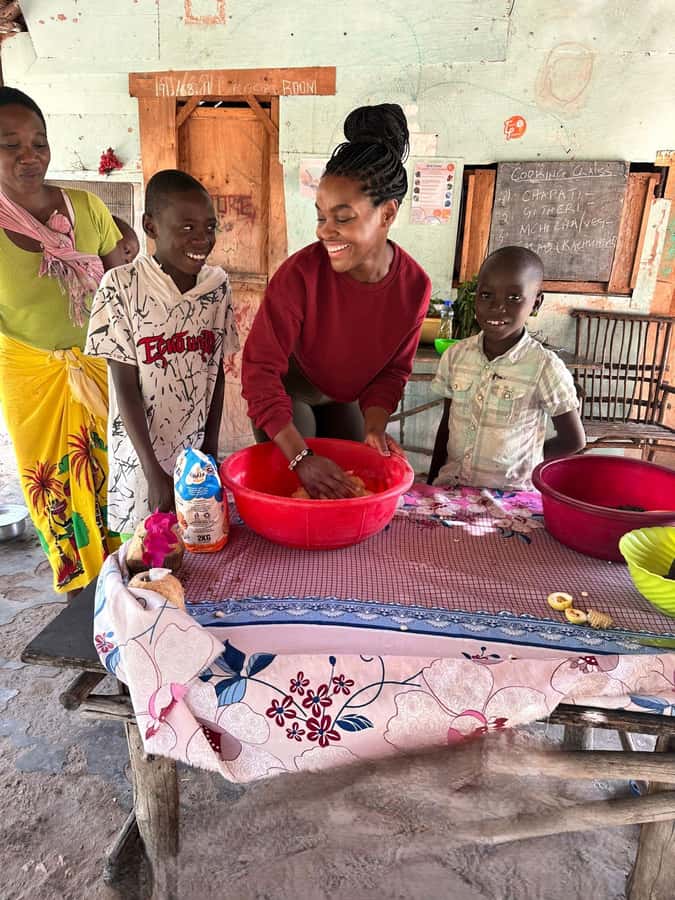
At Mida Creek Nature Camp, the setting is part of the experience. The camp sits in a leafy, sandy area just off the main road, and the cooking takes place outdoors. You are not simply watching a chef prepare food in a restaurant kitchen. You are handling ingredients, learning traditional methods, and seeing how a meal comes together with basic tools and a campfire.
I especially like the connection to local life. The camp tries to use homegrown ingredients and has a small shop for anything still needed. That gives the class a practical quality. It is less about polished presentation and more about understanding what Kenyan food tastes like when it is prepared at home or in a village setting.
The price is $25 per person. For that amount, you receive the class, ingredients, and the meal. That is good value even before considering the setting and personal instruction. A standard restaurant dinner may cost less or more depending on where you eat, but it will not give you the same chance to prepare the food or ask about the cooking methods.
More Malindi trips:
- Safari Kenya with Patrick
★ 4.0 · 45 reviews - Kisite Marine Park Private Boat Snorkeling with breakfast & Lunch
★ 5.0 · 32 reviews - Safari blue
★ 4.5 · 27 reviews
Meeting Harrison and settling into camp
You meet at Mida Creek Nature Camp. Exact directions are provided through Google Maps, so check the meeting information before setting out. The start time depends on your choice of lunch or dinner, with the group generally meeting a couple of hours before eating.
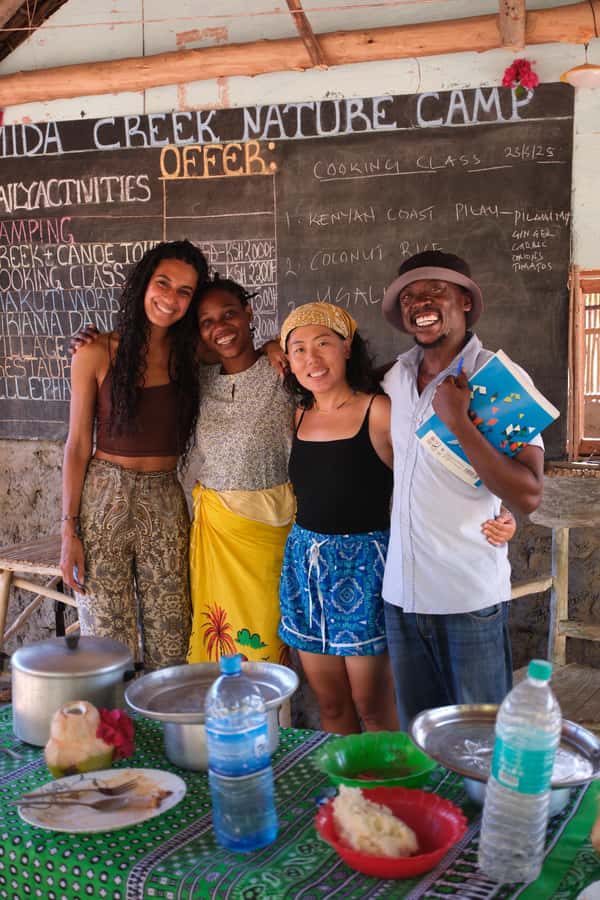
Harrison is an important part of the experience. He has been praised for his friendly manner, precise explanations, patience, and clear pleasure in passing on his culture. That combination makes a difference in a cooking class. You want someone who can explain not just what to do, but why a dish is prepared in a particular way.
The family-run feel also helps. The camp is not presented as a large commercial attraction. Along with cooking, the family organizes small activities connected with the village, mangroves, and nature. You should not assume these extras are included in the cooking class, but they may be available separately if you want to extend your visit.
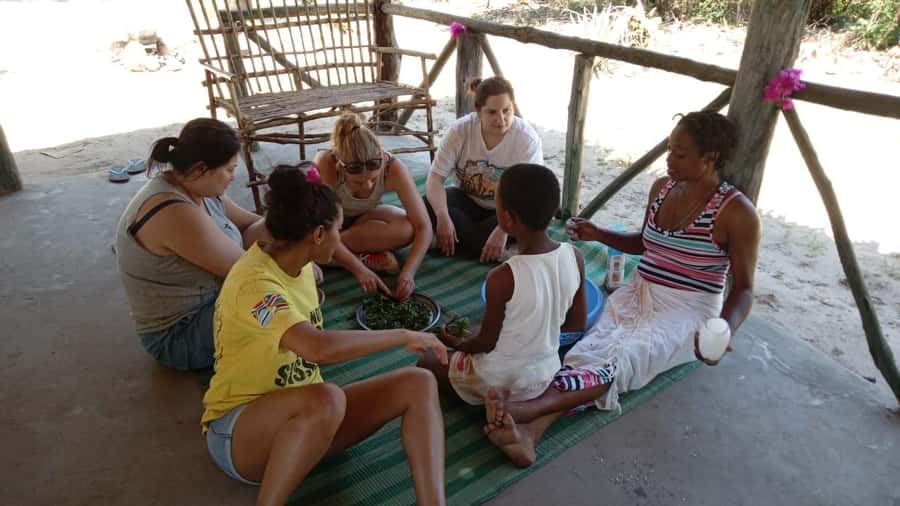
The group size is limited to 10 people. That is large enough for a social meal but small enough for personal attention. You may share tasks with other cooks, so be ready to work as a team rather than expect your own private station and separate menu.
Cooking Kenyan dishes over a campfire
The class focuses on traditional Kenyan recipes, with a strong Coastal Kenyan flavor. The menu changes, and you can make requests before the class. Possible dishes include:
- Ugali
- Githeri
- Kenyan pilau
- Wali wa nazi
- Sukuma wiki
- Mchicha
- Kenyan stew
- Nyama choma
- Matoke
- Mandazi
- Grilled maize
This list gives you a sense of the range. You might work with maize, rice, greens, meat, plantains, coconut, or dough, depending on the menu selected for your group. The food is familiar and filling rather than fussy. That is part of its appeal.
Ugali is a staple maize dish with a firm, satisfying texture. Githeri combines beans and maize. Wali wa nazi brings coconut into rice, while Kenyan pilau uses spices for a more fragrant result. Sukuma wiki and mchicha add leafy greens, and mandazi gives you a sweet piece of dough to finish the meal.
Nyama choma means roasted meat, while grilled maize offers a simple example of how much flavor can come from fire and fresh produce. Matoke, made with cooking bananas, adds another useful lesson in the variety of East African ingredients.
The class is described as hands-on, so you should expect to take part in preparation and cooking rather than simply watch. The use of a campfire and traditional tools gives the session a stronger sense of place than an indoor demonstration would. It also means conditions may be more basic. Smoke, heat, sandy ground, and shared cooking space are all part of the bargain.
That is not a problem for most people, but it is worth knowing before you book. Wear comfortable clothes and avoid anything you would worry about near a fire. Pets are not allowed.
A fast menu with plenty of variety
One recent class prepared seven dishes in less than two hours. That is impressive, but it also tells you how the class works. You will likely move from one task to another at a good pace, with Harrison guiding the group through several recipes at once.
If you enjoy an active session, this variety is a strength. You get a broad introduction to Kenyan cooking rather than spending the whole time perfecting one dish. It also makes the class suitable for people with different food interests. One person may be most curious about pilau, another about mandazi or greens.
The tradeoff is time. Two hours includes the cooking activity and meal, so you may not have long to sit and talk once the food is ready. If eating what you cook is a priority, tell the provider ahead of time and ask how much time the group will have at the table.
You can also take the food home instead of eating with the group. That option is useful if you have another commitment, prefer a quieter meal, or are staying nearby. Still, I think sharing the meal is likely to be the more rewarding choice when your schedule allows. Food tastes better when you can compare notes, ask final questions, and enjoy the results together.
More Cooking Classes in Malindi:
- Traditional Kenyan Cooking Class & Local Market Tour
★ 5.0 · 129 reviews - Authentic Kenyan Cooking Class & Market Tour in Nairobi
★ 5.0 · 12 reviews - Private Traditional Kenyan Cooking Class with Lunch in Nairobi
★ 5.0 · 10 reviews - Market Tour and Traditional Kenyan Cooking Class in Nairobi
★ 4.8 · 6 reviews
Choosing lunch or dinner at the camp
The flexible timing is practical. You can choose a lunch or dinner session based on your day in the Malindi area. The group decides the exact starting time, so contact the provider before the experience rather than assuming a fixed departure hour.
A lunch class may fit well between other daytime plans. A dinner class gives the camp a different mood, with the fire becoming the center of the evening. The information provided does not promise a particular sunset, entertainment program, or evening activity, so I would treat those as possible atmosphere rather than guaranteed features.
Plan enough time to reach Mida Creek Nature Camp and find the meeting point. Since the directions rely on Google Maps, download or check the route in advance if your connection may be unreliable. The camp is off the main road, in a leafy sandy area, so allow a little patience when locating it.
The experience lasts two hours. You should not book it expecting a full-day food tour, a long village walk, or a formal culinary course. It is a compact cultural activity that fits neatly into a broader stay.
The meal and the choice to take it home
Once the dishes are ready, you can eat with the group or bring your creations home. The included meal is one of the best parts of the value. You are not paying separately for the ingredients, lesson, and final food.
Eating together gives the class a natural ending. You have just worked over the same fire, and the shared table turns the cooking into a social experience. The family atmosphere described at the camp makes this feel less like a performance and more like an invitation to participate.
If you want a longer meal, ask in advance. One useful suggestion is to allow more time than the stated two hours if you hope to eat slowly or add another camp activity. The cooking itself may move quickly, especially when the group prepares several dishes.
Taking the food home is a good backup, but you should clarify how that will work with the provider. The experience says you can bring the food home, but it does not give details about containers, storage, or transport time. Do not leave this question until the last minute if you have a long journey afterward.
A nature camp with room to do more
Mida Creek Nature Camp is more than a cooking location. The camp offers tents and treehouses, according to the available information, and the family also organizes small tours around the village and mangroves, along with workshops.
These activities are not part of the $25 cooking class, so treat them as possible additions rather than included features. Still, they make the camp a useful base if you want to slow down and spend more time in the area.
A canoe ride to Green Island, with its mango groves, has also been suggested as a possible future activity at the camp. Again, you would need to arrange that separately. The important point is that the cooking class can fit into a larger visit focused on nature and local community life, rather than being an isolated meal stop.
I would not book the cooking class solely because you expect a full program of extras. Book it for the food and the campfire setting. If you have additional time, ask what else is available when you contact the provider.
Allergies, requests, and practical limits
Food allergies require careful planning. The instructions specifically ask you to contact the provider before the experience to discuss allergies and intolerances, yet the activity is also marked as unsuitable for people with food allergies.
That means you should not assume substitutions or a separate preparation area will be possible. If you have a serious allergy, ask direct questions before paying, including which ingredients will be used and how the food will be prepared. If the provider cannot give you a safe answer, skip this activity.
The class is conducted in English. That should work well if you can follow spoken cooking instructions in English, but you may want to mention any language concerns when arranging your place.
Comfortable clothing is the only stated item to bring. Since you will cook over a fire, practical clothes are wiser than formal ones. Closed shoes and clothing you can move in are sensible choices, though the experience does not list a required dress code.
Pets are not allowed. The group is small, but the setting is outdoors and the cooking is shared, so you should be comfortable with a basic camp environment.
Who will enjoy this experience most?
I would recommend this class to anyone who wants food to be a doorway into local life. It suits curious eaters, couples, families with older children, and solo visitors who enjoy meeting people around a shared task.
It is especially useful if you are tired of sightseeing that keeps you on the outside. Here, you take part. You learn the names of dishes, handle ingredients, watch food cook over fire, and taste the results.
It is also a good choice for people watching their budget. At $25, the class includes the food as well as the activity. You get more than a meal, but you do not pay for a long, polished production.
I would be more cautious if you want a quiet, highly structured culinary lesson with exact recipes, individual workstations, and plenty of time for questions. The group may prepare several dishes quickly, and the camp setting is intentionally simple.
It may also disappoint someone looking for a broad tour of Malindi. The class takes place at the camp and does not include a confirmed village or mangrove tour. Arrange those separately if they matter to you.
Booking advice and cancellation flexibility
The class costs $25 per person and accepts groups of up to 10. You can reserve now and pay later, which helps if your schedule in coastal Kenya is still changing.
Free cancellation is available up to 24 hours before the experience for a full refund. Keep that deadline in mind, especially if your transport plans around Malindi are uncertain.
Before booking, contact the provider about three things: your preferred lunch or dinner time, any dishes you hope to prepare, and any allergies or intolerances. You should also ask how much time will be set aside for eating if you want to enjoy the meal at the camp rather than take it away.
Should you book the Mida Creek cooking class?
Yes, if you want a low-cost, personal introduction to Kenyan food and do not mind a simple outdoor setting. Harrison’s patient teaching, the family welcome, local ingredients, and campfire cooking give the class real character.
Book it as a two-hour food experience, not as a full culinary school or a full-day excursion. Allow extra time if you want to eat slowly or ask about separate village, mangrove, canoe, or workshop activities.
I would make the booking after confirming the menu and food-safety arrangements. For most visitors without allergies, the combination of hands-on cooking, a shared meal, and a nature camp makes this one of the better-value cultural activities around Malindi.
FAQ
Where does the Kenyan cooking class take place?
The class takes place at Mida Creek Nature Camp in Coast Province, Kenya. Use Google Maps for directions to the meeting point.
How long does the experience last?
The cooking class lasts two hours. The group generally meets a couple of hours before lunch or dinner, depending on the chosen meal time.
How much does the cooking class cost?
The price is $25 per person.
What does the price include?
The price includes the cooking class, ingredients, and the meal.
Can I choose lunch or dinner?
Yes. The experience can be arranged for lunch or dinner, depending on the group’s preference and availability.
Which Kenyan dishes might I prepare?
Possible dishes include ugali, githeri, Kenyan pilau, wali wa nazi, sukuma wiki, mchicha, Kenyan stew, nyama choma, matoke, mandazi, and grilled maize. The menu changes, and you can make requests in advance.
Can I take the food home?
Yes. After cooking, you can either eat the food with the group or take your creations home.
Is the class suitable for someone with food allergies?
The experience is listed as unsuitable for people with food allergies. Contact the provider before booking to discuss allergies or intolerances and ask whether your needs can be safely accommodated.
How many people can join the class?
The experience is a small-group activity limited to 10 participants. The instructor speaks English.
Just added in Malindi
- Airport Transfers to Watamu and Malindi★ 3.5 · 3 reviews
- Private Tsavo East Tour★ 4.5 · 2 reviews
- Safari-Tsavo east national park -2 days 1 night★ 5.0 · 8 reviews
- Gede Ruins & Malindi Tour★ 5.0 · 5 reviews
- Mida Creek Safari Blue★ 5.0 · 2 reviews
- Full day Sardegna Island Malindi★ 5.0 · 1 review
- Magical Storytelling Swahili Dinner in the Bushbaby Treehouse★ 5.0 · 3 reviews
- Tour to Mambrui and Marafa Hells kitchen from Malindi★ 5.0 · 2 reviews
Malindi Tours, compared.

Kisite Marine Park Private Boat Snorkeling with breakfast & Lunch
Read our review →
Tour Malindi & Robinson Island & Marafa Hell’s Kitchen
Read our review →

Browse the lists this tour appears in