
Reviewed · SHOPPING TOURS
Authentic Kenyan Cooking Class & Market Tour in Nairobi
The best Nairobi meal may begin at a market. This four-hour experience combines a local market visit with hands-on cooking in Tabitha’s home near Nairobi, giving you two things I especially like: direct contact with everyday Kenyan food culture and a shared meal with a welcoming family. The $64 price also covers market transport, cooking instruction, lunch, and drinks.
The main consideration is that this is a home kitchen, not a polished cooking school. Space is limited, and the cooking can involve unfamiliar ingredients, close quarters, and a flexible rhythm. If you have food allergies, this activity is not suitable, and anyone who prefers a formal class may find the setting too informal.
In This Review
- Key points to know before booking
- Starting at K-MALL Komarocks parking lot
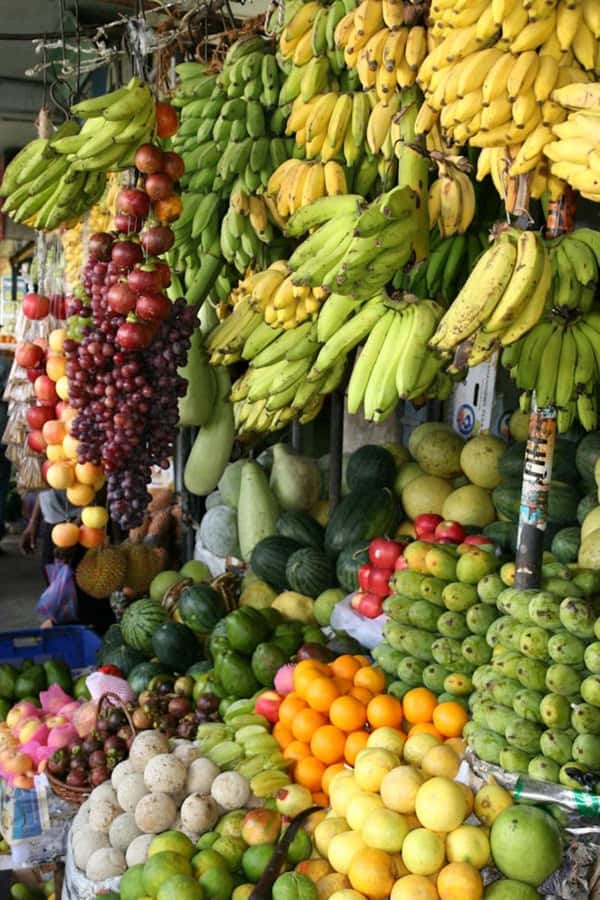
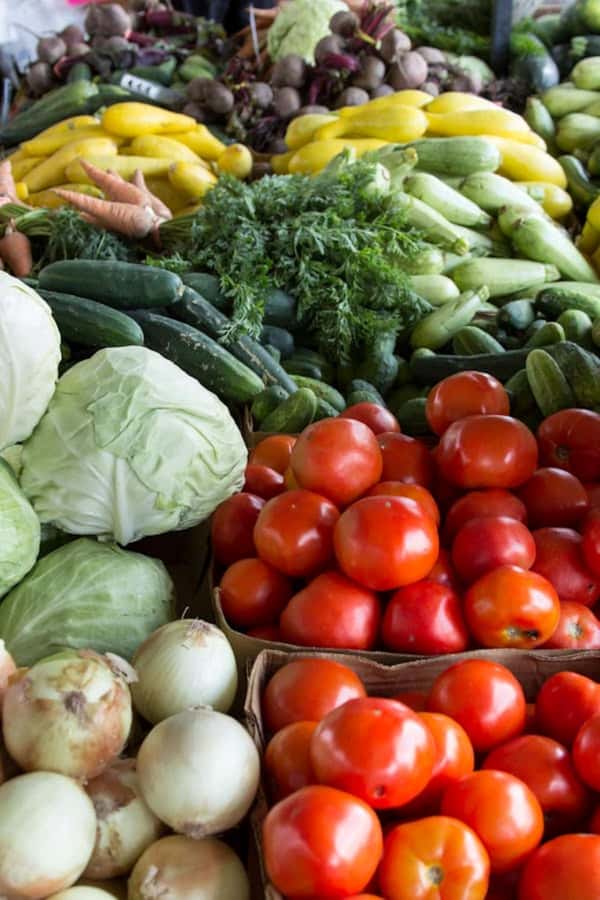
- Shopping for ingredients in a Nairobi market
- Cooking Kenyan dishes in Tabitha’s home
- Why a private home changes the experience
- Eating lunch together after the cooking
- What the $64 price really covers
- How the atmosphere may feel
- Who will enjoy this most
- Practical tips for a smoother half-day
- Should you book this Kenyan cooking class?
- FAQ
- Where does the experience begin?
- How long does the activity last?
- What food might I learn to prepare?
- Is transport included?
- Which languages are spoken?
- Can I cancel for a refund?
Key points to know before booking
- You begin at K-MALL Komarocks parking lot, then continue to a nearby local market.
- Tabitha leads the experience in English and Swahili, with food and family stories woven into the day.
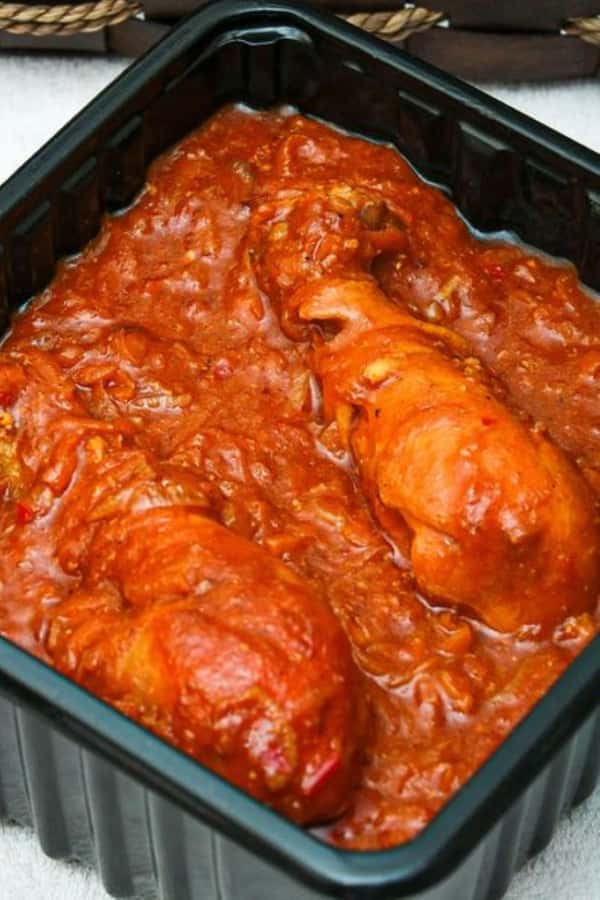
- The menu can include ugali, pilau, chapati, sukuma wiki, kachumbari, mukimo, githeri, and kuku kienyeji, or traditional chicken.
- The meal is prepared and eaten in a private home, which gives the experience its strongest cultural value.
- The $64 fee includes market transport, lessons, lunch, soda, water, and tea, but not Uber costs or alcohol.
- Children under 10 enter free, while people with food allergies and people over 95 should not book.
Starting at K-MALL Komarocks parking lot
The meeting point is K-MALL Komarocks parking lot. This is an important detail because you should plan your route to the meeting point rather than assume the host will collect you from any Nairobi hotel.
From there, transport is provided to the market and back as part of the activity. The information also says transportation can be arranged for convenience, while Uber or other personal transport costs are not included. I would confirm the pickup details after booking, especially if you are staying far from Komarocks.
The total time is four hours, so this is a half-day activity rather than a quick cooking demonstration. That gives the market visit and meal enough room to feel like parts of one experience, not unrelated stops squeezed together.
More Cooking Classes in Nairobi:
- Traditional Kenyan Cooking Class & Local Market Tour
★ 5.0 · 129 reviews - Private Traditional Kenyan Cooking Class with Lunch in Nairobi
★ 5.0 · 10 reviews - Market Tour and Traditional Kenyan Cooking Class in Nairobi
★ 4.8 · 6 reviews
Shopping for ingredients in a Nairobi market
The market is more than a place to buy supplies. It is where you begin to see how a Kenyan meal takes shape before anyone turns on the stove.
You will walk through the market with Tabitha, choose fresh ingredients, and get a look at daily shopping in Nairobi. The setting is busy and social, and you should expect to interact with local people. One account describes the drive through Nairobi as part of the experience itself, offering a look at the city beyond the standard tourist route.
The market can also be a lively introduction to the social side of food. You are not simply handed premeasured ingredients. You see the produce, seasonings, and other basics being selected for the meal, then carry that connection into the kitchen.
Bring comfortable shoes and clothes you can move around in. A camera is useful, but ask before photographing people. The market is a working place first, and respectful curiosity will serve you better than treating it like a staged photo stop.
You should also carry some cash. The fee covers the planned experience, but cash is sensible for personal purchases or small needs during the outing. Weapons and sharp objects are not allowed, so pack lightly and keep your belongings simple.
Cooking Kenyan dishes in Tabitha’s home
After the market, you continue to Tabitha’s home on the outskirts of Nairobi. This is the heart of the activity.
Tabitha, also known as Tabby, welcomes you into her kitchen and guides you through the preparation of traditional dishes. The cooking is hands-on, though the kitchen has limited space. You should expect to help where possible, taste ingredients as the meal develops, and listen to stories about Kenyan food and daily life.
The menu may include several familiar Kenyan staples:
- Ugali, a firm maize meal dish that is often used to accompany vegetables, stew, or meat.
- Sukuma wiki, a leafy green vegetable dish and a common part of home cooking.
- Kachumbari, a fresh salad usually built around chopped vegetables.
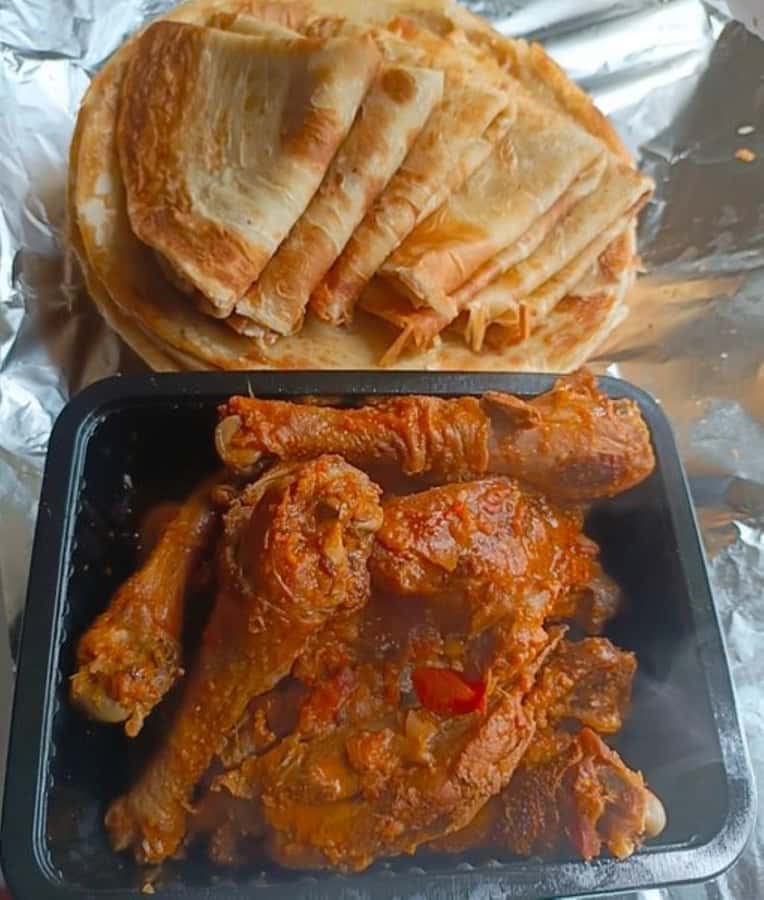
- Chapati, a flatbread that takes patience and practice to prepare well.
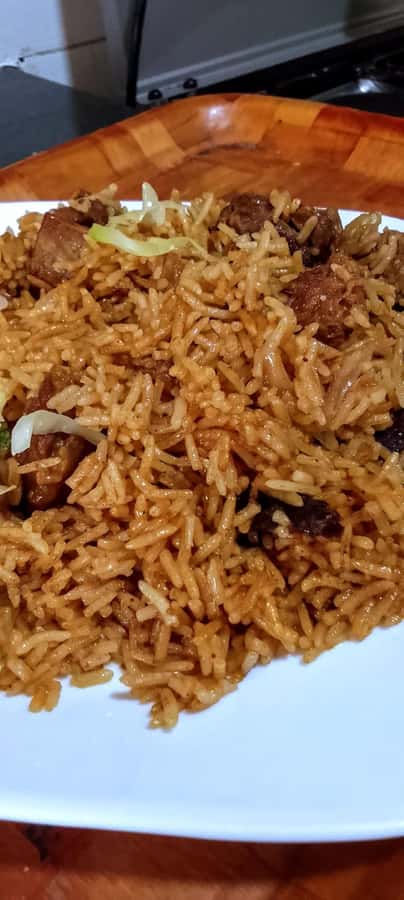
- Pilau, a seasoned rice dish with warm spices.
- Mukimo, a mashed mixture often made with vegetables and legumes.
- Githeri, a traditional combination of maize and beans.
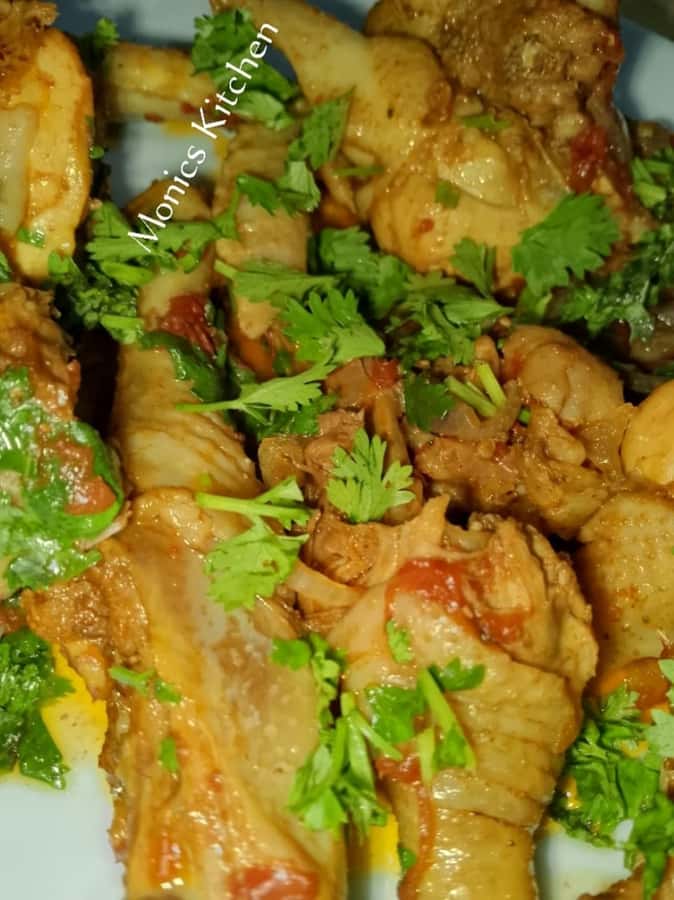
- Kuku kienyeji, or traditional chicken.
The exact selection may depend on the day and the ingredients purchased. That flexibility is part of the home setting. You are learning how food is made in a real household, rather than following a fixed restaurant menu with every ingredient arranged in advance.
I like that the class is not only about recipes. The food gives Tabitha a way to explain Kenyan customs, ingredients, techniques, and family life. Cooking becomes a reason to talk, ask questions, and understand what a dish means beyond its name.
Why a private home changes the experience
A restaurant can serve you Kenyan food. A private home can show you how it fits into ordinary life.
That difference is the main reason I would choose this activity over a standard demonstration. You spend time with Tabitha and her husband, share conversation, and sit down to eat what you helped prepare. The tone is personal and relaxed, with the meal treated as a social moment rather than the final stage of a paid lesson.
One especially meaningful part of the experience is the chance to hear Tabitha talk about her life, including everyday joys and challenges. That kind of conversation cannot be guaranteed in every organized activity, but it is clearly central to the way this experience is hosted.
You should book this with an open mind. The purpose is not simply to collect a list of Kenyan recipes. It is to spend a few hours seeing how food, hospitality, and family conversation fit together in a Nairobi home.
That also means you should respect the boundaries of a private residence. Follow Tabitha’s instructions, ask before taking photographs indoors, and understand that the kitchen may not have the space or equipment of a professional cooking studio.
More markets in Nairobi:
- Memorable Daily KIBERA Slums/Toi Market Tour with Locals (2 hours)
★ 5.0 · 29 reviews - Half-Day Nairobi National Park and Maasai Market with Pick up
★ 5.0 · 16 reviews - Nairobi: Hop on Hop off and Maasai market Collections Visit
★ 3.5 · 10 reviews - Explore local Market matatu ride & Make Kenyan Cuisines with a home cook
★ 5.0 · 8 reviews
Eating lunch together after the cooking
Lunch is included, along with soda, water, and tea. The meal is made during the class and shared at home, which gives you a chance to taste the dishes in the setting where they are prepared.
If you have only eaten Kenyan food in hotels or restaurants, this is a useful contrast. Home cooking can be less formal and more varied, and dishes such as ugali, greens, beans, rice, flatbread, and traditional chicken show how a meal can bring several textures and flavors to the table.
Come hungry. You will be cooking and tasting as you go, then sitting down for lunch afterward. The cooking class is not designed around a quick sample or a single finished dish.
There are limits. Alcoholic drinks are not included, and the activity is not suitable for people with food allergies. If you have dietary restrictions, the safest approach is to ask about the menu before booking rather than assume substitutions will be available.
What the $64 price really covers
At $64 per person, this is priced higher than buying an ordinary lunch in Nairobi, but that is not the right comparison. The fee includes a host, transport to and from the market, market shopping as part of the activity, cooking instruction, lunch, soda, water, and tea.
You are also paying for several hours of personal contact in a home setting. The value is strongest if you want culture and conversation along with food. It is weaker if you only want a professional cooking lesson or the cheapest possible meal.
The included transport adds practical value. Nairobi traffic and distances can make a short outing take much longer than expected, so having market transport arranged removes one part of the planning. You still need to cover your own Uber or transport costs to the meeting point unless another arrangement is made.
The reserve now and pay later option can help if your Nairobi schedule is not fixed. Free cancellation is available up to 24 hours before the activity for a full refund. Check the start time when you book because availability varies.
How the atmosphere may feel
The strongest praise for this experience centers on Tabitha herself. People describe her as warm, welcoming, and easy to spend time with. That matters here because the host is not only teaching techniques. She is opening her home and shaping the entire mood of the day.
The setting also takes you away from the standard city sightseeing pattern. You still see Nairobi during the drive and at the market, but the focus shifts from major attractions to ordinary routines, shopping, cooking, and conversation.
The neighborhood is described as secure, which is reassuring, though you should still use normal city awareness and follow the host’s directions. The meeting point and transport plan make the day more structured than trying to arrange a market visit and home meal on your own.
I would not choose this activity if you need a quiet, private meal with a predictable schedule. Market visits can be noisy, and the home kitchen has limited room. The best attitude is to accept a little unpredictability and take part rather than wait for a polished show.
Who will enjoy this most
This experience suits you if you:
- Want to understand Kenyan food through daily life, not only restaurant menus.
- Enjoy cooking with other people and trying unfamiliar dishes.
- Prefer a personal host over a large group tour.
- Like markets, local conversation, and informal cultural activities.
- Want to spend part of your Nairobi visit outside the usual sightseeing circuit.
- Appreciate a shared meal as much as the cooking itself.
It is also a good choice for couples, friends, and small groups who enjoy talking with a host. The experience has received a perfect five out of five rating from 12 bookings, with repeated praise for Tabitha’s food, hospitality, and ability to make people feel welcome.
Families should note that children under 10 get free entrance. Still, the cooking area is limited, so parents should consider how comfortably younger children will manage a market visit and a hands-on kitchen session.
This is not suitable for people with food allergies. It is also listed as unsuitable for people over 95. Those restrictions are worth taking seriously because the activity involves market food, home cooking, and movement between locations.
Practical tips for a smoother half-day
Wear shoes that are comfortable for walking and clothes that allow you to work in a kitchen. You may be moving through a market before spending time preparing food, so comfort matters more than dressing up.
Bring a camera, but use it politely. The market is a real community space, and people may not want close-up photographs. Ask Tabitha for guidance if you are unsure.
Carry cash, even though the activity itself has a set price. Do not bring weapons or sharp objects, since these are not permitted.
Confirm how you will reach K-MALL Komarocks parking lot. The included transport begins with the market portion, and your own route to the meeting point is not automatically covered.
Finally, do not expect every listed dish at every session. The food can change with the ingredients selected and the cooking plan for that day. That is normal for a home-based class and gives you a more honest look at how meals are prepared.
Should you book this Kenyan cooking class?
I would book this if you want a personal, food-centered look at Nairobi life. The strongest reasons are Tabitha’s warm hosting, the market visit, the chance to cook several Kenyan dishes, and the shared lunch in her home.
The $64 cost is fair when you count the four-hour format, transport between the market and home, food, drinks, instruction, and conversation. It offers more than a meal, but you should not mistake it for a formal culinary school.
Book it if you are comfortable with a small home kitchen, a flexible menu, and a social atmosphere. Skip it if you have food allergies, need a highly structured class, or only want a quick food tasting. For the right person, this is a thoughtful way to taste Kenya while also meeting the people and routines behind the food.
FAQ
Where does the experience begin?
The meeting point is the K-MALL Komarocks parking lot. From there, you proceed to the local market.
How long does the activity last?
The experience lasts four hours. Starting times depend on availability when you book.
What food might I learn to prepare?
The cooking may include kachumbari, sukuma wiki, ugali, chapati, pilau, mukimo, githeri, and kuku kienyeji, or traditional chicken.
Is transport included?
Transport to and from the market is included. Uber or other personal transport costs are not included, and transportation to the meeting point should be confirmed in advance.
Which languages are spoken?
The live guide speaks English and Swahili.
Can I cancel for a refund?
Yes. You can cancel up to 24 hours in advance for a full refund. The reserve now and pay later option is also available.
More Shopping Tours in Nairobi
- Nairobi souvenir Shopping and Historical Half day Tour
★ 5.0 · 61 reviews - Nairobi Cultural Shopping Experience
★ 5.0 · 21 reviews - Nairobi Guided Cultural Shopping Experience Day Tour
★ 4.0 · 12 reviews - Nairobi cultural souvenir shopping tour with a local
★ 5.0 · 12 reviews
Just added in Nairobi
- Wildlife Capital: Half-Day Safari at Nairobi National Park★ 5.0 · 2 reviews
- 3 days maasai mara migration safari★ 4.5 · 7 reviews
- 4 Days Tour Landcruiser in Masai Mara and Lake Nakuru★ 5.0 · 10 reviews
- 4 Days Safari to Lake Nakuru N/P and Maasai Mara N/R★ 5.0 · 18 reviews
- Day Tour to Nairobi national park, Elephants, and Giraffe Center★ 3.5 · 8 reviews
- 6 Days Kenya Budget Group Safari★ 5.0 · 2 reviews
- Maasai Mara Day Trip★ 5.0 · 15 reviews
- 3 Days Masai Mara Wildebeest migration Budget safari★ 5.0 · 2 reviews
Shopping Tours, compared.

Traditional Kenyan Cooking Class & Local Market Tour
Read our review →
Nairobi souvenir Shopping and Historical Half day Tour
Read our review →
Memorable Daily KIBERA Slums/Toi Market Tour with Locals (2 hours)
Read our review →

Mombasa City Tour,Fortjesus,Oldtown,Tusks and Spice Market.
Read our review →
Half-Day Nairobi National Park and Maasai Market with Pick up
Read our review →
Nairobi cultural souvenir shopping tour with a local
Read our review →
Nairobi Guided Cultural Shopping Experience Day Tour
Read our review →Browse the lists this tour appears in