

Reviewed · SHOPPING TOURS
Traditional Kenyan Cooking Class & Local Market Tour
Come hungry and curious. This three-and-a-half-hour Nairobi experience combines a farmers market visit, a local matatu ride, and hands-on cooking at Nimoh’s home. I like the market stop because it shows you the produce behind Kenyan home cooking, and I like the matatu ride because it adds a real slice of daily Nairobi life. The main consideration is that public transport and market shopping may feel busy or unfamiliar, though Nimoh guides you throughout.
You meet at Westlands Square on Ring Road in Parklands, then head to a local farmers market to buy ingredients for the meal. You can skip the market if you prefer, but doing the full route gives the experience its shape. Afterward, you prepare a traditional meal from Nimoh’s tribe, sit down to eat together, and may take the food you prepare with you.
The cooking is flexible. You can chop, stir, knead, and get your hands dirty, or simply watch and enjoy the meal. Vegetarian, pescatarian, and gluten-free options are available if you mention them when booking. The price is $50 per person, with grocery shopping included.
In This Review
- Key Points Before You Book
- Meeting Nimoh at Westlands Square
- Shopping for Produce at a Nairobi Farmers Market
- Riding a Matatu Through Nairobi
- Cooking a Traditional Kenyan Meal at Home
- Conversation, Culture, and the Home Setting
- How Much Value Do You Get for $50?
- Who Will Enjoy This Nairobi Experience?
- Timing, Access, and Cancellation Details
- Should You Book It?
- FAQ
- Where does the experience start?
- Where does the experience end?
- How long does the experience last?
- Is the market visit required?
- Is the matatu ride included?
- What food will be prepared?
- Are dietary options available?
- Can I take the food with me afterward?
- How many people can join?
- Is the cooking location accessible?
- What is the cancellation policy?
Key Points Before You Book
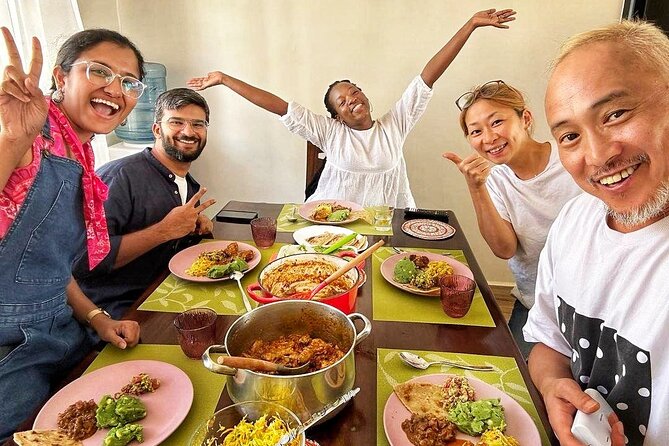
- Three Nairobi experiences in one: You visit a local farmers market, ride public transport in a matatu, and cook in a private home.
- Nimoh is the heart of the experience: She shares food knowledge, local customs, market advice, and stories about life in Nairobi.
- The market is optional: You can join the cooking and meal without doing the shopping portion.
- Expect a full Kenyan meal: The class includes a main dish, a side dish, and vegetables, with examples from the experience including chapati and stewed goat.
- Small enough for personal attention: The maximum group size is 15 people, though the experience may feel more intimate depending on the booking.
- Good practical access: The cooking location has lifts and is wheelchair accessible, and service animals are allowed.
Meeting Nimoh at Westlands Square
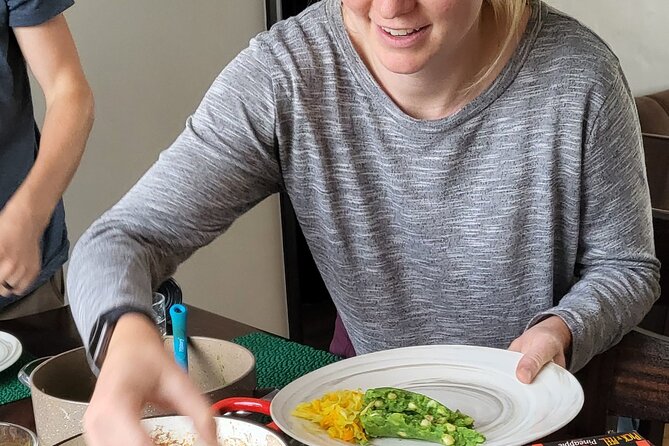
The experience begins at Westlands Square on Ring Road in Parklands. This is a useful meeting point because it puts you near public transportation and gives the day a clear starting place before you move into the market and residential parts of Nairobi.
Your full itinerary is shared after booking, so you will need to check the exact meeting instructions before setting out. Confirmation arrives at booking, and communication with Nimoh has been praised as easy through the booking platform and WhatsApp.
The activity returns to the same meeting point at the end. That makes it simpler to plan the rest of your day, especially if you are fitting the class between other Nairobi plans.
Nimoh’s role matters here. She is not just there to demonstrate recipes. She helps you understand where the food comes from, how people shop for it, and how a normal local outing can involve several forms of transport and conversation. If you are new to Nairobi, having a local host lead the way takes away much of the uncertainty.
More Cooking Classes in Nairobi:
- Authentic Kenyan Cooking Class & Market Tour in Nairobi
★ 5.0 · 12 reviews - Private Traditional Kenyan Cooking Class with Lunch in Nairobi
★ 5.0 · 10 reviews - Market Tour and Traditional Kenyan Cooking Class in Nairobi
★ 4.8 · 6 reviews
Shopping for Produce at a Nairobi Farmers Market
The market visit is the most useful part for anyone who wants context with their meal. You do not begin with ingredients laid out in a polished cooking studio. You help shop for them in a local market, where fresh produce is sold for everyday cooking.
Nimoh explains the foods and spices, points out the ingredients used in the planned dish, and offers advice on choosing good produce. You get to see the colors, smells, sounds, and ordinary rhythm of a Kenyan market rather than simply hearing a short explanation about local cuisine.
This also gives you a look at what people actually cook at home. Food becomes less abstract when you see the raw ingredients first, then handle and prepare them later. A vegetable or spice that looks unfamiliar at the stall makes more sense once it is part of lunch.
The market is also a chance to ask questions. You can learn about street food options, local shopping habits, and the difference between buying from a farmers market and a supermarket. One useful feature is that Nimoh may give you different meal choices, rather than forcing every group into exactly the same menu.
I would keep the market portion if you can. It is not simply an errand before the cooking class. It provides the setting for the cultural side of the day. Still, it is good that you can opt out if you are tired, short on time, or not comfortable in a busy market setting.
The price includes the grocery shopping, so you do not need to budget extra for the ingredients. That makes the $50 fee easier to assess. You are paying for the host, the instruction, the food, the market walk, the transport experience, and the meal, not just an hour of cooking.
Riding a Matatu Through Nairobi
After shopping, you take a matatu to Nimoh’s home. A matatu is a form of public transport central to everyday movement in Kenya, and this part gives the experience a very different feel from a standard food tour.
The ride can be lively. Music may be playing, and the vehicle may feel more energetic than the quiet shuttle used on many organized tours. If you have never used a matatu, it can seem like a small adventure, particularly if this is your first day in Nairobi.
Nimoh makes the difference by handling the local details and helping you feel safe. One person who had lived in East Africa had never tried a matatu before, yet felt comfortable taking the ride with her. That is a useful sign for visitors who want local transport without being left to figure it out alone.
The matatu is not included as a decorative cultural performance. You are using public transport as part of the route to her home. That makes the experience feel more connected to daily Nairobi life.
You should still know what you are choosing. Public transport is less controlled than a private vehicle. The ride may be noisy, crowded, or less predictable than expected. If you prefer quiet travel, have mobility concerns, or simply want to focus on food, ask for the details after booking and consider skipping the market and transport portions.
For many people, though, the matatu is one of the day’s most memorable details. It gives you a practical glimpse of how Nairobi moves, not just how the city looks from a sightseeing vehicle.
Cooking a Traditional Kenyan Meal at Home
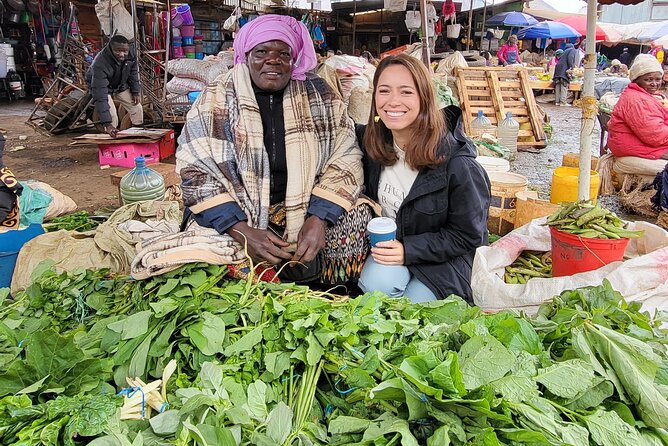
At Nimoh’s home, the day shifts from observation to participation. You prepare a complete Kenyan meal, including a main dish, side dish, and vegetables. The exact menu can vary, and examples connected with the experience include chapati, stewed goat, and accompanying side dishes.
The home setting is important. You are not sitting at a demonstration counter while an instructor does everything for you. You can help prepare the food and learn the steps as the meal comes together. Nimoh also shares cooking tips that can be useful beyond this one dish.
Chapati is a particularly good example of why hands-on instruction helps. The preparation involves more than knowing the ingredients. You learn through the feel of the dough and the practical rhythm of preparing it. The supplied information does not promise a formal recipe booklet, so if you want to recreate the meal, take notes or ask questions as you cook.
You do not have to participate in every task. The description makes room for people who would rather watch. That is helpful for couples or groups with different interests. One person can cook while another focuses on conversation, photography, or simply enjoying the home setting.
The food is served after preparation, turning the class into a shared lunch or dinner. The meal has been a highlight for many people, with especially strong praise for its taste. Some participants have described the experience as feeling like catching up with a friend over lunch, which tells you something about Nimoh’s hosting style.
The cooking location is clean, welcoming, lift-equipped, and wheelchair accessible. Service animals are allowed. Dietary needs can be accommodated for vegetarian, pescatarian, and gluten-free meals, but you must give notice at booking.
More markets in Nairobi:
- Memorable Daily KIBERA Slums/Toi Market Tour with Locals (2 hours)
★ 5.0 · 29 reviews - Half-Day Nairobi National Park and Maasai Market with Pick up
★ 5.0 · 16 reviews - Nairobi: Hop on Hop off and Maasai market Collections Visit
★ 3.5 · 10 reviews - Explore local Market matatu ride & Make Kenyan Cuisines with a home cook
★ 5.0 · 8 reviews
Conversation, Culture, and the Home Setting
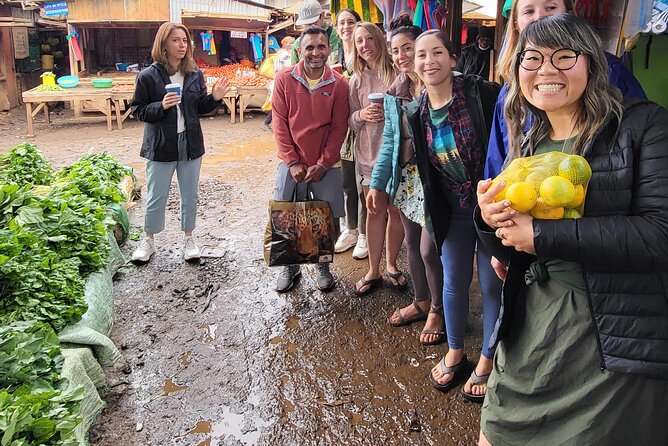
Food is the anchor, but the conversation gives the class its wider value. Nimoh talks about Kenyan culture, local customs, family life, markets, and Nairobi. You can ask questions while shopping, riding, chopping, and eating, so the cultural information arrives naturally rather than as a formal lecture.
The meal comes from Nimoh’s tribe, which gives the class a personal focus. You are not receiving a broad survey of every Kenyan cuisine. Instead, you are learning one local food tradition through the person who cooks it.
That personal approach is a strength. It helps connect a recipe with family and place. You may leave knowing not only what you ate, but why the dish matters and how it fits into Kenyan life.
Nimoh has also offered suggestions for what to do during the rest of a Nairobi stay. This can be valuable if you schedule the class early in your visit. You get a friendly local orientation along with lunch, and you can use the conversation to shape the next few days.
The home visit does require a little openness. Some people are fully comfortable entering a local home; others prefer a public restaurant or a formal cooking school. If you want a polished culinary presentation, this may feel informal. If you want personal contact and a look at home cooking, the informality is the point.
How Much Value Do You Get for $50?
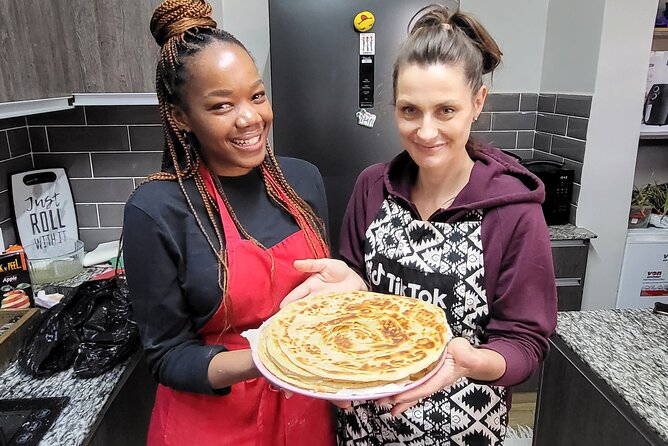
At $50 per person, this is fairly priced for a three-and-a-half-hour experience that includes food, grocery shopping, instruction, local transport, and hosting. The market and matatu portions give you more than a standard cooking class, while the home meal gives you more personal contact than a market walk alone.
The included ingredients are a real advantage. You do not need to pay for the groceries separately, and you finish with a full meal. You may also carry the prepared food afterward, which is useful if you are not ready for another restaurant meal.
The value is strongest when you do the full experience. If you skip the market and transport, you still receive the cooking class and meal, but you miss two of the three elements that make this outing distinctive.
A maximum of 15 people keeps the activity manageable, though the group size can affect how much direct cooking time you receive. If you are hoping for a private class, confirm the group arrangement before booking. The experience is best viewed as a hosted cultural activity rather than a professional chef course.
The 4.9 rating from 129 reviews and 98 percent recommendation rate support the idea that it delivers what it promises. The most consistent praise centers on Nimoh’s warmth, the food, the market, and the matatu ride. Those are the parts I would use to judge the experience, rather than expecting advanced culinary training.
Who Will Enjoy This Nairobi Experience?
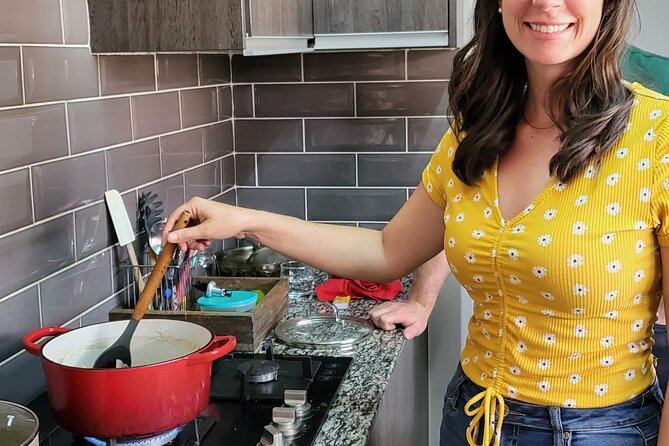
I would recommend this class to first-time visitors who want to understand Nairobi through everyday food and transport. It is especially good for couples, solo visitors, and small groups who enjoy conversation and do not mind trying something outside the usual sightseeing route.
It also suits people who want to eat Kenyan food but do not know where to begin. You see the ingredients, hear how to choose them, help prepare them, and eat the finished meal. That is a much fuller introduction than ordering an unfamiliar dish from a menu.
Food writers, home cooks, and curious eaters should find plenty to enjoy. The practical shopping advice and preparation tips may stay useful after you return home.
I would think twice if you want a tightly timed itinerary with private transportation. The matatu ride is part of the experience, not a luxury transfer. I would also reconsider if you dislike markets, home visits, group activities, or hands-on food preparation.
The market can be skipped, and watching is allowed, so you have some control over the pace. Still, you should book this because you want a local day, not because you want a silent cooking lesson.
Timing, Access, and Cancellation Details
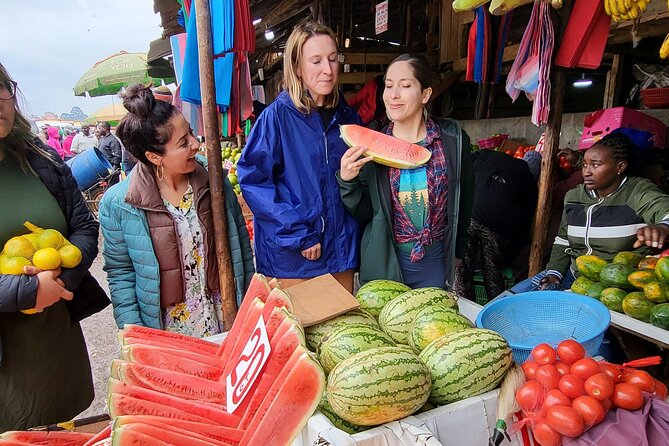
The activity lasts about three hours and thirty minutes and ends back at Westlands Square. It requires good weather, and a minimum number of participants is required. If poor weather or low enrollment causes cancellation, you will be offered another date, another experience, or a full refund.
You can cancel for a full refund up to 24 hours before the start time. Cancellations or changes made inside that 24-hour window are not refunded or accepted, so check Nairobi local time carefully.
The building has lifts and is wheelchair accessible. The activity is near public transportation, and service animals are permitted. Because the market and matatu portions may involve movement outside the cooking location, it is sensible to share any access needs when booking.
Should You Book It?
Book it if you want a personal introduction to Nairobi built around food. The strongest reason to go is the combination: a real market, a matatu ride, a home kitchen, and a meal you help make. Nimoh’s friendly hosting ties those pieces together.
Skip it if you want a private car, a formal culinary school, or a fixed menu with advanced chef instruction. For everyone else, $50 buys a useful and memorable half-day, with the food and grocery costs already covered.
I would choose the full market-to-home version, especially early in a Nairobi visit. You will leave with a better sense of local shopping, public transport, Kenyan cooking, and the warm social side of sharing a meal.
FAQ
Where does the experience start?
It starts at Westlands Square on Ring Road in Parklands, Nairobi, Kenya.
Where does the experience end?
The activity ends back at the meeting point at Westlands Square.
How long does the experience last?
It lasts approximately three hours and thirty minutes.
Is the market visit required?
No. You can skip the market visit if you do not feel up to it and still join the cooking and meal portion.
Is the matatu ride included?
Yes. The experience includes a public transport ride by matatu between the market and Nimoh’s home.
What food will be prepared?
You will prepare a complete Kenyan meal with a main dish, a side dish, and vegetables. The exact dishes can vary. Examples associated with the experience include chapati and stewed goat.
Are dietary options available?
Yes. Vegetarian, pescatarian, and gluten-free options are available when requested in advance at booking.
Can I take the food with me afterward?
Yes. After the experience, you can carry the food you prepared.
How many people can join?
The maximum group size is 15 people.
Is the cooking location accessible?
Yes. The building has lifts and is wheelchair accessible. Service animals are also allowed.
What is the cancellation policy?
You can cancel at least 24 hours before the start time for a full refund. Cancellations or changes made less than 24 hours before the experience are not accepted and are not refunded.
More Shopping Tours in Nairobi
- Nairobi souvenir Shopping and Historical Half day Tour
★ 5.0 · 61 reviews - Nairobi Cultural Shopping Experience
★ 5.0 · 21 reviews - Nairobi Guided Cultural Shopping Experience Day Tour
★ 4.0 · 12 reviews - Nairobi cultural souvenir shopping tour with a local
★ 5.0 · 12 reviews
Just added in Nairobi
- Visit kibera Slum the chocolate city★ 4.8 · 3 reviews
- Visiting the Kibera the biggest slum in Africa★ 3.9 · 2 reviews
- Visit to David Sheldrick Elephant Orphanage★ 5.0 · 1 review
- Wildlife Capital: Half-Day Safari at Nairobi National Park★ 5.0 · 2 reviews
- 3 days maasai mara migration safari★ 4.5 · 7 reviews
- 4 Days Tour Landcruiser in Masai Mara and Lake Nakuru★ 5.0 · 10 reviews
- 4 Days Safari to Lake Nakuru N/P and Maasai Mara N/R★ 5.0 · 18 reviews
- Day Tour to Nairobi national park, Elephants, and Giraffe Center★ 3.5 · 8 reviews
Shopping Tours, compared.

Nairobi souvenir Shopping and Historical Half day Tour
Read our review →
Memorable Daily KIBERA Slums/Toi Market Tour with Locals (2 hours)
Read our review →
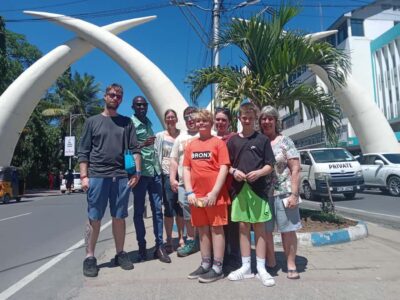
Mombasa City Tour,Fortjesus,Oldtown,Tusks and Spice Market.
Read our review →
Half-Day Nairobi National Park and Maasai Market with Pick up
Read our review →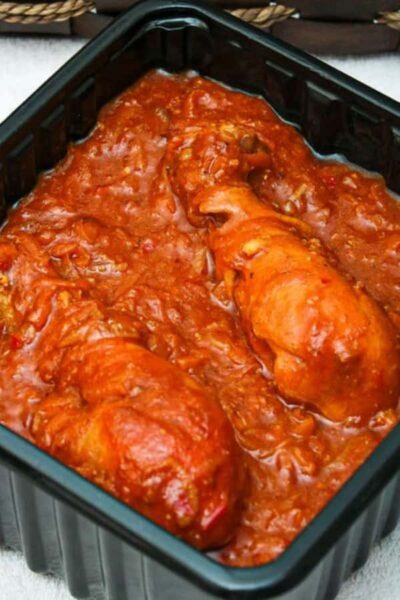
Authentic Kenyan Cooking Class & Market Tour in Nairobi
Read our review →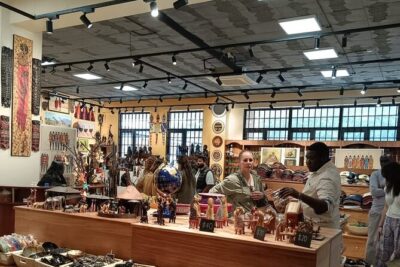
Nairobi cultural souvenir shopping tour with a local
Read our review →
Nairobi Guided Cultural Shopping Experience Day Tour
Read our review →Browse the lists this tour appears in