
Reviewed · SHOPPING TOURS
Nairobi cultural souvenir shopping tour with a local
Good souvenirs need a good guide. This six-hour private outing takes the guesswork out of Nairobi shopping, pairing hotel pickup with five carefully chosen stops for beads, crafts, art, jewelry, gemstones, and wildlife sculpture. I like the door-to-door transport and the chance to buy Kenyan-made goods in established shops rather than bargain blindly in an unregulated market. I also like that the route gives you time to see how some items are made, not just time to spend money.
The main consideration is simple: this is a shopping tour first, not a broad sightseeing tour of Nairobi. You will see interesting parts of Karen and Langata, but much of the day is spent browsing stores and galleries. If you dislike shopping or want a packed schedule of museums and landmarks, six hours may feel long.
In This Review
- Key points to know before booking
- Why this private Nairobi shopping day works
- Kobe Tough Beads and Leather: start with the making process
- Utamaduni Craft Centre: 18 shops under one roof
- Golden Eagle Art Gallery: paintings, carvings, and local creativity
- Aqeeq Galleria: a serious stop for Kenyan and East African stones
- Matbronze Wildlife Art: the most visual final stop
- How the $60 price holds up
- Who will enjoy this tour most
- Practical advice for using the six hours well
- Should you book it?
- FAQ
- How long does the Nairobi cultural souvenir shopping tour last?
- Is hotel pickup included?
- Is this a private tour?
- Which shopping stops are included?
- Are meals included in the price?
- Can I buy Kenyan and East African gemstones?
- What is the cancellation policy?
Key points to know before booking
- Five distinct shopping stops: The planned route includes Kobe Tough Beads and Leather, Utamaduni Craft Centre, Golden Eagle Art Gallery, Aqeeq Galleria, and Matbronze Wildlife Art.
- Private transport and hotel pickup: Your group travels with a professional guide and driver, without sharing the vehicle with strangers.
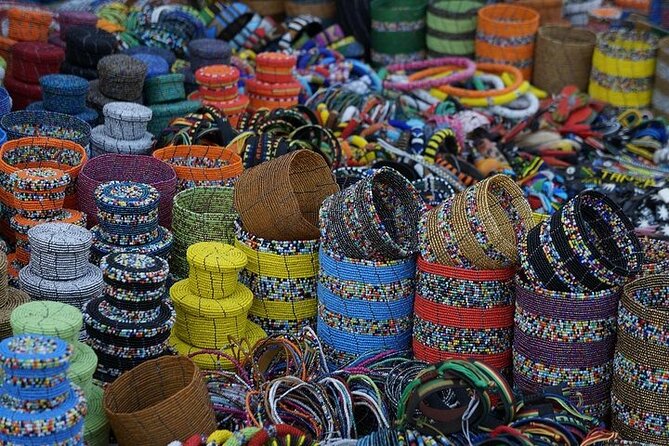
- Strong focus on Kenyan-made work: Expect beads, leather, paintings, carvings, soapstone, malachite, jewelry, clothing, bronze, and silver pieces.
- A practical answer to souvenir-shopping risks: Your guide can translate, carry purchases, and offer advice when you need help assessing an item.
- Women’s economic support at Kobe: The bead center employs single mothers, including women who previously worked at the former Kazuri Beads factory.
- $60 buys convenience as much as shopping time: The value is strongest if you plan to make several purchases and want transport, help, and a full half-day handled for you.
Why this private Nairobi shopping day works
Souvenir shopping in Kenya can be rewarding, but it can also bring a few headaches. Prices may be unclear, quality can vary, and it is not always easy to know if an item is genuinely made in Kenya or simply sold there. A local guide gives you a second set of eyes and a way to ask questions without getting lost in translation.
This tour is designed around that practical need. Your driver and guide handle the route, help carry larger purchases, and advise you if requested. Since the activity is private, your group can browse at its own pace rather than being pushed along by a large coach schedule.
I especially like the mix of stops. You are not sent to five versions of the same craft shop. The day moves from a working bead center to a large craft market, then to an art gallery, a specialist gemstone and jewelry store, and a bronze sculpture gallery.
The route is described as taking place around Nairobi’s Karen and Langata areas. These suburbs are associated with green surroundings, the Ngong Hills, and the former home of writer Karen Blixen. The focus here remains shopping, but the setting gives the day more character than a series of anonymous retail stops.
The experience costs $60 per person. That is not the cheapest way to buy a few small souvenirs, but it can be fair value if you want several categories of goods and appreciate private transport. Pickup and drop-off, a professional guide, and a six-hour vehicle service remove the need to arrange taxis between widely separated stores.
Lunch is not included, though lunch or refreshments are available for purchase at Utamaduni Craft Centre. Tips and gratuities are also extra. Keep those costs in mind when working out the total price.
More Shopping Tours in Nairobi:
- Traditional Kenyan Cooking Class & Local Market Tour
★ 5.0 · 129 reviews - Nairobi souvenir Shopping and Historical Half day Tour
★ 5.0 · 61 reviews - Memorable Daily KIBERA Slums/Toi Market Tour with Locals (2 hours)
★ 5.0 · 29 reviews
Kobe Tough Beads and Leather: start with the making process
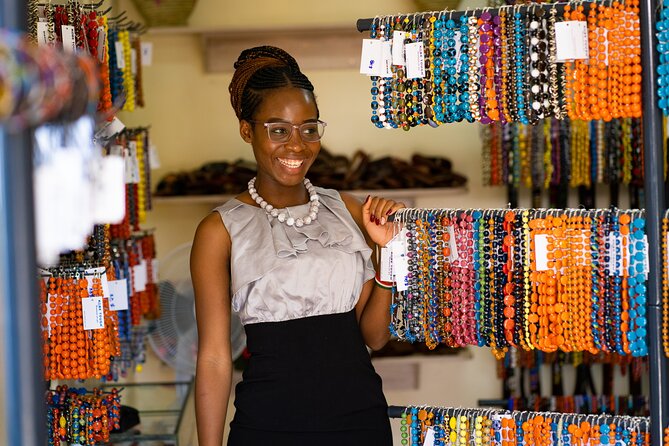
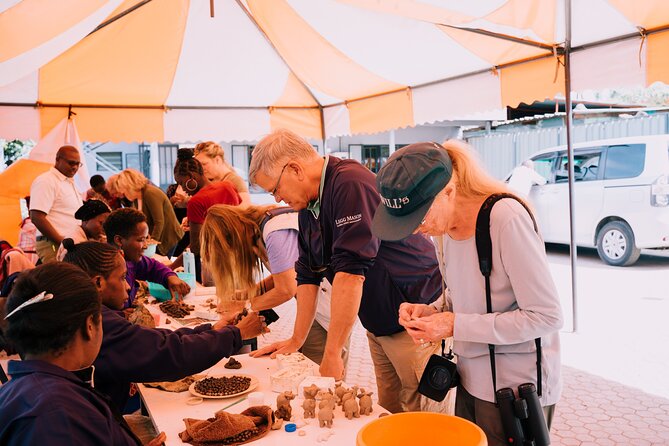
The first stop is Kobe Tough Beads and Leather, where the focus is on production rather than simply display. You are shown the stages involved in making the beads, from the beginning of the process through to the finished pieces.
That behind-the-scenes element is valuable. A handmade object feels different once you understand the labor behind it. You can look more closely at the finish, shape, and workmanship because you have seen how the product comes together.
Kobe also has a clear community purpose. The center employs single mothers from a poor neighborhood, giving them income to support their families. It was started by women who had previously worked at the Kazuri Beads factory, which closed during the pandemic.
That background gives this stop more weight than a routine retail visit. Your purchase may become a personal memento, but it also supports a working craft center and women who built a new source of employment after losing their earlier jobs.
You have about an hour here, with no admission charge. Allow yourself time to watch the demonstration and then inspect the finished beads and leather goods. If you are buying gifts, this is a good place to compare similar pieces and ask your guide for help with communication or carrying purchases.
One limitation is that the stop may be less interesting if you have no interest in craft production. Still, the working center adds context that you will not get from a shelf in a hotel shop.
Utamaduni Craft Centre: 18 shops under one roof
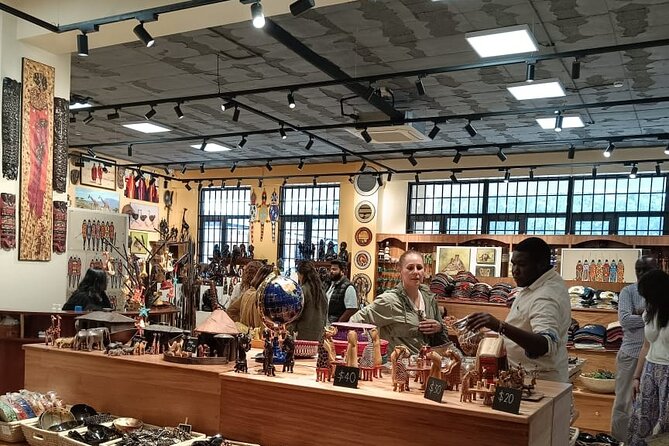
Utamaduni Craft Centre is the broadest shopping stop on the route. The center occupies a converted Kikuyu house and contains 18 separate shops, offering African crafts, antiques, art, clothing, carvings, and other handmade goods.
This is the place to compare styles and prices before deciding what suits you. One shop may catch your eye with textiles, another with carved pieces, and another with jewelry or decorative objects. The range makes Utamaduni useful for families or couples with different tastes.
The staff can help pack or ship purchases if needed. That matters if you find a larger carving, a fragile piece, or more than you want to carry for the rest of your trip. Your tour guide can also help you think through practical issues before you commit to an expensive item.
There is a large garden restaurant on the property, where you can buy refreshments or lunch. That break is welcome in a six-hour shopping day, especially if you are traveling with someone who needs time away from the shelves.
The trade-off is choice overload. With 18 shops, you may need to set a rough budget and decide what kind of item you want before arriving. Otherwise, you can spend your energy looking at everything and still leave unsure what to buy.
I would use this stop as a comparison point. Look at quality, materials, and prices, then ask yourself if the object is easy to pack and genuinely useful or meaningful. A small, well-made item often serves you better than a large purchase chosen in a hurry.
Golden Eagle Art Gallery: paintings, carvings, and local creativity
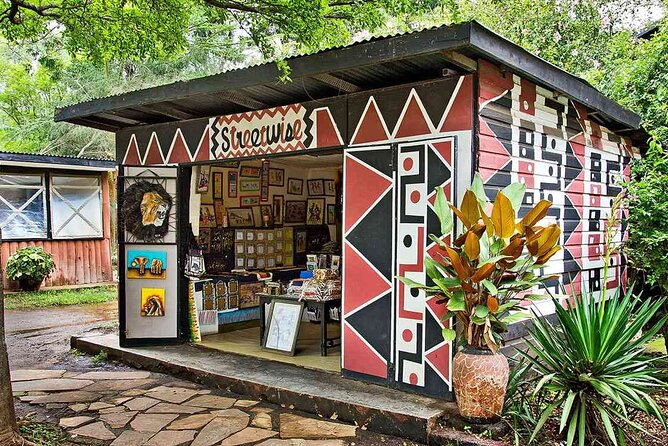
Golden Eagle Art Gallery shifts the emphasis from general souvenirs to Kenyan art. The gallery works with community-based art and offers paintings, drawings, jewelry, African attire, crafts, carvings, antiquities, malachite, and soapstone.
This stop suits you if you want something more personal than a standard tourist trinket. A painting or carefully made carving can bring back the feel of your trip in a way that a mass-produced object may not.
The selection also gives you a chance to see different forms of Kenyan creative work in one place. You can browse wall art, wearable items, and sculptural pieces without having to visit several unrelated locations.
The word antiquities deserves some care. If an item interests you, ask questions about what it is, where it came from, and whether it can legally leave the country. The supplied tour information does not provide specific export guidance, so your guide’s advice is useful, especially for older-looking objects.
You have about an hour here. That is enough for a thoughtful look, but not necessarily enough to study every piece in detail. If you already know you want art, tell your guide early so you can use this stop well rather than rushing through it.
A few more options to weigh up in Nairobi
- Nairobi National Park Half-Day Tour; Free Wi-Fi connection
★ 5.0 · 878 reviews - Nairobi: National Park & Optional Elephants & Giraffe Center
★ 4.8 · 874 reviews - NAI NAMI: Nairobi Storytelling Tour with Street Children
★ 5.0 · 792 reviews - Nairobi National Park Half-Day Game Drive
★ 4.5 · 738 reviews
Aqeeq Galleria: a serious stop for Kenyan and East African stones
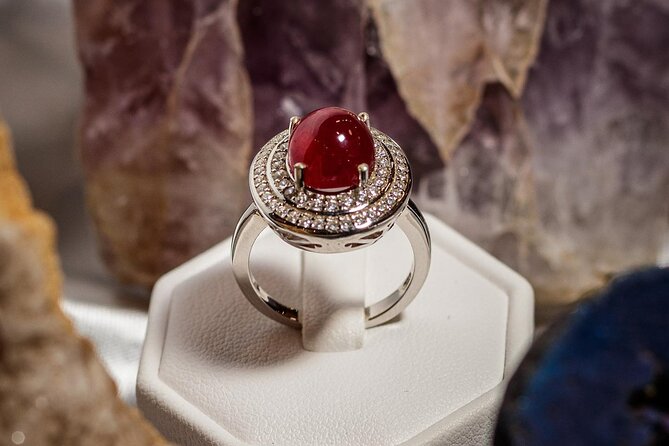
Aqeeq Galleria is the specialist jewelry and gemstone stop. The store operates in Nairobi and Mombasa and sells precious and semi-precious stones and jewelry.
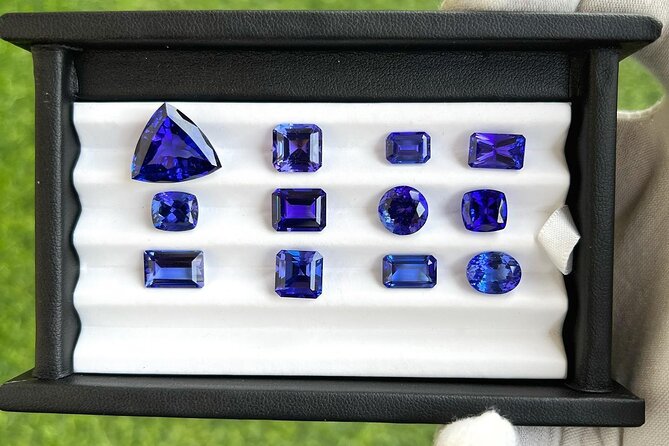
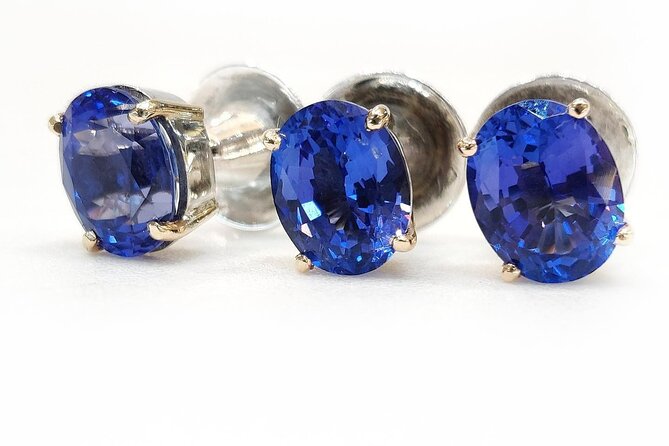
The selection includes Tanzanite, garnet, amethyst, rubies, red garnets, and aquamarine. The tour description identifies these as stones mined in Kenya and East Africa, making this a useful place to look for a smaller, high-value souvenir with a direct regional connection.
This is also the stop where you should slow down. A stone is not like a carved bowl that you can judge mainly by appearance. Ask your guide to help with communication and with the basic details of the piece, including what stone it is and what documentation comes with a purchase.
Do not feel pressure to buy simply because the store is included. The chance to acquire a precious stone is offered, not required. You may find something within your budget, or you may decide that a piece from the bead center or an art gallery is a better fit.
The one-hour allocation gives you time to browse, but the final price of jewelry can vary greatly. Set your spending limit before you enter. A specialist store may be ideal for a planned purchase, but it is not necessary to make the tour worthwhile.
Matbronze Wildlife Art: the most visual final stop
Matbronze Wildlife Art closes the day with large bronze sculpture and jewelry. The work ranges from small pieces suitable for a suitcase to giant sculptures that are meant to be seen in person.
The bronze art is handmade by founder and artist Denis Mathews. His daughter, Esenya, has developed a silver range called SAFARIA, featuring handmade pure silver jewelry and bronze work with a silver touch.
This stop is especially useful if you want a wildlife-themed souvenir that feels more substantial than a small carved animal. You can compare tiny jewelry pieces with sculptures on a much larger scale, which makes the gallery visually memorable even if you do not buy anything.
There is also a restaurant alongside the gallery and foundry. Depending on timing and appetite, this may offer another chance to eat or take a break, though lunch is not part of the tour price.
The practical drawback is obvious: large bronze work may be difficult to transport. Ask about packing and shipping before making a purchase. Smaller jewelry may be easier for you, while a large sculpture requires more planning and money.
How the $60 price holds up
At $60 per person, the tour’s value depends on how you shop. If you only want one inexpensive bracelet, arranging a private six-hour outing may be more than you need. If you want art, beads, jewelry, a gemstone, and wildlife sculpture in one day, the cost becomes easier to justify.
You are paying for more than access to stores. The fee covers hotel or residence pickup and drop-off, private transportation, and a professional tour guide. You also receive help with translation, carrying purchases, and shopping decisions when required.
That help is most useful at the gemstone and art stops, where you may want to ask detailed questions. It is also helpful when shopping for gifts, because a guide can help you compare options without turning the day into a rushed bargain hunt.
Group discounts are available, although the exact saving is not stated. Since the tour is private, ask about the discount if several people are booking together. The more people in your group, the more reasonable the per-person cost may become, though each person will still need to budget for purchases, food, and tips.
The experience is commonly booked about 62 days in advance. That suggests you should reserve early if this shopping day is important to your Nairobi plans, but the information provided does not promise that every date will sell out.
Who will enjoy this tour most
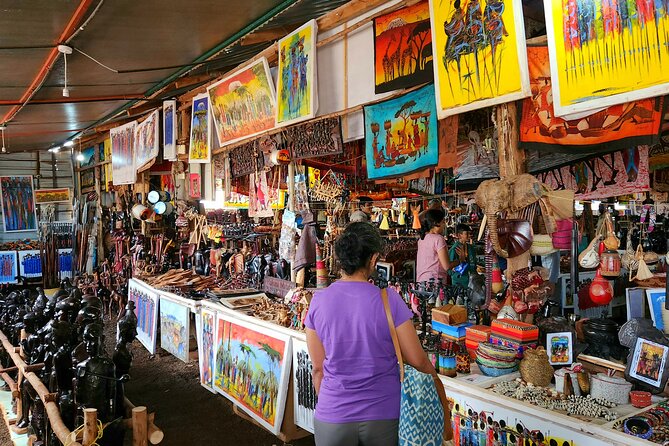
I would recommend this outing to you if you want locally made gifts but do not want to spend a day negotiating in open markets. It is a good match for first-time visitors, families, and anyone who values private transport and a fixed route.
It also suits people who want to support craft workers and buy objects with a clearer story. Kobe’s women-led employment model, the community focus at Golden Eagle, and the handmade work at Matbronze give the purchases more meaning than a generic airport souvenir.
Art collectors and jewelry buyers may find the route especially useful. You can look at paintings, carvings, gemstones, bronze, silver, beads, and leather in one half-day.
I would be less likely to recommend it to you if shopping is not part of your holiday plans. The tour includes five one-hour stops, so you should expect plenty of browsing. It is also not the right choice if your priority is Nairobi’s major museums, wildlife attractions, or historical sights.
The private format helps if your group has different buying interests. One person can focus on beads, another on art, and another on jewelry, while the guide keeps the day moving.
Practical advice for using the six hours well
Start with a budget divided into categories. Decide how much you want to spend on small gifts, personal purchases, art, and jewelry. That simple plan can keep the day enjoyable when every shop offers something different.
Bring enough space for purchases, but remember that packing and shipping help may be available at Utamaduni. For bronze sculpture, carvings, and fragile art, ask about transport before paying.
Use the guide as an adviser, not a salesperson. Ask for translation, help carrying heavy items, and an opinion when you are unsure. At Aqeeq Galleria, ask careful questions about stones and jewelry. At the art stops, ask about materials and origin when the information matters to your decision.
Leave room for a meal or refreshment. Utamaduni has a garden restaurant, and Matbronze also has a restaurant. Lunch is available for purchase, but it is not included.
The tour offers free cancellation if you cancel at least 24 hours before the start time. Changes or cancellations within 24 hours are not refunded, and the cutoff follows local Nairobi time.
Should you book it?
Book this tour if you want a well-organized, private way to shop for Kenyan crafts, art, jewelry, and wildlife pieces without handling every transfer yourself. The strongest reasons are the door-to-door service, the wide range of goods, and the chance to see real production at Kobe Tough Beads and Leather.
I would book it especially for a first Nairobi visit or for a group planning several meaningful purchases. The route gives you options, while the guide can help with language, carrying, and practical questions.
Skip it if you want a sightseeing-heavy day or if you have no interest in shopping. At $60, it makes the most sense when you value convenience and expect to visit several stores, not when you only need one small souvenir.
FAQ
How long does the Nairobi cultural souvenir shopping tour last?
The tour lasts approximately six hours.
Is hotel pickup included?
Yes. Pickup and drop-off at your hotel or residence are included.
Is this a private tour?
Yes. The activity is private, and only your group participates.
Which shopping stops are included?
The planned route includes Kobe Tough Beads and Leather, Utamaduni Craft Centre, Golden Eagle Art Gallery, Aqeeq Galleria, and Matbronze Wildlife Art.
Are meals included in the price?
No. Lunch is available for purchase at the venues, including Utamaduni Craft Centre and Matbronze Wildlife Art.
Can I buy Kenyan and East African gemstones?
Yes. Aqeeq Galleria offers stones and jewelry, including Tanzanite, garnet, amethyst, rubies, red garnets, and aquamarine.
What is the cancellation policy?
You can cancel at least 24 hours before the start time for a full refund. Cancellations or changes made within 24 hours are not refunded or accepted.
Just added in Nairobi
- Wildlife Capital: Half-Day Safari at Nairobi National Park★ 5.0 · 2 reviews
- 3 days maasai mara migration safari★ 4.5 · 7 reviews
- 4 Days Tour Landcruiser in Masai Mara and Lake Nakuru★ 5.0 · 10 reviews
- 4 Days Safari to Lake Nakuru N/P and Maasai Mara N/R★ 5.0 · 18 reviews
- 6 Days Kenya Budget Group Safari★ 5.0 · 2 reviews
- Maasai Mara Day Trip★ 5.0 · 15 reviews
- Day Tour to Nairobi national park, Elephants, and Giraffe Center★ 3.5 · 8 reviews
- 3 Days Masai Mara Wildebeest migration Budget safari★ 5.0 · 2 reviews
Shopping Tours, compared.

Traditional Kenyan Cooking Class & Local Market Tour
Read our review →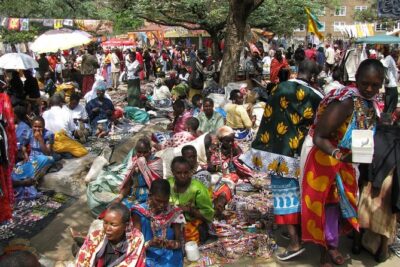
Nairobi souvenir Shopping and Historical Half day Tour
Read our review →
Memorable Daily KIBERA Slums/Toi Market Tour with Locals (2 hours)
Read our review →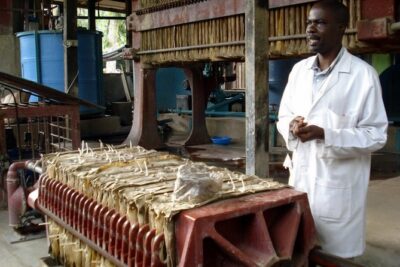
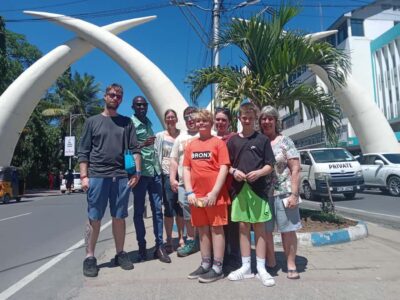
Mombasa City Tour,Fortjesus,Oldtown,Tusks and Spice Market.
Read our review →
Half-Day Nairobi National Park and Maasai Market with Pick up
Read our review →
Authentic Kenyan Cooking Class & Market Tour in Nairobi
Read our review →
Nairobi Guided Cultural Shopping Experience Day Tour
Read our review →Browse the lists this tour appears in