
Reviewed · SHOPPING TOURS
Market Tour and Traditional Kenyan Cooking Class in Nairobi
Your lunch starts at a market stall. This four-hour Nairobi experience pairs a local market visit with a home cooking lesson, giving you a closer look at everyday food shopping before you sit down to eat. I like the private format, and I like that the meal includes Kenyan staples such as ugali and chapati, along with Indian-influenced dishes.
The main consideration is the small kitchen. Because of limited space, the host does most of the cooking, so you should expect guided participation rather than a full hands-on culinary workshop. At $55 per person, the price is fair if you value the market visit, food, drinks, transport to and from the market, and personal conversation with your host.
In This Review
- Key points about this Nairobi food experience
- Why this Nairobi food tour feels different
- Meeting at K Mall Komarock
- Shopping for ingredients at a local market
- Entering a Kenyan home kitchen
- Learning ugali, chapati, pilau, and curry
- Ugali
- Chapati
- Pilau and curries
- Eating the food you helped prepare
- How the $55 price works out
- Who will enjoy this most
- Language, group size, and practical expectations
- Should you book the market and cooking class?
- FAQ
- Where does the experience begin?
- How long does the activity last?
- Is the cooking class private?
- Which languages are available?
- What food and drinks are included?
- Are Uber fees included?
Key points about this Nairobi food experience
- Market first, meal later: You begin at the K Mall Komarock parking lot, then shop for fresh ingredients before heading to the host’s home.
- Private cooking session: Your party receives one-to-one attention instead of joining a large class.
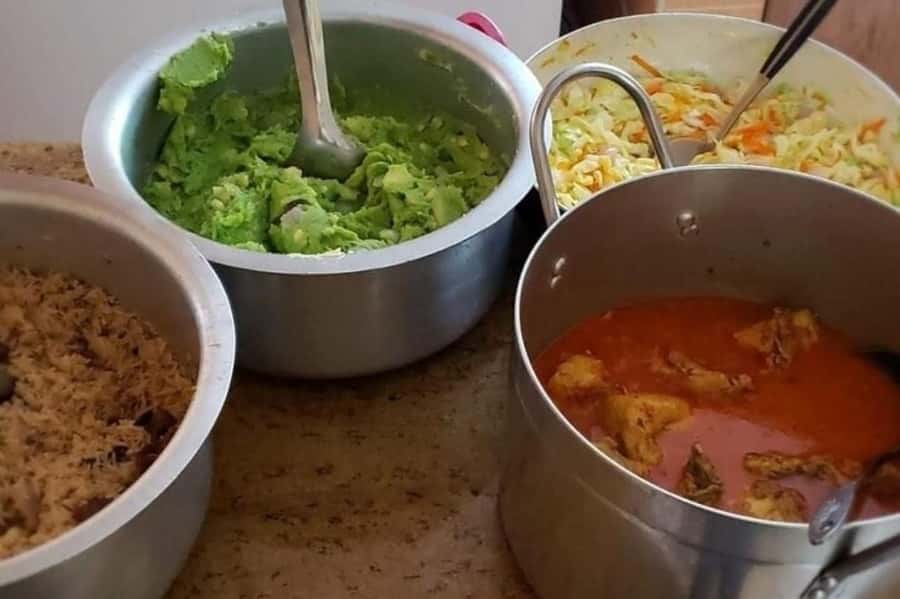
- Kenyan and Indian flavors: The meal may include ugali, chapati, pilau, and curries.
- A real home setting: The cooking takes place in a small kitchen, which makes the experience personal but limits how much you can do at once.
- Food and drinks included: The price covers the meal, fruit, soda, and water.
- English and Swahili guidance: The experience is offered in both languages by a live guide.
Why this Nairobi food tour feels different
Many food activities keep you at a restaurant or cooking studio. This one begins with the practical business of buying ingredients. That simple change matters. You are not only tasting a finished dish. You are seeing how the meal begins, what kinds of produce are available, and how a home cook makes choices at the market.
The experience has earned a 4.8 rating from six bookings, with especially strong praise for the friendly host, the local market, and the chance to prepare food together. One particularly useful detail is that the host has managed to cook a full meal in a very small kitchen. That tells you something important: this is a personal home visit, not a polished school with wide counters and separate workstations.
I also like the balance between food and conversation. One account describes time spent preparing chapati and talking with the host about everyday life. That kind of exchange can be more memorable than a formal explanation of Kenyan cuisine. You get food, but you also get a window into how meals are made and shared at home.
The experience provider is identified as Evaline Mbugua. Individual booking comments use the names Eve and Mary Evelyn, so I would confirm the host’s name when you reserve. That small check can prevent confusion at the meeting point.
More Cooking Classes in Nairobi:
- Traditional Kenyan Cooking Class & Local Market Tour
★ 5.0 · 129 reviews - Authentic Kenyan Cooking Class & Market Tour in Nairobi
★ 5.0 · 12 reviews - Private Traditional Kenyan Cooking Class with Lunch in Nairobi
★ 5.0 · 10 reviews
Meeting at K Mall Komarock
The stated meeting point is the K Mall Komarock parking lot. From there, you proceed to the market with the host. The experience includes transport to and from the market, but Uber fees are not included, so any Uber ride you use to reach the meeting point or return afterward is your responsibility.
Pay attention to the meeting instructions. A parking lot is practical, but it is less distinctive than a major landmark or hotel lobby. I would arrive with enough time to find the exact meeting spot and keep the host’s contact details available.
The total duration is four hours. That gives the experience enough time for the market, the trip to the home, food preparation, and eating, but it is not an all-day food safari. You should expect a focused half-day activity rather than a long tour through several neighborhoods.
Because starting times vary, check availability before you plan the rest of your day. The market and cooking portions are connected, so arriving late could reduce your time in one of them.
Shopping for ingredients at a local market
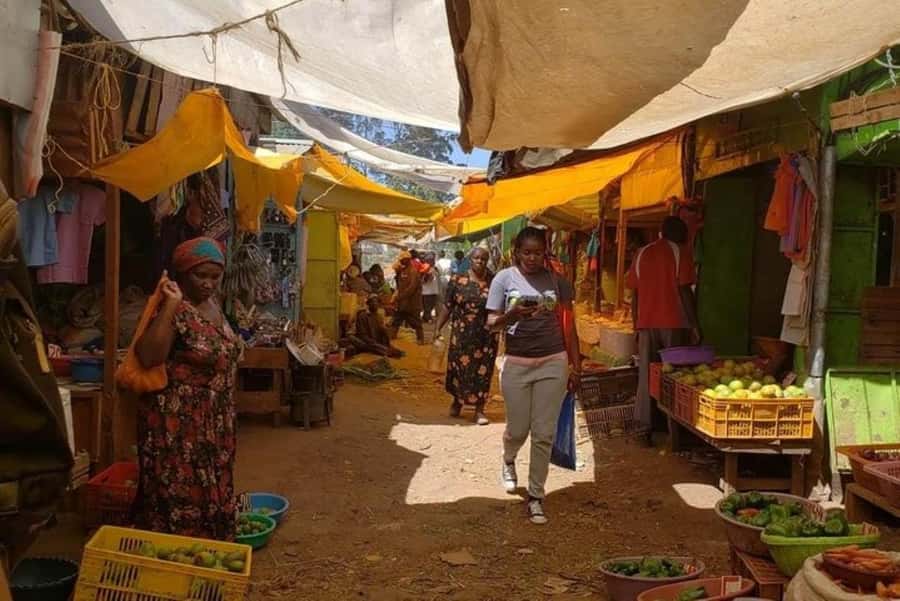
The market visit is the first major part of the experience, and it is one of the strongest reasons to book. You shop for fresh local supplies with the host before cooking them. The activity description refers to organic ingredients, though the exact market stalls and products can vary.
This is not just a quick stop to buy one item. The market gives you context for the meal. You can see the ingredients before they are cleaned, chopped, seasoned, or cooked. That makes it easier to understand the final dishes, especially if you are unfamiliar with ugali, chapati, pilau, or Kenyan-style curry.
You may also find the market more useful than a standard sightseeing stop because the visit has a clear purpose. You are not simply looking around. You are helping gather what will become lunch. The host can explain the food in English or Swahili, and the private setting leaves room for your own questions.
The tradeoff is that the market portion is not described with a fixed route or named stalls. I would not book this expecting a detailed market lecture with a set list of vendors. Think of it as a practical shopping trip guided by a local host. Its strength is everyday access, not a scripted presentation.
Entering a Kenyan home kitchen
After shopping, you go to the host’s home and begin preparing the meal from scratch. The home setting is central to the character of the experience. You are not watching a chef perform in a restaurant kitchen. You are seeing how traditional food can be made with the space and tools available in an ordinary home.
The kitchen is small, and that affects the class. The host does most of the cooking because of space constraints. You will still learn and help, but you should not expect to prepare every dish independently or work at your own full-size station.
That limitation can be a benefit for some people. You can focus on the method, ask questions, and watch the host manage several parts of the meal. It also keeps the session personal. For someone seeking a professional skills course, the limited workspace may feel restrictive. For someone seeking home cooking and conversation, it may feel more genuine.
The activity is described as a private group, so only your party takes part. That is useful if you want to ask basic questions without holding up a larger class. It also makes the meal better suited to families, couples, and small groups who want a relaxed pace.
More markets in Nairobi:
- Memorable Daily KIBERA Slums/Toi Market Tour with Locals (2 hours)
★ 5.0 · 29 reviews - Half-Day Nairobi National Park and Maasai Market with Pick up
★ 5.0 · 16 reviews - Nairobi: Hop on Hop off and Maasai market Collections Visit
★ 3.5 · 10 reviews - Explore local Market matatu ride & Make Kenyan Cuisines with a home cook
★ 5.0 · 8 reviews
Learning ugali, chapati, pilau, and curry
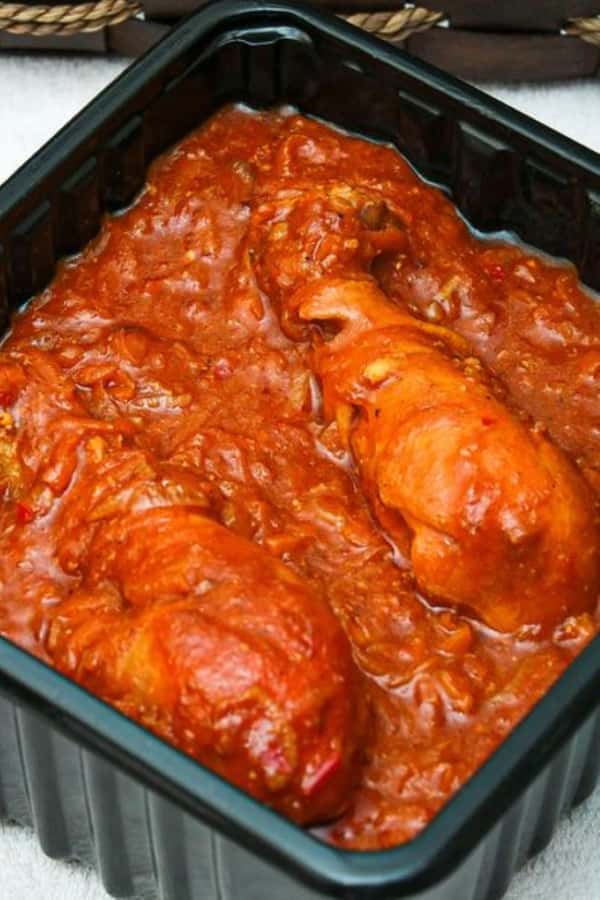
The planned food combines Kenyan and Indian influences. The named dishes include ugali, chapati, and curries, while a detailed account also mentions pilau. The exact menu may depend on the ingredients purchased and the host’s cooking plan, so you should not assume every dish will appear at every session unless you confirm it in advance.
Ugali
Ugali is a firm cornmeal staple and one of the most useful dishes to encounter in a Kenyan cooking class. Its appeal is not flashy seasoning. It is a basic, filling food that often accompanies other parts of a meal. Preparing it helps you understand the role of texture and serving style in Kenyan home cooking.
The class gives you a chance to see how the cornmeal changes as it cooks and thickens. Since the host handles much of the cooking, your role may be helping or observing rather than making the entire pot yourself.
Chapati
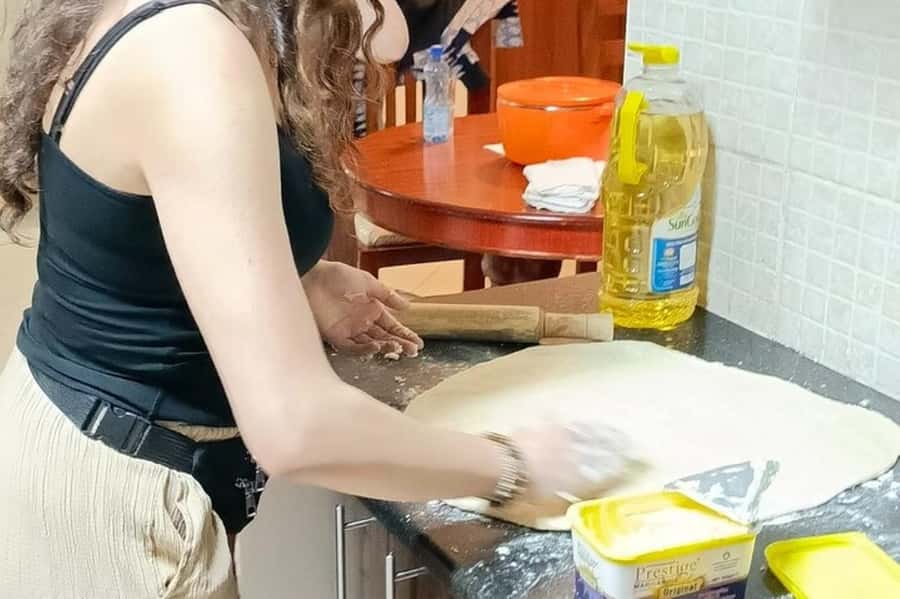
Chapati is likely to be the most hands-on and memorable part of the lesson. The food is described as a typical Kenyan bread, and one account specifically praises the chance to learn how to prepare it. You may help shape or prepare the dough under the host’s direction.
Chapati also shows the Indian influence mentioned in the description. It links familiar flatbread traditions with Kenyan home meals. If you enjoy learning food by touch, this is the dish to pay attention to.
Pilau and curries
Pilau brings fragrant rice and spice to the meal, while curries reflect the Indian influence in the cooking. The available details do not specify the protein, vegetables, spice level, or exact recipes, so ask the host what will be prepared that day if you have dietary concerns.
The point is less about mastering a fixed restaurant menu and more about seeing how the host builds a meal from basic ingredients. You can learn which foods are cooked together, how the dishes are served, and how Kenyan and Indian traditions meet in the home kitchen.
Eating the food you helped prepare
The meal is part of the experience, not an optional extra. Food, fruit, soda, and water are included, so you can sit down after the cooking without worrying about another restaurant bill.
Eating at the host’s home gives the session a social finish. You have already visited the market, handled some of the preparation, and watched the cooking. The final meal connects those steps. I like that structure because it gives the activity a clear beginning, middle, and end.
The menu may be especially appealing if you want to move beyond familiar tourist dishes. Ugali and chapati are not merely items to photograph. They are everyday foods with a place in Kenyan home cooking. Pilau and curries add variety and show the regional connections behind the meal.
Still, this is not the right choice if you need complete control over ingredients or preparation. The supplied information does not list vegetarian, vegan, halal, allergy, or gluten-free options. Contact the host before booking if you have dietary restrictions. The meal plan can vary, and the small kitchen may make special preparation harder.
How the $55 price works out
The cost is $55 per person. That is a reasonable price for a four-hour private activity that combines a guided market visit, a cooking lesson, a home meal, fruit, soda, water, and transport to and from the market.
The value depends on what you want from a cooking class. If you mainly want to cook every dish yourself, the price may feel less attractive because the host handles most of the cooking. If you want a personal cultural activity with a meal included, the package makes more sense.
A private class usually costs more than joining a large group, but here the added value is personal attention. You can ask about ingredients, cooking methods, and home life without competing with a room full of other participants. You also avoid the distance that can come with a formal restaurant lesson.
The price does not include Uber fees. Build that into your budget if you need a ride to K Mall Komarock or onward from the meeting point. The activity itself includes market transport, but not every piece of your journey around Nairobi.
Who will enjoy this most
I would recommend this experience to people who want food to open a door into local life. It suits you if you enjoy markets, home meals, conversation, and trying dishes you may not know well.
It is also a good fit for:
- Couples seeking a private activity
- Families who want a food-based cultural lesson
- Small groups that prefer personal attention
- First-time visitors who want an everyday Nairobi experience
- Anyone curious about Kenyan and Indian cooking connections
It may be less suitable if you want a polished culinary school, a large professional kitchen, or a long list of recipes to recreate at home. The host’s kitchen is small, and the host does most of the cooking. That is an important part of the experience, not a minor footnote.
The four-hour length works well for a morning or afternoon plan. You will still have time for other Nairobi activities, but you should avoid scheduling something immediately afterward if your meeting time or market visit runs longer than expected.
Language, group size, and practical expectations
The live guide speaks English and Swahili. That makes the experience accessible to English-speaking visitors, while Swahili adds a natural local language option for conversation.
The group is private, but the information does not give a maximum party size. If you are booking for more than a few people, ask how many can fit comfortably in the home kitchen. The space constraint matters, especially if everyone hopes to take part at once.
Wear clothing you can move around in and do not bring expectations of a formal restaurant setting. The supplied details do not specify an accessibility plan, kitchen layout, or special equipment, so ask ahead if you need those arrangements.
The activity offers free cancellation up to 24 hours before the start time, and you can reserve now and pay later. Those terms are useful if your Nairobi schedule is still changing. Check the current starting times and conditions at booking.
Should you book the market and cooking class?
Book it if you want a personal home-based food experience rather than a technical chef’s course. The market visit, private group, Kenyan dishes, and shared meal give you a good four-hour introduction to everyday food culture in Nairobi.
Go in knowing that the host will do most of the cooking in a small kitchen. You will help and learn, but you will not run a full workstation. Confirm the host’s name, starting time, meeting details, and any dietary needs before you pay.
At $55, I think the experience offers good value for people who care about local contact and a meal with a story behind it. If you prefer a formal class with extensive hands-on practice, choose a larger cooking school instead. If you want to shop for ingredients, talk with a Kenyan host, and eat ugali, chapati, pilau, or curry in a home setting, this is a warm and practical choice.
FAQ
Where does the experience begin?
You meet at the K Mall Komarock parking lot and then proceed to the local market.
How long does the activity last?
The experience lasts four hours, including the market visit, transport to the host’s home, cooking, and eating.
Is the cooking class private?
Yes. The activity is offered as a private group session for your party.
Which languages are available?
The live guide provides the experience in English and Swahili.
What food and drinks are included?
Food, fruit, soda, and water are included. The meal may feature Kenyan and Indian-influenced dishes such as ugali, chapati, pilau, and curries.
Are Uber fees included?
No. Uber fees are not included. The experience does include transport to and from the market.
More Shopping Tours in Nairobi
- Nairobi souvenir Shopping and Historical Half day Tour
★ 5.0 · 61 reviews - Nairobi Cultural Shopping Experience
★ 5.0 · 21 reviews - Nairobi Guided Cultural Shopping Experience Day Tour
★ 4.0 · 12 reviews - Nairobi cultural souvenir shopping tour with a local
★ 5.0 · 12 reviews
Just added in Nairobi
- Wildlife Capital: Half-Day Safari at Nairobi National Park★ 5.0 · 2 reviews
- 3 days maasai mara migration safari★ 4.5 · 7 reviews
- 4 Days Tour Landcruiser in Masai Mara and Lake Nakuru★ 5.0 · 10 reviews
- 4 Days Safari to Lake Nakuru N/P and Maasai Mara N/R★ 5.0 · 18 reviews
- Day Tour to Nairobi national park, Elephants, and Giraffe Center★ 3.5 · 8 reviews
- 6 Days Kenya Budget Group Safari★ 5.0 · 2 reviews
- Maasai Mara Day Trip★ 5.0 · 15 reviews
- 3 Days Masai Mara Wildebeest migration Budget safari★ 5.0 · 2 reviews
Shopping Tours, compared.

Traditional Kenyan Cooking Class & Local Market Tour
Read our review →
Nairobi souvenir Shopping and Historical Half day Tour
Read our review →
Memorable Daily KIBERA Slums/Toi Market Tour with Locals (2 hours)
Read our review →

Mombasa City Tour,Fortjesus,Oldtown,Tusks and Spice Market.
Read our review →
Half-Day Nairobi National Park and Maasai Market with Pick up
Read our review →
Authentic Kenyan Cooking Class & Market Tour in Nairobi
Read our review →
Nairobi cultural souvenir shopping tour with a local
Read our review →Browse the lists this tour appears in