

Reviewed · MALINDI TOURS
Gede Ruins & Malindi Tour
Ancient coral ruins wait under the coastal trees. This six-hour private outing links Gede Ruins with Malindi, giving you both a quiet archaeological site and a closer look at the town’s Swahili, Arab, and colonial-era connections. I like the way the tour balances old stonework with everyday city life, and I like that private transport keeps the day simple for a group of up to four.
The strongest part is the guided walk through Gede, where mosques, palaces, and homes sit among greenery rather than behind a sealed museum display. The Malindi portion adds variety, with historic places, neighborhoods, and a market walk. The main consideration is the length of the day: six hours is reasonable, but the schedule may feel full if you prefer a slow pace at each stop.
In This Review
- Key points to know before booking
- Why Gede and Malindi work well together
- Gede Ruins: coral walls under green cover
- What the Gede story adds to the visit
- Three hours in Malindi, from history to daily life
- A private tour for up to four people
- How the six-hour pace feels
- Who will get the most from this experience
- Booking, cancellation, and practical planning
- Should you book the Gede Ruins and Malindi Tour?
- FAQ
- How long does the Gede Ruins and Malindi Tour last?
- What time does the tour start?
- Where is the meeting point?
- Is pickup available?
- How much does the tour cost?
- Is this a private tour?
- What transportation is included?
- Are entrance fees, taxes, and tips included?
- Can I cancel for a full refund?
Key points to know before booking

- Gede’s coral city is more than a few ruins: The site includes 13th to 17th-century mosques, palaces, and town houses.
- The tour combines archaeology and present-day life: You move from jungle-covered stone remains to Malindi’s streets, neighborhoods, and market.
- A private group makes the price more appealing: The $159 cost covers up to four people, not each person separately.
- Juma has been praised for a varied day: One account specifically highlights the guide’s mix of Gede, historic Malindi, neighborhoods, and the market.
- The start is early and clear: Pickup begins at 8:00 am from Turtle Bay Villas Watamu.
- Weather can affect the plan: Poor conditions may lead to a new date or a full refund.
Why Gede and Malindi work well together
Gede and Malindi offer two different ways to understand Kenya’s coast. Gede gives you the remains of a once-active Swahili settlement. Malindi shows how coastal history continues through streets, local districts, trade, and public life.
That contrast is the reason I find this tour more useful than a ruins visit alone. At Gede, you look at what remains. In Malindi, you get a sense of how the coast functions as a living place. You are not spending the entire day inspecting stones, and you are not limited to a town tour without historical context.
The day lasts about six hours. That is long enough to make the trip feel worthwhile, while still leaving part of your day free. Since the tour is private, your group can focus on the parts that interest you most within the planned schedule. The experience is suitable for a family, a small group of friends, or anyone who wants a cultural outing without being folded into a large coach party.
More Malindi trips:
- Safari Kenya with Patrick
★ 4.0 · 45 reviews - Kisite Marine Park Private Boat Snorkeling with breakfast & Lunch
★ 5.0 · 32 reviews - Safari blue
★ 4.5 · 27 reviews
Gede Ruins: coral walls under green cover
The first major stop is Gede Ruins, with about two hours set aside for the site. Excavations have exposed buildings dating from the 13th through the 17th centuries. You can expect to see the remains of mosques, palaces, and town houses made largely from coral stone.
The setting matters. These structures are surrounded by thick coastal plant life, so the visit is not simply a walk from one bare foundation to another. The greenery frames the walls and doorways, creating strong photo opportunities and giving the ruins a quiet, almost secretive feel. I would bring a camera, but I would also leave room to listen. The value of the site comes from understanding how the buildings fit together.
Gede was home to a mixed Arab and Bantu population. That detail helps explain why the ruins are important. This was not an isolated settlement with a single cultural story. It was part of the Swahili coast, where local communities and Arab traders interacted through commerce and daily life.
You can expect your guide to point out details that are easy to miss on your own. A broken wall may look simple until you understand its place in a former town house. A mosque ruin can tell you more about the community than a collection of loose artifacts. The guide’s role is especially useful here because the site covers a large group of structures rather than one single monument.
The on-site museum adds another layer. Artifacts connected with trade and ordinary life help give shape to the people who once used the town. Stone walls show the outline of the settlement, while museum objects can help you think about what was bought, sold, handled, and used.
The two-hour visit is a sensible amount of time for a first look. It allows you to see the principal remains without turning the morning into an exhausting archaeology lesson. If you are passionate about ancient architecture, you may wish you had longer. For most people, though, the scheduled time provides a clear introduction and leaves room for Malindi.
Wear practical shoes and be ready for an outdoor visit. The supplied details do not specify the surface conditions, shade, or exact facilities, so you should not expect a fully indoor museum experience. The site’s appeal comes partly from its natural setting, and that also means conditions can be less controlled than at a city attraction.
What the Gede story adds to the visit
The best way to approach Gede is to think of it as a former town, not just a pile of old masonry. Mosques point to religious life. Palaces suggest status and leadership. Town houses show that ordinary domestic spaces mattered too.
The Arab and Bantu connection gives the site particular weight. You are seeing evidence of contact between coastal African communities and Arab traders, rather than a history presented as a simple outside influence. The ruins help you picture the coast as a place of exchange, movement, and shared culture.
That is also why the museum matters. Without artifacts, you might focus only on walls and dates. With the museum, the site becomes more human. You can connect architecture with trade and domestic life, then carry that context into Malindi later in the day.
A guide can make or break this portion. One named guide associated with this experience is Juma, who has been praised for making the day varied and informative. You should confirm the assigned guide when booking if having Juma specifically matters to you, since the provided information does not promise a particular guide for every departure.
Three hours in Malindi, from history to daily life

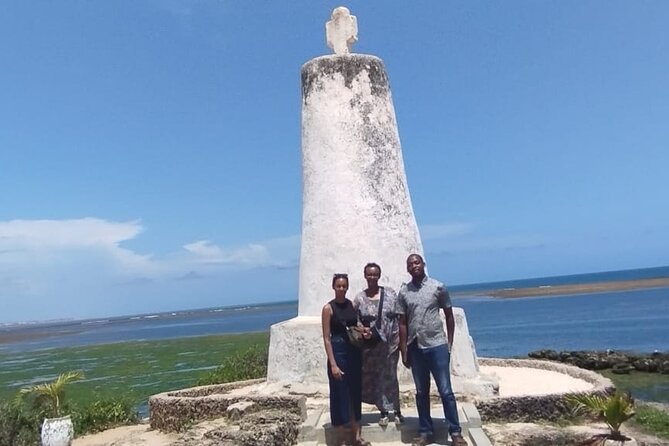
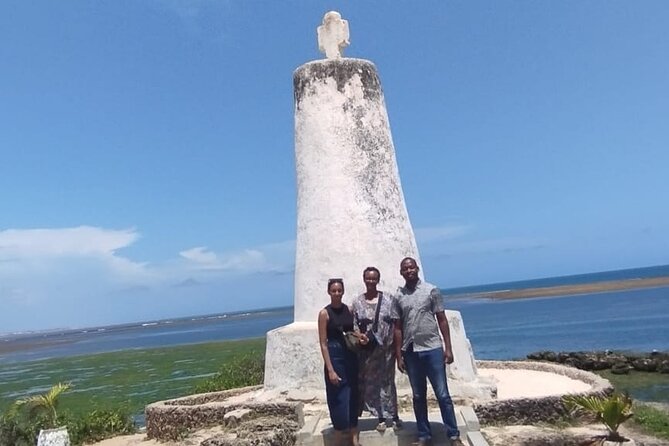
After Gede, the tour spends about three hours in Malindi. The town has drawn visitors and fortune seekers for centuries, and Vasco da Gama’s fleet landed here in 1498. That single date opens the door to a long story of contact between the East African coast and the wider Indian Ocean world.
The Malindi portion is less about one defined monument and more about seeing several sides of the town. You may visit historic places, walk through neighborhoods, and see a market. This makes the stop feel more grounded than a quick drive past a landmark.
I like this part because it gives you a chance to compare official history with ordinary surroundings. A museum label can explain a date, but a town walk shows you how a place feels now. The market and neighborhood walk also provide a more direct connection to daily life than the ruins alone.
The three-hour allocation gives Malindi more time than Gede. That is useful because the town portion includes several types of activity. It also means you should be ready for a more active stretch after the quieter archaeological site. If you prefer attractions with a fixed entrance, a set route, and little walking, this section may feel less predictable.
The tour information does not specify which historic sites are included in Malindi or how long the market walk lasts. I would ask for the exact town route before departure if one particular landmark matters to you. The broad plan is clear, but the detailed sequence may depend on the guide and the day.
There is no separate admission charge listed for the Malindi stop. That keeps the town portion straightforward, though the tour’s inclusion notes say tips and all fees and taxes are not included. Ask what additional site charges, if any, apply before you set out.
A completely different kind of day:
- ROBINSON ISLAND/MARAFA HELL’s KITCHEN
★ 5.0 · 15 reviews - Tour Malindi & Robinson Island & Marafa Hell’s Kitchen
★ 5.0 · 11 reviews - WATAMU: MALINDI: SARDEGNA ISLAND & MALINDI MARINE PARK
★ 4.5 · 9 reviews - Safari-Tsavo east national park -2 days 1 night
★ 5.0 · 8 reviews
A private tour for up to four people
The $159 price is per group, with a maximum of four people. That changes the value calculation completely. A solo visitor pays the full group rate, but four people sharing the cost would pay about $39.75 each before any extra fees or tips.
For a family or a small group of friends, the price can make good sense. You receive private transportation and do not share the vehicle or schedule with strangers. The group size also lets the outing feel more personal than a standard bus excursion.
The price does not include tips, fees, or taxes. That wording is important. Do not treat $159 as the final possible cost until you know which charges may apply. Private transportation is included, but the supplied details do not state the vehicle type, hotel pickup range, fuel arrangements, or whether refreshments are provided.
Pickup is offered, with an 8:00 am start from Turtle Bay Villas Watamu on Turtle Road, near Temple Point Road in Watamu. If you are staying elsewhere, confirm the pickup arrangement rather than assuming every hotel is covered. The meeting information gives a specific redemption point, so clarity before the morning begins will save time.
The tour is listed as suitable for most people, and service animals are allowed. It is also near public transportation. Those are useful signs for planning, but the information does not describe walking distances, rest stops, or restroom access. If anyone in your group has mobility concerns, ask for those details before paying.
How the six-hour pace feels
The schedule divides the experience into two hours at Gede and three hours in Malindi, with travel time included somewhere in the overall day. Because the tour begins at 8:00 am, you get an early start and avoid pushing the cultural visits into the hottest or busiest part of the day, though the information does not give exact driving times.
The private format is helpful here. You are not trying to keep up with a large group, and the guide can explain the plan as the day unfolds. Still, private does not mean unlimited time. If you linger at Gede, the Malindi section may need to move at a faster pace.
I would treat the day as a well-shaped introduction rather than an exhaustive study of either destination. You get the major idea of Gede, then a broad sample of Malindi. That is a good trade for a half-day outing, especially if this is your first visit to the area.
The tour requires good weather. If poor weather cancels the outing, you are offered another date or a full refund. That policy is fair for an outdoor experience, but keep the weather requirement in mind if your stay in Kenya is short and your schedule has little flexibility.
Who will get the most from this experience
I would recommend the tour to you if you enjoy history but also want to see a real town rather than spend the whole day at an archaeological site. The combination suits people who want context, conversation, and a change of scene.
Families may appreciate the variety. Children who lose interest in ruins can look forward to Malindi’s streets and market, while adults get the historical background. The private setup also avoids the pressure of managing a large group.
It is a good fit for couples and small friend groups too, particularly if you can split the group price. The tour may be less suitable if you want a highly specialized archaeology program, a long museum visit, or a relaxed beach day with no fixed schedule.
You should also consider your tolerance for outdoor conditions. Gede is an open archaeological site surrounded by greenery, and Malindi includes walking through town areas. The supplied information says most people can participate, but it does not promise an easy, fully accessible route.
Booking, cancellation, and practical planning
You receive confirmation at the time of booking. Free cancellation is available up to 24 hours before the 8:00 am start, based on local time. Cancel inside that 24-hour window and the payment is not refunded, and changes made then are not accepted.
I would book early if your dates are fixed. This experience is booked, on average, 27 days ahead, which suggests that waiting until the last moment may not be wise during a popular travel period. The private format also has limited capacity because each booking is restricted to one group of up to four.
Before booking, check four points: your pickup location, the final fees and taxes, the exact Malindi stops, and the guide assigned to your group. If you are hoping for Juma, ask whether he is available rather than assuming it.
Should you book the Gede Ruins and Malindi Tour?
Book it if you want a practical introduction to coastal Kenya that joins archaeology with present-day Malindi. The strongest reasons are the private transportation, the group price for up to four, the unusual coral ruins, and the varied town walk praised in connection with guide Juma.
Think twice if you want to spend hours at one site, avoid outdoor walking, or need a fully itemized final price before departure. For most small groups, though, this is a well-balanced six-hour outing. Gede gives you the stones and stories, while Malindi gives you the streets and everyday setting that make those stories easier to understand.
FAQ
How long does the Gede Ruins and Malindi Tour last?
The tour lasts approximately six hours.
What time does the tour start?
The scheduled start time is 8:00 am.
Where is the meeting point?
The ticket redemption point is Turtle Bay Villas Watamu, Turtle Road, Temple Point Road, Watamu, Kenya.
Is pickup available?
Yes, pickup is offered. Confirm the exact pickup arrangement if you are not starting at the listed meeting point.
How much does the tour cost?
The price is $159 per group of up to four people.
Is this a private tour?
Yes. Only your group participates in the activity.
What transportation is included?
Private transportation is included.
Are entrance fees, taxes, and tips included?
Tips and all fees and taxes are not included. Gede Ruins lists an admission ticket as included, while the tour’s general inclusion details advise you to account for additional fees and taxes.
Can I cancel for a full refund?
Yes, if you cancel at least 24 hours before the experience start time. Cancellations or changes made less than 24 hours before the start are not refunded or accepted. If poor weather causes the tour to be canceled, you are offered a different date or a full refund.
Just added in Malindi
- Airport Transfers to Watamu and Malindi★ 3.5 · 3 reviews
- Private Tsavo East Tour★ 4.5 · 2 reviews
- Safari-Tsavo east national park -2 days 1 night★ 5.0 · 8 reviews
- Mida Creek Safari Blue★ 5.0 · 2 reviews
- Full day Sardegna Island Malindi★ 5.0 · 1 review
- Magical Storytelling Swahili Dinner in the Bushbaby Treehouse★ 5.0 · 3 reviews
- Tour to Mambrui and Marafa Hells kitchen from Malindi★ 5.0 · 2 reviews
- Tsavo East Amboseli and Tsavo West Safari 4 Days starting Malindi★ 5.0 · 3 reviews
Malindi Tours, compared.


Kisite Marine Park Private Boat Snorkeling with breakfast & Lunch
Read our review →

Tour Malindi & Robinson Island & Marafa Hell’s Kitchen
Read our review →

Browse the lists this tour appears in