
Reviewed · COOKING CLASSES
Private Kenyan Cooking Class in Nairobi with a Local
Taste Nairobi at the kitchen table. This private cooking visit brings you into Grace’s modest home kitchen, where Kenyan food, family stories, and everyday life matter more than polished tourist presentation. I like the personal welcome and the chance to eat a meal prepared in a real household. I also like that you learn dishes you can make at home, from mukimo to pilau.
The main thing to know is that this is not a large, fully hands-on cooking studio. The kitchen is small, so Grace does much of the cooking while you watch and help when space allows. That makes the visit feel genuine, but you should book it as a cooking demonstration with meal rather than expect to prepare every dish yourself.
In This Review
- Key Points About This Nairobi Cooking Visit
- Entering Grace’s Nairobi Kitchen
- Mukimo and the Stories Behind It
- Ugali, Pilau, and Local Vegetables
- A Meal Shared After the Cooking
- Why the Private Format Matters
- What Makes Grace’s Hosting Special
- Who Will Enjoy This Experience Most
- Practical Planning for the 11:00 Start
- Is $76 a Fair Price?
- Should You Book This Nairobi Cooking Experience?
- FAQ
- Where does the cooking experience take place?
- What time does the experience begin?
- How long does the experience last?
- Is this a private activity?
- What foods might I learn to prepare?
- Will I cook everything myself?
- Can I cancel for a full refund?
Key Points About This Nairobi Cooking Visit
- Grace hosts you in her own home, giving the experience a personal, family-centered feel.
- Mukimo, ugali, pilau, and local vegetables introduce you to several everyday Kenyan staples.
- The small kitchen shapes the experience, with more watching than cooking for much of the session.
- Family stories add meaning, including Grace’s memories of her grandmother, who is over 100 years old.
- The meal is shared together, so the visit ends with conversation rather than a quick taste and goodbye.
- The private format suits couples, families, and small groups who want time for questions and a relaxed pace.
Entering Grace’s Nairobi Kitchen
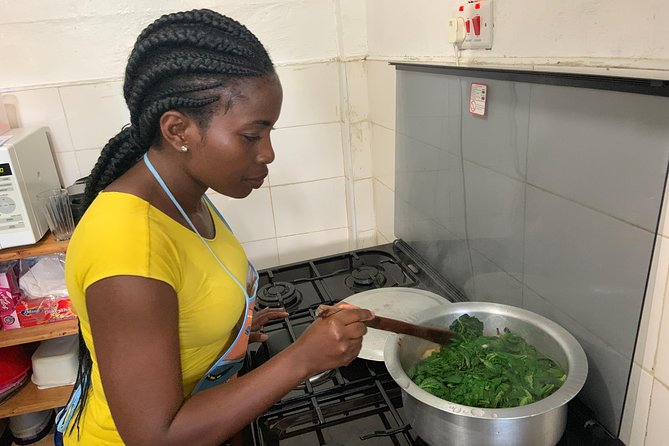
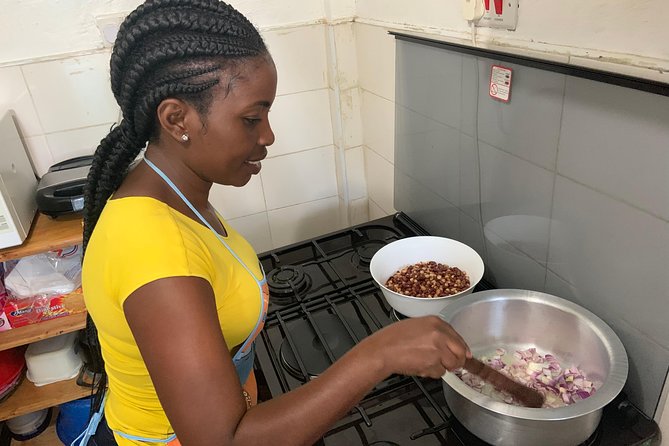
This three-hour private experience begins at 11:00 a.m. in Nairobi and ends back at the meeting point. You visit a typical Kenyan household and spend time with Grace in her modestly sized kitchen, learning how a traditional meal comes together.
The setting is important. You are not sitting in a restaurant designed to look Kenyan. You are seeing the scale, tools, and rhythm of a local home kitchen. That gives the food a useful context. Kenyan cooking is not just a list of recipes. It is food made for family, often with familiar pantry items and methods passed down through generations.
Because the kitchen is small, the format may surprise you. Grace handles most of the cooking, then brings you in when there is room and a suitable task. One account describes the experience as more hands-on, while the main description makes clear that space limits how much you can cook yourself. I would plan for a demonstration first, with opportunities to help rather than a full workstation of your own.
That is not necessarily a weakness. A home kitchen can be more informative than a large class, since you see how one local cook actually prepares these dishes. You can watch the order of the work, hear why certain foods are paired, and ask questions as the meal takes shape.
More Cooking Classes in Nairobi:
- Traditional Kenyan Cooking Class & Local Market Tour
★ 5.0 · 129 reviews - Authentic Kenyan Cooking Class & Market Tour in Nairobi
★ 5.0 · 12 reviews - Private Traditional Kenyan Cooking Class with Lunch in Nairobi
★ 5.0 · 10 reviews
Mukimo and the Stories Behind It
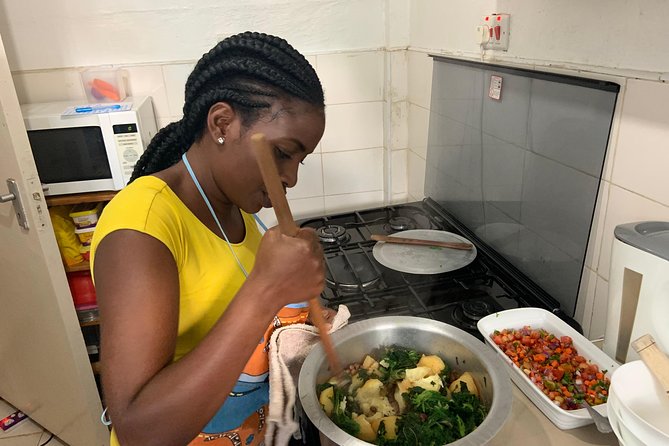
Mukimo is one of the central dishes you may learn. It is made by mashing potatoes with greens, creating a filling dish with a soft texture and earthy flavor. Grace also shares stories about her grandmother making mukimo for the family, including different versions that can be prepared with basic pantry ingredients.
Those stories are one of the best reasons to choose this experience. A recipe becomes easier to remember when it is tied to a person and a family tradition. You are not simply told to mash potatoes and greens. You hear how the dish fits into home life and how it can change depending on what is available.
If you want to recreate the meal later, pay close attention to the method rather than only the ingredient list. Ask Grace about substitutions, texture, seasoning, and the order in which ingredients are added. The information provided does not promise a printed recipe, so taking notes may be useful if you want to make the dishes back home.
A small point about expectations: the food is described as hearty rather than elaborate. This is everyday Kenyan cooking, not a chef-led tasting menu. That makes it especially useful for anyone who wants to understand what people might cook for family meals, rather than chase restaurant-style presentation.
Ugali, Pilau, and Local Vegetables
The menu may also include ugali, pilau, and local vegetables. Ugali is made by mixing corn flour with water until it becomes a firm, mashed staple. It is simple in its ingredients but central to understanding the texture and structure of many Kenyan meals.
Pilau brings a different flavor profile. This spiced rice dish shows how rice can become the centerpiece of a meal through seasoning and careful cooking. The available information does not list every spice, so you should ask Grace which flavors are traditional in her version and which ingredients are easy to find outside Kenya.
Local vegetables round out the meal. One of the strongest details from the experience is how little it may take to make them taste good. A previous participant was surprised by how tasty the vegetables were, even suspecting that Grace used little more than salt and onions. That is a useful cooking lesson in itself. Good home food does not always require a long ingredient list.
You may not prepare every dish from start to finish. Still, watching Grace make several foods gives you a wider view of Kenyan cooking than focusing on just one recipe. You see how a staple such as ugali or mukimo can sit beside vegetables and rice, creating a complete meal with modest ingredients.
A Meal Shared After the Cooking

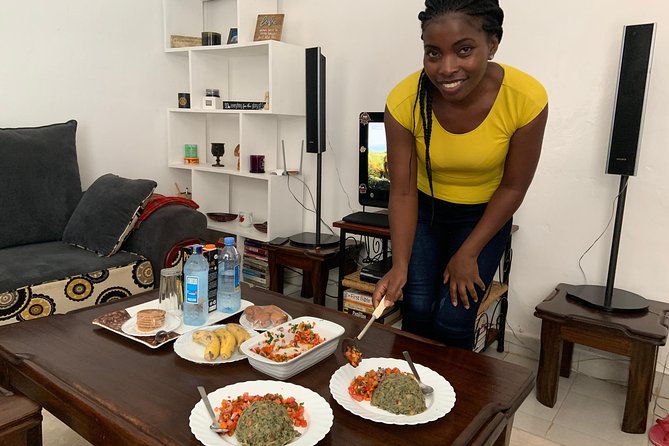
After the food is ready, you sit down and eat together. This shared meal is a key part of the visit, not a minor extra at the end. It gives you time to talk with Grace, ask follow-up questions, and enjoy the food while the cooking process is still fresh.
I like this format because it slows the experience down. A short demonstration followed by a meal could feel rushed in a commercial kitchen. In a home, the meal gives the visit a natural finish. You have seen the food being made, helped when possible, and then tasted the result in the place where it was prepared.
The reviews give special praise to Grace’s warmth and personality. One participant called the experience one of their favorite activities from many trips, while another singled out Grace’s welcoming manner and willingness to answer questions. The praise is directed as much at the host as at the food, which tells you what kind of experience this is: social, personal, and dependent on the connection between you and Grace.
That personal element also means the visit may not feel identical for every group. The amount of hands-on work can depend on kitchen space, the dishes being prepared, and the flow of the session. Go ready to listen, talk, and eat, not simply to follow a fixed class schedule.
A few more options to weigh up in Nairobi
- Nairobi National Park Half-Day Tour; Free Wi-Fi connection
★ 5.0 · 878 reviews - Nairobi: National Park & Optional Elephants & Giraffe Center
★ 4.8 · 874 reviews - NAI NAMI: Nairobi Storytelling Tour with Street Children
★ 5.0 · 792 reviews - Nairobi National Park Half-Day Game Drive
★ 4.5 · 738 reviews
Why the Private Format Matters
At $76 per person, this is not the cheapest way to eat in Nairobi. You are paying for more than a meal, though. The price covers a private experience, a local host, cooking instruction, cultural conversation, and time in a Kenyan home.
The private setup is valuable if you want to ask plenty of questions or are traveling with family or friends. You do not need to fit into a large class or compete for the instructor’s attention. Group discounts may also be available, which can improve the value for a small party.
The price is harder to justify if your main goal is simply to sample Kenyan food. Nairobi offers less costly ways to eat. This experience makes more sense if you value the story behind the meal and want a personal exchange with someone who cooks these dishes as part of family life.
You should also consider the three-hour duration. The cooking portion is described as about one hour, while the full visit lasts about three hours. The remaining time likely includes arrival, conversation, preparation, eating, and the general pace of a home visit. That is good for people who enjoy unhurried cultural experiences. If you want a fast class packed with techniques, this may feel slow.
What Makes Grace’s Hosting Special
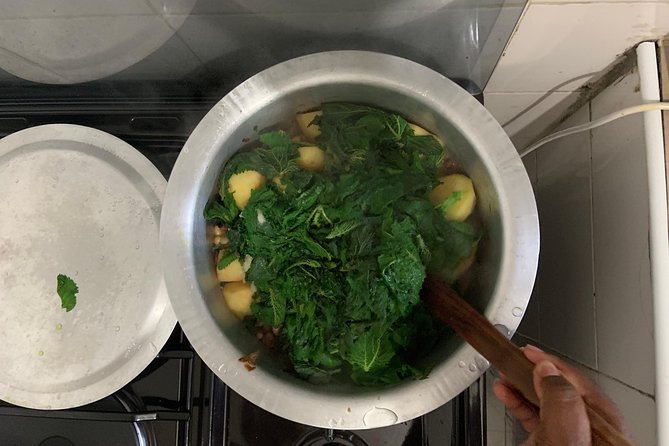
The strongest praise centers on Grace herself. She is described as welcoming, personable, and generous with explanations. One participant noted that she answered questions while allowing as much hands-on participation as the small kitchen permitted.
That detail matters. A cooking class can be technically correct but socially flat. Here, Grace’s stories about her grandmother give the food a family connection. The mention of a grandmother who is more than 100 years old adds a memorable link between older traditions and the meal you are watching being prepared.
You should use the time well by asking questions that connect food to daily life. Ask how mukimo changes from household to household. Ask when ugali is usually served. Ask which vegetables are common and how pilau is seasoned. These questions can turn a short cooking visit into a better picture of Kenyan home life.
Still, the experience is hosted in a modest home, not a purpose-built teaching space. You should be comfortable with a less polished setting and with adjusting to Grace’s way of working. That is part of the appeal, but it also means you should not expect restaurant-level equipment, individual counters, or a formal lesson plan.
Who Will Enjoy This Experience Most
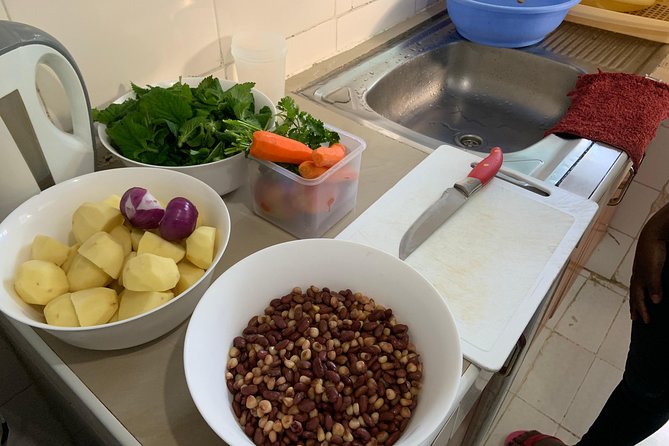
I would recommend this visit to several types of visitors:
- People who want a personal connection with Nairobi beyond major sightseeing stops.
- Couples or families who prefer private activities.
- Food lovers who want to learn familiar, practical dishes rather than restaurant recipes.
- First-time visitors to Kenya who want an approachable introduction to local cuisine.
- Anyone who enjoys stories, conversation, and eating with a host.
- Small groups that may benefit from a group discount.
It may be less suitable if you require a fully hands-on class. The small kitchen means Grace does most of the work, and the activity is partly a demonstration. It may also disappoint you if you prefer a strict schedule, detailed technical instruction, or a large selection of dishes.
The experience appears suitable for visitors using public transportation, and service animals are allowed. No special physical requirements are stated, so you should confirm any personal needs before booking if they could affect your visit.
Practical Planning for the 11:00 Start

The experience begins at 11:00 a.m. in Nairobi and returns to the meeting point at the end. Since the activity lasts about three hours, plan the rest of your day with enough room afterward rather than placing an important appointment immediately after lunch.
Confirmation is sent within 48 hours of booking, subject to availability. This experience is often reserved around 18 days ahead, so booking early is sensible if your Nairobi schedule is tight, especially if you want the 11:00 start on a specific day.
The activity is private, meaning only your group takes part. That is useful for travelers who want to talk openly, ask many questions, or let children participate at their own pace. A small group will also fit the kitchen more comfortably than a large one.
The cancellation terms are friendly but firm near the start time. You can cancel for a full refund up to 24 hours before the experience begins. Changes or cancellations made less than 24 hours ahead are not accepted for a refund, and cut-off times use Nairobi local time.
Is $76 a Fair Price?
The price is fair if you treat the visit as a cultural meal and private home experience, not as a standard cooking lesson. You receive time with Grace, a traditional Kenyan menu, personal stories, a chance to help with the cooking, and a shared meal.
The value improves when two or more people book together and qualify for a group discount. Splitting a private experience among friends or family can make the cost easier to accept than paying alone.
The price is less attractive for a solo visitor who mainly wants to learn knife skills or cook every dish personally. Since the kitchen limits participation, the educational value comes from watching, listening, tasting, and asking questions. That can be excellent, but it is different from a professional class where you do each step yourself.
Should You Book This Nairobi Cooking Experience?
Book it if you want to meet a warm local host, hear family stories, and understand Kenyan food through a real home meal. Grace’s hospitality receives the clearest praise, and the combination of mukimo, ugali, pilau, vegetables, and conversation gives you plenty to remember.
Skip it if you need a fully hands-on class or a formal culinary workshop. The small kitchen is the main limitation, and you should expect Grace to do much of the cooking.
For most visitors who value human contact over polished production, this is a strong choice. Arrive ready to participate when space allows, ask questions, take notes, and enjoy the meal. The best part may not be mastering a recipe. It may be learning why that recipe matters to the person serving it.
FAQ
Where does the cooking experience take place?
It takes place in a typical Kenyan household in Nairobi, in Grace’s home kitchen.
What time does the experience begin?
The activity starts at 11:00 a.m.
How long does the experience last?
The full experience lasts approximately three hours. The cooking demonstration itself is described as lasting about one hour.
Is this a private activity?
Yes. Only your group participates in the activity.
What foods might I learn to prepare?
The menu may include mukimo, ugali, pilau, and local vegetables. Mukimo combines mashed potatoes and greens, while ugali is made from corn flour and water.
Will I cook everything myself?
No. Because Grace’s kitchen is very small, she does most of the cooking. You can help when possible, so the experience is best understood as a cooking demonstration with some hands-on participation.
Can I cancel for a full refund?
Yes. You can cancel at least 24 hours before the start time for a full refund. Cancellations or changes made less than 24 hours before the experience are not accepted for a refund.
Just added in Nairobi
- Wildlife Capital: Half-Day Safari at Nairobi National Park★ 5.0 · 2 reviews
- 3 days maasai mara migration safari★ 4.5 · 7 reviews
- 4 Days Tour Landcruiser in Masai Mara and Lake Nakuru★ 5.0 · 10 reviews
- 4 Days Safari to Lake Nakuru N/P and Maasai Mara N/R★ 5.0 · 18 reviews
- Day Tour to Nairobi national park, Elephants, and Giraffe Center★ 3.5 · 8 reviews
- 6 Days Kenya Budget Group Safari★ 5.0 · 2 reviews
- Maasai Mara Day Trip★ 5.0 · 15 reviews
- 3 Days Masai Mara Wildebeest migration Budget safari★ 5.0 · 2 reviews
Cooking Classes, compared.

Traditional Kenyan Cooking Class & Local Market Tour
Read our review →
Authentic Kenyan Cooking Class & Market Tour in Nairobi
Read our review →
Private Traditional Kenyan Cooking Class with Lunch in Nairobi
Read our review →
Market Tour and Traditional Kenyan Cooking Class in Nairobi
Read our review →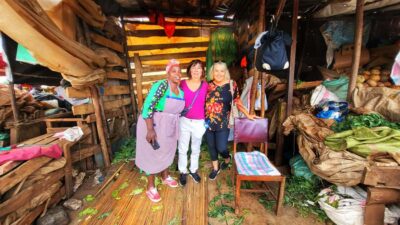
Local Market Tour and Traditional Meal Cooking Class
Read our review →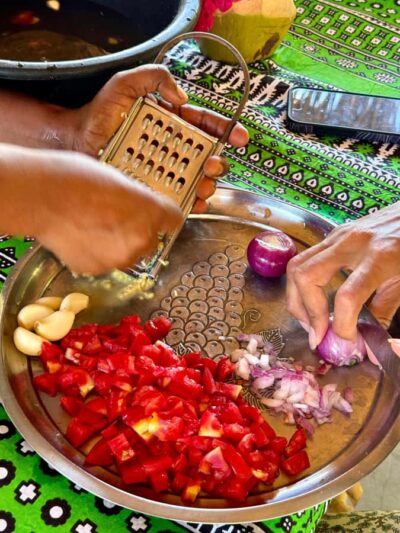

Nairobi Traditional Cooking Classes and Local Market Visit
Read our review →
Browse the lists this tour appears in