
Reviewed · SHOPPING TOURS
Nairobi Traditional Cooking Classes and Local Market Visit
Food opens doors quickly. This five-hour Nairobi experience takes you from a farmer’s market to a Kenyan home kitchen, where you shop, cook, eat, and hear about everyday life. I like the market visit because you help choose the ingredients rather than simply watching a demonstration. I also like the personal cooking session with Tasha, whose humor, energy, and cooking skills received especially strong praise.
The main point to consider is the host’s home outside the city is not easy to reach by public transport. Private transport is included from Westlands, Karen, or Parklands, but extra Uber or taxi costs may apply if your plans fall outside those arrangements. You should also expect a relaxed, hands-on home kitchen rather than a polished cooking school.
In This Review
- Key points before you book
- What the five-hour Nairobi food tour is really like
- Pickup from Westlands, Karen, or Parklands
- One hour shopping at a Nairobi farmer’s market
- Three hours in a local home kitchen
- Kenyan dishes you may prepare and taste
- Eating the meal you helped create
- One hour of Kenyan street food on the way back
- Is $100 a fair price?
- Practical details that affect your day
- Who should book this Nairobi cooking class?
- Should you book it?
- FAQ
- How long does the Nairobi cooking class and market visit last?
- Where can pickup and drop-off take place?
- Is transportation included?
- What food can I expect to eat?
- Who teaches the cooking class?
- Is the experience available as a private tour?
- What should I bring?
Key points before you book
- A market-to-table meal: You shop for fresh ingredients in a Nairobi farmer’s market before cooking them in a local home.
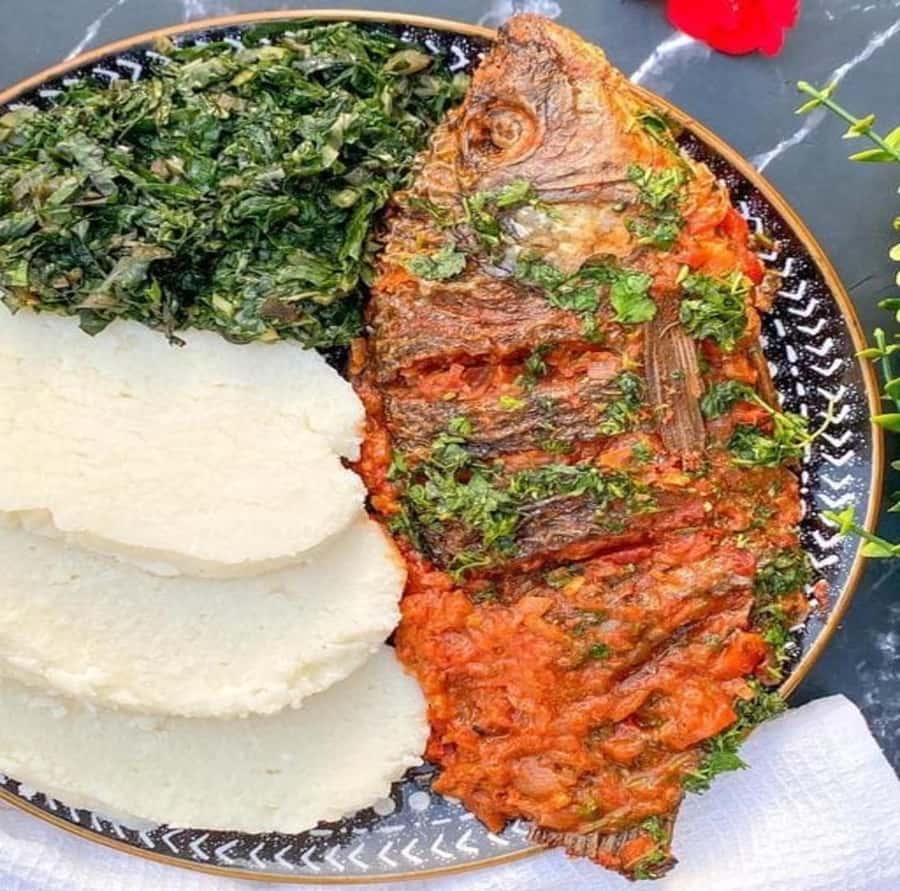
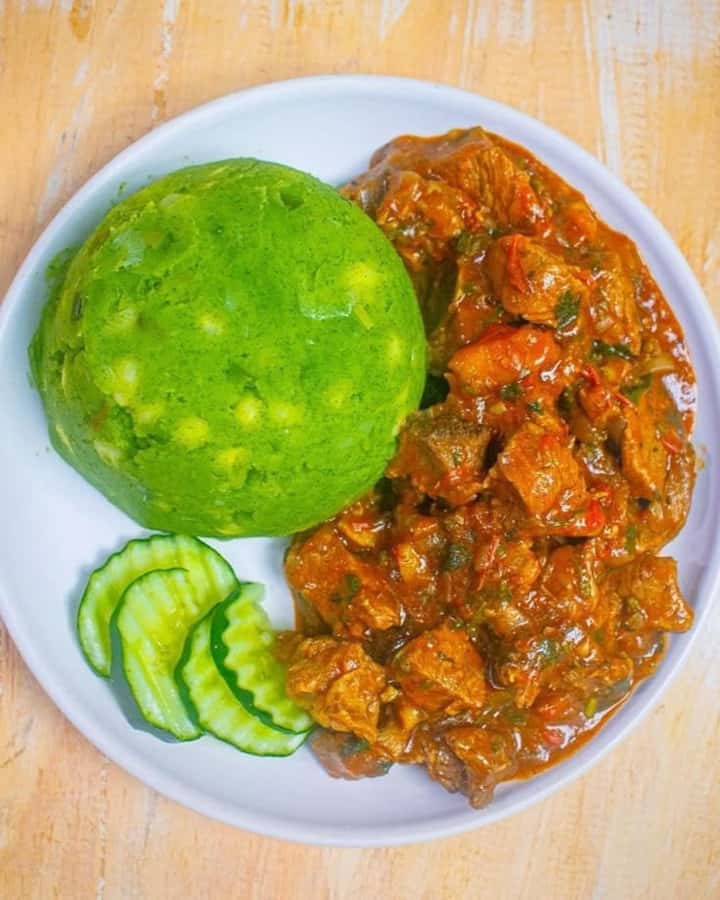
- Tasha leads the kitchen: She offers food choices and lets you help where possible, including a particularly well-liked beef stew with ugali.
- Five hours with food at every turn: The day includes one hour at the market, three hours cooking and eating, and one hour sampling Kenyan street food.
- Private pickup and drop-off: Transport is provided from Westlands, Karen, or Parklands, with return service to those areas.
- A wide Kenyan menu: You may taste ugali, pilau, mukimo, chapati, mandazi, githeri, matoke, fish, and other familiar local foods.
- A small-group feel: A private group is available, making this a good choice for families, couples, and friends who want direct attention.
What the five-hour Nairobi food tour is really like
This is not just a cooking lesson. It is a short look at how food connects the market, the household, and the street. You begin with a pickup, shop for ingredients with your host, prepare lunch in a modest kitchen, then finish with Kenyan street food on the way back.
That order matters. You see the raw ingredients before they reach the cooking pot, then take part in preparing a meal, and finally try the quick snacks people eat while moving around Nairobi. It gives you several different views of Kenyan food in one half-day.
The pace should suit you if you enjoy conversation and participation more than a tightly scripted sightseeing tour. The host handles much of the cooking, but you can lend a hand whenever possible. That means the amount of practical work may vary, so you should not book this expecting to spend all three cooking hours chopping, stirring, and measuring.
More Cooking Classes in Nairobi:
- Traditional Kenyan Cooking Class & Local Market Tour
★ 5.0 · 129 reviews - Authentic Kenyan Cooking Class & Market Tour in Nairobi
★ 5.0 · 12 reviews - Private Traditional Kenyan Cooking Class with Lunch in Nairobi
★ 5.0 · 10 reviews
Pickup from Westlands, Karen, or Parklands
The tour offers pickup from three Nairobi areas: Westlands, Karen, and Parklands. Private transport is included from your pickup point and back, along with transport to and from the market. Bottled water is also provided.
This is useful because the host’s home is outside the city and is not easily reached by public transport. If you are staying in one of the listed areas, the included transfer removes much of the guesswork. If you are staying elsewhere, confirm the pickup plan before booking. Uber and taxis are possible, and the host can arrange transportation for an additional cost.
The transport also helps the day feel like one connected outing rather than separate bookings. You are not left to find a market, then locate a distant residential area on your own. Still, Nairobi traffic can affect timing, so keep your schedule after the tour reasonably open.
One hour shopping at a Nairobi farmer’s market
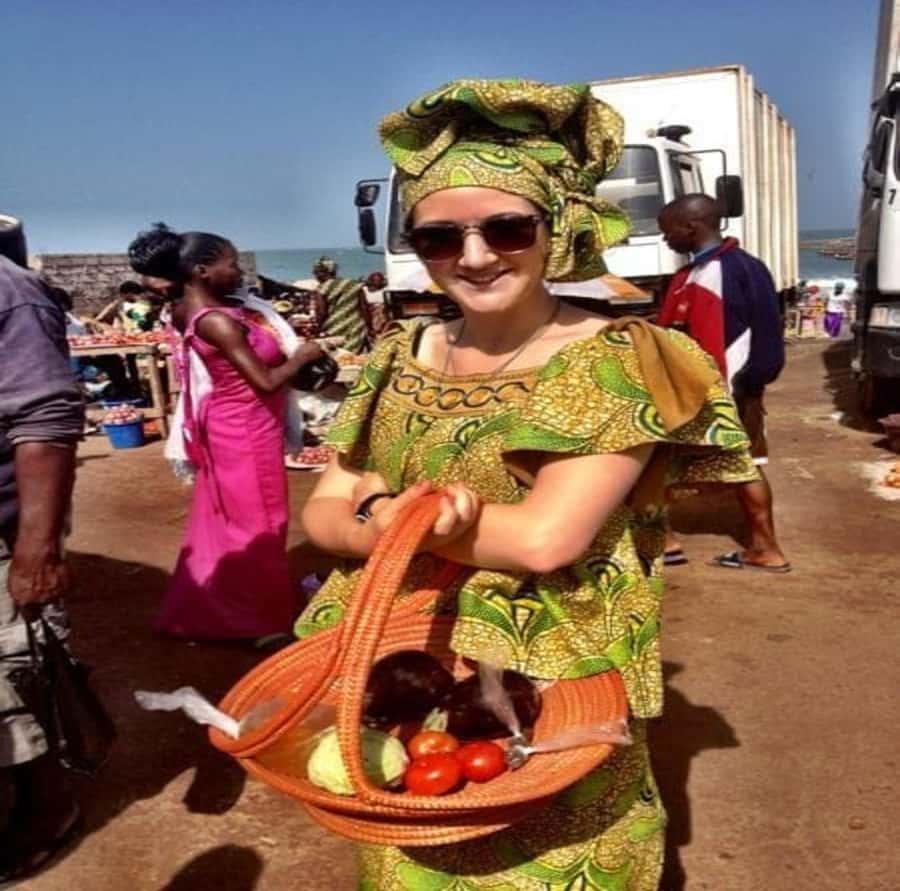
The first major stop is a local farmer’s market, where you shop for fresh fruit, vegetables, and other ingredients with your host. This is a better introduction to Kenyan cooking than starting with a prepared menu. You can see what is available, learn what goes into the meal, and watch the host make choices based on the day’s produce.
The market is also the most public part of the experience. You get a taste of ordinary buying and selling before moving into the private setting of the home. Bring comfortable shoes, since you will be on your feet and moving through a food market for about an hour.
You are asked to bring ingredients, but the details of which ingredients and how much are not specified. Clarify this before the day begins so you do not arrive with the wrong items or duplicate what the host plans to buy. The market portion is included, as is the market transportation.
Do not expect this to be a formal food-history lecture. The value is in seeing the ingredients, asking questions, and making choices with someone who cooks Kenyan food regularly. If you enjoy learning through ordinary routines, this part may be as useful as the cooking itself.
Three hours in a local home kitchen

After the market, you travel to the host’s home just outside Nairobi. The kitchen is described as modest in size, which sets the right expectation. This is a household setting, not a large studio designed for a dozen students with individual workstations.
That smaller space can make the meal feel personal, but it may also limit how much everyone can do at the same time. The host primarily handles the cooking, while you help whenever there is an opening. You may prepare some ingredients, assist with steps, or watch closely as dishes come together.
Tasha is the cook to look for. She offers a few food choices and brings a playful, proactive manner to the session. One especially appealing option is beef stew with ugali, a combination that was described as both filling and very tasty. If you prefer to choose your main dish, ask Tasha what is available before cooking starts.
The cooking time is also a chance to hear stories about local heritage and household life. You are not simply copying a recipe. You are seeing how food is prepared in a Kenyan home and learning how familiar dishes fit into daily routines and shared meals.
More markets in Nairobi:
- Memorable Daily KIBERA Slums/Toi Market Tour with Locals (2 hours)
★ 5.0 · 29 reviews - Half-Day Nairobi National Park and Maasai Market with Pick up
★ 5.0 · 16 reviews - Nairobi: Hop on Hop off and Maasai market Collections Visit
★ 3.5 · 10 reviews - Explore local Market matatu ride & Make Kenyan Cuisines with a home cook
★ 5.0 · 8 reviews
Kenyan dishes you may prepare and taste
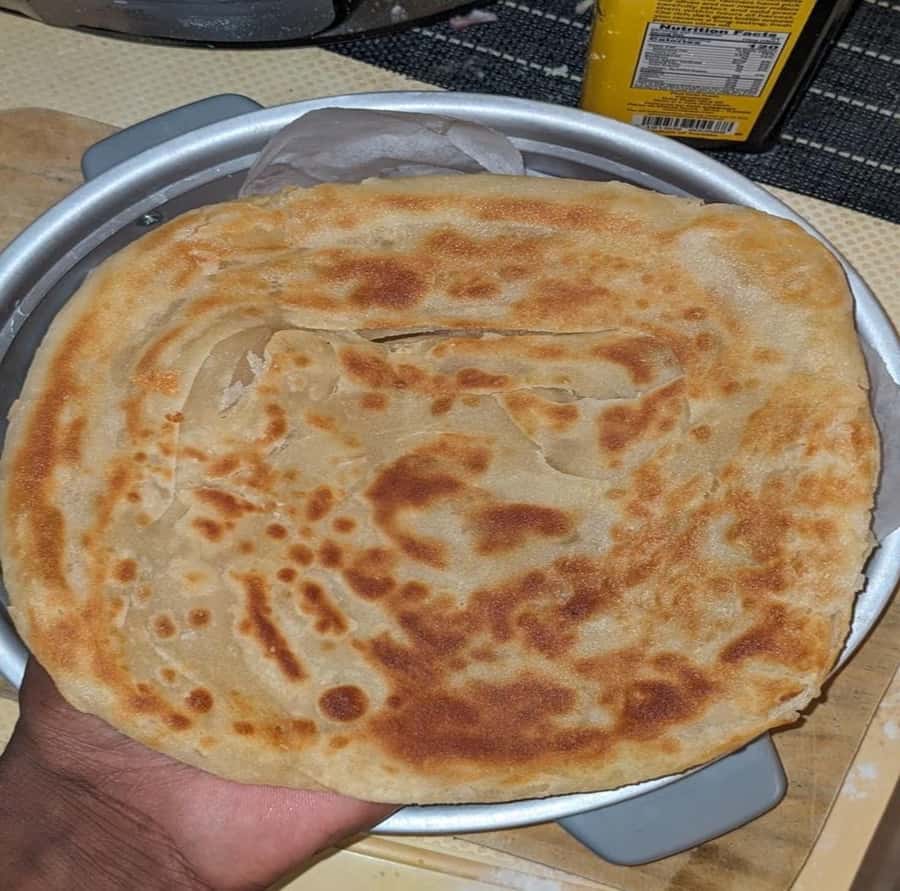
The menu covers a lot of ground. It can include:
- Ugali
- Kenyan pilau
- Mukimo
- Chapati
- Githeri
- Matoke
- Fish
- Boiled potatoes
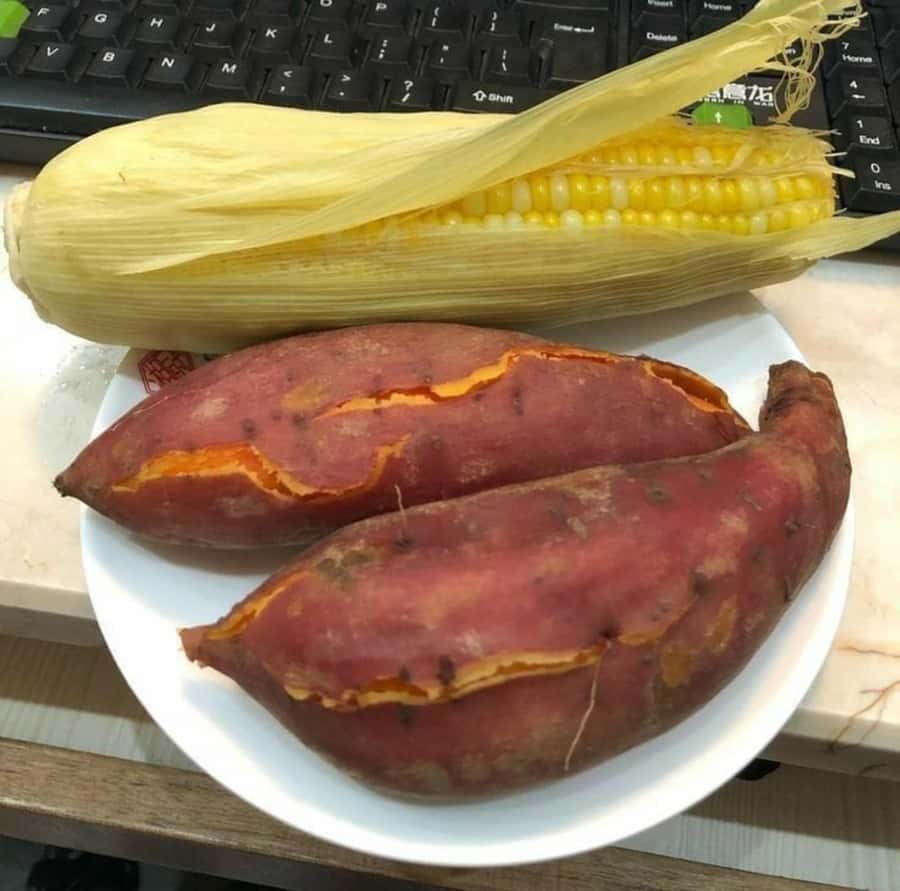
- Sweet potatoes
- Fresh corn
- Mandazi
Ugali is one of the most important dishes on the menu. Made from maize flour, it is a firm staple often served with a stew or other savory food. It is simple in appearance but useful for understanding how a filling starch anchors a Kenyan meal.
Kenyan pilau brings a different character, with seasoned rice and a more fragrant profile. Mukimo, githeri, and matoke give you further examples of how vegetables, legumes, maize, bananas, and other staple ingredients appear in home cooking. Chapati and mandazi add familiar comfort in the form of flatbread and a sweet fried treat.
Because the exact menu can vary, you should treat the list as a sample rather than a guarantee that every dish will appear. Ingredients, time, and your choices with Tasha will shape the meal. That flexibility is part of the home-cooking format, though it means you should ask about any favorite dish you particularly want to try.
Eating the meal you helped create
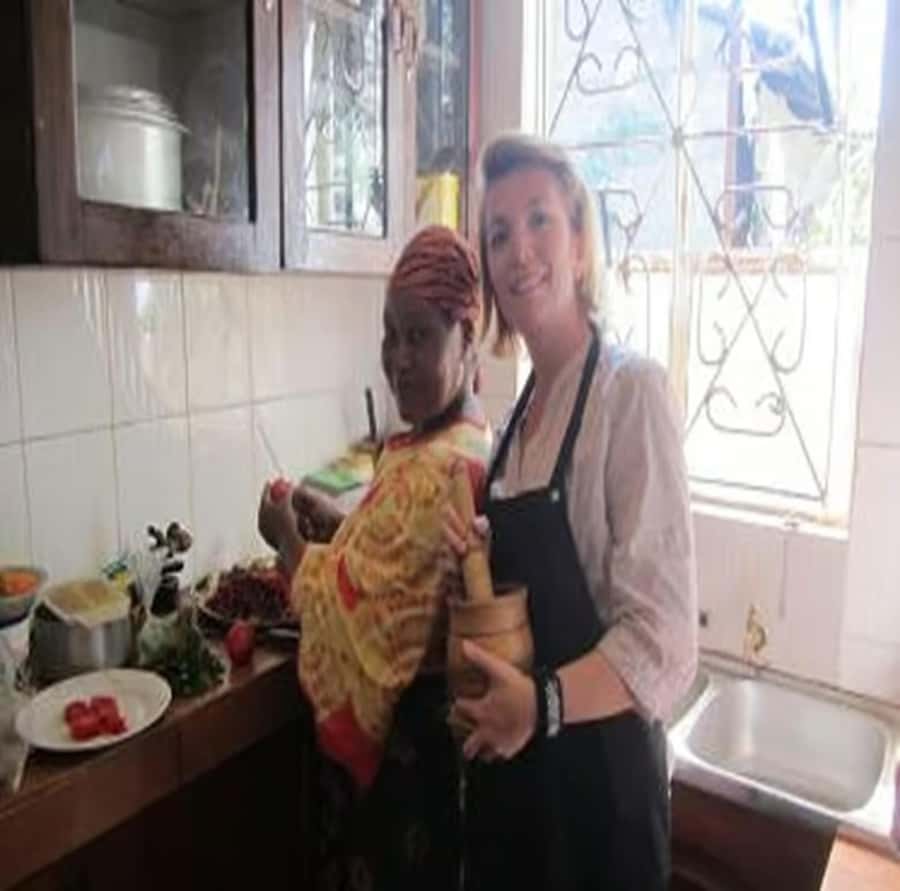
Lunch is included, and you eat the food prepared during the class. This is where the market visit and kitchen work pay off. You have seen the ingredients, followed the preparation, and can connect the finished food with the steps that produced it.
The portion of participation is important here. Since the host does most of the cooking, your meal may not be the result of you preparing every dish from start to finish. I would think of this as a guided home meal with hands-on moments, not a rigorous chef-training course.
That distinction helps set expectations. If you want technical instruction, ask questions as you go. If you mainly want to taste Kenyan food and share a meal in a local home, the format should suit you well. The strongest praise has focused on the fun, the flavor, and Tasha’s personality, rather than on formal culinary training.
One hour of Kenyan street food on the way back
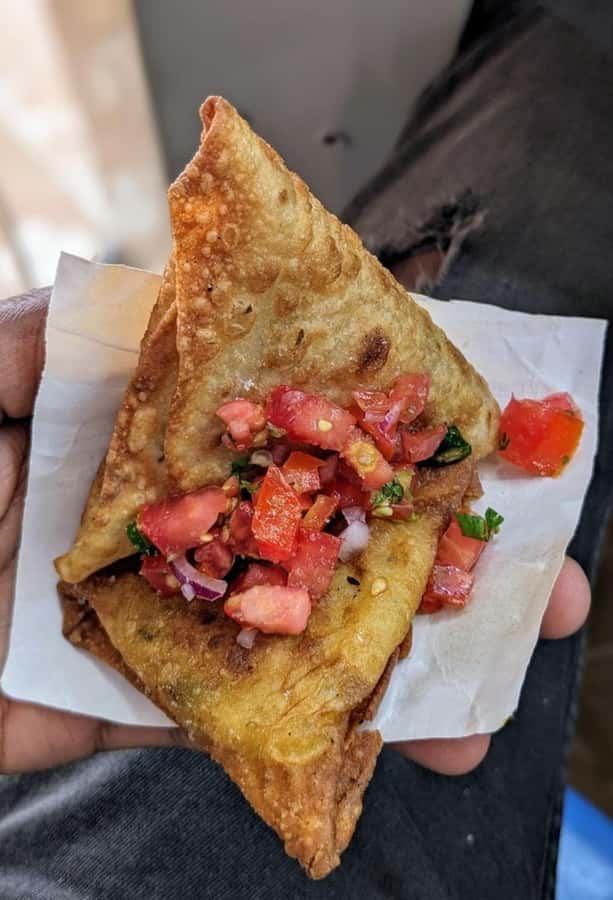
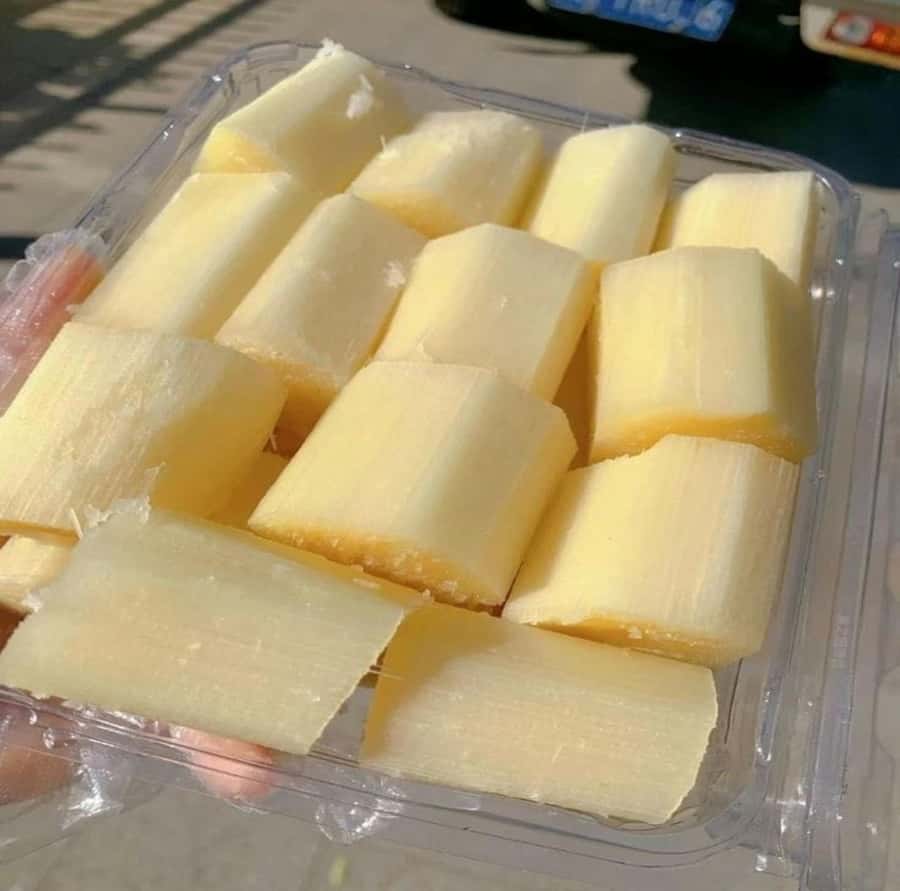
The final food stop comes during the return journey. You can try Kenyan street snacks such as smocha, smokie, boiled eggs, roasted maize, and sweet sugarcane.
This is a useful finish because these foods are different from the sit-down meal. Smocha and smokie offer quick, casual bites, while roasted maize and sugarcane give you a sense of the simple snacks sold along the road. You get to sample food in the way it is often eaten during a normal day, not only in a home dining setting.
Street food is also the part where you should pay closest attention to your own comfort. The tour includes the food, but alcohol and other drinks are not included. Bottled water is provided. Bring comfortable clothes and shoes, and tell the host about dietary restrictions before the tour if that information is important to you. The supplied details do not promise substitutions or a specific dietary menu.
Is $100 a fair price?
The price is $100 per person for five hours. That is not a bargain-priced cooking class, but the cost covers more than lunch. You are paying for private transport from the listed Nairobi areas, a market visit, the cooking session, the meal, street food, bottled water, and a personal host.
The value improves if you would otherwise need to arrange several separate rides. Transport to a home outside the city can be awkward, and the included pickup and return service saves both time and planning. The market and street-food portions also make this broader than a standard class held in one kitchen.
The price may feel high if your main goal is simply to eat ugali or chapati. Nairobi has cheaper ways to sample local dishes. This tour makes more sense if you value the setting, the shopping, the conversation, and the chance to share a meal with a Kenyan host.
A private group option is available. For a family or small group of friends, that can make the price easier to justify because the experience is more focused on your group. The exact group size is not specified, so confirm how many people will attend if personal attention is important to you.
Practical details that affect your day
The tour lasts five hours, with starting times depending on availability. English is the tour language, and a live guide is provided. The activity is listed as wheelchair accessible, but the host’s home and transport arrangements should be confirmed directly if you use a wheelchair, since the home is outside the city and details about kitchen access are not provided.
Wear comfortable clothing and shoes. You should also clarify the instruction to bring ingredients before setting out. The market itself is part of the experience, so the right ingredients may be purchased there, but the exact arrangement is not stated.
Free cancellation is available up to 24 hours in advance for a full refund. You can also reserve now and pay later, which helps if your Nairobi plans are still shifting. Alcohol and drinks beyond the supplied bottled water are not included.
The tour can be booked as a private group. That is likely the best format if you want to ask many questions, help more often in the kitchen, or keep the meal centered on your own food preferences.
Who should book this Nairobi cooking class?
I would recommend it to you if food is one of your main ways of understanding a place. It works especially well for first-time visitors to Nairobi who want a local activity beyond the usual city sights.
Families may appreciate the market, cooking, and snack combination, though parents should decide if a five-hour food-focused outing suits younger children. Couples and friends should find the home setting more relaxed than a standard restaurant meal. It is also a good option for anyone who prefers a private experience and direct conversation in English.
You may want a different tour if you need exact recipes, a professional teaching kitchen, or a tightly controlled schedule. The host does much of the cooking, the menu can change, and the residential location requires careful transport planning.
Should you book it?
Book this experience if you want more than a meal. The best parts are the market shopping, the personal setting, Tasha’s engaging style, and the chance to try both home cooking and street food in one day.
Before paying, confirm your pickup location, the ingredient arrangements, the likely menu, and any transport supplement for your accommodation. If those details work, $100 buys a useful and friendly introduction to Kenyan food and daily life, with lunch included and very little transport planning left for you.
FAQ
How long does the Nairobi cooking class and market visit last?
The experience lasts five hours. About one hour is spent at the market, three hours on lunch, cooking, and food tasting, and one hour trying street food.
Where can pickup and drop-off take place?
Pickup and return service are available from Westlands, Karen, and Parklands. If you are outside those areas, Uber, taxis, or host-arranged transport may be possible at an additional cost.
Is transportation included?
Private transport from your pickup location and back is included, along with transport to and from the local market. Extra Uber charges are not included.
What food can I expect to eat?
The sample menu includes ugali, Kenyan pilau, mukimo, chapati, githeri, matoke, fish, boiled potatoes, sweet potatoes, fresh corn, and mandazi. Street food may include smocha, smokie, boiled eggs, roasted maize, and sweet sugarcane.
Who teaches the cooking class?
The cooking session is led by Tasha. She offers food choices and guides you through preparing a traditional Kenyan meal in the host’s home.
Is the experience available as a private tour?
Yes. A private group option is available. The exact group size is not stated, so confirm the maximum number before booking.
What should I bring?
Bring comfortable shoes, comfortable clothes, and ingredients. Since the precise ingredient arrangement is not specified, confirm what you need to bring before the tour.
More Shopping Tours in Nairobi
- Nairobi souvenir Shopping and Historical Half day Tour
★ 5.0 · 61 reviews - Nairobi Cultural Shopping Experience
★ 5.0 · 21 reviews - Nairobi Guided Cultural Shopping Experience Day Tour
★ 4.0 · 12 reviews - Nairobi cultural souvenir shopping tour with a local
★ 5.0 · 12 reviews
Just added in Nairobi
- Wildlife Capital: Half-Day Safari at Nairobi National Park★ 5.0 · 2 reviews
- 3 days maasai mara migration safari★ 4.5 · 7 reviews
- 4 Days Tour Landcruiser in Masai Mara and Lake Nakuru★ 5.0 · 10 reviews
- 4 Days Safari to Lake Nakuru N/P and Maasai Mara N/R★ 5.0 · 18 reviews
- Day Tour to Nairobi national park, Elephants, and Giraffe Center★ 3.5 · 8 reviews
- 6 Days Kenya Budget Group Safari★ 5.0 · 2 reviews
- Maasai Mara Day Trip★ 5.0 · 15 reviews
- 3 Days Masai Mara Wildebeest migration Budget safari★ 5.0 · 2 reviews
Shopping Tours, compared.

Traditional Kenyan Cooking Class & Local Market Tour
Read our review →
Nairobi souvenir Shopping and Historical Half day Tour
Read our review →
Memorable Daily KIBERA Slums/Toi Market Tour with Locals (2 hours)
Read our review →

Mombasa City Tour,Fortjesus,Oldtown,Tusks and Spice Market.
Read our review →
Half-Day Nairobi National Park and Maasai Market with Pick up
Read our review →
Authentic Kenyan Cooking Class & Market Tour in Nairobi
Read our review →
Nairobi cultural souvenir shopping tour with a local
Read our review →Browse the lists this tour appears in