
Reviewed · SHOPPING TOURS
Local Market Tour and Traditional Meal Cooking Class
Come hungry, leave with a fuller picture of Nairobi. This three-hour experience pairs a walk through a local food market with a hands-on Kenyan cooking class in a private home. I like the way it moves beyond sightseeing: you shop for ingredients, travel like a local, help prepare the meal, and then sit down to eat it. I also like the small-group limit of six, which should make it easier to ask questions and take part.
The main consideration is comfort and logistics. You must climb to a fourth-floor apartment with no lift, hotel pickup is not included, and the market portion can involve walking and public transport. If you prefer a polished kitchen class with private transfers, this may feel too informal. If you want direct contact with everyday food culture, it offers much more than a standard restaurant meal.
In This Review
- Four things to know before you book
- Starting at Westlands Square
- Shopping in a real Nairobi food market
- Choosing the local way to move
- Cooking in a fourth-floor home
- Sitting down to a Kenyan meal
- Is $64 a fair price?
- Who will enjoy this experience most?
- Timing, return transport, and small practical points
- Should you book the market and cooking class?
- FAQ
- How long does the experience last?
- Where is the meeting point?
- What time does the tour start?
- Is hotel pickup included?
- Is the matatu ride required?
- Where does the cooking class take place?
- Is there an elevator in the apartment building?
- Can the meal accommodate different diets?
Four things to know before you book
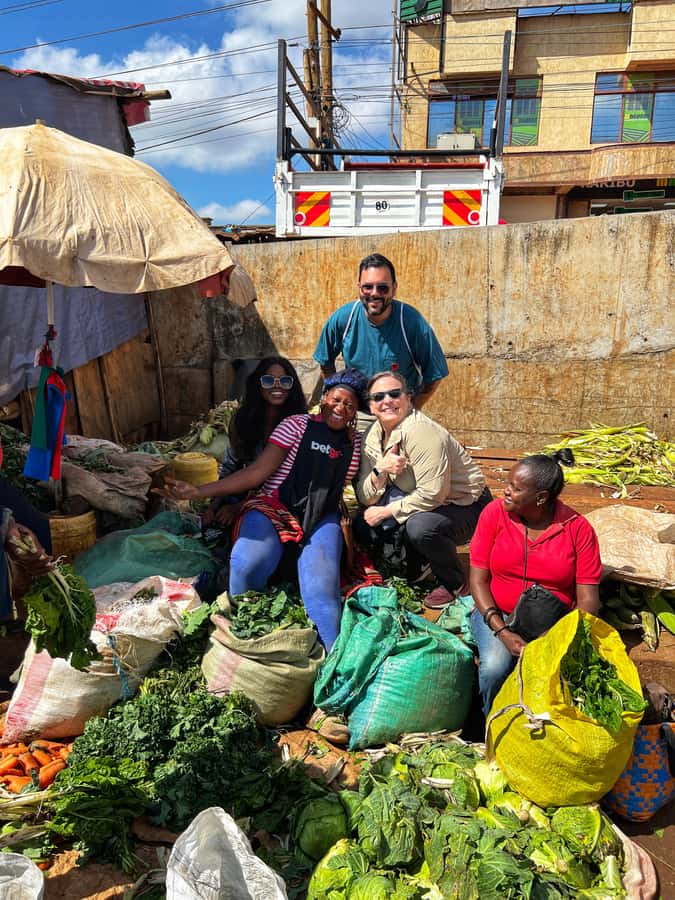
- The market comes first: You shop for fresh local ingredients before cooking, so the meal begins with real food choices rather than a prepared demonstration.
- Matatu travel is optional: You can add a short public transport ride and get a practical taste of how many people move around Nairobi.
- The class takes place at a home: After the market, you go to the guide’s apartment, about 10 minutes away depending on traffic.
- The food suits several diets: Vegetarian, vegan, pescatarian, and meat-based meals can be accommodated, with specific requests worth making in advance.
- The group is limited to six: This is a better setup for chopping, stirring, asking questions, and talking than a large commercial class.
- The guide helps with the return ride: At the end, you can request an Uber from the apartment, but you pay for the trip yourself.
Starting at Westlands Square

The meeting point is Westlands Square, at the entrance of the Java cafe. The guide waits there for the start at either 11:30 a.m. or 5 p.m., depending on the time you select.
This location gives you a clear, public place to meet. Still, allow enough time to find the mall and the cafe entrance. Since hotel pickup is not part of the $64 price, you need to arrange your own way to Westlands Square.
The tour lasts three hours, so timing matters. A late arrival could cut into the market visit or the cooking time. I would arrive early, especially if Nairobi traffic affects your journey across the city.
The experience is offered in English and Swahili. It is also listed as wheelchair accessible, but the apartment has only stairs. That creates an important practical conflict: anyone who cannot climb four flights should confirm the exact arrangements before paying.
More Cooking Classes in Nairobi:
- Traditional Kenyan Cooking Class & Local Market Tour
★ 5.0 · 129 reviews - Authentic Kenyan Cooking Class & Market Tour in Nairobi
★ 5.0 · 12 reviews - Private Traditional Kenyan Cooking Class with Lunch in Nairobi
★ 5.0 · 10 reviews
Shopping in a real Nairobi food market
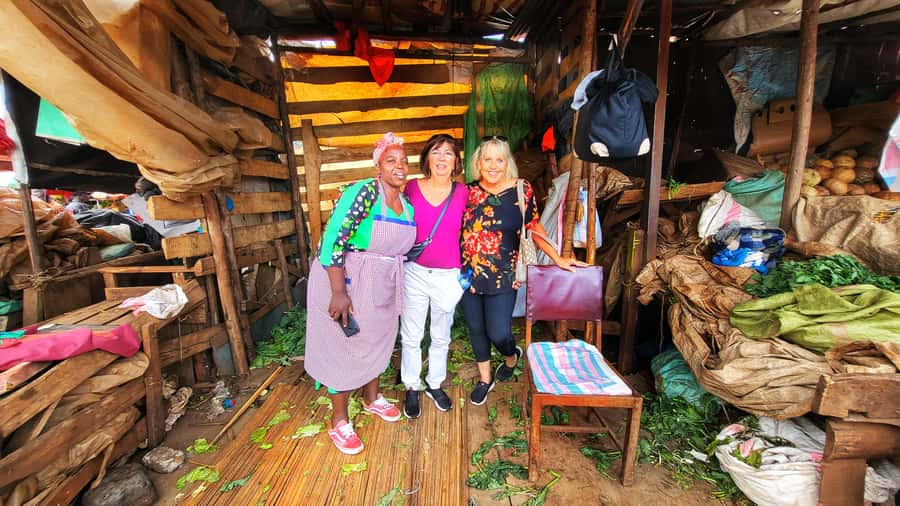
The market visit is the heart of the experience. Instead of meeting at a restaurant or receiving ingredients that have already been chosen, you walk through a local African fresh market and shop for the foods used in your meal.
You should expect a sensory, practical stop rather than a quiet food museum. You may see produce being sold for daily cooking, watch the guide select ingredients, and learn how local food shopping works. The value is in the explanation: a vegetable or staple becomes more meaningful when you know how it is bought, prepared, and served at home.
The market visit is scheduled for roughly 30 minutes. That is not long enough for a detailed tour of every stall, but it gives the experience a useful sense of place without taking over the entire afternoon. You are there to shop, not simply look around.
Wear flat, closed shoes or comfortable sports shoes. Market surfaces can be uneven, and the schedule includes walking. A light jacket is useful, while an umbrella or raincoat makes sense during Kenya’s rainy season.
The market also gives you a chance to talk about food customs directly. Ask about the ingredients you see, how they are cooked, and which foods are common in Kenyan homes. The quality of this part will depend partly on your questions, so do not be shy.
Choosing the local way to move
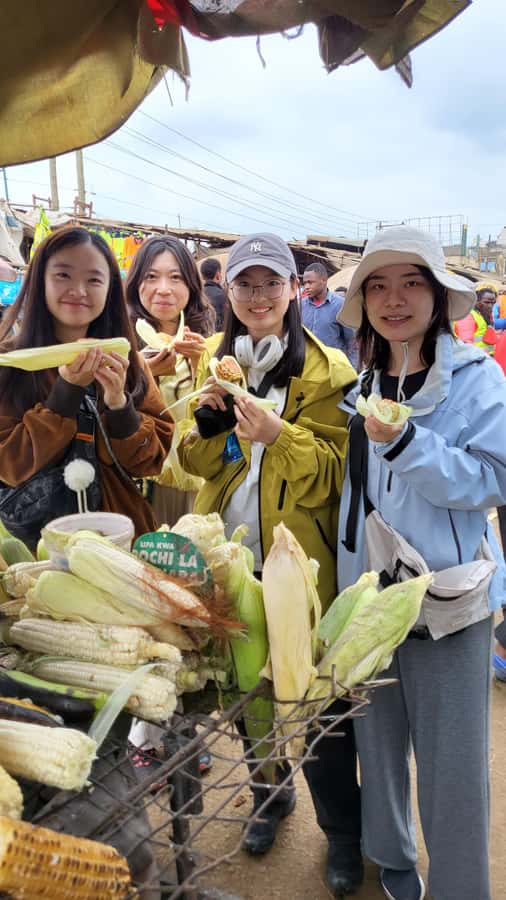
After meeting at Westlands Square, the group can use a local bus or matatu for part of the journey. This public transport segment is optional, which is a sensible touch.
A matatu ride is not just a cheap transfer. It lets you see one ordinary way people get around Nairobi and adds a little local texture to the day. The tradeoff is comfort and predictability. Traffic can affect the 10-minute journey from the market to the home, and public transport is not as controlled as a private vehicle.
If you want the most local version of the experience, take the matatu. If you have mobility concerns, feel uneasy with public transport, or need a tightly timed class, ask how the optional segment will work before the tour begins.
The description uses both a bus or coach reference and a matatu option. In practical terms, you should treat this as a local public transport experience rather than a dedicated sightseeing bus. The point is to move like a Nairobi resident, not to enjoy a guided road tour.
Cooking in a fourth-floor home
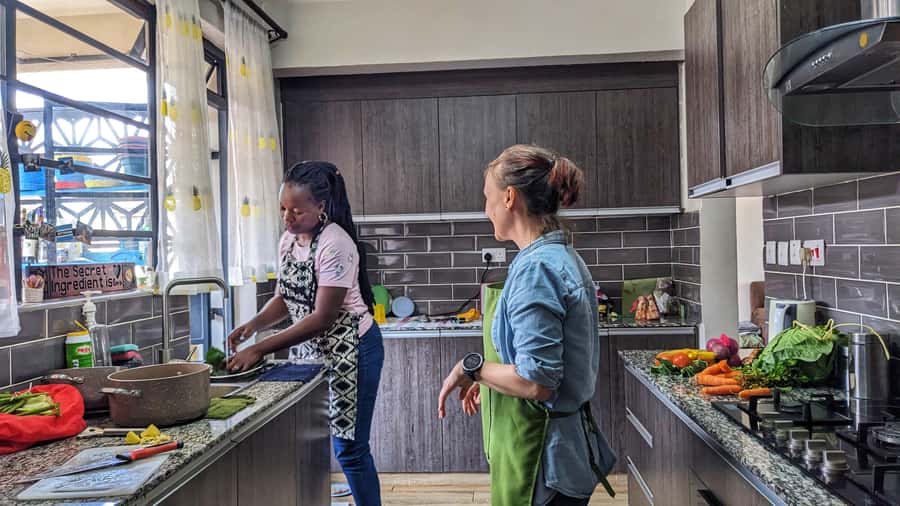
Once you leave the market, you travel to the guide’s home, about 10 minutes away when traffic is light. The apartment is on the fourth floor and has a nice view, but there is no lift. You climb the stairs.
That detail deserves more attention than it usually gets. For many people, the stairs will be a minor nuisance. For anyone with knee, heart, or mobility problems, they may be the deciding factor. Ask before booking if you are unsure.
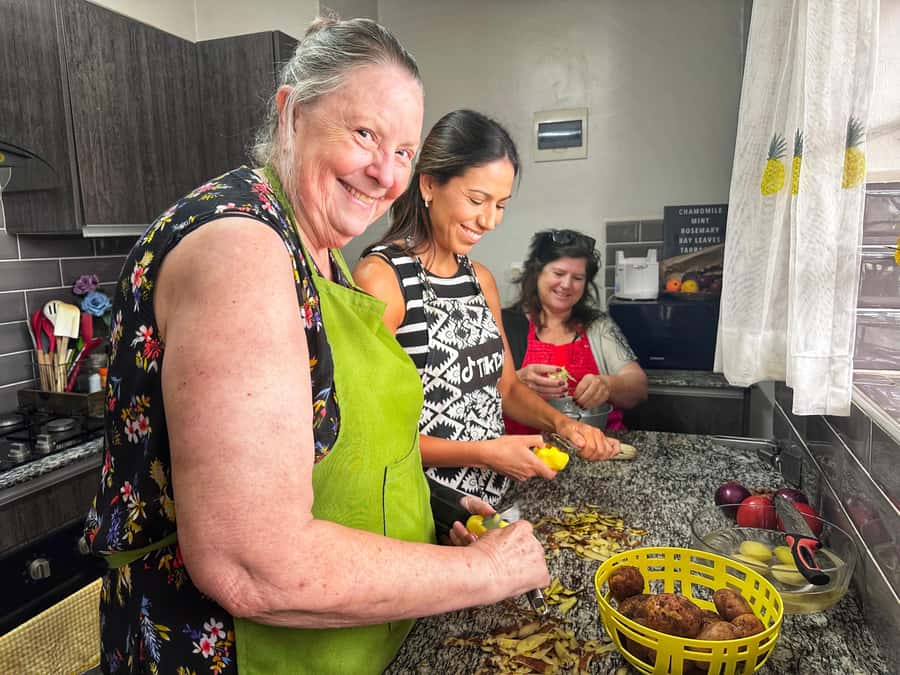
At the apartment, you receive a refreshment and begin the cooking session. The class is meant to be hands-on. You do not simply watch someone prepare lunch while standing safely out of the way. You help make a traditional Kenyan meal, which may mean getting your hands dirty, as the host plainly warns.
The menu is described as a loved Kenyan traditional and national meal, prepared with fresh and organic local ingredients. The exact dishes are not specified, so you should request particular foods or discuss dietary needs before arrival. The class can accommodate vegan, vegetarian, pescatarian, and meat-eating diets.
That flexibility is useful, but do not assume every dish will suit you automatically. Send your request early. A clear message about allergies, preferences, or ingredients you avoid is better than trying to solve the problem once cooking has started.
The home setting is a major part of the appeal. Food prepared in a local kitchen can show you more about ordinary habits than a restaurant menu does. You get to ask how the dish is made, why certain ingredients are used, and how the meal fits into Kenyan daily life.
The setting is also informal. You should not expect a purpose-built teaching kitchen, a printed recipe booklet, or a restaurant-style service. Wi-Fi and a clean washroom are available, but the class is built around conversation and participation rather than professional equipment.
More markets in Nairobi:
- Memorable Daily KIBERA Slums/Toi Market Tour with Locals (2 hours)
★ 5.0 · 29 reviews - Half-Day Nairobi National Park and Maasai Market with Pick up
★ 5.0 · 16 reviews - Nairobi: Hop on Hop off and Maasai market Collections Visit
★ 3.5 · 10 reviews - Explore local Market matatu ride & Make Kenyan Cuisines with a home cook
★ 5.0 · 8 reviews
Sitting down to a Kenyan meal
After the cooking, you eat and sample the traditional food you helped prepare. This closing meal gives the class a clear payoff. You have seen the ingredients at the market, handled them in the kitchen, and then tasted the finished result.
I like this order because it connects the parts of the day. The market is not an isolated photo stop, and the cooking is not just a generic class with an African label. You can understand the ingredients better because you have encountered them in their shopping setting first.
The meal is also a chance to keep talking. The experience promises insight into Kenyan food culture and local daily life, so use the table time well. Ask about home cooking, common meals, and how the food you made is normally served.
Past bookings have singled out Gladys for careful organization, safety, preparation, cooking, and presentation. Ninoh has also been praised for making the market visit personal and connecting it with the home cooking. Those details suggest that the host’s personality is central to the experience, and that the strongest part may be the conversation around the food as much as the recipe itself.
Is $64 a fair price?
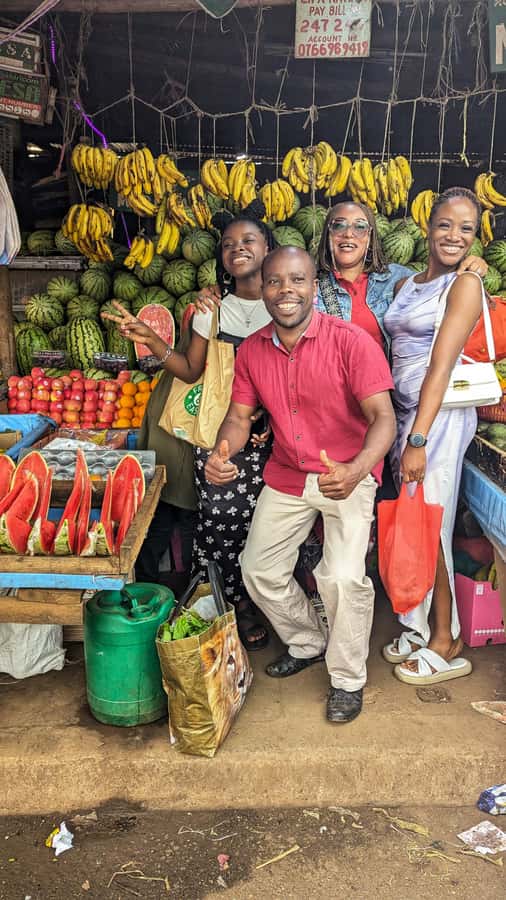
At $64 per person, the price is not simply paying for a meal. It covers a three-hour guided outing, the market visit, grocery shopping, cooking instruction, refreshments, and the food you prepare and eat. It also includes the chance to spend time with a local host in a small group.
That makes the price reasonable for someone who values participation and personal contact. A restaurant meal alone may cost less, but it would not include the market, ingredient shopping, public transport option, or cooking lesson. A private cooking class could cost more, especially with transport included.
The value is weaker if you want a large amount of sightseeing. The tour focuses on food and daily life, not Nairobi’s major monuments or a broad city tour. You also pay separately for transport to Westlands Square and for the Uber home afterward.
The group limit of six helps justify the cost. With fewer people, you have a better chance to chop, stir, ask questions, and talk naturally with the guide. If the group is full, expect a shared class rather than a private lesson.
The reserve-now, pay-later option adds flexibility, and cancellation is free up to 24 hours before the start for a full refund. Those terms are useful when your Nairobi schedule depends on traffic, weather, or other bookings.
Who will enjoy this experience most?
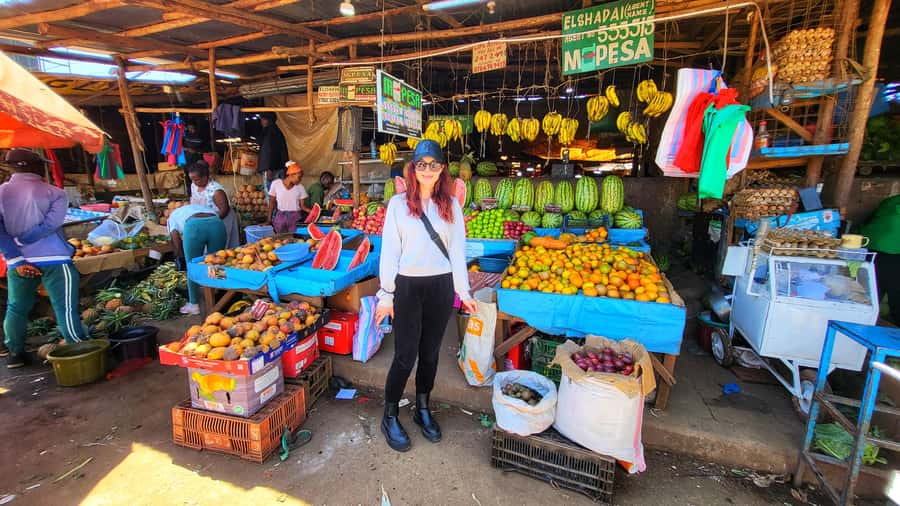
I would recommend this for people who want food to be their way into Nairobi. It suits solo visitors, couples, and small groups who enjoy conversation, local markets, and practical activities more than formal sightseeing.
It is especially good for:
- People who like to cook rather than watch
- Diners interested in Kenyan ingredients and home meals
- Visitors happy to use local public transport
- Vegetarians, vegans, pescatarians, and meat eaters who make requests ahead of time
- Anyone looking for a small-group activity with no more than six participants
- People who want a personal introduction to everyday Nairobi life
It may be less suitable if you dislike markets, need a lift, want hotel-to-hotel transportation, or have animal allergies. The activity is not designed around luxury or privacy. It is friendly, social, and hands-on.
Dress modestly in trousers or a long skirt, and avoid crop tops and shorts. Comfortable clothing will help during the walk and kitchen work. Closed shoes are the safest choice.
Timing, return transport, and small practical points
Choose the 11:30 a.m. or 5 p.m. start according to your wider schedule. The earlier option may fit better with a daytime plan, while the later start gives you a food-focused evening activity. The exact flow can be affected by traffic between the market and the apartment.
The official finish point is listed as Waiyaki Real Gardens on Waiyaki Way, while the practical end of the experience is the guide’s home. The guide can help request an Uber when you are ready to leave, but the fare is yours.
Bring a light jacket and rain protection during the wet season. The activity includes walking, stairs, and kitchen participation, so formal clothing is a poor match.
You should also tell the host about special meal requests before the day. The menu is flexible, but the exact dishes are not stated in advance. The more specific you are, the easier it will be to make the cooking session work for you.
Should you book the market and cooking class?
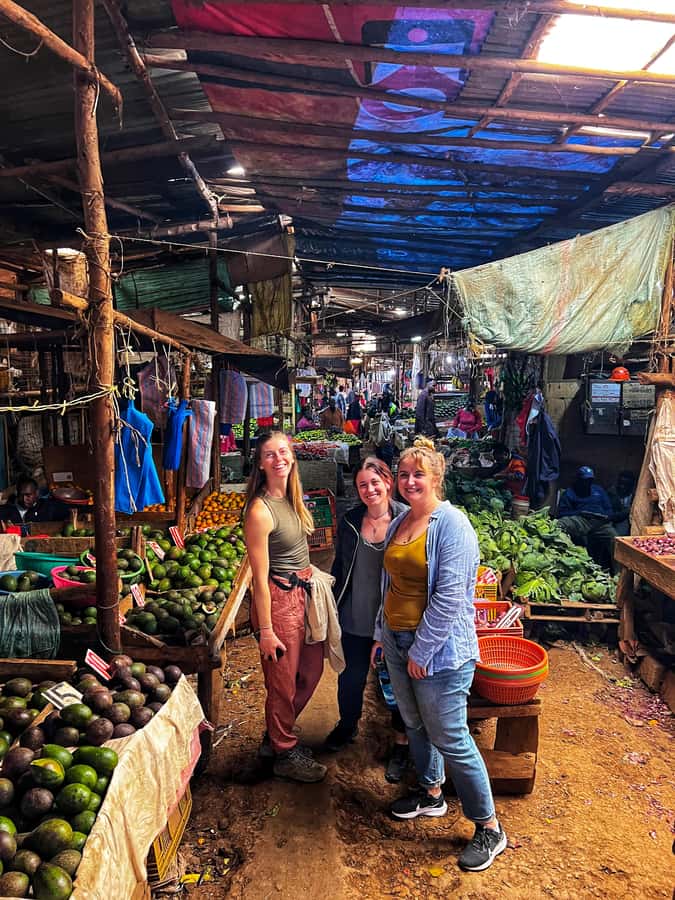
Book it if you want a personal, food-centered look at Nairobi and like the idea of buying ingredients before preparing them. The market, optional matatu ride, small group, and home meal create a connected experience that feels more personal than a standard restaurant visit.
Skip it if you need hotel pickup, a lift, a fixed private vehicle, or a polished commercial kitchen. Also think twice if climbing four floors is difficult.
For most able-bodied food lovers, $64 is a fair price for three hours that include shopping, transport insight, cooking, eating, and conversation. Make your meal request early, wear sensible shoes, and arrive at Westlands Square with time to spare. Those simple steps will help you get the most from the day.
FAQ
How long does the experience last?
The experience lasts three hours.
Where is the meeting point?
You meet at Westlands Square, near the entrance to the Java cafe.
What time does the tour start?
Start times are listed as 11:30 a.m. and 5 p.m. Check availability for the date you want.
Is hotel pickup included?
No. Hotel pickup and drop-off are not included.
Is the matatu ride required?
No. The local public transport experience is optional.
Where does the cooking class take place?
The cooking class takes place at the guide’s home, about 10 minutes from the market depending on traffic.
Is there an elevator in the apartment building?
No. The apartment is on the fourth floor and the building has stairs only.
Can the meal accommodate different diets?
Yes. The meal can accommodate vegan, vegetarian, pescatarian, and meat-eating diets. Send specific requests in advance.
More Shopping Tours in Nairobi
- Nairobi souvenir Shopping and Historical Half day Tour
★ 5.0 · 61 reviews - Nairobi Cultural Shopping Experience
★ 5.0 · 21 reviews - Nairobi Guided Cultural Shopping Experience Day Tour
★ 4.0 · 12 reviews - Nairobi cultural souvenir shopping tour with a local
★ 5.0 · 12 reviews
Just added in Nairobi
- Wildlife Capital: Half-Day Safari at Nairobi National Park★ 5.0 · 2 reviews
- 3 days maasai mara migration safari★ 4.5 · 7 reviews
- 4 Days Tour Landcruiser in Masai Mara and Lake Nakuru★ 5.0 · 10 reviews
- 4 Days Safari to Lake Nakuru N/P and Maasai Mara N/R★ 5.0 · 18 reviews
- Day Tour to Nairobi national park, Elephants, and Giraffe Center★ 3.5 · 8 reviews
- 6 Days Kenya Budget Group Safari★ 5.0 · 2 reviews
- Maasai Mara Day Trip★ 5.0 · 15 reviews
- 3 Days Masai Mara Wildebeest migration Budget safari★ 5.0 · 2 reviews
Shopping Tours, compared.

Traditional Kenyan Cooking Class & Local Market Tour
Read our review →
Nairobi souvenir Shopping and Historical Half day Tour
Read our review →
Memorable Daily KIBERA Slums/Toi Market Tour with Locals (2 hours)
Read our review →

Mombasa City Tour,Fortjesus,Oldtown,Tusks and Spice Market.
Read our review →
Half-Day Nairobi National Park and Maasai Market with Pick up
Read our review →
Authentic Kenyan Cooking Class & Market Tour in Nairobi
Read our review →
Nairobi cultural souvenir shopping tour with a local
Read our review →Browse the lists this tour appears in