
Reviewed · FOOD
Swahili Street Food Tour
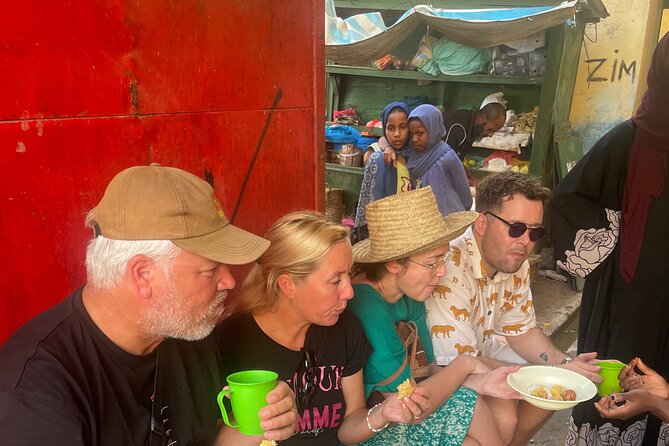
Mombasa tastes best one small plate at a time. This four-hour Swahili street food tour links six local vendors with stories about Old Town, Swahili customs, architecture, and daily life. I like that the food is not treated as a separate show. You eat while moving through the city that shaped it, with a guide explaining why each dish matters.
I also like the choice of breakfast, lunch, or evening departures, since that lets you fit the tour around your Mombasa plans. The included food, drinks, and transport make the $55 price easier to judge. The main consideration is simple: you will spend much of the tour on foot around local streets, and anyone hoping to tour Fort Jesus inside should know that the fort is discussed from outside rather than visited internally.
In This Review
- Key points to know before booking
- Starting beside Fort Jesus in Mombasa
- Walking into Old Town’s Swahili food culture
- Six vendors, six chances to taste something new
- Choosing breakfast, lunch, or evening
- Why the guide matters more than the menu
- Old Town architecture between bites
- What the $55 price really covers
- Group size, transport, and practical comfort
- Who will enjoy this Mombasa food walk
- Should you book the Swahili Street Food Tour?
- FAQ
- Where does the Swahili Street Food Tour begin?
- How long does the tour last?
- How many food vendors will I visit?
- Can I choose the time of day?
- Is food and transportation included in the price?
- Does the tour include entry into Fort Jesus?
Key points to know before booking
- Six food stops in four hours: Each departure includes tastings from six different local vendors.
- Three times of day: Choose breakfast, lunch, or evening, depending on your appetite and schedule.
- Fort Jesus sets the scene: The tour begins at the historic fort, with an outside explanation of its role in Mombasa.
- Food, drinks, and transport are included: There should be fewer surprise costs once the tour begins.
- Small group size: The maximum is 10 people, a useful size for asking questions and keeping up in Old Town.
- Hawa, also spelled Havah: This guide is praised for explaining Mombasa’s food, culture, architecture, and past.
Starting beside Fort Jesus in Mombasa
Your meeting point is Fort Jesus Museum, at P. O. Box 82412 in Mombasa. The tour does not include a visit inside the fort, but the guide gives you an introduction to its importance before leading you toward the first food stop.
That opening is useful. Fort Jesus is not just a photo stop. It gives you a quick sense of why Mombasa became such an important coastal city, shaped by trade, conflict, migration, and contact between African, Arab, Portuguese, and other Indian Ocean cultures. The guide’s explanation helps you read the streets afterward, rather than seeing Old Town as a collection of old walls and narrow lanes.
If you want to explore the fort’s rooms and exhibits, plan a separate visit. This food tour uses it as a starting point, not as the main attraction. That keeps the schedule focused on food, but it also means you should not book this experience expecting a full Fort Jesus admission visit.
More food tours in Mombasa:
- Watamu Marine Park & Sudi Island Mangrove Forest Canoe Ride.With sea food lunch
★ 4.5 · 31 reviews - Mombasa:Street food Experience
★ 4.7 · 14 reviews - Mombasa: Street Food Tour
★ 5.0 · 2 reviews
Walking into Old Town’s Swahili food culture
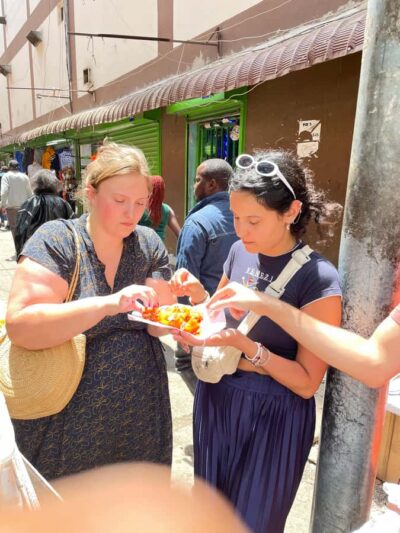
From Fort Jesus, the experience moves into Old Town. This is where the tour earns its keep. You are not simply handed a snack and sent on your way. The guide connects the food to the people who prepare it, sell it, and eat it as part of ordinary life.
The streets offer a close look at Mombasa’s Swahili character. Food, language, building styles, religion, trade, and family customs all overlap here. A good guide can make those links clear without turning the walk into a lecture. Hawa, also spelled Havah in the supplied tour details, receives particular praise for explaining the area’s food, architecture, and cultural background.
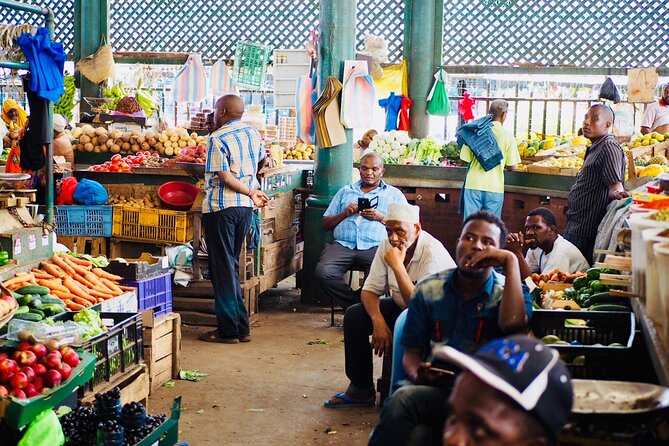
You should expect the guide to lead you to food markets and local vendors, where you can see ingredients and preparation as part of the setting. The exact dishes are not listed in advance, which is worth noting. That can be part of the charm, since the tastings reflect the day and the vendors visited, but it also means you cannot plan around a specific dish.
Six vendors, six chances to taste something new
The central promise is six local vendors during each four-hour outing. That pace gives you more range than a meal at one restaurant. You can compare different preparations and see how street food fits into the city’s rhythm.
The tour description uses the broad term local delicacies rather than naming every item. You might find familiar Swahili flavors alongside foods you have not encountered before. Your guide can explain what you are eating, how it is made, and where it fits in local food traditions.
I like this format because it reduces the risk of spending an entire afternoon on one dish that does not suit you. Six stops also make the $55 price more meaningful. You are paying for a sequence of tastings, drinks, guiding, and transportation, not just one plate.
Still, this is not the same as ordering a full restaurant lunch. Portions at a tasting-style food tour are designed to let you continue to the next stop. If you arrive very hungry, choose the lunch slot rather than treating breakfast or the evening outing as your only substantial meal of the day.
The tour is also a better fit for curious eaters than for people who want total control over every ingredient. The available information does not provide a full allergy menu or a guaranteed dish list. If you have dietary restrictions, contact the provider before booking and ask what can be accommodated.
Choosing breakfast, lunch, or evening
The three time slots change the feel of the experience.
The breakfast tour suits early risers and anyone who wants to start the day with local food rather than a hotel buffet. It may also be a practical choice if you have afternoon sightseeing planned. The information does not list the exact breakfast dishes, so you should confirm details if morning food is your main reason for booking.
The lunch tour is likely the easiest choice for many visitors. You can make the tastings part of your midday meal and still have time afterward for other Mombasa plans. It also gives you a natural reason to pause during the hottest part of the day, though the tour still lasts about four hours.
The evening tour lets you see Old Town later in the day and sample food when street-side eating becomes part of the evening routine. It may be a good fit if your mornings are reserved for beaches, hotel time, or other sightseeing. The tour details do not promise a particular sunset view or nightlife program, so book it for the food and cultural walk rather than for a separate evening show.
The smart choice is the time that matches your appetite and schedule. Since the exact food stops can vary, the slot matters mainly for convenience and the mood of the streets.
A completely different kind of day:
- Walking Tour Through Old Town Mombasa and Fort Jesus
★ 5.0 · 393 reviews - Mombasa: Kisite Park Private Cruise with Breakfast and Lunch
★ 4.7 · 181 reviews - Mombasa City Tour
★ 5.0 · 170 reviews - Mombasa: Tusks, Fort Jesus, Old Town, Beach and City Tour
★ 4.7 · 137 reviews
Why the guide matters more than the menu
A street food tour can easily become a list of snacks. This one is designed to be broader, and the guide is the person who makes that broader purpose work.
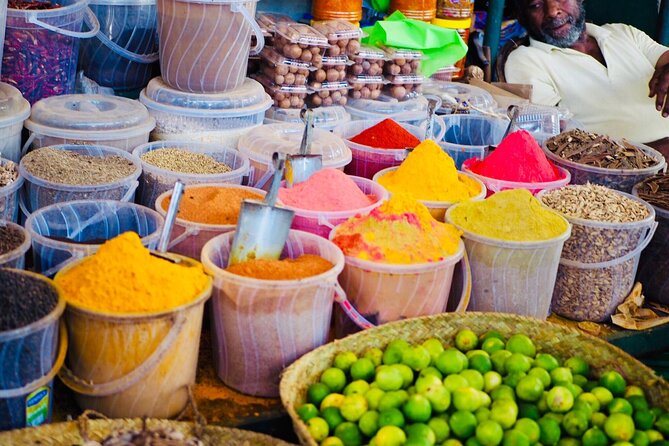
The experience includes local food markets, conversations with food producers and vendors, and explanations of Swahili history, customs, architecture, and daily life. That means you should pay attention to the short stories between tastings. They are the part you cannot reproduce by finding a restaurant on your own.
Hawa, or Havah, is praised for bringing together the food and the history of Mombasa. If you have a chance to request this guide by name, it is worth doing, while remembering that guide assignments can change.
A group limit of 10 people helps here. In a group this size, you have a better chance of hearing explanations and asking questions at each stop. It also makes it easier for the guide to keep everyone together while moving between vendors. This is still a walking group, so the pace may not suit someone who wants a slow, private exploration of every building.
Old Town architecture between bites
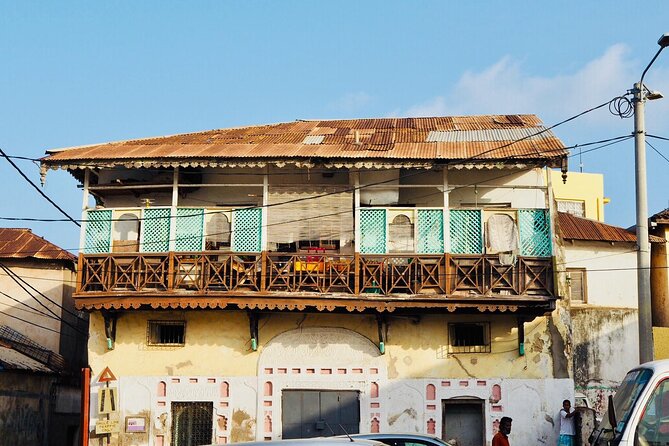
The food is the headline, but the streets provide much of the setting. The guide discusses Swahili architecture as you move through Old Town, giving you a way to notice more than the next tasting.
Look for the relationship between homes, shops, streets, and trade. The tour information does not promise access to private houses or special buildings, so expect explanations from public streets rather than a formal architectural tour. That limitation is reasonable for a food walk, but it helps set expectations.
I like this combination because architecture and food tell the same story from different angles. Buildings show how people lived and worked. Markets show what they bought and sold. Meals reveal which outside influences became part of local life. You get a fuller sense of Mombasa when those pieces are presented together.
What the $55 price really covers
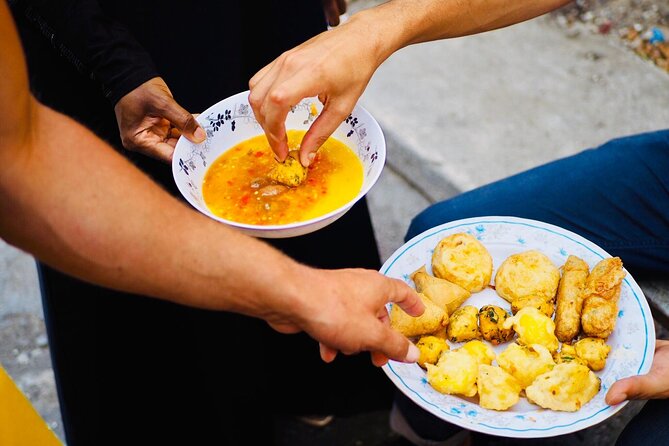
At $55 per person, this is not the cheapest way to eat in Mombasa. You could certainly spend less by buying individual street foods on your own. The value comes from combining six tastings with a guide, drinks, transportation during the tour, and cultural context.
The included transportation is especially helpful if the stops are spread around the Old Town area or if the group needs to move between neighborhoods. You do not have to keep negotiating small rides or guessing which vendor is suitable. That convenience has a real value, even if it is not as visible as the food on your plate.
The price also buys confidence. A guide can help you understand what you are ordering and how to approach local food markets respectfully. You are not left to judge every stall from appearance alone, and you get an organized route instead of spending half the afternoon deciding where to go next.
The weaker point is that no exact tasting menu is promised. If the six stops provide small portions and you already know the cuisine well, the price may feel high. If you are new to Swahili food and want a guided introduction, the package is more convincing.
Group size, transport, and practical comfort
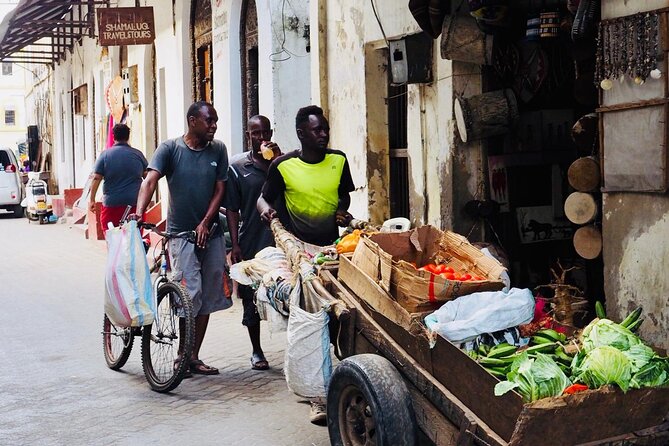
The maximum group size is 10 people. That is small enough for a more personal outing, but it is not a private tour. If you want complete control over the pace or food choices, ask the provider about private arrangements before booking.
Transportation during the tour is included. The tour begins and ends at the same meeting point, Fort Jesus Museum, which makes planning easier. You do not need to arrange a second pickup location based on the supplied details.
The tour offers a mobile ticket, and confirmation is provided at booking. It is also near public transportation, so reaching the starting point should be manageable using local transit, though the specific route is not provided.
Most people can participate, and service animals are allowed. The information does not give a detailed accessibility assessment, so anyone concerned about walking surfaces, steps, or the pace should ask the provider before making a reservation.
Book early if your schedule is fixed. This experience is booked about 30 days ahead on average, which suggests that popular dates can fill before the week of your visit. The cancellation terms are friendly if your plans change: cancel at least 24 hours before the local start time for a full refund. Cancellations or changes inside that 24-hour window are not refunded or accepted.
Who will enjoy this Mombasa food walk
I would recommend this tour most strongly if you want three things at once:
- A first look at Swahili food
- A guided walk through Old Town
- Context about Mombasa’s culture and architecture
It is particularly useful early in a Mombasa stay. The guide can help you understand the city’s food vocabulary and point out the difference between eating as a visitor and simply buying the nearest snack.
Families and mixed-age groups may appreciate the variety of six stops, since no one meal has to carry the entire experience. A small group also makes the outing less awkward than a large coach-based food tour.
Food-focused visitors should note the limits. There is no guaranteed menu in the supplied information, no promise of a specific vendor, and no detailed statement about dietary substitutions. If you are vegetarian, vegan, allergic to common ingredients, or need halal confirmation beyond your own planning, ask before paying.
History lovers may enjoy the commentary, but this is not a substitute for a full museum visit. Fort Jesus is explained from outside, and the architectural discussion supports the food route rather than replacing a dedicated Old Town history walk.
Should you book the Swahili Street Food Tour?
You should book it if you want an organized, small-group introduction to Mombasa through food rather than a standard sightseeing circuit. Six vendors, included drinks and transport, and a guide who explains the city’s culture give the $55 fee solid value for first-time visitors.
I would skip it if you want a detailed Fort Jesus visit, a fixed list of famous dishes, or a private dining experience. I would also ask about dietary needs before booking, since the available details do not spell out substitutions.
For most curious eaters, the lunch slot is the safest all-around choice. Choose breakfast if you want an early start, or evening if you prefer to explore Old Town later in the day. The strongest reason to go is not simply the number of samples. It is the chance to understand why Mombasa eats the way it does.
FAQ
Where does the Swahili Street Food Tour begin?
The tour begins at Fort Jesus Museum in Mombasa, Kenya. The activity ends back at the same meeting point.
How long does the tour last?
The tour lasts approximately four hours.
How many food vendors will I visit?
Each tour slot includes visits to six different local vendors, with tastings of local delicacies.
Can I choose the time of day?
Yes. You can choose a breakfast, lunch, or evening departure.
Is food and transportation included in the price?
Yes. The tour price includes all food, drinks, and transportation during the experience.
Does the tour include entry into Fort Jesus?
No. The tour begins with an explanation of Fort Jesus from outside, but it does not include a visit inside the fort.
Just added in Mombasa
- 4-Day Tsavo East West and Amboseli National Park from Mombasa★ 4.0 · 5 reviews
- 1-Day Tsavo East Safari From Mombasa★ 5.0 · 3 reviews
- Tsavo East National Park 2 days Voi Safari Lodge from Mombasa.★ 5.0 · 2 reviews
- 4×4 Safari in Tsavo East National Park★ 5.0 · 4 reviews
- 4 Days Mount Kenya Trekking★ 5.0 · 6 reviews
- Private Transfer from Mombasa★ 5.0 · 6 reviews
- Fort Jesus Sound and Light show Mombasa★ 4.0 · 17 reviews
- 2 Days Salt Lick Safari Tour★ 4.5 · 3 reviews
Food, compared.

Watamu Marine Park & Sudi Island Mangrove Forest Canoe Ride.With sea food lunch
Read our review →

Mombasa Private City Tour & Haller park Sanctuary with sea food luch
Read our review →
Nairobi Food Tour – Street Food Experience Lunch
Read our review →
1 Hour Gastronomic and Street Food tour of Nairobi
Read our review →
Explore the Local food market & Cook a Kenyan meal
Read our review →Browse the lists this tour appears in