
Reviewed · SHOPPING TOURS
Explore the Local food market & Cook a Kenyan meal
Fresh food, friendly cooking, real local contact. This experience combines a market visit in Mtwapa with a hands-on Swahili meal prepared in a private home. I like the chance to choose your own ingredients and menu, and I like that the small group is capped at five people. The main catch is that market ingredients and tuk tuk transport cost extra, so the advertised $50 is not the complete day’s bill.
Rico and his girlfriend host the cooking session in English, guiding you through dishes such as samaki wa kupaka, wali wa nazi, pilau, and kaimati. A past booking with Gesa from Germany included hotel pickup with Rico and a driver, relaxed cooking, plenty of laughter, and a meal she found memorable. That warm, personal mood is a big part of the appeal, though anyone wanting a polished restaurant-style class may find the home setting more informal.
In This Review
- Key things to know before you book
- Why this Mombasa cooking experience feels personal
- Shopping for ingredients in Mtwapa
- Cooking Swahili food in a home kitchen
- The meal you make is the main reward
- What the $50 price really includes
- Getting there by tuk tuk
- Who will enjoy this experience most
- Small drawbacks to keep in mind
- Is this Kenyan cooking class worth booking?
- FAQ
- Where does the cooking experience begin?
- How long does the experience last?
- Is tuk tuk transportation included in the $50 price?
- Are market ingredients included?
- Can I choose vegetarian or vegan dishes?
- What is included in the cooking class?
- Is the activity suitable for wheelchair users?
Key things to know before you book
- You shop for the food yourself: The market visit lets you choose the ingredients and dishes rather than simply arriving at a fixed cooking demonstration.
- The cooking happens in a local home: Rico and his girlfriend host you in their kitchen, making the experience personal and relaxed.
- The menu can fit your diet: You can choose meat, fish, vegetarian, or vegan dishes.
- Mtwapa is the main food stop: Plan on about 30 minutes by tuk tuk from Mombasa, 25 minutes shopping, and two hours cooking.
- The $50 covers the class, not everything: Ingredients are bought separately, and tuk tuk transportation is arranged separately after booking.
- You leave with recipes and a full meal: The price includes kitchen tools, recipe notes, homemade juice, kachumbari, and the food you prepare.
Why this Mombasa cooking experience feels personal
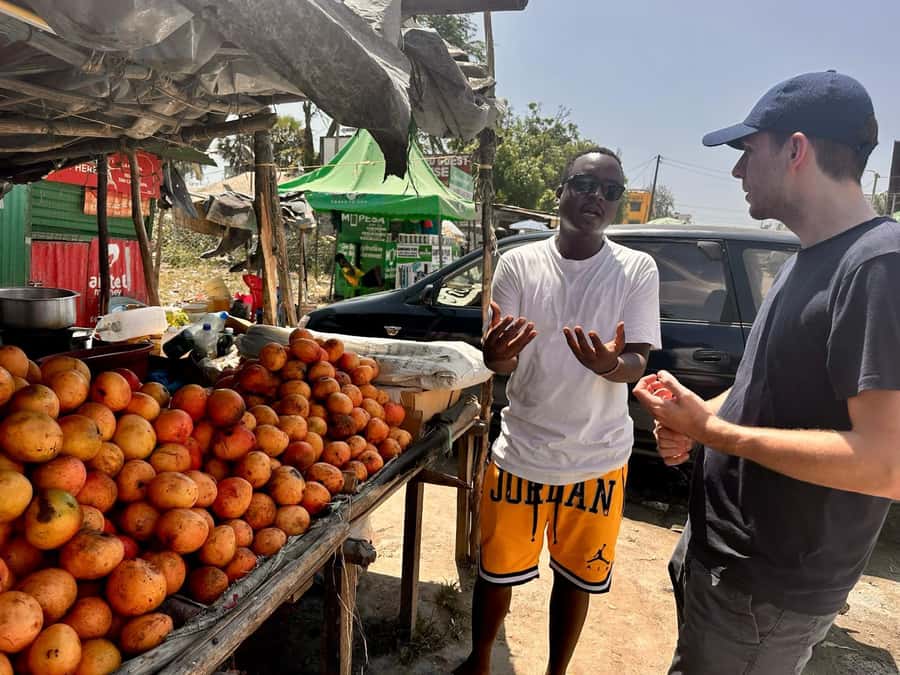
Many food classes put you in front of a prepared counter and ask you to follow instructions. This one begins earlier, at the market, where you help decide what will land on your plate. That small change gives you a better sense of how a Kenyan meal comes together.
You meet your guide in Mombasa and travel by tuk tuk toward Mtwapa. The ride is listed at about 30 minutes each way, though the exact timing will depend on your starting point and road conditions. The tuk tuk is not included in the $50 price, so confirm your location after booking and ask for the transport arrangement before setting out.
The group size is limited to five participants. That matters in a kitchen. You should have room to ask questions, handle ingredients, and watch the cooking without standing behind a crowd. It also suits people who want conversation and a flexible menu rather than a large demonstration.
The hosts are Rico and his girlfriend, and the cooking takes place at their home. A booking with Gesa included pickup from her hotel with Rico and a driver, followed by a return to the hotel after the meal. Pickup details are not presented as an automatic part of the price, so treat that account as a useful example and confirm your own meeting and return plan.
More food tours in Mombasa:
- Watamu Marine Park & Sudi Island Mangrove Forest Canoe Ride.With sea food lunch
★ 4.5 · 31 reviews - Mombasa:Street food Experience
★ 4.7 · 14 reviews - Swahili Street Food Tour
★ 5.0 · 7 reviews
Shopping for ingredients in Mtwapa
The market visit lasts about 25 minutes. That may sound brief, but it gives you a focused introduction to the food you will cook instead of turning the day into a long market tour.
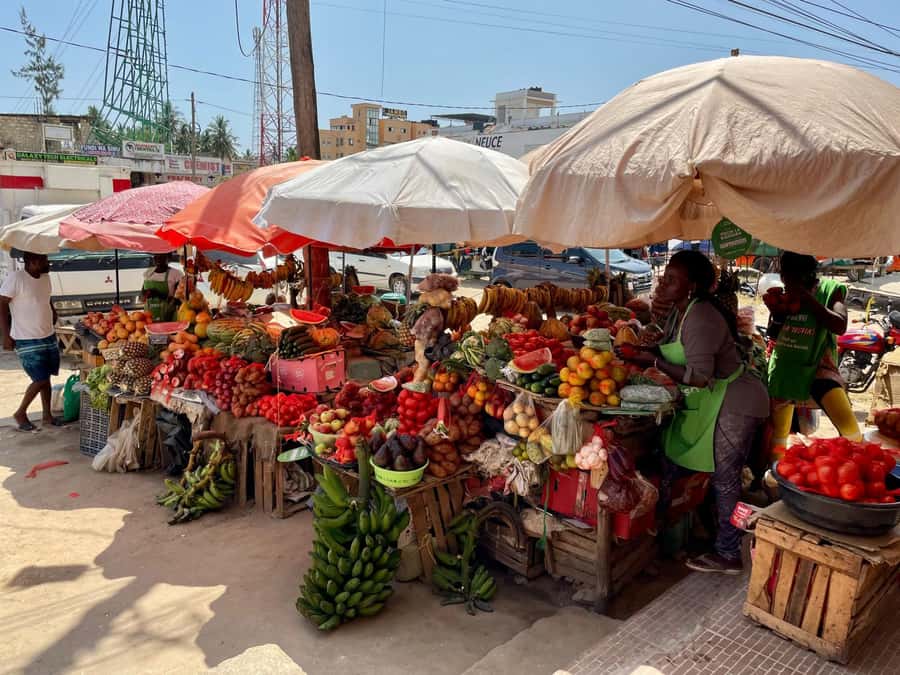
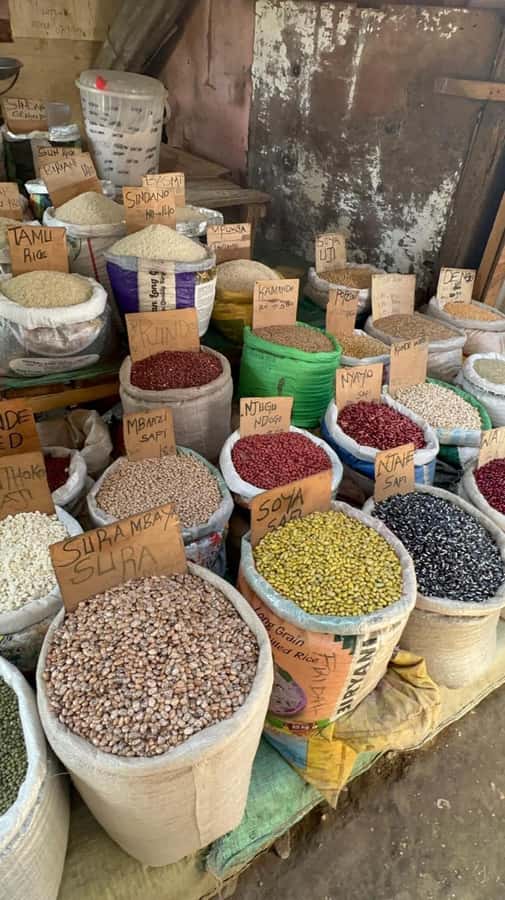
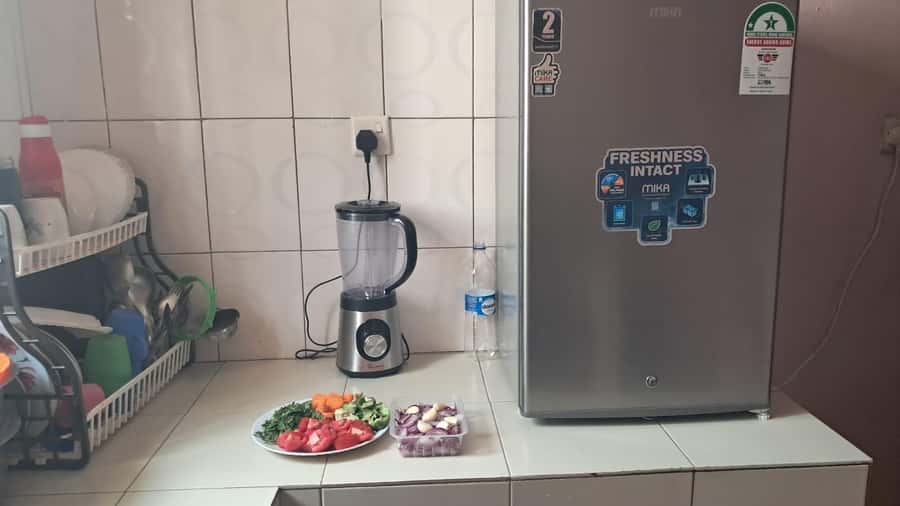
You can expect stalls with tropical fruits, spices, and fresh produce. With your guide beside you, you choose the ingredients for your selected meal and learn how local foods fit into Swahili cooking. This is where the class feels different from a standard recipe lesson. You are not just measuring ingredients from a prepacked basket. You are seeing the raw materials first and making choices with local help.
The ingredients are purchased separately. This is both a cost consideration and a benefit. You have more control over the meal, but your final spending depends on what you choose. A simple vegetarian menu may cost differently from a meal built around fish or meat. The supplied price information does not give a fixed market budget, so ask for an estimate if you need to plan every dollar.
The market is also the place to raise food questions. Tell Rico in advance if you want fish, meat, vegetarian, or vegan food. If you have allergies or foods you avoid, discuss them before shopping so the menu can be adjusted at the start rather than halfway through preparation.
Cooking Swahili food in a home kitchen
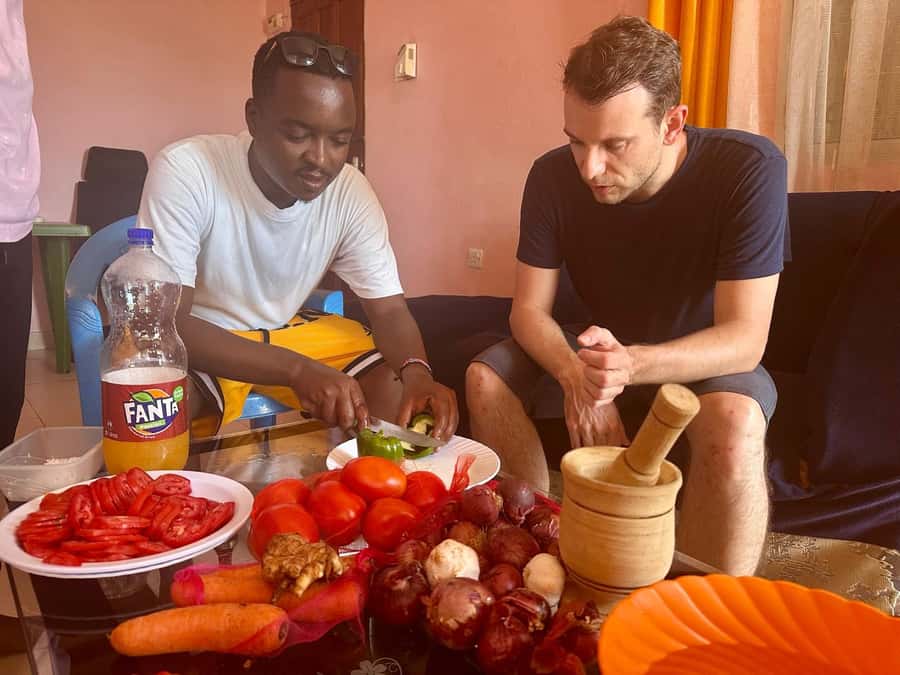
After shopping, you head to the home kitchen for about two hours of hands-on cooking. The class uses local techniques and familiar coastal ingredients, with Rico and his girlfriend guiding the process.
The menu is flexible. Possible dishes include:
- Samaki wa Nazi: Fish served in a creamy coconut sauce.
- Wali wa Nazi: Coconut rice, a natural match for coastal stews and sauces.
- Pilau ya Nyama: Fragrant spiced rice prepared with meat or chicken.
- Maharagwe ya Nazi: Kidney beans cooked in coconut sauce.
- Viazi vya Karai: Crispy coastal potatoes.
- Kaimati: Sweet Swahili doughnuts.
The supplied highlights also identify samaki wa kupaka, a fried fish dish finished with coconut sauce. The exact menu is not fixed, so you should clarify which fish preparation you want when you meet or before the market visit. That flexibility is useful for repeat visitors to Kenya, people with dietary limits, and anyone who already has a favorite dish in mind.
I especially like the way the class links technique to place. Coconut rice and coconut sauces point to the food traditions of the Swahili coast, while pilau brings fragrant spice into the meal. You are not simply cooking generic Kenyan food. You are working with dishes tied to coastal home cooking.
The two-hour session should give you time to take part rather than watch from a chair. Still, this is a home kitchen, not a culinary school with a formal station for every person. If you want advanced knife training, professional equipment, or a strict lesson plan, this may feel basic. If you want a relaxed introduction where the hosts can adapt the meal, that informality is a strength.
The meal you make is the main reward
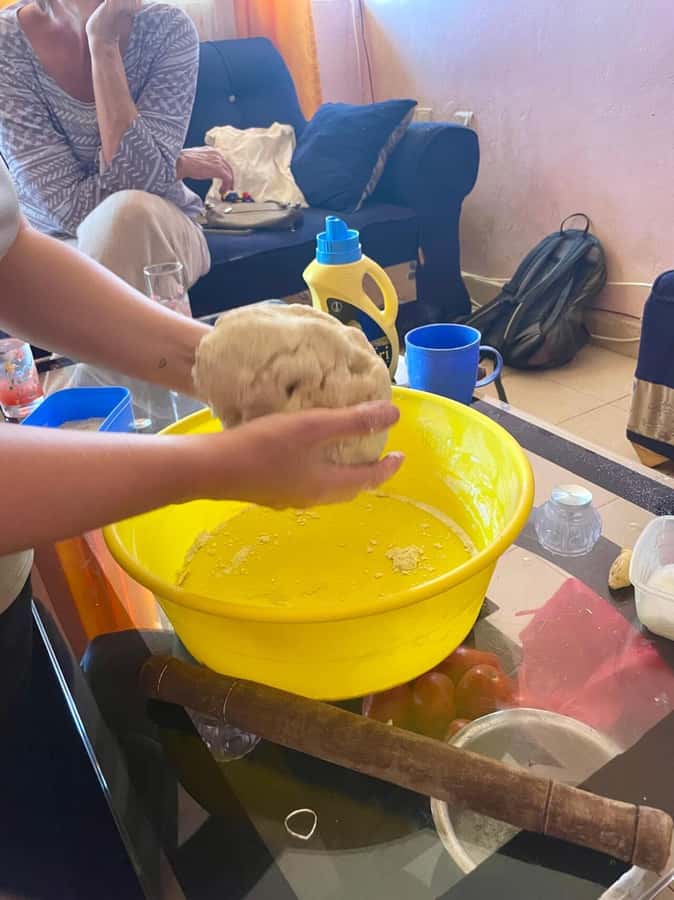
Once the cooking is done, you sit down to eat the full meal you prepared. It comes with homemade juice and fresh kachumbari salad, adding a cool, fresh side to the cooked dishes.
There is a simple pleasure in eating food you helped select and prepare. You have seen the produce at the market, worked through the recipes, and then tasted the result. The meal is not an extra afterthought. It is built into the experience and included in the class price.
Gesa’s December 2025 booking gives a useful picture of the mood. She described a day with Rico and his girlfriend that felt relaxed, funny, and comfortable, with traditional dishes made using original Swahili techniques. She also praised the help at the local markets, saying the guide provided access and insight she would not have had alone. That combination of market help and home hospitality is the strongest reason to choose this activity.
You should allow time to eat without rushing back into Mombasa. The stated schedule includes 30 minutes back by tuk tuk after the cooking session, but the full experience is described as about four hours. Confirm the start time and transport timing so your meal does not collide with another booking.
A completely different kind of day:
- Walking Tour Through Old Town Mombasa and Fort Jesus
★ 5.0 · 393 reviews - Mombasa: Kisite Park Private Cruise with Breakfast and Lunch
★ 4.7 · 181 reviews - Mombasa City Tour
★ 5.0 · 170 reviews - Mombasa: Tusks, Fort Jesus, Old Town, Beach and City Tour
★ 4.7 · 137 reviews
What the $50 price really includes
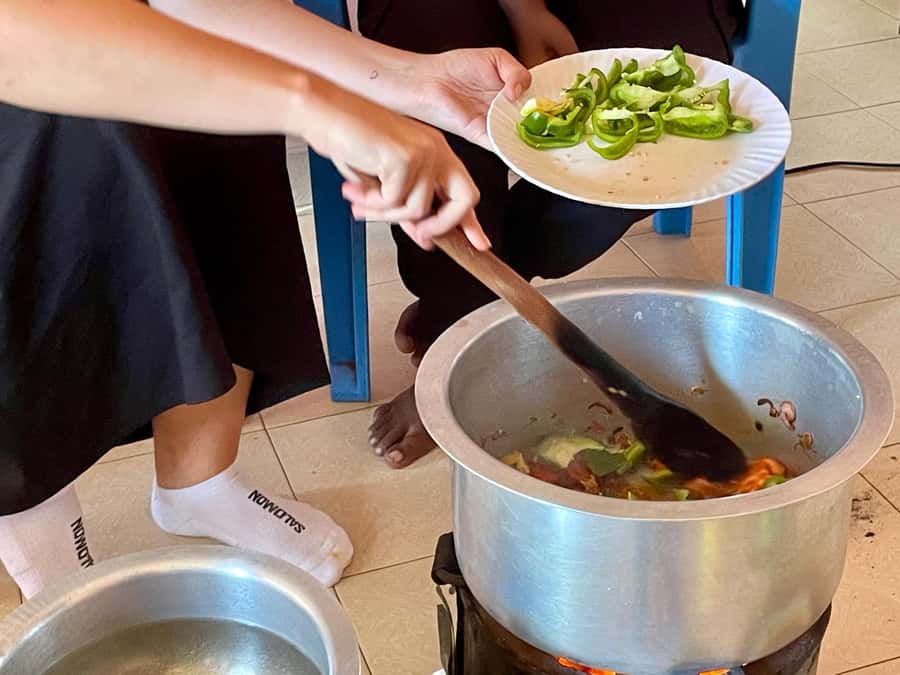
At $50 per person, the experience offers good value if you want more than a meal. You receive the guided market visit, cooking instruction, use of kitchen tools, all cooking-class hosting, recipe handouts, and the meal itself. The small group limit makes the price easier to justify because your time with the hosts should be more direct than in a large class.
But you should not treat $50 as an all-in price. The ingredients are bought separately at the market. Tuk tuk transportation is also not included after booking, although the host can organize it once you confirm your location. You should carry cash for these added costs and ask how the transport will be handled before the day begins.
The price also covers hosting at the home, which is important context. You are paying for a local food experience and personal instruction, not only for the raw ingredients. If you compare it with a restaurant meal, the class costs more than lunch. If you compare it with a private cultural activity that includes shopping, cooking, eating, and recipes, it offers a fair package.
The reserve-now, pay-later option can help if your Mombasa plans are still moving around. Free cancellation is available up to 24 hours before the activity for a full refund. Availability and starting times vary by date, so check those before you arrange transport.
Getting there by tuk tuk
The listed route begins in Mombasa, travels by tuk tuk for about 30 minutes, reaches Mtwapa for shopping, and then returns to Mombasa after the class. Mtwapa is therefore not a quick stop beside a central Mombasa hotel. You need to account for the ride in both directions.
A tuk tuk adds to the local feel of the outing, but it is not included in the booking price. The host will organize transportation after you confirm your location, according to the supplied information. Give a clear pickup point and confirm whether the driver will return you to the same place.
A previous booking included a driver who collected the group from a hotel and brought them back afterward. That is encouraging, but do not assume the same arrangement without asking. Transport is one of the few parts of this experience that needs careful confirmation.
Wear comfortable shoes and clothes that can get dirty. Cooking can involve spills, food preparation, and standing, so smart resort clothes are a poor match. Bring cash for the market and transport, plus a camera if you want to record the food and market scenes.
Who will enjoy this experience most
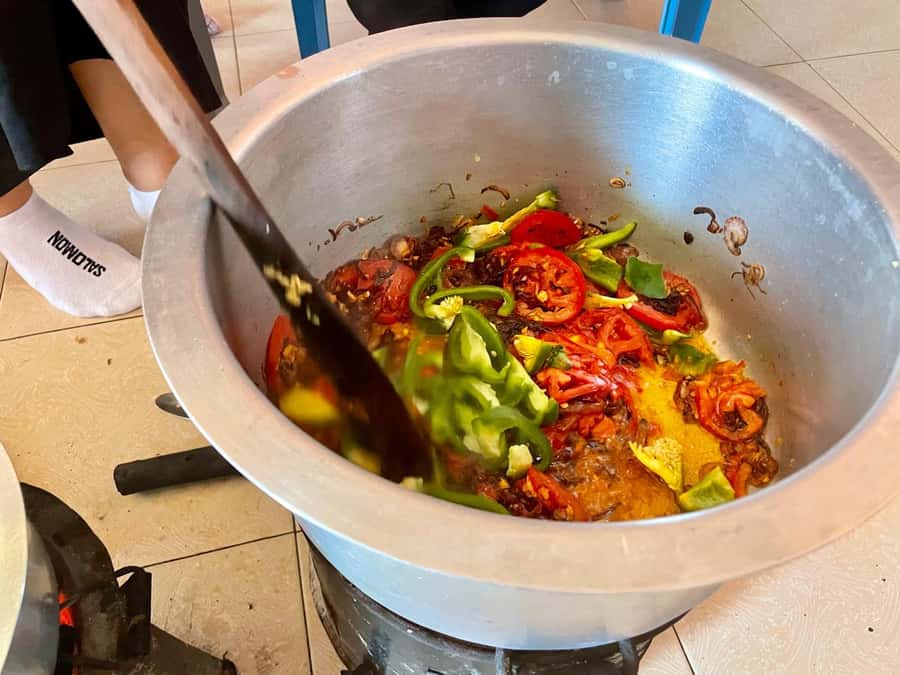
This class suits you if food is one of your main ways of getting to know a place. It is also a strong choice if you prefer a small, social activity over a formal tour with a large group.
You will likely get the most from it if you:
- Want to cook rather than only watch.
- Enjoy choosing ingredients at a local market.
- Prefer a home setting to a hotel kitchen.
- Need a menu that can include fish, meat, vegetarian, or vegan dishes.
- Like learning recipes you can use after returning home.
- Have about four hours available from Mombasa.
Families and friends may enjoy the flexible menu and shared meal, although the information provided does not set a minimum age. Ask before booking if children will attend. Solo participants can also fit the small group, but the social feel may depend on who else books that day.
This is not suitable for wheelchair users. The market, tuk tuk travel, and home kitchen may also make the activity less comfortable for anyone who has difficulty walking or standing, though the supplied information only specifically excludes wheelchair users. If mobility is a concern, ask the provider for current details before paying.
Small drawbacks to keep in mind
The biggest weakness is price clarity. The headline amount is simple, but the ingredients and tuk tuk are extra. You can avoid surprises by asking for a rough ingredient budget and transport cost before the activity.
The schedule is also a little compact. The listed route gives 30 minutes to Mtwapa, 25 minutes for shopping, two hours cooking, and 30 minutes back, while the overall experience is described as about four hours. There is not much spare time if the market visit runs long or you want to linger over lunch.
The home setting will not suit everyone. Some people want polished work surfaces, printed recipes on the counter, and a professional teaching kitchen. Here, the value comes from the personal setting, local food choices, and shared time with the hosts. Pick this experience for contact and flexibility, not for luxury presentation.
Finally, only one verified rating is supplied, so there is limited public feedback to judge consistency across different dates. The available account is strongly positive, especially about Rico, his girlfriend, the market access, the relaxed mood, and the food. I would still confirm the menu, transport, and ingredient costs directly.
Is this Kenyan cooking class worth booking?
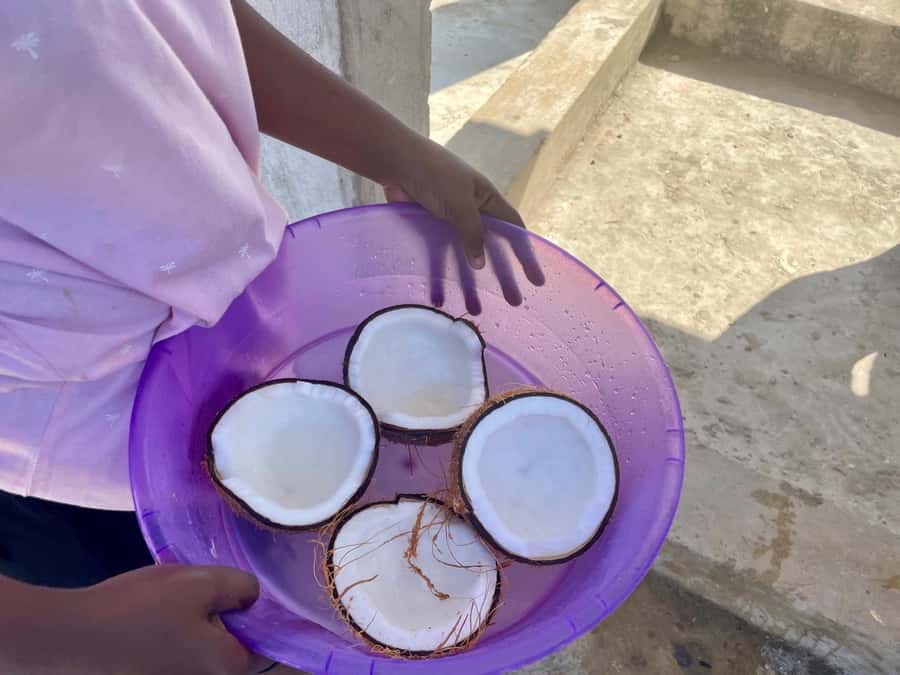
I would book this if you want a personal introduction to Swahili food and do not mind handling the practical details. The strongest features are the market shopping, the choice of dishes, the small group, and the chance to eat food prepared in a local home.
Before booking, ask three questions: What will the tuk tuk cost from my location? How much should I budget for market ingredients? Which dishes can we prepare on my date? If the answers fit your plans, $50 is a sensible price for a half-day of shopping, cooking, eating, and recipe learning.
Skip it if you need wheelchair access, a fixed all-inclusive price, or a polished professional kitchen. Choose it if you want to return from the coast with more than restaurant memories. The recipe notes may be the most useful souvenir, but the real prize is learning how coconut, spice, fish, rice, beans, and fresh salad come together in a Swahili home meal.
FAQ
Where does the cooking experience begin?
The experience begins in Mombasa, where you meet your local guide before traveling to Mtwapa for the market visit and cooking class.
How long does the experience last?
The activity lasts about four hours. The listed schedule includes approximately 30 minutes by tuk tuk to Mtwapa, 25 minutes shopping, two hours cooking, and 30 minutes returning to Mombasa.
Is tuk tuk transportation included in the $50 price?
No. Tuk tuk transportation is not included after booking. Confirm your location with the provider, who can organize the transport for you.
Are market ingredients included?
No. The ingredients are purchased separately at the market. This lets you choose what you want to cook, but you should carry cash and allow for this extra cost.
Can I choose vegetarian or vegan dishes?
Yes. The menu can be tailored to meat, fish, vegetarian, or vegan preferences.
What is included in the cooking class?
The experience includes the guided market visit, cooking class, ingredients used during the class, kitchen tools, recipe handouts, homemade juice, kachumbari salad, and the full meal you prepare. The market purchase itself is separate.
Is the activity suitable for wheelchair users?
No. The experience is listed as not suitable for wheelchair users.
More Shopping Tours in Mombasa
- Nairobi souvenir Shopping and Historical Half day Tour
★ 5.0 · 61 reviews - Nairobi Cultural Shopping Experience
★ 5.0 · 21 reviews - Half-Day Nairobi National Park and Maasai Market with Pick up
★ 5.0 · 16 reviews - Nairobi Guided Cultural Shopping Experience Day Tour
★ 4.0 · 12 reviews
More Markets in Mombasa
- Mombasa City Tour,Fortjesus,Oldtown,Tusks and Spice Market.
★ 4.8 · 19 reviews - Threads of Mombasa Textile and Market Tour with Lunch
★ 5.0 · 1 review - Traditional Kenyan Cooking Class & Local Market Tour
★ 5.0 · 129 reviews - Memorable Daily KIBERA Slums/Toi Market Tour with Locals (2 hours)
★ 5.0 · 29 reviews
Just added in Mombasa
- 4-Day Tsavo East West and Amboseli National Park from Mombasa★ 4.0 · 5 reviews
- 1-Day Tsavo East Safari From Mombasa★ 5.0 · 3 reviews
- Tsavo East National Park 2 days Voi Safari Lodge from Mombasa.★ 5.0 · 2 reviews
- 4×4 Safari in Tsavo East National Park★ 5.0 · 4 reviews
- Private Transfer from Mombasa★ 5.0 · 6 reviews
- 4 Days Mount Kenya Trekking★ 5.0 · 6 reviews
- Swahili Street Food Tour★ 5.0 · 7 reviews
- Fort Jesus Sound and Light show Mombasa★ 4.0 · 17 reviews
Shopping Tours, compared.

Traditional Kenyan Cooking Class & Local Market Tour
Read our review →
Nairobi souvenir Shopping and Historical Half day Tour
Read our review →
Memorable Daily KIBERA Slums/Toi Market Tour with Locals (2 hours)
Read our review →
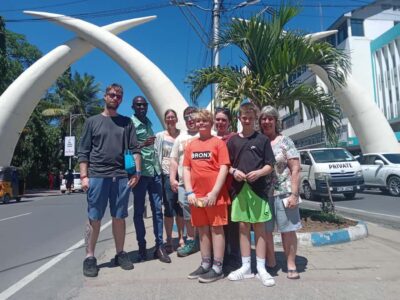
Mombasa City Tour,Fortjesus,Oldtown,Tusks and Spice Market.
Read our review →
Half-Day Nairobi National Park and Maasai Market with Pick up
Read our review →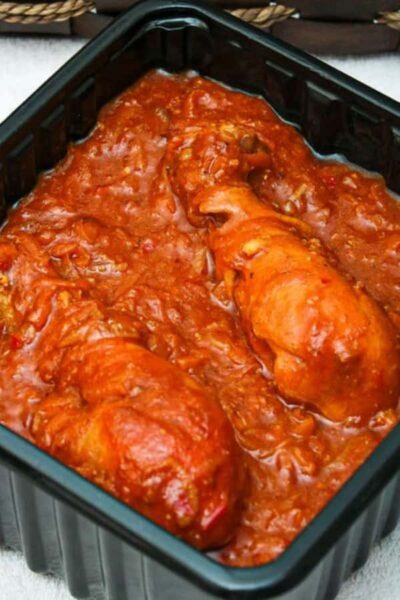
Authentic Kenyan Cooking Class & Market Tour in Nairobi
Read our review →
Nairobi cultural souvenir shopping tour with a local
Read our review →Browse the lists this tour appears in