
Reviewed · SHOPPING TOURS
Threads of Mombasa Textile and Market Tour with Lunch
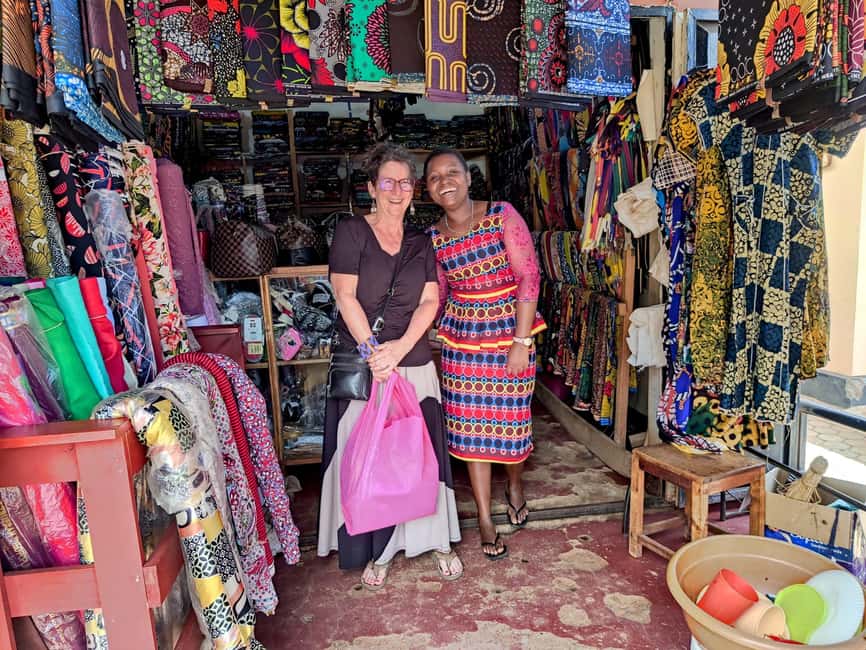
Color tells Mombasa’s stories. This tour brings you into local markets filled with kanga and kitenge, then connects those fabrics to Swahili customs and Old Town architecture. I especially like the close look at fabric patterns and proverbs, plus the chance to meet local artisans rather than simply browse shops. The light coastal lunch adds a pleasant social break.
The main consideration is the amount of walking. You move through markets and narrow Old Town streets, often outdoors in the sun, so comfortable shoes, water, and sun protection matter. The tour is not suitable for wheelchair users or people with mobility impairments. It is also an English-language experience, which is useful to know before booking.
In This Review
- Key points to know before you go
- Starting at City Mall in Nyali
- Reading the language of kanga and kitenge
- Finding the right cloth in the local markets
- Old Town, doors, and narrow streets
- A light coastal lunch and time to talk
- What the $65 price really covers
- The guide can make the market easier
- Who will enjoy this outing most
- Practical ways to prepare
- Should you book Threads of Mombasa?
- FAQ
- Where does the Threads of Mombasa Tour begin?
- Where does the tour end?
- What is included in the price?
- Is shopping included?
- What language is the tour conducted in?
- Is the tour suitable for wheelchair users?
Key points to know before you go
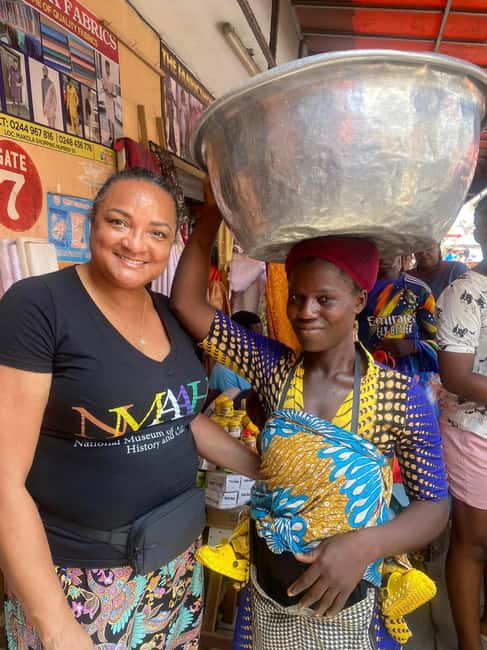
- Fabrics carry messages: Learn how kanga and kitenge patterns, colors, and printed proverbs can express ideas, humor, identity, and social meaning.
- Charles earns special praise: The guide is described as helpful, well prepared, and very familiar with the shopping side of the experience.
- Old Town adds context: Carved wooden doors, tight lanes, and old buildings show how Mombasa’s trading past still shapes daily life.
- Useful for fabric shoppers: You may find deras and kikoys alongside the more familiar kanga and kitenge.
- Lunch is included: Expect a light meal built around coastal flavors, along with time for conversation.
- Simple meeting point: The tour begins and ends at the front entrance of City Mall in Nyali.
Starting at City Mall in Nyali
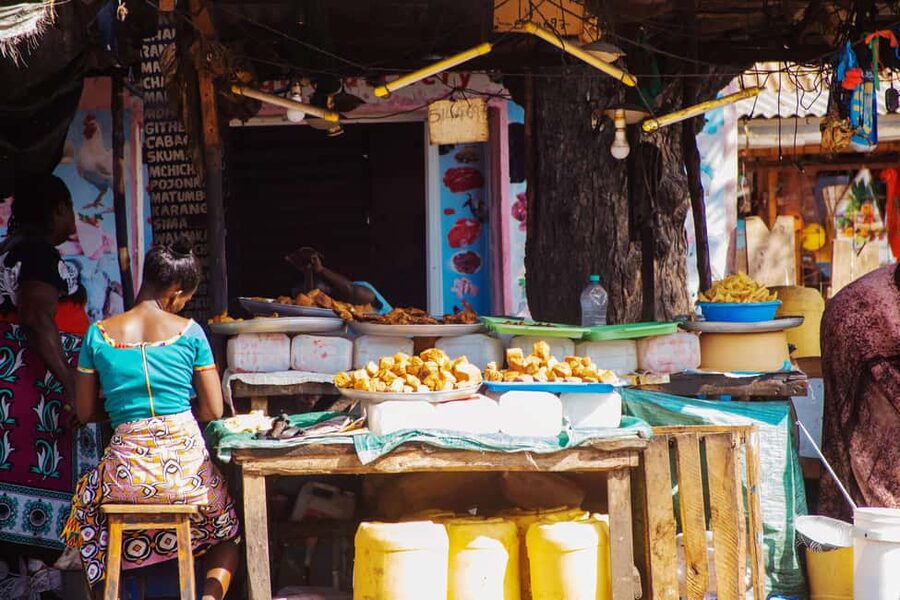
Your meeting point is the front entrance of City Mall in Nyali. This gives you a clear place to begin and avoids the confusion that can come with trying to locate a guide inside a busy market.
The tour also returns to this same meeting point. That is useful if you are arranging the rest of your day around the activity, though you should note that no tour duration is provided. Ask for the expected finish time when you book, especially if you have dinner plans, a hotel transfer, or another scheduled activity.
Bring water, sunscreen, and a sun hat. Mombasa’s market streets and Old Town lanes are not the place for stiff shoes or heavy clothing. Light, breathable clothes and walking shoes will make the day more comfortable.
A camera is welcome, and you will have plenty of colorful scenes to photograph. Still, use basic courtesy in markets and residential streets. Ask before taking close-up photos of people or their stalls.
More markets in Mombasa:
- Mombasa City Tour,Fortjesus,Oldtown,Tusks and Spice Market.
★ 4.8 · 19 reviews - Explore the Local food market & Cook a Kenyan meal
★ 5.0 · 1 review - Traditional Kenyan Cooking Class & Local Market Tour
★ 5.0 · 129 reviews
Reading the language of kanga and kitenge
The most distinctive part of this outing is its attention to meaning. Kanga and kitenge are not just attractive cloth sold by the meter. Their colors, designs, and printed words can communicate mood, advice, affection, humor, faith, or a pointed social message.
Kanga fabric is often recognized by its rectangular format and the proverb or saying printed across it. The wording may be playful, wise, romantic, or indirect. That makes the cloth part of everyday communication, not merely a piece of clothing.
Kitenge is known for strong patterns and bold color combinations. It can be used for clothing, wraps, decorative pieces, and gifts. The exact uses and styles vary, but the main lesson here is that fabric is tied to personal expression and community life.
Your guide helps explain these details as you look at the cloth in front of you. That makes the market visit more rewarding. Instead of choosing a fabric only because you like its color, you can ask what its pattern suggests and how it fits into local dress and custom.
This is also where the tour suits people who are not serious shoppers. You can enjoy the visual side of the market without buying anything, while still learning why the textiles matter.
Finding the right cloth in the local markets
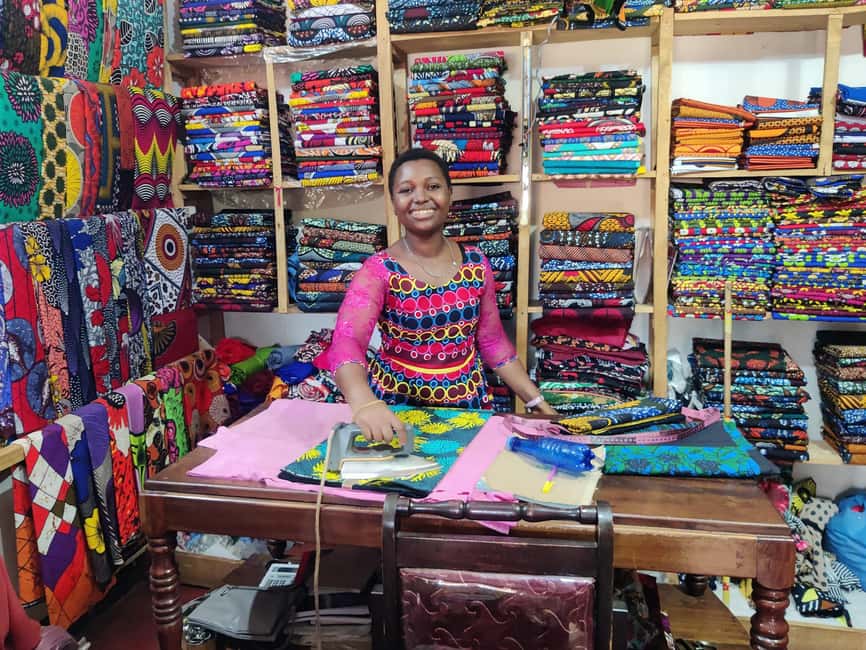
The market portion gives you time to see fabrics in their working setting. You are not looking at a carefully arranged museum display. You are walking among sellers, textiles, conversation, and the practical business of choosing cloth.
That difference matters. Markets show how fabric is handled, compared, discussed, and sold. You can see the variety of colors and designs at close range, and you have a chance to ask questions about what you are buying.
If you hope to shop, guide support can be especially useful. One participant praised Charles for preparing the group well and helping them find beautiful fabrics, several deras, and versatile kikoys. Those terms are worth knowing before you arrive:
- Deras are loose, comfortable dresses often associated with coastal East African dress.
- Kikoys are striped cotton wraps commonly used as clothing, beach cover-ups, or practical household cloth.
- Kanga and kitenge offer a wider range of patterns and uses, from clothing to fabric gifts.
Prices, bargaining customs, and the selection available can change, so do not assume that one particular print or garment will be in stock. The value of having a guide is not a guarantee of a bargain. It is the help you receive in understanding your options and making a sensible choice.
Personal purchases are not included in the $65 price. Set aside extra money if you want fabric or clothing, and remember that the tour price covers the guided activities and lunch, not your shopping.
Old Town, doors, and narrow streets
After the market visit, the tour continues with a guided walk through Mombasa Old Town. This changes the focus from cloth to place, but the two parts fit together well. The textiles show living culture, while the buildings and street plan reveal the setting in which that culture developed.
Expect narrow streets, carved wooden doors, and old architecture shaped by centuries of trade and community life. The doors are especially important visual details. Their carved surfaces can tell you something about status, taste, craft, and the care given to the entrance of a home or business.
Old Town is best enjoyed at walking pace. You have time to look upward at architectural details, notice the texture of the streets, and listen to explanations about Mombasa’s past. The tour is not simply a fast route between photo stops.
The walk also requires awareness. Narrow streets can be uneven or crowded, and there is no indication of a vehicle transfer between stops. For that reason, the activity is clearly better for people who are comfortable walking for a substantial part of the outing.
This part will appeal to you if you want more than shopping. You get a physical sense of Mombasa’s coastal culture, with old buildings and local streets providing context for the crafts seen earlier.
More Shopping Tours in Mombasa:
- Nairobi souvenir Shopping and Historical Half day Tour
★ 5.0 · 61 reviews - Memorable Daily KIBERA Slums/Toi Market Tour with Locals (2 hours)
★ 5.0 · 29 reviews - Nairobi Cultural Shopping Experience
★ 5.0 · 21 reviews - Half-Day Nairobi National Park and Maasai Market with Pick up
★ 5.0 · 16 reviews
A light coastal lunch and time to talk
Lunch is included, but it is described as light rather than large. You should think of it as a pleasant meal break, not an all-day feast.
The food features coastal flavors, which adds another cultural layer to the outing. Specific dishes are not provided, so you should not book this expecting a particular menu item. If you have a large appetite, dietary restrictions, or strong food preferences, ask for more details before the tour.
The social side of lunch is part of its appeal. One group of three particularly appreciated the food and the conversations during the break. That tells you something important about the tone of the outing: it is designed to encourage interaction, not just deliver facts while you move from place to place.
For many people, the meal will be the point when the separate pieces of the day come together. You have seen the cloth, learned about its meaning, walked through Old Town, and now get to pause over food connected to the coast.
What the $65 price really covers
At $65 per person, this tour offers a focused cultural outing rather than a basic market visit. The price includes a guided Old Town tour, access to the local market visit, and a light lunch.
The strongest value comes from the interpretation. You could walk through a market on your own, but you might miss the meaning behind a proverb or choose a fabric without understanding its place in local culture. A guide also helps you connect the textiles to the streets, buildings, and people around you.
The price becomes less attractive if you only want to shop quickly. You are paying for context, walking, conversation, and the Old Town portion as well as the market. If you are interested only in buying a kikoy or a length of kitenge, a shorter independent shopping trip may better match your needs.
For someone curious about Swahili culture, the combination is more convincing. You get three related elements in one outing: craft, place, and food. That makes the $65 easier to justify than a simple market transfer or shopping stop.
Keep personal expenses separate. Fabrics, clothing, and other purchases are not included, and the tour price does not cover anything beyond the listed experience.
The guide can make the market easier
The guide’s role matters more here than it would on a simple sightseeing walk. Markets can be exciting, but without context, the range of patterns and fabrics may blur together. A good guide helps you slow down and notice the difference between a striking design and a design with a particular cultural message.
Charles received especially strong praise for being helpful and prepared. That preparation seems valuable for a group that wants to shop with confidence, since the outing may include advice on selecting fabric, deras, or kikoys.
You should still make your own choices. A guide can explain a pattern or help with communication, but the final decision about color, size, price, and usefulness belongs to you. If you buy fabric, consider how you will carry it and whether you need enough material for the item you have in mind.
The experience is conducted in English. That makes the explanations accessible to English speakers, but you should choose another activity if you need a different tour language.
Who will enjoy this outing most
This is a good fit for you if you like hands-on cultural experiences. You do not need to be an expert in textiles. Curiosity is enough.
The tour should suit:
- People who enjoy fabric, clothing, design, and handmade crafts
- Visitors interested in Swahili culture and Mombasa’s Old Town
- Shoppers who want help choosing local textiles
- Photographers looking for color, doors, market scenes, and street details
- Couples, friends, and small groups who enjoy conversation during a meal
- First-time visitors who want a guided introduction to local markets
It may be less suitable if you dislike walking, heat, or crowded market settings. It is not suitable for wheelchair users or people with mobility impairments. Smoking is not allowed.
Families may need to consider the walking demands and the interests of younger children. The supplied information does not state an age requirement, so ask the provider if you are planning to bring children.
Practical ways to prepare
Wear your most comfortable walking shoes. Sandals may be fine for some people, but the safest advice is to choose footwear that you can use comfortably on streets and market surfaces.
Carry water, sunscreen, and a hat. The outdoor portions make sun protection more than a minor detail. Light clothing will also help you stay comfortable.
Bring a camera, but do not let photography replace the explanations. The best part of the textile visit is not only the color. It is learning why certain patterns, words, and garments matter.
If you plan to shop, decide in advance what you can carry and what kinds of items interest you. You might look for a small fabric piece, a kikoy, a dera, or a larger textile, but availability is not guaranteed. Ask questions and take time before buying.
You can reserve now and pay later, which keeps your plans flexible. If you need to cancel, the stated policy allows a full refund when you cancel at least 24 hours ahead.
Should you book Threads of Mombasa?
Book this tour if you want to understand the meaning behind Mombasa’s fabrics, not just photograph them. The market visit, Old Town walk, and coastal lunch form a well-matched introduction to local culture, and Charles appears to be a particularly useful guide for anyone hoping to shop.
Skip it if you want a short, vehicle-based sightseeing trip or if walking is difficult. Also remember that the $65 price does not include personal purchases, and lunch is light.
For most visitors who enjoy textiles, history, food, and local conversation, this is a strong choice. You leave with more than colorful fabric. You gain a better sense of how clothing, words, craft, streets, and daily life connect in Mombasa.
FAQ
Where does the Threads of Mombasa Tour begin?
The tour begins at the front entrance of City Mall in Nyali.
Where does the tour end?
The activity ends back at the same meeting point, the front entrance of City Mall in Nyali.
What is included in the price?
The $65 price includes a guided tour of Old Town, a visit to local markets, and a light lunch featuring coastal flavors.
Is shopping included?
No. Personal expenses are not included, so you need extra money for any fabrics, garments, or other items you decide to buy.
What language is the tour conducted in?
The tour is conducted in English.
Is the tour suitable for wheelchair users?
No. The experience is not suitable for wheelchair users or people with mobility impairments. Comfortable walking shoes are advised, along with water, a sun hat, sunscreen, and light clothing.
Just added in Mombasa
- 4-Day Tsavo East West and Amboseli National Park from Mombasa★ 4.0 · 5 reviews
- 1-Day Tsavo East Safari From Mombasa★ 5.0 · 3 reviews
- Tsavo East National Park 2 days Voi Safari Lodge from Mombasa.★ 5.0 · 2 reviews
- 4×4 Safari in Tsavo East National Park★ 5.0 · 4 reviews
- 4 Days Mount Kenya Trekking★ 5.0 · 6 reviews
- Private Transfer from Mombasa★ 5.0 · 6 reviews
- Swahili Street Food Tour★ 5.0 · 7 reviews
- Fort Jesus Sound and Light show Mombasa★ 4.0 · 17 reviews
Shopping Tours, compared.

Traditional Kenyan Cooking Class & Local Market Tour
Read our review →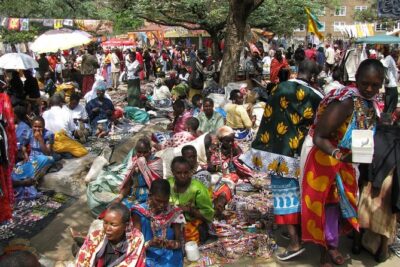
Nairobi souvenir Shopping and Historical Half day Tour
Read our review →
Memorable Daily KIBERA Slums/Toi Market Tour with Locals (2 hours)
Read our review →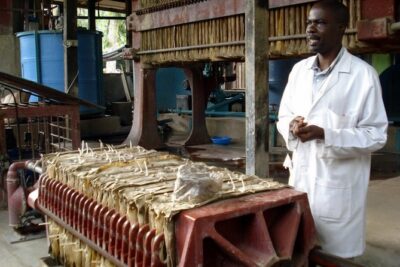
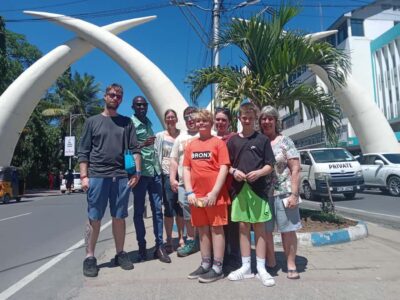
Mombasa City Tour,Fortjesus,Oldtown,Tusks and Spice Market.
Read our review →
Half-Day Nairobi National Park and Maasai Market with Pick up
Read our review →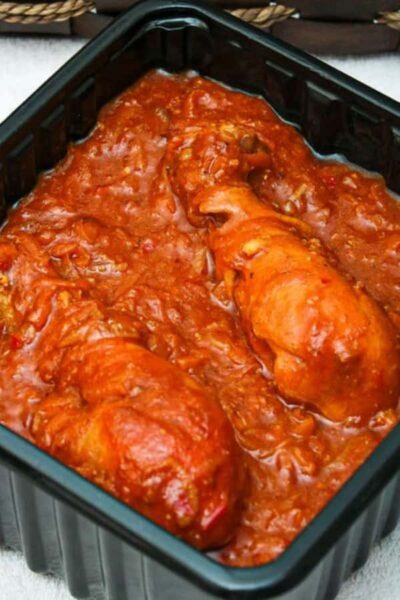
Authentic Kenyan Cooking Class & Market Tour in Nairobi
Read our review →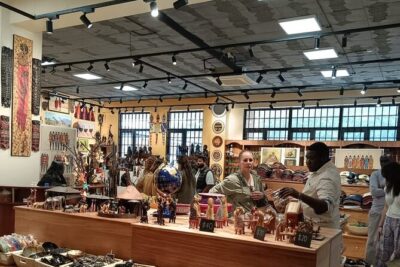
Nairobi cultural souvenir shopping tour with a local
Read our review →Browse the lists this tour appears in