
Reviewed · FOOD
Mombasa: Street Food Tour
Come hungry, leave better oriented. This three-and-a-half-hour Mombasa street food tour combines Swahili cooking with Old Town streets, Islamic culture, and tuk-tuk rides between stops. I especially like the choice of morning, midday, or evening departure, and I like that the $60 price includes food, drinks, guiding, and transport during the tour.
The main consideration is the meeting point. You must reach Fort Jesus Museum on your own, and transport to the starting point costs an extra $10 if you need it. Also, dress modestly: shorts, short skirts, and sleeveless shirts are not allowed.
In This Review
- Six useful things to know before you book
- What the $60 Mombasa food tour is really offering
- Meeting outside Fort Jesus Museum
- First tastings in Old Town
- One hour through Mombasa Old Town
- Tuk-tuk ride to Mama Ngina Waterfront
- Returning for the second food session
- The flavors worth watching for
- Cultural context adds real value
- Is $60 good value?
- Which time slot should you choose?
- Who should book this Mombasa experience?
- Should you book the Mombasa Street Food Tour?
- FAQ
- How long does the Mombasa Street Food Tour last?
- Where does the tour start?
- Where does the tour finish?
- What food is included on the tour?
- Does the price include transport?
- What language is the tour conducted in?
- What should I wear?
- Can I cancel or pay later?
Six useful things to know before you book
- Three food schedules: Choose Swahili breakfast, a rice-and-stew lunch, or an evening of fried snacks and grilled meat.
- Six local vendors: The tour is built around several food stops rather than one formal restaurant meal.
- Fort Jesus meeting point: Look for the red Coca-Cola shop outside the museum.
- Mombasa beyond the plate: You get food, architecture, local customs, and an introduction to the city’s Islamic diversity.
- Tuk-tuk transport included: Rides connect Old Town with Mama Ngina Waterfront during the tour.
- Strong early feedback: The current rating is 5 out of 5 from two verified bookings, with particular praise for the food, guide, and cultural explanation.
What the $60 Mombasa food tour is really offering
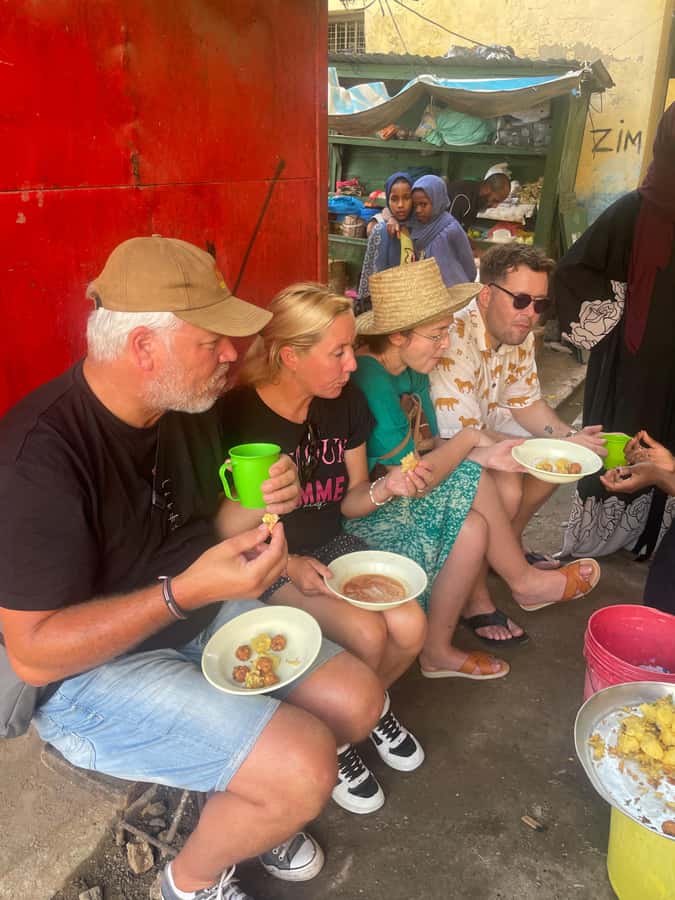
This is not simply a snack crawl. The food gives you a reason to walk through Mombasa, while the guide adds context about the city’s buildings, customs, and religious mix. That combination matters because Old Town can be confusing at first, especially when you are trying to understand how Swahili, Kenyan, Arab, Indian, and Islamic influences meet in one compact area.
The tour lasts 210 minutes, or three and a half hours. You can choose a breakfast slot from 9:00am to noon, a lunch slot from 12:30pm to 4:00pm, or an evening slot from 4:30pm to 8:00pm. The breakfast window is listed as three hours, while the lunch and evening options run for three and a half, so check the exact starting time when you book.
The price is fair if you plan to sample widely. It covers the food, drinks, guide fee, and tuk-tuk transport used during the tour. You are paying more than the cost of buying one plate from a local stall, but you are also getting several tastings, someone to explain what you are eating, and a route through two important parts of Mombasa.
The one extra cost is getting to Fort Jesus. Transport to the meeting point is not included, but you can arrange it for an additional $10. Once the tour begins, transport during the outing is covered.
More food tours in Mombasa:
- Watamu Marine Park & Sudi Island Mangrove Forest Canoe Ride.With sea food lunch
★ 4.5 · 31 reviews - Mombasa:Street food Experience
★ 4.7 · 14 reviews - Swahili Street Food Tour
★ 5.0 · 7 reviews
Meeting outside Fort Jesus Museum
The tour begins outside Fort Jesus Museum, beside the red Coca-Cola shop. This is a useful starting point because Fort Jesus is one of Mombasa’s clearest landmarks, and it places you at the edge of Old Town.
You do not need to enter the museum as part of the food tour. Instead, the fort works as a meeting landmark before the group moves into the surrounding streets. Arrive with enough time to find the red shop and settle in, especially if you are unfamiliar with Mombasa.
The guide speaks English. Since cultural explanation is a major part of the outing, language matters here. You are not just being pointed toward a plate of food. You are being given a basic map of how Mombasa’s food, faith, architecture, and trade connections fit together.
First tastings in Old Town
The first food stop takes place in Old Town, with about 30 minutes set aside for tasting. The exact dishes depend on the slot you choose, so your first plate may look quite different from someone joining at another time of day.
For breakfast, expect Swahili morning foods such as mahamri, a coconut-flavored bread, and mbaazi, black-eyed peas cooked in coconut. These are good examples of how coconut appears in coastal cooking, not only in sweet dishes but also in savory food.
The breakfast option should suit you if you prefer a quieter start and want to explore foods you may not find on a standard hotel menu. It is also likely to be the most focused choice for anyone curious about everyday Swahili cooking rather than a large meal.
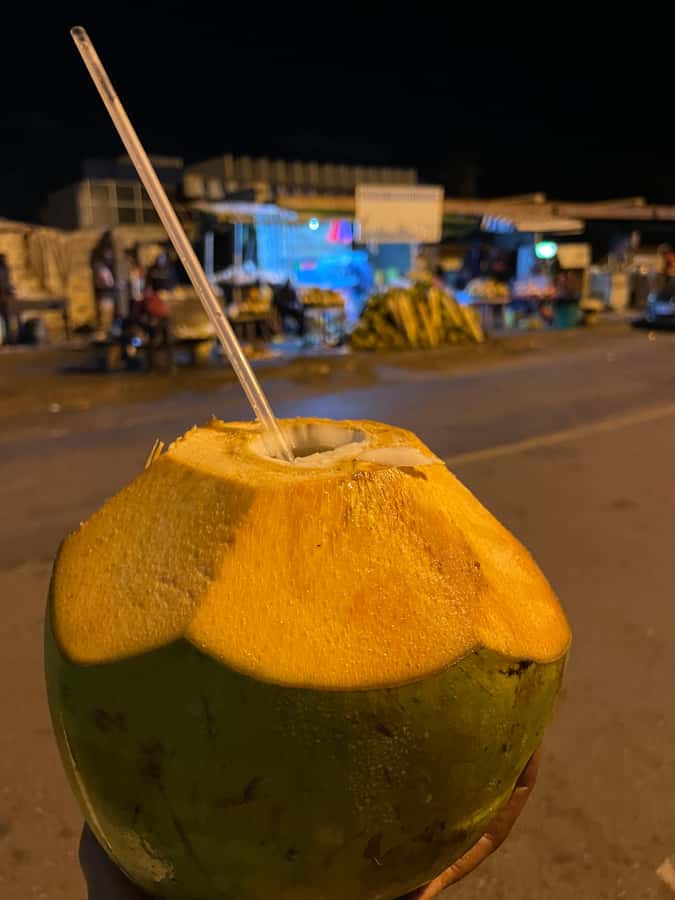
The lunch slot shifts toward full dishes. You may sample pilau, biryani, or coconut rice with goat, fish, or local vegetable stews. Drinks can include tamarind juice, sugarcane juice, bungo, and coconut water. This is probably the best choice if you want the widest range of main-course flavors.
The evening slot centers on finger foods and barbecue. Possible tastings include viazi karai, bahjia, kababu, mishkaki, tikka, and mkate wa nyama. That makes the evening option a natural fit if you enjoy small fried bites and skewered or grilled meat more than breakfast dishes.
One hour through Mombasa Old Town
After the first tasting, about an hour is devoted to a guided walk through Old Town. This is where the tour becomes more than a meal.
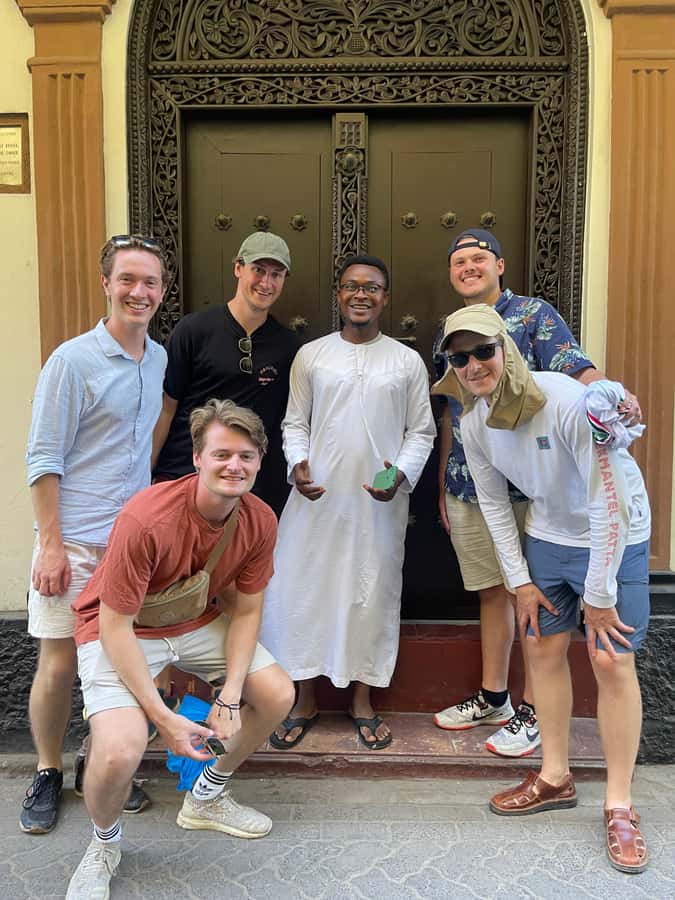
The streets provide the setting for the food. You may notice how closely the stalls, shops, homes, and religious buildings sit together. The guide also discusses Mombasa’s architecture and cultural background, helping you connect a dish such as biryani or mahamri with the wider Swahili coast.
One of the strongest points of this tour is its attention to Islamic diversity. The cultural explanation is not an optional extra. It is part of understanding why Mombasa’s food traditions developed as they did, and why modest clothing is expected during the outing.
Wear loose, respectful clothing that covers your shoulders and legs. Shorts, short skirts, and sleeveless shirts are specifically not allowed. This is practical advice, not a minor packing note: dressing properly helps you move through Old Town without creating an awkward moment.
The walking section may be the least comfortable part for anyone who wants a sit-down food tour. You will be moving through city streets, eating at several places, and switching between walking and tuk-tuks. Comfortable shoes and a flexible attitude will help.
A completely different kind of day:
- Walking Tour Through Old Town Mombasa and Fort Jesus
★ 5.0 · 393 reviews - Mombasa: Kisite Park Private Cruise with Breakfast and Lunch
★ 4.7 · 181 reviews - Mombasa City Tour
★ 5.0 · 170 reviews - Mombasa: Tusks, Fort Jesus, Old Town, Beach and City Tour
★ 4.7 · 137 reviews
Tuk-tuk ride to Mama Ngina Waterfront
A 20-minute tuk-tuk ride takes you toward Mama Ngina Waterfront. The ride breaks up the walking and gives you a quick change of scene.
Mama Ngina Waterfront is used for a 30-minute guided visit. The tour information does not promise a separate food stop there, so think of this part as a city and waterfront pause rather than another full meal.
That change of setting adds value. Old Town gives you tight streets, food stalls, and historic architecture, while the waterfront gives you a broader view of Mombasa’s public life. The guide continues the cultural and historical explanation here, rather than leaving you to wander without context.
The tuk-tuk ride itself is part of the local character of the tour. It is also useful because you do not have to arrange taxis between the stops. Just remember that this included transport applies during the tour, not to the Fort Jesus meeting point.
Returning for the second food session
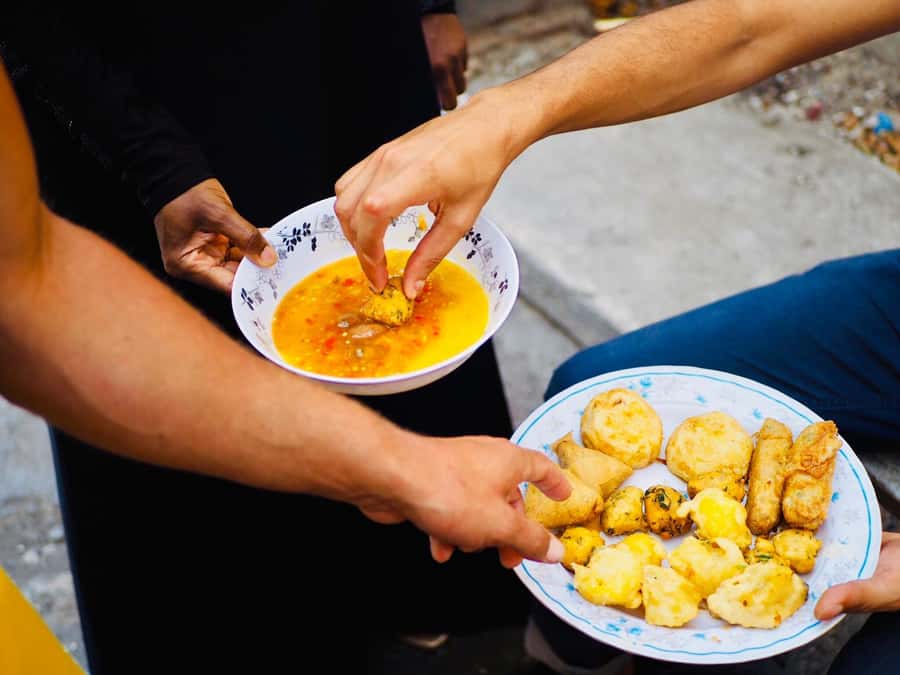
After the waterfront visit, another 20-minute tuk-tuk ride returns you to Old Town. A final food tasting lasts about an hour, giving you more time to try local dishes and snacks.
The two tasting sessions are a smart structure. A single large food stop can leave you full before you have tasted much. Splitting the food across the tour gives you time to walk, listen, and work your way through different flavors.
The exact balance depends on your chosen schedule. Breakfast may include more bread, beans, and morning snacks. Lunch is likely to feel like the most substantial meal, with rice, stews, juices, and snacks. Evening visitors can expect more portable foods such as fried potatoes, bhajia, kebabs, and grilled meat.
If you have dietary restrictions, the available information does not specify substitutions or allergy handling. Contact the provider before booking if that matters to you. Do not assume that every vendor can adjust a dish.
The tour ends on Makadara Road in Mombasa Old Town. Since the starting and finishing points differ, plan your next activity around the end point rather than expecting to return to Fort Jesus.
The flavors worth watching for
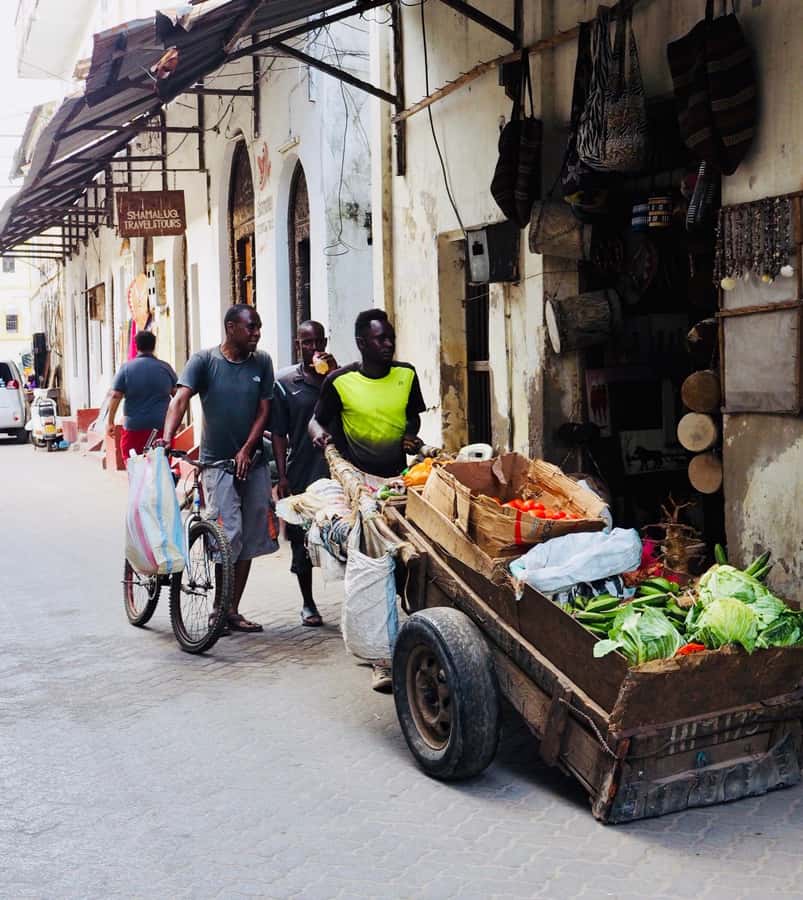
The strongest appeal here is range. You are not limited to one famous Kenyan dish.
Mahamri brings coconut into a simple bread, while mbaazi shows how coconut works with legumes. Pilau and biryani offer spiced rice in two different styles, and coconut rice gives you another expression of coastal cooking.
Goat meat, fish, and local vegetables add different textures to the lunch option. The juices also deserve attention. Tamarind is sharp and fruity, sugarcane is sweet, bungo is a local coastal drink, and coconut water is the most straightforward refreshment of the group.
The evening foods are easier to sample in small portions. Viazi karai are fried potatoes, bahjia are spiced fritters, kababu are savory snack foods, and mishkaki and tikka bring grilled meat into the mix. Mkate wa nyama adds a bread-and-meat option.
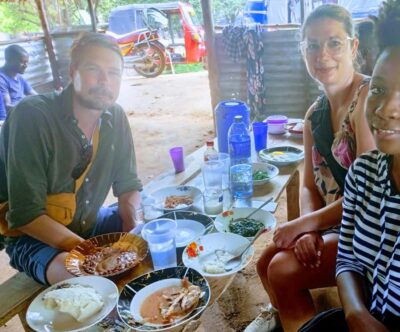
You should not expect a polished tasting menu. The appeal is the food as people buy and eat it locally, served through several vendors and stalls. That can mean simple presentation, changing portions, and a less controlled rhythm than a restaurant meal. For me, that is part of the point, as long as you value local contact over comfort.
Cultural context adds real value
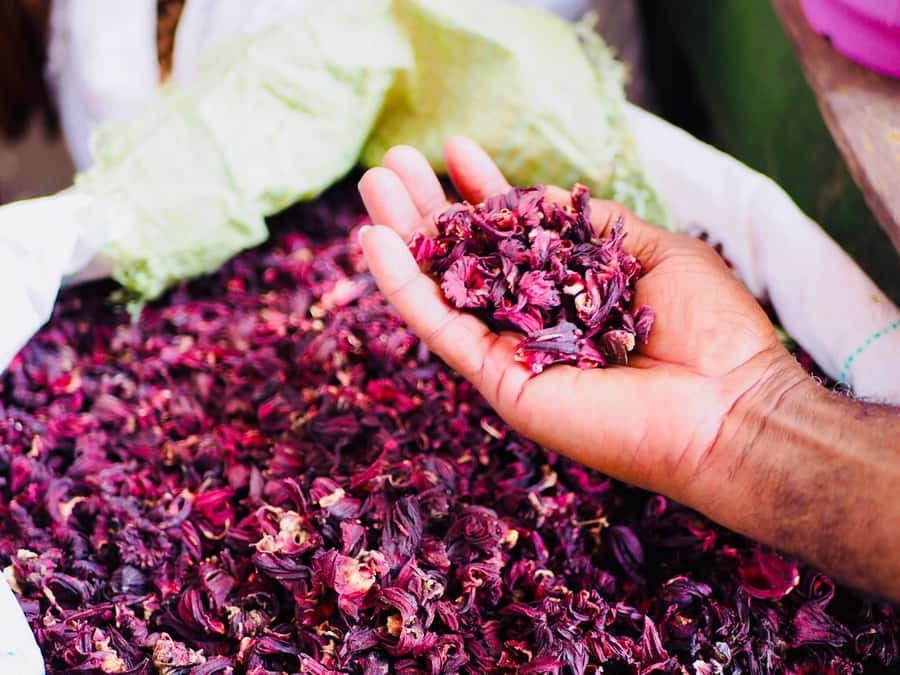
The food is the hook, but the guide is what helps you understand the place. Two early verified bookings gave the tour a 5 out of 5 rating. One particularly praised the food and guide, calling the meal the best food the guest had eaten in Kenya. Another highlighted learning not only about the food but also about Mombasa’s Islamic diversity.
That praise points to the tour’s main strength. You are not left to guess what makes a dish Swahili, why coconut appears so often, or how local food connects with the city’s cultural background.
The tour also includes historical and architectural information. The supplied details do not name the guides, so you should not expect a particular guide by name. The important point is that the guiding is presented as a central part of the outing, not a quick introduction before the eating begins.
Is $60 good value?
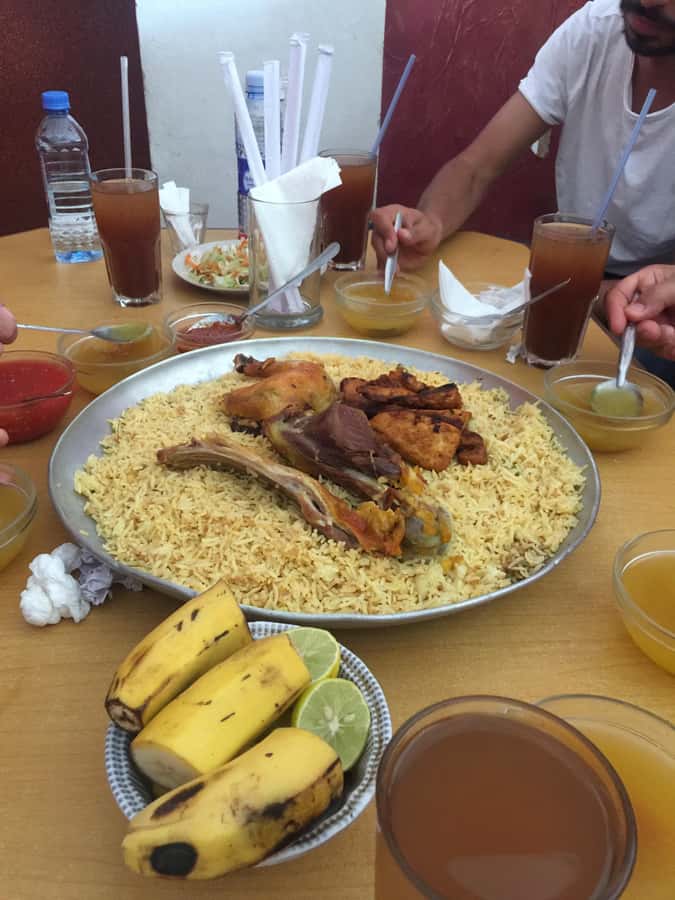
At $60 per person, this is best value for someone who wants variety and guidance. Food, drinks, transport during the tour, and the guiding fee are included, so you do not need to keep paying at each stop.
The value is weaker if you only want to eat one inexpensive local meal. You could likely spend less by visiting one stall independently, but you would not get the organized route, six-vendor format, cultural explanation, or included tuk-tuk rides.
The price also makes sense for a first day in Mombasa. The tour helps you get familiar with Old Town, learn which local foods interest you, and understand the city before exploring on your own. If you are staying near the meeting point and already plan to eat around Old Town, the added cost may feel less necessary.
Food allergies, very limited diets, or a strong dislike of walking may also reduce the value. The tour covers many foods, but the available details do not promise custom menus, accessibility arrangements, or specific dietary alternatives.
Which time slot should you choose?
Choose the breakfast slot if you want mahamri, mbaazi, and other Swahili morning snacks. It is the clearest choice for a lighter start and a close look at everyday coastal breakfast food.
Choose lunch if you want the fullest meal. Pilau, biryani, coconut rice, meat, fish, vegetables, juices, and snacks give this slot the broadest menu on paper.
Choose evening if you prefer snack-sized food and grilled meat. Viazi karai, bahjia, kababu, mishkaki, tikka, and mkate wa nyama make this option feel more casual and social.
Because all three options cover food, culture, Old Town, Mama Ngina Waterfront, and tuk-tuk transport, the menu should guide your decision more than the sightseeing. Check the exact start time and allow the full 210 minutes.
Who should book this Mombasa experience?
I would recommend it to first-time visitors who want an introduction to Mombasa without spending a day planning individual food stops. It also suits curious eaters who enjoy asking what a dish is, how it is prepared, and why it belongs to the coast.
It is a good fit for anyone interested in the link between food and Islamic culture. The German booking specifically praised this side of the experience, and it is one of the more useful reasons to choose a guided tour instead of simply buying snacks at random.
Families and groups can benefit from the flexible time slots, though the food and clothing rules should suit everyone in the group. You should be comfortable with walking, street-side eating, and changing locations.
I would be more cautious if you want a formal restaurant meal, a private culinary class, or a tour built around a single cuisine with guaranteed dishes. This is a broad introduction, not a polished cooking workshop.
Should you book the Mombasa Street Food Tour?
Book it if you want to taste several sides of coastal Kenyan food while getting a clear introduction to Old Town and Mombasa’s Islamic culture. The strongest reasons are the six-vendor format, the choice of three menus, and the included drinks and tuk-tuk rides.
Choose the lunch slot for the widest meal, evening for grilled snacks, and breakfast for mahamri and mbaazi. Plan your own way to Fort Jesus, dress modestly, and remember that the tour ends on Makadara Road rather than at the starting point.
With a current 5 out of 5 rating from two verified bookings and praise focused on the food and cultural guidance, this is a promising choice for curious first-time visitors. Its small sample of ratings means you should keep expectations sensible, but the format offers genuine value if you want Mombasa explained through what people eat.
FAQ
How long does the Mombasa Street Food Tour last?
The tour lasts 210 minutes, or three and a half hours. The available time slots are breakfast from 9:00am to noon, lunch from 12:30pm to 4:00pm, and evening from 4:30pm to 8:00pm.
Where does the tour start?
It starts outside Fort Jesus Museum by the red Coca-Cola shop.
Where does the tour finish?
The tour ends on Makadara Road in Mombasa Old Town.
What food is included on the tour?
Breakfast may include mahamri, mbaazi, and other Swahili snacks. Lunch may include pilau, biryani, coconut rice, goat, fish, vegetables, local juices, coconut water, and snacks. The evening option may include viazi karai, bahjia, kababu, mishkaki, tikka, and mkate wa nyama.
Does the price include transport?
The $60 price includes transport during the tour, including the tuk-tuk rides. Transport to the Fort Jesus meeting point is not included and costs an additional $10 if required.
What language is the tour conducted in?
The live tour guide conducts the experience in English.
What should I wear?
Shorts, short skirts, and sleeveless shirts are not allowed. Wear clothing that covers your shoulders and legs.
Can I cancel or pay later?
You can cancel up to 24 hours in advance for a full refund. The reserve-now, pay-later option allows you to book without paying immediately.
Just added in Mombasa
- 4-Day Tsavo East West and Amboseli National Park from Mombasa★ 4.0 · 5 reviews
- 1-Day Tsavo East Safari From Mombasa★ 5.0 · 3 reviews
- Tsavo East National Park 2 days Voi Safari Lodge from Mombasa.★ 5.0 · 2 reviews
- 4×4 Safari in Tsavo East National Park★ 5.0 · 4 reviews
- 4 Days Mount Kenya Trekking★ 5.0 · 6 reviews
- Private Transfer from Mombasa★ 5.0 · 6 reviews
- Fort Jesus Sound and Light show Mombasa★ 4.0 · 17 reviews
- Swahili Street Food Tour★ 5.0 · 7 reviews
Food, compared.
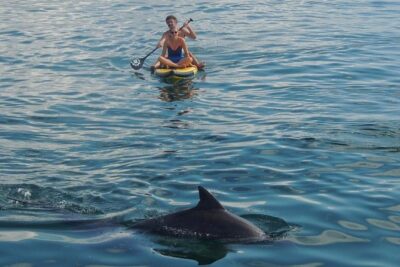
Watamu Marine Park & Sudi Island Mangrove Forest Canoe Ride.With sea food lunch
Read our review →
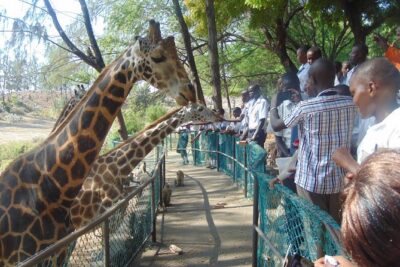
Mombasa Private City Tour & Haller park Sanctuary with sea food luch
Read our review →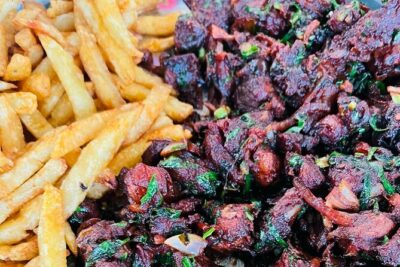
Nairobi Food Tour – Street Food Experience Lunch
Read our review →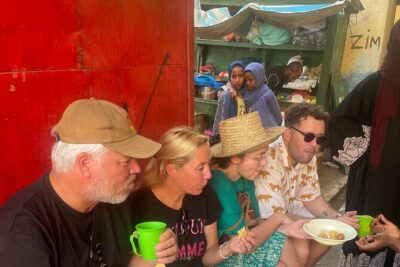
1 Hour Gastronomic and Street Food tour of Nairobi
Read our review →
Explore the Local food market & Cook a Kenyan meal
Read our review →Browse the lists this tour appears in