

Reviewed · COOKING CLASSES
Nairobi: Urban Farm Tour & Organic Cooking Class
Fresh food tells Nairobi’s story. This private experience pairs a guided urban farm tour with a hands-on Kenyan cooking class, giving you something more useful than a quick city snapshot: time with local food, farming, and everyday traditions. I like the chance to pick vegetables and herbs yourself, then cook with them using clay pots, firewood stoves, or local utensils. I also like that the experience ends with a full meal, fresh juice or herbal tea, and a recipe card you can take home. The main consideration is the $150 price, which is high for a half-day activity, so it makes the most sense if you value private transport, personal guidance, and active participation.
You begin with pickup at 9:00 AM and return around 1:30 PM, making this an easy fit before an afternoon in Nairobi. The experience is private, conducted in English, and wheelchair accessible. Pickup information lists Nairobi hotels and residences, with Jomo Kenyatta International Airport and Kilimani also noted, so confirm your exact pickup and drop-off point before booking.
In This Review
- Key points at a glance
- Why this Nairobi experience feels different
- Starting at 9:00 AM from your Nairobi accommodation
- Seeing a rooftop or backyard farm in the city
- Picking ingredients for the cooking lesson
- Cooking Swahili or Kikuyu food by traditional methods
- Sitting down to the meal you helped prepare
- Is $150 a fair price?
- Who should book this morning?
- Booking details worth checking before you go
- Should you book the Nairobi urban farm and cooking class?
- FAQ
- How long does the experience last?
- What time does pickup begin?
- Where does pickup take place?
- Where does the cooking class take place?
- What type of meal will I cook?
- Are ingredients and cooking equipment included?
- Is a meal included?
- What refreshments are provided?
- Is the experience private?
- Is the activity wheelchair accessible?
Key points at a glance

- Harvest your own ingredients: Pick vegetables, herbs, and indigenous greens during the farm visit rather than simply watching a demonstration.
- Cook in a traditional style: Prepare either a Swahili or Kikuyu meal with local utensils and traditional cooking methods.
- See Nairobi’s food-growing side: The farm may be a rooftop or backyard operation, showing how cultivation fits into the city.
- Private format: Your group receives the guide’s attention instead of sharing a set cooking station with strangers.
- Four and a half hours well used: Transport, farming, cooking, and lunch all fit into one morning and early afternoon.
- A practical souvenir: The recipe card gives you something more useful than a generic photo from the day.
Why this Nairobi experience feels different
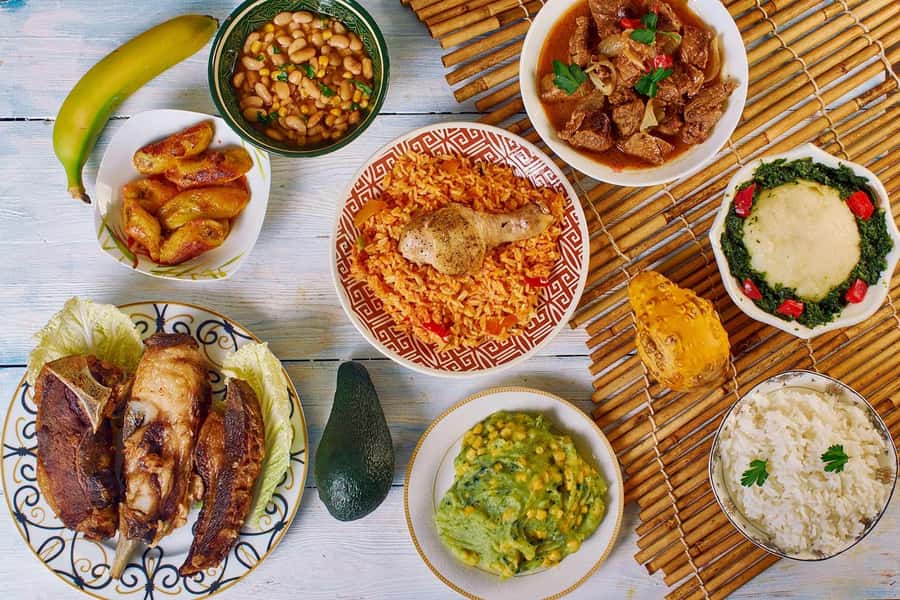
Many city tours keep you on the road. This one asks you to use your hands. You walk through a local organic farm, choose produce, and then turn those ingredients into lunch. That simple connection gives the outing its value.
The farm may be located on a rooftop or in a backyard. That detail matters. You are not being sent far outside Nairobi to see commercial agriculture. Instead, you get a look at how food can be grown in a dense urban setting. The tour also introduces sustainable farming techniques, so the visit has an educational purpose beyond picking a few leaves.
I especially like the link between the farm and the kitchen. You harvest vegetables and herbs, then use them during the cooking session. The meal is not a separate restaurant stop added at the end. It is the result of the work you have just done.
The experience is offered as a private group, which should make it easier to ask questions, set the pace, or focus on the parts that interest you most. A family may want a simple introduction to farming. A food-focused visitor may want more time with the cooking methods. The private format gives your group more room for both.
More Cooking Classes in Nairobi:
- Traditional Kenyan Cooking Class & Local Market Tour
★ 5.0 · 129 reviews - Authentic Kenyan Cooking Class & Market Tour in Nairobi
★ 5.0 · 12 reviews - Private Traditional Kenyan Cooking Class with Lunch in Nairobi
★ 5.0 · 10 reviews
Starting at 9:00 AM from your Nairobi accommodation
The morning begins with pickup at your hotel or residence in Nairobi. A guide from Hadley Travel Solutions is scheduled to meet you at reception or the main entrance, then take you in a clean, air-conditioned vehicle to the urban farm.
That transport is part of the value of the $150 price. Nairobi traffic can make short distances feel long, and arranging a separate ride to an unfamiliar farm would add work to your morning. The air conditioning is also welcome in a city where a warm ride can drain your energy before the class even starts.
The timing is practical. A 9:00 AM start leaves enough of the day for the farm and kitchen without turning the activity into a full-day commitment. You should be back around 1:30 PM, although traffic and the final drop-off point can affect the exact return time.
The pickup details include Jomo Kenyatta International Airport and Kilimani among the available locations. The schedule also lists the airport as a drop-off option. Since the main description focuses on hotel or residence pickup, confirm the precise meeting point if you are arriving at the airport, staying in Kilimani, or planning to leave Nairobi immediately after the class.
Seeing a rooftop or backyard farm in the city
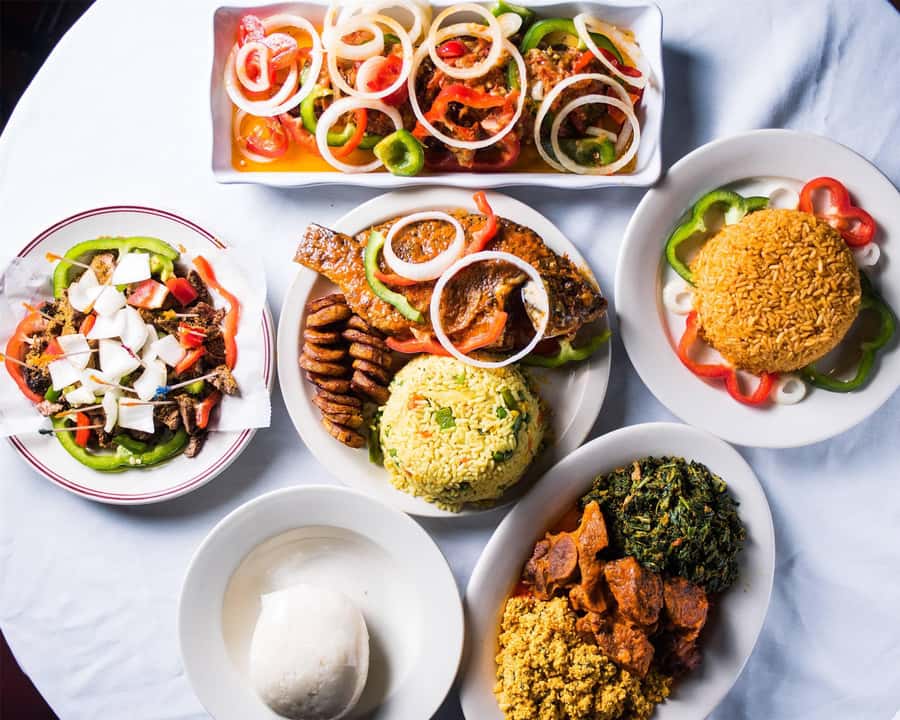
The first main stop is a guided tour of a local organic farm. It may be a rooftop farm or a backyard operation, so the exact setting can vary. That variety is part of the point: urban farming does not follow one fixed model.
Your host introduces sustainable farming techniques and explains how the site produces food within the city. The activity is likely to appeal most if you enjoy seeing practical solutions rather than polished tourist displays. You are looking at a working food-growing space, not just a garden arranged for photographs.
The tour includes vegetables, herbs, and indigenous greens. You then pick some of the produce with your host. This is a small task, but it changes your relationship with the meal. You know where at least some of the ingredients came from, and you have taken part in preparing them from the start.
If you have limited mobility, the experience is listed as wheelchair accessible. Still, a rooftop or backyard farm can have different surfaces and layouts, so it is sensible to ask the provider about the specific farm location and access route before arrival.
The farm section also gives you a useful way to understand Nairobi beyond major sights. Food production in the city connects daily life, environmental concerns, and local cooking. You do not need a background in agriculture to enjoy this part. The guide’s role is to make the methods understandable and connected to what you will eat later.
Picking ingredients for the cooking lesson
The harvest is not a decorative stop. You pick vegetables and herbs that become part of the meal. This keeps the pace active and gives you a clear job to do before entering the kitchen.
Indigenous greens are an especially useful part of the experience. They offer a taste of ingredients that may not appear on a standard Nairobi restaurant menu, and they place local food traditions at the center of the morning. The exact vegetables available can depend on what is growing at the time, so you should expect the produce to change rather than assume a fixed menu.
An optional market stop may also be included. You can purchase spices or souvenirs there, but those personal purchases are not covered by the tour price. Bring your own spending money if you want to shop. If you prefer to keep costs down, treat the market as an optional look rather than a required expense.
This part of the experience is strongest for curious eaters. You get to ask what an ingredient is, how it is used, and why it belongs in the meal. Because the group is private, you can ask questions without worrying about slowing down a large party.
A few more options to weigh up in Nairobi
- Nairobi National Park Half-Day Tour; Free Wi-Fi connection
★ 5.0 · 878 reviews - Nairobi: National Park & Optional Elephants & Giraffe Center
★ 4.8 · 874 reviews - NAI NAMI: Nairobi Storytelling Tour with Street Children
★ 5.0 · 792 reviews - Nairobi National Park Half-Day Game Drive
★ 4.5 · 738 reviews
Cooking Swahili or Kikuyu food by traditional methods
After the farm visit, you move to a shaded outdoor kitchen or farmhouse kitchen. The cooking class focuses on a traditional Swahili or Kikuyu meal. The specific choice may depend on the host and the session, so ask ahead if one cooking tradition matters especially to you.
You prepare the food yourself with instruction from the local host. Cooking equipment and ingredients are included, so you do not need to bring utensils or arrange supplies. The class uses traditional methods that may include clay pots, firewood stoves, and local utensils.
These tools are more than props. They show how cooking methods affect the work, timing, and character of a meal. A clay pot and a firewood stove create a very different kitchen rhythm from a modern electric range. You may need to pay closer attention to heat, preparation, and sequence. That hands-on work is the heart of the experience.
Expect participation rather than a cooking demonstration where you simply watch. You may chop, stir, season, or help manage several parts of the dish, depending on the meal being prepared. The description does not specify the exact recipes or number of dishes, so do not book this expecting a guaranteed menu.
The shaded kitchen setting should make the class more comfortable, particularly during a warm Nairobi morning. If you have dietary restrictions, allergies, or strong food preferences, tell the provider in advance. The activity promises a traditional Swahili or Kikuyu meal, but no alternate menu is specified.
Sitting down to the meal you helped prepare
Once the food is ready, you sit with your host and eat the meal prepared during the class. Fresh juice or local herbal tea is included, while alcoholic drinks are not.
This shared meal is an important part of the morning. It gives you time to talk with your host about the food and compare the finished dishes with the ingredients you picked earlier. It also keeps the experience from feeling like a lesson that ends the moment the stove is turned off.
The full meal adds real value to the price. You are not paying only for transport and instruction, then buying lunch separately. The meal is built into the session, along with refreshments and all cooking equipment.
You also receive a recipe card. That is a modest but worthwhile souvenir because it lets you try to recreate at least part of the experience later. The card cannot replace the setting, the local ingredients, or the host’s guidance, but it gives the morning a practical afterlife.
Is $150 a fair price?
At $150 per person, this is not a budget food activity. The price is easier to justify if you are traveling as a couple, family, or small private group and want an all-in-one morning with transportation, a guide, a farm visit, a cooking class, and lunch.
You are paying for more than a market tasting. The cost includes pickup and drop-off within Nairobi, a private group, the local host and farming guide, farm access, ingredients, cooking equipment, refreshments, and the meal. If you would otherwise need to arrange a taxi, buy lunch, and book a separate cultural activity, the total comparison becomes more favorable.
Still, the value depends on your interests. If you mainly want to see Nairobi’s famous sights, this activity uses four and a half hours on food and farming. If you dislike cooking or prefer a restaurant meal, you may not get enough from the practical format to support the price.
I would consider it a good splurge for visitors who want personal contact and a quieter look at Nairobi life. I would consider it expensive for solo visitors watching every shilling, especially since the price is listed per person. The private format helps explain the cost, but it does not make it a bargain.
Who should book this morning?
This experience suits you if you like food, hands-on activities, and local cultural context. It is also a good choice for families who want children to do something active rather than sit through a long museum visit, provided the young participants are comfortable with the cooking tasks.
It works well for visitors with a free morning in Nairobi before an afternoon appointment. The 9:00 AM to about 1:30 PM schedule gives the day a clear shape, and the included transport reduces the need to manage city travel yourself.
You should also consider it if you are interested in sustainable farming. The urban farm visit shows how growing food can fit into city life, while the cooking lesson connects those farming methods to household traditions.
This is less suitable if you want a large group atmosphere, a fixed menu, or a high-energy sightseeing route. The activity is centered on a farm, a kitchen, and a shared meal. Its rewards come from participation and conversation, not from covering many Nairobi attractions.
English is the stated tour language. The activity is wheelchair accessible, but you should still confirm the exact farm setting if access needs are important to you. Rooftop and backyard spaces can differ from one another.
Booking details worth checking before you go
Free cancellation is available up to 24 hours before the experience for a full refund. You can also reserve now and pay later, which helps if your Nairobi plans are still changing.
Transportation is included from locations within Nairobi. Travel from outside Nairobi city limits is not included, so check your address before assuming pickup is covered.
Personal purchases at a market stop, alcohol, accommodation, and travel insurance are excluded. The activity provides local herbal tea or fresh juice instead.
The tour is conducted in English with a live guide and is arranged for a private group. The provider is Hadley Travel Solutions. Confirm your exact pickup and drop-off location, the meal tradition available that day, and any dietary or access requirements before you set out.
Should you book the Nairobi urban farm and cooking class?
Book it if you want to work with local ingredients, learn traditional cooking methods, and share a meal with a host instead of ticking off another city attraction. The strongest parts are the farm-to-kitchen connection, the private format, and the chance to cook with clay pots, firewood stoves, or local utensils.
Skip it if $150 feels too steep for a half-day activity or if cooking is not part of your idea of a holiday. For the right visitor, though, this is a thoughtful Nairobi experience with a clear sense of place and something useful to remember after lunch: a recipe, a new ingredient, and a better understanding of how food reaches the city table.
FAQ
How long does the experience last?
The experience lasts 270 minutes, or 4.5 hours.
What time does pickup begin?
Pickup begins at 9:00 AM.
Where does pickup take place?
Pickup is described as being available from your Nairobi hotel or residence. Jomo Kenyatta International Airport and Kilimani are also listed as pickup options, so confirm your exact location in advance.
Where does the cooking class take place?
The class takes place in a shaded outdoor kitchen or farmhouse kitchen at the urban farm location.
What type of meal will I cook?
You will learn to prepare either a traditional Swahili or Kikuyu meal. The exact menu is not specified.
Are ingredients and cooking equipment included?
Yes. Cooking equipment and ingredients are included in the experience.
Is a meal included?
Yes. You eat the meal prepared during the cooking session.
What refreshments are provided?
Refreshments include local herbal tea or fresh juice.
Is the experience private?
Yes. It is offered as a private group experience.
Is the activity wheelchair accessible?
Yes. The activity is listed as wheelchair accessible. You may still wish to confirm the specific farm location and access arrangements before booking.
Just added in Nairobi
- Wildlife Capital: Half-Day Safari at Nairobi National Park★ 5.0 · 2 reviews
- 4 Days Tour Landcruiser in Masai Mara and Lake Nakuru★ 5.0 · 10 reviews
- 4 Days Safari to Lake Nakuru N/P and Maasai Mara N/R★ 5.0 · 18 reviews
- 3 days maasai mara migration safari★ 4.5 · 7 reviews
- Day Tour to Nairobi national park, Elephants, and Giraffe Center★ 3.5 · 8 reviews
- 6 Days Kenya Budget Group Safari★ 5.0 · 2 reviews
- Maasai Mara Day Trip★ 5.0 · 15 reviews
- 3 Days Masai Mara Wildebeest migration Budget safari★ 5.0 · 2 reviews
Cooking Classes, compared.

Traditional Kenyan Cooking Class & Local Market Tour
Read our review →
Authentic Kenyan Cooking Class & Market Tour in Nairobi
Read our review →
Private Traditional Kenyan Cooking Class with Lunch in Nairobi
Read our review →
Market Tour and Traditional Kenyan Cooking Class in Nairobi
Read our review →
Local Market Tour and Traditional Meal Cooking Class
Read our review →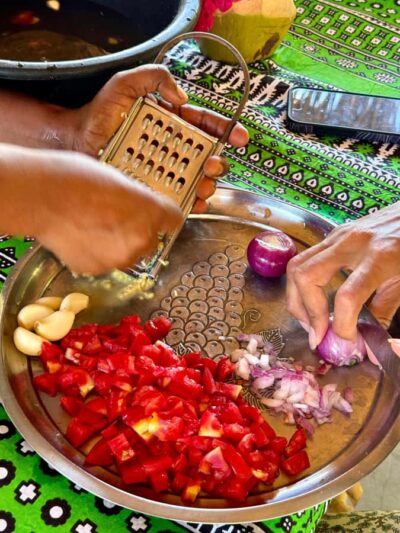
Private Kenyan Cooking Class in Nairobi with a Local
Read our review →
Nairobi Traditional Cooking Classes and Local Market Visit
Read our review →Browse the lists this tour appears in