
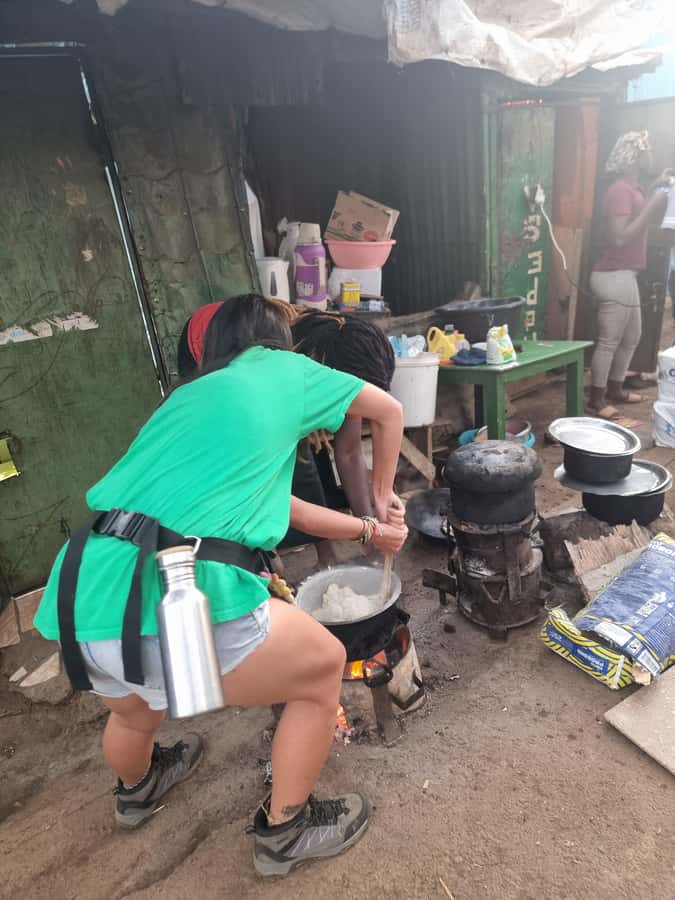
Reviewed · KIBERA COMMUNITY TOURS
Visit Kibera The Largest Slum With a Local
See Nairobi from another angle. This three-hour Kibera walk combines local stories, a home visit, crafts, market shopping, and simple food with a guide who grew up in the community. I especially like the direct community benefit, with 50 percent of the $10 booking fee helping pay school fees and supplies for orphans and vulnerable children. I also like that Jack stays with you throughout and returns you to the meeting point. The main consideration is that this is a walking tour through a crowded, low-income neighborhood, so you need to be comfortable with a close look at difficult living conditions.
Jack Williams leads the experience with a warm, personal reason for doing it. He lost both parents at age nine and now works as a social entrepreneur, social worker, and volunteer. The tour is affordable and purposeful, but it is not a polished sightseeing show. You are visiting a real community, and you should arrive with respect, patience, and an open mind.
In This Review
- Key points to know before you go
- Why this Kibera walk feels different
- Starting at Prestige Plaza on Ngong Road
- Stop one: a clean, safe office briefing
- Stop two: recycled crafts and local work
- Stop three: the open-air market
- Stop four: inside a local home
- Stop five: cafeteria, tea, and local food
- Children, photographs, and respectful conduct
- Safety, comfort, and the emotional side
- What the $10 price really offers
- Who should book this experience
- Should you book the Kibera walk with Jack?
- FAQ
- How long does the Kibera experience last?
- What is the price?
- Where does the tour begin?
- Where does the tour end?
- Is transportation included?
- What language does the guide speak?
- Who leads the experience?
- What places do you visit?
- Does the booking fee support the community?
- Can the experience be customized?
Key points to know before you go
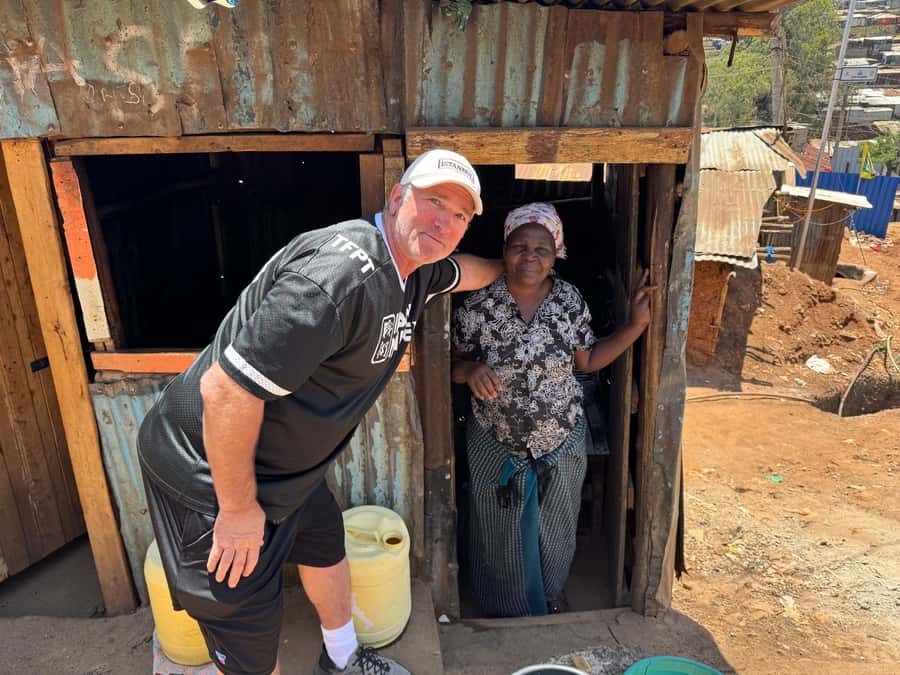
- Jack was raised in Kibera: His personal connection gives the walk a direct, human tone.
- Five stops fill the three hours: You visit the office, a crafts center, an open-air market, a local home, and a cafeteria.
- Half the fee returns to the community: At $10 per person, about $5 supports school fees and supplies for vulnerable children.
- Local shopping is part of the experience: Your guide can help you bargain and pay a fair local price.
- Food brings the visit down to earth: You may taste street food, drink local tea, and spend time with mechanics.
- The route begins and ends at Prestige Plaza: Meet in front of Java House inside the mall on Ngong Road.
Why this Kibera walk feels different
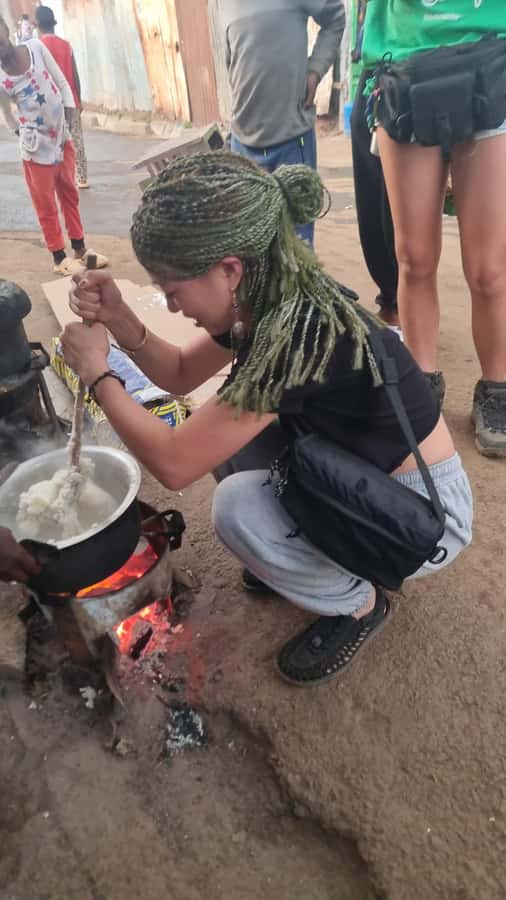
Kibera is widely described as Africa’s largest slum and one of the largest informal settlements in the world. Those labels can make a place sound like a statistic. A local guide helps turn the numbers into everyday details: where people shop, how they earn money, how homes are arranged, and how children grow up in the community.
That local connection matters here. Jack and the other guides were born and raised in Kibera. You are not simply being led through streets by someone who has memorized a script. You are hearing about a home area that shaped the guide’s own life.
The purpose also gives the $10 price more weight. The tour supports OAC Kenya, a social enterprise connected with tours and crafts, and KCOOP, a community-based organization. Half of each booking fee goes back to the community for school fees and school supplies. The rest helps operate the experience.
That does not remove the need for sensitivity. You should not treat Kibera as a backdrop for dramatic photographs. Ask before taking pictures of people, especially children, and listen more than you speak. The tour works best when you approach it as a chance to meet people and understand daily life, not as a spectacle.
More Kibera community tours:
- Nairobi: Explore Kibera Slum with Local Guides
★ 4.9 · 365 reviews - Kevins Kibera Slum Tours
★ 5.0 · 213 reviews - Nairobi: Kibera Slum storytelling tour with a Local
★ 5.0 · 185 reviews
Starting at Prestige Plaza on Ngong Road
The meeting point is easy to identify: Java House inside Prestige Plaza Shopping Mall. You meet in front of the coffee shop, then begin the walk from there. This is useful if you are staying elsewhere in Nairobi because the mall gives you a clear landmark rather than an uncertain street corner.
Transportation is not included. You need to make your own way to Prestige Plaza, and the tour returns you there at the end. One recorded visit included a matatu ride, but that should not be treated as guaranteed for every departure. Ask ahead if public transport is an important part of your plans.
The activity lasts three hours. That is enough time to visit several places without turning the day into an exhausting march. It also means the schedule is fairly full, especially if you spend time asking questions, shopping, eating, or talking with residents.
Jack speaks English. You can contact the operator by WhatsApp at 0112011131 if you need to confirm the meeting details.
Stop one: a clean, safe office briefing

The first stop is the organizers’ office. Jack welcomes you there, introduces the experience, and explains how the visit will work. The office is described as safe and very clean, which gives you a calm place to get your bearings before entering the neighborhood.
This briefing is more important than it may sound. Kibera can feel unfamiliar at first, and you will get more from the walk if you understand the purpose and basic etiquette. Use this time to ask about photographs, shopping, food, and the home visit.
You can also learn more about the education work supported by the tour. Jack’s own childhood story helps explain why this cause is personal rather than simply a line in a sales description.
Stop two: recycled crafts and local work

At the crafts center, you see how local people recycle materials into jewelry and other handmade goods. This stop shows a practical side of life in Kibera: people making products, finding ways to earn income, and turning available materials into something useful.
The crafts center also gives you a chance to buy a small item directly from local makers. Buying is optional, and you should never feel pressured. If you do shop, ask your guide about prices and bargaining. The goal is to pay a local price without treating the maker’s work as disposable.
I like this stop because it gives the visit an active element. You are not only listening to descriptions of community life. You are seeing a skill, a work process, and a possible source of income.
A few more options to weigh up in Nairobi
- Nairobi National Park Half-Day Tour; Free Wi-Fi connection
★ 5.0 · 878 reviews - Nairobi: National Park & Optional Elephants & Giraffe Center
★ 4.8 · 874 reviews - NAI NAMI: Nairobi Storytelling Tour with Street Children
★ 5.0 · 792 reviews - Nairobi National Park Half-Day Game Drive
★ 4.5 · 738 reviews
Stop three: the open-air market
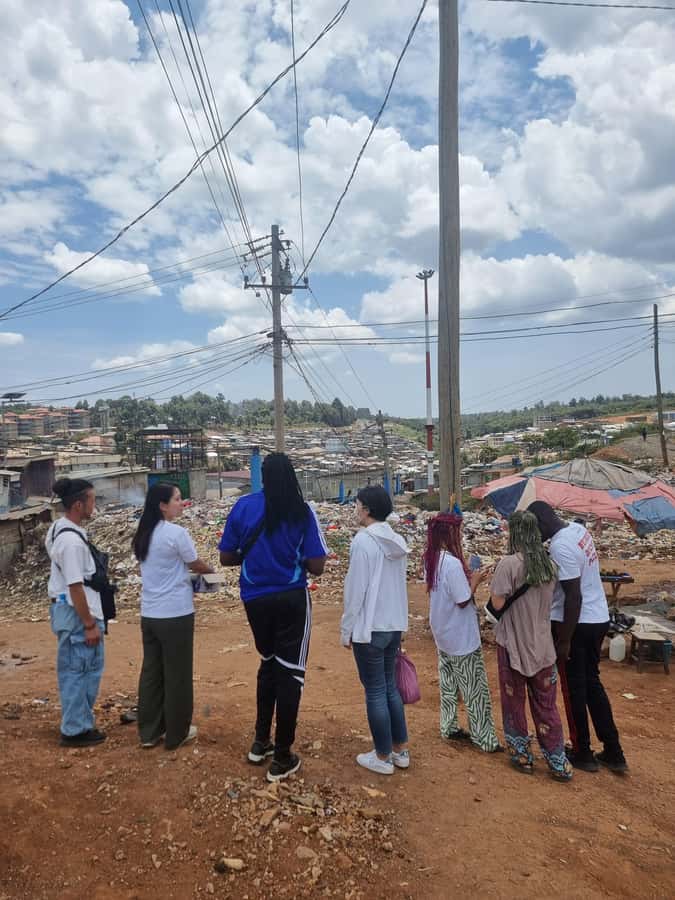
The market visit takes you into the place where local people buy second-hand goods. This can tell you more about ordinary spending habits than a formal talk can. You see what is available, how people shop, and how commerce works at neighborhood level.
Your guide can help you bargain. That is useful, but bargain with some restraint. A tiny discount may mean more to the seller than it does to you, while a fair negotiation can be part of the local shopping rhythm.
The market is also a reason to keep your belongings secure and stay close to your guide. The activity is presented as safe, and Jack stays with you full time, but any crowded market calls for normal city awareness. Keep your phone and wallet in a secure place, and do not wander away to chase a photograph.
Stop four: inside a local home

The home visit is likely to be the most personal part of the walk. You are welcomed inside one house to see the living standards of residents. This can make the tour more meaningful because you move beyond streets and shops and see how people arrange daily life indoors.
It is also the point that requires the most care. A home is private, and you should follow Jack’s instructions about where to stand, what to touch, and when photography is appropriate. Listen to the explanation rather than making quick judgments from what you see.
The aim is not to compare the home with your own or to reduce a family’s life to hardship. It is to understand how people live with the space and resources available to them. For many visitors, this is the part that changes a general idea about poverty into a more specific understanding of housing and family life.
Stop five: cafeteria, tea, and local food
The final stop is a cafeteria where you can rest, enjoy soft drinks or local food, and continue the conversation. This pause matters after several hours on foot, especially if you have been taking in a lot of new information.
The experience also highlights street food and local tea. One of the more unusual details connected with the walk is the chance to have tea with mechanics. That kind of stop can make the visit feel less staged. You are sharing a simple local routine rather than sitting through a formal presentation.
Food is not only about taste here. It gives you another way to understand how people spend time, work, and socialize. Still, food preferences and comfort levels vary. If you have dietary restrictions, ask Jack in advance what food options will be available.
Children, photographs, and respectful conduct

Children you meet during the walk are described as joyous, which can be a memorable part of the afternoon. Their friendliness should not be mistaken for an invitation to photograph or hand out money. Ask permission before taking pictures, and follow the guide’s advice about interacting with children.
The education work is central to the experience. Jack’s organizations support orphans and vulnerable children through school fees and supplies, and the booking fee helps fund that work. If you want to do more, the operator also links volunteers with charity schools and orphanages.
I would keep the focus on the organized community benefit rather than giving sweets, cash, or gifts during the walk. Direct donations can create awkward moments and unequal attention among children. The tour’s existing support system is a more thoughtful way to contribute.
Safety, comfort, and the emotional side

Safety receives repeated praise in the available feedback. Jack is with you throughout, and he brings you back to Prestige Plaza after the visit. A Japanese visitor specifically appreciated being accompanied and receiving clear explanations, while Oliver from Germany described the experience as safe and said the people he met were kind.
That reassurance is useful, but it should not make you careless. Wear comfortable shoes, stay with the guide, and keep valuables out of sight. You are walking through a dense urban area, so expect uneven paths, crowds, and conditions that may not feel familiar.
The emotional side deserves equal attention. Kibera is home to many people, not a museum exhibit. You may find the housing conditions difficult to see, and the home visit can be uncomfortable. That discomfort can be useful if you let it lead to questions and understanding, but this is not the right activity if you want a light afternoon of easy sightseeing.
The experience is listed as wheelchair accessible. Because the route includes walking through an informal settlement, an open-air market, and a home, confirm the current route and access needs before booking.
What the $10 price really offers
At $10 per person, this is one of the more affordable guided experiences in Nairobi. You receive a three-hour English-language tour, a local guide, several different stops, and help with the social and cultural context that you would miss walking alone.
The strongest value comes from the combination of access and purpose. You visit a crafts center, market, home, and cafeteria, but you also support education work. With 50 percent of the fee returned to the community, roughly $5 of the stated price goes toward school fees and supplies.
Transportation and personal purchases are extra. You may want money for crafts, market items, drinks, or food, but none of those costs are included in the guide fee. That makes the final amount flexible. You can keep spending low or buy something from local makers and vendors.
The low price should not mean you expect a luxury service. You are paying for a personal, community-based walk, not a private vehicle, air-conditioned tour, or formal attraction. If you value direct contact and local context, the price is strong. If you need polished facilities and a tightly controlled route, you may find it basic.
Who should book this experience
I would recommend this walk to you if you want to understand Nairobi beyond its main sights. It suits curious visitors who are willing to listen, ask respectful questions, and accept that the experience may be serious as well as enjoyable.
It is especially suitable for:
- First-time visitors who want a local view of Nairobi
- People interested in social enterprise and community education
- Visitors who enjoy walking, markets, crafts, and simple food
- Anyone looking for an affordable activity with a clear social purpose
- Visitors comfortable with a direct look at poverty and housing conditions
It may not suit you if you dislike walking, feel uncomfortable entering a private home, or want a conventional sightseeing tour with fixed attractions and little emotional weight. The tour is not designed to hide hardship behind a cheerful presentation.
The age restriction is broad: it is not suitable for people over 95. The operator also says the experience can be customized to match your interests, so tell Jack in advance if you have a particular focus, such as crafts, education, food, or local work.
Should you book the Kibera walk with Jack?
Book it if you want a human-scale introduction to one of Nairobi’s most misunderstood communities. Jack’s personal story, the five varied stops, and the clear education benefit give the tour more substance than a quick photo stop.
Go with the right attitude. Expect a real neighborhood, not a theme park. Bring comfortable shoes, modest expectations, and respect for residents. If that sounds like your kind of afternoon, the $10 price offers unusually strong value, and your booking helps support children who need school fees and supplies.
FAQ
How long does the Kibera experience last?
The experience lasts three hours.
What is the price?
The price is $10 per person.
Where does the tour begin?
You meet at Prestige Plaza Shopping Mall on Ngong Road, in front of Java House inside the mall.
Where does the tour end?
The experience ends back at Prestige Plaza Shopping Mall.
Is transportation included?
No. Transportation to and from Prestige Plaza Shopping Mall is not included.
What language does the guide speak?
The live tour guide speaks English.
Who leads the experience?
Jack Williams leads the experience. He is a social entrepreneur, social worker, and volunteer who was born and raised in Kibera.
What places do you visit?
The route includes the organizers’ office, a crafts center, an open-air market, a local home, and a cafeteria.
Does the booking fee support the community?
Yes. Fifty percent of the booking fee goes back to the community to help pay school fees and buy supplies for orphans and vulnerable children.
Can the experience be customized?
Yes. The operator says the experience is flexible and can be adjusted to match your interests.
Just added in Nairobi
- Wildlife Capital: Half-Day Safari at Nairobi National Park★ 5.0 · 2 reviews
- 3 days maasai mara migration safari★ 4.5 · 7 reviews
- 4 Days Tour Landcruiser in Masai Mara and Lake Nakuru★ 5.0 · 10 reviews
- 4 Days Safari to Lake Nakuru N/P and Maasai Mara N/R★ 5.0 · 18 reviews
- Day Tour to Nairobi national park, Elephants, and Giraffe Center★ 3.5 · 8 reviews
- 6 Days Kenya Budget Group Safari★ 5.0 · 2 reviews
- Maasai Mara Day Trip★ 5.0 · 15 reviews
- 3 Days Masai Mara Wildebeest migration Budget safari★ 5.0 · 2 reviews
Kibera Community Tours, compared.





Kibera Slum Tour with Local Social Entrepreneurs
Read our review →


Browse the lists this tour appears in