

Reviewed · KIBERA COMMUNITY TOURS
Kibera Slum Tour with Lucas
Look beyond Nairobi’s polished center. This private Kibera walk offers a close look at daily life in East Africa’s largest informal settlement, with time at Toi Market, Hope and Shine Kibera Centre, a local home, and neighborhood streets that most visitors would never find alone. I like the personal scale of the experience and the chance to support community work rather than simply photograph hardship. The main consideration is that this is an emotional, uneven walking tour, so you need comfortable shoes and a thoughtful approach to photography and interaction.
The advertised price is $35 per person, a fair amount for a private half-day experience if you value local guidance and direct contact with residents. Allow three to four hours from start to finish, though the walking portion may feel closer to two or three hours depending on the pace. Lucas receives especially warm praise for making people feel safe and welcome, while several accounts also identify Elijah as the guide, so confirm who will lead your visit when booking.
In This Review
- Key points to know before you go
- Why Kibera is worth seeing with a local guide
- Meeting at Greenhouse Mall and entering Kibera
- Toi Market: Kibera’s working side
- Walking the narrow lanes and uneven tracks
- Entering a Kibera home
- Hope and Shine Kibera Centre and local education
- What the $35 price delivers
- Safety, pace, and practical preparation
- Who will enjoy this Kibera experience
- Should you book the Kibera Slum Tour with Lucas?
- FAQ
- How much does the Kibera Slum Tour with Lucas cost?
- How long does the experience last?
- Where does the tour begin?
- Where does the tour end?
- Is this a private tour?
- What places are included?
- Will I visit a school?
- Is transportation included?
- What should I wear?
- Can I cancel for a refund?
Key points to know before you go

- Private access to Kibera: Only your group takes part, which makes it easier to ask questions and set a comfortable pace.
- A local guide matters here: Lucas is praised for his warmth, care, and sense of safety. Elijah is also named in several accounts as a guide for this experience.
- Toi Market adds daily color: You see how people buy, sell, work, and earn money within the settlement.
- Community projects are central: Hope and Shine Kibera Centre and a local school help place the visit in a wider story of education and local initiative.
- Expect uneven ground: Muddy or slippery tracks are possible, so hiking shoes or sturdy walking shoes are a sensible choice.
- Plan for a respectful visit: Ask before taking pictures, and treat homes, schools, and children as places and people deserving care, not as photo props.
Why Kibera is worth seeing with a local guide

Kibera is not a single attraction with a gate, signs, and a tidy route. It is a large community made up of homes, shops, workshops, schools, markets, paths, and ordinary family life. Streets and alleys can be narrow and unmarked, which makes local guidance important both for finding your way and for understanding what you are seeing.
I like that this tour presents Kibera as more than a place of poverty. The difficult conditions are real, but so are the practical skills and determination of the people who live and work there. Residents run small businesses, organize community projects, create art, teach children, and make use of limited space with considerable ingenuity.
That balance matters. A poorly handled slum visit can reduce people to scenery. This one is designed around conversation, local connections, and community projects. You may enter a private home, meet people at the marketplace, and visit a center that supports children. Those moments can be more meaningful than a quick drive past the settlement.
Still, you should be honest with yourself about the tone of the experience. This is sometimes described as dark tourism because you are seeing serious poverty and difficult living conditions. If you want only light sightseeing, this will not be a comfortable fit. If you want to understand Nairobi beyond its hotels, shopping areas, and major sights, it offers a rare and direct perspective.
More Kibera community tours:
- Nairobi: Explore Kibera Slum with Local Guides
★ 4.9 · 365 reviews - Kevins Kibera Slum Tours
★ 5.0 · 213 reviews - Nairobi: Kibera Slum storytelling tour with a Local
★ 5.0 · 185 reviews
Meeting at Greenhouse Mall and entering Kibera
The published meeting point is Greenhouse Mall in Kilimani, at Ngong, Kenya. The tour ends at Equity Bank Kibera in Nairobi, so this is not a circular walk that returns you to the starting point. Plan your onward transport from the Kibera end point rather than assuming you will finish back at the mall.
The meeting arrangement is worth confirming clearly. One account describes hotel pickup being arranged by boda, or motorcycle, with a minor delay. Another notes that a $25 pickup and drop-off charge was more expensive than an Uber. The $35 tour price should therefore be viewed separately from any optional transport costs.
If you are managing a tight schedule, allow extra time for the meeting and the finish. The activity is listed as three to four hours, and it is booked about 15 days ahead on average. That booking pattern suggests you should reserve early if your Nairobi dates are fixed, especially if you want a private departure.
Once you meet your guide, the value of the tour begins with orientation. You are not simply sent into a maze of lanes. Your guide explains the area, points out places connected to local life, and helps you move through the community with more confidence.
Toi Market: Kibera’s working side
Toi Market is one of the clearest ways to see Kibera as a place where people work, trade, and solve everyday problems. The market gives the tour an active focus. Instead of viewing homes from a distance, you see a local economy in motion.
You may find clothing, household items, food, and small workshops, although the exact stops can vary. The purpose is less about checking off products and more about noticing how commerce fits into the community. A visit to a local workshop may also offer the chance to buy a souvenir, but there is reportedly no pressure to purchase.
I recommend carrying some Kenyan shillings if you want to buy something. A small purchase from a local maker can be a direct way to support someone’s work, but it should never be treated as an obligation. Listen to your guide, ask questions politely, and give people room to carry on with their business.
This is also a good place to practice the right kind of photography. Market scenes may look compelling, but ask before photographing a person, stall, or shop. A respectful conversation is usually worth more than a hurried picture.
Walking the narrow lanes and uneven tracks

The walk takes you through unmarked streets and narrow alleys. This is where the private format helps most. With only your own group, you can stop for explanations, ask about what you are seeing, and move at a pace that works for everyone.
The ground is not perfectly smooth. Muddy and slippery tracks are possible, especially after poor weather. Sturdy walking shoes are essential, and hiking boots may be more useful than casual sneakers. One older visitor, aged 75, received help from Lucas over uneven ground and was given a pace she could manage. That suggests the walk can be adapted, but you should still be realistic about your mobility.
The tour is described as slow-paced and easy by one participant, yet the surface conditions remain a factor. There may be steps, rough ground, or narrow passages. Ask about the route in advance if you have mobility concerns. The general participation information says most people can take part, but it does not promise a fully accessible route.
As you walk, your guide provides background on Kibera and explains the community from a local point of view. Lucas is praised for compassion, local respect, and making people feel safe. The accounts connected with Elijah also describe him as well known in the area and able to explain local projects clearly.
A few more options to weigh up in Nairobi
- Nairobi National Park Half-Day Tour; Free Wi-Fi connection
★ 5.0 · 878 reviews - Nairobi: National Park & Optional Elephants & Giraffe Center
★ 4.8 · 874 reviews - NAI NAMI: Nairobi Storytelling Tour with Street Children
★ 5.0 · 792 reviews - Nairobi National Park Half-Day Game Drive
★ 4.5 · 738 reviews
Entering a Kibera home
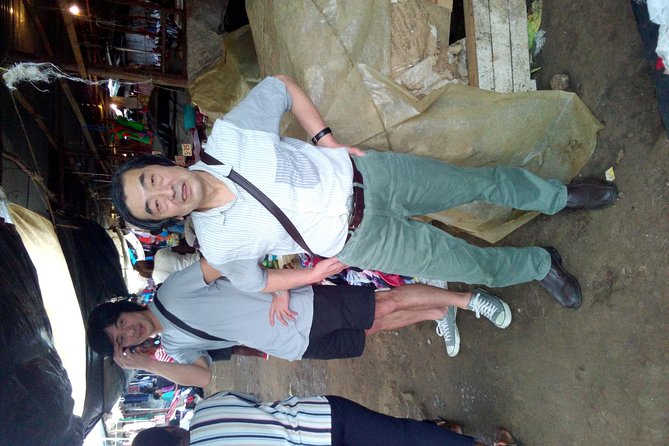
The home visit is one of the most personal parts of the experience. You may be welcomed into a local house and given a glimpse of how people live inside the settlement. This helps connect the wider setting to an individual family’s space and daily routine.
It can also be the most sensitive stop. A home is not a museum, and you should follow the host’s lead. Ask before taking photographs. Avoid touching belongings, opening doors, or turning a private conversation into an interview unless your host invites it.
The strongest part of this visit is the human connection. One account describes being hosted at Lucas’s mother’s home, which shows that the experience can include a genuine family connection rather than a purely commercial stop. You may have time to talk, listen, and ask about life in Kibera, but do not expect every visit to follow exactly the same pattern.
This is where a good guide earns the fee. Lucas’s warmth and care are repeatedly emphasized, including his ability to help an older participant and his willingness to welcome people into his neighborhood. That personal trust cannot be created by a map or a guidebook.
Hope and Shine Kibera Centre and local education

The visit to Hope and Shine Kibera Centre gives the tour a constructive focus. You learn about an education project and see how local effort is directed toward children and the future.
Several parts of the experience may connect with community initiatives, including a school visit, Power Women, and Kibera Artist, a private primary school mentioned in one account. The exact combination may depend on the day, so think of these as possible parts of the wider visit rather than guaranteed individual stops.
The school visit is meaningful, but it also requires good manners. You may be invited to sign a guest book and make a donation. Donation opportunities are optional, and you should decide in advance what you are comfortable giving. Carrying some money is useful if you want to contribute, but the tour should not be judged by the size of your donation.
I like this part because it shows local action instead of presenting residents only as people in need. Education projects, women’s initiatives, and creative work offer a fuller picture of Kibera. You see both the problems and the effort to address them.
If children are present, keep your behavior calm and respectful. One account suggests bringing bags of sweets for children, but I would not make candy distribution the purpose of your visit. Ask Lucas what is appropriate, and follow the school’s rules. A donation to a project or a purchase from a local business may be a more useful form of support.
What the $35 price delivers
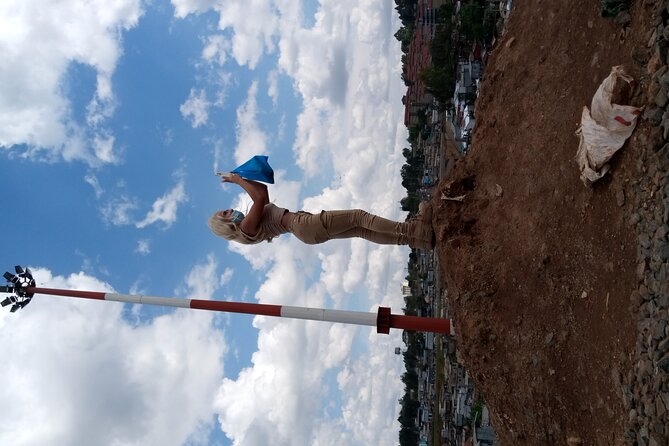
At $35 per person, this is reasonably priced for a private three to four-hour walking experience in Nairobi. You are paying for a local guide, route knowledge, interpretation, access to community connections, and the convenience of having only your own group on the activity.
The price makes the most sense if you want conversation and context. If you only want a quick look and a few pictures, you may feel the cost is high compared with exploring Nairobi independently. Kibera’s unmarked lanes are not a place where wandering without local guidance is a practical plan, however, and the private format adds real value.
Transport is the main possible extra cost. The advertised start and end points are different, and pickup or drop-off may be arranged separately. One account found a $25 transfer fee poor value compared with Uber. I would use the stated meeting point and arrange your own ride if that is allowed and convenient.
Donations, shopping, and purchases at local workshops are also separate from the tour price. You can set a small budget before arrival, then spend only where you feel comfortable.
Safety, pace, and practical preparation
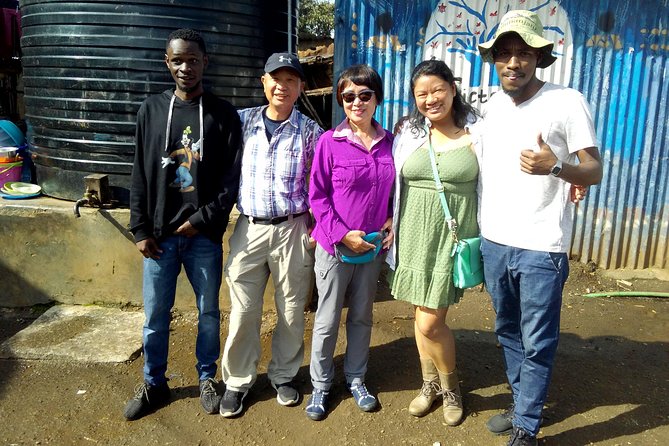
Safety is one of the tour’s strongest points. Lucas is repeatedly praised for making people feel secure, and the local nature of the visit means you are accompanied by someone who knows the community. Elijah is also described as respected and familiar in the area.
That does not mean you should switch off common sense. Keep valuables secure, avoid displaying large amounts of cash, and stay with your guide. Follow instructions about where to walk and when photography is appropriate.
Wear shoes with good grip. Bring water, use sun protection, and carry only what you need. Poor weather can affect the tour, since the experience requires suitable conditions. If rain causes cancellation, you are offered another date or a full refund.
The tour offers a mobile ticket and confirmation at booking. It is near public transportation, and most people can participate. Free cancellation is available until 24 hours before the start time. Inside that window, the amount paid is not refunded, and changes are not accepted.
Who will enjoy this Kibera experience
I would recommend this tour to you if you want to understand Nairobi through local voices and are prepared for a serious, sometimes uncomfortable visit. It suits curious visitors who value community connections more than polished sightseeing.
It can work well for solo visitors, families with older children, couples, and private groups. One person even used a short airport transit in Nairobi to fit in the experience, but I would allow plenty of time for transport and the tour itself before attempting that.
The private format is also useful for mixed-age groups. Lucas adjusted the pace for a 75-year-old participant, which is encouraging, though uneven ground still means you should assess your own ability.
I would not choose it if you dislike walking, have difficulty on muddy surfaces, or want a standard attraction with clear signs and fixed viewing points. I would also avoid treating the community as a backdrop for dramatic photographs. Come ready to listen, spend locally if you wish, and accept that the most valuable parts may not be photogenic.
Should you book the Kibera Slum Tour with Lucas?
Book it if you want a direct, locally guided view of Nairobi and can approach Kibera with respect. The private setting, strong sense of personal care, home visit, market walk, and support for education projects give the $35 price solid value.
Before confirming, check who will guide your departure, where transport begins and ends, and whether your visit includes the school or a particular community project. Wear sturdy shoes, plan for a three to four-hour commitment, and budget separately for transport or donations.
This is not an easy sightseeing stop, but it can be one of Nairobi’s most meaningful experiences. You leave with a better understanding of the people who make a life there, not just an impression of the place.
FAQ
How much does the Kibera Slum Tour with Lucas cost?
The tour costs $35 per person. Transport, donations, and purchases are not included in that stated price.
How long does the experience last?
The experience takes approximately three to four hours. The walking portion may be shorter depending on the route and pace.
Where does the tour begin?
The listed starting point is Greenhouse Mall in Kilimani, at Ngong, Kenya.
Where does the tour end?
The tour ends at Equity Bank in Kibera, Nairobi.
Is this a private tour?
Yes. Only your group participates in the activity.
What places are included?
The route includes Kibera, Toi Market, Hope and Shine Kibera Centre, a local home visit, and photo opportunities.
Will I visit a school?
A school or education project is part of the experience described, including Hope and Shine Kibera Centre. Confirm the exact stops when booking.
Is transportation included?
The listed meeting point is Greenhouse Mall, and the tour ends at Equity Bank Kibera. Pickup or drop-off may be available for an additional charge, so confirm the transport details before booking.
What should I wear?
Wear proper walking shoes. Hiking boots may be useful because some tracks can be muddy or slippery.
Can I cancel for a refund?
You can cancel at least 24 hours before the start time for a full refund. Cancellations or changes made within 24 hours are not refunded or accepted. If poor weather causes cancellation, you are offered a different date or a full refund.
Just added in Nairobi
- Wildlife Capital: Half-Day Safari at Nairobi National Park★ 5.0 · 2 reviews
- 3 days maasai mara migration safari★ 4.5 · 7 reviews
- 4 Days Tour Landcruiser in Masai Mara and Lake Nakuru★ 5.0 · 10 reviews
- 4 Days Safari to Lake Nakuru N/P and Maasai Mara N/R★ 5.0 · 18 reviews
- Day Tour to Nairobi national park, Elephants, and Giraffe Center★ 3.5 · 8 reviews
- 6 Days Kenya Budget Group Safari★ 5.0 · 2 reviews
- Maasai Mara Day Trip★ 5.0 · 15 reviews
- 3 Days Masai Mara Wildebeest migration Budget safari★ 5.0 · 2 reviews
Kibera Community Tours, compared.




Kibera Slum Tour with Local Social Entrepreneurs
Read our review →



Browse the lists this tour appears in