
Reviewed · KIBERA COMMUNITY TOURS
Nairobi: Kibera Slum Guided Walking Tour with Hotel Pickup
Kibera is best understood on foot. This private Nairobi tour takes you beyond a passing roadside view and into daily life, with a guide born and raised in Kibera. I like the visit to Mama Tunza’s orphanage and school, and I also like the bone-bead workshop, where an ordinary butcher’s byproduct becomes useful handmade jewelry. The main consideration is that this is a serious, sometimes emotional visit, not a light sightseeing stop.
I also appreciate the practical hotel pickup, bottled water, transport, and safety guard. The guide named MC DAWN is praised for bringing music, dancing, and warm contact with local children into the visit. Still, you should approach Kibera with respect, ask before taking photographs, and remember that people live and work here. This is not a human zoo.
In This Review
- Key Things To Know Before You Go
- What This Kibera Tour Is Really About
- Hotel Pickup in Nairobi and the Trip to Kibera
- Meeting a Guide Who Grew Up in Kibera
- Mama Tunza’s Orphanage and School
- The Bone-Bead Workshop
- Inside a Typical Kibera House
- The Biogas Center and View Across Kibera
- The Emotional Side of the Visit
- Is $86 Good Value?
- Who Will Enjoy This Most?
- Practical Advice Before Booking
- Should You Book the Kibera Walking Tour?
- FAQ
- Where does the Kibera tour take place?
- Is hotel pickup included?
- What language does the guide speak?
- Is this a private tour?
- What stops are included?
- What should I bring?
Key Things To Know Before You Go

- Your guide comes from Kibera: The tour is led in English by someone born and brought up in the community.
- Mama Tunza’s school is a central stop: You can meet Mama Tunza and learn about her work with children.
- Bone becomes beads: A local factory shows how bones from a butcher are cleaned and made into beads.
- You enter a typical Kibera home: This gives you a chance to ask direct questions about everyday life.
- The biogas center provides a wide view: You can see across Kibera and learn how human waste is used to produce biogas.
- This is a private experience: Hotel or private-home pickup is included, with a safety guard accompanying the group.
What This Kibera Tour Is Really About
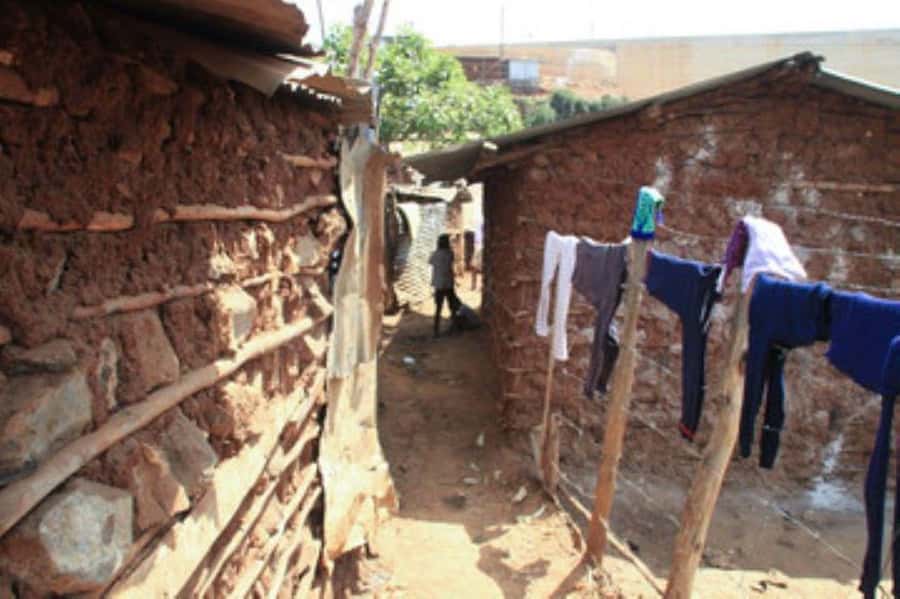
Kibera is often reduced to a single photograph from a road or viewpoint. That tells you very little. This walking tour tries to replace that distant image with conversations, working spaces, family homes, and local projects.
I like that the route includes more than poverty. You see community work, small-scale production, practical technology, and ordinary household life. The purpose is not to pretend that conditions are easy. It is to let you ask questions and see how residents make a life in a difficult setting.
That distinction matters. A respectful visit should leave you with a fuller picture, not just a collection of dramatic images. Your guide’s local background is the strongest feature here because it gives the stops personal context that a guide from outside the area might not provide.
The experience is described as a one-day activity, but the actual Kibera portion is a guided walking visit within a Nairobi pickup and drop-off schedule. One supplied route description also includes long van transfers and a 24-hour stop at Taita Hills Wildlife Sanctuary, which does not fit the Kibera program. I would confirm the exact timing and route with Bush Pumba Safaris before booking, especially if you see those Taita Hills details attached to your reservation.
More Walking Tours in Nairobi
- Nairobi: Historic and Modern Highlights Walking Tour
★ 4.8 · 703 reviews - Nairobi Historical Walking City Tour
★ 5.0 · 258 reviews - Nairobi Downtown Walking Tour
★ 4.7 · 208 reviews
Hotel Pickup in Nairobi and the Trip to Kibera
The day begins with pickup from a Nairobi hotel, apartment, Airbnb, or private home within the city. You should be ready in the lobby. The driver is expected to hold a paper with the lead passenger’s name, which makes the meeting point fairly simple.
Transport, drinking water, tour fees, and hotel drop-off are included. That adds real value to the $86 per-person price, particularly if you are staying across Nairobi and do not want to arrange a taxi for a sensitive first visit to Kibera.
The group is private, so you are not tied to a large busload or a fixed public departure. That gives you more room to ask questions and adjust the pace within the limits of the day. It also makes the tour better suited to people who want a focused visit rather than a quick stop among strangers.
Pickup times are not stated in the information provided. Check availability before paying, and allow some flexibility for Nairobi traffic. The tour includes a van, but the heart of the experience takes place on foot. Comfortable shoes are important, and a sun hat will help during exposed sections.
Meeting a Guide Who Grew Up in Kibera

The guide is born and raised in Kibera, which is more than a useful biographical detail. It changes the tone of the visit. You can ask what daily life is like, how people earn money, how families use the available space, and what local projects mean to residents.
A local guide can also help you avoid careless behavior. Kibera is a home, not a stage set. You should listen first, avoid treating residents as photo subjects, and follow the guide’s advice about where photography is suitable.
MC DAWN receives especially warm praise for making the visit personal. His time with local children included music, dancing, and shared sweets. That sounds joyful, but it can also be emotional. You may find yourself moved by the openness of the children and by the contrast between their energy and the hard conditions around them.
I would be careful with sweets and gifts, even when the intention is kind. The supplied account describes sweets being shared with many children, but it does not establish a formal donation policy. If you want to support the community, ask Bush Pumba Safaris or the guide what kind of contribution is most useful and appropriate.
Mama Tunza’s Orphanage and School

One of the most meaningful stops is the orphanage and school built by Mama Tunza. You meet Mama Tunza and hear about her work in the children’s home. This gives the tour a clear human focus, rather than making Kibera only a place to observe.
The stop is valuable because it shows local initiative. You are not simply hearing about problems. You are seeing a project created to care for and educate children.
I would bring a respectful, attentive attitude here. The children’s home is a working place, and your visit should not interrupt lessons or turn the children into entertainment. Ask before taking photos, and let the guide explain what is welcome.
The visit may be particularly worthwhile for parents, educators, and anyone interested in community-led work. It can also be emotionally demanding. If you prefer easygoing sightseeing, this stop may feel heavier than expected.
More Kibera community tours:
- Nairobi: Explore Kibera Slum with Local Guides
★ 4.9 · 365 reviews - Kevins Kibera Slum Tours
★ 5.0 · 213 reviews - Nairobi: Kibera Slum storytelling tour with a Local
★ 5.0 · 185 reviews - Kibera Slum Tour with Lucas
★ 5.0 · 119 reviews
The Bone-Bead Workshop

The bead factory adds a practical and unexpected element. Here, bones from a butcher are turned into beads. The process shows how discarded material can become a small source of work and income.
I like this stop because it moves the conversation away from simple charity. You see a local production process and the skill involved in making an item people can use or buy. It gives you something concrete to understand: resourcefulness is part of everyday life.
The description does not say how long the demonstration lasts or whether purchases are expected. You can ask about the process and prices without feeling obliged to buy. If you do purchase something, it may be a useful way to support the maker directly, but do not assume that every item is part of a formal social program.
This is also a good place to keep your camera away unless you receive permission. A workshop is still someone’s workplace. Watch first, photograph second.
Inside a Typical Kibera House
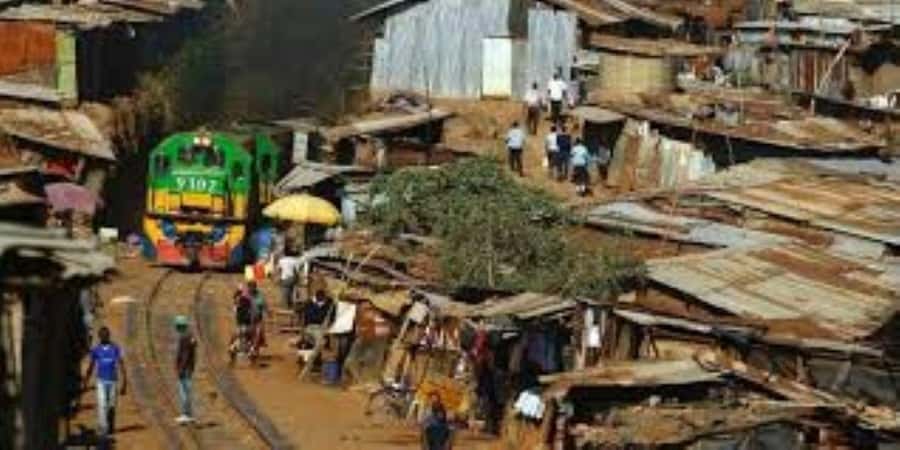
The route includes a visit to a typical Kibera house. You are welcomed inside and can ask the guide about the day-to-day routine of residents.
For me, this is one of the most revealing parts of the tour. A home explains more than a broad view ever can. You begin to think about space, privacy, family life, and practical routines in a way that a general description cannot provide.
At the same time, entering somebody’s home calls for extra care. Keep your questions polite and avoid judging what you see by standards from your own country. The tour information does not specify whether the resident is the homeowner, a host connected with the guide, or part of a community program, so your guide is the right person to ask about consent and etiquette.
This stop may not suit young children. Children under six are not permitted on the activity, and the tour is also not suitable for people with mobility impairments or wheelchair users. The walking route and home access may be difficult for anyone who needs step-free movement.
The Biogas Center and View Across Kibera

The final major stop is the biogas center. From the viewpoint, you can look across Kibera and take a photograph. You also learn how human waste is used to produce biogas.
That combination of view and technology is useful. First, you see the scale of the community. Then you learn about a practical response to sanitation and energy needs. The project gives the visit a forward-looking note without hiding the problems that make such systems necessary.
The viewpoint is likely to be one of the best photo opportunities, but do not let the camera take over. Take your picture, then listen. The more useful memory will be understanding what the center does and why it matters.
The information does not provide technical details about the biogas system, its output, or its current operating scale. If that interests you, ask the guide how the system works and who uses the gas. That is exactly the sort of question this tour is designed to make possible.
The Emotional Side of the Visit
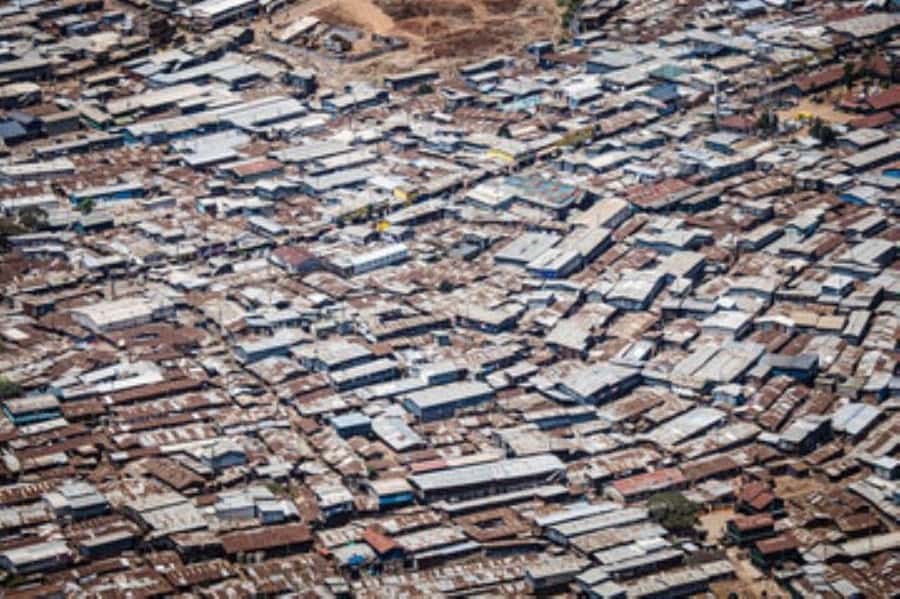
Kibera can be confronting. You may see crowded living conditions, limited services, and the hard work required to manage everyday needs. You may also see children laughing, people working, and community projects solving practical problems.
That mixture is important. If you arrive expecting only misery, you will miss the dignity and initiative all around you. If you arrive expecting a cheerful cultural show, you may feel unprepared for the difficult parts.
MC DAWN’s use of dancing and music can make the visit warmer and more memorable. It also creates a responsibility for you to keep the interaction respectful. Enjoy the welcome, but do not treat it as a performance arranged solely for your camera or amusement.
I would describe this as an educational and personal tour rather than a conventional attraction. Give yourself time afterward to think about what you saw. A rushed return to a hotel pool can make the visit feel disconnected from the rest of your day.
Is $86 Good Value?

At $86 per person, this is not the cheapest way to spend a few hours in Nairobi. The price makes more sense when you count the private group, hotel pickup and drop-off, transport, drinking water, tour fees, local guide, and safety guard.
The guide is the key value. A local person who grew up in Kibera can explain the community in a direct way and help you move through the area with better judgment. That is more useful than simply paying for a driver to stop at a viewpoint.
The cost may feel high if you only want a short walk and a few photographs. It is easier to justify if you value personal explanation, several different stops, and the convenience of door-to-door transport.
Drinks and beverages are not included, so bring water even though drinking water is listed among the inclusions. The activity advises comfortable shoes, a camera, sun protection, and insect repellent. Smoking, alcohol, drugs, and littering are not allowed.
The cancellation terms are flexible: you can cancel up to 24 hours in advance for a full refund, and you can reserve now and pay later. Those terms help if your Nairobi schedule is still shifting.
Who Will Enjoy This Most?
I would recommend this tour to adults, older children, photographers who can work respectfully, students, and visitors who want to understand Nairobi beyond its major sights. It is especially suitable for people who value local voices and community projects.
You should be comfortable walking and entering modest spaces. The experience is not suitable for children under six, wheelchair users, or people with mobility impairments.
I would not choose it if you want a relaxed sightseeing morning with no emotional weight. I would also avoid booking it if your main goal is dramatic photography. The strongest memories here come from listening and observing, not collecting images.
A private group can help families or friends manage the tone of the visit. You can ask more questions, and the guide can respond to the interests of your group. Still, privacy does not mean you can ignore local etiquette. You remain a visitor in somebody else’s neighborhood.
Practical Advice Before Booking
Confirm the exact program. The supplied timing information contains an obvious mismatch, with long van rides and an overnight Taita Hills Wildlife Sanctuary stop appearing alongside the Nairobi Kibera walk. That may be a separate safari route accidentally included in the same schedule, but you should have Bush Pumba Safaris confirm the start time, duration, and return plan in writing.
Wear closed, comfortable shoes and clothing suitable for walking. Carry water, a sun hat, your camera, and insect repellent. Keep valuables secure and follow the safety guard and guide.
Ask about photography before taking pictures of people, homes, children, or workshops. If you want to bring sweets or make a donation, ask what is appropriate instead of deciding on the spot.
The tour is offered in English. Pickup is available from hotels, apartments, Airbnbs, and private homes within Nairobi, and the driver looks for the lead traveler’s name in the lobby.
Should You Book the Kibera Walking Tour?
Book it if you want a direct, locally guided look at community life, and if you can approach the visit with humility. The school run by Mama Tunza, the bone-bead workshop, the home visit, and the biogas center give the route more substance than a simple slum viewpoint.
I would book this for its local guide and its range of stops, not for easy entertainment. MC DAWN’s warmth, dancing, and connection with children can make the day deeply memorable, but the experience may also stir difficult feelings.
The one thing I would do before confirming is clarify the conflicting schedule. Once you know the tour is the intended Kibera program, the $86 price is reasonable for private transport, a local guide, safety support, and a visit built around conversation rather than distant observation.
FAQ
Where does the Kibera tour take place?
The tour takes place in Kibera, Nairobi, with hotel pickup and drop-off available within Nairobi.
Is hotel pickup included?
Yes. Pickup and drop-off are included from hotels, apartments, Airbnbs, and private homes within Nairobi. You should wait in the lobby, where the driver will look for the lead traveler’s name.
What language does the guide speak?
The live guide speaks English.
Is this a private tour?
Yes. The activity is offered as a private group experience.
What stops are included?
The route includes Mama Tunza’s orphanage and school, a bead factory, a typical Kibera house, and a biogas center with a viewpoint across Kibera.
What should I bring?
Bring comfortable shoes, a sun hat, a camera, water, and insect repellent. Smoking, alcohol, drugs, and littering are not allowed.
Just added in Nairobi
- Wildlife Capital: Half-Day Safari at Nairobi National Park★ 5.0 · 2 reviews
- 4 Days Safari to Lake Nakuru N/P and Maasai Mara N/R★ 5.0 · 18 reviews
- 3 days maasai mara migration safari★ 4.5 · 7 reviews
- 4 Days Tour Landcruiser in Masai Mara and Lake Nakuru★ 5.0 · 10 reviews
- Day Tour to Nairobi national park, Elephants, and Giraffe Center★ 3.5 · 8 reviews
- 6 Days Kenya Budget Group Safari★ 5.0 · 2 reviews
- Maasai Mara Day Trip★ 5.0 · 15 reviews
- 3 Days Masai Mara Wildebeest migration Budget safari★ 5.0 · 2 reviews
Kibera Community Tours, compared.





Kibera Slum Tour with Local Social Entrepreneurs
Read our review →


Browse the lists this tour appears in