

Reviewed · KIBERA COMMUNITY TOURS
Nairobi: Chocolate City Kibera Slum Walking Tour
Kibera changes how you see Nairobi. This two-hour walking tour takes you through Chocolate City with local guides, then connects the visit to an Agape Hope Children Centre and community beadwork projects. I like the resident-led approach, and I like that the fee supports local initiatives rather than offering only a quick photo stop.
The tour also earns praise for careful guiding. Collins, Allan, and other guides have helped visitors feel secure, answered questions, and even waited while taxis arrived. The main consideration is language: although several languages appear during booking, recent Japanese bookings were handled in English. The listed duration also varies between two and two and a half hours, so check the details for your date.
In This Review
- Key points to know before booking
- Why a Kibera walk can matter
- Starting at Ayany Equity Bank or Prestige Plaza
- Walking through Chocolate City
- Agape Hope Children Centre
- Toi Market and the beadwork stops
- The home visit and personal connection
- Safety, comfort, and walking conditions
- Languages and guide quality
- Is $15 a fair price?
- Who should book this Kibera experience?
- Should you book the Chocolate City walk?
- FAQ
- How much does the Kibera walking tour cost?
- How long does the tour last?
- Where does the tour begin?
- Where does the tour finish?
- Is a guide included?
- What places are included during the tour?
- What should I wear or bring?
- Can I cancel the booking?
- Is the tour suitable for wheelchair users or pregnant women?
Key points to know before booking

- Resident-led perspective: Guides such as Collins and Allan come from or work closely with Kibera, giving the walk a personal connection to the area.
- More than a street walk: Your route includes the Agape Hope Children Centre, a beadwork factory, a community beadwork project, and a home visit.
- Safety receives strong praise: The guide leads you through the area, explains what is happening, and stays attentive from meeting point to return.
- Two possible start and end points: You may begin and finish at Agape Hope for Kibera or Prestige Plaza Shopping Mall, depending on the option booked.
- Good value at $15: The price covers an English-speaking professional guide, bottled water, and several community-focused stops.
- Bring sensible shoes: Closed-toe, comfortable footwear is required. High heels are not allowed.
Why a Kibera walk can matter
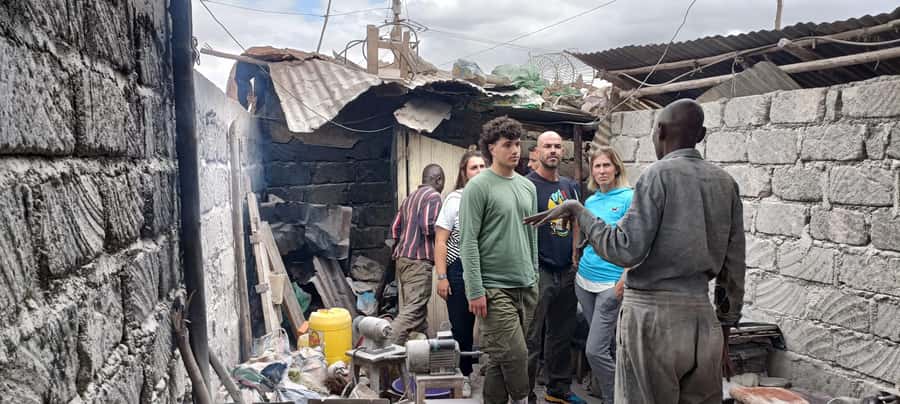
Kibera is often reduced to a statistic or a dramatic photograph. A guided walk gives you a more human picture. You see homes, shops, workshops, community projects, and people going about ordinary tasks. The point is not to treat hardship as a spectacle. It is to listen, ask careful questions, and understand how residents build lives within difficult conditions.
The tour title uses the name Chocolate City, a local term for the area. You can expect contrasts throughout the route: crowded paths beside places of welcome, hard economic conditions alongside creative work, and children’s services operating within a community facing major challenges. The guide’s explanations are essential because the streets alone cannot tell you what you are seeing.
I appreciate that this experience links the walk to practical local work. The Agape Hope Children Centre and beadwork projects give you something more useful than a quick look from a vehicle. You are shown organizations and activities connected to education, care, and income generation. Your ticket is also intended to help support children in Kibera, according to the provider’s information.
Still, you should arrive with the right attitude. This is not a theme park and not a place for careless portrait photography. Ask before photographing people, especially children, and listen to the guide’s instructions. A little respect makes the encounter more meaningful for everyone.
More Walking Tours in Nairobi
- Nairobi: Historic and Modern Highlights Walking Tour
★ 4.8 · 703 reviews - Nairobi Historical Walking City Tour
★ 5.0 · 258 reviews - Nairobi Downtown Walking Tour
★ 4.7 · 208 reviews
Starting at Ayany Equity Bank or Prestige Plaza
The meeting point depends on the option you select. The stated starting choices are Agape Hope for Kibera and Prestige Plaza Shopping Mall. Another part of the route description identifies Ayany Equity Bank Kibera as the point where the walk begins, so confirm the exact place and time before setting out.
This matters in Nairobi. A small difference in meeting point can affect your taxi fare and arrival time. I would save the meeting details on your phone, allow a little extra time, and avoid arriving in a rush. The tour also returns to either Prestige Plaza Shopping Mall or Agape Hope for Kibera, depending on your booking.
At the start, the guide gives a safety briefing. That is more than a formality here. You will be walking through narrow, active streets and busy market areas, so staying with the guide and following local instructions is important. The guides have been praised for making people feel comfortable and for checking in during the walk.
If you are concerned about what happens at the end, the guide can help you reach your taxi. Collins and Allan were both specifically praised for waiting until the taxi arrived. That small courtesy is useful, especially if you are unfamiliar with Nairobi or finishing the tour later in the day.
Walking through Chocolate City

The main part of the outing is a guided walk through Kibera, sometimes described in the itinerary as lasting two and a half hours. The overall activity is also advertised as two hours, so allow at least two hours and check your selected departure details. The difference may reflect the option or the time spent at each stop.
The guide leads you through the settlement and explains daily life, local conditions, and the places you pass. You will have time for photographs at suitable points, but the tour is more about context than collecting dramatic images. The guide’s presence helps you understand the difference between seeing a place and knowing what it means to the people who live there.
You may encounter shops, homes, paths, and community spaces close together. The route is described as a walking tour, though bus tour and self-guided options also appear in the itinerary wording. Because the key experience is specifically a guided walk with a professional English-speaking guide, confirm that your selected option includes the format you want.
I would choose the guided option. Kibera is too complex to interpret from a map or from a vehicle window. A resident guide can point out what matters, answer questions, and help you avoid treating the area like a backdrop.
The guides receive the strongest praise in the available feedback. Collins was described as attentive and generous with explanations, often asking if there were more questions. Allan was praised for his kindness and for helping with the return taxi. One visitor also noted that purchases were not forced during the stops. That is important: you can support a project if you wish, but you should not feel pressured into buying.
Agape Hope Children Centre

The Agape Hope Children Centre is one of the most meaningful stops. It gives the tour a clear connection to children and community support rather than leaving you with only a general impression of Kibera.
The centre is presented as a place connected to education, healthcare, and economic empowerment. You can expect the guide to explain its role and help you understand how local initiatives respond to needs in the area. The visit is not simply an interruption in the walk. It shows how community groups try to create opportunity within a difficult setting.
You should keep expectations realistic. The supplied information does not promise a long activity session with children, and one visitor wished there had been more direct interaction. That person also recognized that asking the guide directly might have changed the experience. If meeting community members or learning more about the children’s programs matters to you, ask respectful questions early in the tour.
Do not assume that children are there to entertain you or pose for photographs. Let the guide set the tone. A quiet visit can still be valuable if you pay attention to the work being done and the challenges being discussed.
More Kibera community tours:
- Nairobi: Explore Kibera Slum with Local Guides
★ 4.9 · 365 reviews - Kevins Kibera Slum Tours
★ 5.0 · 213 reviews - Nairobi: Kibera Slum storytelling tour with a Local
★ 5.0 · 185 reviews - Kibera Slum Tour with Lucas
★ 5.0 · 119 reviews
Toi Market and the beadwork stops
The route includes Toi Market, a major sensory change from the quieter parts of the visit. You can expect a marketplace filled with commerce, movement, color, and conversation. The guide helps you move through it while explaining how buying and selling fit into local life.
Markets are often where a place feels most immediate. Here, you see residents working, shopping, and earning money, not simply being described as part of a poor community. That makes Toi Market an important counterweight to the tour’s focus on hardship.
The beadwork section adds another useful layer. You visit a beadwork factory and take part in a community-based beadwork project. These stops show creativity as an income source and give you a chance to support local work directly.
I like this part because it offers a practical exchange. You are not only looking. You can learn how the work is made and, if you choose to buy, put money into a local project. The experience provider says purchases are not forced, which makes the option feel more comfortable.
The exact factory process and the amount of time available are not specified, so do not expect a full craft workshop unless your guide confirms it. Think of it as an introduction to local production, with an opportunity to see and support beadwork.
The home visit and personal connection

A home visit is included, and it can be the most personal part of the tour. It offers a closer look at how people live than you get from walking past streets and shops. It also requires the most care from you.
Follow your guide’s directions closely. Keep your questions polite, avoid making assumptions, and ask before taking any photographs. A home is not a public exhibit. The quality of this stop will depend on the host, the guide, and the attitude you bring.
The available information does not describe the specific home, family, or length of the visit. That uncertainty is worth noting. You may find the encounter moving and useful, but you should not book expecting a staged performance or a standard household tour.
The best approach is to treat it as a chance to listen. The guide can explain what you are seeing without turning the visit into a display of poverty. That balance is important in any informal-settlement tour.
Safety, comfort, and walking conditions
Safety is one of the tour’s strongest points. The route is led by professional guides who provide a briefing, stay with you, and help you navigate the area. Direct feedback about guides making people feel safe is especially reassuring for anyone visiting Kibera for the first time.
That does not mean you should ignore normal city precautions. Stay with the group, keep valuables secure, and follow the guide’s advice. Avoid carrying anything unnecessary. The tour specifically bans weapons, sharp objects, explosive substances, nudity, and bare feet.
Wear comfortable closed-toe shoes. You will be walking through active streets, and high heels are not allowed. The experience is not suitable for wheelchair users or people with mobility impairments, and it is also listed as unsuitable for pregnant women, people with epilepsy, and young babies. The age restrictions are inconsistent, with several different minimum ages shown, so ask the provider before booking for a child.
People prone to motion sickness should also take note, since they are listed among those for whom the activity is unsuitable. Bottled water is included, which is useful in Nairobi’s warmth, though you should still dress for a walk and wear shoes you can manage comfortably.
Languages and guide quality
The activity lists live guiding in English, French, German, Japanese, Italian, and Spanish. That sounds flexible, but the actual language arrangement needs confirmation.
Recent Japanese bookings were handled in English despite Japanese being selected during booking. One person found that perfectly manageable, while another felt disappointed because a Japanese-language tour had been expected. My advice is simple: if you need a language other than English, contact the provider before paying and get confirmation in writing.
The guides themselves are a major reason to book. Collins and Allan are named in direct feedback, and both were praised for kindness, explanations, and attention at the end of the tour. A good guide is especially important here because the experience depends on conversation and context, not just walking from one stop to another.
Is $15 a fair price?
At $15 per person, this is inexpensive for a guided Nairobi experience. The fee includes the professional guide, bottled water, the Kibera walk, visits to the children’s centre and beadwork factory, participation in a community beadwork project, and a home visit.
The value is strongest if you want a local, educational experience rather than a polished sightseeing attraction. You are paying for access, explanation, safety support, and a connection to community projects. The price also helps direct money toward local initiatives, with particular emphasis on children’s support.
The cost does not include every possible purchase at the market or beadwork stops, so bring only what you intend to spend. There is no indication that buying is compulsory. That lets you decide how much extra support fits your budget.
At this price, I would not expect a private, highly personalized tour unless your booking specifically says so. The important value comes from the guide and the community links, not from luxury transport or elaborate facilities.
Who should book this Kibera experience?
I would recommend it if you want to understand Nairobi beyond museums, restaurants, and safari departures. It suits you if you are comfortable walking, asking questions, and seeing difficult realities without expecting them to be softened.
It is also a good choice if you want your spending to connect with local projects. The children’s centre and beadwork visits make the tour more purposeful than a simple drive past the settlement.
You may want to skip it if you dislike uneven walking conditions, need step-free access, or expect a conventional attraction with fixed displays and polished facilities. It is also not the right fit if you want unrestricted photography or guaranteed interaction with children.
Book carefully if language is important. English appears to be the dependable option, even though other languages are listed. Check the meeting point, duration, and child eligibility before confirming.
The booking terms are flexible: you can cancel up to 24 hours before the activity for a full refund, and reserve now while paying later. That helps if your Nairobi schedule is still changing.
Should you book the Chocolate City walk?
Book this tour if you want a guided, human look at Kibera and you value direct support for community work. The strongest reasons are the resident-linked guides, the safety care, the Agape Hope Children Centre, and the chance to see beadwork as local employment rather than just a souvenir.
Go in prepared for a serious experience. You may leave impressed by the community’s strength, but also unsettled by the living conditions you see. That discomfort is part of the point, provided you meet it with respect.
For $15, this is a strong-value introduction to an important part of Nairobi. Confirm the language and exact timing first, then wear good shoes, listen closely, and let the guide set the pace.
FAQ
How much does the Kibera walking tour cost?
The tour costs $15 per person.
How long does the tour last?
The activity is advertised as two hours, while the Kibera walking portion is also listed as two and a half hours in the itinerary. Check the exact timing for your selected option.
Where does the tour begin?
The possible starting points are Agape Hope for Kibera and Prestige Plaza Shopping Mall. The route description also identifies Ayany Equity Bank Kibera as a starting point, so confirm your exact meeting place when booking.
Where does the tour finish?
The possible drop-off points are Prestige Plaza Shopping Mall and Agape Hope for Kibera. Your ending point depends on the option booked.
Is a guide included?
Yes. A professional, English-speaking guide is included. Live guiding is listed in English, French, German, Japanese, Italian, and Spanish.
What places are included during the tour?
The experience includes a Kibera walking tour, Agape Hope Children Centre, a community-based beadwork project, a beadwork factory, Toi Market, and a home visit.
What should I wear or bring?
Bring comfortable shoes and closed-toe shoes. High heels and bare feet are not allowed. Bottled water is included.
Can I cancel the booking?
Yes. You can cancel up to 24 hours in advance for a full refund.
Is the tour suitable for wheelchair users or pregnant women?
No. The activity is listed as unsuitable for wheelchair users, people with mobility impairments, and pregnant women. It is also not suitable for people with epilepsy, motion sickness, or babies under one year old.
Just added in Nairobi
- Wildlife Capital: Half-Day Safari at Nairobi National Park★ 5.0 · 2 reviews
- 3 days maasai mara migration safari★ 4.5 · 7 reviews
- 4 Days Tour Landcruiser in Masai Mara and Lake Nakuru★ 5.0 · 10 reviews
- 4 Days Safari to Lake Nakuru N/P and Maasai Mara N/R★ 5.0 · 18 reviews
- Day Tour to Nairobi national park, Elephants, and Giraffe Center★ 3.5 · 8 reviews
- 6 Days Kenya Budget Group Safari★ 5.0 · 2 reviews
- Maasai Mara Day Trip★ 5.0 · 15 reviews
- 3 Days Masai Mara Wildebeest migration Budget safari★ 5.0 · 2 reviews
Kibera Community Tours, compared.





Kibera Slum Tour with Local Social Entrepreneurs
Read our review →


Browse the lists this tour appears in