

Reviewed · KIBERA COMMUNITY TOURS
Kibera slum tour with Lucas
See Nairobi beyond the postcards. This three-hour walk through Kibera offers a direct look at daily life, local trade, family homes, schools, and community projects. I especially like the local guides born and raised in Kibera, and the fact that 30% of the $35 fee supports Hope and Shine Kibera Centre. The main consideration is simple: expect uneven ground, muddy paths, poverty on full display, and a tour that may feel emotionally heavy.
The experience is led by Lucas and his team, including guides such as Effie, Peter, and Elijah. Their approach is personal rather than polished. You do not just pass through Kibera from a vehicle window. You walk with someone who knows the lanes, the people, and the family home you visit.
In This Review
- Key things to know before you go
- Starting at Greenhouse Mall on Ngong Road
- Toi Market: Nairobi commerce at walking speed
- Victorious Craft Shop and the art of reuse
- Power Women and community-led support
- Entering a Kibera home with the guide’s family
- The old railway line viewpoint
- Hope and Shine Kibera Centre
- What the $35 price really buys
- Safety, photography, and respectful behavior
- Who will get the most from this Kibera tour?
- Should you book the Kibera Slum Tour with Lucas?
- FAQ
- Where does the Kibera tour begin?
- How long does the tour last?
- What language is the tour offered in?
- How much of the fee supports the school?
- What should I bring?
- Is the tour suitable for wheelchair users?
Key things to know before you go

- Meet at Greenhouse Mall: The tour begins at the mall entrance on Ngong Road, where the guide explains the route and expectations.
- Toi Market is a major stop: You walk through sections selling clothing, food, hardware, and other goods in one of Nairobi’s largest open-air markets.
- The home visit is personal: You enter a local house and meet the family of one of the guides on duty.
- Recycled bone crafts are a surprise: Victorious Craft Shop turns domestic animal bones, brass, metal, and other materials into jewelry and ornaments.
- The school gives the tour a clear purpose: Part of your fee helps Hope and Shine Kibera Centre, which serves more than 40 children.
- Bring sturdy shoes: The route includes dirt paths, uneven ground, and potentially wet or muddy sections.
Starting at Greenhouse Mall on Ngong Road

Greenhouse Mall is a practical meeting point. You meet at the entrance, not somewhere buried inside a maze of shops, and the team gives you a short briefing before setting off.
That briefing matters. Kibera is not a theme park, and the guide sets expectations about movement, photography, safety, and respectful behavior. I like that the tour begins with this pause rather than rushing straight into the neighborhood.
The walk is guided in English. The team aims to keep the experience flexible, so the exact pace can reflect your interests and ability. That flexibility has helped solo visitors, older participants, and people who wanted extra time for photographs.
Still, do not mistake flexibility for an easy stroll. The route can involve steps, dirt trails, wet paths, and uneven roads. One 83-year-old participant received careful support from Lucas, while another visitor whose wife used walking sticks said the guides took special care of her. That is encouraging, but you should still judge your own mobility honestly.
The activity is not suitable for wheelchair users. The supplied information also lists it as unsuitable for people over 95 years old. Comfortable shoes are essential, and a camera is welcome.
More Kibera community tours:
- Nairobi: Explore Kibera Slum with Local Guides
★ 4.9 · 365 reviews - Kevins Kibera Slum Tours
★ 5.0 · 213 reviews - Nairobi: Kibera Slum storytelling tour with a Local
★ 5.0 · 185 reviews
Toi Market: Nairobi commerce at walking speed
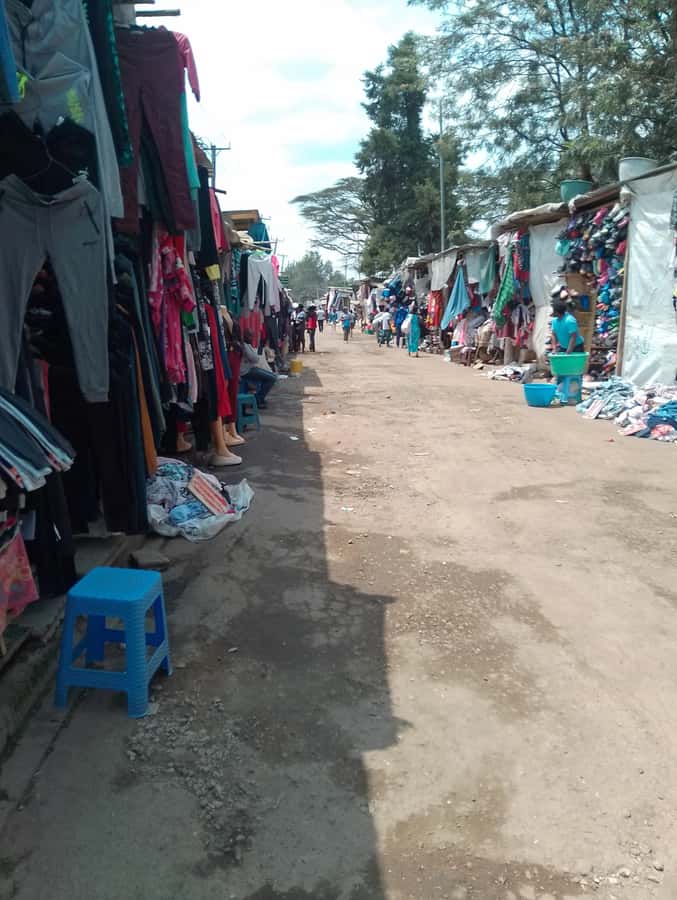
Toi Market is one of the tour’s liveliest sections. It is described as the second-largest open-air market in Nairobi after Gikomba, and the route takes you through different areas of the market rather than offering only a quick look from the edge.
You may see sections selling clothes, food, hardware, and other everyday goods. The value here is not simply taking photographs. Your guide explains how the market fits into local life and helps you interact with traders in a more respectful, informed way.
Walking through a market with a local guide also gives you useful context. A pile of secondhand clothing tells only part of the story. The guide can explain how people shop, work, and earn money in the area, while pointing out the practical systems that keep the market running.
This is a place where you should keep your camera in check. Ask before photographing people, especially stallholders and children. You are entering a workplace and a home area, not simply collecting pictures.
The market can also make the tour feel crowded and busy. If you prefer quiet sightseeing, this part may test your patience. If you like seeing how a neighborhood functions, it is one of the strongest stops.
Victorious Craft Shop and the art of reuse

At Victorious Craft Shop, domestic animal bones are recycled into jewelry and decorative objects, often combined with brass and other materials. This stop brings a different side of Kibera into view: creativity, enterprise, and skill.
The craft work challenges the narrow picture of Kibera as a place defined only by hardship. People are also making products, running shops, teaching skills, and finding value in materials that might otherwise be discarded.
You may also visit another craft center using recycled metal, glass, bone, and similar materials. These stops can be worthwhile if you want to support local makers or take home something linked to the community.
There is one practical warning. The route includes jewelry and craft shops, and you may feel some pressure to buy. You are not required to purchase anything. Ask for prices clearly before deciding, and buy only if you genuinely want the item. Transparent price labels would make this part more comfortable.
That small issue does not erase the value of the visit, but it is worth knowing in advance. A good shopping stop should leave you free to browse without guilt.
Power Women and community-led support
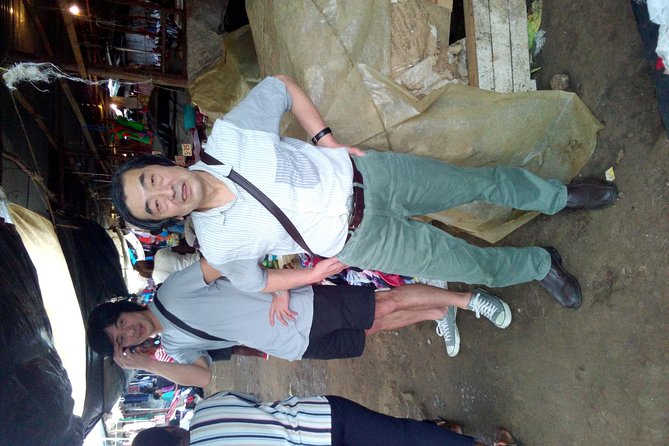
The Power Women shop introduces a group of women who educate young girls about HIV and AIDS. This stop adds a public-health and social-support angle to the tour.
It is easy to look at an informal settlement only through buildings and roads. Meeting people involved in education and health work shows how residents respond to serious challenges themselves.
I would give this stop your full attention. It may be shorter than the market walk, but the subject is important, and the guide can help explain the work in local context.
The tour’s community connection also matters here. Visit Kibera Expeditions is not presenting the area as a backdrop for charity-minded sightseeing. The company links the tour to a local school, and the women’s work adds another example of residents building support systems from within the community.
A few more options to weigh up in Nairobi
- Nairobi National Park Half-Day Tour; Free Wi-Fi connection
★ 5.0 · 878 reviews - Nairobi: National Park & Optional Elephants & Giraffe Center
★ 4.8 · 874 reviews - NAI NAMI: Nairobi Storytelling Tour with Street Children
★ 5.0 · 792 reviews - Nairobi National Park Half-Day Game Drive
★ 4.5 · 738 reviews
Entering a Kibera home with the guide’s family

The home visit is perhaps the most personal part of the experience. You enter a local house and meet the family of one of the guides on duty. Some visitors have met a guide’s mother and described the welcome as warm and memorable.
This stop can help you understand the scale of everyday life in a way that a street walk cannot. You see the interior of a home, learn how the family lives, and hear local perspectives directly.
At the same time, this is where respectful behavior matters most. Keep the visit short and polite. Follow the guide’s instructions about photographs, and do not treat the family’s home as a display.
The home visit can feel intimate, even moving. It may also make the tour feel less comfortable than a standard sightseeing activity. That is part of its value, but you should choose it only if you are ready to meet people on their own terms.
The old railway line viewpoint
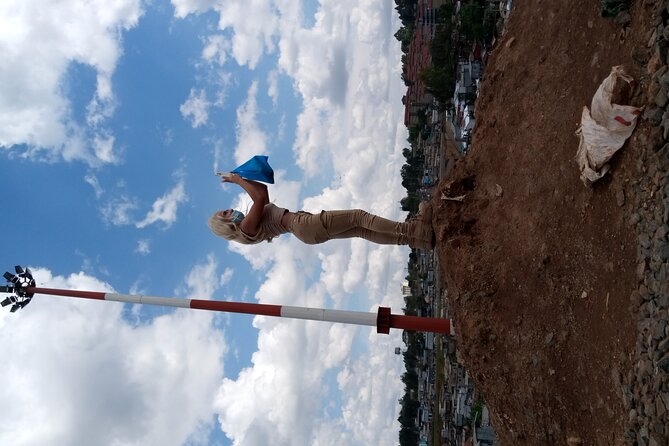
The route reaches a raised point near the old colonial railway line, giving you a wider view across Kibera. After walking through narrow paths and market lanes, this higher position helps you understand the size and density of the settlement.
The view is useful because Kibera can be hard to grasp from ground level. A raised point gives you a sense of the wider area and helps connect the small details you have seen, such as water access, electricity supplies, washing areas, and toilet systems.
The railway setting also adds historical context without turning the tour into a lecture. Your guide can explain how infrastructure and urban growth have shaped life in the area.
Bring your camera, but again, ask before photographing people or private spaces. The viewpoint is one of the better places for a broad image, while close-up portraits require more care.
Hope and Shine Kibera Centre
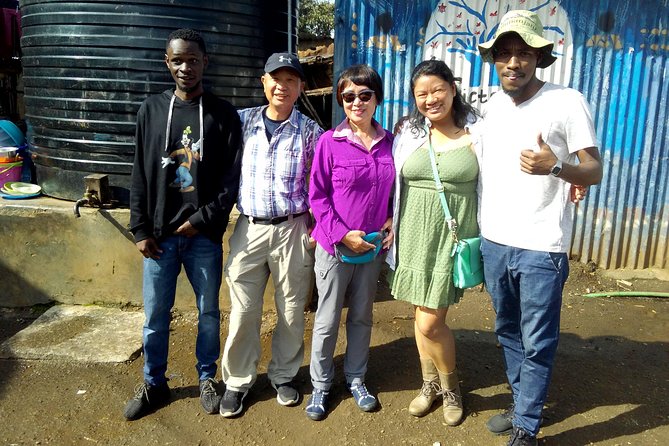
The school is the final major stop, and for many people it becomes the emotional center of the morning. Hope and Shine Kibera Centre hosts more than 40 children, and 30% of the tour fee goes toward supporting the school.
You may meet children and see the work being done to develop or renovate the center. The school gives your $35 a direct local purpose, rather than leaving the community benefit vague.
Some visitors have brought books, coloring pens, and T-shirts. If you are considering bringing supplies, use common sense and ask the tour team in advance what is useful. The information provided does not promise that every donation is needed, so do not assume that arriving with gifts is required.
The school also helps explain why this tour costs a little more than some other Kibera walks. You are paying for a local guide, a structured route, safety support, and a community contribution. That does not make every part perfect, but it gives the fee a clear social purpose.
The final departure point is listed as Equity Bank Kibera. From there, arrangements can be made to return toward Greenhouse Mall. One guide helped an older participant arrange an Uber safely at the end, which is a useful sign of attentive service.
What the $35 price really buys

At $35 per person, this is not the cheapest way to see Kibera. The price makes more sense when you look at what is included.
You receive a local English-speaking guide, entry to the planned stops, a three-hour walking experience, safety support, and a direct contribution to the school. You also get access to places you would not sensibly visit alone, including a family home and community projects.
The most important value is interpretation. Without a local guide, you might see market stalls, muddy lanes, and crowded homes but understand little about how they fit together. A guide born and raised in Kibera can explain the neighborhood in human terms.
The tour is also flexible. Guides such as Effie, Peter, Elijah, and Lucas have adjusted the pace, answered questions, allowed extra photography time, and helped participants with mobility concerns.
You should not expect luxury, air conditioning, or a tidy sightseeing route. You are paying for access, explanation, and community benefit. If that is what you want, the price is fair.
Safety, photography, and respectful behavior
Safety is included throughout the tour, and the strongest practical praise goes to the guides. Solo visitors, including a solo woman traveling alone, have felt safe with the team. Guides have also helped older people and participants with walking difficulties.
That said, no guided walk removes every risk. Stay with your guide, keep your belongings secure, and listen when you are told where to walk or when to put away your camera.
Photography deserves special care. The experience includes many possible photo stops, including the market and the raised railway viewpoint. But a person’s home, child, or work is not automatically yours to photograph.
Ask first. If someone declines, accept it without argument. This simple habit makes the experience more respectful and usually leads to better human contact.
Dress for walking rather than display. Wear comfortable shoes that can handle dirt and mud. The supplied information does not require special clothing, but practical, modest attire is a sensible choice for a community visit.
Who will get the most from this Kibera tour?
I would recommend this experience to you if you want to understand Nairobi beyond its usual attractions. It suits people who value local voices, community projects, markets, and honest discussion of poverty and urban life.
It is a good fit for solo visitors because the guides provide company and safety support. It can also work well for couples and small groups who are willing to walk, listen, and adjust their pace.
Families should think carefully about the home visit and the subjects discussed at the Power Women shop. The available information does not give a minimum age, so ask the operator before booking for young children.
This is not the right choice if you want a polished sightseeing circuit or a quick photo stop. It may also be unsuitable if uneven ground, mud, or several hours of walking would be difficult for you.
The experience has earned a perfect 5.0 rating from 35 reviews, with special praise for the guides’ kindness, clear explanations, safety, and support for the school. Those qualities are more important here than fancy presentation.
Should you book the Kibera Slum Tour with Lucas?
Book it if you want a serious, personal look at daily life in Kibera and you are comfortable with a walking tour that does not soften difficult realities. The strongest reasons are the local guides, the home visit, the Toi Market route, and the school contribution.
Before booking, accept three things: the paths can be rough, the poverty may be upsetting, and the craft shops may include sales pressure. If you handle those points with respect, the tour offers strong value for $35.
I would choose it for the human connection, not for a checklist of sights. You come away with a clearer sense of how people work, support one another, educate children, and create opportunities in a demanding setting. That makes this one of Nairobi’s more meaningful experiences.
FAQ
Where does the Kibera tour begin?
The meeting point is at the entrance of Greenhouse Mall on Ngong Road.
How long does the tour last?
The guided experience lasts three hours. The route includes walking, photography stops, shopping opportunities, scenic views, and breaks.
What language is the tour offered in?
The live tour guide speaks English.
How much of the fee supports the school?
Thirty percent of the tour fee supports Hope and Shine Kibera Centre, a local school serving more than 40 children.
What should I bring?
Bring comfortable walking shoes and a camera. Shoes should be suitable for uneven or muddy paths.
Is the tour suitable for wheelchair users?
No. The tour is not suitable for wheelchair users because the route includes uneven ground and dirt paths.
Just added in Nairobi
- Wildlife Capital: Half-Day Safari at Nairobi National Park★ 5.0 · 2 reviews
- 3 days maasai mara migration safari★ 4.5 · 7 reviews
- 4 Days Tour Landcruiser in Masai Mara and Lake Nakuru★ 5.0 · 10 reviews
- 4 Days Safari to Lake Nakuru N/P and Maasai Mara N/R★ 5.0 · 18 reviews
- Day Tour to Nairobi national park, Elephants, and Giraffe Center★ 3.5 · 8 reviews
- 6 Days Kenya Budget Group Safari★ 5.0 · 2 reviews
- Maasai Mara Day Trip★ 5.0 · 15 reviews
- 3 Days Masai Mara Wildebeest migration Budget safari★ 5.0 · 2 reviews
Kibera Community Tours, compared.





Kibera Slum Tour with Local Social Entrepreneurs
Read our review →


Browse the lists this tour appears in