

Reviewed · KIBERA COMMUNITY TOURS
Guided Tour To Kibera Slum
Expect a tour that changes your view of Nairobi. I like the local guide born and raised in Kibera, and I like the chance to visit real community projects rather than simply drive past the neighborhood. The school and orphanage, bone-bead workshop, family home, and biogas center give you several useful ways to understand daily life.
The main consideration is that this is a sobering walking tour, not a light sightseeing outing. Conditions may feel confronting, and the schedule is not perfectly clear: it is described as about five hours, while the detailed plan also lists six hours. Confirm the timing when you book, especially if you have another commitment.
In This Review
- Key points before you book
- Why a Kibera walk requires the right mindset
- Pickup from Nairobi CBD keeps the day simple
- Walking through Kibera with a local guide
- Mama Tunza’s school and orphanage
- Bone beads and the value of reuse
- A typical Kibera house and everyday questions
- The biogas center and the view over Kibera
- What the $64.88 price includes
- Who will get the most from this experience
- Booking, timing, and cancellation details
- My call: book it for understanding, not spectacle
- FAQ
- How long does the Guided Tour to Kibera Slum last?
- Is hotel pickup included?
- Is airport pickup included?
- Is the tour private?
- What is included in the price?
- What is not included?
- Can I cancel for a full refund?
Key points before you book

- A guide with local roots: Your guide was born and brought up in Kibera, giving the visit a personal connection that a city guide from elsewhere may not provide.
- A school and orphanage visit: You meet Mama Tunza and see the children’s home and school she built.
- Bone beads show local ingenuity: At a bead factory, you see how discarded butcher bones are reused in craft work.
- A family home offers daily context: You can enter a typical Kibera house and ask questions about ordinary life.
- The biogas center provides a broad view: The stop includes a view over Kibera and serves as a photo point.
- Private transport and a private group: Pickup and drop-off within Nairobi CBD are included, and only your group takes part.
Why a Kibera walk requires the right mindset
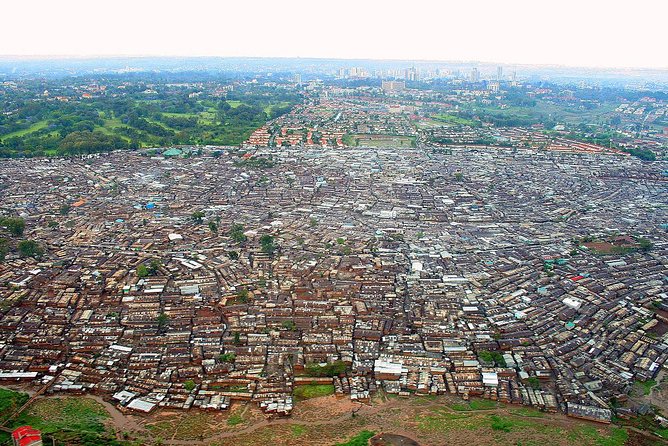
Kibera is not presented as a polished attraction. The purpose is to help you understand how people manage daily life in one of Nairobi’s largest informal settlements. You walk through the neighborhood with a local guide, visit community projects, and meet people connected to education, craft work, and family life.
I appreciate that the visit goes beyond taking photos from a vehicle. You get a chance to ask questions and hear about local efforts directly. At the same time, you should remember that you are entering a working residential area. Be respectful, listen carefully, and follow your guide’s instructions about photography and interaction.
The experience may be especially useful if you want to understand social and economic issues in Nairobi through personal encounters. It may be less suitable if you want a relaxed city tour with monuments, cafés, or a gentle pace.
The guide’s local connection matters here. A person born and raised in Kibera can explain the area from lived experience rather than relying only on general statistics. One especially well-regarded team member is Santa, who handles driving and has been praised for making the outing feel welcoming and well organized.
More Kibera community tours:
- Nairobi: Explore Kibera Slum with Local Guides
★ 4.9 · 365 reviews - Kevins Kibera Slum Tours
★ 5.0 · 213 reviews - Nairobi: Kibera Slum storytelling tour with a Local
★ 5.0 · 185 reviews
Pickup from Nairobi CBD keeps the day simple

Pickup and drop-off are included for hotels or residences within Nairobi CBD. That is a practical advantage because you do not need to arrange a separate taxi to the starting point. The tour begins with a drive to Kibera, followed by the walking portion.
Airport transport is not included. It costs $10 each way if needed, so do not assume that the included transfer covers airport hotels or airport pickup. The included service is specifically for locations within Nairobi CBD.
The tour is private, which means only your group participates. That is helpful for a sensitive visit because you can ask questions without having to compete with a large crowd. It also gives you more room to discuss a subject that may require patience and care.
The total duration is listed as approximately five hours, while the detailed schedule gives six hours. The Kibera portion takes about three to four hours, including two to three hours on foot. I would allow a generous half-day and avoid scheduling an important flight, meeting, or dinner immediately afterward.
Walking through Kibera with a local guide
The walking section is the heart of the outing. You spend two to three hours on foot, visiting several places instead of staying in one area. This gives the tour more substance, but it also means you should be ready for a fairly active visit.
The exact walking conditions are not described, so you should wear practical shoes and clothing that you do not mind wearing for several hours. Bottled drinking water is provided, which is useful during the walk. Food and other drinks are not included, so plan accordingly.
Your guide helps explain what you are seeing and introduces you to local people. The most valuable part is not simply looking at buildings or streets. It is hearing how residents cope with ordinary needs and how local projects try to create income, education, and support.
You should also let the guide set the tone. This is not a place for careless jokes, intrusive questions, or casual photography of people without permission. A good visit depends on courtesy from both sides.
Mama Tunza’s school and orphanage
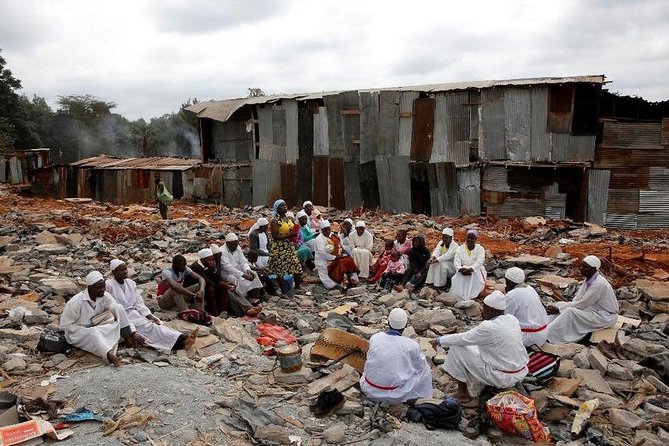
One of the strongest stops is the orphanage and school built by Mama Tunza. You have the opportunity to meet this impressive woman and see the work taking place at the children’s home.
This stop gives the tour a human focus. Instead of discussing hardship only in broad terms, you see one person’s effort to educate and care for children. The school also shows how community action can respond to problems that formal services may not fully cover.
I like this part because it connects the visit to something constructive. You are not only seeing difficult living conditions. You are also learning about education, care, and the determination required to maintain a children’s home.
Still, the setting calls for sensitivity. A school and orphanage should not be treated like a stage set. If you want to bring gifts or take photos, ask your guide what is appropriate. The supplied information does not promise a donation program or a formal chance to interact with every child, so do not arrive with fixed expectations.
A few more options to weigh up in Nairobi
- Nairobi National Park Half-Day Tour; Free Wi-Fi connection
★ 5.0 · 878 reviews - Nairobi: National Park & Optional Elephants & Giraffe Center
★ 4.8 · 874 reviews - NAI NAMI: Nairobi Storytelling Tour with Street Children
★ 5.0 · 792 reviews - Nairobi National Park Half-Day Game Drive
★ 4.5 · 738 reviews
Bone beads and the value of reuse

At the bead factory, you see how butcher bones are turned into beads. It is a small but memorable example of local reuse. Materials that might otherwise become waste are cleaned, shaped, and made into craft items.
This stop adds an economic angle to the tour. You are not just hearing about hardship. You are seeing a practical attempt to create work and turn available materials into something useful. The craft also gives you a clearer sense of how local enterprise can grow from modest resources.
The description does not say how long you spend at the workshop or whether purchases are expected. If beads or other crafts are available, you can decide for yourself if you want to buy something. Do not assume that shopping is a required part of the tour.
The stop may appeal to anyone interested in handmade goods, recycling, or community-based income. It also breaks up the walking route with a hands-on example of production.
A typical Kibera house and everyday questions

The visit to a typical Kibera house is likely to be one of the most direct parts of the day. You are welcomed into one of the homes and can ask questions about daily life.
This is where the tour can move from general observation to personal understanding. A home tells you more than a quick view from the road. You can ask about routines, family life, and the practical challenges of living in the area, while your guide helps keep the conversation respectful and useful.
I value the opportunity, but I would approach it with humility. You are being invited into a private space, so the visit should not become an inspection. Listen more than you speak, and avoid treating someone’s home as an unusual photo opportunity.
The visit is also not a promise that every question will have a simple answer. Kibera is a large community, and one household cannot represent everyone. The home visit is best understood as one personal window into everyday life, not a complete portrait of the entire area.
The biogas center and the view over Kibera

The biogas center provides another useful angle. It is described as a fantastic view over Kibera and a picture point, but it also relates to local solutions for energy and waste.
This stop helps tie together several ideas from the tour. The school shows community care, the bead workshop shows reuse and income, the family home shows private daily life, and the biogas center points toward practical infrastructure. Together, these stops create a fuller picture than a simple walking route.
The view also gives you a chance to pause after the more personal visits. You can take in the scale of Kibera and think about what the guide has explained. I would keep photography thoughtful here too, particularly if homes and residents are visible.
Because the exact facilities and technology are not described, you should not expect a technical demonstration with detailed engineering information. The value is in seeing a local project and placing it within the wider neighborhood.
What the $64.88 price includes
At $64.88 per person, the tour is not the cheapest way to spend a morning in Nairobi. You are paying for private transportation, a local guide, a half-day commitment, and access to several community-focused stops.
The price makes more sense if you are traveling with others. Group discounts are offered, and the private format means your party receives the attention rather than joining a large shared group. For a solo visitor, the per-person cost may feel higher, but the included pickup and drop-off simplify the day.
You also receive drinking water. Food, extra drinks, tips, and airport transfers are not included. Tips are optional, and the airport transfer costs $10 each way.
The strongest value is the local access. A self-guided visit would not provide the same introductions to Mama Tunza, a family home, or the bead workshop. The quality of the experience will depend heavily on the guide, which is why the guide’s personal connection to Kibera is such an important part of the price.
Who will get the most from this experience
I would recommend this tour to you if you want direct social context and are willing to engage respectfully. It suits visitors who prefer meeting local people and learning about community projects over checking off formal attractions.
It may also suit photographers and students interested in urban development, education, recycling, or social enterprise, provided they follow local guidance and ask before taking pictures.
Families may find the school visit meaningful, but parents should decide if the subject matter and walking conditions suit their children. The tour is described as suitable for most participants, yet no detailed accessibility information is provided.
I would not choose it if you want a carefree sightseeing day or a highly polished attraction. The tour can be emotionally heavy, and the walk may require more energy than the basic five-hour label suggests.
Booking, timing, and cancellation details
Confirmation is provided at the time of booking. Free cancellation is available if you cancel at least 24 hours before the start time. A cancellation made less than 24 hours before the start time is not refunded, and changes within that period are not accepted.
Cut-off times use local time in Nairobi. Since the duration is described both as about five hours and as six hours in the detailed schedule, ask for the expected pickup and return time before finalizing other plans.
My call: book it for understanding, not spectacle
You should book the Guided Tour to Kibera Slum if you want a personal, grounded look at community life in Nairobi. The combination of a local guide, Mama Tunza’s school, bone-bead production, a family home, and the biogas center gives the visit real range.
I would skip it if you are uncomfortable entering a residential community or if you want a quick, cheerful attraction. Go with patience, modest expectations, and respect. At $64.88, the tour offers fair value for private transport, a local guide, and access to places you would be unlikely to reach on your own.
FAQ
How long does the Guided Tour to Kibera Slum last?
The tour is described as approximately five hours. The detailed schedule also lists six hours, while the Kibera visit itself takes about three to four hours, including two to three hours of walking.
Is hotel pickup included?
Yes. Pickup and drop-off are included for hotels or residences within Nairobi CBD.
Is airport pickup included?
No. Airport pickup and drop-off are not included in the standard tour. They are available for $10 each way.
Is the tour private?
Yes. Only your group participates in this private tour or activity.
What is included in the price?
The price includes pickup and drop-off within Nairobi CBD, drinking water, and a guide born and raised in Kibera.
What is not included?
Food, drinks other than the provided water, tips, and airport transfers are not included.
Can I cancel for a full refund?
Yes, if you cancel at least 24 hours before the experience start time. Cancellations or changes made less than 24 hours beforehand are not accepted for a refund.
Just added in Nairobi
- Wildlife Capital: Half-Day Safari at Nairobi National Park★ 5.0 · 2 reviews
- 3 days maasai mara migration safari★ 4.5 · 7 reviews
- 4 Days Tour Landcruiser in Masai Mara and Lake Nakuru★ 5.0 · 10 reviews
- 4 Days Safari to Lake Nakuru N/P and Maasai Mara N/R★ 5.0 · 18 reviews
- Day Tour to Nairobi national park, Elephants, and Giraffe Center★ 3.5 · 8 reviews
- 6 Days Kenya Budget Group Safari★ 5.0 · 2 reviews
- Maasai Mara Day Trip★ 5.0 · 15 reviews
- 3 Days Masai Mara Wildebeest migration Budget safari★ 5.0 · 2 reviews
Kibera Community Tours, compared.





Kibera Slum Tour with Local Social Entrepreneurs
Read our review →


Browse the lists this tour appears in