

Reviewed · KIBERA COMMUNITY TOURS
Afternoon Kibera Slum Tour
Kibera rewards a curious, respectful approach. This four to six hour afternoon walk gives you a closer look at daily life, local commerce, and community-led work than a drive-by visit ever could. I like the chance to see Toi Market, a major open-air market tied closely to Kibera’s economy, and I like that guides Lucas and Elijah bring a personal, human touch to the walk.
The afternoon timing is useful because Kibera is active and working, not quiet or staged. The main drawback is simple: this is a walking tour, and one past participant specifically enjoyed walking a lot, so you should be ready for several hours on foot. The $60 price is reasonable for a private experience, but only if you want a serious, people-focused visit rather than a quick sightseeing stop.
In This Review
- Key points before you book
- Why an afternoon walk through Kibera feels different
- Meeting at Greenhouse Mall along Ngong Road
- Toi Market and the working heart of Kibera
- Kibera Pride Orphanage and the value of education
- Victorious Bone Craft Group and creative recycling
- Power Women Group and personal stories
- What the guide adds to the experience
- Walking demands, comfort, and the right mindset
- Is $60 a fair price?
- Who should book this Kibera experience?
- Booking, cancellation, and weather details
- Should you book the afternoon Kibera tour?
- FAQ
- Where does the tour begin?
- How long does the tour last?
- What is the price?
- Is pickup available?
- Is this a private tour?
- What is included in the price?
- Are alcoholic drinks included?
- Can I cancel for a full refund?
Key points before you book

- Meet at Greenhouse Mall: The accredited guide meets you at Greenhouse Mall along Ngong Road before the walk begins.
- Toi Market anchors the route: This large open-air market offers a direct look at the trade that supports much of Kibera.
- Community projects shape the visit: Stops include Kibera Pride Orphanage, Victorious Bone Craft Group, and Power Women Group.
- Private touring matters: Only your own group takes part, giving you more room for questions and conversation.
- Expect a long walk: The tour lasts about four hours, with the wider duration listed as four to six hours.
- Book early: It is commonly reserved about 27 days ahead, so last-minute plans may not work.
Why an afternoon walk through Kibera feels different

Kibera is often reduced to a single word: slum. That label tells you very little. This tour presents Kibera as a working neighborhood where people trade, organize, create, raise children, and build social projects under difficult conditions.
The afternoon setting is important. You see the area during its main working hours, when the market economy and community groups are active. That gives the visit more purpose than arriving when businesses are closed and the streets are quiet.
I also appreciate the stated focus on peace, love, and unity. That does not erase the hardship you will see, and the tour should not be treated as poverty entertainment. Instead, the value comes from meeting the people and groups shaping their own community.
Your guide is central to that experience. Lucas is named as one of the guides, along with Elijah, and their role goes beyond leading the route. They explain what you are seeing, answer questions, and help connect the different stops. A good local guide also helps you understand which parts of the visit call for quiet attention and which invite conversation.
The tone matters. One participant began the program with a heavy feeling, then found the residents more open and approachable than expected as the walk continued. That change is worth noting. You may arrive unsure how to behave, but a respectful guide can help you meet the neighborhood as a place where people live and work, not as a display.
More Kibera community tours:
- Nairobi: Explore Kibera Slum with Local Guides
★ 4.9 · 365 reviews - Kevins Kibera Slum Tours
★ 5.0 · 213 reviews - Nairobi: Kibera Slum storytelling tour with a Local
★ 5.0 · 185 reviews
Meeting at Greenhouse Mall along Ngong Road
The tour begins at Greenhouse Mall along Ngong Road, where an accredited guide meets you. Pickup is offered, but the supplied details do not explain the pickup area, schedule, or whether an extra charge applies. Confirm those points when booking if you do not plan to make your own way to Greenhouse Mall.
The meeting point gives the tour a clear start outside Kibera itself. From there, the guide leads your group into the neighborhood on foot. Since the activity uses a mobile ticket and confirmation arrives at booking, keep the booking details easy to access on your phone.
This is a private activity, so only your group participates. That is a real advantage here. You can ask direct questions without worrying about holding up a large group, and the guide can adjust the conversation to your interests. A private setting can also make a sensitive visit feel less like a mass excursion.
You should allow plenty of time. The main duration is listed as four hours, while the overall experience may take four to six hours. The difference may depend on walking pace, conversation, and how the stops unfold. Do not schedule a tight afternoon appointment afterward.
Toi Market and the working heart of Kibera

Toi Market is one of the main stops, and it gives the tour an economic focus. It is described as Nairobi’s second-largest open-air market and as the backbone of Kibera’s economy. Those details help explain why this is more than a colorful shopping stop.
At Toi, you get a sense of how buying and selling support everyday life in the area. The market also helps place Kibera within Nairobi’s wider commercial system. You are not simply looking at hardship. You are seeing people earn, trade, and keep a local economy moving.
The afternoon is a good fit for this part of the route because the market is likely to be active during working hours. The same timing also means the walk may feel busy and demanding. Keep your attention on the guide and the surroundings, and avoid treating the market as a photo backdrop.
The market can be one of the most memorable sections because it connects the larger social story to ordinary routines. You see how community life depends on commerce, and how a market can serve as an economic anchor in a settlement that developed outside more formal systems.
Kibera Pride Orphanage and the value of education
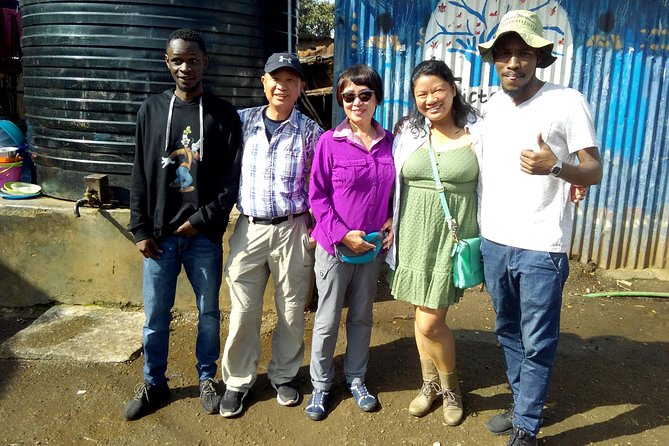
The itinerary includes Kibera Pride Orphanage, which houses more than 25 vulnerable children from the area. This stop shifts the focus from commerce to care, education, and the needs of children growing up in Kibera.
The education theme was especially meaningful to one participant, who came away with a renewed sense of how important schooling is. That response points to the stop’s likely strength: it can turn a broad discussion about poverty into a more personal look at opportunity and support.
This part may also feel emotionally heavy. You should approach it with restraint and respect. Listen first, ask questions through your guide, and avoid assuming that a visit gives you the right to photograph or interact with children in any particular way. The supplied information does not set out photography rules, so ask Lucas or Elijah directly before taking pictures.
The orphanage is not presented as a simple feel-good stop. It is part of a wider explanation of how local organizations respond to vulnerability. That makes it useful for understanding the community, but it may not suit someone seeking a light afternoon outing.
A few more options to weigh up in Nairobi
- Nairobi National Park Half-Day Tour; Free Wi-Fi connection
★ 5.0 · 878 reviews - Nairobi: National Park & Optional Elephants & Giraffe Center
★ 4.8 · 874 reviews - NAI NAMI: Nairobi Storytelling Tour with Street Children
★ 5.0 · 792 reviews - Nairobi National Park Half-Day Game Drive
★ 4.5 · 738 reviews
Victorious Bone Craft Group and creative recycling

Victorious Bone Craft Group offers one of the tour’s more unusual stops. The group recycles domestic animal bones into jewelry, turning a discarded material into a source of creative work and income.
This detail gives the tour a different angle. You see an example of enterprise that is practical, artistic, and tied to recycling. It also shows how formal resources are not the only starting point for a business. People can use local skills and available materials to build something of value.
The stop should appeal to you if you enjoy craft, design, and social enterprise. It offers a concrete story that is easier to understand than a general talk about community development. You can see how creativity becomes part of the local economy.
The listing does not specify whether jewelry is available for purchase, how long the stop lasts, or whether demonstrations take place. Do not assume a shopping opportunity, but you can ask your guide what the group currently offers. That keeps your expectations realistic.
Power Women Group and personal stories
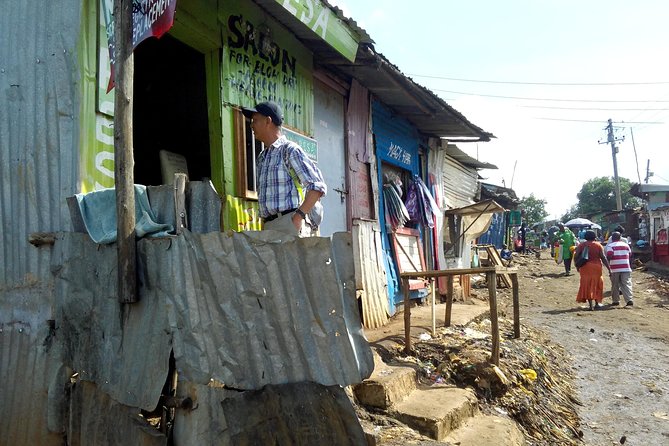
The Power Women Group is another community-based stop. It is described as a group of women living with the effects of HIV/AIDS, and the tour gives you a chance to hear their stories and learn how they support one another.
This is likely to be one of the most personal moments of the afternoon. The value is not in collecting a dramatic story. It is in hearing how people organize around a difficult health and social issue, and how group action can provide strength and purpose.
You may find this section more intimate than the market or craft group. Let the guide set the tone, and listen without forcing questions. The private format helps because your group can take time with the conversation rather than moving through on a fixed, crowded schedule.
The description cuts off before explaining every activity connected with the Power Women Group and shop. Based on the available details, you should expect a visit focused on stories and the group’s work, but confirm whether products, demonstrations, or purchases are part of your particular tour.
What the guide adds to the experience
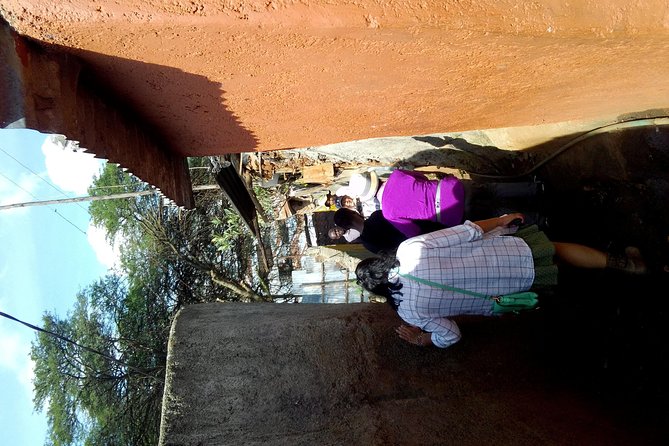
Kibera is not a place you can fully understand from a route map. Context makes the difference. Lucas and Elijah are praised for being professional while still offering a personal touch, and that combination is important on a walk that crosses economic, social, and cultural lines.
You can expect questions to be welcomed. One participant specifically valued the guides’ ability to answer questions, which suggests that the tour is not limited to a memorized speech. Use the opportunity to ask about the market, community groups, education, recycling, and the way Kibera’s residents organize daily life.
The guide also helps prevent the visit from becoming a collection of disconnected stops. Toi Market explains local commerce. Kibera Pride shows the needs of children. Victorious Bone Craft shows creative enterprise. Power Women Group shows mutual support around health and social challenges.
That chain gives the afternoon its shape. You move from the public economy to community care, then to craft and personal stories. The result is more useful than a simple walk through streets without explanation.
Walking demands, comfort, and the right mindset

You should prepare for a lot of walking. The tour is described as a walking tour, and one participant singled this out as a positive feature while warning that others should know about it before booking.
Wear comfortable shoes and plan for a full afternoon on your feet. The details do not specify the exact terrain, rest stops, or facilities, so do not assume the route will be easy. If walking for four hours would be difficult, contact the provider before paying.
The tour is near public transportation, and pickup is offered. Still, the exact transport arrangements are not provided. Confirm where pickup is available and how much time you need to reach Greenhouse Mall.
Your mindset matters as much as your footwear. Kibera is a real neighborhood, not a theme park. You will see hardship, but you will also see work, creativity, family life, and local pride. The best approach is to stay observant, follow the guide’s lead, and treat people as residents with full lives rather than as subjects.
The afternoon schedule may also suit people who want to see the neighborhood at its most active. If you prefer a quiet, highly controlled sightseeing experience, this may feel intense. If you want conversation and direct contact with community projects, the timing works well.
Is $60 a fair price?
The cost is $60 per person, with all fees and taxes included. Alcoholic beverages are not included, though that is hardly a serious concern for a walking tour built around markets and community organizations.
The price makes the most sense when you value a private guide and several connected stops. You are paying for more than a short walk. The experience includes an accredited guide, an afternoon route, access to a range of community-focused locations, and time for questions within your own group.
Value depends on your expectations. If you want a broad introduction to Kibera with local explanation, $60 is a reasonable price. If you expect extensive transport, a meal, shopping, or a polished attraction with fixed facilities, the package may feel less generous because those extras are not listed.
The private format improves the value for couples, families, or small groups who want to shape the conversation. A solo visitor still gets the benefit of a private activity, but the per-person price may feel higher compared with joining a larger group.
There are six ratings averaging five out of five, with praise focused on the guides, the personal quality of the experience, and the lasting impression of the walk. That does not guarantee your own reaction, but it does point to the features that make the price worthwhile: strong guiding and meaningful contact.
Who should book this Kibera experience?
I would recommend this tour to you if you want a serious look at Nairobi beyond standard monuments and shopping areas. It suits people interested in community projects, local enterprise, education, social issues, and the way residents create opportunities with limited resources.
It is also a good choice if you prefer a private tour. You can ask more questions, move at your group’s pace, and discuss sensitive subjects with Lucas or Elijah without a large crowd around you.
You should think twice if you dislike long walks, feel uncomfortable in crowded working neighborhoods, or want a relaxed outing with little emotional weight. The tour includes vulnerable children and people affected by HIV/AIDS, so it demands maturity and respect.
The experience is not designed to make Kibera look easy. It shows both difficulty and resilience. That balance is its greatest strength.
Booking, cancellation, and weather details
The experience usually sells about 27 days in advance, so booking ahead is sensible. Confirmation is provided at the time of booking, and a mobile ticket is accepted.
You can cancel for a full refund up to 24 hours before the start time. Cancellations or changes made within 24 hours are not refunded or accepted. The cut-off uses Nairobi’s local time.
Good weather is required. If the provider cancels because of poor weather, you can choose another date or receive a full refund. Since this is a walking activity, check the forecast and avoid placing it on the only free afternoon of a tightly planned trip.
Should you book the afternoon Kibera tour?
Book it if you want to meet Kibera through its markets, social groups, and local guide rather than view it from a vehicle. Toi Market, the orphanage, Victorious Bone Craft Group, and Power Women Group create a varied route, while Lucas and Elijah add the local explanation that makes the stops meaningful.
The best reason to go is the chance to see a working community with dignity and complexity. The main reason not to go is the walking and emotional weight. If you accept both, the $60 private tour offers a thoughtful and unusually personal afternoon in Nairobi.
FAQ
Where does the tour begin?
The accredited guide meets you at Greenhouse Mall along Ngong Road in Nairobi.
How long does the tour last?
The main duration is about four hours. The overall estimated duration is four to six hours.
What is the price?
The tour costs $60 per person.
Is pickup available?
Pickup is offered, but the supplied details do not specify the pickup locations or arrangements. Confirm those details when booking.
Is this a private tour?
Yes. Only your own group participates in the activity.
What is included in the price?
All fees and taxes are included.
Are alcoholic drinks included?
No. Alcoholic beverages are not included.
Can I cancel for a full refund?
Yes, if you cancel at least 24 hours before the experience begins. Cancellations or changes made less than 24 hours before the start time are not accepted and are not refunded. If poor weather causes the provider to cancel, you are offered another date or a full refund.
Just added in Nairobi
- Wildlife Capital: Half-Day Safari at Nairobi National Park★ 5.0 · 2 reviews
- 3 days maasai mara migration safari★ 4.5 · 7 reviews
- 4 Days Tour Landcruiser in Masai Mara and Lake Nakuru★ 5.0 · 10 reviews
- 4 Days Safari to Lake Nakuru N/P and Maasai Mara N/R★ 5.0 · 18 reviews
- Day Tour to Nairobi national park, Elephants, and Giraffe Center★ 3.5 · 8 reviews
- 6 Days Kenya Budget Group Safari★ 5.0 · 2 reviews
- Maasai Mara Day Trip★ 5.0 · 15 reviews
- 3 Days Masai Mara Wildebeest migration Budget safari★ 5.0 · 2 reviews
Kibera Community Tours, compared.





Kibera Slum Tour with Local Social Entrepreneurs
Read our review →


Browse the lists this tour appears in