
Reviewed · WALKING TOURS
Nature Walk with Giraffes in Mombasa
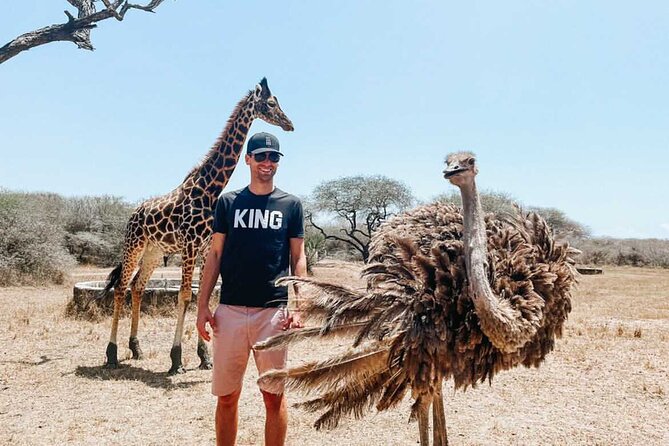
Giraffes make an unforgettable welcome. This two-hour walk at Nguuni Nature Sanctuary gives you an unusually close look at giraffes, ostriches, antelopes, turtles, and other animals without fences between you. I like the genuine, off-the-beaten-track setting and the way the guide can adjust the walking pace if you want more time on the trail or a longer rest.
I also like the small maximum group size of 20, which should make it easier to hear the wildlife briefing and ask questions. The main consideration is the walking itself. The route is not technically difficult, but it can feel like a hike, so bring water, wear sturdy shoes, and expect sun and uneven ground.
In This Review
- Key points at a glance
- Entering Nguuni Nature Sanctuary
- Walking beside giraffes without a fence
- Ostriches, antelopes, turtles, and the rest of the route
- A flexible pace, with time to sit and look around
- What $34 includes, and what it does not
- How difficult is the walk?
- The guide makes the difference
- Who will enjoy this experience most?
- Booking, meeting point, and cancellation details
- FAQ
- Where does the giraffe walk begin and end?
- How long does the activity last?
- What animals can I see?
- Is bottled water included?
- How many people can join the activity?
- What happens if the weather is poor?
- Should you book the Nguuni giraffe walk?
Key points at a glance
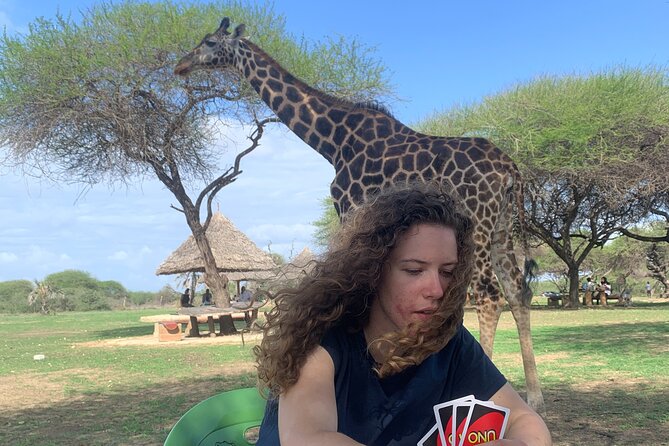
- Giraffes at arm’s length: You can walk very close to freely roaming giraffes without a wall or fence separating you.
- More than a giraffe photo stop: The route includes ostriches, antelopes, turtles, and other sanctuary animals.
- A flexible two-hour outing: The guide can adapt the walking trail and rest time to suit the group.
- A useful safety briefing: You learn how to behave around the animals before setting off.
- Family-friendly extras: Tyre swings in the trees give children, and playful adults, something to do between wildlife encounters.
- Simple value at $34: Fees and taxes are included, while snacks and bottled water are not.
Entering Nguuni Nature Sanctuary
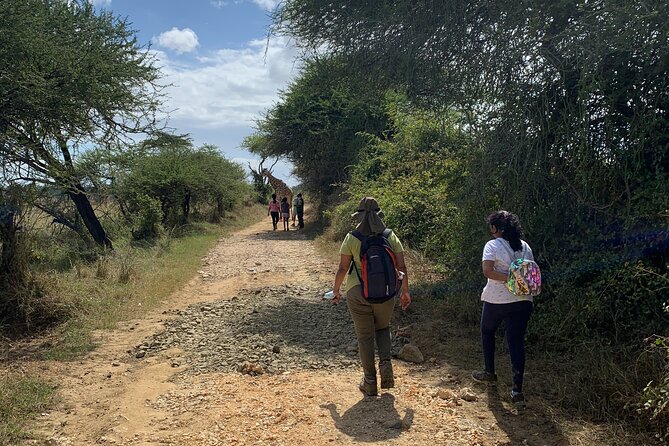
The experience begins at Nguuni Nature Sanctuary, off Kiembeni Road in Mombasa. This is not a quick animal viewing from a vehicle. You arrive at a sanctuary where animals move freely, then set out on foot with a guide.
That difference matters. A standard wildlife drive gives you distance and a broad view. Here, you notice height, movement, and animal behavior in a much more immediate way. A giraffe towering above you is impressive from any angle, but seeing its legs pass nearby gives the encounter a whole different scale.
The sanctuary is also away from the usual tourist circuit. That can be a plus if you want a quieter outing and a less polished setting. It is not presented as a large, formal zoo with a long list of visitor facilities. Think of it more as an animal haven where the walk and the guide do most of the work.
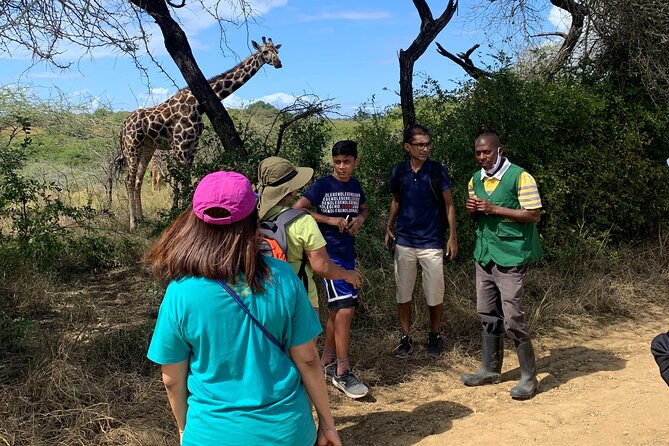
Before you begin, the guide explains the sanctuary, safety rules, and respectful behavior around the animals. Listen closely here. The best encounter is not the one where you get the closest photo. It is the one where you stay calm, give the animals room to behave naturally, and leave without disturbing them.
More Walking Tours in Mombasa
- Walking Tour Through Old Town Mombasa and Fort Jesus
★ 5.0 · 393 reviews - Mombasa: Guided Nature Walk Amongst Giraffes
★ 4.8 · 48 reviews - Mombasa walking tour
★ 4.9 · 28 reviews
Walking beside giraffes without a fence
The main reason to book this outing is simple: you can get exceptionally close to giraffes. The experience description says you may be only inches away, and the walk is designed around the animals rather than a distant viewing platform.
That closeness can feel thrilling, and it may also feel intimidating at first. One person found the giraffes frightening in the beginning, but the guide offered reassurance and even held their hand while they walked past. That detail tells you something useful about the tone of the outing. You are not expected to act fearless, and a good guide will help you feel comfortable while still respecting the animals.
You will want to keep your movements slow and follow instructions. Giraffes may look gentle, but they are large animals, and their size alone deserves caution. Let the guide decide how near you should get. This is a walking experience, not a chance to feed, touch, or crowd the wildlife.
The close range also makes photography easier. The guide can take photos for you, which is helpful when you are busy watching your footing and keeping aware of the animals around you. Still, bring your phone or camera only if you can use it without losing the moment. A giraffe encounter is one of those rare times when the best view may be better than the best picture.
Ostriches, antelopes, turtles, and the rest of the route
Giraffes receive top billing, but the sanctuary walk is not limited to them. The guide takes you around to see the different types of animals living there, including ostriches, antelopes, turtles, and other wildlife.
The ostriches provide a sharp contrast to the giraffes. They are tall and striking, but their movements and behavior feel very different from the slow, elegant rhythm of a giraffe. You may find yourself paying attention to how close you are standing and how the bird reacts to the group.
Turtles offer a quieter stop. One outing included close looks at turtles, giraffes, and an ostrich, so the experience can give you several different animal encounters in a fairly short time. That variety helps keep the walk interesting, particularly for children who may not want to spend two full hours focused on one species.
The guide adds fun facts as you walk. The information is not just decoration. It helps you understand why the animals are kept in the sanctuary and how to behave around them. Since the sanctuary is linked with wildlife conservation in Africa, the walk also gives the experience a purpose beyond taking photographs.
Do not expect a tightly timed procession from one enclosure to the next. The route may change depending on the group, the weather, and where the animals are. That flexible format is part of the appeal, although it means your exact sequence of sightings cannot be guaranteed.
A flexible pace, with time to sit and look around
The walk lasts about two hours, but the pace can be adjusted. If you want to keep moving, the guide can continue along the trail. If you need a break, you can relax for longer at a bench and take in the surroundings.
This is useful for mixed-age groups. A family with energetic children may want to keep the route moving, while someone who needs regular rests can slow down without turning the outing into a race. You should still arrive with a moderate level of physical fitness, since this is a walking activity rather than a stationary animal encounter.
A bench stop may sound like a small detail, but it improves the experience. Wildlife is not a stage show, and the animals will not perform on a schedule. Sitting quietly gives you time to watch the sanctuary instead of rushing from one sighting to the next.
The sanctuary also has tyre swings hanging from trees. They are a simple extra, but they can be handy if children need a change of activity. Adults may find themselves trying one too, especially if the group has a few spare minutes between stops.
Depending on the weather and group, a wildlife tuk tuk may be available to help move people from place to place. This is not guaranteed, so do not book the walk assuming you will ride instead of walking. Treat it as a useful option if the conditions and schedule allow it.
A completely different kind of day:
- Mombasa: Kisite Park Private Cruise with Breakfast and Lunch
★ 4.7 · 181 reviews - Mombasa City Tour
★ 5.0 · 170 reviews - Mombasa: Tusks, Fort Jesus, Old Town, Beach and City Tour
★ 4.7 · 137 reviews - Half-Day Scenic Bike Tour
★ 5.0 · 75 reviews
What $34 includes, and what it does not
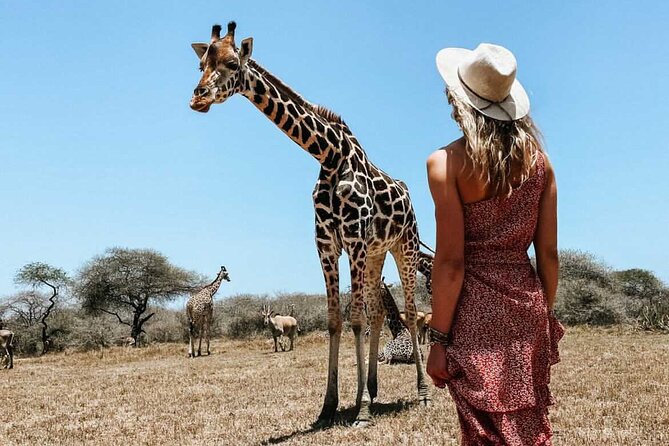
At $34 per person, this is a reasonably priced animal encounter, particularly for anyone who values close access and a guided experience. The cost includes all fees and taxes, so the main price is clear from the start.
The value comes from the combination of the guide, the sanctuary access, and the amount of time available. You are not paying only for a quick photo opportunity. You receive an orientation, a guided route, wildlife information, and time to see several types of animals.
You do need to bring your own bottled water and snacks. This is important because the walk can feel warm and longer than expected, even though it takes about two hours. One practical tip is repeated in the strongest feedback: bring water. You should also eat beforehand if you know you get hungry during outdoor activities.
There is no mention of extra charges for the wildlife tuk tuk when it is used, so ask the operator about its availability and any details on the day. The listed price covers the sanctuary fees and taxes, but it does not cover food or drinks.
How difficult is the walk?
The activity calls for a moderate physical fitness level. That does not mean a demanding trek, but you should be ready to walk around the sanctuary for much of two hours. The route is described as a bit of a hike, though not complicated.
Comfortable footwear is essential. Closed shoes with a reliable sole will make the walk easier than sandals or loose shoes. Long bottoms are also recommended, which can offer more protection from sun, brush, and insects.
The trail may not feel equally easy for everyone. Someone used to long walks may find it gentle, while a young child or anyone with limited stamina may need more rest. The guide can adapt the trail, but you should still be honest about your pace and comfort at the start.
The weather matters too. The activity requires good weather and may be canceled if conditions are poor. If that happens, you can choose another date or receive a full refund. On a sunny day, wear practical outdoor clothing and bring water, since shade and seating may not be available at every point.
The guide makes the difference
The guide is central to this experience. Without guidance, standing close to large animals would be less comfortable and potentially less safe. The opening briefing sets the rules, and the guide then leads you through the sanctuary while sharing animal facts.
The strongest personal details from the experience point to a reassuring guide who helped a nervous participant feel safe and took excellent photos. That is exactly the kind of support you want here. A guide who notices when you are uneasy can turn a frightening first step into a memorable encounter.
You should ask questions as you walk. The group can include people who know very little about giraffes or conservation, along with people who already enjoy wildlife. A small group, capped at 20 people, should make conversation easier than it would be on a large bus tour.
Because the route can be adjusted, tell the guide if you want more time near a certain type of animal, need a rest, or prefer to move at a slower pace. The experience is built to respond to the group rather than follow a rigid minute-by-minute script.
Who will enjoy this experience most?
I would recommend this walk to anyone who wants a close animal encounter but does not have time for a full safari. It is especially suited to visitors based in Mombasa who want a two-hour activity that feels very different from a city tour or beach afternoon.
Families should find plenty to like. The animals provide the main focus, and the tyre swings give children a simple way to burn off energy. Parents should still prepare children to follow safety instructions and stay calm around the animals.
It also works well for photography enthusiasts, provided you are comfortable taking pictures without disrupting the animals. The guide may help with photos, and the close setting gives you a chance to capture giraffes and ostriches at a scale you rarely get in a fenced viewing area.
You may want to skip it if you dislike walking, need guaranteed shade, or expect a fully controlled animal park. The route is outdoors, the weather can affect the activity, and the animals decide what happens. That unpredictability is part of the attraction, but it is not right for every schedule.
Booking, meeting point, and cancellation details
You meet and finish at Nguuni Nature Sanctuary, off Kiembeni Road in Mombasa. The location is near public transportation, and the activity uses a mobile ticket. Confirmation is provided when you book.
This outing is often reserved well ahead of time, with an average booking lead time of about 32 days. If you have a fixed Mombasa itinerary, it is sensible to reserve early rather than leave this for the last morning.
You can cancel for a full refund up to 24 hours before the start time. Changes or cancellations made less than 24 hours before the activity are not refunded or accepted. The cut-off follows local time, so check the exact start time before making changes.
FAQ
Where does the giraffe walk begin and end?
The experience begins at Nguuni Nature Sanctuary, off Kiembeni Road in Mombasa, Kenya. It ends back at the same meeting point.
How long does the activity last?
The walk lasts approximately two hours.
What animals can I see?
The sanctuary includes giraffes, ostriches, antelopes, turtles, and other animals. The guide walks around the sanctuary to visit the different types of wildlife.
Is bottled water included?
No. Bottled water and snacks are not included, so you should bring your own water and food if needed.
How many people can join the activity?
The maximum group size is 20 people.
What happens if the weather is poor?
The activity requires good weather. If it is canceled because of poor conditions, you can choose a different date or receive a full refund.
Should you book the Nguuni giraffe walk?
Book it if your priority is close, personal contact with wildlife in a short and affordable outing. The chance to walk near giraffes without fences is the clear reason to go, and the added ostriches, antelopes, turtles, guide-led conservation information, and flexible pace give the experience more substance than a single animal photo stop.
Prepare properly: bring water, wear comfortable shoes and long bottoms, and expect a real outdoor walk. If you do that, $34 buys an unusually intimate wildlife experience in Mombasa, with enough flexibility to suit families, nervous first-timers, and anyone who wants a memorable morning or afternoon away from the usual tourist path.
Just added in Mombasa
- 4-Day Tsavo East West and Amboseli National Park from Mombasa★ 4.0 · 5 reviews
- 1-Day Tsavo East Safari From Mombasa★ 5.0 · 3 reviews
- Tsavo East National Park 2 days Voi Safari Lodge from Mombasa.★ 5.0 · 2 reviews
- 4×4 Safari in Tsavo East National Park★ 5.0 · 4 reviews
- 4 Days Mount Kenya Trekking★ 5.0 · 6 reviews
- Private Transfer from Mombasa★ 5.0 · 6 reviews
- Swahili Street Food Tour★ 5.0 · 7 reviews
- Fort Jesus Sound and Light show Mombasa★ 4.0 · 17 reviews
Walking Tours, compared.
Walking Tour Through Old Town Mombasa and Fort Jesus
Read our review →
Nairobi Walking tour:Explore History Culture and Traditions
Read our review →

Nairobi City Walking Tour with Traditional Kenyan Lunch
Read our review →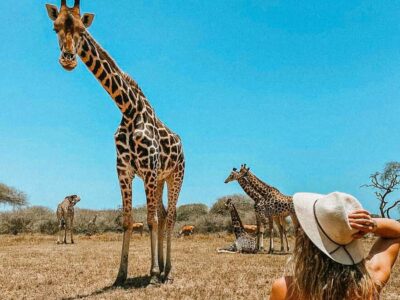

Browse the lists this tour appears in