

Reviewed · HISTORICAL TOURS
Nairobi Walking tour:Explore History Culture and Traditions
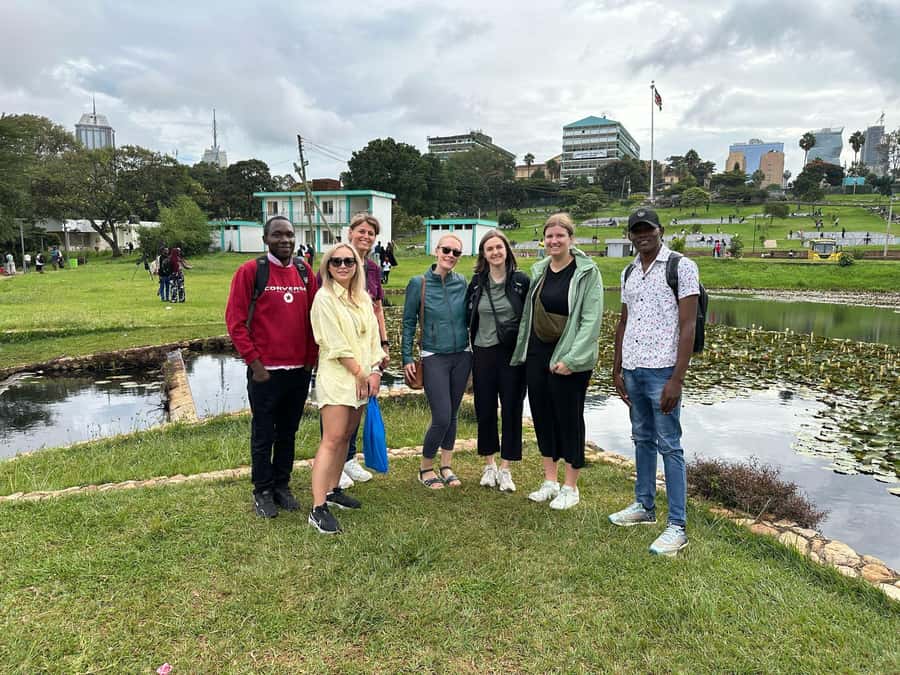
Nairobi rewards you on foot. This three-hour city walk connects monuments, markets, religious buildings, parks, and government landmarks while showing how modern Kenya grew around them. I especially like the local storytelling and the chance to see central Nairobi without constantly checking a phone for directions. The guides, including Edwin, John, Dennis, Sam, and Pierre, are praised for their humor, patience, and strong command of Nairobi’s past and present.
I also like the relaxed attitude to pace. You can stop for photographs, sit on the grass at Uhuru Park, ask about politics or daily life, and enjoy a coffee break rather than race from one sight to the next. The main consideration is simple: this is a packed walking route, and some stops may be brief. Evening departures can also find certain buildings or markets closed, while the KICC helipad costs extra.
In This Review
- Five things to know before you go
- Starting beside the Supreme Court
- Monuments, the monastery, and Nairobi’s public memory
- Jamia Mosque and the many communities of Nairobi
- City Market and Jevanjee Garden
- The coffee break and the pace of the walk
- University of Nairobi and the Norfolk Hotel
- Uhuru Park, Holy Family Basilica, and a welcome rest
- KICC and the best city view
- Masai Market and the Railway Museum
- Bomb Blast Memorial Park and a thoughtful finish
- What the $22 price delivers
- Useful preparation for the three-hour route
- Should you book this Nairobi walking tour?
- FAQ
- Where does the Nairobi walking tour begin?
- Is hotel pickup included?
- How long does the tour last?
- What languages are available?
- Is coffee included in the price?
- Is the KICC helipad fee included?
- What sights are included?
- Is the tour wheelchair accessible?
- What should I bring?
Five things to know before you go
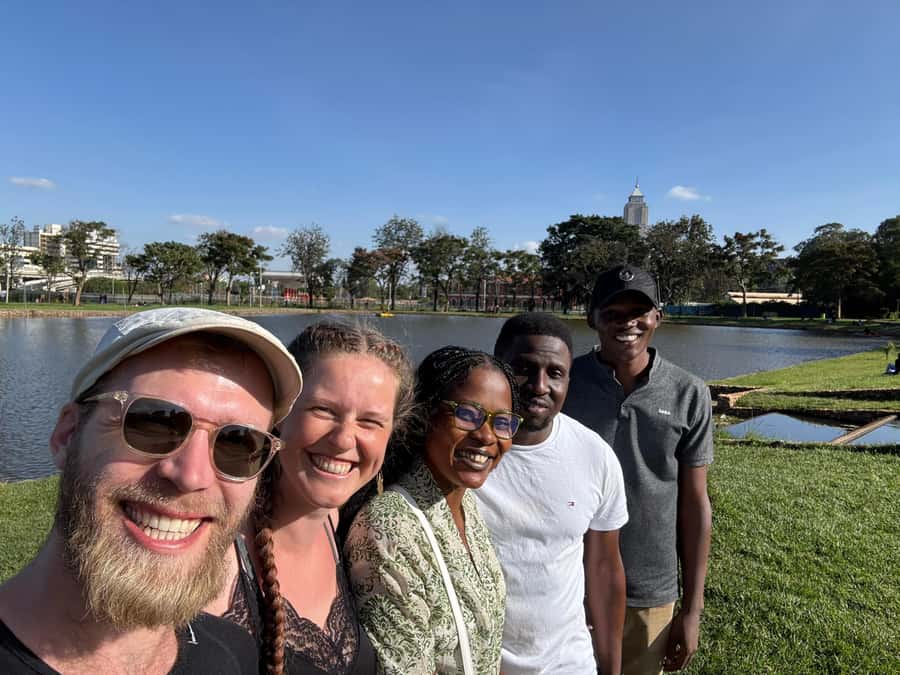
- The walk begins beside Nairobi’s Supreme Court, at the Carrefour entrance, with hotel pickup available within 10 kilometers of Nairobi Municipality.
- Edwin receives especially warm praise, but the wider guide team also includes John, Dennis, Sam, and Pierre, with English, French, and Spanish offered.
- The route covers a lot in three hours, from Jamia Mosque and City Market to Uhuru Park, KICC, and the Railway Museum.
- Coffee is an optional extra, making the café stop a pleasant pause rather than a compulsory purchase.
- The KICC helipad is not included, but it offers one of the city’s best high views if you choose to pay the separate fee.
- Comfortable shoes matter, since this is a real city walk through central Nairobi, not a sightseeing ride with occasional steps.
Starting beside the Supreme Court

The practical beginning is at the Carrefour supermarket entrance next to Nairobi’s Supreme Court. If you are staying at a hotel, apartment, or hostel within 10 kilometers of Nairobi Municipality, pickup to the starting point is included. The listed pickup area reaches across central Nairobi, Westlands, Kilimani, the airport zone, and several nearby hotel districts.
Once you meet your guide, expect a short safety briefing before setting off. That opening matters. Central Nairobi is easier to understand when someone local explains how to move through it, where to pause, and what deserves your attention. Several guides are praised for making people feel safe, particularly when walking through busy parts of the city.
The meeting point near the Supreme Court also gives the tour a useful political and civic starting point. Nairobi is not presented only as a collection of pretty buildings. You begin among institutions that help explain Kenya’s government, public life, and modern identity.
More History Tours in Kenya:
- Nairobi: Historic and Modern Highlights Walking Tour
★ 4.8 · 703 reviews - Nairobi Historical Walking City Tour
★ 5.0 · 258 reviews - Full Day Nairobi Cultural and Historical Tour
★ 5.0 · 153 reviews
Monuments, the monastery, and Nairobi’s public memory
The early route takes in war monuments and a monastery. These stops provide a quieter introduction to the city before the walk moves into markets and major streets.
The war monuments are useful for placing Kenya within wider twentieth-century events. Your guide explains the meaning behind the memorials, rather than leaving you to guess from inscriptions. The value here depends heavily on the guide, and this is where a good storyteller can turn a short stop into a memorable one.
The monastery offers another change of mood. It is listed as a sightseeing stop rather than a long interior visit, so you should not expect an extended religious tour. Still, it adds a calmer architectural and spiritual note to a route otherwise filled with traffic, offices, shops, and public squares.
The McMilan Memorial Library is one of the more distinctive stops. Entry is included, and the building gives you a closer look at Nairobi’s older civic character. It is a worthwhile pause for anyone interested in architecture, books, colonial-era institutions, and the way the city has adapted old buildings to present-day use.
The scheduled timing allows only about 15 minutes at several locations. That is enough for an introduction and photographs, but not for a long museum-style visit. If the library is especially interesting to you, ask your guide how much time is available before moving on.
Jamia Mosque and the many communities of Nairobi
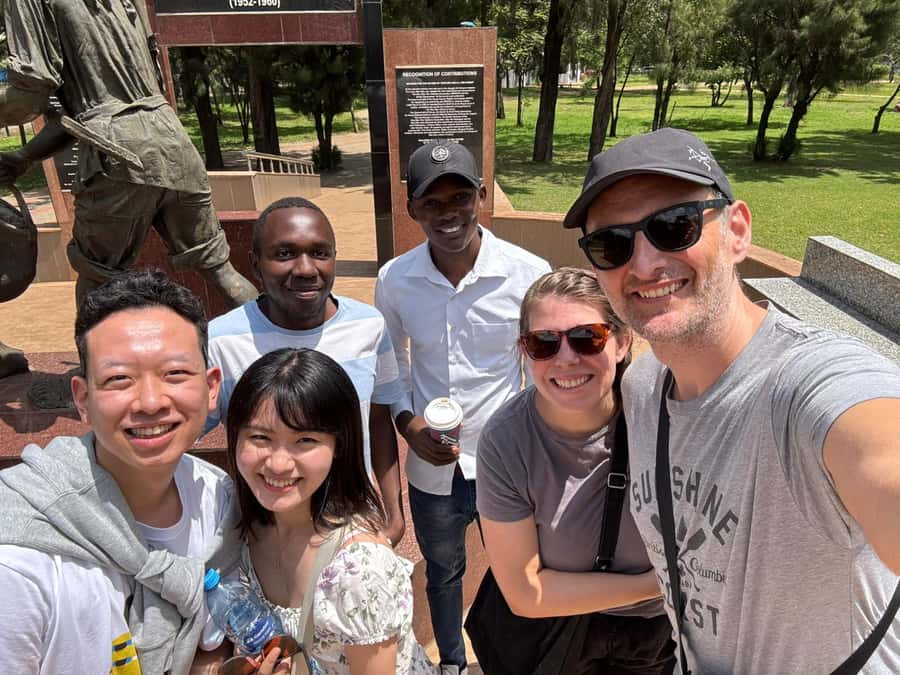
Jamia Mosque brings religious life into the route. Its presence in the city center helps show Nairobi as a place shaped by many communities, faiths, languages, and trading traditions.
The visit is brief, so dress and behave respectfully. Photography is allowed during the experience, but you should still follow your guide’s instructions around religious spaces. The point is not simply to take a picture of the architecture. It is to understand how a major mosque fits into the daily rhythm of downtown Nairobi.
This is also a good moment to ask questions about Kenyan culture and traditions. The strongest part of the tour is often the conversation between sights. Guides have discussed local life, food, sport, geography, politics, and changing city customs, so you can steer the discussion toward what interests you.
City Market and Jevanjee Garden

City Market adds color and movement after the more formal opening stops. You pass through a place where shopping and city life meet, with stalls and local goods creating a sharper sense of ordinary Nairobi.
The tour includes time around the market, and the Masai Market later offers more opportunities to look for crafts and souvenirs. If you plan to buy something, bring patience and a clear idea of what you want. One guide, John, helped a visitor compare prices and bargain for souvenirs, which is exactly the sort of small practical assistance that can make a market visit more comfortable.
Do not feel obliged to buy. The market is valuable even if you only browse. You can watch how the guide handles conversation with sellers and ask about the meaning, use, or origin of items that catch your eye.
Jevanjee Garden gives you a green pause in the center. It breaks up the hard surfaces of the downtown streets and helps explain why open public spaces matter in a fast-growing capital. The route does not treat Nairobi as only offices and traffic. It gives you time to notice gardens, shade, public gathering places, and the city’s changing pace.
More Walking Tours in Kenya:
- Walking Tour Through Old Town Mombasa and Fort Jesus
★ 5.0 · 393 reviews - Nairobi Downtown Walking Tour
★ 4.7 · 208 reviews - Nairobi City Walking Tour with Traditional Kenyan Lunch
★ 5.0 · 106 reviews - Mombasa: Guided Nature Walk Amongst Giraffes
★ 4.8 · 48 reviews
The coffee break and the pace of the walk
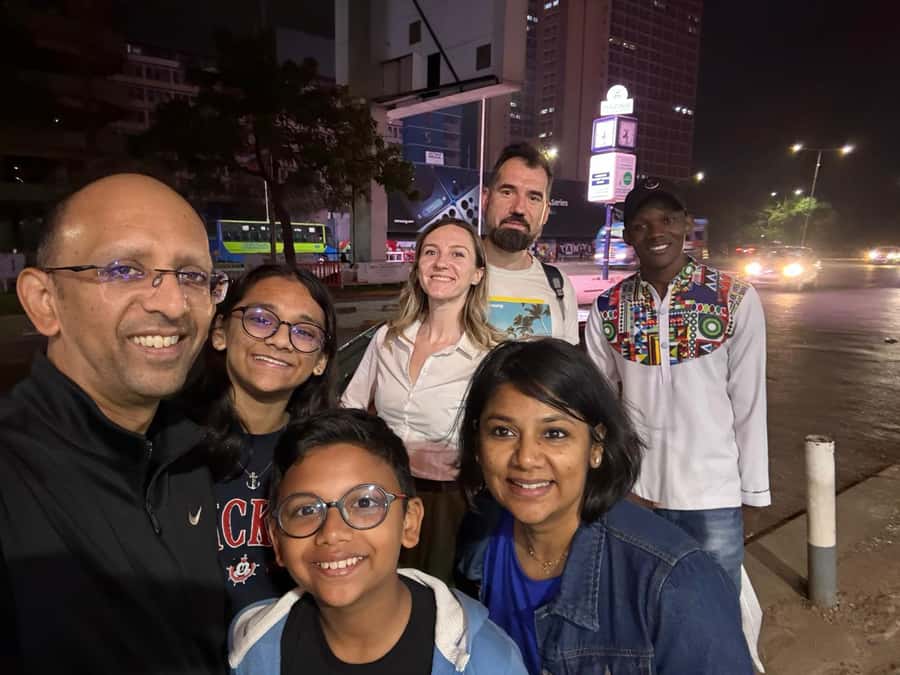
The local café stop is one of the tour’s best practical touches. It usually arrives at a sensible point in the route, when you may welcome a seat, a washroom break, and a chance to cool down. Kenyan coffee is available, but it is optional and not included in the $22 price.
I like that the break is not presented as a forced meal stop. You can decide if you want coffee or simply use the pause to rest and drink water. Meals and other drinks are not included, so carry water and budget for anything you order.
The published duration is three hours, though the actual pace can vary. A small private group may finish in a little over two hours, while a relaxed group can walk close to four hours. Your guide may allow extra time for questions, photos, or a longer pause in Uhuru Park. If you have a tight connection or another booking, tell the guide at the start.
University of Nairobi and the Norfolk Hotel
The walk continues toward the University of Nairobi, with a view of the Norfolk Hotel along the way. This section adds an academic and historic hotel setting to the route.
You will not be spending a long period inside the university. The point is to catch a glimpse of an important Nairobi institution and hear how education, public life, and the city’s older buildings connect. The Norfolk Hotel is another exterior highlight, best treated as a photographic and storytelling stop rather than a full hotel visit.
This stretch is a good example of the tour’s overall style. It links places that might seem unrelated when seen separately. A library, university, mosque, hotel, park, and conference center each say something different about the capital. Your guide helps join those pieces together.
Uhuru Park, Holy Family Basilica, and a welcome rest

Uhuru Park is the route’s most restful stop. Its lawns and greenery offer a break from the streets, and you may have time to sit on the grass while talking with your guide. Several people have appreciated this pause, especially during sunny afternoons.
Bring a hat, sunscreen, and water. Nairobi weather can shift, and the tour takes place outdoors for much of its duration. The park is not just a place to hurry through for a photograph. Give yourself time to notice how it functions as public space in the middle of the capital.
Nearby, the Cathedral Basilica of the Holy Family adds a major religious landmark. The visit is short, but it gives the route another architectural and cultural contrast with Jamia Mosque. Together, the two religious stops help you see the range of faith communities represented in central Nairobi.
You should expect a respectful visit rather than a detailed religious lecture. Ask questions if you want more context, since the guides are generally happy to explain how the buildings fit into local life.
KICC and the best city view
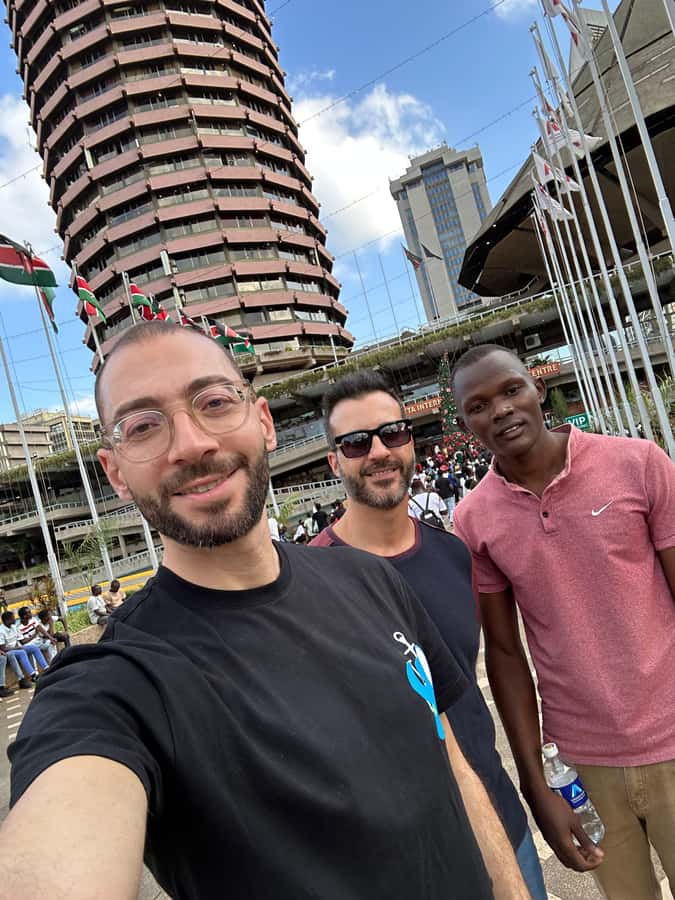
The Kenya International Convention Centre is one of the tour’s main visual rewards. You visit the building and surrounding government offices, then have the option to pay a separate fee for the helipad.
The helipad is not included in the tour price, so check the extra cost before you decide. If open and available, the high viewpoint gives you a broad look over central Nairobi and makes a strong final photograph. One evening walk included this viewpoint, even though some other places were closed, and the guide adjusted the route so the experience still felt complete.
KICC also helps you read Nairobi from above. After walking through markets, gardens, religious sites, and civic buildings, the view gives you a sense of how tightly the central district is arranged. It is a useful visual finish, though you should not assume the helipad fee is part of the $22.
Masai Market and the Railway Museum
The Masai Market is the most obvious place to shop for local crafts. It can be lively and sales-focused, so you may prefer to browse first and buy later. A guide can help you understand prices and negotiate, but purchases remain your responsibility.
The Kenya Railway Museum adds an important transport story. Nairobi grew as a railway city, and the museum helps explain the role of the line in the development of Kenya’s capital. The stop is relatively short, about 12 minutes in the stated schedule, so think of it as an introduction rather than a full museum visit.
The route may pass by or visit some sites depending on the timing, group size, opening hours, and your interests. That flexibility is useful, but it also means the experience is not a guaranteed long stay at every attraction.
Bomb Blast Memorial Park and a thoughtful finish
The Bomb Blast Memorial Park is a solemn final stop. It asks for a different mood from the market or the park, and your guide should give you space to pay respects.
This part of the walk is valuable because it does not avoid difficult chapters in Nairobi’s recent past. The city is presented as a real place, with celebration, faith, commerce, public beauty, and painful memory all existing close together.
You may leave with a more grounded understanding of Nairobi than a standard photo tour provides. The route does not polish away the city’s contrasts. It lets you see them and ask about them.
What the $22 price delivers
At $22 per person, this is strong value if you want an introduction to central Nairobi. The fee covers the guide, pickup to the starting point, entry to McMilan Memorial Library, and entry to Uhuru Park. It also gives you a structured route through many major sights in a short period.
You still pay for coffee, meals, personal purchases, and the KICC helipad. Those extras are easy to control, which keeps the basic cost low. The main value comes from the local guide, the route, and the confidence of walking through the city with someone who can explain what you are seeing.
This tour suits a first visit, a short stay, or a free half-day before a safari. It also works well for solo visitors who want company and direction without booking a private car for every sight. If you dislike walking, want extended museum visits, or prefer a slow architectural tour, the schedule may feel too full.
The guides can adjust the pace. Edwin is repeatedly praised for storytelling, humor, and flexibility, while Pierre is noted for fluent French and Swahili teaching. Spanish, English, and French are available, though you should confirm your preferred language when booking.
Useful preparation for the three-hour route
Wear comfortable walking shoes. The route covers city streets, parks, and several stops, and you will enjoy it more if your feet are not complaining by the second hour.
Carry water, sunscreen, and a hat. Prepare for changing weather, and keep your belongings secure in crowded areas. Photography is allowed, but ask before photographing people or inside religious buildings.
The tour is wheelchair accessible, and hotel, apartment, hostel, and airport pickup is available within the stated municipal range. If your accommodation is not on the pickup list, send the location through WhatsApp as requested by the operator.
Free cancellation is available up to 24 hours before the start, and you can reserve now while paying later. Those terms are useful if your Nairobi schedule depends on flights or changing safari plans.
Should you book this Nairobi walking tour?
I would book it if you want a friendly, practical introduction to Nairobi’s central district for a modest price. The best reasons are the wide range of stops, the optional coffee break, the chance to sit in Uhuru Park, and guides who can discuss far more than dates and building names.
Book with realistic expectations. You are covering a lot of ground, and several visits are short. The KICC helipad costs extra, evening tours may find some sites closed, and the route can run longer or shorter depending on the group.
For first-time visitors, solo explorers, and anyone curious about Kenyan culture, politics, architecture, and daily life, this is a sensible way to begin. If Edwin is available, his storytelling and easy conversation appear to be a particular strength, but the broader guide team has also earned strong praise. At $22, the tour gives you a safe-feeling, human introduction to Nairobi rather than a quick list of sights.
FAQ
Where does the Nairobi walking tour begin?
The tour begins at the Carrefour supermarket entrance beside Nairobi’s Supreme Court building.
Is hotel pickup included?
Yes. Pickup is available from the entrance of a hotel, apartment, or hostel located within 10 kilometers of Nairobi Municipality. If your accommodation is not listed, you can send the location through WhatsApp.
How long does the tour last?
The advertised duration is three hours. The actual walk may be shorter or longer depending on the group size, pace, questions, photographs, and stops.
What languages are available?
The live tour is offered in English, Spanish, and French.
Is coffee included in the price?
No. The café stop is included as a break, but coffee is optional and must be paid for separately.
Is the KICC helipad fee included?
No. The KICC helipad fee is not included in the tour price.
What sights are included?
The route includes war monuments, McMilan Memorial Library, Jamia Mosque, City Market, Jevanjee Garden, the University of Nairobi, the Norfolk Hotel area, Uhuru Park, Holy Family Basilica, KICC, the Masai Market, Kenya Railway Museum, and Bomb Blast Memorial Park.
Is the tour wheelchair accessible?
Yes, the activity is described as wheelchair accessible.
What should I bring?
Bring comfortable walking shoes, water, a hat, and sunscreen. You should also be prepared for changing weather, and photography is allowed.
Just added in Kenya
- Wildlife Capital: Half-Day Safari at Nairobi National Park★ 5.0 · 2 reviews
- 3 days maasai mara migration safari★ 4.5 · 7 reviews
- 4 Days Tour Landcruiser in Masai Mara and Lake Nakuru★ 5.0 · 10 reviews
- 4 Days Safari to Lake Nakuru N/P and Maasai Mara N/R★ 5.0 · 18 reviews
- Day Tour to Nairobi national park, Elephants, and Giraffe Center★ 3.5 · 8 reviews
- 6 Days Kenya Budget Group Safari★ 5.0 · 2 reviews
- Maasai Mara Day Trip★ 5.0 · 15 reviews
- 3 Days Masai Mara Wildebeest migration Budget safari★ 5.0 · 2 reviews
Historical Tours, compared.



Nairobi Cultural and Historical City Tour with a Local
Read our review →
Nairobi souvenir Shopping and Historical Half day Tour
Read our review →

Half-Day Cultural Tour to Bomas of Kenya in Nairobi
Read our review →
Browse the lists this tour appears in