
Reviewed · COFFEE AND TEA FARM TOURS
Nairobi to Kiambethu Tea Farm Tour
Leave Nairobi for a slower cup of tea. The Kiambethu Tea Farm tour trades city traffic for tea fields, an indigenous forest, garden paths, and broad views toward the Ngong Hills. I especially like the mix of practical tea-making lessons and a proper three-course farm lunch, rather than a quick tasting followed by a gift shop stop.
I also like the personal touch from guides such as Fiona, Sarah, Obed, Dennis, and Dunkin. Their roles vary, but the strongest feedback praises warm hosting, good storytelling, Kenyan history, Swahili language help, and prompt hotel pickup. The main consideration is timing: the tour is described as roughly five to six hours, yet the planned schedule can take about seven hours, with a long drive from central Nairobi.
In This Review
- Key Points Before You Book
- Leaving Nairobi for Kiambethu Farm
- Tea, Coffee, and the Story of the Farm
- Walking Through the Indigenous Forest
- Verandah Views and a Three-Course Lunch
- How Long the Day Really Takes
- Guides Make the Transfer Part of the Tour
- Who Will Enjoy Kiambethu Most?
- Price, Booking, and Cancellation
- Final Verdict: A Relaxed Nairobi Day Trip With Substance
- FAQ
- Where does the Kiambethu Tea Farm tour begin?
- How long does the tour last?
- What time do you arrive at Kiambethu Farm?
- Is lunch included?
- Is the tea pack included in the price?
- Is the tour private or shared?
- What is the cancellation policy?
Key Points Before You Book
- Tea fields with Ngong Hills views: The farm setting gives you a peaceful break from Nairobi and a memorable backdrop for lunch.
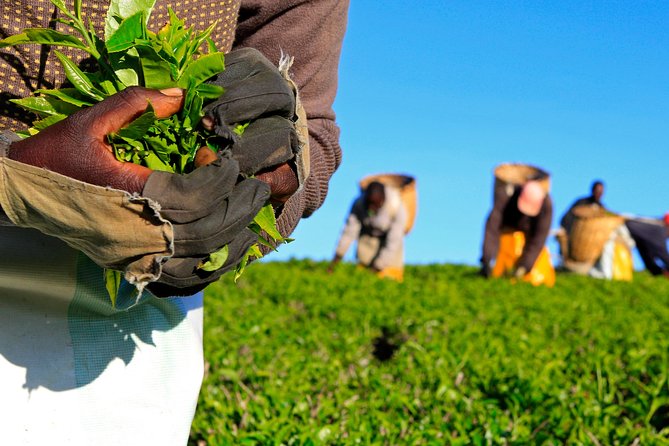
- Tea explained in plain language: You learn how tea is grown and processed, then see the plants in the field.
- A forest walk adds real variety: A resident Kenyan guide identifies indigenous plants and explains their traditional uses.
- The lunch is a major part of the value: You receive a three-course buffet meal, plus tea or coffee and a pre-lunch drink.
- Pickup makes the day easier: Round-trip hotel transfers, a driver or guide, and professional guiding are included.
- Check the schedule carefully: The advertised duration and the detailed timing do not match exactly, so allow most of the day.
Leaving Nairobi for Kiambethu Farm
The day begins with pickup at about 9:30 a.m. The drive is not just a transfer. Several guides have made the journey part of the welcome, talking about Kenya, local life, and, in one case, answering questions in Swahili for a passenger practicing the language.
That matters because Kiambethu is not a quick city-side attraction. One solo visitor described an approximately hour-and-a-half drive to the farm, with the driver sharing information along the way. Exact travel time depends on your hotel and traffic, so you should not plan a tight afternoon appointment back in Nairobi.
The pickup is one of the tour’s strongest practical features. Nairobi traffic can make independent planning tiring, and a round-trip transfer removes the need to arrange a taxi, find the farm, or worry about getting back after lunch. Dennis and Obed were both praised for arriving on time, which is reassuring when your day starts early.
There is one point to clarify before paying. The tour is described as a small-group outing limited to 15 people, while the additional information also calls it a private activity for your group alone. Those descriptions suggest different arrangements. Ask Safari Port whether your booking is private or part of a group, especially if the size of the party matters to you.
More coffee and tea farm tours in Nairobi:
- Nairobi Coffee Farm and Factory Tour
★ 5.0 · 87 reviews - Coffee Farm Village & Factory Half Day Tour with Pick-Up
★ 5.0 · 33 reviews - Private Day Trip to Kiambethu Tea Farm in Limuru from Nairobi
★ 5.0 · 31 reviews
Tea, Coffee, and the Story of the Farm
Arrival is scheduled for around 11 a.m. The visit begins over tea or coffee, with an informal explanation of Kiambethu’s past and the process of making tea. This is a good opening because you get the basic story before walking among the plants.
The presentation is not framed as a technical factory tour. Instead, you learn how tea is grown and processed in a relaxed farm setting. That suits visitors who want context without spending the day inside an industrial facility.
Fiona receives repeated praise for explaining tea harvesting clearly, and her hosting style appears to be warm rather than stiff. Sarah is also praised for making people feel at home. If you enjoy food and drink with a personal story attached, this part gives the meal that follows more meaning.
The tour also appears to include discussion of coffee in at least some guide-led presentations. One account describes Dunkin explaining coffee’s history, types, cultivation, processing, and preparation. Because the main tour description focuses on tea, I would treat coffee coverage as dependent on the guide and the day, not as a guaranteed separate coffee tour.
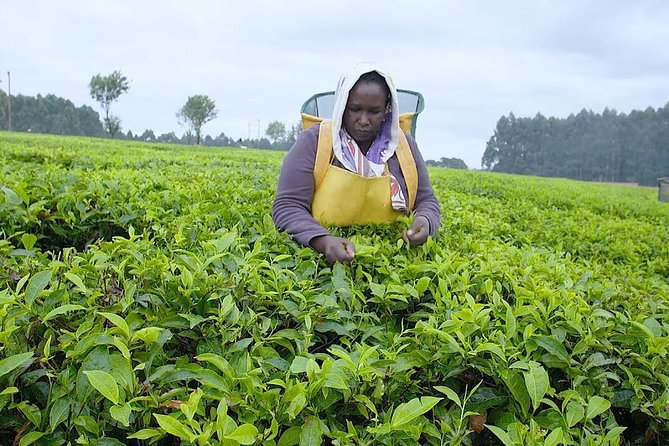
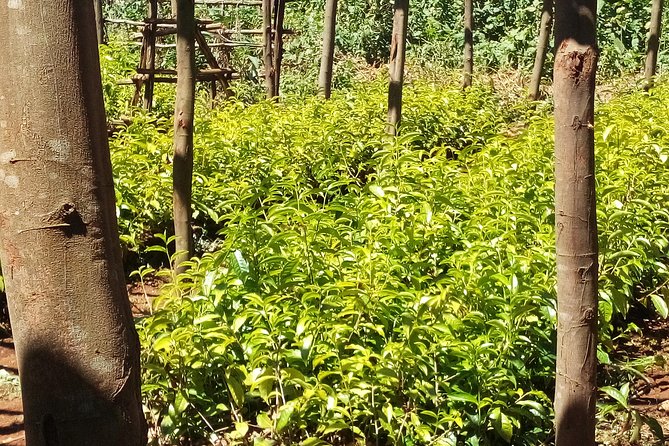
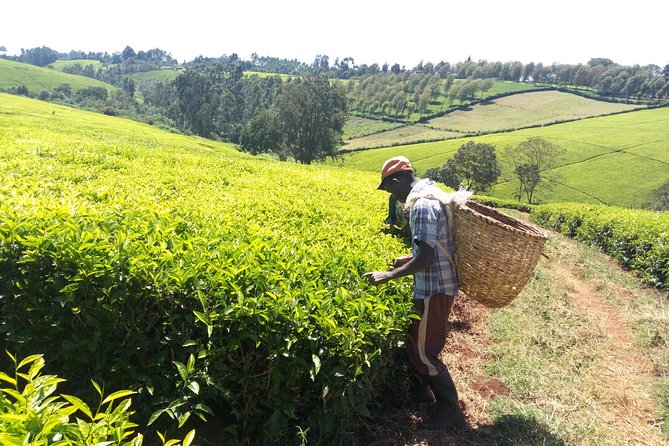
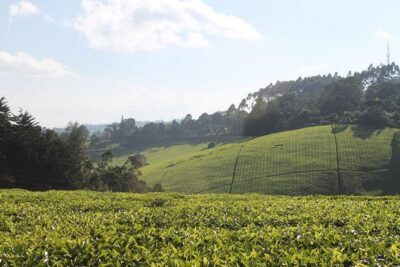
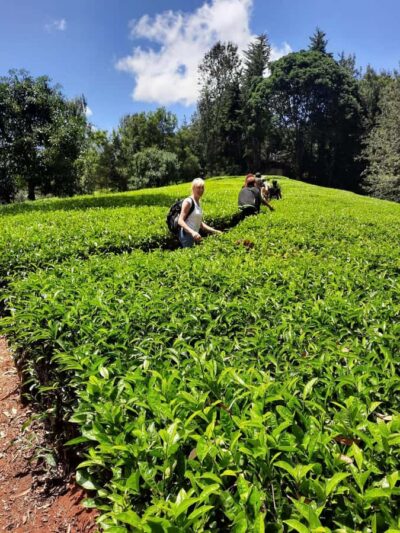
After the introduction, you get a chance to see tea growing in the field. This is valuable for anyone who has only encountered tea as a box of bags or a café drink. You can connect the finished cup with the small plants outside, then better understand the work between planting, harvesting, processing, and serving.
Walking Through the Indigenous Forest
The farm visit is more than a tea lesson. A resident Kenyan guide leads a walk through the indigenous forest, identifying plants and explaining how they have traditionally been used.
This section gives the day a local and natural-history angle. You are not simply looking at rows of tea. You are also learning about the plants that belong to the area and the ways people have used them over time.
The walk is followed by time in the gardens, where you might see a wide range of birds and flowers. Colobus monkeys may also be visible close up. The wording matters here: wildlife sightings are possible, not promised. You should enjoy the forest for the plants and setting first, with monkeys and birds as welcome extras.
The forest walk is likely to appeal most to you if you want gentle activity between meals and talks. It is also useful for people who find a standard plantation visit too narrow. The available information does not give a trail length, terrain details, or accessibility specifics, so ask ahead if you need precise information about walking conditions.
The garden and forest also help explain why the tour receives such warm feedback. Visitors have praised them as an unexpected bonus, not merely a filler between the tea talk and lunch. That is an important distinction. Kiambethu seems to work best as a complete countryside outing, with tea as the thread connecting the different parts.
Verandah Views and a Three-Course Lunch
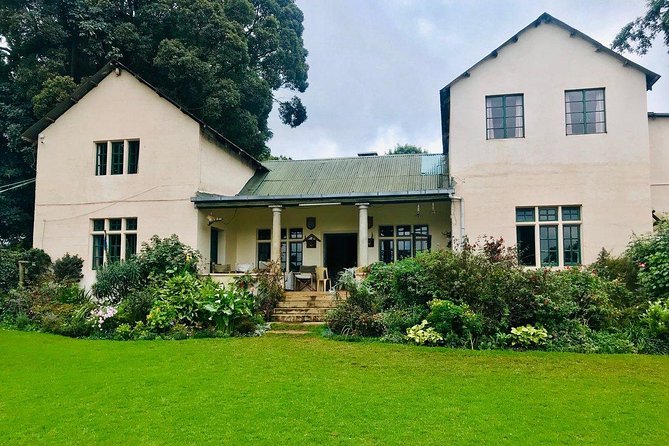
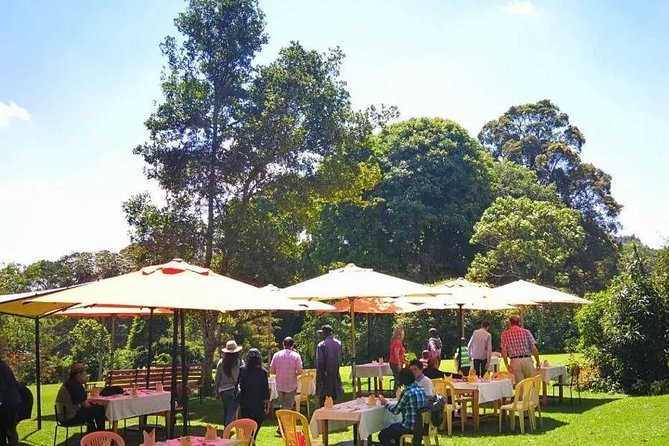
After the walk, you return to the house for a pre-lunch drink on the verandah. From there, you can look across the tea fields toward the Ngong Hills.
This is the point where the schedule slows down. The view, a drink, and the quiet farm setting offer a useful contrast to Nairobi’s busy roads. I would not rush this part. It is one of the main reasons to choose a farm lunch over a short tea tasting.
Lunch is a three-course buffet and is included in the $108 price. Feedback about the meal is unusually strong. One person called it the best meal of a ten-day Kenya visit, while others praised it as an excellent farm-to-table lunch.
The exact dishes are not provided, so I would not book based on a promised menu. Still, the meal appears to be a central part of the outing rather than an afterthought. You receive food, tea or coffee, and the pre-lunch drink as part of the package, along with fees and taxes.
For many people, this is where the tour earns its price. A $108 outing can feel expensive if it only includes transport and a short explanation. Here, the cost covers hotel pickup and drop-off, a driver or guide, a professional guide, the farm visit, the walk, drinks, lunch, and taxes. The value is strongest if you want a full half-day or day trip without arranging each piece yourself.
There is also a tea pack available for purchase, but it is not included. If you want to bring tea home, budget separately. The supplied information does not state the size, price, or type of the pack, so check before assuming it is part of the admission cost.
A few more options to weigh up in Nairobi
- Nairobi National Park Half-Day Tour; Free Wi-Fi connection
★ 5.0 · 878 reviews - Nairobi: National Park & Optional Elephants & Giraffe Center
★ 4.8 · 874 reviews - NAI NAMI: Nairobi Storytelling Tour with Street Children
★ 5.0 · 792 reviews - Nairobi National Park Half-Day Game Drive
★ 4.5 · 738 reviews
How Long the Day Really Takes
The tour is marketed as lasting about five to six hours, but the detailed schedule lists seven hours. Pickup starts at 9:30 a.m., arrival is around 11 a.m., and the drive back follows the farm visit and lunch.
In practical terms, I would reserve most of the day. The meal and forest walk are not rushed add-ons, and traffic in and out of Nairobi can change the return time. Do not schedule a flight, business meeting, or important dinner too close to the estimated finish.
The pace should suit you if you prefer an unhurried outing. You have time to listen, walk, eat, and sit with the view. If you want a packed sightseeing day with several different attractions, this tour may feel too focused on one place.
The 9:30 a.m. start is also worth noting. It is late enough to avoid an extremely early departure, but early enough to leave Nairobi before lunch. Children must be accompanied by an adult, and most people can participate. Smart-casual clothing is requested.
Guides Make the Transfer Part of the Tour
The driver and guide can shape the day as much as the farm itself. Obed was praised for prompt pickup, friendly conversation, and useful information about life in Kenya. Dennis was also described as a strong guide for a solo visitor, providing a sense of safety and company during the long ride.
Fiona’s presentation about tea harvesting receives particular praise. Sarah is remembered for her warm welcome, while Dunkin is praised for storytelling and for explaining coffee in detail. These comments suggest a service that feels personal, though guide assignments can vary.
I would think of the ride as part of the experience, not dead time. If you enjoy asking questions, this is a good chance to learn about Kenya beyond the farm. If you prefer a quiet transfer, you can still enjoy the scenery, but the guiding style may be more conversational than purely logistical.
The private-tour wording may be especially helpful for solo visitors, couples, or families who want flexibility. At the same time, the stated limit of 15 people points to a small-group option. Confirm which format applies to your booking so your expectations match the arrangement.
Who Will Enjoy Kiambethu Most?
I would recommend this outing to you if you want a gentle rural break from Nairobi, enjoy food with a sense of place, or are curious about how tea reaches your cup. It also fits well if you want a day with some walking but no demanding activity.
The tour suits solo visitors particularly well if you value a reliable pickup and a guide who can make a long drive feel useful. Families can participate as long as children are accompanied by an adult. Couples and small groups should appreciate the relaxed lunch and verandah setting.
Birdwatchers and plant lovers may enjoy the forest and gardens, but this is not presented as a dedicated wildlife trip. You might see Colobus monkeys, birds, and flowers, yet sightings are not guaranteed. Choose it for the farm, food, and setting first.
You may want to skip it if your main goal is a large commercial tea factory, a formal production demonstration, or a short activity that finishes quickly. You should also think twice if you dislike long vehicle transfers or cannot spare most of a day.
The dress code is smart casual. Since the program includes a farm visit and forest walk, comfortable clothing and shoes make sense, while still respecting the requested standard. The supplied details do not specify trail conditions, so ask Safari Port if you have mobility concerns.
Price, Booking, and Cancellation
At $108 per person, the price is not a bargain-basement Nairobi excursion. It becomes more reasonable when you count the hotel transfers, guiding, tea or coffee, lunch, fees, and the time saved by not planning transport yourself.
The meal is the strongest reason to see the cost as fair. You are paying for a hosted countryside day, not only access to tea plants. If you would otherwise need to hire a car, arrange a guide, and find lunch, the package may compare well.
The tour is often booked about 30 days ahead, so advance planning is sensible. It offers mobile tickets and group discounts. It is closed every Monday, the last day of each month, Christmas Day, and New Year’s Day.
Free cancellation is available if you cancel at least 24 hours before the local start time. Within 24 hours, the payment is not refunded, and changes are not accepted. That policy is simple, but the timing matters because transport and lunch are arranged around the booking.
Final Verdict: A Relaxed Nairobi Day Trip With Substance
You should book the Kiambethu Tea Farm tour if you want more than a quick photo stop. The combination of tea education, indigenous plants, possible Colobus sightings, gardens, Ngong Hills views, and a serious three-course lunch gives the day a satisfying rhythm.
I would make two checks before booking: confirm whether your reservation is private or shared, and allow seven hours rather than relying on the shorter estimate. If those points work for you, the $108 price is reasonable for a hosted outing with transport and lunch included.
This is especially good for a first visit to Nairobi when you want one peaceful day outside the city. Guides such as Obed, Dennis, Fiona, Sarah, and Dunkin appear to add warmth and useful local context. The result is a calm, food-centered farm visit that feels more personal than a standard sightseeing stop.
FAQ
Where does the Kiambethu Tea Farm tour begin?
The tour begins with pickup in Nairobi. The listed start time is 9:30 a.m., and hotel pickup and drop-off are included.
How long does the tour last?
The tour is described as approximately five to six hours, while the detailed schedule lists seven hours. You should allow most of the day.
What time do you arrive at Kiambethu Farm?
The itinerary gives an arrival time of about 11 a.m. after the morning pickup from Nairobi.
Is lunch included?
Yes. The tour includes a three-course buffet lunch, along with coffee or tea and a pre-lunch drink.
Is the tea pack included in the price?
No. Tea packs are available for purchase separately and are not included in the tour price.
Is the tour private or shared?
The information describes the activity as limited to 15 people and also says only your group will participate. Confirm the arrangement with Safari Port before booking.
What is the cancellation policy?
You can receive a full refund if you cancel at least 24 hours before the local start time. Cancellations or changes made within 24 hours are not accepted and are not refunded.
Just added in Nairobi
- Visit kibera Slum the chocolate city★ 4.8 · 3 reviews
- Visiting the Kibera the biggest slum in Africa★ 3.9 · 2 reviews
- Visit to David Sheldrick Elephant Orphanage★ 5.0 · 1 review
- Wildlife Capital: Half-Day Safari at Nairobi National Park★ 5.0 · 2 reviews
- 3 days maasai mara migration safari★ 4.5 · 7 reviews
- 4 Days Tour Landcruiser in Masai Mara and Lake Nakuru★ 5.0 · 10 reviews
- 4 Days Safari to Lake Nakuru N/P and Maasai Mara N/R★ 5.0 · 18 reviews
- Day Tour to Nairobi national park, Elephants, and Giraffe Center★ 3.5 · 8 reviews
Coffee and Tea Farm Tours, compared.
Coffee Farm Village & Factory Half Day Tour with Pick-Up
Read our review →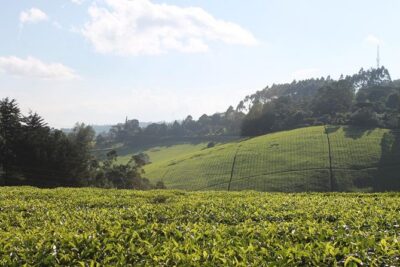
Private Day Trip to Kiambethu Tea Farm in Limuru from Nairobi
Read our review →
Coffee farm tour, coffee roasting and tasting experience
Read our review →Browse the lists this tour appears in