
Reviewed · COFFEE AND TEA FARM TOURS
Nairobi: Guided Coffee Farm Tour with Tastings
Coffee has a story worth tasting. This three-hour outing takes you from Nairobi to a working coffee farm, where you learn about African coffee, meet farmers, study growing methods, and test different flavors. I especially like the hands-on tasting games and the chance to hear about Nairobi and Kenyan culture from guide Patrick Solomon during the drive. The main catch is worth noting: the advertised $27 price may not include the farm entry fee, which can add $30 for an adult.
I also like the practical shape of the visit. You are not simply shown a plantation and handed a cup. You learn about coffee varieties, harvesting, drying, roasting, brewing, and tasting, then finish with a hot coffee and snack. The three-hour schedule is easy to fit into a Nairobi stay, though coffee enthusiasts may wish the farm portion lasted longer.
In This Review
- What makes this coffee tour special
- From Nairobi roads to the coffee farm
- Walking through the plants and varieties
- Picking, processing, and the road to a finished bean
- Inside the liquor room, where the tasting becomes a game
- The final cup and complimentary snack
- Why Patrick matters to the overall experience
- Is $27 a good value?
- Who should book this Nairobi coffee experience?
- Booking, cancellation, and timing tips
- Should you book it?
- FAQ
- How long does the Nairobi coffee farm tour last?
- Is hotel pickup and drop-off included?
- Where should I wait for airport pickup?
- Is the farm entry fee included in the $27 price?
- What will I do at the coffee farm?
- Is food included?
- What language is the tour offered in?
- Can I cancel the booking?
What makes this coffee tour special
- Patrick Solomon adds a Nairobi and Kenya history lesson to the transfers, with Swahili phrases, cultural context, and city pointers.
- You walk among coffee plants and learn how varieties, soil, cross-pollination, and farming methods affect the final cup.
- The tasting is hands-on, with smell-based games, flavor guessing, coffee cherries, and comparisons between different types.
- Farm workers explain the process from growing and harvesting to drying, roasting, and coffee testing.
- Hotel pickup and drop-off are included, making this a simple half-day plan from Nairobi.
- The final cup and snack are included, along with bottled water, Wi-Fi, and possible Kenyan merchandise giveaways.
From Nairobi roads to the coffee farm
The experience begins with pickup in Nairobi. If you are staying at a hotel, you are asked to wait in the lobby 15 minutes before collection. Airport pickup is also available, with the meeting point at the taxi area, where you should wait 15 minutes ahead of time.
The drive is part of the appeal. Patrick has been praised for turning the transfer into a small introduction to Nairobi, pointing out notable places and explaining how the city developed. He has also made brief detours to show places such as the United Nations headquarters and embassy areas when time and plans allowed.
That extra city commentary gives the tour more value than a simple ride to a plantation. If this is your first day in Nairobi, you can use the journey to ask about local customs, food, neighborhoods, and other activities. Patrick also offers a basic Swahili lesson, which is a friendly way to begin speaking with people during the rest of your Kenya trip.
The exact drive time is not given, so traffic can affect how much time you spend at the farm. That matters in Nairobi, where a three-hour booking includes the transfers as well as the farm visit. If you want the longest possible coffee lesson, confirm the pickup time and farm location before booking.
More coffee and tea farm tours in Nairobi:
- Nairobi Coffee Farm and Factory Tour
★ 5.0 · 87 reviews - Nairobi to Kiambethu Tea Farm Tour
★ 5.0 · 51 reviews - Coffee Farm Village & Factory Half Day Tour with Pick-Up
★ 5.0 · 33 reviews
Walking through the plants and varieties
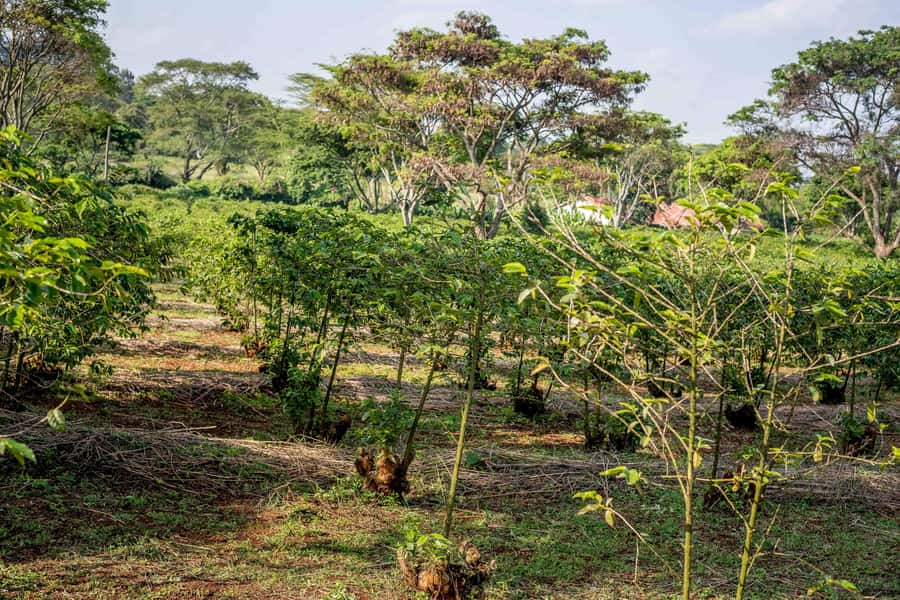
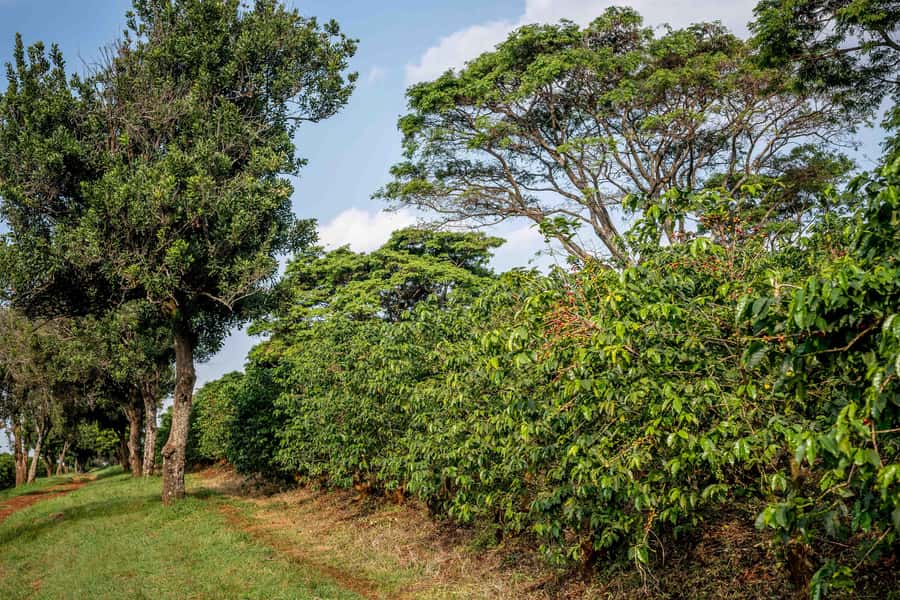
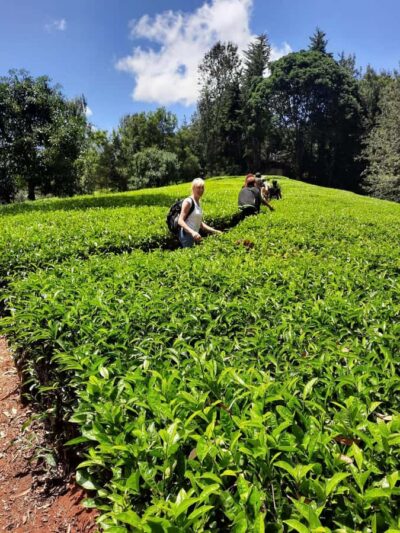
At the farm, the visit begins with a walk among the coffee plants. You learn about different varieties and the advantages and disadvantages of each. This is useful because coffee flavor does not begin in the roasting room. It starts with the plant, its growing conditions, and the choices made by the farmer.
You also learn how coffee is grown and what farmers look for during the season. The experience is designed to bring you close to the work itself, rather than treating the plantation as a photo stop.
The farming section can include discussion of soils, plant differences, cross-pollination, and the way cultivation choices affect flavor. These details give you a better sense of why two coffees can taste different even before roasting enters the picture.
You should expect to walk around the farm, so comfortable shoes are important. A hat can help on a sunny day. The tour is not presented as difficult, but it is not a seated tasting either. People who prefer a short, flat indoor activity may find the outdoor walking less comfortable.
The farm section is especially useful if you normally think of coffee as a finished drink rather than an agricultural product. You see the work behind each cup, including the patience required before the cherries are ready to pick.
Picking, processing, and the road to a finished bean
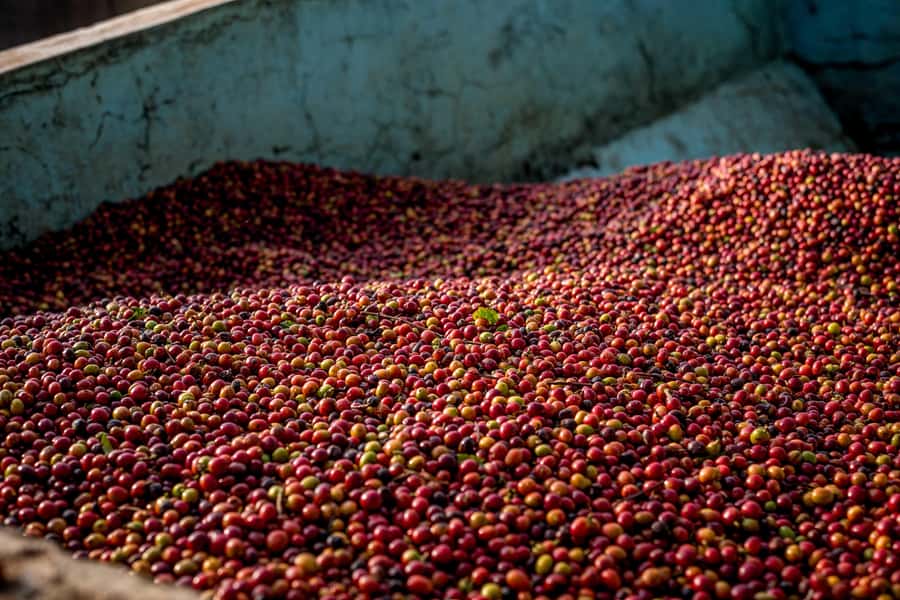
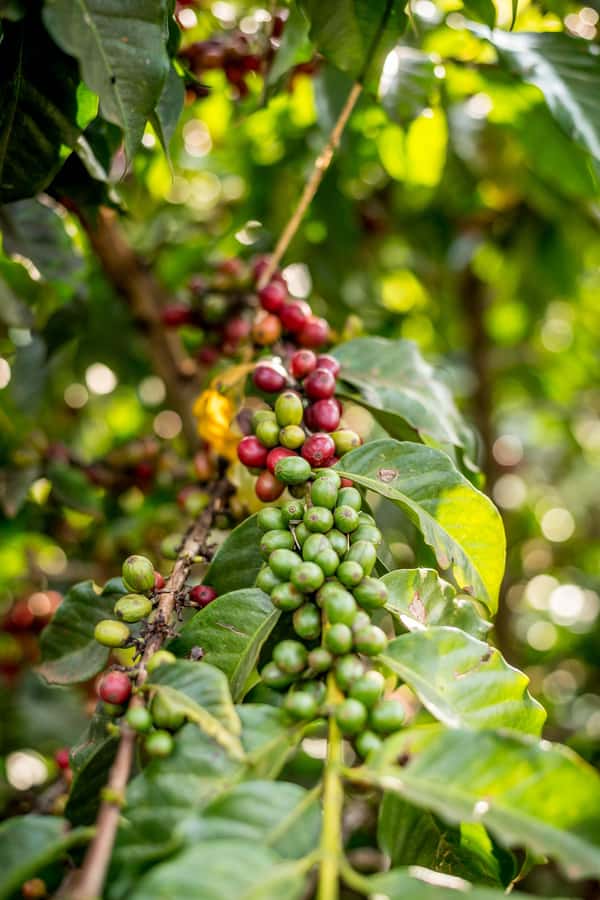
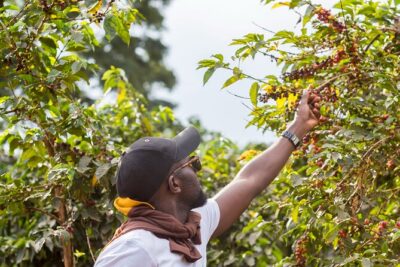
The next part follows the coffee cherry from the plant toward the cup. You learn how to recognize and harvest cherries, then hear about the processes that prepare them for later stages.
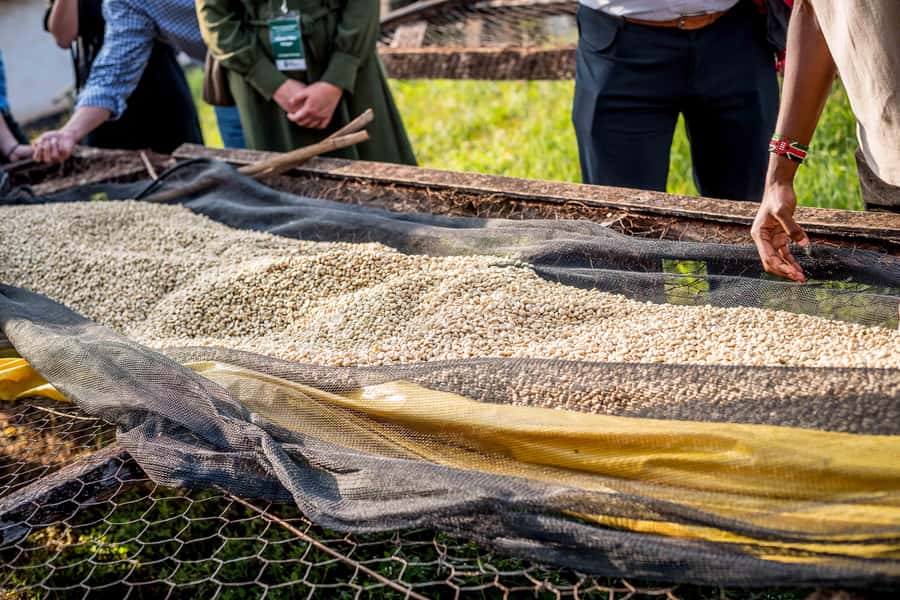
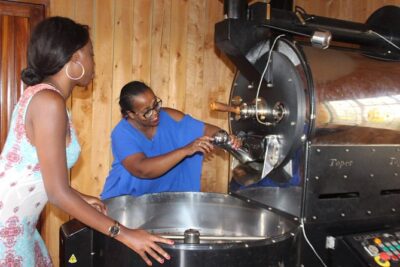
The experience also covers drying, roasting, and coffee testing. That broad range is one of its best features. In a short visit, you get a clear outline of the full chain instead of focusing only on brewing.
You may have the chance to taste coffee cherries and consider their flavor before they become roasted beans. This helps explain why coffee tasting is not just about bitterness or strength. The final flavor develops through plant variety, farming, processing, drying, roasting, and brewing.
The farm staff lead much of the technical coffee explanation, while Patrick adds information about Kenya and the wider setting. This combination works well. You get specialist instruction at the farm and a broader cultural conversation during the transfers.
I would not book this expecting a professional barista certification or an advanced commercial roasting course. It is an accessible introduction, but some coffee fans may already know parts of the process. The tasting and farm work still give the lesson a useful, physical connection.
Inside the liquor room, where the tasting becomes a game
The tasting session takes place in the liquor room. Here, the mood shifts from farming lesson to playful coffee testing.
You take part in smell-based games and learn to distinguish different coffee flavors. The activity is meant to make tasting less intimidating. You do not need to arrive with expert vocabulary or a trained palate.
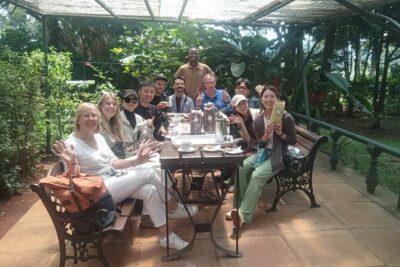
The guessing element gives the session a social feel, especially in a small group. You can compare what you smell and taste with other people, then receive guidance on the flavor differences. If you are traveling alone, the private or small-group format can make this easier than joining a large bus tour.
The tasting also gives meaning to the earlier farm walk. After learning about varieties and growing methods, you can connect those ideas with what reaches your nose and palate. The lesson is not only about drinking coffee. It is about noticing how coffee changes from one type to another.
A word of advice: do not rush the tasting because you are waiting for the final cup. The smell games are part of the experience, and they help you understand how coffee testing works. I would treat this as the central activity rather than a short sample before the snack.
A few more options to weigh up in Nairobi
- Nairobi National Park Half-Day Tour; Free Wi-Fi connection
★ 5.0 · 878 reviews - Nairobi: National Park & Optional Elephants & Giraffe Center
★ 4.8 · 874 reviews - NAI NAMI: Nairobi Storytelling Tour with Street Children
★ 5.0 · 792 reviews - Nairobi National Park Half-Day Game Drive
★ 4.5 · 738 reviews
The final cup and complimentary snack
After the tasting, you choose a hot cup of coffee and receive a complimentary snack. Bottled water is also included.
This ending is simple but well judged. You have just learned about farming, processing, and flavors, so the final cup becomes a chance to enjoy the finished product with fresh context. It is also a welcome pause after walking around the farm.
Food beyond the complimentary snack is not included. If you need a full meal, plan for that separately. The description lists no broader food service, so this tour works best as a coffee-focused half-day activity, not as a replacement for lunch.
Free Wi-Fi is included, and Kenyan merchandise giveaways may be offered. The giveaway is not a reason to book, but it adds a small local touch to the visit.
Why Patrick matters to the overall experience
Patrick Solomon receives repeated praise for being friendly, organized, and easy to talk with. He confirms arrangements, arrives on time according to the supplied feedback, and provides the driving as well as guiding support.
His role goes beyond coffee. During the Nairobi transfers, he explains city history, Kenyan culture, local areas, and places of interest. He has also helped visitors plan other Nairobi activities and offered restaurant and sightseeing suggestions.
The cultural information is a real advantage. A coffee farm visit can easily feel separate from the place you are visiting. Patrick connects the plantation to Nairobi and Kenya, helping you understand more about the country rather than only the crop.
He also appears attentive to individual needs. One visitor who felt unwell received water and cookies, and Patrick stayed close while explaining missed sections of the coffee lesson. That kind of care cannot be promised in every situation, but it gives you a useful idea of the service style.
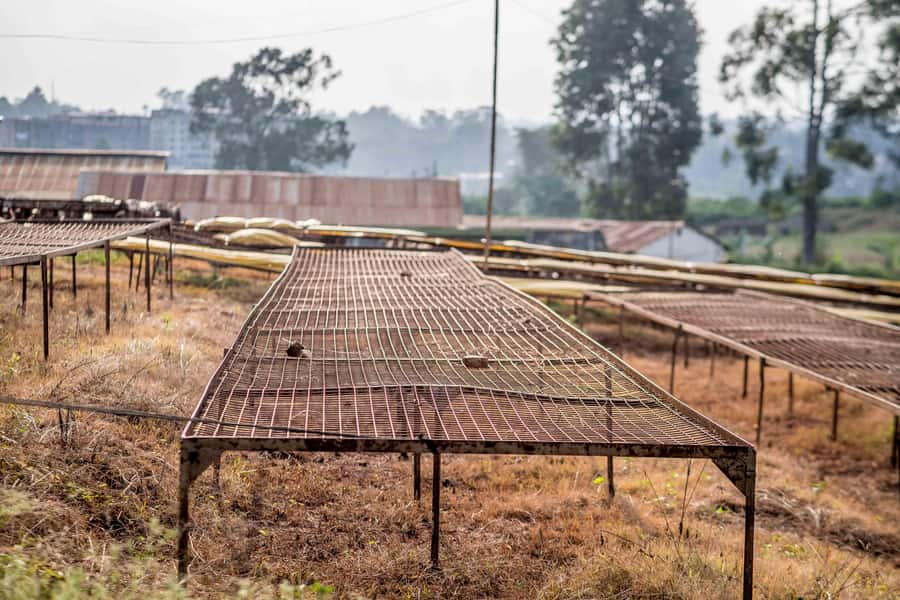
The farm guide also plays an important part. Patrick may join parts of the farm program, but the plantation instruction comes from a coffee farm employee. That division makes sense, since the farm staff can explain the growing and processing work directly.
Is $27 a good value?
The listed price is $27 per person, which looks reasonable for a three-hour private or small-group activity with hotel pickup and drop-off. You also receive a professional guide, farm tour, tasting, hot coffee, snack, bottled water, Wi-Fi, and a basic Swahili lesson.
The important price detail is the entry-fee option. If you do not select an option that includes admission, the farm entry fee is listed as $30 for adults and $15 for children over seven. That adult fee is higher than the advertised tour price, so check the final booking total carefully before paying.
Once the entry fee is added, the outing is no longer a $27 experience. It may still offer fair value because transport and guiding are included, but you need to compare the complete cost with other Nairobi half-day activities.
The value is strongest for solo visitors and couples who appreciate private or small-group attention. It is also useful if you want a driver who can provide city context instead of a basic transfer. If your only goal is to drink excellent coffee, you may find the total cost harder to justify. If you want to understand production and Kenyan culture, the package makes more sense.
Who should book this Nairobi coffee experience?
I would recommend it most strongly to coffee drinkers who want to know how beans are produced. You get a clear introduction to farming, harvesting, processing, roasting, and tasting without needing previous coffee knowledge.
It also suits solo visitors. The small-group or private format, hotel transport, and friendly guide reduce the effort of arranging a farm visit on your own.
First-time visitors to Nairobi can gain extra value from Patrick’s commentary during the ride. You may come away with basic Swahili, a better sense of the city, and ideas for what to do next.
The tour may be less suitable if you dislike walking outdoors, need a highly accessible activity, or want a full meal included. It is listed as unsuitable for people over 95 years old, people over 209 pounds, or 95 kilograms, and hearing-impaired people. Those limits should be taken seriously before booking.
Alcohol and drugs are not allowed. Comfortable shoes and a hat are sensible choices for the farm.
Booking, cancellation, and timing tips
The activity lasts three hours, but the exact start times depend on availability. Since Nairobi traffic can affect the transfer, keep your schedule flexible around the pickup and return.
Free cancellation is available up to 24 hours in advance for a full refund. You can also reserve now and pay later, which helps if your Nairobi plans are still changing.
English is the listed tour language. Private and small-group options are available, but confirm which format and entry-fee arrangement apply to your booking.
Before you go, ask one direct question: does my price include the farm admission? That single check can prevent the biggest surprise in the cost.
Should you book it?
Book this tour if you want more than a quick plantation photo. The combination of farm walking, coffee cherries, processing lessons, smell games, tastings, and a final cup gives you a clear picture of how Kenyan coffee reaches your mug.
I would also book it if you value a guide who can connect the outing to Nairobi. Patrick Solomon’s city commentary, cultural advice, Swahili lesson, and attentive driving add a second layer to the coffee visit.
I would pause if you have limited mobility, need a full meal, or are seeking an advanced coffee course. Also check the entry-fee price before committing. For coffee lovers, solo visitors, and curious first-time visitors to Kenya, this is a practical and personable half-day choice.
FAQ
How long does the Nairobi coffee farm tour last?
The experience lasts three hours, including pickup, the journey to and from the farm, the guided visit, and coffee tasting.
Is hotel pickup and drop-off included?
Yes. Hotel pickup and drop-off in Nairobi are included. If you are at a hotel, wait in the lobby 15 minutes before pickup.
Where should I wait for airport pickup?
Airport pickup takes place at the taxi area. You should wait there 15 minutes before the scheduled pickup time.
Is the farm entry fee included in the $27 price?
It depends on the option selected. If you choose an option without the entry fee, the listed charge is $30 for adults and $15 for children over seven, payable by cash or card.
What will I do at the coffee farm?
You will walk around the farm, learn about coffee varieties and farming techniques, study harvesting and processing, participate in coffee tasting activities, and enjoy a hot cup of coffee with a snack.
Is food included?
A complimentary snack is included with the coffee. Additional food is not included.
What language is the tour offered in?
The live tour is offered in English. A basic Swahili language lesson is also included.
Can I cancel the booking?
Yes. You can cancel up to 24 hours in advance for a full refund. Reserve-now, pay-later booking is also available.
Just added in Nairobi
- Wildlife Capital: Half-Day Safari at Nairobi National Park★ 5.0 · 2 reviews
- 3 days maasai mara migration safari★ 4.5 · 7 reviews
- 4 Days Tour Landcruiser in Masai Mara and Lake Nakuru★ 5.0 · 10 reviews
- 4 Days Safari to Lake Nakuru N/P and Maasai Mara N/R★ 5.0 · 18 reviews
- Day Tour to Nairobi national park, Elephants, and Giraffe Center★ 3.5 · 8 reviews
- 6 Days Kenya Budget Group Safari★ 5.0 · 2 reviews
- Maasai Mara Day Trip★ 5.0 · 15 reviews
- 3 Days Masai Mara Wildebeest migration Budget safari★ 5.0 · 2 reviews
Coffee and Tea Farm Tours, compared.
Coffee Farm Village & Factory Half Day Tour with Pick-Up
Read our review →
Private Day Trip to Kiambethu Tea Farm in Limuru from Nairobi
Read our review →
Coffee farm tour, coffee roasting and tasting experience
Read our review →Browse the lists this tour appears in