
Reviewed · SHOPPING TOURS
Nairobi: Market Visit and Traditional Cooking Class
Food opens doors fast. This five-hour Nairobi experience pairs a local farmer’s market visit with hands-on cooking in a host’s home, giving you a closer look at everyday Kenyan life than a restaurant meal can. I especially like the market shopping and the chance to eat food prepared in a modest family kitchen.
I also like the private format and the generous spread of dishes, from Ugali and Kenyan Pilau to Chapati, Mukimo, Githeri, Mandazi, and Matoke. The main consideration is transport: the host’s home is not easy to reach by public transport, and Uber or a taxi is either your responsibility or an extra cost if the host arranges it.
- A one-hour market visit: Shop for fresh ingredients and see how an ordinary food trip becomes part of the cultural experience.
- Three hours of cooking and lunch: Help prepare a traditional meal in a local home, then sit down to taste it.
- A private group setting: You get direct time with your host rather than joining a large class.
- A wide Kenyan menu: Expect possible tastes of Ugali, Pilau, Mukimo, Chapati, Githeri, fish, Mandazi, Matoke, and more.
- A personal guide named Tasha: One especially praised host was relaxed, funny, intelligent, and generous with local stories.
- A final hour of street food: The day closes with another chance to sample Nairobi’s everyday food culture.
In This Review
- Starting from Parklands, Karen, or Westlands
- Shopping for ingredients at a Nairobi market
- Inside the host’s modest kitchen
- Understanding the Kenyan dishes on the table
- Sharing lunch with a local family
- Nairobi street food for the final hour
- Is $80 a fair price?
- Who will enjoy this five-hour experience?
- Simple ways to prepare
- Should you book the Nairobi market and cooking class?
- FAQ
- How long does the Nairobi market and cooking class last?
- Where can pickup and drop-off take place?
- Is transportation included?
- Is the cooking class private?
- Which language does the host speak?
- What food might be served?
- Is the activity wheelchair accessible?
- What should I bring?
Starting from Parklands, Karen, or Westlands
The experience offers pickup from three Nairobi areas: Parklands, Karen, and Westlands. You then travel to a local market before continuing to the host’s home outside the city.
This arrangement is useful if you are staying in one of those neighborhoods. It gives the day a clear start and finish, with return drop-off available in Karen, Parklands, or Westlands. If your hotel is elsewhere, check the transport plan before booking rather than assuming a pickup is included from every part of Nairobi.
Transport matters here because the home is not easily reached by public transport. Uber and taxis are available, but Uber charges are not included. The host can also arrange hotel pickup and drop-off for an added fee, which may be worth considering if you want fewer moving parts.
The experience is listed as a private group activity. That makes a difference in a cooking class. You can ask questions, work at your own pace, and spend more time talking with the host instead of waiting for attention in a large class.
Shopping for ingredients at a Nairobi market
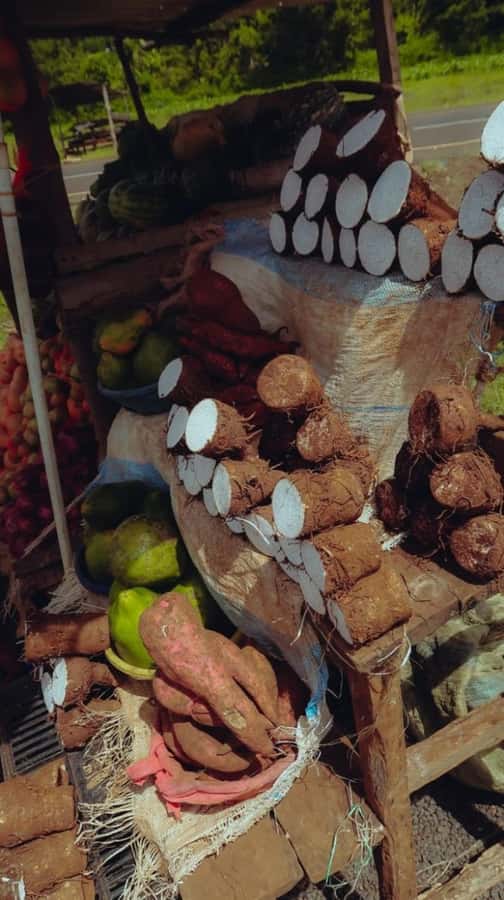
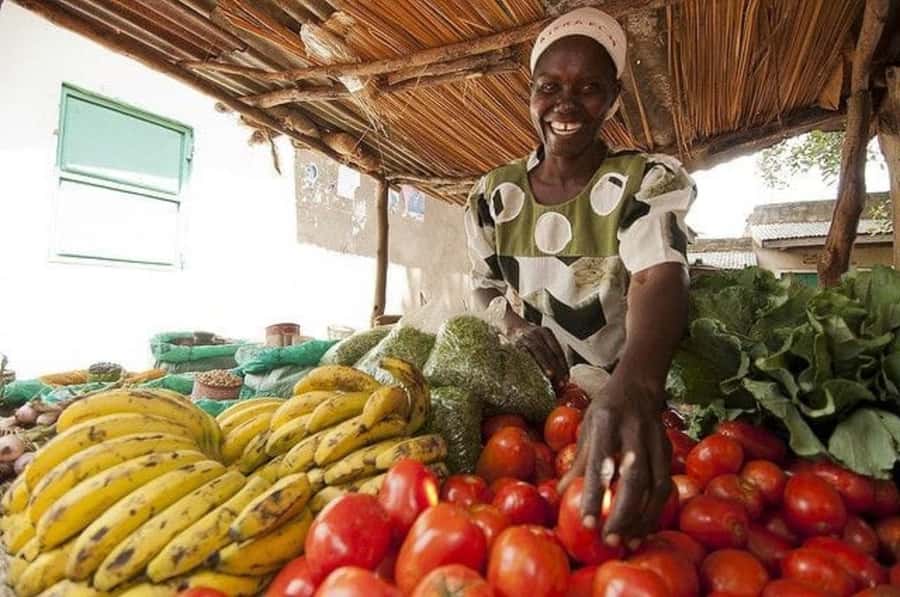
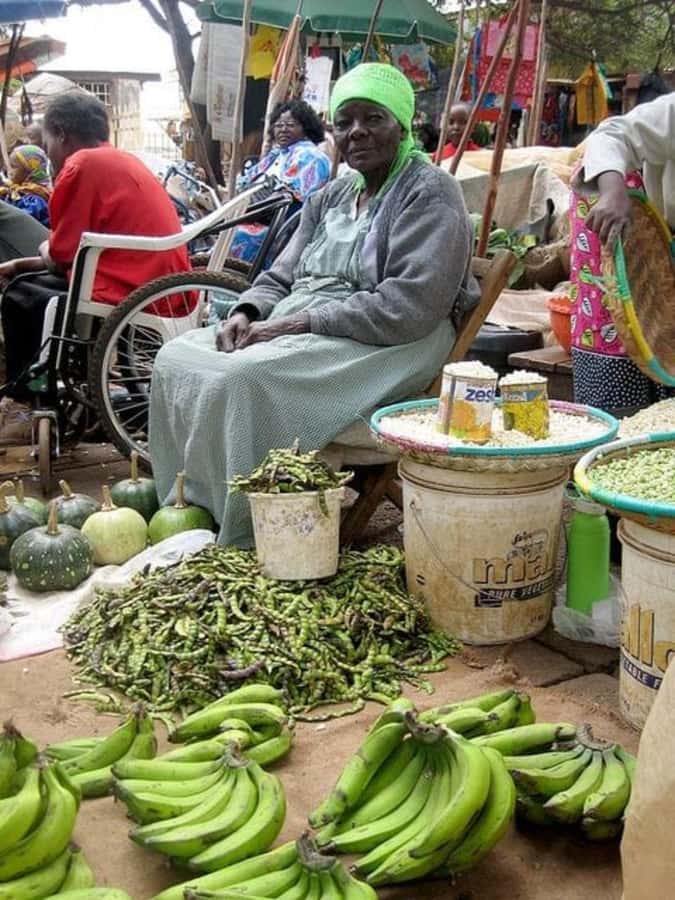
The first stop lasts about one hour. You visit a local farmer’s market, shop for fresh ingredients, and take in the sounds, colors, and daily rhythm of food buying in Nairobi.
I like this start because it gives context to the meal. You are not simply handed a finished plate with unfamiliar names. You see some of the ingredients before they reach the cooking pot, and you begin to understand how a Kenyan meal is assembled.
The market portion also gives you a useful look at ordinary household routines. The focus is not a staged food display. It is a practical shopping trip linked to lunch, with your host explaining what is being bought and why it matters to the dishes ahead.
You should expect an active visit rather than a formal museum-style tour. Wear comfortable shoes and clothes, as requested for the activity. The market is one of the places where the day feels most connected to daily life, but the exact stalls, products, and market name are not specified, so you should not book expecting a particular landmark.
More Cooking Classes in Nairobi:
- Traditional Kenyan Cooking Class & Local Market Tour
★ 5.0 · 129 reviews - Authentic Kenyan Cooking Class & Market Tour in Nairobi
★ 5.0 · 12 reviews - Private Traditional Kenyan Cooking Class with Lunch in Nairobi
★ 5.0 · 10 reviews
Inside the host’s modest kitchen
After shopping, you travel to the host’s home just outside Nairobi. The cooking session and meal take about three hours, making this the heart of the experience.
The setting is a modest kitchen in a local home, not a polished cooking school. That is part of the appeal. You get a glimpse of a typical Kenyan household and see how food is prepared in a real domestic setting.
The host handles most of the cooking, while you have the chance to lend a hand. This is important to understand before you book. The class is interactive, but it may not mean that you prepare every dish from start to finish. I see that as a good balance for someone who wants to learn without spending the whole afternoon managing a complicated kitchen.
You can listen to stories about Kenyan heritage while helping with the meal. The personal exchange is one of the strongest reasons to choose this experience. Cooking becomes the common language, and the conversation gives the food a place in family life and local customs.
One host, Tasha, was praised for being relaxed, informative, intelligent, and funny. That description gives you a useful sense of the ideal tone for the day: friendly and conversational rather than stiff or heavily scripted.
Understanding the Kenyan dishes on the table
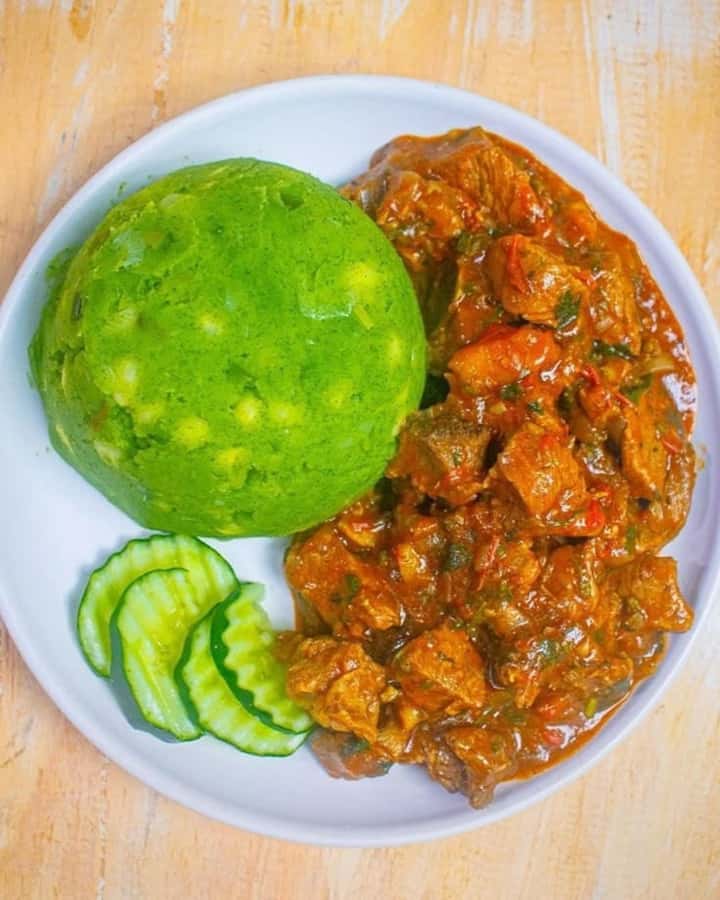
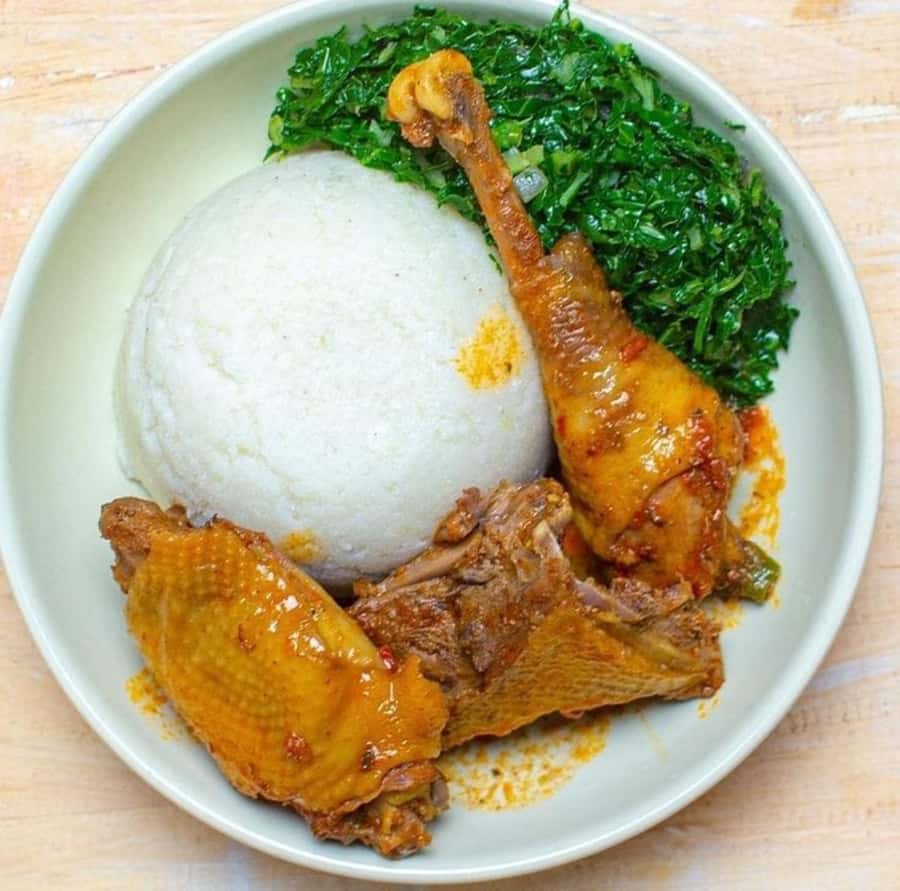
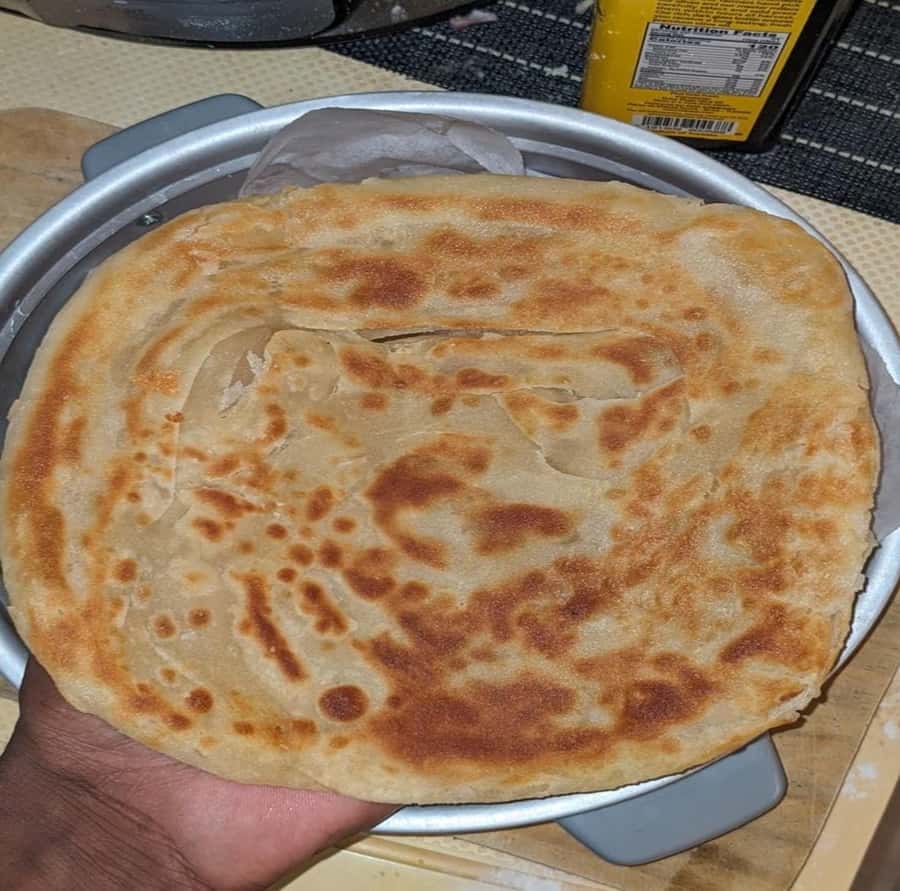
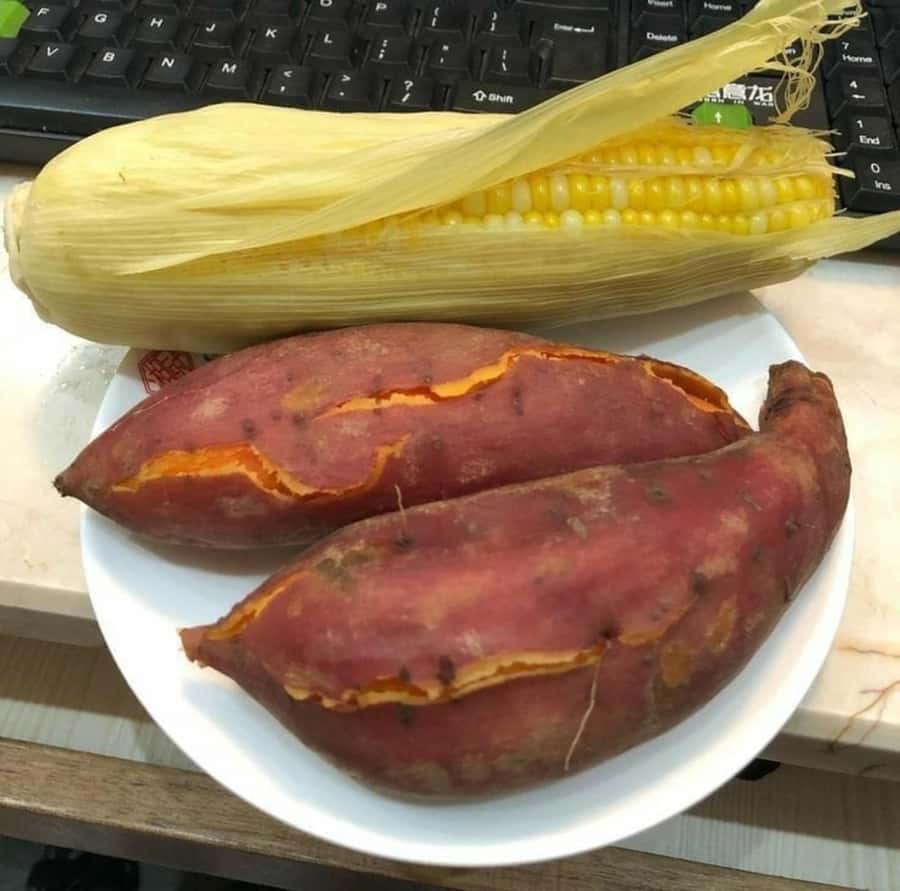
The menu covers a large part of Kenya’s home-cooking tradition. The exact dishes served can depend on the ingredients and the day, but the listed selection includes boiled potatoes, Ugali, Kenyan Pilau, Mukimo, Chapati, sweet potatoes, Mandazi, fish, Githeri, fresh corn, and Matoke.
Ugali is a firm maize-based staple often used to accompany other foods. Its simple ingredients make the texture and method important, so watching the preparation can teach you more than simply ordering it at a restaurant.
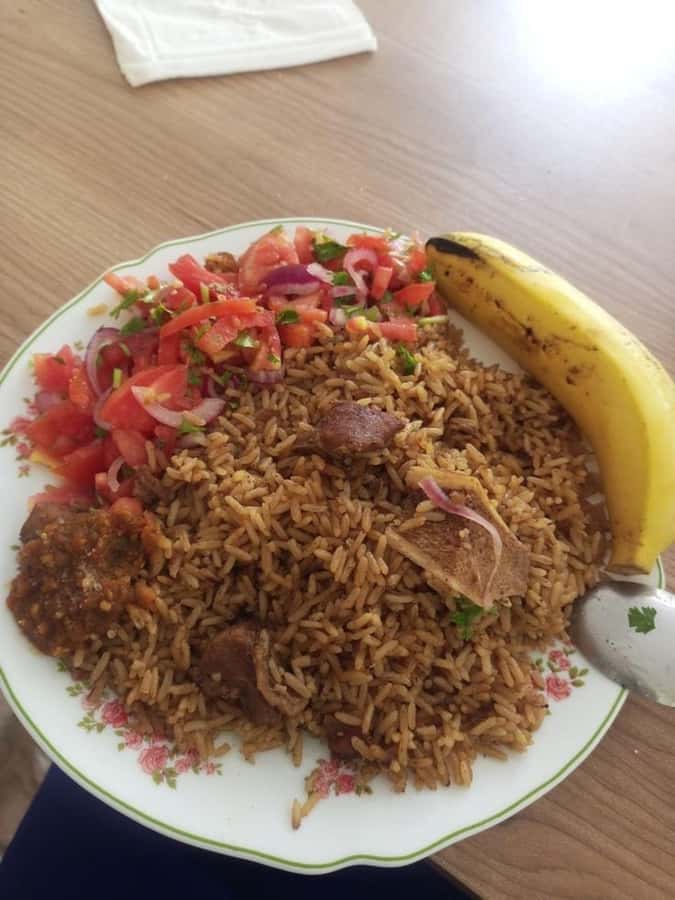
Kenyan Pilau is a seasoned rice dish, while Mukimo combines mashed foods such as potatoes with other ingredients. Chapati brings a flatbread element to the meal, and Mandazi offers a sweet fried treat. Githeri, made from beans and maize, reflects the practical, filling character of many home dishes.
Fish, potatoes, sweet potatoes, fresh corn, and Matoke add more variety. Matoke is a plantain-based dish found in East African cooking. Taken together, this list gives you a broad tasting session instead of a single specialty.
Do not expect every item to appear in equal portions or in exactly the same form. The useful point is the range. You get to compare staples, breads, vegetables, rice, sweets, and protein within one home meal.
Sharing lunch with a local family
Lunch is more than a pause between activities. It is the moment when the market trip, kitchen work, and conversation come together.
The experience includes sharing food with the host’s family, and that household setting is one of its most personal features. You are not only learning a recipe. You are seeing how a meal can bring people together and hearing stories tied to local heritage.
The strongest praise for the experience focused on this family connection. One person described learning to cook a delicious East African dinner and being fortunate to share it with a lovely family. That detail matters because it points to the warm, human side of the activity, not just its food content.
I would choose this over a standard restaurant meal if you want conversation and a look at home life. If you prefer a formal class with a printed recipe booklet, a professional demonstration kitchen, and exact control over the menu, this may feel less structured.
More markets in Nairobi:
- Memorable Daily KIBERA Slums/Toi Market Tour with Locals (2 hours)
★ 5.0 · 29 reviews - Half-Day Nairobi National Park and Maasai Market with Pick up
★ 5.0 · 16 reviews - Nairobi: Hop on Hop off and Maasai market Collections Visit
★ 3.5 · 10 reviews - Explore local Market matatu ride & Make Kenyan Cuisines with a home cook
★ 5.0 · 8 reviews
Nairobi street food for the final hour
The itinerary ends with about one hour devoted to street food in Nairobi. This gives you a second food setting after the home meal.
The market shows you how ingredients are bought. The home shows you how they are turned into lunch. Street food adds the public, on-the-go side of Nairobi’s eating culture. That three-part structure makes the day feel well rounded without requiring a full day away from the city.
The available information does not name the street food stops or promise particular snacks. You should treat this as a chance to sample or observe local street food rather than a fixed tasting menu.
Because you have already eaten a substantial meal, the final hour may work best as a tasting and cultural stop, not another full lunch. Comfortable shoes will help, and a flexible attitude is useful since the exact food choices are not specified.
Is $80 a fair price?

At $80 per person, the price is reasonable if you value personal contact and included transport from the stated pickup areas. You are paying for five hours, a market visit, a private cooking experience, a traditional meal, cultural conversation, and a street-food segment.
The value becomes clearer when you compare it with booking each part separately. A market visit alone would give you little context about cooking. A restaurant meal would let you taste Kenyan food but would not show you how it is prepared in a home. This experience joins the two and adds family interaction.
Transport is the part that can change the final cost. Uber charges are not included, and the host’s home is difficult to reach by public transport. If you need an arranged hotel pickup and drop-off, ask about the additional charge before committing.
The activity also includes free cancellation up to 24 hours before the start time and a reserve-now, pay-later option. Those terms are helpful if your Nairobi plans may shift, but they do not remove the need to confirm transport and starting time.
Who will enjoy this five-hour experience?
I would recommend it most strongly to you if you want direct contact with local life rather than a quick food demonstration. It suits curious eaters, couples, families, and small private groups who enjoy asking questions and trying unfamiliar dishes.
It is also a good fit if you have only part of a day available. Five hours is long enough to give the food some context but short enough to leave room for other Nairobi plans.
The activity may work well for people who are new to Kenyan cuisine. The host introduces a broad set of dishes, and the market visit gives you a starting point for understanding the ingredients. English is the listed language, so communication should be straightforward for English-speaking participants.
The experience is wheelchair accessible, which is useful information for guests who need that feature. Still, you should confirm the practical details of the market, vehicle, and home setting directly, since the route includes travel outside the city and the home is not easy to reach by public transport.
I would be less likely to recommend it if you need a tightly timed schedule, a guaranteed dish list, or a fully participant-led cooking lesson. The host does most of the cooking, and some of the food details can vary.
Simple ways to prepare
Wear comfortable clothes and shoes. You will visit a market, travel to a home, take part in cooking, eat lunch, and spend another hour around street food.
The activity information also lists ingredients among the things to bring. Confirm with the host exactly what you are expected to provide, since the market visit is also part of the plan for buying fresh food.
Plan your transport carefully. If you are staying in Karen, Parklands, or Westlands, the stated pickup and drop-off options are convenient. If you are elsewhere, ask whether hotel pickup can be arranged and what the extra cost will be.
Come ready to taste several foods rather than focus on one recipe. Ugali, Pilau, Mukimo, Chapati, Githeri, Mandazi, Matoke, fish, corn, potatoes, and sweet potatoes offer plenty of variety, but the precise combination served is not guaranteed.
Should you book the Nairobi market and cooking class?
Book it if you want a personal, food-centered look at Nairobi and like the idea of sharing a meal in a local home. The market, cooking session, family connection, and street food give you more than a restaurant stop, while Tasha’s praised manner suggests the right host can make the day relaxed, funny, and engaging.
Think twice if transport costs are a concern or if you want a formal cooking school with a fixed menu. For most visitors who value conversation, home cooking, and a private setting, the $80 price offers solid value, provided you confirm the pickup plan and ingredients first.
FAQ
How long does the Nairobi market and cooking class last?
The experience lasts five hours. The schedule includes about one hour at a food market, three hours for cooking, lunch, and tasting, and one hour for street food.
Where can pickup and drop-off take place?
Pickup is available from Parklands, Karen, and Westlands. Drop-off is listed for Karen, Parklands, and Westlands.
Is transportation included?
Transport to and from the stated pickup location is included. Uber charges are not included, and the host can arrange transportation, including hotel pickup and drop-off, for an additional cost.
Is the cooking class private?
Yes. The activity is offered for a private group.
Which language does the host speak?
The host or greeter language is English.
What food might be served?
The possible dishes include boiled potatoes, Ugali, Kenyan Pilau, Mukimo, Chapati, sweet potatoes, Mandazi, fish, Githeri, fresh corn, and Matoke.
Is the activity wheelchair accessible?
Yes, the activity is listed as wheelchair accessible.
What should I bring?
Bring comfortable shoes, comfortable clothes, and ingredients. Confirm with the host which ingredients you need to provide before the activity.
More Shopping Tours in Nairobi
- Nairobi souvenir Shopping and Historical Half day Tour
★ 5.0 · 61 reviews - Nairobi Cultural Shopping Experience
★ 5.0 · 21 reviews - Nairobi Guided Cultural Shopping Experience Day Tour
★ 4.0 · 12 reviews - Nairobi cultural souvenir shopping tour with a local
★ 5.0 · 12 reviews
Just added in Nairobi
- Wildlife Capital: Half-Day Safari at Nairobi National Park★ 5.0 · 2 reviews
- 3 days maasai mara migration safari★ 4.5 · 7 reviews
- 4 Days Tour Landcruiser in Masai Mara and Lake Nakuru★ 5.0 · 10 reviews
- 4 Days Safari to Lake Nakuru N/P and Maasai Mara N/R★ 5.0 · 18 reviews
- Day Tour to Nairobi national park, Elephants, and Giraffe Center★ 3.5 · 8 reviews
- 6 Days Kenya Budget Group Safari★ 5.0 · 2 reviews
- Maasai Mara Day Trip★ 5.0 · 15 reviews
- 3 Days Masai Mara Wildebeest migration Budget safari★ 5.0 · 2 reviews
Shopping Tours, compared.

Traditional Kenyan Cooking Class & Local Market Tour
Read our review →
Nairobi souvenir Shopping and Historical Half day Tour
Read our review →
Memorable Daily KIBERA Slums/Toi Market Tour with Locals (2 hours)
Read our review →

Mombasa City Tour,Fortjesus,Oldtown,Tusks and Spice Market.
Read our review →
Half-Day Nairobi National Park and Maasai Market with Pick up
Read our review →
Authentic Kenyan Cooking Class & Market Tour in Nairobi
Read our review →
Nairobi cultural souvenir shopping tour with a local
Read our review →Browse the lists this tour appears in