
Reviewed · SHOPPING TOURS
Nairobi: Explore Maasai Market for Unique Souvenirs
Bring an empty bag and a flexible plan. This two-hour Nairobi shopping walk pairs the city’s craft shops with the Maasai Market, where you can browse handmade jewelry, textiles, carvings, paintings, and beadwork. I like the direct contact with artisans, and I like having a local guide explain prices, quality, and cultural meaning. The one thing to consider is that the market moves to different locations during the week, so the exact route can change.
I also appreciate the practical help. Your guide can translate, point out better-made pieces, help with bargaining, and assist with heavy or bulky purchases. The experience costs $10 per person, which is strong value if you plan to buy gifts or want a more relaxed introduction to Nairobi’s craft scene.
In This Review
- Quick points before you book
- Why this Nairobi shopping walk is useful
- Starting at Hilton Arcade on Mama Ngina Street
- First stop: Nairobi’s central craft and gift shops
- Entering the Maasai Market
- Learning to bargain without making it awkward
- Meeting artisans and social-impact entrepreneurs
- The wholesale stop and why it may matter
- A short city-center walk after shopping
- Guide support and personal attention
- Is $10 a good value?
- Who should book this experience?
- Practical advice for a better visit
- Should you book the Maasai Market tour?
- FAQ
- Where does the tour meet?
- How long does the experience last?
- What language does the guide speak?
- Does the tour include the cost of souvenirs?
- Does the Maasai Market stay in one location?
- Should I bring cash?
- Can the itinerary be customized?
Quick points before you book
- The Maasai Market changes location: It moves on different weekdays, though it stays in one place on weekends, so your route may not be identical every time.
- Bargaining is part of the visit: Your guide helps you negotiate politely and gives feedback on whether a price seems reasonable.
- You meet people behind the crafts: The walk includes local artisans, gift-shop owners, and social-impact entrepreneurs.
- The tour begins centrally: Meet at Hilton Arcade along Mama Ngina Street, near the Bata starting point listed for the walking route.
- You can shape the outing: Add more shopping, visit wholesale craft centers, take a short city-center walk, or run an errand if time allows.
- Carry cash and wear comfortable shoes: The tour is on foot, and not every seller accepts cards.
Why this Nairobi shopping walk is useful
A market visit can be fun, but it can also become tiring when every seller quotes a different price and you are unsure what you are buying. This tour gives you a local sounding board. You still decide what to purchase, but you do not have to handle every negotiation alone.
I especially like the focus on direct local trade. The tour is not simply a stop at a souvenir shop with shelves of anonymous products. You may meet people who make or sell handmade jewelry, beadwork, paintings, carvings, and textiles. Your guide can explain how an item is produced and what its design may mean.
That makes a difference when you are choosing between a quickly made souvenir and a piece with careful workmanship. It also helps you spend your money with more confidence. The activity is designed around local shops and makers, not just the best-known tourist stops.
The experience is also flexible. If you are mainly shopping for gifts, you can concentrate on craft stores and the market. If you want a broader taste of central Nairobi, you can add a short walking tour and sightseeing. You can also ask for help with an errand in town, provided it fits the available time.
More markets in Nairobi:
- Traditional Kenyan Cooking Class & Local Market Tour
★ 5.0 · 129 reviews - Memorable Daily KIBERA Slums/Toi Market Tour with Locals (2 hours)
★ 5.0 · 29 reviews - Half-Day Nairobi National Park and Maasai Market with Pick up
★ 5.0 · 16 reviews
Starting at Hilton Arcade on Mama Ngina Street
The meeting point is Hilton Arcade along Mama Ngina Street. The starting location is also described as Bata, so confirm the precise meeting instructions before setting out. This is a central city meeting point, and the first part of the activity is a guided walk rather than a long transfer.
That is good news if you want to keep the outing simple. You do not spend most of the two hours sitting in a vehicle. Instead, you move between city-center gift shops, craft sellers, and the Maasai Market.
Wear shoes you can walk in comfortably. The route includes shopping stops and city sightseeing, and the market itself may require standing, browsing, and moving through crowded areas. Bring a hat and sunscreen on a sunny day, plus a light jacket if the weather turns cooler.
Keep your belongings secure. Crowded markets require the usual care with phones, wallets, and bags. Smoking, alcohol, food in the vehicle, and littering are not allowed, although the activity is primarily a walking experience.
First stop: Nairobi’s central craft and gift shops
The outing begins with local gift and craft shops in the city center. This opening section gives you a calmer place to get your bearings before entering the open-air market.
You can look at different styles and price levels, then ask your guide what to check for. If you are buying beadwork, for example, you can ask about the finishing, the construction, and whether the piece appears carefully made. For carvings, paintings, and textiles, your guide can help explain what you are looking at and point out differences in quality.
This is also a useful time to tell the guide what interests you. You might be searching for small gifts that fit in a suitcase, a larger decorative item, wearable jewelry, or something connected to Kenyan culture. The itinerary is customizable, so the more clearly you explain your priorities, the more useful the shopping advice becomes.
Do not expect a museum-style presentation. This is a practical shopping walk. You are looking, asking questions, comparing prices, and deciding what feels right for you.
Entering the Maasai Market
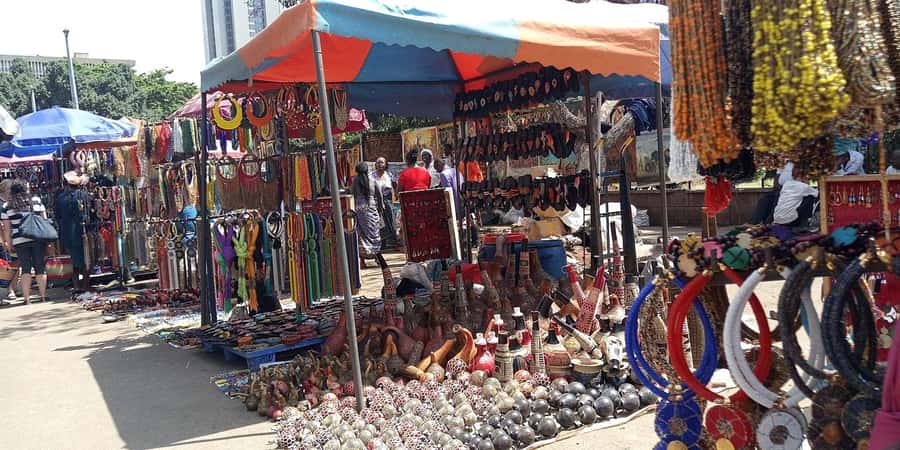
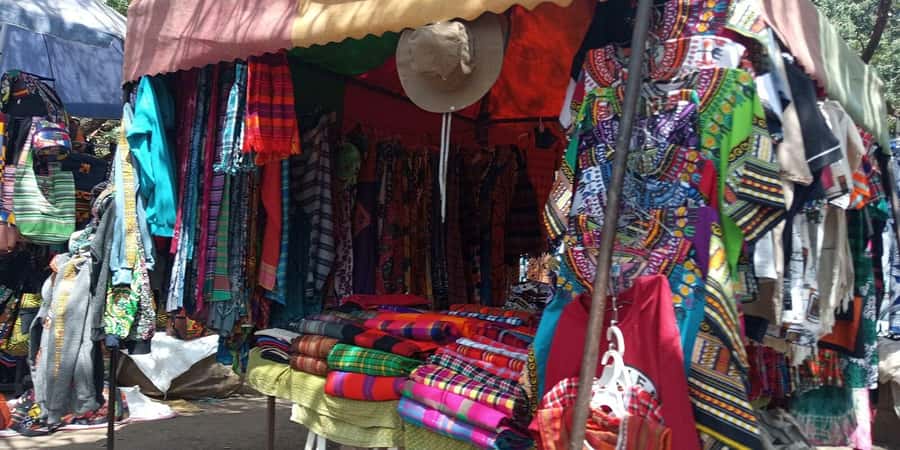
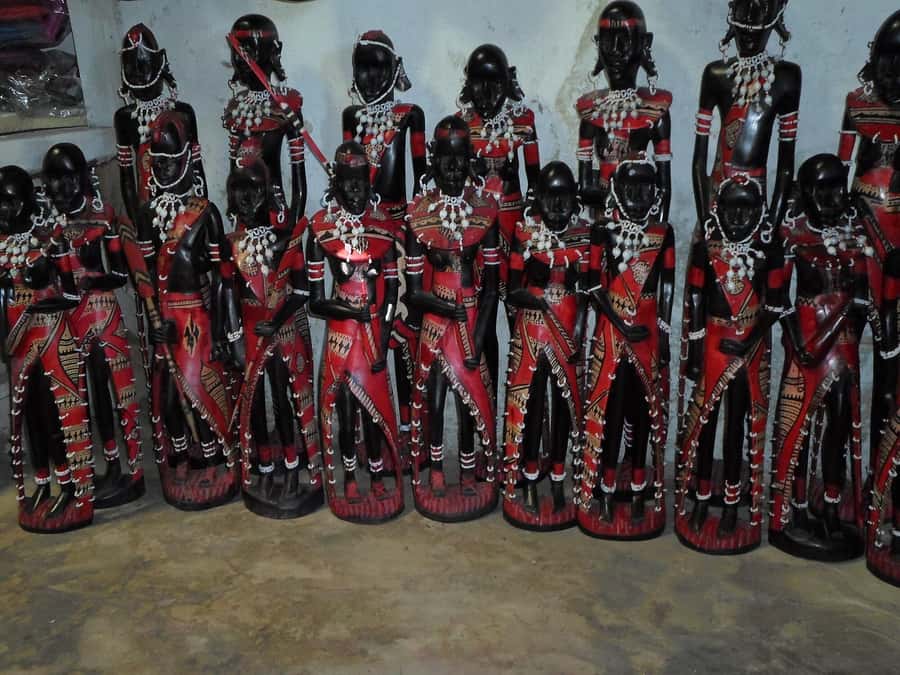
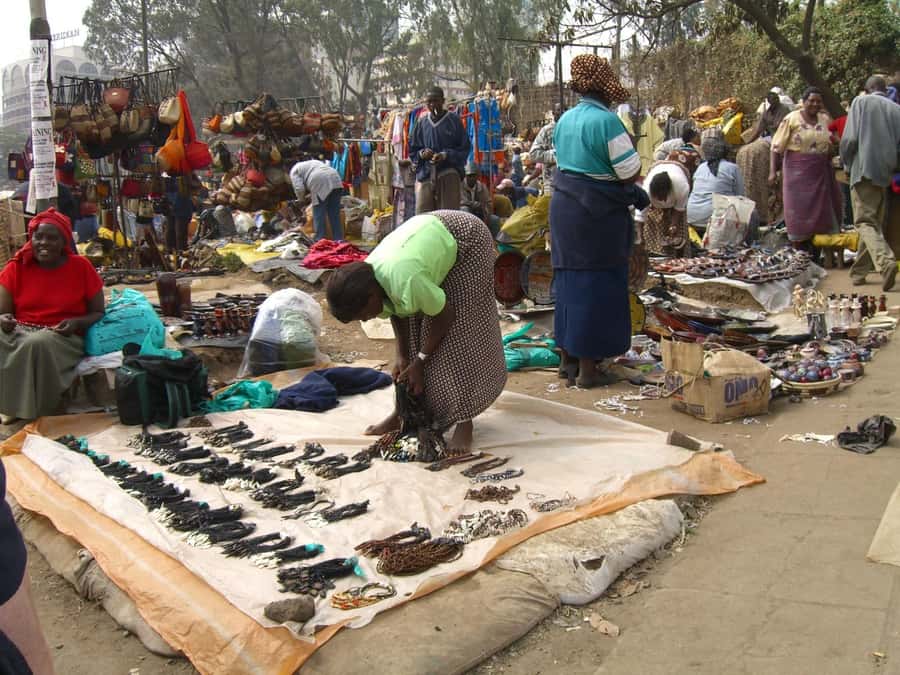
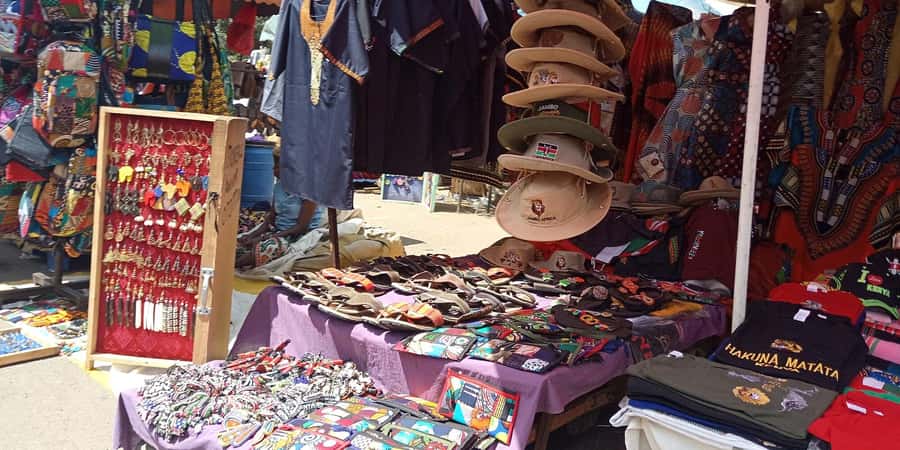
The Maasai Market is the main event: an open-air selling area filled with artisans and vendors. The selection can include handmade jewelry, textiles, carvings, paintings, and beadwork, with many designs and price points to compare.
The market may not be in the same place on every weekday. It moves during the week and remains in one location on weekends, so your guide’s local knowledge matters. A fixed market address is less useful here than knowing where the market is operating on the day of your visit.
Expect sellers to approach you. The market atmosphere is friendly but active, and you may need to say no politely if you are not interested. The best approach is to stay courteous, take your time, and avoid agreeing to a purchase before you have compared a few options.
Your guide can help with language and introductions. That is particularly useful if you want to ask how something was made or understand the story behind a design. The interaction is not just about getting a lower price. It is also about recognizing the work involved and buying in a way that feels fair.
More Shopping Tours in Nairobi:
- Nairobi souvenir Shopping and Historical Half day Tour
★ 5.0 · 61 reviews - Nairobi Cultural Shopping Experience
★ 5.0 · 21 reviews - Nairobi Guided Cultural Shopping Experience Day Tour
★ 4.0 · 12 reviews - Nairobi cultural souvenir shopping tour with a local
★ 5.0 · 12 reviews
Learning to bargain without making it awkward
Bargaining can feel uncomfortable if you are not used to it. A local guide makes the process less mysterious by showing you how to approach it with a smile and sensible expectations.
The goal is not to force the lowest possible price. A better approach is to ask the seller for a price, consider the quality, and make a respectful counteroffer. Your guide can help you judge the price and explain local customs. You can also walk away if the item is not right for you.
This support is one of the strongest reasons to book the tour. The guide gives feedback on price levels and can help you avoid paying far more than necessary. At the same time, the guide can help you recognize when a handmade item deserves a higher price because of its materials or workmanship.
The activity is especially useful for first-time visitors to Nairobi who want to shop but do not want every transaction to become a test of confidence. You remain in control, but you have someone local beside you.
Meeting artisans and social-impact entrepreneurs
The tour includes opportunities to meet artisans and entrepreneurs involved in handmade goods. These conversations can add meaning to a purchase that would otherwise be just another item in your luggage.
Ask about the materials, the production process, and the reason for a particular pattern or shape. The available information does not promise that every seller will be the actual maker, so keep your questions open and let your guide help identify the people directly involved in production.
The focus on direct local trade is important. When you buy through local makers and small businesses, your purchase has a clearer connection to the people producing and selling the work. The tour also includes visits to social-impact businesses in the handmade industry, giving you a wider view of how craft production supports local enterprise.
This does not mean every item is automatically ethical or high quality. Use your judgment. Ask questions, inspect the item, and buy something because you genuinely value it, not simply because a seller says it is special.
The wholesale stop and why it may matter
If you want to continue shopping, the route can include additional craft production and selling centers. One stop may be a wholesale shop where small local retailers buy their stock.
This can be worthwhile if you are comparing prices or purchasing several gifts. A wholesale setting may offer lower prices, but the selection and atmosphere may feel less personal than the artisan market. It is a place to shop efficiently rather than linger over a single conversation.
You should ask your guide how much time remains before agreeing to extra stops. The advertised duration is two hours, and the basic route already includes central shops, the Maasai Market, and a short city-center walk if you choose it. More shopping may require prioritizing rather than trying to see everything.
A short city-center walk after shopping
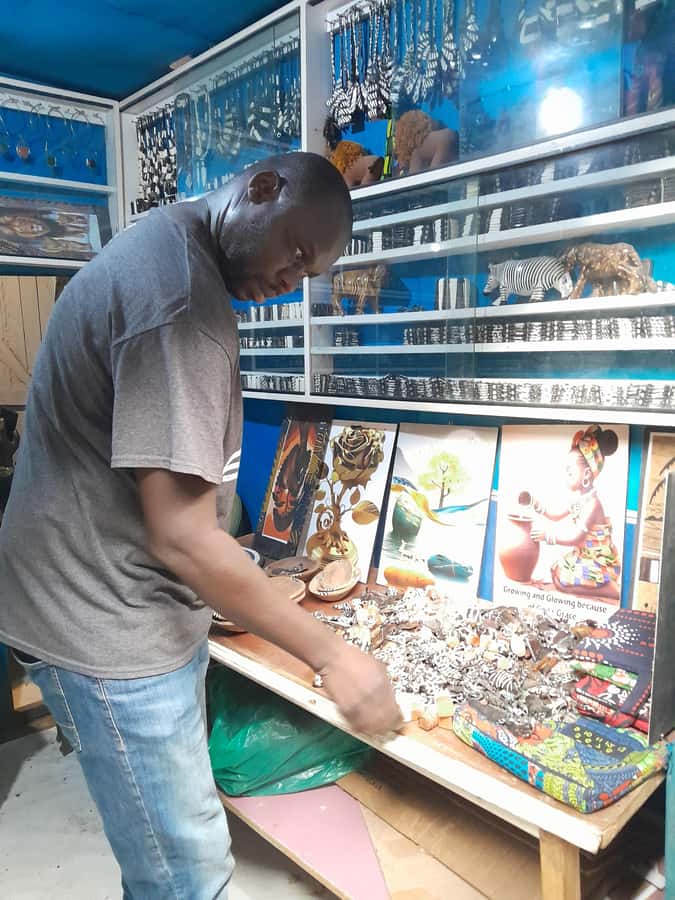
After the souvenir stops, you can take a short walking tour and sightseeing visit in central Nairobi. This is a modest addition, not a full city tour, but it helps connect the shopping experience to the surrounding city.
I like this option for people who have only a short time in Nairobi. You can combine practical shopping with a little orientation instead of treating the market as an isolated stop. If you have already seen the city center or need to concentrate on gifts, you can use the time for more shopping instead.
The activity can also be adapted for errands in town. That is a useful feature, but it depends on the guide’s ability to fit your request into the route and two-hour schedule. Discuss your priorities at the beginning.
Guide support and personal attention
The guide is listed as English-speaking, with translation help included. The guide names appearing in the booking information are Eric and Erick, with the spelling varying. The most useful description of the guiding style is attentive, reliable, and responsive to personal requests.
That matters in a market. A guide who simply walks you from stall to stall would add little. Here, the guide is expected to help with prices, quality checks, language, introductions, and carrying heavy or bulky purchases.
Two women who took the tour felt particularly secure with the guide and appreciated his preparation for what to expect. That is useful context if you are concerned about entering a crowded market or negotiating with persistent sellers. Still, normal city precautions remain sensible, especially with valuables.
The tour is not presented as a large coach excursion. It is a walking experience with a live guide, and its flexible format suggests a more personal outing. Group size is not specified, so ask before booking if that detail affects your decision.
Is $10 a good value?
At $10 per person, the price is modest for a two-hour guided city experience. You are paying for more than an introduction to the market. The fee includes a guided walk through local gift and craft shops, a visit to the Maasai Market, bargaining assistance, language support, shopping advice, contact with artisans, and a possible city-center walk.
The value is strongest if you plan to buy souvenirs. A guide who helps you avoid one poor purchase or gives you confidence to compare prices can make the fee worthwhile. You also save time by being taken to several relevant shopping areas instead of finding them on your own.
The value is lower if you dislike shopping or prefer to browse without conversation. Sellers may be eager to engage, and bargaining is part of the experience. This is not a quiet, hands-off museum visit.
You pay for the crafts separately. Bring cash because not all vendors may accept credit cards. Since the activity is inexpensive, you may want to reserve part of your budget for the items themselves.
Who should book this experience?
I would choose this tour if you want Kenyan gifts but are unsure where to shop. It suits people who enjoy meeting local sellers, asking questions, and learning how to bargain politely.
It is also a good fit for:
- First-time visitors to Nairobi who want a guided introduction to the city’s craft scene
- Shoppers looking for jewelry, textiles, carvings, paintings, or beadwork
- People who want help checking quality and comparing prices
- Visitors interested in direct local trade and small handmade businesses
- Anyone with limited time who wants shopping and a short city walk in one outing
- Solo visitors or pairs who would feel more comfortable with a local guide
You may want to skip it if you have no interest in buying crafts, dislike open-air markets, or want a tightly fixed sightseeing route. The moving market location and flexible schedule are advantages for some people, but they may feel uncertain if you prefer a precise plan.
Practical advice for a better visit
Tell the guide early what you hope to buy. Saying that you want small gifts, wearable pieces, home decorations, or wholesale prices will help shape the route.
Set a spending limit before you arrive. Market choice can be plentiful, and it is easy to buy the first attractive item before seeing what else is available. Compare several pieces, then return to the one you like best.
Ask questions about the item’s construction and meaning, but do not assume every cultural design has one simple explanation. Your guide can help give context, while the artisan can explain the work from their own perspective.
Carry cash in smaller amounts if possible. Keep it secure, and avoid displaying all your money while bargaining. If you buy something large or heavy, ask the guide about carrying assistance before making the purchase.
The activity allows free cancellation up to 24 hours before the start, and you can reserve now and pay later. Starting times depend on availability, so check the schedule before planning other Nairobi activities around it.
Should you book the Maasai Market tour?
Book it if you want practical shopping help with real local contact. The low price, flexible route, bargaining guidance, and chance to meet artisans make this a useful introduction to Nairobi’s handmade goods.
The main caution is the market’s changing weekday location and the active sales atmosphere. Go with comfortable shoes, cash, secure belongings, and a willingness to bargain courteously. If that sounds enjoyable, this two-hour walk offers a simple way to return home with gifts that have more meaning than a rushed airport purchase.
FAQ
Where does the tour meet?
The meeting point is Hilton Arcade along Mama Ngina Street. The starting location is also listed as Bata, so confirm the exact meeting instructions before the tour.
How long does the experience last?
The advertised duration is two hours.
What language does the guide speak?
The live tour guide speaks English. Translation help during shopping is included.
Does the tour include the cost of souvenirs?
No. The $10 activity price covers the guided shopping experience and support. You pay separately for any crafts or gifts you purchase.
Does the Maasai Market stay in one location?
The market moves to different locations during the week and remains in one location on weekends. The route can therefore vary by day.
Should I bring cash?
Yes. Bring cash because not all vendors may accept credit cards.
Can the itinerary be customized?
Yes. You can focus on particular types of shopping, visit additional craft production or wholesale centers, take a short city-center sightseeing walk, or ask for help with an errand if time permits.
Just added in Nairobi
- Wildlife Capital: Half-Day Safari at Nairobi National Park★ 5.0 · 2 reviews
- 3 days maasai mara migration safari★ 4.5 · 7 reviews
- 4 Days Tour Landcruiser in Masai Mara and Lake Nakuru★ 5.0 · 10 reviews
- 4 Days Safari to Lake Nakuru N/P and Maasai Mara N/R★ 5.0 · 18 reviews
- Day Tour to Nairobi national park, Elephants, and Giraffe Center★ 3.5 · 8 reviews
- 6 Days Kenya Budget Group Safari★ 5.0 · 2 reviews
- Maasai Mara Day Trip★ 5.0 · 15 reviews
- 3 Days Masai Mara Wildebeest migration Budget safari★ 5.0 · 2 reviews
Shopping Tours, compared.

Traditional Kenyan Cooking Class & Local Market Tour
Read our review →
Nairobi souvenir Shopping and Historical Half day Tour
Read our review →
Memorable Daily KIBERA Slums/Toi Market Tour with Locals (2 hours)
Read our review →
Mombasa City Tour,Fortjesus,Oldtown,Tusks and Spice Market.
Read our review →
Half-Day Nairobi National Park and Maasai Market with Pick up
Read our review →
Authentic Kenyan Cooking Class & Market Tour in Nairobi
Read our review →
Nairobi cultural souvenir shopping tour with a local
Read our review →Browse the lists this tour appears in