
Reviewed · WALKING TOURS
Nairobi city walking tour
Nairobi rewards curious walkers. This three-hour private tour with Michael brings you through the city center, from Jeevanjee Gardens to the top of Kenyatta International Conference Centre, with history, markets, and local culture along the way. I like the small-group format and the chance to hear about Nairobi from a guide who speaks both English and Swahili. I also like that the tour includes shopping stops, so you can pair sightseeing with handmade souvenirs.
The main consideration is the walking itself. This is a city-center tour with several stops, and it is not suitable for wheelchair users or people with visual impairments. You also need to pay 500 Kenyan shillings separately to enter KICC and carry your own water.
- Jeevanjee Gardens start: Begin in a central green space before walking into Nairobi’s city core.
- Colonial-era buildings: Learn how places such as Kipande House and McMillan Memorial Library fit into Kenya’s past and present.
- Markets included: City Market and Maasai Market give you time to browse souvenirs and handmade goods.
- KICC finish: End high above central Nairobi, with sightseeing, free time, and a possible sunset view.
- Michael as guide: His calm manner, safety-conscious approach, and clear knowledge of Nairobi were praised by Loes from the Netherlands.
- Private three-hour outing: The format gives you a more personal experience than a large shared group.
In This Review
- Starting among the trees at Jeevanjee Gardens
- Walking through Nairobi County’s city center
- Kipande House and the paperwork of colonial Kenya
- McMillan Memorial Library and Nairobi’s civic past
- Soldiers of War and public memory
- City Market for souvenirs and handmade goods
- Kenyatta International Conference Centre from below to above
- Maasai Market and the art of choosing a souvenir
- Why the $17 price can work well
- Who will enjoy this Nairobi walk most
- My call on booking this experience
- FAQ
- Where does the Nairobi city walking tour start?
- Where does the tour finish?
- How long does the tour last?
- What languages does the guide speak?
- Is the tour private or shared?
- Is the KICC entrance fee included?
- Is water included?
- Can I shop during the tour?
- Who is the tour not suitable for?
Starting among the trees at Jeevanjee Gardens

Jeevanjee Gardens is a practical starting point for a walking tour of central Nairobi. You meet your local guide here, then begin with an introduction to Kenya’s past and Nairobi’s growth into the national capital.
That opening matters. Nairobi can seem like a collection of busy streets and office buildings if you only pass through by car. On foot, the city’s layout begins to make more sense. Your guide can explain how the capital developed and point out buildings left from the colonial period, along with the ways Kenyans use them today.
The tour is led in English or Swahili. Michael is named as the guide, and one verified guest specifically praised his safety-minded approach and his ability to share interesting facts about Kenya and Nairobi. That is useful on a city walk, where a good guide does more than recite dates. You want someone who can help you understand what you are seeing while keeping the pace comfortable and the route clear.
You may also learn a few basic Swahili words during the walk. This is a small feature, but it gives the outing a more personal touch. Even a handful of local phrases can make ordering, greeting people, or shopping feel less formal.
Walking through Nairobi County’s city center
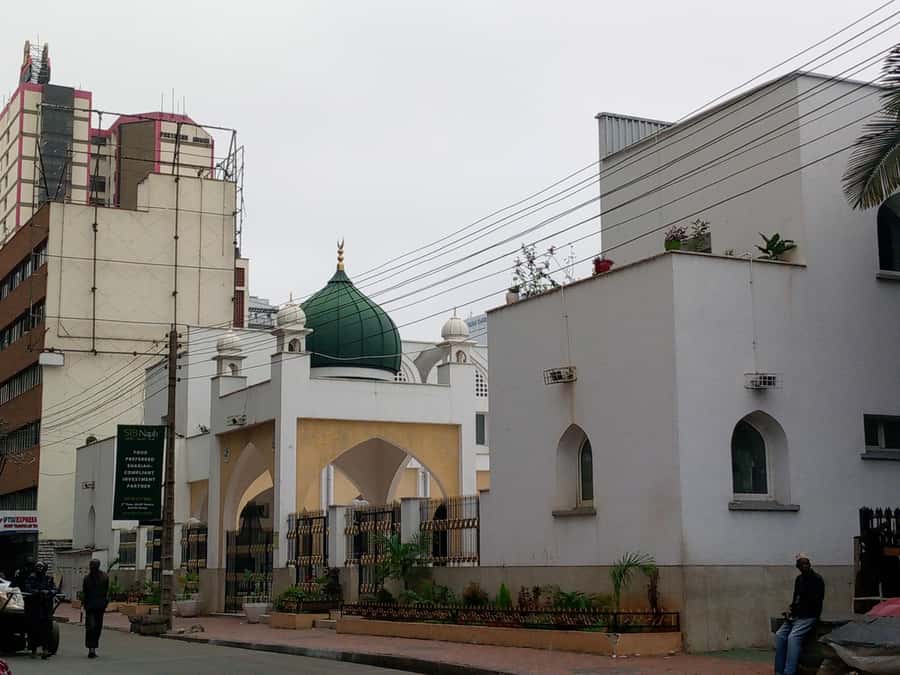
The central part of the tour combines guided sightseeing, shopping, and stops at important buildings. The supplied schedule gives three hours for the main city walk, followed by shorter visits and viewing time at several locations.
Expect the experience to be more about seeing Nairobi as a living city than entering a long list of museums. Your guide points out landmarks, explains their past, and describes their current use. That approach is especially helpful if you have limited time in Nairobi and want an introduction before exploring further on your own.
The pace also lets you notice details that are easy to miss from a vehicle. Streets, public buildings, memorials, and markets sit close together in the center, but each tells a different part of the city’s story. The tour does not promise a quiet route. You are walking through the capital, not a museum complex, so allow for a city atmosphere and changing street conditions.
Comfortable walking shoes are important. Bring water, since a bottle is not included. Alcohol and drugs are not allowed, and baby strollers and crutches are also listed as prohibited items.
More Walking Tours in Nairobi
- Nairobi: Historic and Modern Highlights Walking Tour
★ 4.8 · 703 reviews - Nairobi Historical Walking City Tour
★ 5.0 · 258 reviews - Nairobi Downtown Walking Tour
★ 4.7 · 208 reviews
Kipande House and the paperwork of colonial Kenya
Kipande House is one of the named stops, and it gives the tour a chance to discuss the systems imposed during colonial rule. The word kipande refers to an identification document used under British rule in Kenya, making the building and its name part of a difficult chapter in the country’s past.
Your guide’s explanation is the key value here. A building can look like another old city structure until you know what took place around it and why its name remains important. The stop adds substance to the walk by connecting architecture with administration, identity, and control.
Do not expect a long indoor museum visit based on the information provided. Kipande House is presented as a guided sightseeing stop, with the emphasis on the building and its story. That makes it a good fit if you prefer context while walking rather than extended time inside formal exhibits.
McMillan Memorial Library and Nairobi’s civic past
McMillan Memorial Library is included among the tour’s sights. Its presence adds another layer to the city walk, since libraries are not simply decorative buildings. They reflect education, public life, and the changing needs of a city.
The tour gives you a chance to see this part of Nairobi alongside colonial-era landmarks and current city activity. That contrast is one of the strongest reasons to choose a walking tour. You are not only looking backward. You are seeing how older institutions sit within modern Nairobi.
The available details do not specify an interior visit, so plan on viewing the library as part of the guided route unless your guide confirms otherwise. The benefit comes from hearing how the building fits into the wider story of Nairobi.
Soldiers of War and public memory
The Soldiers of War memorial is another listed stop. A memorial can be easy to pass without knowing whom it honors or why it was placed there. Here, your guide provides the background and helps connect the site with Kenya’s wider history.
This stop is likely to appeal to you if you enjoy public monuments and short explanations that make ordinary city spaces more meaningful. It also breaks up the route between buildings and markets. Instead of seeing Nairobi only through shopping and architecture, you get a reminder of the human cost carried by national history.
The stop is described as sightseeing rather than a long formal ceremony or museum visit. Keep your expectations in line with that. You will be learning through the guide’s commentary and the site itself.
A completely different kind of day:
- Nairobi National Park Half-Day Tour; Free Wi-Fi connection
★ 5.0 · 878 reviews - Nairobi: National Park & Optional Elephants & Giraffe Center
★ 4.8 · 874 reviews - NAI NAMI: Nairobi Storytelling Tour with Street Children
★ 5.0 · 792 reviews - Nairobi National Park Half-Day Game Drive
★ 4.5 · 738 reviews
City Market for souvenirs and handmade goods
City Market is one of the tour’s clearest practical highlights. You get time to shop for souvenir goods, and handmade artifacts are part of the experience.
This is where the tour becomes useful beyond sightseeing. If you want a small reminder of Kenya to take home, the guide can help you understand what you are looking at and may make the shopping process less awkward. You can ask about items, practice a Swahili phrase, and take your time browsing within the schedule.
The tour does not include purchases, so bring money if you plan to shop. It also does not state that the guide handles bargaining or guarantees particular products. Treat this as a chance to browse and buy, not as a promise of a specific market inventory.
City Market works well for people who want a little shopping without giving up the historical side of the outing. If you dislike markets, this portion may feel less appealing, but you can still use it to see a daily part of central Nairobi.
Kenyatta International Conference Centre from below to above
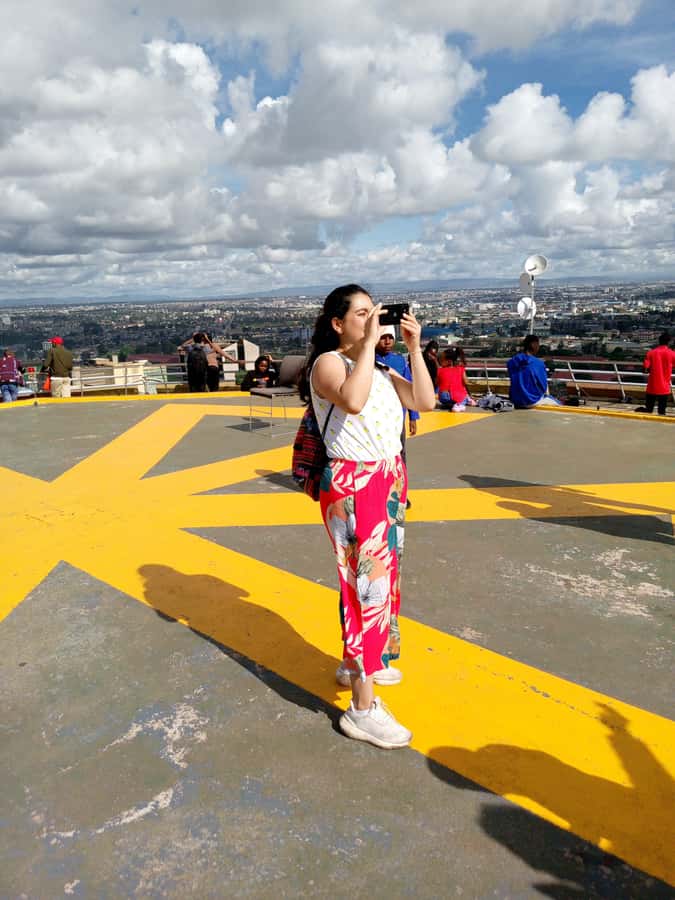
The tour ends at Kenyatta International Conference Centre, commonly known as KICC. This is the signature finish: a visit, guided sightseeing, free time, and views from the top.
The entry fee is not included. You pay 500 Kenyan shillings separately, so factor that into the $17 tour price. The extra cost is modest, but it is important to know before you arrive.
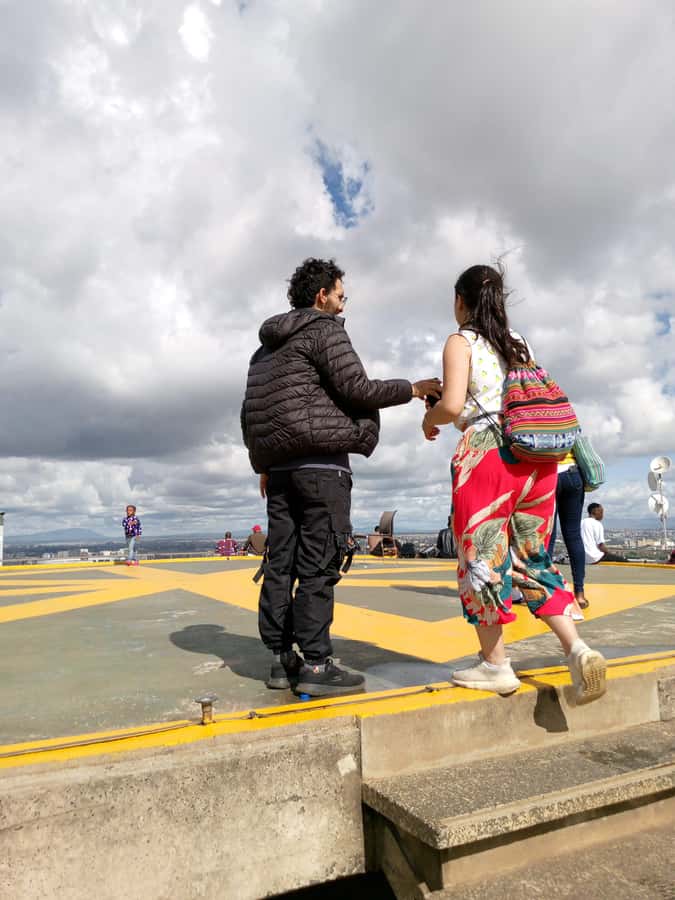
The KICC stop is scheduled for about 30 minutes, including a break and free time. That gives you enough room to pause after the walk and look across central Nairobi. The schedule also mentions sunset, so the exact starting time may shape the view. Check available departure times if a late-day finish matters to you.
KICC makes a strong endpoint because it changes your view of the city. Much of the tour is at street level, where you focus on buildings, markets, and memorials. From above, you can see how the center fits together. It is a simple but effective way to close the walking route.
Maasai Market and the art of choosing a souvenir

The Maasai Market is listed as a photo stop, guided visit, shopping stop, and pass-by point. It appears as a shorter section of the route, with about 30 minutes assigned to it.
You may find handmade crafts and other souvenir goods here, but the time is limited. If you already know you want to shop, decide early what interests you. A short market visit can disappear quickly once you begin comparing items.
This stop is also a chance to take photographs, although you should remain respectful and follow your guide’s advice. The information provided does not promise a particular market location or a fixed selection of goods, since markets can vary. Think of it as a useful introduction rather than a full shopping expedition.
The inclusion of both City Market and Maasai Market gives the tour a nice balance. You see more than government buildings and memorials, and you have two chances to look at locally made goods.
Why the $17 price can work well
At $17 per person, this tour offers a low-cost introduction to central Nairobi. The price includes a local guide and the main listed sights, including City Market, McMillan Memorial Library, Kipande House, Soldiers of War, and Maasai Market.
The strongest value comes from the guide. A city walk is worth little if you only receive directions and quick photo stops. Here, the aim is to explain how Nairobi grew, how colonial buildings shaped the center, and how Kenyans use those places today. The personal format also helps. This is a private group rather than a large shared outing, so you can ask questions and focus on the subjects that interest you.
You should add the 500 Kenyan shilling KICC entry fee and the cost of water. Shopping is also extra. Even with those additions, the outing remains reasonably priced for three hours of guided sightseeing in the capital.
The tour has a free cancellation policy up to 24 hours before departure, and you can reserve now and pay later. Starting times vary, so you need to check availability before booking.
Who will enjoy this Nairobi walk most
I would recommend this tour if you want a first look at Nairobi’s center without arranging several separate visits. It suits you especially well if you enjoy walking, local history, public buildings, markets, and short cultural exchanges.
It is also a good choice for a private group that wants flexibility in conversation. Michael’s reported attention to safety is a plus if you are new to Nairobi and would rather get your bearings with a local guide than explore the center alone.
You should think twice if walking for three hours is difficult. The tour is not suitable for wheelchair users or people with visual impairments, and it does not allow baby strollers or crutches. The provided information does not describe transport between stops, so you should assume the route is primarily on foot.
The experience is also not designed as a full museum tour, food tour, or lengthy market visit. It gives you a broad introduction, with history and landmarks mixed with shopping. If you want one subject explored in great depth, a more specialized outing may suit you better.
My call on booking this experience
Book this tour if you want an affordable, personal way to see central Nairobi and understand what you are looking at. The combination of Jeevanjee Gardens, colonial-era buildings, memorials, two markets, and KICC gives you a useful first picture of the city in three hours.
I especially like the focus on Michael’s guiding. The strongest praise attached to the experience centers on his safety, his knowledge of Kenya and Nairobi, and his ability to share interesting facts. That matters more than a long list of stops.
Skip it if you need an accessible route, dislike walking, or want extensive indoor sightseeing. For everyone else, bring water, set aside 500 Kenyan shillings for KICC, and leave room in your budget for a handmade souvenir. At $17, this is a practical way to begin making sense of Nairobi on foot.
FAQ
Where does the Nairobi city walking tour start?
The tour starts at Jeevanjee Gardens in central Nairobi.
Where does the tour finish?
The main route ends at the top of Kenyatta International Conference Centre, with the itinerary also listing a return to Jeevanjee Gardens.
How long does the tour last?
The walking tour lasts three hours. The KICC visit is scheduled for about 30 minutes, with additional shorter stops along the route.
What languages does the guide speak?
The live guide speaks English and Swahili.
Is the tour private or shared?
It is offered as a private group experience.
Is the KICC entrance fee included?
No. Entry to KICC costs 500 Kenyan shillings and is paid separately.
Is water included?
No. You need to bring or buy your own bottle of water.
Can I shop during the tour?
Yes. Shopping stops include City Market and Maasai Market, where you can browse souvenir goods and handmade artifacts.
Who is the tour not suitable for?
The tour is not suitable for wheelchair users or people with visual impairments. Baby strollers, alcohol, drugs, and crutches are not allowed.
Just added in Nairobi
- Wildlife Capital: Half-Day Safari at Nairobi National Park★ 5.0 · 2 reviews
- 3 days maasai mara migration safari★ 4.5 · 7 reviews
- 4 Days Tour Landcruiser in Masai Mara and Lake Nakuru★ 5.0 · 10 reviews
- 4 Days Safari to Lake Nakuru N/P and Maasai Mara N/R★ 5.0 · 18 reviews
- Day Tour to Nairobi national park, Elephants, and Giraffe Center★ 3.5 · 8 reviews
- 6 Days Kenya Budget Group Safari★ 5.0 · 2 reviews
- Maasai Mara Day Trip★ 5.0 · 15 reviews
- 3 Days Masai Mara Wildebeest migration Budget safari★ 5.0 · 2 reviews
Walking Tours, compared.

Walking Tour Through Old Town Mombasa and Fort Jesus
Read our review →

Nairobi Walking tour:Explore History Culture and Traditions
Read our review →

Nairobi City Walking Tour with Traditional Kenyan Lunch
Read our review →

Browse the lists this tour appears in