

Reviewed · COFFEE EXPERIENCES
Nairobi: Fairview Coffee Estate Tour with Pickup
Coffee starts with a fire. Fairview Coffee Estate gives you a hands-on look at Kenyan coffee, from SL28 and Ruiru 11 plants to roasting beans over a traditional jiko. I like the mix of farm science and simple pleasure: you walk among the coffee rows, then drink what you helped prepare. I also like the calm setting in Kiambu, a welcome break from Nairobi’s traffic and noise.
The main catch is cost clarity. The tour is advertised at $38 per person, but a separate $30 entry fee is not included, so your real cost may be about $68 before personal spending. Pickup is useful, though one serious report describes a 90-minute delay and an unwanted restaurant stop on the return journey, so transport deserves attention when you book.
In This Review
- Key points to know before you book
- Leaving Nairobi for the Kiambu highlands
- A Kenyan welcome with coffee and sweet bites
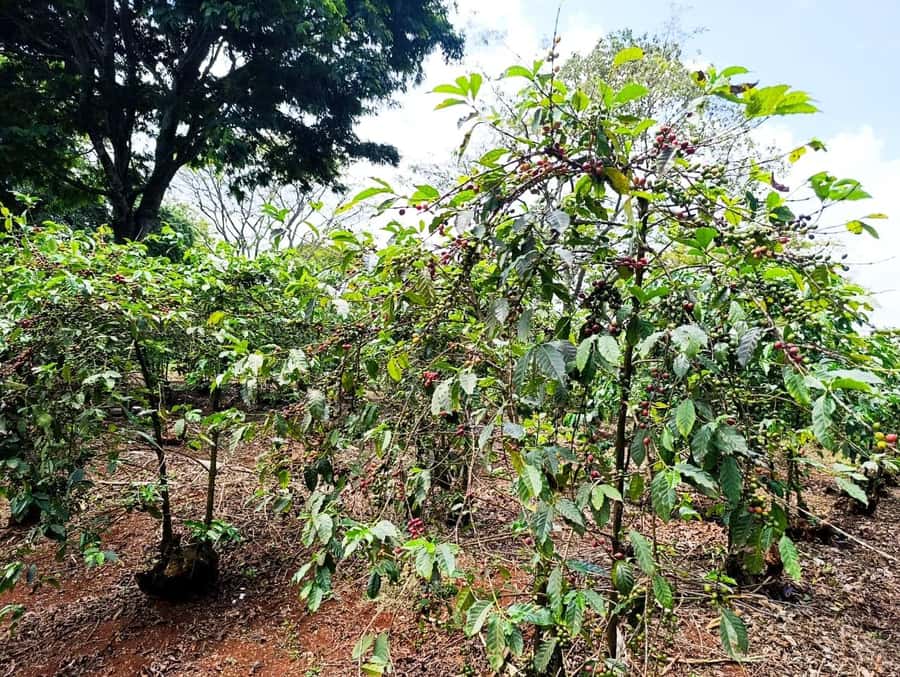
- Walking through SL28 and Ruiru 11 coffee rows
- Watching coffee change in the wet and dry mills
- Roasting beans over a traditional jiko
- Comparing roast levels during a cupping session
- Ending on the terrace with local snacks
- What the $38 price really buys you
- Pickup reliability and the return journey
- Who will enjoy Fairview most
- Should you book this coffee estate tour?
- FAQ
- Where is Fairview Coffee Estate located?
- How long does the coffee estate tour last?
- How much does the tour cost?
- Is pickup included from Nairobi?
- What language is the tour offered in?
- Can I roast my own coffee?
- What coffee varieties will I see?
- When is the best time to see coffee cherries?
- What should I bring?
Key points to know before you book
- Your own roasted coffee: You roast, grind, and bag beans over firewood with help from a local guide.
- Two coffee varieties: The farm walk includes SL28 and Ruiru 11, useful for understanding why Kenyan coffee tastes the way it does.
- From cherry to green bean: The wet and dry mills show pulping, fermentation, and raised-bed drying.
- A proper tasting session: A certified cupping host leads sampling across different roast levels.
- A four-hour Nairobi escape: Pickup and drop-off are offered from areas including Kilimani, Westlands, Parklands, Kileleshwa, Loresho, Nairobi, and Syokimau.
- Harvest timing matters: April to June and October to December offer the best chance of seeing coffee cherries in season.
Leaving Nairobi for the Kiambu highlands
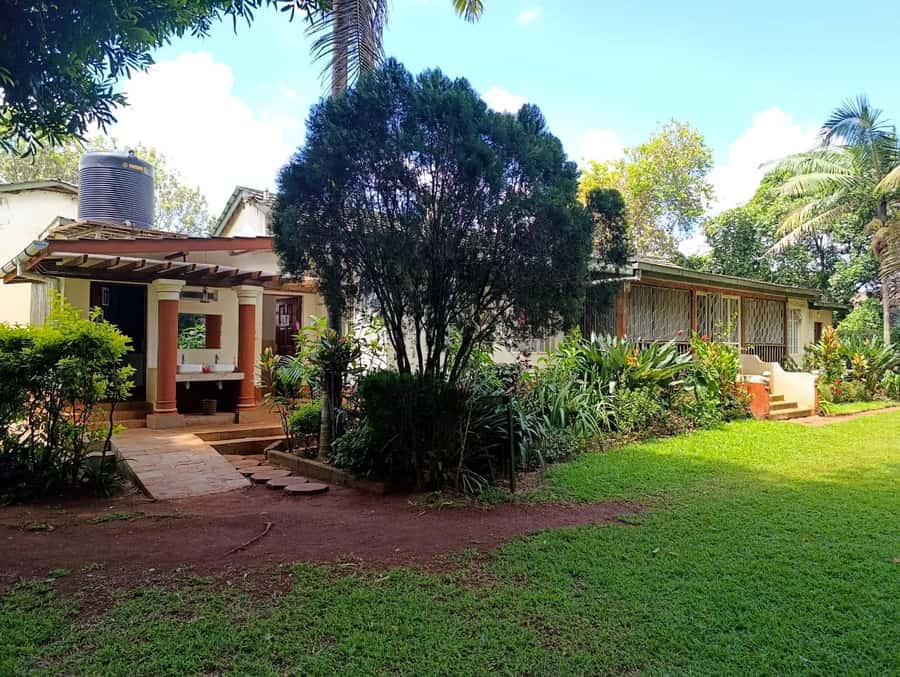
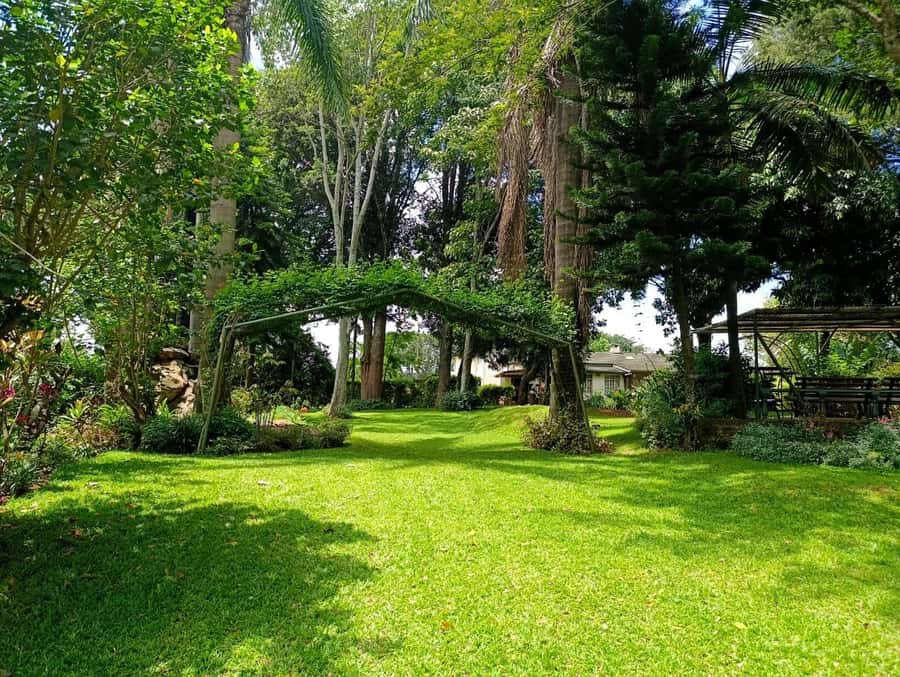
Fairview Coffee Estate sits in Kiambu, in central Kenya’s coffee-growing highlands. The setting gives this outing its appeal. You are not simply sitting in a café hearing about Kenyan coffee. You are walking through the plants, seeing the processing buildings, handling beans, and tasting the result.
The farm sits at about 1,800 meters, so the air and walking conditions differ from central Nairobi. You do not need to be an athlete, but comfortable shoes, sunscreen, and water are sensible. The paths are described as walkable, though sturdy footwear is the safer choice if the ground is uneven or damp.
Pickup is offered from seven Nairobi area locations: Kilimani, Kileleshwa, Parklands, Nairobi, Syokimau, Westlands, and Loresho. Drop-off is available in the same general group of areas. This saves you the trouble of arranging a taxi to Kiambu, and it matters in Nairobi, where a short distance can take much longer than expected.
The stated duration is four hours, with about three hours at the estate. That is enough time for a real introduction without turning the visit into a full-day commitment. Still, ask for a clear pickup time and allow some flexibility. A delayed vehicle caused one visitor to miss the planned group visit, leading to a choice between waiting several hours or paying more for a private tour.
A few more options to weigh up in Nairobi
- Nairobi National Park Half-Day Tour; Free Wi-Fi connection
★ 5.0 · 878 reviews - Nairobi: National Park & Optional Elephants & Giraffe Center
★ 4.8 · 874 reviews - NAI NAMI: Nairobi Storytelling Tour with Street Children
★ 5.0 · 792 reviews
A Kenyan welcome with coffee and sweet bites
The visit begins with a fresh cup of coffee and local sweet snacks. This is a pleasant start because it puts the drink in your hand before the technical explanations begin. You get a first impression of the coffee’s aroma and flavor, then spend the rest of the visit learning how that cup came to be.
The refreshments are not meant to replace lunch. The final snack platter includes local fruit, pastries, and fresh juice, but the tour information does not promise a full meal. If you are visiting around midday, eat beforehand or carry something suitable for the road.
This opening also sets the right tone for the estate. Fairview is not only a factory visit. Coffee is treated as agriculture, craft, and part of local identity. The best part is that the explanation stays connected to things you can see and taste.
Walking through SL28 and Ruiru 11 coffee rows
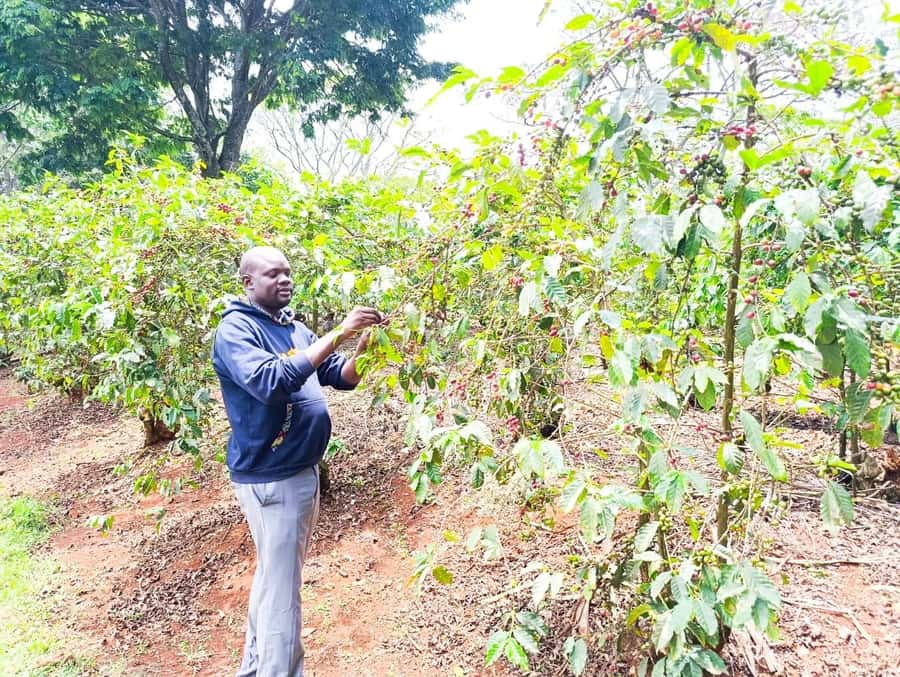
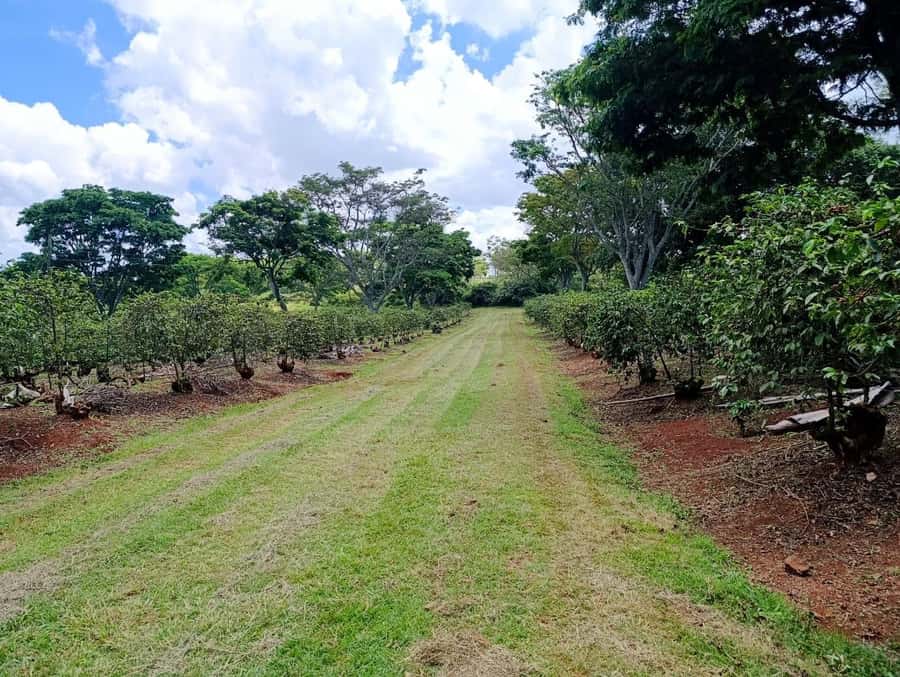
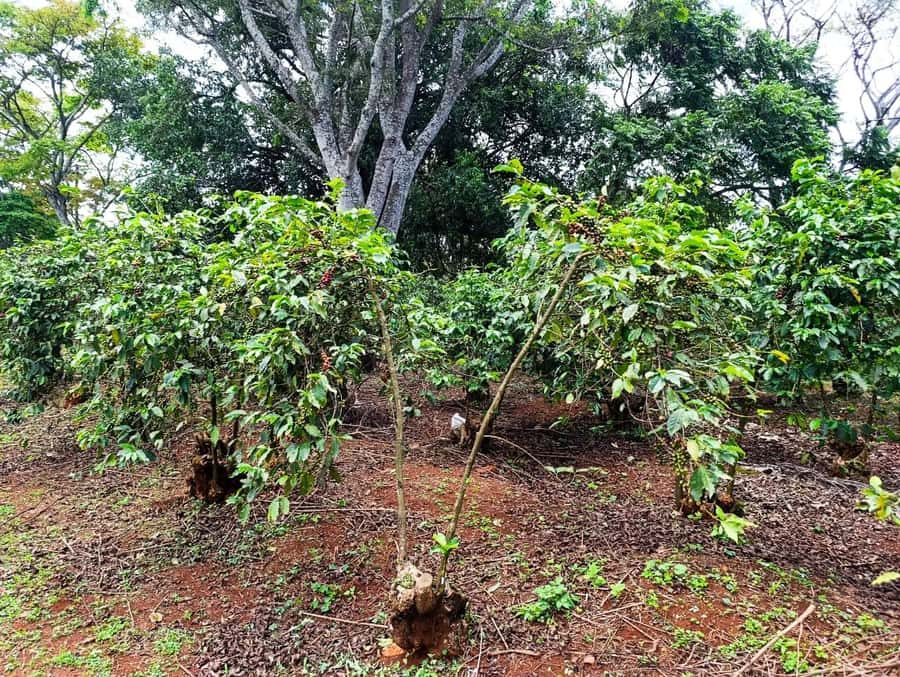
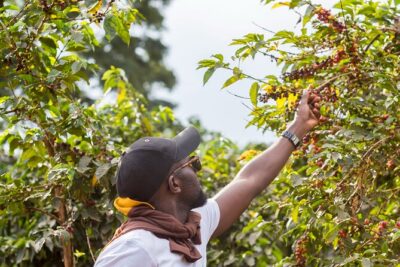
The farm walk takes you among rows of SL28 and Ruiru 11, two Kenyan coffee varieties named specifically in the tour. The guide explains seedling propagation, soil care, and cherry selection, giving you a better sense of how much work comes before roasting.
That matters because coffee is often presented as a finished product. Here, you see the plant itself and learn why careful growing and selective picking affect the final cup. The guide may also explain how seedlings are raised and how the soil is managed, which helps connect the farm to the tasting later in the day.
If you visit during harvest, from April to June or October to December, cherries may be present. The tour says you can get hands-on with the cherries when they are in season. Outside those periods, you should expect more explanation and observation rather than a full picking experience.
The guide’s style can shape this part of the visit. James received particular praise for explaining how the plantation works, while another visitor enjoyed the jokes and games used during the explanations of coffee growing, types, and history. That mix should suit you if you like a tour that teaches without sounding like a classroom lecture.
Watching coffee change in the wet and dry mills
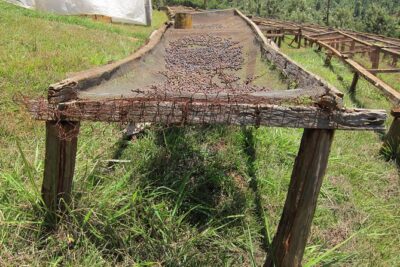
The wet and dry mills are where the farm visit becomes especially useful. You see what happens after the coffee cherries leave the plant, including pulping, fermentation, and drying on raised beds.
The wet mill handles the early processing. The cherry is pulped, and the beans go through fermentation before being washed and prepared for drying. At the dry mill stage, the beans are dried on raised beds. These steps affect the quality and character of the finished coffee, so seeing them in person gives meaning to terms you may have heard on a coffee menu.
The tour calls this the post-harvest part of coffee production, and that is exactly where many casual coffee tastings leave a gap. You are shown the chain between fruit and bean, rather than being asked to accept the process as a mystery.
Do not expect every machine to be running at full speed during your visit. Farm activity can vary by season, and the information provided does not promise a particular level of production on a given day. The value is in seeing the facilities and having the process explained, not in watching a constant industrial show.
A completely different kind of day:
- Nairobi National Park Half-Day Game Drive
★ 4.5 · 738 reviews - Nairobi: Historic and Modern Highlights Walking Tour
★ 4.8 · 703 reviews - Safari Tour; Nairobi National Park
★ 4.5 · 594 reviews - 3 Days Masai Mara Group Joining
★ 5.0 · 486 reviews
Roasting beans over a traditional jiko
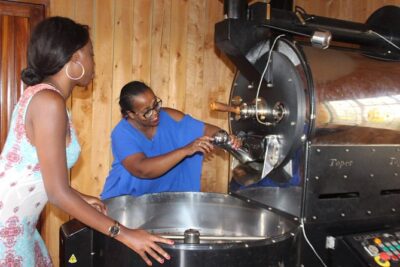
The most hands-on section takes place in a rustic roasting hut. Using a traditional jiko over firewood, you roast your own beans with local guidance. You then grind and bag the coffee.
I like this part because it turns a technical subject into a physical task. You can see the beans change as they roast, and the smell gives you an immediate sense of why freshly roasted coffee is so appealing. The process also gives you a small souvenir with a personal connection, assuming the bagged coffee is yours to take with you as described.
This is not a polished coffee school with laboratory equipment. The jiko and firewood make the workshop feel local and practical. You should expect some smoke, heat, and a rustic setup. Wear clothes and shoes suitable for a farm visit, not your finest city outfit.
The guide’s role matters here. You are not left to guess when the beans are ready. Local experts provide direction while you roast, grind, and prepare the coffee. That makes the activity suitable for beginners, including people who normally drink coffee without knowing much about its preparation.
Comparing roast levels during a cupping session
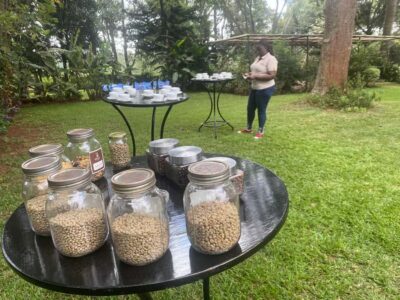
After the roasting workshop, a certified cupping host leads a tasting session. You sample different roast levels and work on identifying differences in aroma and flavor.
This is more valuable than simply being handed another cup. Cupping gives you a method for paying attention. You may notice how a lighter or darker roast changes the character of the coffee, and you can compare the samples rather than relying on a single impression.
Kenyan coffee is often associated with pronounced flavor and brightness, but your experience will depend on the beans, roast, and preparation. The tour promises richness of flavor, yet it is best to approach the tasting as a chance to form your own opinion. You may prefer one roast level over another, and that is part of the point.
If you already enjoy specialty coffee, this session will likely be one of the strongest reasons to visit. If you are a casual coffee drinker, the host’s guidance should help you make sense of what you are tasting without requiring advanced knowledge.
Ending on the terrace with local snacks
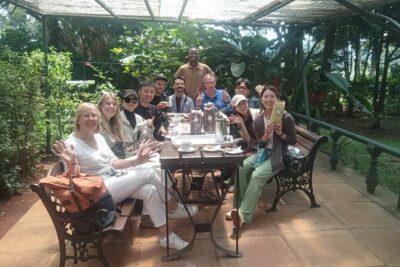
The final stop is a scenic terrace where you can relax with fruit, pastries, and fresh juice. After the walking and roasting, this slower finish is welcome.
It also gives you time to ask questions, look back over the coffee estate, and decide if you want to buy something. Personal purchases are not included, so budget separately if you want coffee or other items from the estate.
The terrace is a good reason not to rush the final part. The experience works best as a steady sequence: welcome drink, farm walk, processing, roasting, tasting, and rest. You get both the working side of coffee and the social pleasure of sharing food and a cup in a quiet setting.
What the $38 price really buys you
At first glance, $38 per person is a fair price for a four-hour guided outing with transport from Nairobi. The package includes pickup and drop-off, the farm and factory tour, the roasting workshop, cupping, snacks, and refreshments.
But the separate $30 entry fee is important. It is listed as not included, so you should clarify the final amount before confirming. If that fee applies per person, the outing costs about $68 before purchases and any other personal spending. At that level, the tour needs to deliver more than a quick plantation walk, and the hands-on roasting plus tasting helps justify the expense.
The value is strongest for visitors who want a structured coffee experience rather than a simple café stop. Transport also adds practical value, especially if you are staying in one of the listed Nairobi areas and prefer not to negotiate a separate ride to Kiambu.
The price is less attractive if you are only looking for a scenic farm visit or a cup of coffee. In that case, the extra fee and four-hour schedule may feel heavy. Ask exactly what the entry charge covers, and confirm if any price difference applies when a delayed pickup causes a private visit instead of the planned group visit.
Pickup reliability and the return journey
Pickup is one of the tour’s biggest conveniences and one of its main risks. Nairobi traffic can be slow, but a reported 90-minute delay is not a minor inconvenience. It caused a missed group visit and created pressure to pay an additional $20 per person for a private option rather than wait three hours.
I would confirm the pickup location, time, and driver contact details in advance. Keep your phone available on the morning of the tour, and avoid scheduling an important activity immediately afterward.
There is also a specific caution about the return journey. One visitor was taken to a restaurant described as a typical Kenyan place, then faced a bill of more than $10 per person while the driver ate without paying. You do not need to accept an unscheduled restaurant stop. If you want a meal, choose and pay for it yourself, and ask the driver to return you directly unless a stop has been agreed beforehand.
Another visitor specifically praised a driver named Surfic for being friendly. That suggests the transport experience can be good, but you should still treat driver arrangements clearly and keep control of extra stops and spending.
Who will enjoy Fairview most
I would recommend this tour to coffee drinkers, food-minded visitors, and anyone wanting a quieter half-day outside Nairobi. It also suits first-time visitors to Kenya who want an activity connected to local agriculture rather than another city attraction.
Families may enjoy the roasting, simple games, and chance to see coffee plants up close, though adults should keep an eye on children around the firewood stove. The tour is offered in English, so it works best if you are comfortable following explanations in English.
The farm is listed as wheelchair accessible, but the tour includes walking paths, raised-bed areas, and a rustic roasting space. If you use a wheelchair, confirm which parts of the route are accessible on your date. The moderate altitude also makes water and a measured pace sensible.
This is not the right choice if you need a tightly timed morning, dislike farm paths, or want a guaranteed full meal. It is also not ideal if an unexpected delay would disrupt the rest of your day.
Should you book this coffee estate tour?
Book it if you want to understand Kenyan coffee by seeing, touching, roasting, and tasting it. The strongest features are the walk among SL28 and Ruiru 11 plants, the wet and dry mill visit, and the chance to roast beans over a jiko instead of only listening to a guide talk.
Before paying, confirm the total price with the $30 entry fee included, the pickup time, and what happens if the vehicle is late. I would also decline any unplanned restaurant stop unless you have checked the menu and agreed on the cost.
With those points settled, Fairview offers a calm and useful four-hour outing from Nairobi. It has enough activity to feel worthwhile, yet enough terrace time and coffee tasting to keep the pace relaxed.
FAQ
Where is Fairview Coffee Estate located?
Fairview Coffee Estate is in Kiambu, in the central Kenyan highlands near Nairobi.
How long does the coffee estate tour last?
The experience lasts four hours, including pickup and drop-off. About three hours are spent at Fairview Coffee Estate.
How much does the tour cost?
The advertised price is $38 per person. A separate $30 entry fee is listed as not included, so confirm the final total before booking.
Is pickup included from Nairobi?
Yes. Pickup and drop-off are included from listed areas including Kilimani, Kileleshwa, Parklands, Nairobi, Syokimau, Westlands, and Loresho.
What language is the tour offered in?
The live tour guide and listed activity language are English.
Can I roast my own coffee?
Yes. The workshop includes roasting beans over firewood with a traditional jiko, followed by grinding and bagging the coffee.
What coffee varieties will I see?
The farm walk includes SL28 and Ruiru 11 coffee varieties.
When is the best time to see coffee cherries?
Harvest season is April to June and October to December. Hands-on cherry activities may be available when cherries are in season.
What should I bring?
Bring comfortable or sturdy shoes, sunscreen, and water. The farm is at about 1,800 meters, so staying hydrated is recommended.
Just added in Nairobi
- Wildlife Capital: Half-Day Safari at Nairobi National Park★ 5.0 · 2 reviews
- 3 days maasai mara migration safari★ 4.5 · 7 reviews
- 4 Days Tour Landcruiser in Masai Mara and Lake Nakuru★ 5.0 · 10 reviews
- 4 Days Safari to Lake Nakuru N/P and Maasai Mara N/R★ 5.0 · 18 reviews
- Day Tour to Nairobi national park, Elephants, and Giraffe Center★ 3.5 · 8 reviews
- 6 Days Kenya Budget Group Safari★ 5.0 · 2 reviews
- Maasai Mara Day Trip★ 5.0 · 15 reviews
- 3 Days Masai Mara Wildebeest migration Budget safari★ 5.0 · 2 reviews
Coffee Experiences, compared.
Coffee Farm Village & Factory Half Day Tour with Pick-Up
Read our review →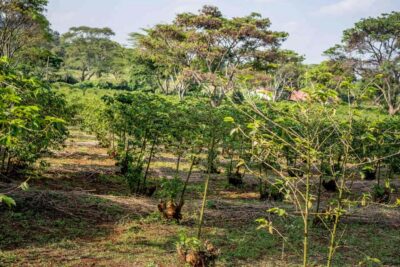
Coffee farm tour, coffee roasting and tasting experience
Read our review →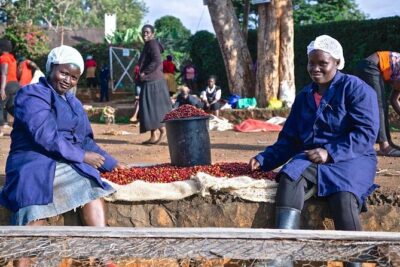
Private Half-Day Tour in Fairview Coffee Farm from Nairobi
Read our review →
Browse the lists this tour appears in