

Reviewed · MAASAI VILLAGE VISITS
Masai Cultural Village Day Tour From From Nairobi
The city gives way to Maasai country. This six-hour outing offers a direct look at village life near Nairobi, with a guided visit, traditional singing and dancing, local crafts, food-related activities, and time to speak with Maasai residents. I like the scenic two-hour drive because it gives the trip a sense of place, and I like the chance to learn about farming, food preservation, and small local businesses rather than seeing only a staged performance.
The main caution is that the actual village experience may vary. One recent booking went to a village in Kajiado where women led the visit and performed traditional songs, but no Maasai warriors were present. Another booking ended badly when the vehicle ran out of fuel and the tour did not proceed, so I would confirm the operator, destination, and fuel arrangements before departure.
In This Review
- Key points to know before booking
- A six-hour outing with four hours in the village
- The drive from Nairobi to the Maasai region
- Meeting the Maasai community
- Songs, dancing, and the welcome ceremony
- Food preservation, farming, and local enterprise
- The arts and crafts market
- What the $60 price really covers
- Practical planning for the six-hour schedule
- Who will enjoy this Maasai village visit?
- Should you book the Maasai Cultural Village Day Tour?
- FAQ
- How long does the Maasai Cultural Village Day Tour take?
- Where can pickup and drop-off take place?
- Is the village entry fee included in the $60 price?
- Are meals and drinks included?
- What language is the tour conducted in?
- Can I cancel the tour for a refund?
Key points to know before booking
- The village visit lasts about four hours, while the drive from Nairobi takes roughly two hours each way.
- Maasai warriors may not always lead the welcome, since one recent visit was guided by local women instead.
- The $60 price is not the full adult cost, because the village entry fee adds $30 per adult.
- Hotel pickup and drop-off are included from Nairobi, Nairobi West, Nairobi County, or Jomo Kenyatta International Airport.
- Bring cash in Kenyan shillings or US dollars for the village fee, food, drinks, and possible purchases.
- The tour is conducted in English and includes an air-conditioned vehicle, bottled water, a driver, and a guide.
A six-hour outing with four hours in the village
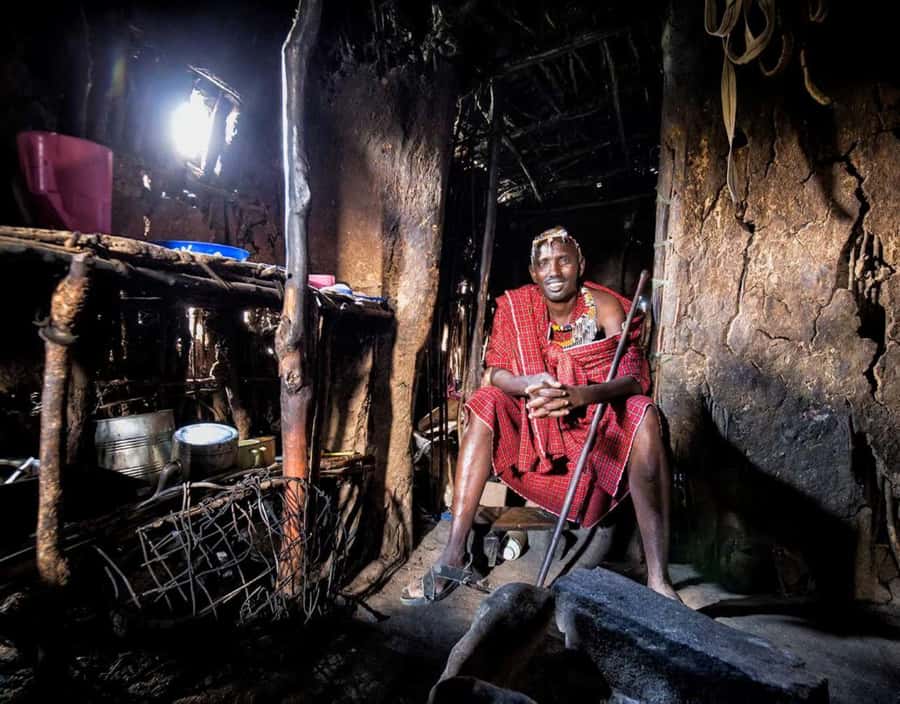
This is a half-day trip, though the timing feels closer to a full morning or afternoon away from your Nairobi hotel. You spend about two hours going out, four hours at the Maasai village, and another two hours returning.
That split matters. You are not making a long journey for a 30-minute photo stop. The village portion is the heart of the day, with time for a guided walk, cultural explanations, singing and dancing, sightseeing, crafts, and food-market activities.
Still, the drive takes up one-third of the tour. If you dislike long vehicle rides, keep that in mind. If you enjoy watching the city fade into open country, the journey helps place Maasai culture in its wider setting.
Pickup is offered in Nairobi, Nairobi West, Nairobi County, and at Jomo Kenyatta International Airport. The airport option may suit you if your schedule allows a six-hour excursion after arrival, but you should confirm the pickup time carefully before booking flights or other activities.
More Maasai village visits:
- Nairobi: Day Tour to Amboseli National Park & Maasai Village
★ 4.5 · 310 reviews - Masai village Day Tour Experience
★ 5.0 · 284 reviews - Maasai Village Experience Day Tour
★ 5.0 · 72 reviews
The drive from Nairobi to the Maasai region
The tour begins in an air-conditioned van with a professional driver and English-speaking guide. Bottled water is included, which is useful during the drive and the village walk.
The route takes about two hours each way. The supplied details do not give a precise village address, so I would ask for the exact destination before you go. This is especially important because one recent booking was taken to a Kajiado village rather than the village expected by the customer.
That change does not automatically make the trip poor. Kajiado is still associated with Maasai communities, and the experience can offer real contact with local residents. But the people leading the visit, the performances offered, and the activities available may differ from the promotional description.
Use the drive as a chance to ask your guide how the village visit is organized. A good guide should explain what you are seeing without turning every part of the community into a show. The best cultural exchanges leave room for questions and conversation, not only photographs.
Meeting the Maasai community
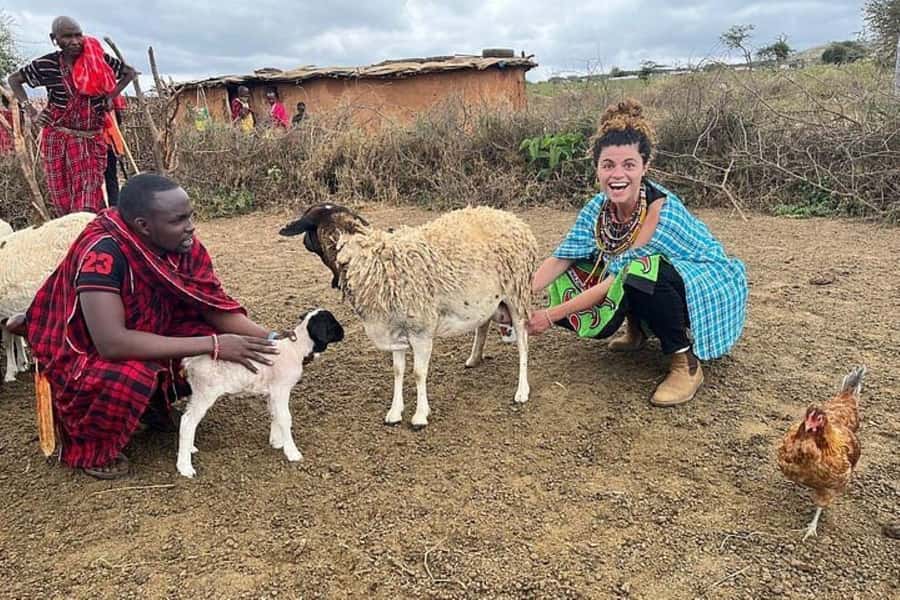
The visit is designed around personal contact. You will walk through the village, meet local people, hear about semi-nomadic life, and learn how daily work is organized.
The information provided describes discussion of agricultural methods, food preservation, and local entrepreneurial activities. These details make the tour more useful than a simple dance presentation. They connect tradition with current life, showing how a community manages food, income, movement, and changing economic needs.
The term semi-nomadic is important. It points to a way of life shaped by livestock, seasonal movement, land, and access to resources. You should not expect a museum exhibit frozen in the past. The village visit is intended to show living customs and present-day choices.
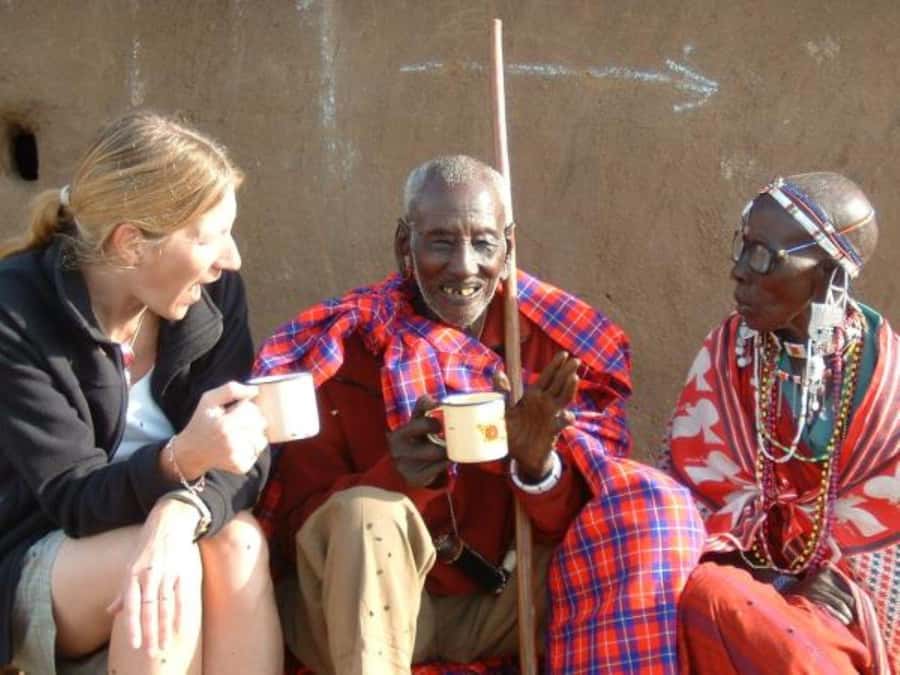
The experience may be led by men, women, or both. One recent visit was guided by women from the village, who finished with a traditional song. That is worth noting because many visitors expect the standard image of Maasai warriors greeting a group. The women-led visit may offer a different and equally valuable view of community life.
At the same time, you should not book this tour solely for a warrior welcome. That part is advertised as a highlight, but it is not guaranteed in every visit.
Songs, dancing, and the welcome ceremony
A traditional welcome ceremony and dance show are central parts of the advertised program. You may see singing, dancing, and other forms of public cultural presentation during the village stop.
These performances can be enjoyable and memorable, especially when they are part of a wider conversation about local customs. The strongest part of the experience is not simply watching people perform. It is learning what the songs, clothing, movements, or welcome mean within the community.
The supplied information does not identify the specific songs or dances, so avoid expecting a fixed show with a guaranteed cast. The Kajiado visit described above ended with traditional singing rather than a warrior performance.
That variation is a practical point, not a reason to dismiss the excursion. It means you should arrive with an open mind. You may receive the welcome ceremony you expect, or you may spend more time with village women and hear songs in a smaller setting.
Photography is encouraged as a way to remember the visit, but respectful behavior matters. Ask before taking close-up photographs of people, especially during conversations or daily activities. A photograph should record a human exchange, not replace it.
A few more options to weigh up in Nairobi
- Nairobi National Park Half-Day Tour; Free Wi-Fi connection
★ 5.0 · 878 reviews - Nairobi: National Park & Optional Elephants & Giraffe Center
★ 4.8 · 874 reviews - NAI NAMI: Nairobi Storytelling Tour with Street Children
★ 5.0 · 792 reviews - Nairobi National Park Half-Day Game Drive
★ 4.5 · 738 reviews
Food preservation, farming, and local enterprise
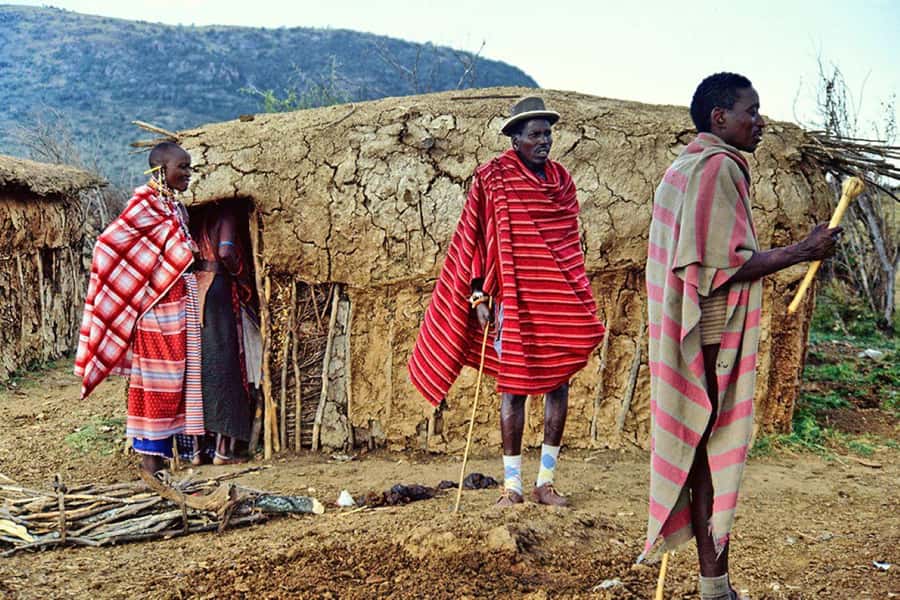
Many cultural tours stop at costumes and dances. This one also promises discussion of practical subjects such as agriculture, food preservation, and local entrepreneurial work.
For you, that is where the visit can become more than a photo opportunity. Food preservation shows how a community plans beyond one meal. Farming explains how people make use of available land and resources. Local businesses reveal how traditional communities earn income and respond to modern demands.
The information does not specify which foods you will see, whether you will taste a meal, or which businesses you will visit. Breakfast and lunch are not included, so do not assume the village program provides a meal. A food-market visit is part of the planned activities, but you should treat it as a chance to see local products rather than a guaranteed lunch stop.
Bring money if you want to buy crafts or food, but remember that the only stated payment requirement is the entry fee. The details do not list a fixed craft price or guarantee particular items for sale.
The arts and crafts market
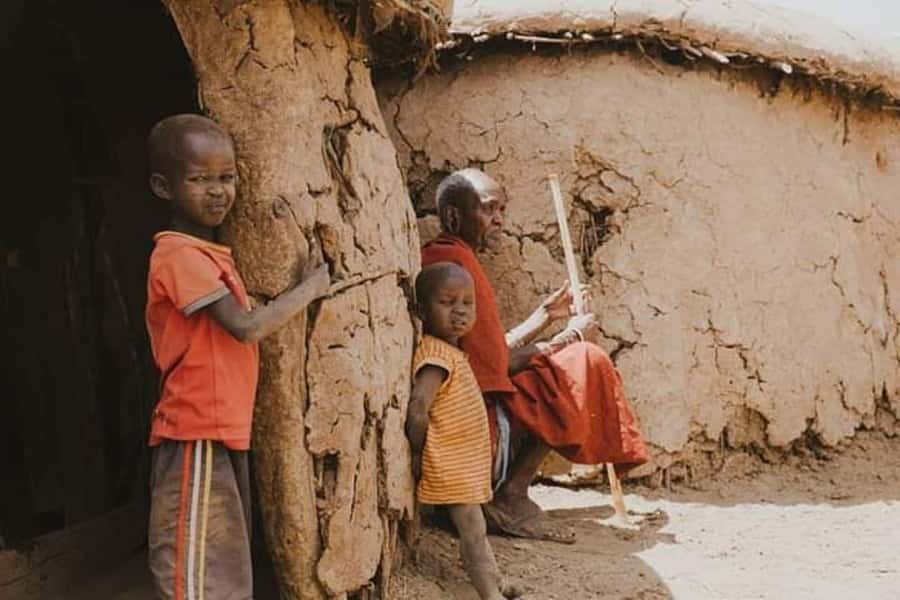
The arts and crafts stop adds a commercial side to the visit. You may see handmade goods and have the chance to support local sellers.
This part can feel meaningful when you understand who made the item and how the sale benefits the community. Ask your guide or the seller about the work before buying. That small conversation gives you a better sense of the object than a quick purchase made only because it looks like a souvenir.
Prices are not provided, and the tour does not include shopping credit. Keep your spending separate from the entry charge. Also remember that the entry fee is payable in cash, in Kenyan shillings or US dollars.
The market may be a highlight for visitors who enjoy crafts and photography. If you prefer quiet observation, it may feel more commercial than the village walk. The tour includes both sides of the visit, so expect a mix of cultural exchange and selling.
What the $60 price really covers
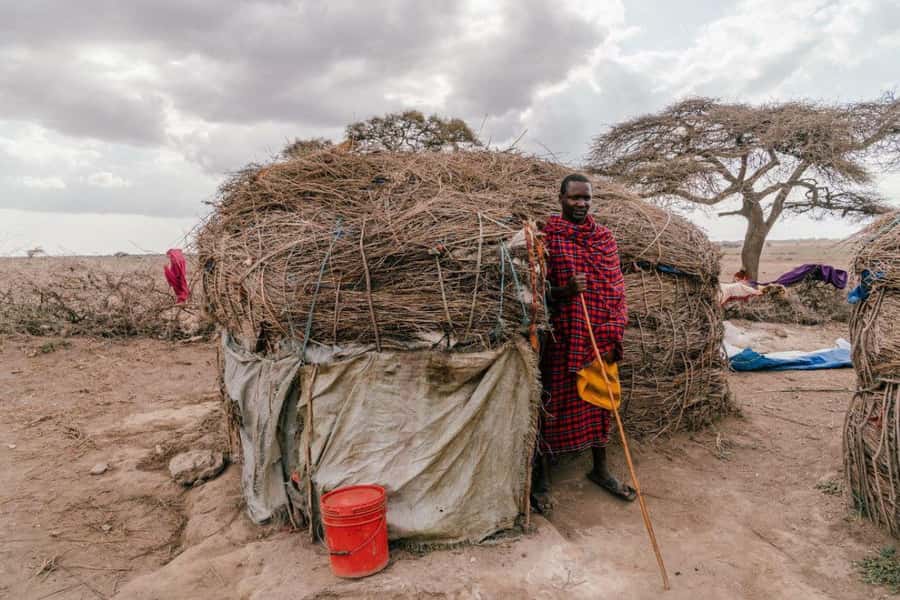
The advertised price is $60 per person. That includes hotel pickup and drop-off in Nairobi, the driver and guide, bottled water, and transport in an air-conditioned vehicle.
For an adult, the required village entry fee adds another $30. That brings the known adult cost to at least $90 before lunch, drinks, alcohol, or crafts. Children and young people pay a stated village fee of $20, though the supplied details do not explain the age limits or whether the tour price changes for them.
At $90 or more, the value depends heavily on the quality of the village visit and the reliability of the transport. The price is reasonable if you want a private-feeling cultural outing with door-to-door service and four hours at the community. It is less attractive if the visit is short, the destination changes without warning, or the tour becomes only a performance.
Because the tour has received mixed recent feedback, I would ask three questions before booking:
- Which exact village will I visit?
- Will the village entry fee be paid on arrival, and in what currency?
- Is the operating company Hedge Tours and Safaris, and who handles transport on the day?
That last question is worth asking because one failed booking referred to a different safari company and included serious vehicle-preparation problems. The experience information names Hedge Tours and Safaris as the provider, so make sure your confirmation matches the company collecting you.
Practical planning for the six-hour schedule

Breakfast, lunch, drinks, and alcohol are not included. Eat before pickup if your departure time is early, and carry additional money if you want food or drinks during the day.
Bottled water is supplied, but you may still want extra water for the walk. The tour includes sightseeing and walking in the village, though the exact amount of walking is not stated.
Wear comfortable clothing and shoes suitable for walking. That is simple advice rather than a special dress code, since the program includes a village tour, market visit, scenic stops, and traditional performances.
The activity is listed as wheelchair accessible. Because the visit includes a walk through a village and the details do not describe the ground surfaces, contact the operator before booking if you need specific vehicle or route arrangements. Ask what accessibility support is available from the van to the village activities.
Free cancellation is available up to 24 hours before the tour for a full refund. You can also reserve and pay later, which helps if your Nairobi schedule is still changing.
Who will enjoy this Maasai village visit?
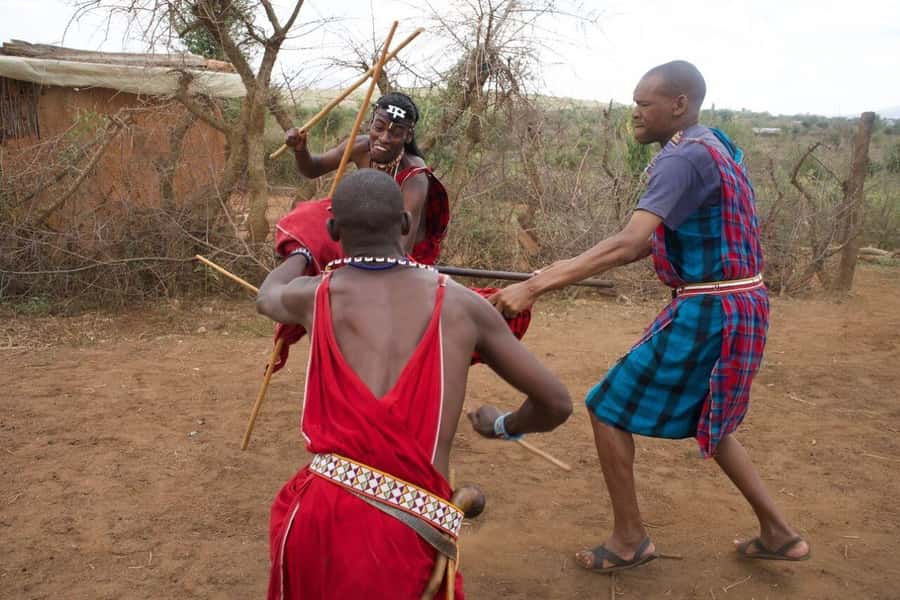
I would recommend this outing to you if you want direct contact with a local community and prefer cultural discussion to a standard city sightseeing tour. It suits curious visitors who want to learn how Maasai traditions connect with agriculture, food, work, music, and present-day business.
It is also a good choice if you have only one day in Nairobi but want to see more than the city. The hotel pickup removes the need to arrange separate transport, and the four-hour village visit gives the day enough time to feel substantial.
Families may appreciate the simple structure, especially if children are interested in music, crafts, and village life. The stated youth entry fee may reduce the additional cost, but confirm the age rules before you pay.
I would be more cautious if you need a precisely scripted performance, a guaranteed warrior welcome, or a fixed village location. The available experience can change depending on the community hosting the visit.
Should you book the Maasai Cultural Village Day Tour?
Book it if you value conversation, local context, and a flexible cultural experience more than a perfectly predictable show. The best parts are the long village visit, the chance to learn about daily practices, and the possibility of meeting residents who can explain their own lives.
Before booking, confirm the exact Kajiado or other village destination, the operating company, the entry fee, and what kind of welcome ceremony is planned. At $60 plus the adult $30 village charge, this is fair value only when the transport is dependable and the village visit matches your expectations.
If those details are confirmed, the tour can be a memorable way to meet Maasai residents near Nairobi. If they remain vague, choose a different experience with clearer arrangements.
FAQ
How long does the Maasai Cultural Village Day Tour take?
The tour lasts six hours. About two hours are allocated for the drive to the village, four hours for the village visit, and two hours for the return drive.
Where can pickup and drop-off take place?
Pickup and drop-off are available in Nairobi, Nairobi West, Nairobi County, and at Jomo Kenyatta International Airport.
Is the village entry fee included in the $60 price?
No. The village entry fee is separate. It is $30 for adults and $20 for children and youth, payable in cash in Kenyan shillings or US dollars.
Are meals and drinks included?
No. Breakfast, lunch, drinks, and alcohol are not included. Bottled water is included.
What language is the tour conducted in?
The tour has a live English-speaking guide.
Can I cancel the tour for a refund?
Yes. You can cancel up to 24 hours in advance for a full refund. The tour also allows you to reserve now and pay later.
Just added in Nairobi
- Visit kibera Slum the chocolate city★ 4.8 · 3 reviews
- Visiting the Kibera the biggest slum in Africa★ 3.9 · 2 reviews
- Visit to David Sheldrick Elephant Orphanage★ 5.0 · 1 review
- Wildlife Capital: Half-Day Safari at Nairobi National Park★ 5.0 · 2 reviews
- 3 days maasai mara migration safari★ 4.5 · 7 reviews
- 4 Days Tour Landcruiser in Masai Mara and Lake Nakuru★ 5.0 · 10 reviews
- 4 Days Safari to Lake Nakuru N/P and Maasai Mara N/R★ 5.0 · 18 reviews
- Day Tour to Nairobi national park, Elephants, and Giraffe Center★ 3.5 · 8 reviews
Maasai Village Visits, compared.

Day Tour to Amboseli National Park & Maasai Village
Read our review →



Day Trip: Amboseli National Park & Maasai Village – Nairobi
Read our review →
Day Trip to Maasai Mara Reserve & Maasai village
Read our review →
3days/2nights group joining Masai Mara with Masai Village Visit
Read our review →
Kenya: Maasai Village Visit with Traditional Dance Show
Read our review →Browse the lists this tour appears in