
Reviewed · WATAMU TOURS
Watamu: Learn Kenyan Cusine with Jonathan
Food tastes better when you make it. Jonathan’s two-hour cooking class gives you a direct, friendly way to learn Kenyan food in Watamu, either at his village or at your own resort. I like the private format, which keeps the lesson personal, and I like that you cook and eat together rather than simply watch a demonstration. The main consideration is that the class is short, so you should expect a focused introduction, not a full survey of Kenyan cuisine.
The price is $23 per person, including cooking materials and private transfer, which is fair if you value local contact as much as the meal itself. Jonathan speaks English, Italian, and Swahili, and past participants have especially praised his kindness, clear teaching, humor, and warm welcome from his family. Since the food is prepared from scratch, the experience is hands-on and may be less polished than a hotel cooking school, but that is also much of its appeal.
In This Review
- Key points at a glance
- Why this Watamu cooking class feels personal
- Starting with pickup and choosing your setting
- Making ugali from scratch
- Folding chapati and preparing samosas
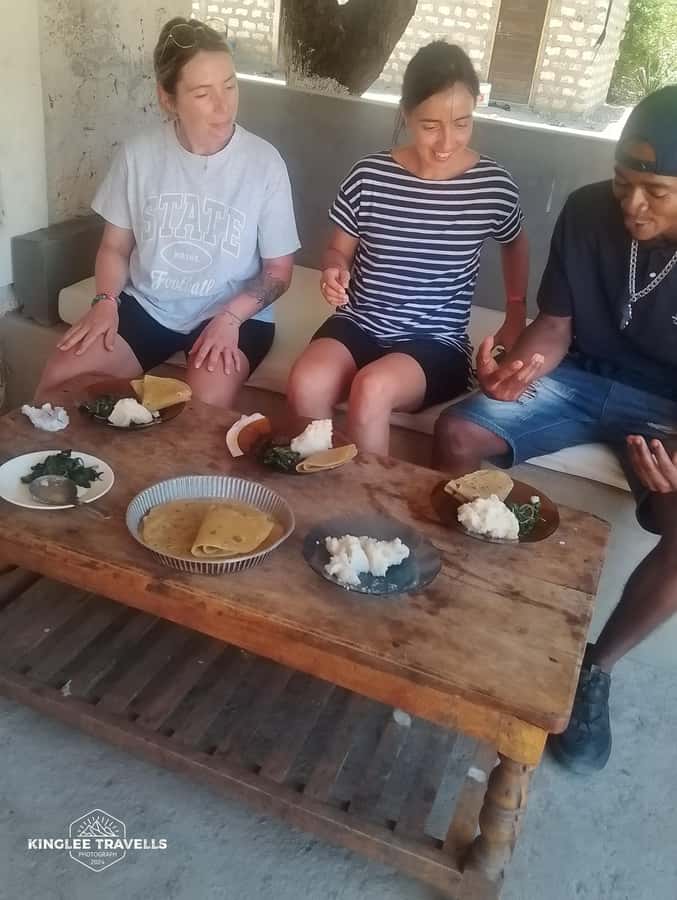
- Sitting down to eat what you cooked
- Jonathan and the family welcome
- Is $23 a good value?
- Who should book this experience?
- Practical details before you reserve
- Should you book Jonathan’s cooking class?
- FAQ
- How much does the cooking class cost?
- How long does the experience last?
- Which dishes will I learn to cook?
- Where does the cooking class take place?
- Is transportation included?
- How many people can join the class?
- Which languages are available, and can I cancel?
Key points at a glance
- Cook in a Kenyan village or at your own accommodation: You can ask Jonathan to meet you at his village or hold the lesson at your house or resort in Watamu.
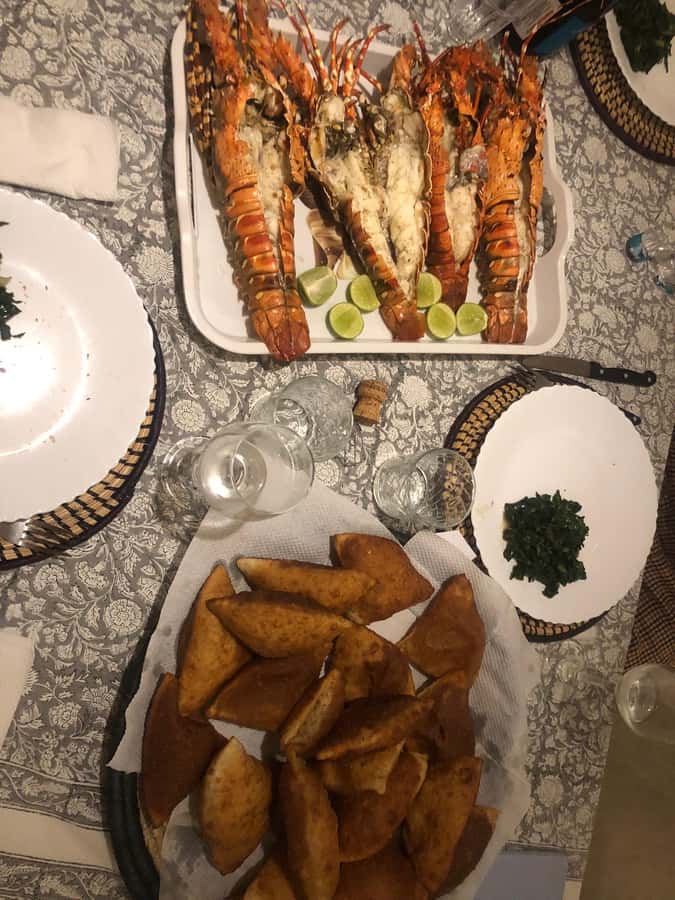
- Learn three familiar local dishes: The class covers ugali, chapati, and samosas, with spinach also included in one meal described by a recent participant.
- A genuinely private activity: The class is open to groups of up to 10 people, with private instruction rather than a large shared session.
- Pickup is included: Jonathan can collect you and take you to the village, making the local option easier to arrange.
- Eat what you prepare: The lesson ends with a shared meal, turning the cooking into a social experience rather than a simple demonstration.
- Strong personal praise: The highest marks focus on Jonathan’s friendliness, patience, teaching style, and the welcome from his family.
Why this Watamu cooking class feels personal
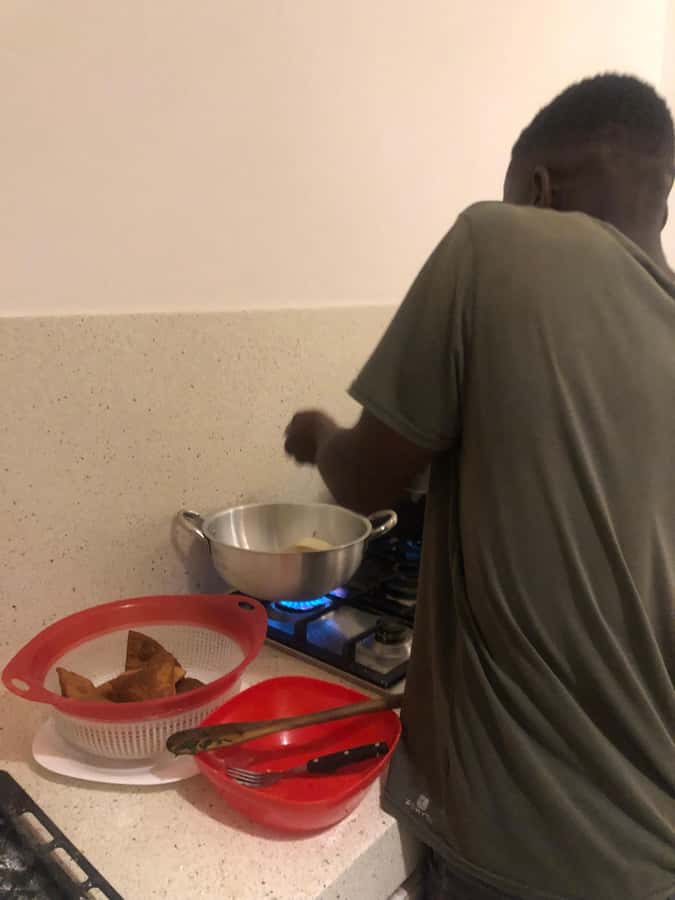
Many cooking classes keep you at arm’s length from local life. You sit at a counter, copy a recipe, and leave with a printed menu. This experience aims for something more direct. Jonathan teaches you how to cook as a local, then sits down to eat the food with you.
That difference matters. Ugali and chapati are not just dishes to tick off a menu. They are everyday foods with an important place in Kenyan meals. Learning to prepare them gives you a better sense of how food fits into daily life along the coast.
The class is also private. You are not folded into a large group with strangers, and Jonathan can shape the session around your preferred location. A couple may want the village setting. A family with young children may prefer the convenience of a resort kitchen. A group of friends can make the class part of a relaxed afternoon.
The experience is available for up to 10 people. That is a useful limit. A group of that size can still cook together, though the lesson may feel less intimate than it would for two or four people. If you want the most hands-on time with Jonathan, a smaller group is likely the better fit.
More Watamu trips:
- Watamu Marine Park & Sudi Island Mangrove Forest Canoe Ride.With sea food lunch
★ 4.5 · 31 reviews - WATAMU: MALINDI: SARDEGNA ISLAND & MALINDI MARINE PARK
★ 4.5 · 9 reviews - From Mombasa: Watamu Marine Park & Sudi Island Excursion
★ 4.8 · 8 reviews
Starting with pickup and choosing your setting
If you choose the village option, Jonathan picks you up and takes you to his home area. The transfer is included, which adds value to the $23 price and removes the need to arrange separate transport for the class.
The village setting is the more distinctive choice. It gives the cooking a stronger connection to local life and offers a chance to meet Jonathan’s family. Several highly positive accounts focus on the welcome they received from Jonathan and his family, describing the atmosphere as warm, funny, and open.
I would choose the village if your main goal is cultural contact. You are not simply learning a recipe in a neutral room. You are spending time in the place Jonathan has chosen to share with you. The tradeoff is comfort and control. A village visit may feel more informal than a resort-based class, and the experience is likely to depend on the home setting and the rhythm of the day.
You can also ask Jonathan to come to your own house or resort. This is the practical choice if you have limited mobility, young children, a packed schedule, or a kitchen you would like to use. The activity is listed as wheelchair accessible, but you should still discuss the exact setup and access arrangements with Jonathan before confirming.
The location is tailor-made, but it needs to be arranged directly through WhatsApp. Do not leave that choice vague. Tell Jonathan where you want the class, who is attending, and whether you prefer the village or your accommodation.
Making ugali from scratch
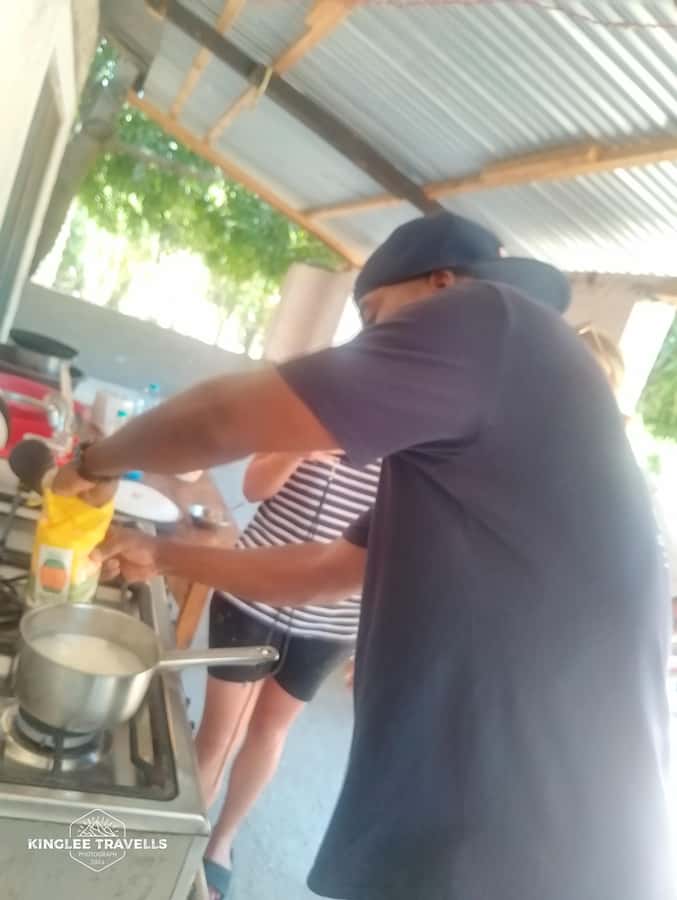
Ugali is one of the central parts of the lesson. Jonathan shows you how to prepare it from scratch, giving you the chance to work through the basic process rather than receiving a finished portion.
The value here is practical. Ugali is simple in appearance, but the texture and consistency matter. A cooking class lets you see how the dish comes together and gives you a better chance of preparing it again at home.
The class is not presented as a formal professional kitchen course, and that is worth keeping in mind. You are learning a traditional preparation with a local cook, not studying technical culinary theory. If you want a polished lesson with exact measurements and printed instructions, this may feel informal. If you want to understand the food by making it yourself, the approach should suit you well.
Jonathan’s teaching style has earned particular praise. He has been described as gentle, funny, patient, and good at explaining the steps. One participant specifically noted that language differences did not prevent a good experience. That is helpful if you do not speak Swahili or Italian, since English is also available.
You may find that the lesson works best when you ask questions as you go. Ask about the texture you should aim for, how the dish is normally served, and which parts of the process matter most. The class is only two hours, so active participation will give you more than simply standing back and watching.
Folding chapati and preparing samosas
Chapati follows ugali in the cooking plan. The class gives you a chance to work with the dough and prepare the flatbread yourself. Chapati is especially suited to a hands-on lesson because the process involves shaping and cooking, not just combining ingredients.
This is likely to be one of the most enjoyable parts for families and groups. Everyone can take a turn, and the results are immediate. You do not need advanced cooking skills to take part, but you should be ready to accept that your first chapati may not look perfect. That is part of the fun.
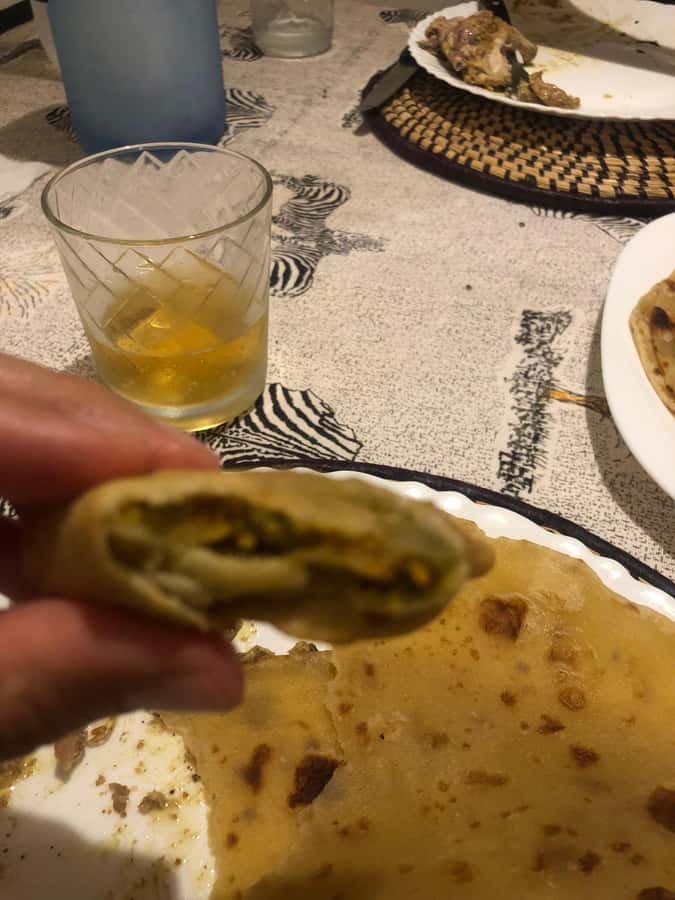
Samosas are also included in the stated menu. The exact place they take in the two-hour sequence is not specified, so you should confirm with Jonathan if samosas are a priority for your group. The class description names ugali, chapati, and samosas, while one meal account also mentions spinach served with the food.
This is a good reason to contact Jonathan before the class with any food preferences or questions. The experience is tailor-made, but that does not mean every dish can be changed without notice. If you have dietary restrictions, ask what ingredients will be used and what substitutions are possible.
A completely different kind of day:
- Nairobi National Park Half-Day Tour; Free Wi-Fi connection
★ 5.0 · 878 reviews - Nairobi: National Park & Optional Elephants & Giraffe Center
★ 4.8 · 874 reviews - NAI NAMI: Nairobi Storytelling Tour with Street Children
★ 5.0 · 792 reviews - Nairobi National Park Half-Day Game Drive
★ 4.5 · 738 reviews
Sitting down to eat what you cooked
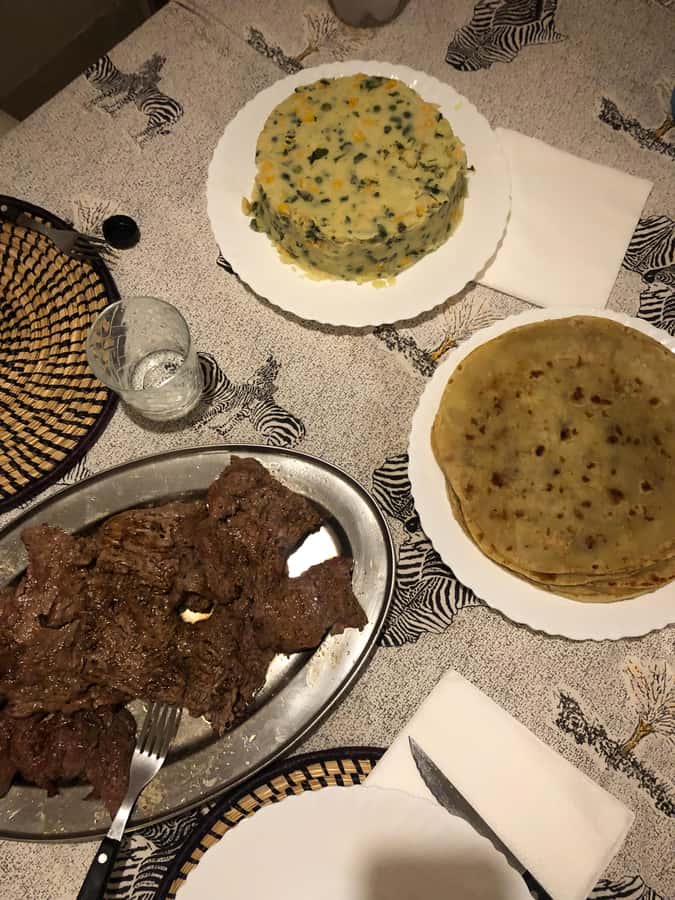
The lesson ends with the best kind of cooking homework: eating. You share the food with Jonathan after preparing it, which gives the class a natural social finish.
This shared meal is important because it turns a recipe lesson into a cultural exchange. You can ask about the dishes, compare the way you prepared them with how they are usually eaten, and enjoy a meal that has a story attached to it.
The food described in the available accounts includes chapati, ugali, and spinach, with all three praised for their taste. That gives you a useful expectation: this is not just a demonstration where the cooking is secondary. The meal is a central part of the experience.
I also like that the meal takes place after you have worked. You will understand the food differently once you have handled the ingredients and followed the steps. You may leave with more appreciation for the time and care behind everyday Kenyan cooking.
Do not expect a long restaurant-style meal. The activity lasts two hours, and the focus is on learning, cooking, and sharing. If you want a leisurely lunch with several courses, choose a separate restaurant meal. If you want to eat something you helped prepare, this format makes good use of a short morning or afternoon.
Jonathan and the family welcome
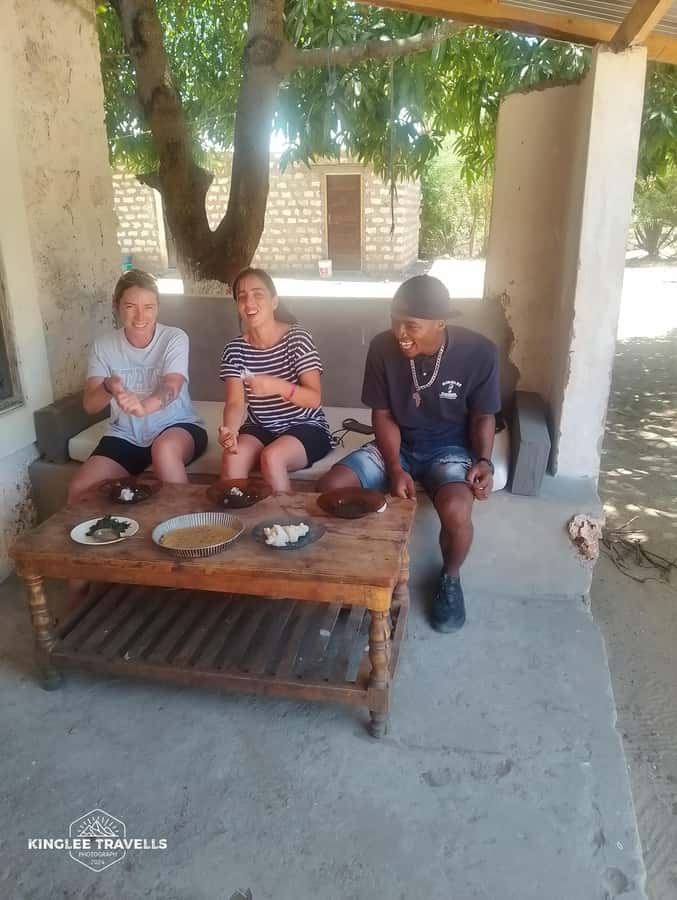
The host is Jonathan, a professional cook who leads the class in English, Italian, or Swahili. The strongest praise centers on his character rather than on flashy presentation. He is repeatedly described as kind, friendly, welcoming, and amusing.
That matters in a cooking class. You will be handling unfamiliar food and may need help with basic steps. A relaxed teacher makes it easier to ask questions and laugh at mistakes. One French participant said the language barrier did not prevent a happy experience, which suggests that Jonathan relies on demonstration and personal connection as much as words.
The family welcome is another major strength of the village option. The accounts describe Jonathan and his family treating participants as part of the household and sharing their cooking knowledge with pleasure. That is the kind of contact you cannot reproduce in a standard hotel activity.
At the same time, keep your expectations sensible. A warm family welcome does not mean the visit is staged as a formal cultural show. The setting is likely to be personal and informal. You should approach it with respect, listen carefully, and follow Jonathan’s guidance about the home and the cooking space.
Is $23 a good value?
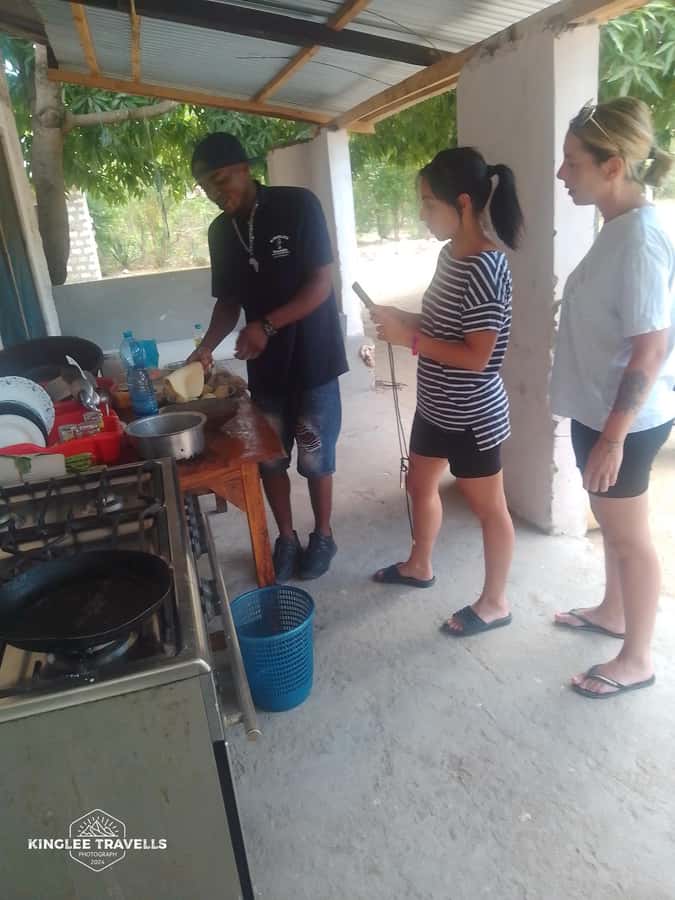
At $23 per person, the class offers more than a meal. The price includes the private cooking class, cooking materials, and private transfer when pickup is needed. That combination makes the cost attractive, particularly for a small group sharing the experience.
The value is strongest if you choose the village option. You receive instruction, food, transport, and personal contact with a local cook and his family. A resort-based class is still useful, but part of the cultural value comes from leaving the resort and seeing the setting Jonathan calls home.
For a group of eight or 10, the price is especially easy to justify if each person pays individually and the class remains private. For a solo visitor, the same price buys a more personal lesson, but you should decide if a two-hour private activity fits your budget.
The price does not appear to include extras beyond the listed materials, transfer, instruction, and food you prepare. Ask about any special ingredients or changes before booking. The class is designed around traditional dishes, not around a large choice of menus.
Free cancellation is available up to 24 hours before the activity for a full refund. You can also reserve now and pay later, which helps if you are still arranging your Watamu plans.
Who should book this experience?
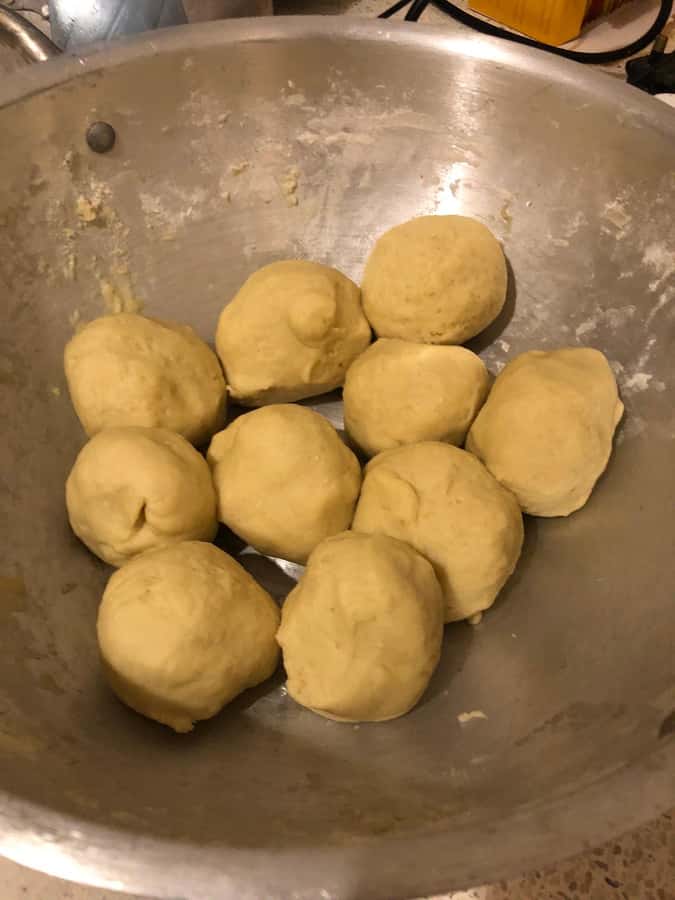
I would recommend the class to you if you want a small, local activity with real participation. It suits couples, families, and groups of friends who enjoy food and do not mind an informal setting.
It is also a good choice if you want to meet a local person rather than spend another afternoon inside a resort. The village option adds the strongest sense of place, while the resort option gives you convenience and more control over the setting.
Families should find the format approachable because the dishes are familiar and the class is short. Two hours is long enough to feel worthwhile without taking over your entire day.
Food-focused visitors will appreciate the chance to learn ugali, chapati, and samosas in one session. The class is also useful for anyone who wants to take a little Kenyan cooking home with them, although you should ask Jonathan if he can provide written recipe notes.
You may want to skip it if you prefer a highly structured culinary school, a long menu, or a large professional kitchen. The strength here is the personal connection, not technical polish. You should also contact Jonathan first if accessibility, food allergies, or a specific dish is important to you.
Practical details before you reserve
The activity lasts two hours, and starting times depend on availability. Since the location can be your resort or Jonathan’s village, confirm the meeting point before the day of the class.
Pickup is included for the village option. If you want the class at your own accommodation, send the exact location through WhatsApp and make that preference clear.
The class is private and accepts up to 10 people. English, Italian, and Swahili are available, and the activity is listed as wheelchair accessible.
The current score is 4.1 from eight ratings, with the most enthusiastic praise focused on Jonathan’s kindness, his ability to teach, the tasty food, and the family welcome. The written experiences are especially positive, but the small number of ratings means you should treat the score as a useful guide rather than a final verdict.
Should you book Jonathan’s cooking class?
Book it if you want to cook, eat, and spend time with a local family in Watamu. The best version is likely the village visit, where the included pickup and personal welcome add more to the experience than the food lesson alone.
Choose the resort option if convenience matters most, or if your group needs a familiar and accessible setting. Either way, contact Jonathan in advance to settle the location, dishes, dietary needs, and starting time.
For $23 and two hours, this is a strong value for an authentic, private activity. You will not leave as a Kenyan chef, but you should leave knowing how ugali and chapati come together, having tried samosas, and carrying a warmer memory of Watamu than another meal eaten at a hotel.
FAQ
How much does the cooking class cost?
The price is $23 per person.
How long does the experience last?
The cooking class lasts two hours.
Which dishes will I learn to cook?
The class includes ugali, chapati, and samosas. Spinach has also been served as part of the shared meal.
Where does the cooking class take place?
You can choose to attend at Jonathan’s village or ask him to come to your own house or resort in Watamu.
Is transportation included?
Yes. Private transfer and pickup are included when arranged with Jonathan.
How many people can join the class?
The activity is private and open to groups of up to 10 people.
Which languages are available, and can I cancel?
Jonathan or the host team can assist in English, Italian, or Swahili. You can cancel up to 24 hours in advance for a full refund.
Just added in Kenya
- Wildlife Capital: Half-Day Safari at Nairobi National Park★ 5.0 · 2 reviews
- 3 days maasai mara migration safari★ 4.5 · 7 reviews
- 4 Days Tour Landcruiser in Masai Mara and Lake Nakuru★ 5.0 · 10 reviews
- 4 Days Safari to Lake Nakuru N/P and Maasai Mara N/R★ 5.0 · 18 reviews
- Day Tour to Nairobi national park, Elephants, and Giraffe Center★ 3.5 · 8 reviews
- 6 Days Kenya Budget Group Safari★ 5.0 · 2 reviews
- Maasai Mara Day Trip★ 5.0 · 15 reviews
- 3 Days Masai Mara Wildebeest migration Budget safari★ 5.0 · 2 reviews
Watamu Tours, compared.

Watamu Marine Park & Sudi Island Mangrove Forest Canoe Ride.With sea food lunch
Read our review →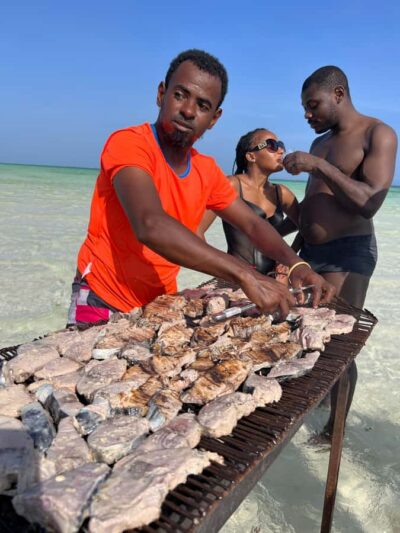
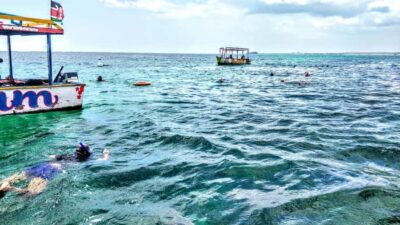

Day tour to Tsavo East National Park from Malindi/ Watamu
Read our review →
Blue Safari: Snorkeling at Watamu Marine Park & Seafood
Read our review →
From Kilifi, Watamu, Malindi: Tsavo East Day Safari
Read our review →
MIA – Airport Transfer from Mombasa to Watamu or Malindi
Read our review →
Browse the lists this tour appears in