
Reviewed · TSAVO TOURS
From Kilifi, Watamu, Malindi: Tsavo East Day Safari
Tsavo rewards an early start. This 12-hour safari takes you from Kenya’s coast into one of the country’s great wild areas, with game drives, open savannah, acacia trees, and the chance to see elephants stained red by Tsavo’s rust-colored dust. I like the hotel pickup and private transport, which remove much of the planning, and I like that the fee includes game drives, a guide, and drinking water. The main concern is the long road journey and uneven service, especially with guide language, vehicle condition, and park-entry arrangements.
The strongest wildlife outings here depend on the person behind the wheel. Alfred has been praised for stopping when asked and helping spot animals, while Abdul is credited with finding a long list of species. But one badly handled vehicle breakdown led to a very poor day, so I would confirm the guide, vehicle, lunch plan, and payment arrangements before setting off.
In This Review
- Key points to know before booking
- Why Tsavo East makes a long day worthwhile
- The early pickup from Kilifi, Watamu, Malindi, and Mambrui
- The three to four hour road journey
- Entering Tsavo East and beginning the game drive
- Finding Tsavo’s red elephants
- Midday lunch and the practical break
- Afternoon scenery and more animal searches
- The return to the coast
- Is the $200 price good value?
- Who should book this safari?
- What I would confirm before paying
- Should you book the Tsavo East day safari?
- FAQ
- How long does the Tsavo East day safari last?
- Where does pickup take place?
- How long is the drive to Tsavo East?
- What languages are available for the guide?
- Are park entry fees included?
- How much does food cost?
- Is lunch provided during the safari?
- What should I bring?
- Can I cancel the booking?
Key points to know before booking
- Three to four hours each way: Most of your day is spent on the road, so this is a demanding outing rather than a relaxed half-day trip.
- The red elephants are a main attraction: Their color comes from the red dust they use during dust baths, not from a separate species.
- The advertised price is not the final cost: Add the adult park fee of $80 and roughly $25 to $35 for food.
- Private transport is included: Pickup and drop-off are offered from hotels in Kilifi, Malindi, Watamu, and Mambrui.
- Guide quality matters: English, Italian, and German are offered, but you should confirm the language before departure.
- Payment needs planning: Carry a Visa or Mastercard for park entry and lunch, plus cash for general use.
Why Tsavo East makes a long day worthwhile
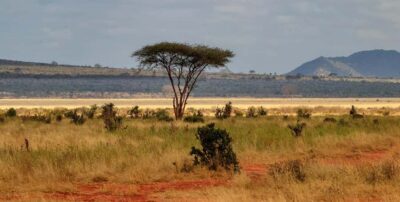
Tsavo East covers more than 13,000 square kilometers, giving you a very different experience from the beach towns on Kenya’s coast. This is a broad, dry country of open plains, acacia-dotted savannah, and changing views that feel far removed from hotel pools and seaside restaurants.
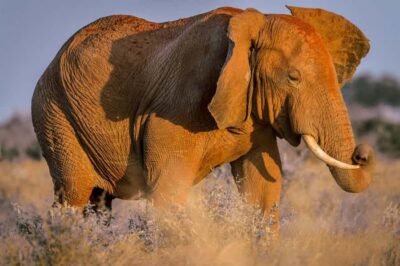
The park is famous for its elephants, especially the animals often called red elephants. They coat themselves in Tsavo’s distinctive red soil, giving their hides a coppery or brick-colored appearance. If elephants are high on your wish list, this safari has a clear purpose beyond simply checking off a national park.
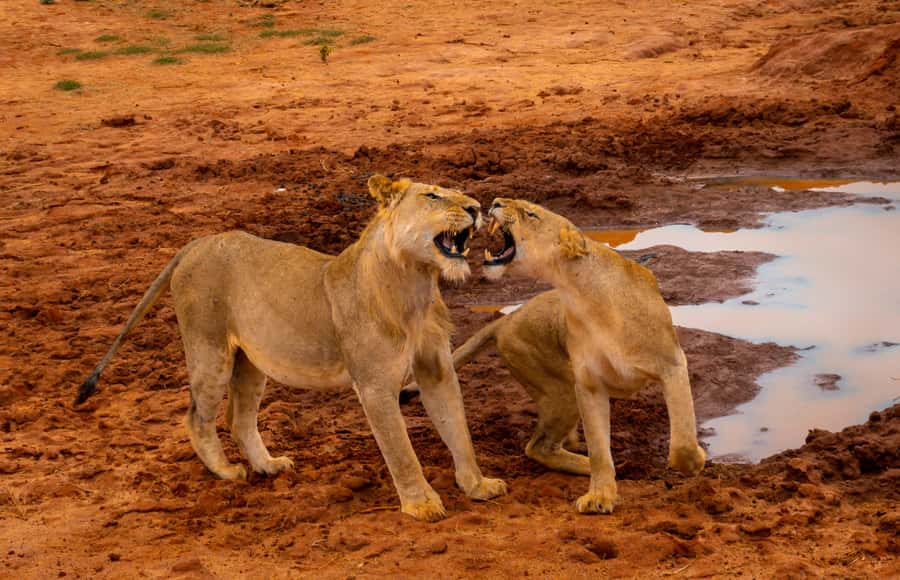
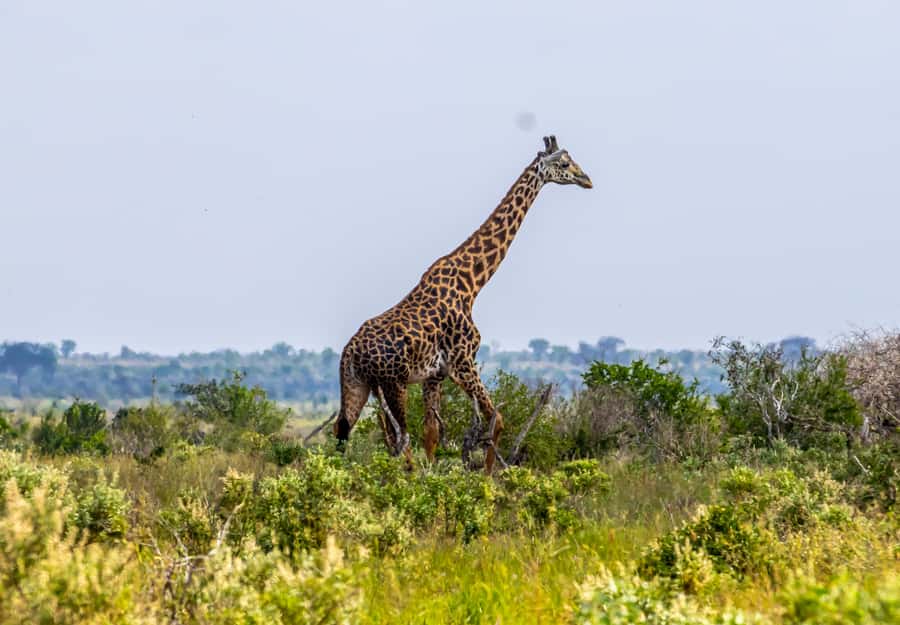
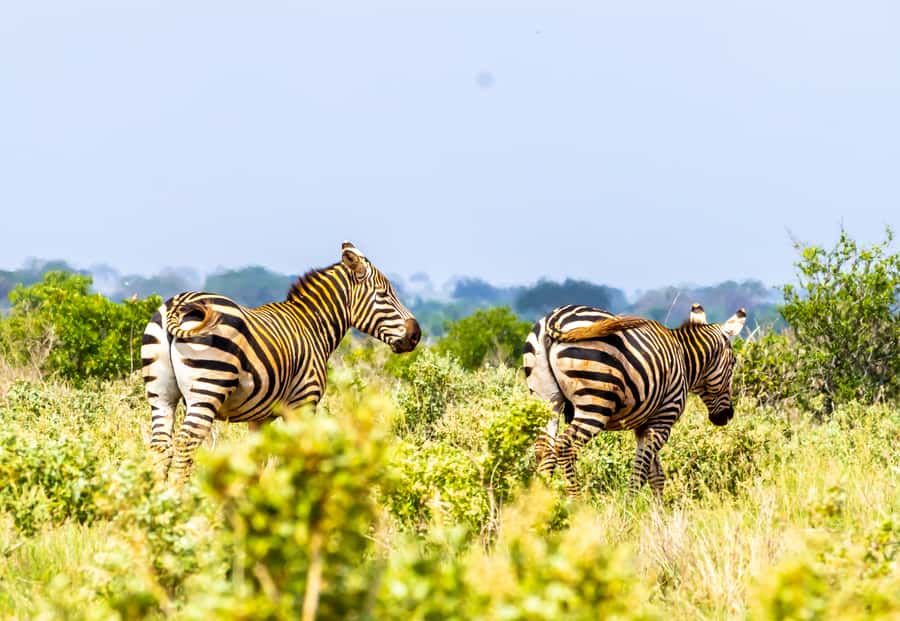
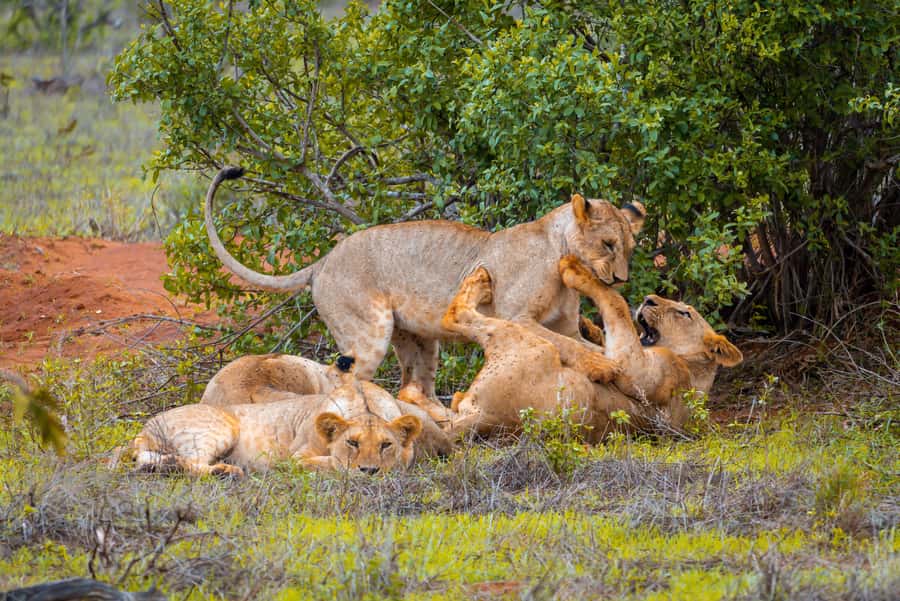
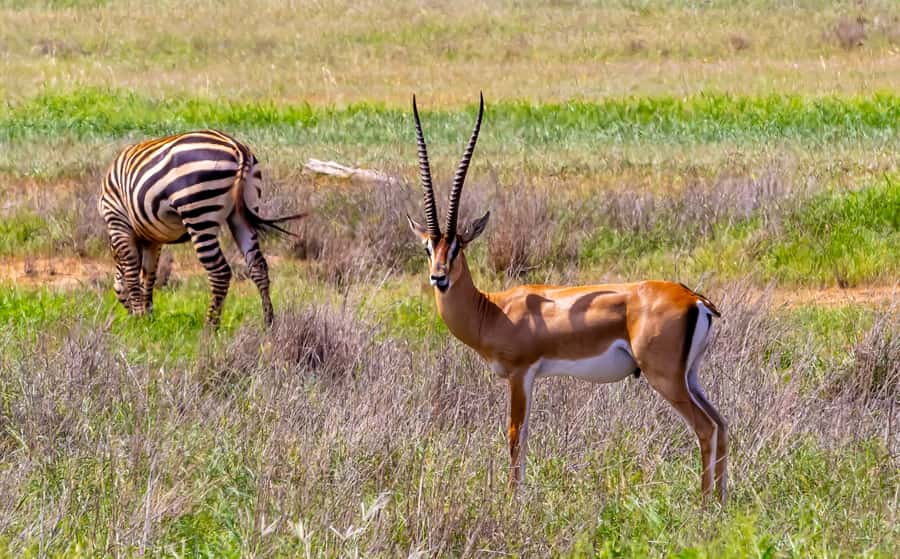
You might also see lions, cheetahs, leopards, giraffes, zebras, buffalo, and many bird species. No guide can promise a particular animal, but the variety of habitats gives the day a good chance of producing different kinds of sightings. The guide’s ability to read the terrain and watch animal behavior makes a real difference.
I would book this trip for the park itself, not for comfort. The road from the coast is long, the schedule begins early, and the day can feel tiring by the return drive. The reward is access to a huge wild area without arranging several nights in a safari lodge.
More Tsavo safaris:
- From Mombasa/Mtwapa/Diani/Tiwi: Tsavo East Full-Day Safari
★ 4.3 · 130 reviews - Day Trip – Tsavo East National Park ( Man Eater Lions of Tsavo & Other Big Five)
★ 4.5 · 55 reviews - 2 Days Tsavo East National Park Tour From Mombasa/Diani (1 Night)
★ 5.0 · 50 reviews
The early pickup from Kilifi, Watamu, Malindi, and Mambrui
Pickup is included from your hotel in Kilifi, Malindi, Watamu, or Mambrui. You are asked to wait in the lobby 10 minutes before the scheduled time, with the driver holding a sign showing your last name.
That sounds simple, and punctual pickup has worked well for some people. Still, I would treat the start of the day as an important checkpoint. Confirm the pickup time, the language of your guide, and the type of vehicle before bed. A safari day is too long to begin with uncertainty.
The transport is described as private, which is useful for couples, families, or small groups that want more control over stops. It also means hotel pickup is not something you need to coordinate separately. Drinking water is included, another small benefit on a hot road journey.
The downside is that private transport does not automatically mean a purpose-built safari vehicle. One outing used a van with trouble opening both sliding doors, and another vehicle became stuck in sand. Ask directly if the vehicle is a safari jeep or a van, and ask if it has working doors and suitable tires.
The three to four hour road journey
The trip to Tsavo East usually takes three to four hours from the coast. That is a major part of the experience, and you should decide in advance if you are comfortable spending up to eight hours on the road in addition to time inside the park.
There is a planned 15-minute stop before entering the park. Use it for breakfast and the washroom. Do not count on a leisurely meal here, since the stop is short and the day’s schedule depends on reaching the park early.
I recommend eating something before pickup if your hotel allows it, and carrying extra snacks even though food is not included. The planned lunch arrangement needs clarification. Food and drinks are listed at an additional $25 to $35, but one poorly managed outing resulted in no proper meal at all. Confirm where lunch will take place and how it will be paid for.
The road time is easier to accept if you see the safari as a full-day expedition from the coast. If you want several hours of game viewing with less time in transit, an overnight safari from a location nearer Tsavo would make more sense, but that is not this experience.
Entering Tsavo East and beginning the game drive
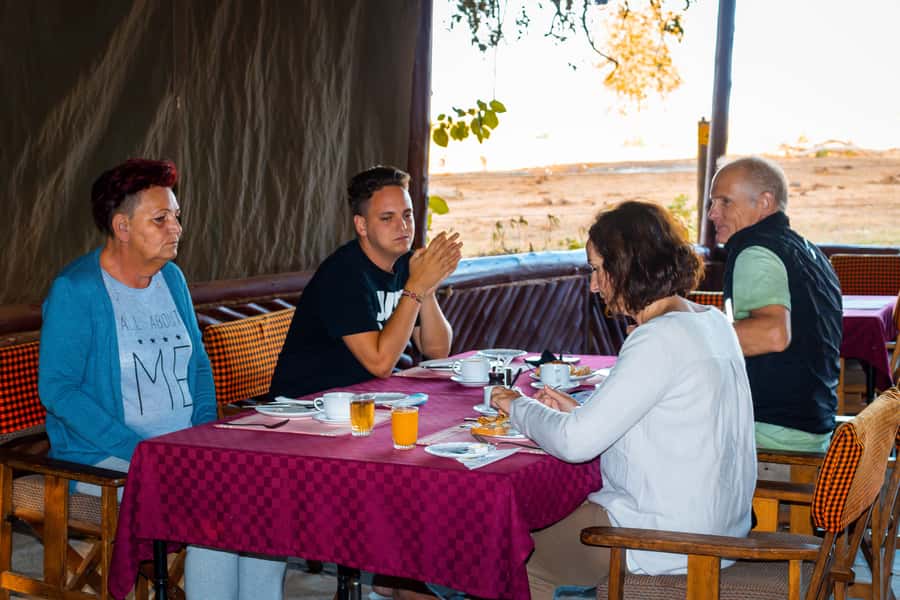
Once inside the park, the day changes pace. The vehicle moves through open country, and every bend can bring a new view or an animal sighting. The scenery is not one grand panorama. It shifts between wide plains, acacia-dotted areas, and other sections with their own mix of vegetation and wildlife.
The first drive is likely to be your best chance to see the park before the heat of the day becomes intense. Keep your camera ready, but do not spend the whole time looking through a screen. Elephants, giraffes, buffalo, and zebras can appear with little warning, and the animal itself is more memorable than a hurried photograph.
A good guide should explain what you are seeing, not merely point at it. The tour promises information about animal behavior, Tsavo’s ecosystem, and conservation work. That context gives meaning to the drive. You learn why animals use certain areas, how different species share the same water and grazing spaces, and why protecting such a large park is difficult.
The strongest feedback about the experience centers on the guides who actively search for animals. Abdul is specifically praised for his knowledge of the area and for helping find many species. Alfred is remembered as a friendly driver who stopped on request and kept looking for animals with the passengers. Those details matter because safari sightings are not delivered on a fixed timetable.
More Watamu trips:
- Watamu Marine Park & Sudi Island Mangrove Forest Canoe Ride.With sea food lunch
★ 4.5 · 31 reviews - WATAMU: MALINDI: SARDEGNA ISLAND & MALINDI MARINE PARK
★ 4.5 · 9 reviews - From Mombasa: Watamu Marine Park & Sudi Island Excursion
★ 4.8 · 8 reviews - Watamu: Learn Kenyan Cusine with Jonathan
★ 4.1 · 8 reviews
Finding Tsavo’s red elephants
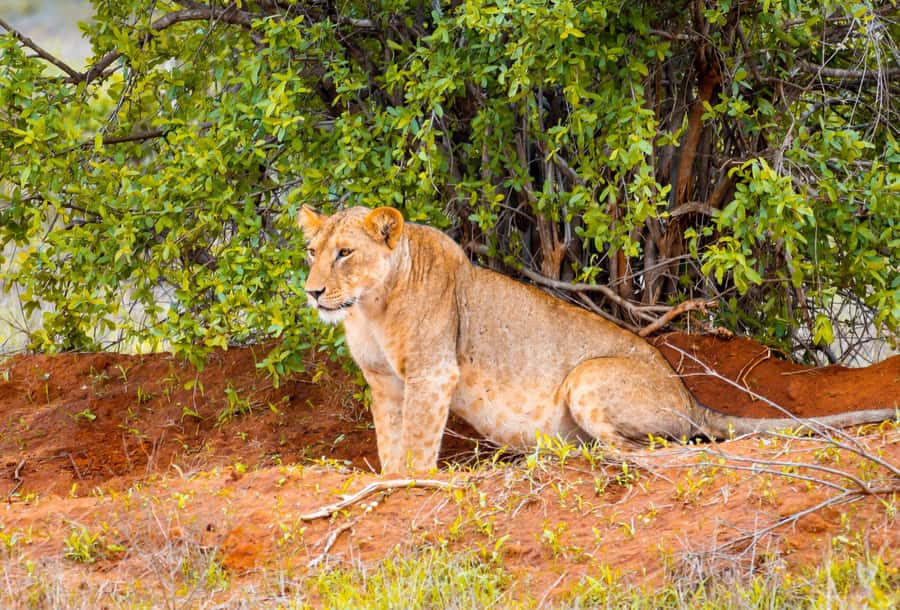
The red elephants are the signature sight here. Their color comes from the soil of Tsavo, which sticks to their bodies after dust bathing. In the right light, a herd can look almost copper-colored against the dry ground.
This is a good moment to watch rather than rush. Elephants may be feeding, walking, dusting themselves, or interacting with one another. The guide can help you understand these actions, though the exact behavior you see depends entirely on the day.
You should also keep expectations sensible. A red elephant is not guaranteed, and neither are lions, cheetahs, or leopards. The tour takes you into strong wildlife country, but nature does not follow an itinerary. The value lies in the chance to see several species in their natural setting, not in a promised checklist.
One highly positive outing succeeded in finding all the animals on the participant’s personal list. That is encouraging, but it should be treated as a fortunate result rather than a standard promise.
Midday lunch and the practical break
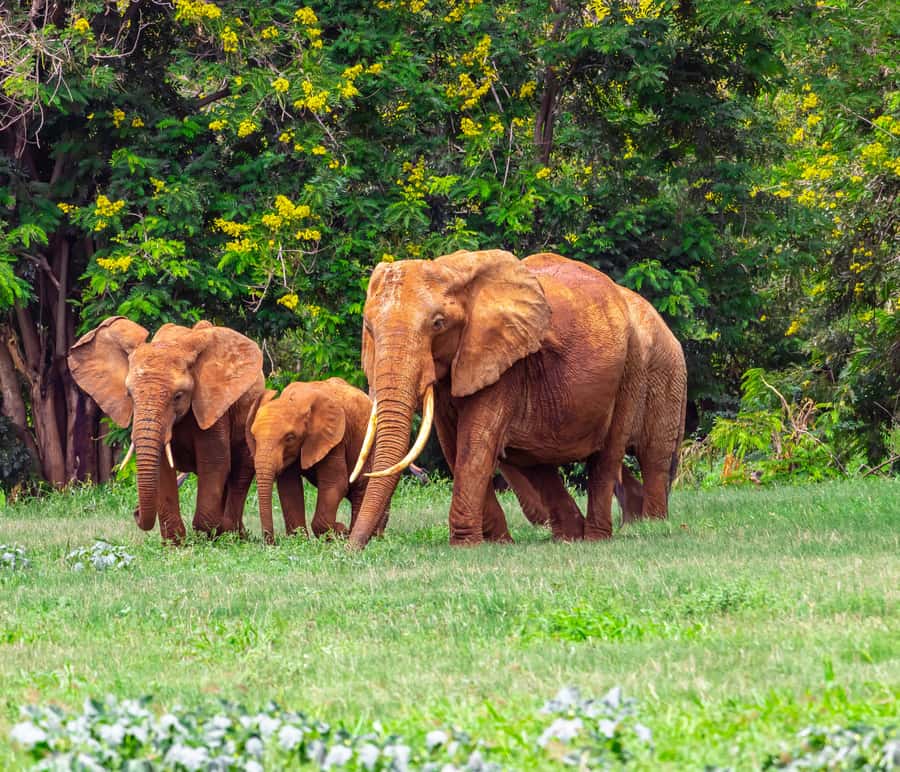
The itinerary includes a picnic lunch in the bush, described as a chance to rest among the sights and sounds of nature. That kind of pause can be welcome after a busy morning in the vehicle. It gives you time to stretch, eat, and think about what you have already seen.
However, the supplied information also says food and drinks are not included and may cost $25 to $35. Another arrangement refers to lunch at a lodge restaurant. Those details do not line up perfectly, so ask before departure whether your meal will be a packed picnic or a restaurant lunch.
Bring a card as well as cash. You are specifically advised to carry a Visa or Mastercard for park fees and lunch, and the payment process may be awkward if internet service is poor. One outing lost roughly 30 to 40 minutes while park tickets were arranged inside the park with a weak connection. That is a preventable delay, so ask if entry can be paid before arrival.
The lunch stop is also where you should check the afternoon plan. Ask how long you will remain in the park and which area you will visit next. Clear answers make it easier to judge how much actual game-drive time you are receiving.
Afternoon scenery and more animal searches
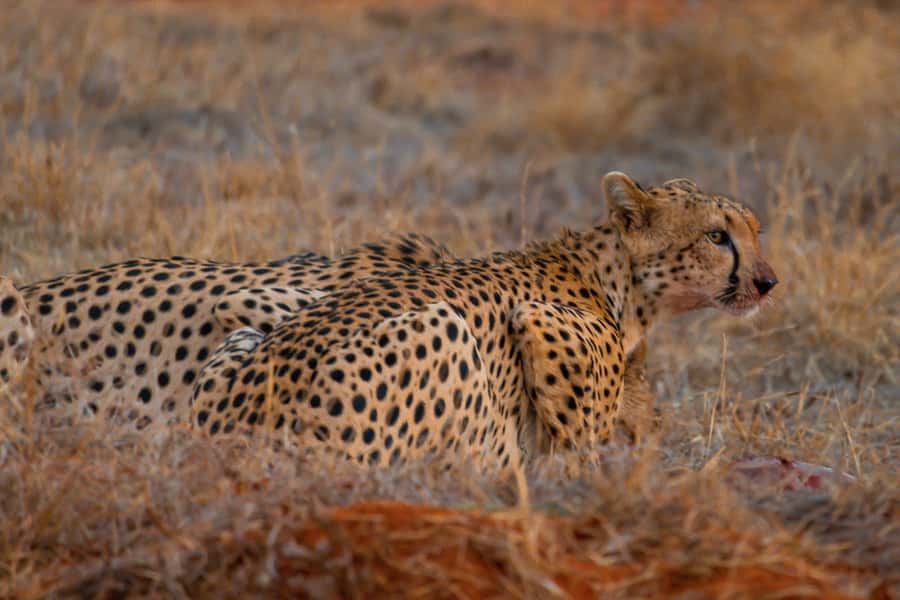
After lunch, the route continues through other parts of Tsavo East. The changing scenery is one of the day’s pleasures. You might move from open plains to acacia country, with each setting offering different possibilities for photographs and sightings.
The afternoon can be quieter, particularly in the heat, but that does not make it pointless. A slower drive may reveal giraffes, birds, or elephants that were not visible earlier. You may also gain a better sense of the park’s scale, which is hard to grasp during a single morning circuit.
This is another point where the driver’s skill matters. A patient guide who watches the road edges and knows where animals tend to gather can turn a quiet stretch into an interesting one. A driver who is distracted, uncertain, or unable to explain what is happening can make the same stretch feel empty.
The tour offers live guiding in English, Italian, and German. Because language problems have affected some departures, get confirmation in writing if a particular language is important to you. A driver with limited English may still work hard, but you should not assume that driving and guiding will provide the same level of communication.
The return to the coast
The return journey begins as the day winds down, taking you back to Kilifi, Malindi, Watamu, or Mambrui. By this stage, you may be tired from the early start, heat, dust, and long hours on the road.
Hotel drop-off is included, which is valuable at the end. You do not need to arrange a taxi from a distant meeting point or find your own way back after dark. Keep some water and a snack in reserve for the ride, since the day is long and the included water may not be enough for everyone’s personal needs.
The vehicle issue deserves special attention here. One serious breakdown left a vehicle unusable after an unsuccessful attempt to pull it from sand. The passengers were then moved between different vehicles and locations, with poor communication during the process. This appears to be an exception rather than the normal pattern, but it is serious enough to justify asking about recovery support and emergency contact arrangements.
Is the $200 price good value?
The advertised price is $200 per person, but an adult should budget another $80 for park entry and about $25 to $35 for food and drinks. That puts the likely adult outlay around $305 to $315, before any extra personal spending.
That is not a cheap day trip. Still, the price includes private transport, hotel pickup and drop-off, game drives, guide fees, and drinking water. For someone staying on the coast who wants to visit Tsavo East without arranging a lodge, the convenience has real value.
The calculation changes if the vehicle, guide, or meal arrangements fail. A low-cost safari becomes poor value when you lose time sorting out park tickets, receive no proper lunch, or spend part of the day dealing with a broken vehicle. I would not book on price alone. I would first confirm the practical details that determine how much of the 12-hour day is spent enjoying the park.
The reserve-now-and-pay-later option helps if your plans are still moving, and cancellation is free up to 24 hours before departure. Those policies reduce booking risk, but they do not solve the need to confirm the guide language and vehicle.
Who should book this safari?
I would recommend it to you if you are staying in Kilifi, Malindi, Watamu, or Mambrui and strongly want a taste of Tsavo East. It suits people who value private transport, want a full day in the bush, and accept that wildlife sightings cannot be controlled.
It is also a good match if elephants are your priority, especially the red-dusted herds that make Tsavo distinctive. Families with older children may appreciate the private setup, though the long road journey can test young passengers.
I would hesitate if you dislike early mornings, long drives, uncertain meal timing, or rough conditions. Pregnant women should not book, as the activity is specifically listed as unsuitable for them.
What I would confirm before paying
Send the provider a short message and ask:
- Is the guide confirmed for English, Italian, or German?
- Will the vehicle be a safari jeep or a van?
- Is lunch a picnic or a lodge meal?
- Can park entry be paid before reaching the gate?
- What happens if the vehicle gets stuck or breaks down?
- How much game-drive time is planned after the entry process?
The experience can be excellent when the guide is active, the vehicle works, and the payment process is ready. Abdul and Alfred are good examples of the kind of guide service you want: alert, helpful, and willing to stop and search with you. The less successful outing shows why those details should be checked rather than assumed.
Should you book the Tsavo East day safari?
Book it if Tsavo East is a priority and you are prepared for a very long day. The chance to see red elephants, lions, giraffes, zebras, buffalo, and birds in a huge wild setting is the clear reason to go. Private pickup and drop-off also make this easier than planning the route yourself.
I would book only after confirming the guide language, working vehicle, lunch, and park-entry payment. If the provider answers clearly, the outing can be a worthwhile coast-to-safari connection. If those answers are vague, choose a different operator or allow more time for an overnight safari.
FAQ
How long does the Tsavo East day safari last?
The activity lasts about 12 hours, including the road journey, park entry, game drives, lunch break, and return to the coast.
Where does pickup take place?
Pickup is included from hotels in Kilifi, Malindi, Watamu, and Mambrui. You should wait in the hotel lobby 10 minutes before the scheduled pickup time.
How long is the drive to Tsavo East?
Travel time from the pickup point usually takes three to four hours.
What languages are available for the guide?
Live guiding is offered in English, Italian, and German. Confirm your preferred language before departure.
Are park entry fees included?
No. Adult park entry costs $80, and entry for children aged 5 to 17 costs $40.
How much does food cost?
Food and drinks are not included. The stated additional cost is about $25 to $35.
Is lunch provided during the safari?
A lunch stop is planned, described as either a picnic-style break or food at a lodge restaurant. Confirm the exact arrangement before the trip.
What should I bring?
Bring comfortable shoes, comfortable clothes, a sun hat, sunscreen, cash, and a credit or debit Visa or Mastercard. Drinking water is included.
Can I cancel the booking?
You can cancel up to 24 hours before departure for a full refund. A reserve-now-and-pay-later option is also available.
Just added in Kenya
- Wildlife Capital: Half-Day Safari at Nairobi National Park★ 5.0 · 2 reviews
- 3 days maasai mara migration safari★ 4.5 · 7 reviews
- 4 Days Tour Landcruiser in Masai Mara and Lake Nakuru★ 5.0 · 10 reviews
- 4 Days Safari to Lake Nakuru N/P and Maasai Mara N/R★ 5.0 · 18 reviews
- 6 Days Kenya Budget Group Safari★ 5.0 · 2 reviews
- Maasai Mara Day Trip★ 5.0 · 15 reviews
- Day Tour to Nairobi national park, Elephants, and Giraffe Center★ 3.5 · 8 reviews
- 3 Days Masai Mara Wildebeest migration Budget safari★ 5.0 · 2 reviews
Tsavo Tours, compared.
From Mombasa/Mtwapa/Diani/Tiwi: Tsavo East Full-Day Safari
Read our review →
Day Trip – Tsavo East National Park ( Man Eater Lions of Tsavo & Other Big Five)
Read our review →
2 Days Tsavo East National Park Tour From Mombasa/Diani (1 Night)
Read our review →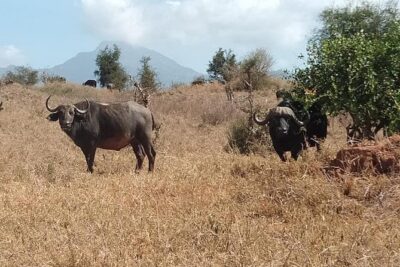
3 days safari Tsavo East and Taita hills (Saltlick lodge)
Read our review →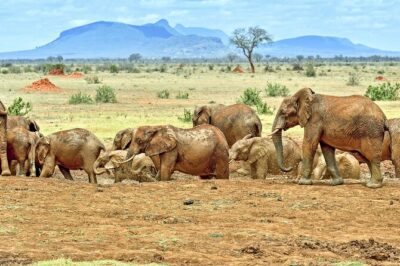
Full Day Private Tour of Tsavo East National Park from Mombasa
Read our review →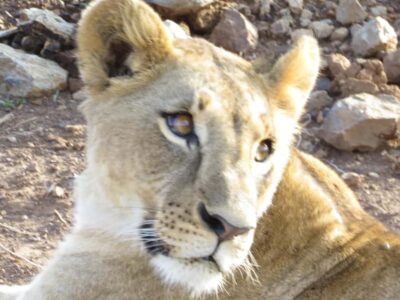
Overnight Tsavo East Safari From Mombasa/Diani (Private)
Read our review →Browse the lists this tour appears in