
Reviewed · KENYA
Visit Soweto slums in Nairobi
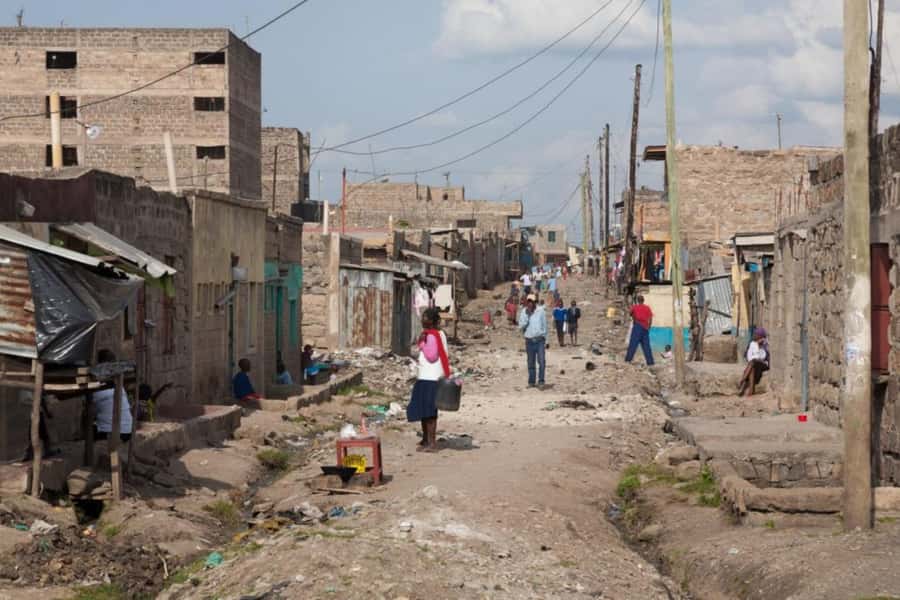
A different Nairobi begins here. This two-hour visit to Soweto slums offers a close look at daily life in one of Kenya’s informal settlements, with time to meet local residents, sample street food, and visit children’s homes. It is a serious experience, not a sightseeing show, and it asks you to pay attention.
I like the chance to interact with local people rather than simply pass through by vehicle. I also like the focus on children’s homes and education, since it gives the visit a human purpose beyond taking photos. The main consideration is the price: at $100 per person, with fares, food, and donations extra, this is costly for a two-hour activity.
In This Review
- Key points to know before you go
- What Soweto tells you about Nairobi
- Beginning the two-hour visit
- Meeting residents in Soweto
- Visiting children’s homes and discussing education
- Trying street food in a local setting
- What the $100 price really covers
- Who should book this experience
- Practical advice for a respectful visit
- Should you book the Soweto slums visit?
- FAQ
- Where does this experience take place?
- How long does the tour last?
- What language is the tour offered in?
- How much does the experience cost?
- Is water included?
- Are fares included in the price?
- Is food included?
- Are donations included?
- Can I cancel the booking?
Key points to know before you go
- The tour lasts two hours, so expect a focused introduction rather than a full-day look at Nairobi.
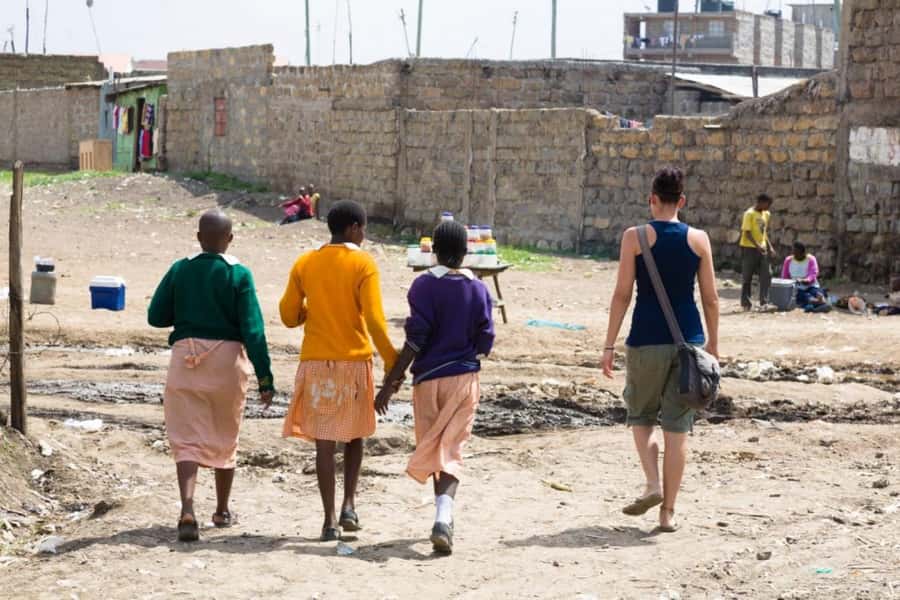
- Local interaction is central, with time to meet residents and see how people manage daily life.
- Street food is not included, so bring money if you want to try something during the visit.
- Children’s homes are part of the experience, bringing attention to education, hardship, and family responsibilities.
- An English-speaking guide is provided, along with one one-liter bottle of water.
- The tour has a serious social focus, so respectful behavior matters more than collecting photographs.
What Soweto tells you about Nairobi
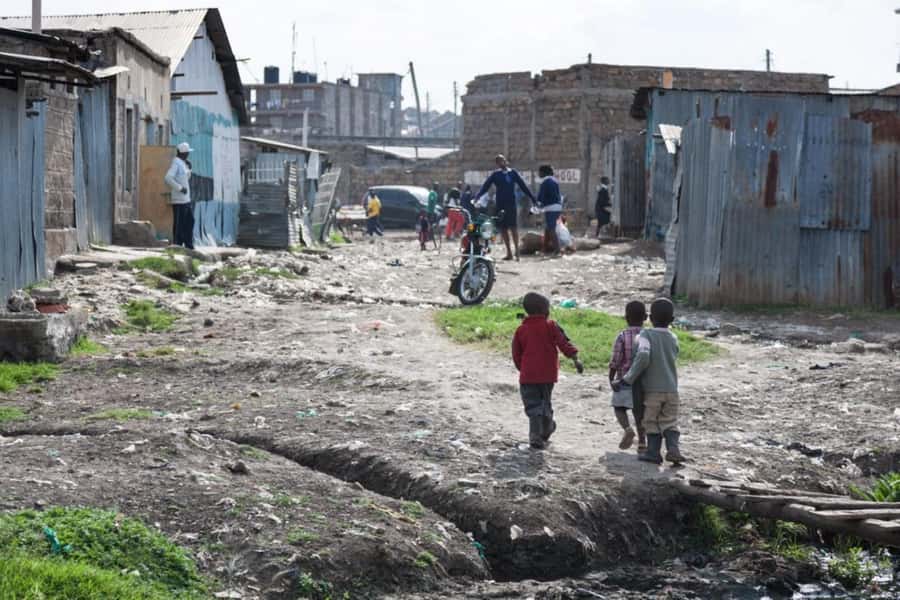
The word slum can flatten a complicated place into one harsh image. Soweto is better understood through the people who live there, work there, raise families there, and try to build a future there. A guided visit can help you see those daily realities with more care.
The supplied information describes informal settlements as home to about 55 percent of Kenya’s population, or roughly 39 million people. It also points to major shortages in water, electricity, basic services, and infrastructure. These figures give you context, but the most useful part of the tour is seeing how those broad problems affect ordinary routines.
You may notice that this is not a child-friendly setting. Alcohol and drug abuse, unsafe conditions, and criminal activity are among the problems associated with the area. That does not mean every moment is dangerous, but it does mean you should follow your guide closely and treat the neighborhood as a lived-in community, not an attraction built for visitors.
Other trips worth a look in Kenya:
- Nairobi National Park Half-Day Tour; Free Wi-Fi connection
★ 5.0 · 878 reviews - Nairobi: National Park & Optional Elephants & Giraffe Center
★ 4.8 · 874 reviews - NAI NAMI: Nairobi Storytelling Tour with Street Children
★ 5.0 · 792 reviews
Beginning the two-hour visit
The tour is short enough to fit into a Nairobi sightseeing day. You should allow the full two hours, then add extra time for fares and any delays connected with getting to and from the meeting point. The exact transport arrangements and starting location are not provided, so check those details before booking.
Your guide leads the visit in English. Since the activity depends on understanding local conditions, the guide’s explanations matter. You are not simply looking at buildings or roads. You are trying to understand why people live as they do and what limits their choices.
The experience provider is Laura Marade. No larger guiding team or group size is specified, so ask about the number of participants before you commit if you prefer a quieter visit. A smaller group would likely make personal conversations easier, but that is something to confirm directly rather than assume.
Meeting residents in Soweto

The strongest feature here is the opportunity to interact with locals. That can mean listening to people explain their work, housing, family responsibilities, or hopes for the future. The description does not promise specific interviews or named community projects, so you should think of this as guided contact rather than a fixed series of formal meetings.
Good manners are essential. Ask before taking photographs, listen without turning hardship into entertainment, and avoid treating people as examples of poverty. A short visit can easily become uncomfortable if visitors focus on cameras instead of conversation.
This is also where the tour may feel most meaningful. You can put statistics into human terms. The problems are not abstract when you hear how the cost of school supplies, the need to earn money, or a lack of basic services shapes a child’s choices.
Visiting children’s homes and discussing education
Children’s homes are one of the stated highlights. This part of the visit brings the tour into especially sensitive territory. The information provided does not say whether you visit one home or several, how long you stay, or what form the visit takes, so you should request clear details before arrival.
The education problem is a key part of the wider story. Many children in informal settlements cannot attend school because their families cannot afford supplies or because the children need to work. The supplied information says one in ten young people never completes primary school, while more than a quarter has less than a lower secondary education and lacks basic foundation skills.
That context helps explain why a children’s home visit can matter. You are not just seeing a building or meeting children for a few minutes. You are being shown how poverty can interrupt schooling and limit access to better-paid work later in life.
Donations are not included in the $100 price. If you want to contribute, plan for that separately and ask your guide or the home what kind of help is appropriate. Do not assume that sweets, clothing, money, or school supplies are always the right choice.
A completely different kind of day:
- Nairobi National Park Half-Day Game Drive
★ 4.5 · 738 reviews - Nairobi: Historic and Modern Highlights Walking Tour
★ 4.8 · 703 reviews - Safari Tour; Nairobi National Park
★ 4.5 · 594 reviews - 3 Days Masai Mara Group Joining
★ 5.0 · 486 reviews
Trying street food in a local setting
Street food is another highlight, but food is not included. This is useful to know when judging the total cost. The tour gives you the chance to try local food, but you pay for anything you eat.
The exact dishes are not specified, so you should not book expecting a particular meal. Think of this as an optional taste of everyday food rather than a dedicated food tour. If you have allergies, dietary restrictions, or a sensitive stomach, ask what will be available before ordering.
Food can add a simple, ordinary pleasure to a serious visit. Eating something sold and enjoyed locally helps you see that Soweto is not defined only by shortages. People still cook, trade, socialize, and carry on with daily life. Keep your expectations modest, since the main subject is the community itself, not a restaurant-quality meal.
What the $100 price really covers
At $100 per person, this is expensive for two hours. The included items are a guide fee and one one-liter bottle of water. Fares, food, and donations are extra, so the final cost can rise.
The price may make more sense if you see it as a paid, guided social experience rather than a conventional attraction. A local guide can help you enter a difficult subject with some structure and context. You are paying for access, explanation, and organization, not for elaborate facilities or a long list of included services.
Still, you should compare the cost with your priorities. If you want a broad Nairobi tour, this activity covers too little time to replace one. If you specifically want to learn about informal settlements and meet residents, it offers a direct way to do so.
The tour received a five-star rating from Boniface Otieno of Kenya on July 16, 2024. His response described the experience as amazing and eye-opening, especially in showing how people live. That praise fits the tour’s main strength: it can challenge comfortable assumptions. It is only one rating, however, so use it as a helpful signal rather than proof that every part will suit you.
Who should book this experience
I would recommend this tour to adults who want social context and are willing to listen. It suits people who prefer human stories over polished sightseeing, and those who want to understand education and basic-service problems in Nairobi.
It may also suit visitors who have already seen the city’s major attractions and want a more direct look at urban life. The two-hour format makes it easier to fit into a busy schedule.
I would be cautious about booking it for young children. The supplied information specifically describes informal settlements as unsafe and unsuitable for younger children, with exposure to alcohol, drug abuse, and criminal activity. The visit also deals with poverty and children who may be unable to attend school, which can be difficult subject matter.
You should also think carefully about your attitude. If you mainly want dramatic photos, this is not the right activity. If you can be respectful, keep your camera away when asked, and accept that the visit may feel uncomfortable, you are more likely to gain something worthwhile.
Practical advice for a respectful visit
Wear simple, comfortable clothing suitable for walking. The tour description does not list a dress code or accessibility details, so ask the provider about walking conditions and mobility needs before you book.
Bring money for fares, food, and possible donations. The included water is one liter, which is useful, but you should not assume anything else is provided.
Keep the visit focused on listening. Ask your guide how the community prefers visitors to behave, especially around children’s homes. Avoid promises, handouts, or photographs unless they are clearly welcomed.
The activity offers free cancellation up to 24 hours before the start for a full refund. You can also reserve now and pay later, which helps if your Nairobi plans are still shifting. Check the available start times because the tour runs for two hours and the schedule is not fixed in the supplied information.
Should you book the Soweto slums visit?
Book it if you want a short, serious introduction to life in Nairobi’s informal settlements and value direct contact with residents. The local interaction, street food option, and children’s home visit give the experience more substance than a simple drive past a poor neighborhood.
Think twice if $100 feels too high for two hours, or if you want a relaxed family outing. With fares, food, and donations extra, this is not a budget activity. I would book it for the social insight, not for comfort or entertainment, and I would confirm transport, group size, and the children’s home arrangements before paying.
FAQ
Where does this experience take place?
It takes place in Soweto slums in Nairobi, Kenya. The broader location is listed as Central Kenya.
How long does the tour last?
The tour lasts approximately two hours.
What language is the tour offered in?
The live tour guide speaks English, and English is the listed tour language.
How much does the experience cost?
The listed price is $100 per person.
Is water included?
Yes. One one-liter bottle of water is included for each participant.
Are fares included in the price?
No. Fares are not included, so you should budget for them separately.
Is food included?
No. Street food is a highlight, but food must be paid for separately.
Are donations included?
No. Donations are not included in the tour price. You may choose to make one separately.
Can I cancel the booking?
Yes. You can cancel up to 24 hours in advance for a full refund. You can also reserve now and pay later.
Just added in Kenya
- Wild Encounters: Hell’s Gate National Park Adventure★ 5.0 · 1 review
- Zaina Falls:Waterfall Wander and Picnic Bliss★ 5.0 · 1 review
- Watamu: Dolphin Watching and Snorkeling Boat Tour★ 3.5 · 2 reviews
- Watamu: Marine Park Snorkeling and Dolphin Spotting Tour★ 5.0 · 2 reviews
- Watamu: Sunset Mangrove Canoe Tour with Coconut Drink★ 3.6 · 8 reviews
- Visit kibera Slum the chocolate city★ 4.8 · 3 reviews
- Visiting the Kibera the biggest slum in Africa★ 3.9 · 2 reviews
- Private Sea Safari: Snorkelling & Dolphins from a Dhow★ 5.0 · 1 review