
Reviewed · MAASAI VILLAGE VISITS
Nairobi: Maasai Village Cultural Visit with Hotel Pickup
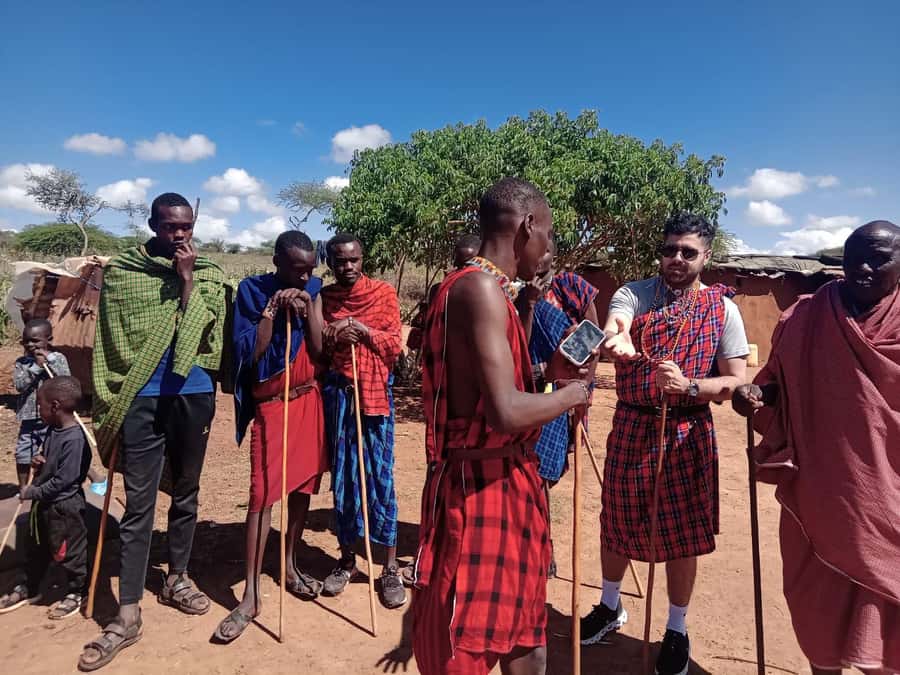
Meet the people behind the postcard. This five-hour visit to a Maasai village near Nairobi offers something I like very much: direct conversation with local people, not a polished show built around tourist expectations. I also like the small group size, limited to eight, and the chance to learn from a Maasai guide who can explain rites of passage, social structure, and pastoral life in plain English.
The main consideration is cost clarity. The advertised price is $55 per person, but a separate $30 village entry fee is listed, bringing the likely total to $85. You should also expect a cultural visit shaped by the community that day, so song and dance may happen, but they are not guaranteed.
In This Review
- Key points worth knowing before you go
- Why this Maasai visit feels different from a standard Nairobi outing
- Leaving Nairobi from five convenient neighborhoods
- Arriving in Kajiado County and entering the boma
- Learning how Maasai society works
- Song, dance, and the value of an unscripted visit
- Visiting the primary school when classes are in session
- Shopping for crafts without the hard sell
- What the small group and guide add
- Who will get the most from this experience
- Practical advice for a respectful half-day
- Should you book the Maasai village visit?
- FAQ
- How long does the Maasai village visit take?
- What is included in the price?
- Is the $30 entry fee included?
- Where can pickup take place?
- Where can I be dropped off afterward?
- Can I take photographs in the village?
- Should I bring cash?
- Is the activity suitable for wheelchair users?
Key points worth knowing before you go
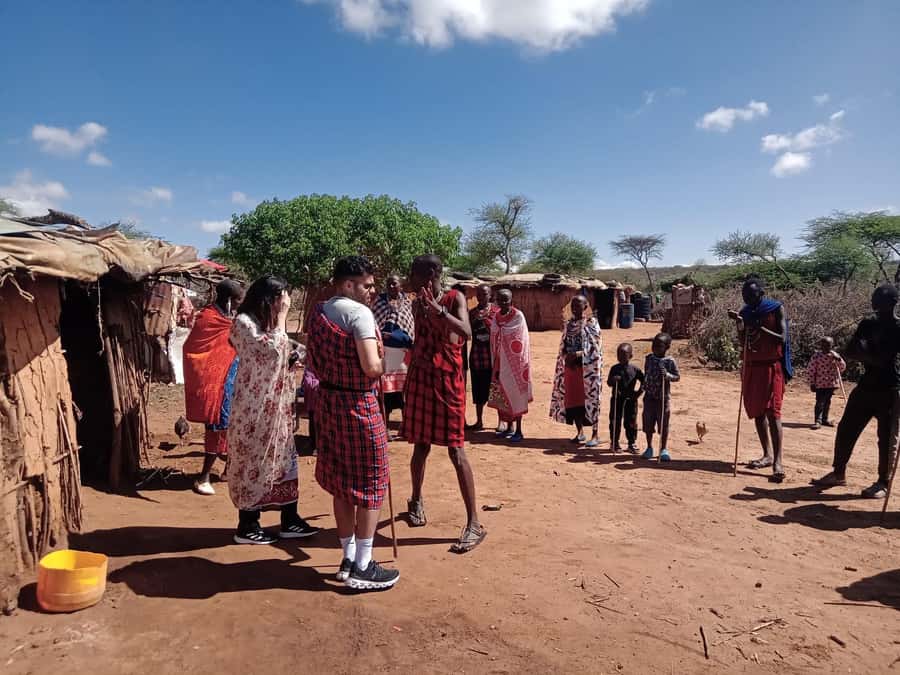
- A real village visit: You meet Maasai villagers in their own boma, rather than actors performing a fixed show.
- A local guide leads the way: An English-speaking Maasai guide explains customs, family structure, rites of passage, and daily survival practices.
- A small group helps: With no more than eight people, conversation should feel easier and less crowded.
- Traditional song and dance are not promised: You may see them if the community chooses to share them that day.
- Your money has a stated local purpose: Part of the tour cost supports the host village, including a local primary school when it is in session.
- Bring cash and ask before taking photos: Crafts cannot be paid for by card, and photography requires permission.
Why this Maasai visit feels different from a standard Nairobi outing
Nairobi is often used as a base for safari parks, animal sanctuaries, and city sights. Those are worthwhile, but they can leave you seeing Kenya mainly through wildlife and scenery. This outing gives you a chance to meet people whose lives are tied to cattle, family networks, community rules, and long-held customs.
The visit takes place in Kajiado County, just outside Nairobi. You leave the city behind and spend part of the day walking through a Maasai boma, learning about daily life from people who live there. The value is not in checking off a performance. It is in hearing how a community manages its traditions while facing modern pressures.
I like the honesty built into the experience. You are not promised that you will become a Maasai warrior in two hours, and you are not sold a guaranteed cultural spectacle. That matters. A village is a living place, not a theater with a schedule.
You might see song and dance, but only if it is something the community genuinely chooses to share that day. For some people, this may feel less predictable than a standard cultural show. For me, that uncertainty is part of the point, as long as you arrive ready to listen rather than demand entertainment.
More Maasai village visits:
- Nairobi: Day Tour to Amboseli National Park & Maasai Village
★ 4.5 · 310 reviews - Masai village Day Tour Experience
★ 5.0 · 284 reviews - Maasai Village Experience Day Tour
★ 5.0 · 72 reviews
Leaving Nairobi from five convenient neighborhoods
Pickup is available in Nairobi, Kilimani, Parklands, Westlands, and Kileleshwa. Round-trip transport is included, which makes this easier than arranging a separate taxi to Kajiado County and negotiating the return trip later.
The driver speaks English, and you can use a phone call or WhatsApp to describe the exact pickup point. I recommend doing that clearly before the morning of your visit. Large hotels are simple, but apartment buildings, offices, and residential streets can take more explaining.
The transport is not the star of the experience, but it affects the day. With five hours in total, a clear pickup plan helps protect your time in the village. You will want to spend your energy asking questions, not standing beside a Nairobi road trying to find the vehicle.
The return drop-off points are the same five areas: Kilimani, Nairobi, Parklands, Kileleshwa, and Westlands. Check the available starting times when booking, since the exact departure schedule is not fixed in the basic tour details.
Arriving in Kajiado County and entering the boma
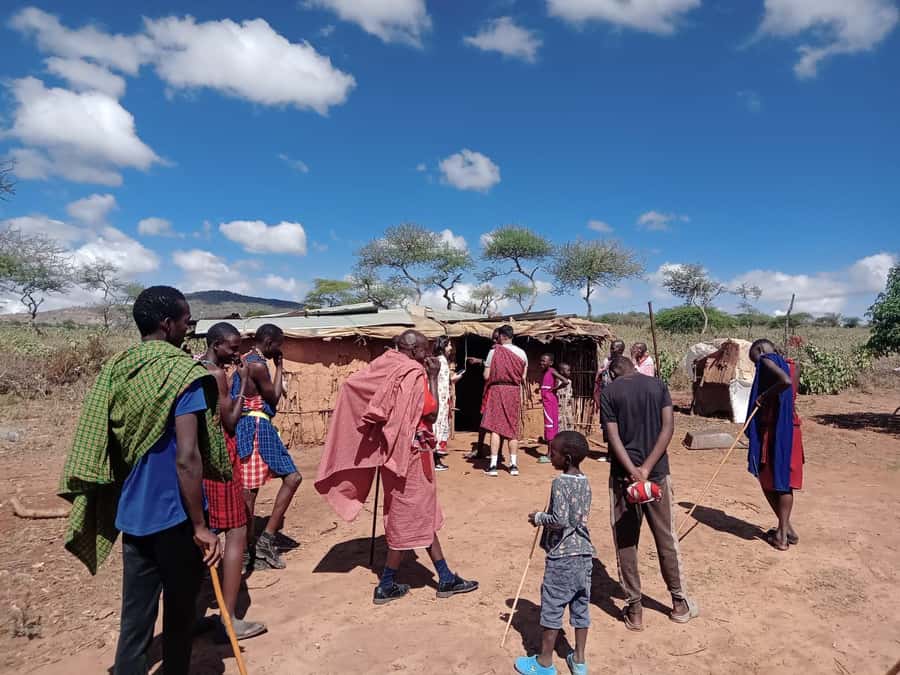
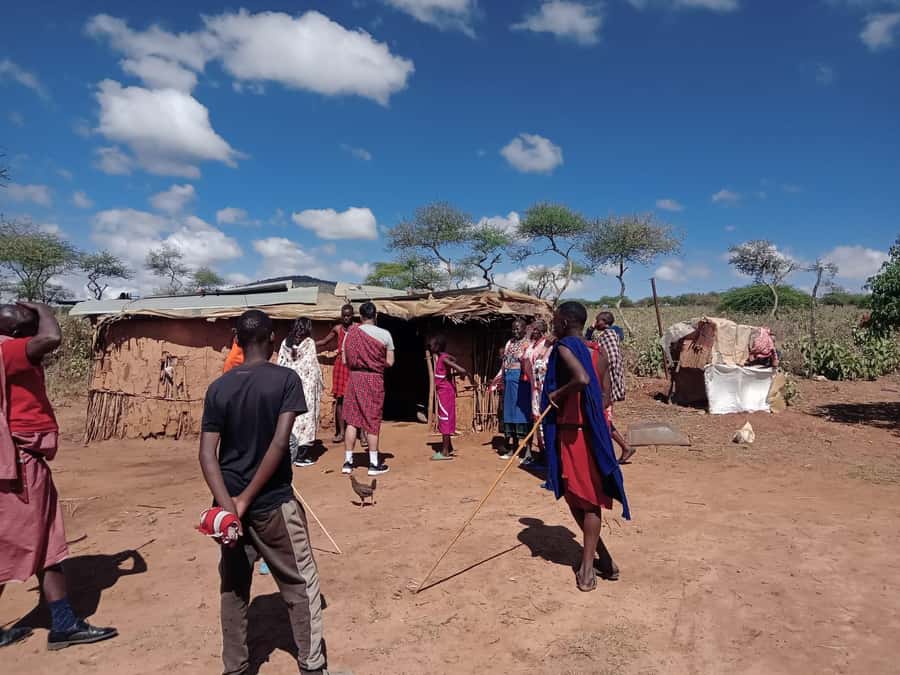
The main visit lasts about two hours within Kajiado County. The program includes a photo stop, a guided walk, sightseeing, shopping, and scenic views along the way.
The word boma refers to a Maasai homestead or village area. Here, you can observe the setting where daily life takes place rather than looking at objects behind glass. Your guide explains what you are seeing and helps you approach conversations in a respectful way.
The strongest part of this visit is the access to real community members. You can speak with Maasai villagers directly, ask questions, and hear explanations of customs from people connected to them. That face-to-face element gives the tour more value than a short staged presentation.
Still, keep your expectations sensible. The information supplied for the visit does not promise a detailed demonstration of every household task or a fixed sequence of activities. What you see depends on village life that day, the time available, and what the community agrees to share.
The walking portion should be approached as a cultural visit, not as a demanding hike. Comfortable clothes are recommended, and respectful clothing is important. Skirts or pants below the knee are the clearest guidance provided.
Learning how Maasai society works
A good guide can turn a short visit into a useful lesson, and this is where the local Maasai guide matters most. You learn about rites of passage, social structure, and survival practices rather than receiving only a quick introduction to clothing and dance.
Rites of passage are important because they show how communities mark changes in a person’s life and place within society. The tour does not promise that you will take part in such a rite. Instead, you hear about these traditions and how they fit into Maasai life.
Social structure gives another layer to the visit. You are not only looking at a village layout. You are learning how family and community relationships help organize daily life. Your guide can also explain how older customs meet modern education, economic pressure, and changing expectations.
The survival discussion is especially useful because it connects culture to practical life. The Maasai are known for a semi-nomadic way of living and pastoral customs. The visit presents these practices alongside the challenges of maintaining them in a modern setting.
I appreciate that the tour does not promise a sugar-coated story. You are encouraged to hear about both cultural continuity and the pressures facing the community. That makes the experience more useful for anyone who wants context rather than a quick photo opportunity.
A few more options to weigh up in Nairobi
- Nairobi National Park Half-Day Tour; Free Wi-Fi connection
★ 5.0 · 878 reviews - Nairobi: National Park & Optional Elephants & Giraffe Center
★ 4.8 · 874 reviews - NAI NAMI: Nairobi Storytelling Tour with Street Children
★ 5.0 · 792 reviews - Nairobi National Park Half-Day Game Drive
★ 4.5 · 738 reviews
Song, dance, and the value of an unscripted visit
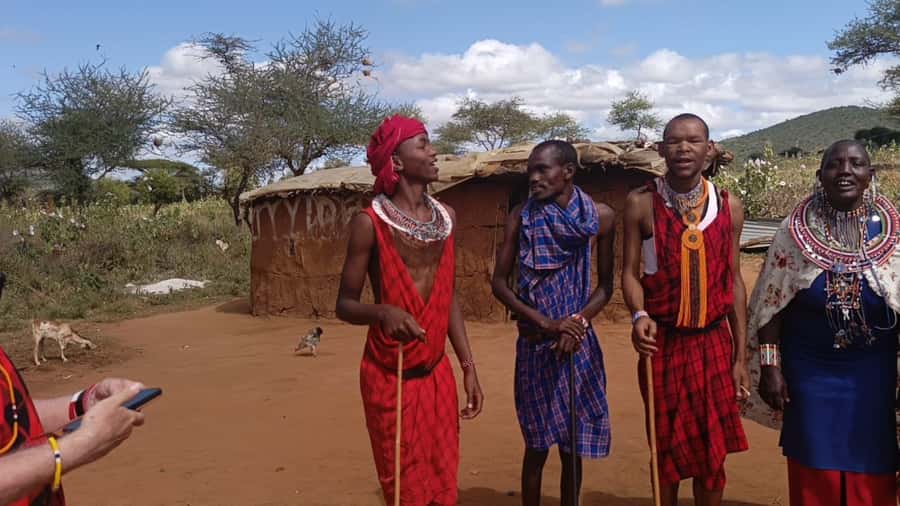
Traditional song and dance may be part of your visit, but they are not guaranteed. The community chooses what to share, and the activity should reflect village life rather than a forced show.
That approach can produce a more respectful experience. You are not asking people to repeat the same routine on command simply because a tour group arrived. If music and dance take place, you see it as a community expression with a local purpose.
There is also a trade-off. If you are looking for a carefully timed performance with a long program, this may feel too loose. The tour is better suited to you if conversation and cultural explanation matter more than a predictable stage production.
Photography is welcome only after you ask. This is not a minor rule to ignore. A person standing in front of you is not automatically a photo subject because you paid for access to the village.
Bring a camera if you like taking pictures, but use it with restraint. Ask before photographing people, follow the guide’s direction, and do not use flash. Showing respect will make your interactions more comfortable and helps keep the visit from turning into a human zoo.
Visiting the primary school when classes are in session
A local primary school may be included when it is in session. The school receives support in part through tour proceeds, giving your visit a practical community connection beyond the time spent in the boma.
You should not treat the school as a sightseeing stop in the usual sense. It is a working place for children and teachers, so the guide’s instructions matter. The available information does not promise a classroom activity or a meeting with pupils, only a visit when the school is operating.
This part of the outing can help you understand how education fits into a community balancing older traditions and modern demands. It also gives you a clearer idea of where some of the local support connected to the tour may go.
Because school visits depend on the schedule, do not book this activity solely for that stop. Think of it as a possible addition to a broader cultural visit.
Shopping for crafts without the hard sell
Shopping is included as part of the time in Kajiado County, but the tour specifically says there is no pressure to buy. That is good news if you want to look first and decide later.
Bring cash if you would like to purchase crafts. Card payments are not available, so a cashless wallet will not help you at the point of sale.
I like the stated approach that you should support the community only if you feel the purchase has earned your money. You can ask about an item, listen to the explanation, and make your own decision. You are not being told to purchase something simply because you are visiting.
The $30 entry fee is listed separately from the $55 tour price and is described as helping Maasai community welfare. Confirm the final amount at booking so you know whether the total is $85 per person. At that combined cost, the tour is not the cheapest short outing from Nairobi, but it includes transport, a local guide, village access, and a stated contribution to the host community.
What the small group and guide add
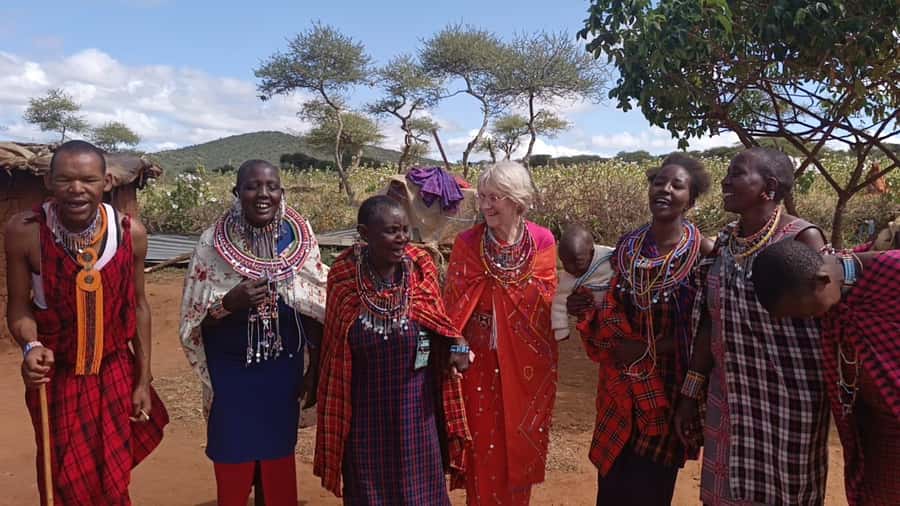
The group is limited to eight people. That is a useful size for a visit built around conversation. You have a better chance of hearing the guide, asking a follow-up question, and moving through the village without creating a large crowd.
The guide is not simply there to point out sights. The guide explains what to do, what not to do, and how to approach the community. That role is central because cultural visits depend on good behavior as much as good information.
Jane from Kale Wild Safaris received especially strong praise for her care and direction. Her role included helping people understand how to behave and working to make the experience enjoyable. That is exactly the kind of practical guidance you want in a visit where photography, clothing, and personal interaction need care.
The provider is Kale Wild Safaris. The two published ratings are both five out of five, with praise focused on the guide, clear direction, enjoyable pacing, and the experience matching what was promised. That is a small review sample, so I would not treat it as a guarantee, but the praise points toward the tour’s strongest feature: human guidance.
Who will get the most from this experience
I would recommend this visit to you if you want more than safari scenery and are willing to listen. It suits people interested in culture, community life, social customs, education, and the practical issues facing a semi-nomadic society.
It also works well for a short Nairobi stay. The five-hour duration gives you a half-day cultural outing without committing to a full multi-day trip. Hotel pickup and drop-off make it easier to fit around other plans, though you should allow flexibility for city traffic and the drive to and from Kajiado County.
Families may appreciate the school and community focus, but the clothing and photography rules should be explained before departure. Anyone who expects a guaranteed performance, a warrior costume session, or a fast collection of dramatic photos may find the format too restrained.
The activity is described as wheelchair accessible in one part of the information, but it is also marked as not suitable for wheelchair users. That is a clear conflict. If you use a wheelchair, contact Kale Wild Safaris before booking and ask about the vehicle, village paths, and actual access conditions.
Practical advice for a respectful half-day
Wear comfortable clothing that covers your knees. The recommendation applies to skirts and pants, and it is best to follow it from the start rather than change after arriving.
Carry cash for crafts and any other personal spending. There are no card payments for shopping.
Bring a camera, but do not use flash. Ask before taking any photograph of people or village activities. If you are unsure, put the camera away and ask your guide.
Keep your questions open and polite. The visit is a chance to learn how people describe their own customs and present-day concerns. You will get more from it by listening carefully than by trying to force a dramatic answer.
The experience offers free cancellation up to 24 hours before departure, and you can reserve now and pay later. Those terms are useful if your Nairobi schedule is still changing. Starting times depend on availability, so check them before committing your day.
Should you book the Maasai village visit?
Book it if you want a small, direct cultural encounter and value honest conversation over a guaranteed show. The chance to meet Maasai villagers, learn from a local guide, and support a community school gives the half-day real purpose.
Before paying, confirm the separate $30 entry fee, pickup details, and the accessibility issue. Go with respectful clothing, cash, and realistic expectations. If you do that, this is a thoughtful way to see a side of Kenya that a standard safari cannot show you.
FAQ
How long does the Maasai village visit take?
The experience lasts five hours in total. The main guided activities in Kajiado County take about two hours, with the remaining time covering transport and the other scheduled elements.
What is included in the price?
The $55 price includes round-trip transport from Nairobi, an English-speaking local Maasai guide, and village access with full transparency.
Is the $30 entry fee included?
The information lists a $30 entry fee separately and says it supports Maasai community welfare. Confirm the final total before booking, as the listed tour price is $55 per person.
Where can pickup take place?
Pickup is available in Nairobi, Kilimani, Parklands, Westlands, and Kileleshwa. You can contact the driver by phone or WhatsApp to explain the exact pickup location.
Where can I be dropped off afterward?
Drop-off is available in Kilimani, Nairobi, Parklands, Kileleshwa, and Westlands.
Can I take photographs in the village?
Photography is welcome, but you must ask permission first. Flash photography is not allowed.
Should I bring cash?
Yes. Bring cash if you want to buy local crafts because card payments are not available.
Is the activity suitable for wheelchair users?
The information gives conflicting details. One section says wheelchair accessible, while another says it is not suitable for wheelchair users. Contact Kale Wild Safaris before booking to confirm the actual arrangements.
Just added in Nairobi
- Wildlife Capital: Half-Day Safari at Nairobi National Park★ 5.0 · 2 reviews
- 3 days maasai mara migration safari★ 4.5 · 7 reviews
- 4 Days Tour Landcruiser in Masai Mara and Lake Nakuru★ 5.0 · 10 reviews
- 4 Days Safari to Lake Nakuru N/P and Maasai Mara N/R★ 5.0 · 18 reviews
- Maasai Mara Day Trip★ 5.0 · 15 reviews
- Day Tour to Nairobi national park, Elephants, and Giraffe Center★ 3.5 · 8 reviews
- 6 Days Kenya Budget Group Safari★ 5.0 · 2 reviews
- 3 Days Masai Mara Wildebeest migration Budget safari★ 5.0 · 2 reviews
Maasai Village Visits, compared.

Day Tour to Amboseli National Park & Maasai Village
Read our review →


Day Trip: Amboseli National Park & Maasai Village – Nairobi
Read our review →
Day Trip to Maasai Mara Reserve & Maasai village
Read our review →
3days/2nights group joining Masai Mara with Masai Village Visit
Read our review →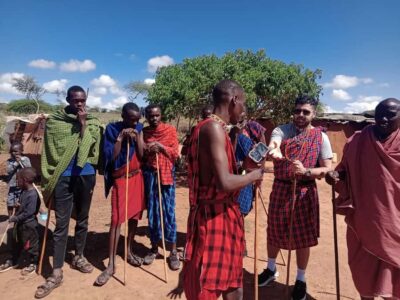
Kenya: Maasai Village Visit with Traditional Dance Show
Read our review →Browse the lists this tour appears in