
Reviewed · HISTORICAL TOURS
Nairobi City;Culture and Historical guided tour
Nairobi tells its story on foot. This 150-minute walking tour links memorials, religious buildings, government sites, and city streets while a local guide explains Kenyan culture, tribal life, history, and everyday customs. I especially like the mix of major landmarks and small cultural touches, including basic Swahili words and help choosing transport after the walk.
I also like the modest $25 price, which makes this a useful first look at central Nairobi rather than a costly full-day outing. The main caution is guide quality. William and Brian earned warm praise for being friendly and informative, but one guest found the commentary thin and difficult to hear, and another spent too long waiting for delayed participants.
In This Review
- Quick points before you book
- What this Nairobi walk is really trying to do
- Starting near City Walk and getting organized
- McMillan Memorial Library and Nairobi’s older city center
- Jamia Mosque and Nairobi’s religious mix
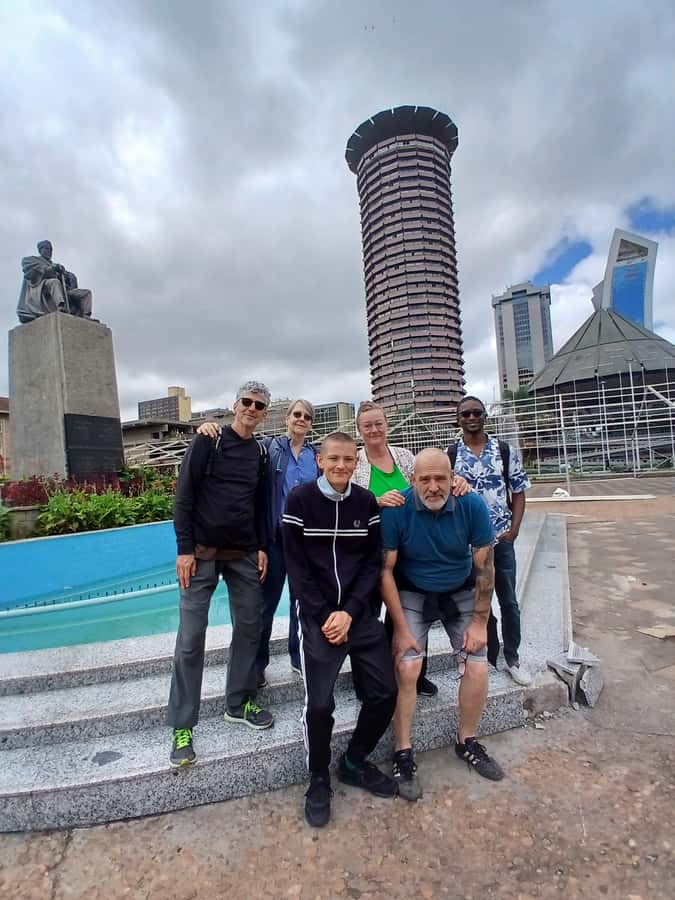
- KICC: the city’s best planned photo stop
- August 7th Memorial Park and the city’s difficult memories
- The Maasai market stop: useful shopping, possible pressure
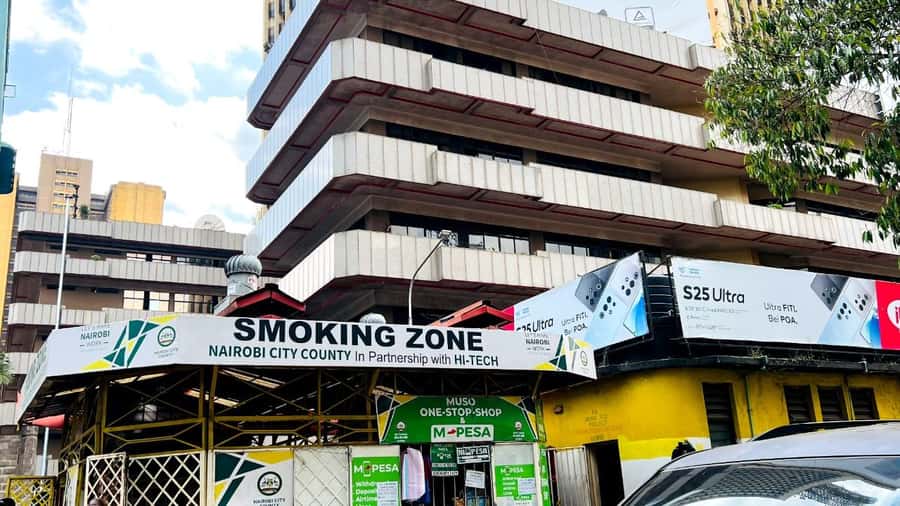
- Public smoking zone and the city’s everyday side
- Dedan Kimathi, Galton Fenzi, and the story of independence
- Holy Family Basilica and the government quarter
- How good is the guiding?
- Walking comfort, safety, and what to bring
- Is $25 a fair price?
- Who should book this experience?
- FAQ
- How long does the Nairobi city tour last?
- How much does the tour cost?
- Which languages are available?
- Where does the tour meet?
- Where does the tour finish?
- Are food and drinks included?
- Are entry charges included?
- What places are included on the route?
- Can I cancel the booking?
- Should you book it?
Quick points before you book
- You cover major central Nairobi sights in 150 minutes, including KICC, Parliament, the Holy Family Basilica, Jamia Mosque, and the August 7th Memorial Park.
- The guide adds local context, with explanations of Kenyan tribes, city life, historical events, and simple Swahili words.
- The route is mainly a walking experience, so comfortable shoes and a steady pace matter.
- The Maasai market stop may include sales pressure, particularly if the visit takes place inside a shop rather than at an open market.
- The experience costs $25 per person, but food, drinks, and any entry charges are extra.
- English and Spanish tours are available, with optional pickup depending on the booking choice.
What this Nairobi walk is really trying to do
This is a compact introduction to central Nairobi. You are not heading out to Nairobi National Park or spending hours in a museum. Instead, you move through the city center and connect the public places that explain how Nairobi works: worship, government, commerce, remembrance, and national identity.
The guide is an important part of the experience. The buildings are easy enough to see on your own, but the purpose of the walk is to hear the stories behind them. You can ask about Kenyan tribes, local customs, city life, and the meaning of particular sites. The tour also includes a few Swahili words, which gives you a friendly and useful way to connect with people during the rest of your stay.
At $25, I see this as a reasonable orientation walk. You get a local escort, explanations, photography and video recordings, sightseeing, and answers to your questions. It is not the right choice if you expect long interior visits at every stop or a polished museum-style presentation. It works best when you want a practical introduction to Nairobi in a short block of time.
The advertised duration is 150 minutes. That sounds generous, but the route includes several stops, a safety briefing, photo opportunities, and possible delays. You should expect some sites to be viewed from outside or during a short pause rather than explored in depth.
More History Tours in Nairobi:
- Nairobi: Historic and Modern Highlights Walking Tour
★ 4.8 · 703 reviews - Nairobi Historical Walking City Tour
★ 5.0 · 258 reviews - Full Day Nairobi Cultural and Historical Tour
★ 5.0 · 153 reviews
Starting near City Walk and getting organized
The meeting point is outside the City Walk shoe shop. The tour finishes at City Walk Kenya LTD near the Hilton, which gives you a central ending point and makes it easier to continue exploring or arrange transport.
Pickup is optional and depends on the booking option. If you choose a pickup service, you are instructed to look for the registration number of the assigned car. That detail matters in a busy city, so keep the vehicle information available and confirm the arrangement before setting out.
The tour begins with a 15-minute safety briefing. This is useful on a city walk, since you will be moving through public streets rather than staying inside a controlled attraction. The briefing also takes up a noticeable part of a short tour, so do not expect the full 150 minutes to be spent sightseeing.
One practical weakness is that timing can depend on the rest of the group. A guest once waited about an hour for people delayed by traffic, only for the group to leave without them. That is a serious inconvenience, especially if you have a lunch booking, airport transfer, or other timed activity afterward. I would keep this tour early in your Nairobi schedule rather than placing it between two fixed appointments.
McMillan Memorial Library and Nairobi’s older city center
The McMillan Memorial Library is one of the early stops, with about 10 minutes set aside for a visit. It offers a look at the older civic side of Nairobi and helps shift the tour away from a simple list of modern office buildings.
Ten minutes is short, so I would treat this as a concise introduction rather than a full library visit. Listen closely to the guide and ask questions while you have the chance. If the commentary is strong, this stop can provide useful context for how the city developed. If the guide only identifies the building without explaining its importance, the stop may feel less rewarding.
That difference captures the main risk of the tour. The route itself is good, but much depends on whether your guide adds stories and context. Brian was praised for giving a good insight into Kenyan culture at an easy, relaxed pace, while William was described as attentive, friendly, and well informed about the city. Those are the qualities you want here.
Jamia Mosque and Nairobi’s religious mix
Jamia Mosque is described as the biggest mosque in Nairobi and is included for sightseeing. The stop gives the walk a religious and cultural dimension, especially when paired with the Cathedral Basilica of the Holy Family later in the route.
You should not assume that the mosque visit means a lengthy interior tour. The available schedule lists sightseeing but does not give a fixed visit length or promise entry. Dress and conduct should be respectful, and the guide can help explain what you are seeing and how to behave at the site.
This is a good point to ask about Nairobi’s communities and the role of different faiths in city life. The tour promises discussion of tribes, culture, and local life, so you will get more from the stop if you treat it as a conversation rather than just a photo opportunity.
A few more options to weigh up in Nairobi
- Nairobi National Park Half-Day Tour; Free Wi-Fi connection
★ 5.0 · 878 reviews - Nairobi: National Park & Optional Elephants & Giraffe Center
★ 4.8 · 874 reviews - NAI NAMI: Nairobi Storytelling Tour with Street Children
★ 5.0 · 792 reviews - Nairobi National Park Half-Day Game Drive
★ 4.5 · 738 reviews
KICC: the city’s best planned photo stop
The Kenyatta International Conference Centre receives about 20 minutes for a visit, sightseeing, and photographs. Of all the stops, this is likely to feel the most obviously monumental. It is one of the key landmarks in central Nairobi and gives the tour a strong visual anchor.
The schedule allows more time here than at McMillan Memorial Library, which makes sense. You can take photographs, hear about the building, and get a clearer sense of Nairobi’s central government and business district.
The tour does not promise access to every part of KICC, and entry charges are not included. I would plan on a guided exterior visit and photo stop unless your booking details say otherwise. That keeps expectations sensible and avoids treating the tour as a full building tour.
August 7th Memorial Park and the city’s difficult memories

The August 7th Memorial Park is one of the most meaningful stops on the route. It commemorates the 1998 bombing of the United States Embassy in Nairobi, although the supplied tour details do not specify the exact amount of time spent inside or any admission arrangement.
This stop gives the city walk emotional weight. Nairobi is not presented only through offices, religious buildings, and shopping. The memorial asks you to pause and consider a painful event in the city’s recent past.
Entry charges are excluded from the $25 fee, so check whether admission applies when you book or ask the guide at the start. The tour includes photography and video recordings, but memorial sites call for good judgment. Follow the guide’s instructions about where photography is appropriate.
The Maasai market stop: useful shopping, possible pressure
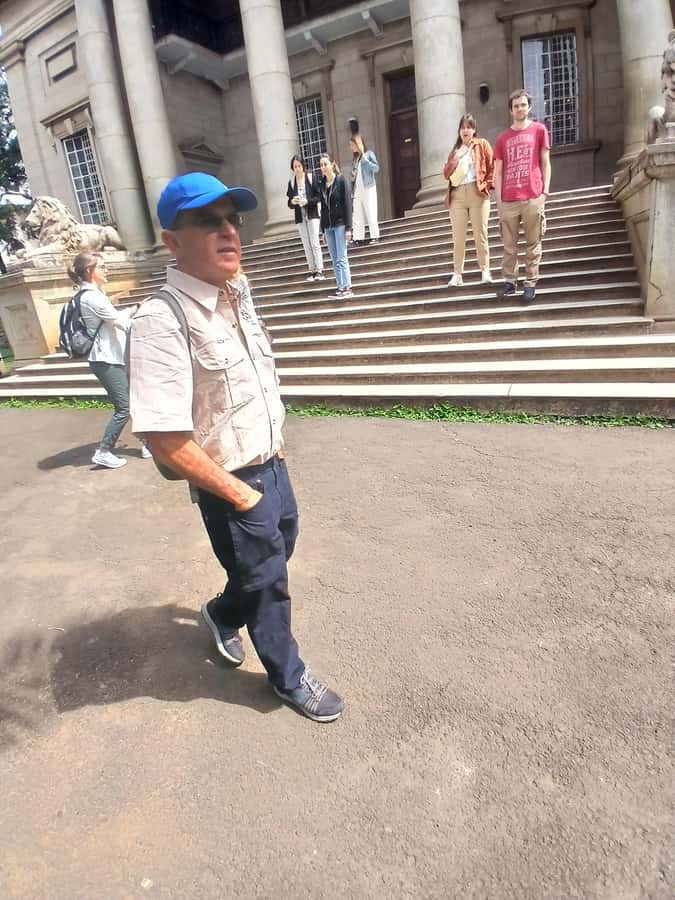
The Maasai markets are included for souvenirs and traditional attire. This is the part of the route where you may find items to take home, and the guide can help explain what you are looking at. The stop adds a practical shopping element to an otherwise historical walk.
It also deserves the clearest warning. One guest felt the experience involved being taken into a shop presented as the market, followed by pressure to buy and guilt when trying to leave without making a purchase. That does not mean every departure will unfold this way, but you should be ready to say no firmly and politely.
Ask your guide at the beginning whether the stop is an open market, a particular shop, or a changing market location. If you want to browse only, say so clearly. You are not required to buy something simply because the tour includes shopping.
This stop may suit you if you want Maasai-style souvenirs or clothing and prefer to have a guide nearby. It may frustrate you if you dislike sales pitches. Keep your expectations practical: this is a shopping stop, not a quiet cultural demonstration.
Public smoking zone and the city’s everyday side
The route also covers a public smoking zone. It is an unusual inclusion, but it shows that the tour is not limited to grand monuments. You see a small piece of how the city organizes public behavior and shared space.
The stop may not appeal to everyone, particularly if you are sensitive to smoke. The available information does not give a set duration, so it may be a brief pass-by rather than a formal visit. Still, it fits the local perspective promised by the walk: Nairobi is made up of ordinary public spaces as much as famous buildings.
Dedan Kimathi, Galton Fenzi, and the story of independence
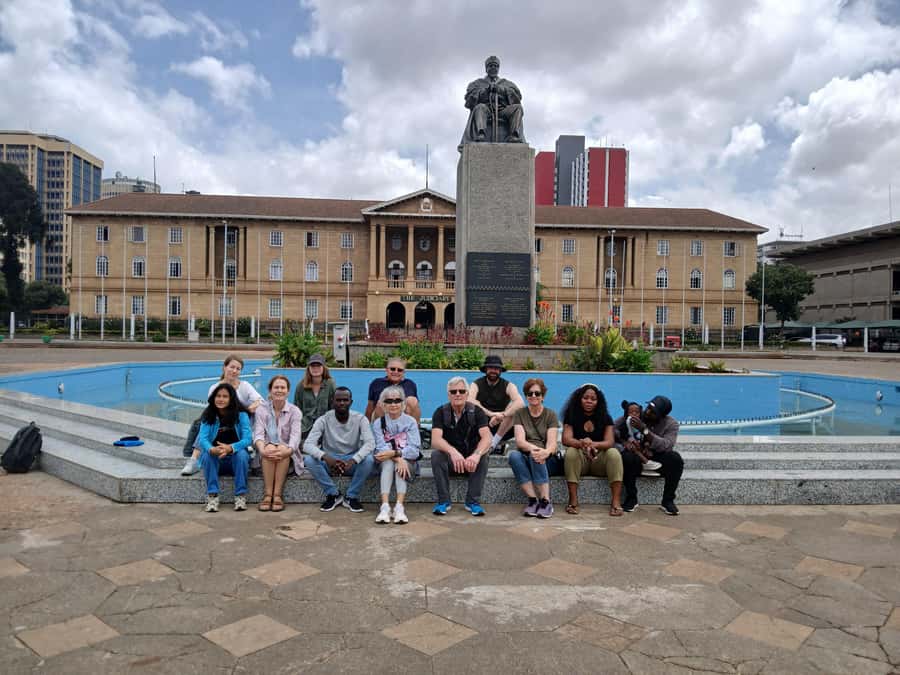
The Dedan Kimathi statue honors a freedom fighter and connects the walk to Kenya’s struggle for independence. The Galton Fenzi memorial adds another historical marker, giving the guide two opportunities to explain people and events linked to Nairobi’s past.
These stops are likely to be short, but they can be valuable when the guide tells the story rather than simply naming the statue or memorial. Ask about Dedan Kimathi’s role and why the memorial matters. The tour description promises historical information, and this is where that promise should be most visible.
A weak guide may reduce these places to quick labels. A strong one will explain how the figures fit into Kenya’s national story and why the monuments occupy these locations. The difference between those two experiences is substantial.
Holy Family Basilica and the government quarter
The Cathedral Basilica of the Holy Family is listed as a break, visit, and sightseeing stop. The pause can help break up the walking, while the basilica provides another view of Nairobi’s religious life.
The route then passes Parliament of Kenya, including the National Assembly and the Senate. You also see the Supreme Court of Kenya, the offices of the president and deputy president, and the wider government area. These sites help you understand the concentration of national institutions in the city center.
The itinerary describes Parliament as sightseeing, walking, and passing by. That wording suggests you should not expect a full parliamentary tour or guaranteed access inside. Security and official rules can affect how close you get and where you may take photographs. Stay with the guide and follow instructions around government buildings.
This section is especially useful if you want to understand Nairobi as Kenya’s political center. It also makes the tour more than a collection of old buildings. You see the places where national decisions are made, alongside religious and public spaces used by ordinary residents.
How good is the guiding?
The strongest praise focuses on the guides’ personal manner. William was described as attentive, friendly, and familiar with the city. Brian was praised as well spoken, approachable, and able to explain Kenyan culture at a relaxed pace. Another guest found the guide friendly and willing to answer every question.
Those comments point to the best version of this tour: a calm walk with a local person who explains what you are seeing and responds to your interests. You should ask questions early, especially about tribal life, Swahili, local customs, and the history of the memorials.
The weak version is less satisfying. One guest received little information and felt the guide mainly stated what buildings were. Another found the guide spoke so softly that neither person could hear properly. If you have hearing difficulty, this tour is specifically listed as unsuitable for hearing-impaired people.
The advertised languages are English and Spanish. Before starting, confirm your preferred language and make sure you can hear the guide clearly. If the group is large or street noise is heavy, position yourself near the guide rather than at the back.
Walking comfort, safety, and what to bring
This is a city walking tour with several outdoor stops. Wear comfortable shoes and bring water, although food and drinks are not included. The tour is not recommended for wheelchair users, pregnant women, people with altitude sickness, or people with hearing impairments.
The safety briefing takes 15 minutes, and the guide helps with transport at the end. That final assistance is useful if Nairobi is new to you. You can ask about the modes of transport available for your onward journey, although the tour price does not cover those costs.
Jewelry, alcohol, and drugs are not allowed. The jewelry restriction is worth noting before you leave your hotel. Keep your belongings simple and follow the guide’s advice around public areas and official buildings.
Photography and video recording are included, but you should still ask before filming people or photographing sensitive sites. Government areas and memorials may have their own rules, so follow directions rather than assuming every photo is acceptable.
Is $25 a fair price?
At $25 per person, the tour offers good value if you want a short orientation to central Nairobi with a local guide. You are paying for the walking route, explanations, question time, photography and video recordings, and help with transport afterward.
The value drops if you expect included admission, meals, drinks, or extensive interior access. None of those are part of the price. Entry charges are extra, and the time at most sites is limited.
I would compare this cost with what you want from your first Nairobi day. If you have only a few hours and want the main central sights grouped together, $25 is sensible. If you already know the city center or prefer to explore slowly, you may find the fixed route less useful.
The free cancellation period also reduces the risk: you can cancel up to 24 hours in advance for a full refund. A reserve-now, pay-later option is available, so you do not have to pay at the time of booking.
Who should book this experience?
I would recommend it to first-time visitors who want to get their bearings, understand central Nairobi, and ask a local guide direct questions. It also suits visitors interested in Kenyan political history, religious landmarks, memorials, and city culture more than wildlife or nature.
It is a good fit for you if you enjoy walking, short visits, photographs, and conversation. It is less suitable if you need step-free access, cannot hear a softly spoken guide, dislike shopping stops, or want a highly structured historical lecture.
The tour also works well for visitors who want help with onward transport. Finishing near the Hilton and receiving guidance on transport can make the rest of your day easier.
FAQ
How long does the Nairobi city tour last?
The tour lasts 150 minutes, including a 15-minute safety briefing and visits or sightseeing stops around central Nairobi.
How much does the tour cost?
The price is $25 per person.
Which languages are available?
The tour is available in English and Spanish.
Where does the tour meet?
The guide will be standing outside the City Walk shoe shop. Pickup may be available if you select that option.
Where does the tour finish?
The tour finishes at City Walk Kenya LTD near the Hilton.
Are food and drinks included?
No. Food and drinks are not included in the tour price.
Are entry charges included?
No. Any entry charges are paid separately.
What places are included on the route?
The route includes McMillan Memorial Library, Jamia Mosque, KICC, August 7th Memorial Park, the Holy Family Basilica, Parliament of Kenya, the Supreme Court area, the offices of the president and deputy president, Dedan Kimathi’s statue, the Galton Fenzi memorial, the Maasai markets, and a public smoking zone.
Can I cancel the booking?
Yes. You can cancel up to 24 hours in advance for a full refund. A reserve-now, pay-later option is also available.
Should you book it?
Book this tour if you want a short, affordable introduction to central Nairobi and value a local guide who can explain culture, politics, memorials, and daily city life. The best guide experience appears to be warm and conversational, as with William or Brian, and the route covers a lot in a limited time.
I would skip it if you need guaranteed polished commentary, dislike shopping pressure, or have a strict schedule that cannot absorb delays. Confirm the meeting details, preferred language, and market arrangement before you go. With realistic expectations, this is a useful first walk through Nairobi’s center, especially at $25.
Just added in Nairobi
- Wildlife Capital: Half-Day Safari at Nairobi National Park★ 5.0 · 2 reviews
- 3 days maasai mara migration safari★ 4.5 · 7 reviews
- 4 Days Tour Landcruiser in Masai Mara and Lake Nakuru★ 5.0 · 10 reviews
- 4 Days Safari to Lake Nakuru N/P and Maasai Mara N/R★ 5.0 · 18 reviews
- Day Tour to Nairobi national park, Elephants, and Giraffe Center★ 3.5 · 8 reviews
- 6 Days Kenya Budget Group Safari★ 5.0 · 2 reviews
- Maasai Mara Day Trip★ 5.0 · 15 reviews
- 3 Days Masai Mara Wildebeest migration Budget safari★ 5.0 · 2 reviews
Historical Tours, compared.


Nairobi Walking tour:Explore History Culture and Traditions
Read our review →

Nairobi Cultural and Historical City Tour with a Local
Read our review →
Nairobi souvenir Shopping and Historical Half day Tour
Read our review →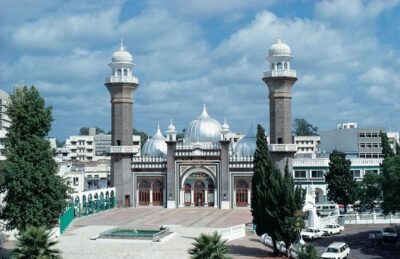

Half-Day Cultural Tour to Bomas of Kenya in Nairobi
Read our review →Browse the lists this tour appears in