
Reviewed · HISTORICAL TOURS
Nairobi City: Walking tour with Lifestyle and History.
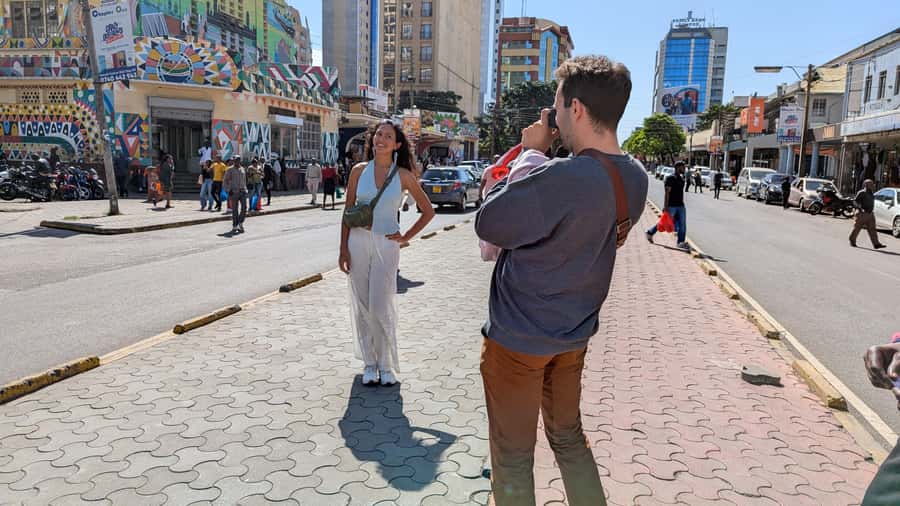
See Nairobi one block at a time. This three-hour walking tour with Allan brings together the city center’s major landmarks, Kenyan history, local markets, Swahili phrases, and a coffee stop at Java House. I like the way the tour mixes formal sights, such as Parliament and the Supreme Court, with ordinary city life at City Market and the Maasai Market. I also like that Allan can help with bargaining, translation, SIM cards, MPESA, and practical trip advice.
The main caution is timing. The advertised tour lasts three hours, but the scheduled stops and breaks add up to considerably more if every stop receives its full listed time. You may need to agree with Allan on your priorities before setting off, especially if you have a flight, train, or dinner reservation.
In This Review
- Key points to know before you book
- Starting at CJ’s on Koinange Street
- Jeevanjee Gardens and McMillan Library
- Jamia Mosque and Nairobi’s many communities
- City Market: shopping with useful help
- Kencom House and the working city center
- Maasai Market and the art of bargaining
- Supreme Court, Parliament, and Kenya’s government district
- Java House on Mama Ngina Street
- Kenyatta International Conference Centre and the city view
- What $35 gets you
- Who will enjoy this Nairobi walk?
- Should you book it?
- FAQ
- How long does the Nairobi walking tour last?
- Where does the tour begin and end?
- Who is the guide?
- Is the tour offered in English?
- Is KICC entry included in the price?
- Do I pay extra for coffee at Java House?
- Should I bring cash?
- What should I wear and bring?
- Is the tour wheelchair accessible?
Key points to know before you book

- Allan is the heart of the experience: He speaks English and Swahili, shares personal stories, answers questions, and adjusts the walk to suit your interests.
- You see Nairobi’s civic center on foot: The route includes Parliament, the Senate area, the Supreme Court, Kenyatta International Conference Centre, Nyayo House, Kencom, and Holy Family Basilica.
- Markets are a major part of the tour: City Market and Maasai Market offer handmade gifts, but you should carry cash and expect to negotiate.
- The KICC rooftop costs extra: Entry is $3, payable by card or MPESA only. Cash is not accepted.
- Coffee is not included: You can sample coffee, tea, or chai at Java House, but you pay the restaurant directly.
- This is a city orientation, not a safari: Expect streets, buildings, public spaces, shopping, conversation, and local context rather than wildlife or a rural Kenya experience.
Starting at CJ’s on Koinange Street

The meeting point is CJ’s restaurant on Koinange Street, a practical place to begin. You can wait outside or sit inside with coffee, food, Wi-Fi, and plenty of seating. The tour also ends there, giving you an easy place to continue with lunch or another drink.
That start and finish matter in a busy city. You do not need to hunt for a hard-to-find street corner, and Allan can guide you if you need help getting there. Contact him on WhatsApp at +254 723 477 823 if you need directions or have questions before the walk.
The first five minutes are used for a safety briefing. Nairobi’s central business district is best approached with the same care you would use in any large city: stay with your guide, keep your belongings secure, and follow his advice around traffic and crowded areas. Several people who joined Allan’s walk praised the feeling of safety and comfort, which is especially useful if this is your first visit to Kenya.
Wear comfortable walking shoes and light, comfortable clothing. You will be outside in the sun, so sunscreen and sunglasses are sensible. The tour is listed as wheelchair accessible, but you should still discuss your exact needs with Allan before booking because the route moves through streets, markets, and public spaces.
More Walking Tours in Nairobi
- Nairobi: Historic and Modern Highlights Walking Tour
★ 4.8 · 703 reviews - Nairobi Historical Walking City Tour
★ 5.0 · 258 reviews - Nairobi Downtown Walking Tour
★ 4.7 · 208 reviews
Jeevanjee Gardens and McMillan Library
Jeevanjee Gardens is the first real stop. The short guided visit gives you a green pause in the middle of central Nairobi and an early sense of how the city’s public spaces fit into daily life. Allan uses places like this to explain Nairobi’s development and the people who shaped it.
Next comes the McMillan Memorial Library, usually a pass-by and sightseeing stop. Its architecture gives the walk a useful historical layer, even if you do not spend long inside. This is a good example of the tour’s approach: you are not simply ticking off buildings, but hearing how the city grew around them.
The stop is brief, so do not expect a full library visit. If architecture or Nairobi’s colonial-era civic buildings are your main interest, tell Allan early. He is flexible, and several people found that the tour became more useful when they asked questions and shaped the discussion around their own interests.
Jamia Mosque and Nairobi’s many communities

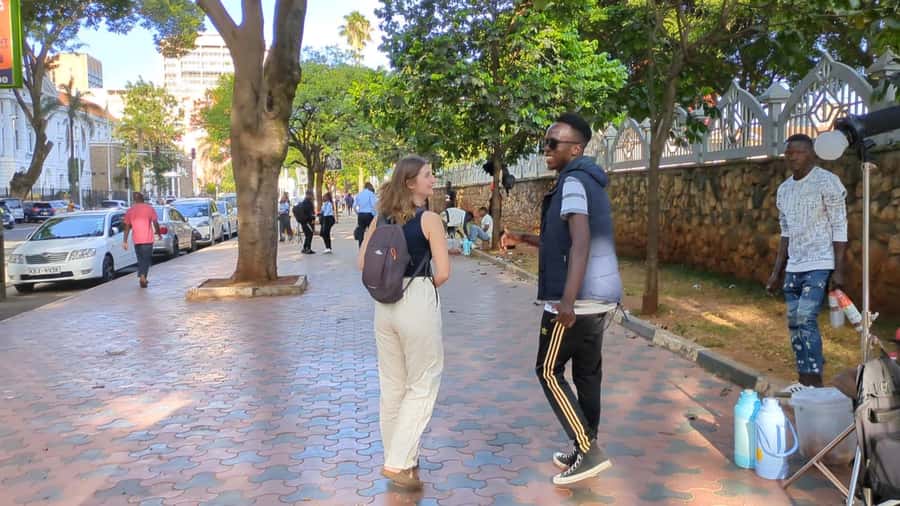
Jamia Mosque is a photo stop and pass-by visit lasting about ten minutes. Even from outside, it is an important sight in the city center and a chance to discuss Nairobi’s religious and cultural mix.
The tour is not designed as an inside visit to the mosque, so dress respectfully and follow any local guidance about photography. Allan can also teach you a few Swahili words during the walk. That small language lesson helps you interact more naturally in markets and shops, even if you only remember a handful of phrases.
One of the strongest parts of this experience is conversation. Allan is interested in your background as well as his own country, so the walk can feel less like a memorized speech and more like an exchange. He shares personal stories and observations, explains modern life, and answers questions about Kenya’s past and present.
City Market: shopping with useful help
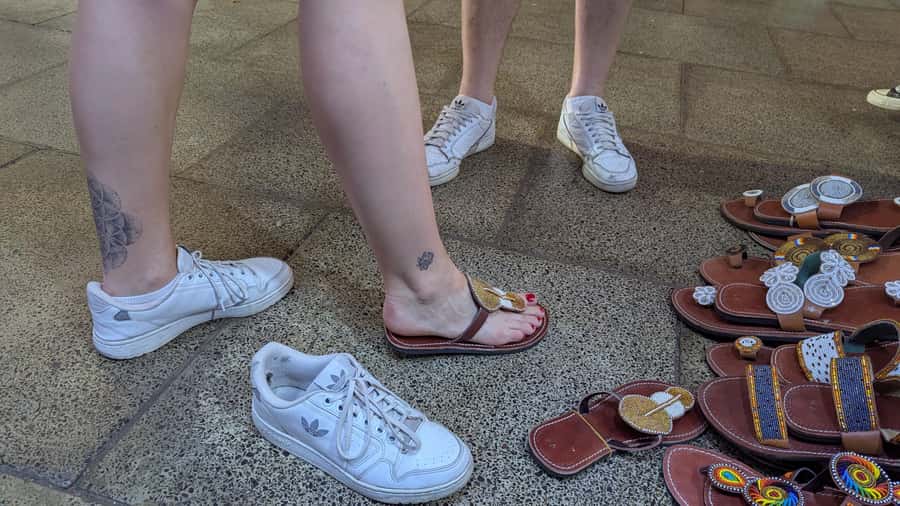
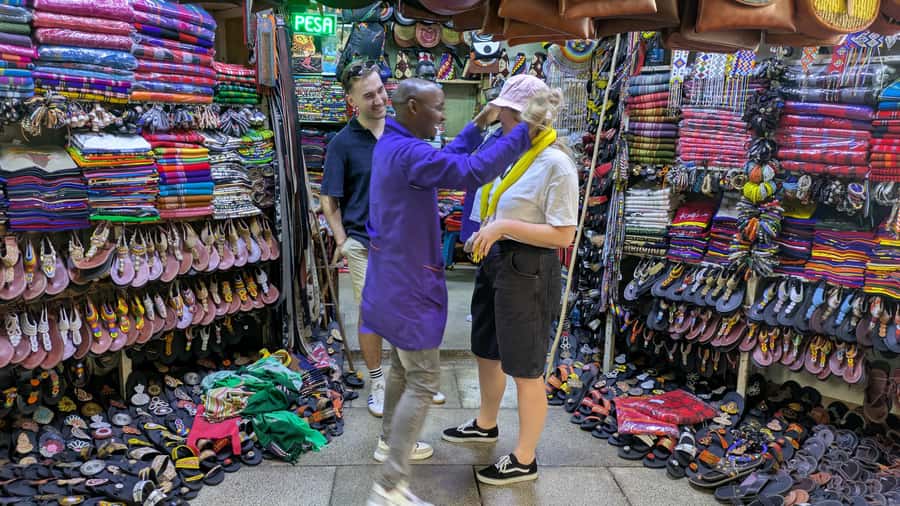
City Market receives about 35 minutes, including guided touring, sightseeing, and shopping. This is where Allan’s local support becomes practical. You can browse Kenyan handicrafts and look for gifts while he translates when a vendor’s English is limited.
Carry cash if you want to buy something. Some sellers do not accept credit or debit cards, although foreign currency may be accepted. Nairobi has ATMs and currency exchange points, but it is easier to arrive prepared with a modest amount of Kenyan shillings.
Allan can help you compare items, explain what you are buying, and offer advice on prices. That does not mean you should hand over every negotiation to him. One useful tip is to bargain yourself at the Maasai Market, where opening prices can be much higher than the final amount. Keep the exchange friendly, decide what an item is worth to you, and walk away if the price does not feel right.
The market is a better fit for people who enjoy browsing than for anyone seeking a quiet museum-style stop. It can be busy, and shopping may take more time than planned. If you are not interested in souvenirs, ask Allan to shorten this portion and spend more time on buildings or history.
More History Tours in Nairobi:
- Full Day Nairobi Cultural and Historical Tour
★ 5.0 · 153 reviews - Nairobi Cultural and Historical City Tour with a Local
★ 5.0 · 67 reviews - Nairobi souvenir Shopping and Historical Half day Tour
★ 5.0 · 61 reviews - Nairobi History and Modern Culture 3 Hours Tour
★ 4.5 · 31 reviews
Kencom House and the working city center
Kencom House is a ten-minute guided stop and pass-by. The area around Kencom is tied closely to Nairobi’s public transport system, including the Kencom matatu terminus. This gives you a look at the city as a place where people work, commute, shop, and move quickly through the center.
The value here is not a single grand monument. It is the chance to see the city’s everyday rhythm and ask questions while you walk. Allan’s guidance helps you understand what you are seeing instead of treating the streets as a blur between attractions.
This section also requires attention. Traffic, crowds, and uneven walking conditions can make the route tiring, particularly in hot weather. Good shoes matter more than stylish ones.
Maasai Market and the art of bargaining
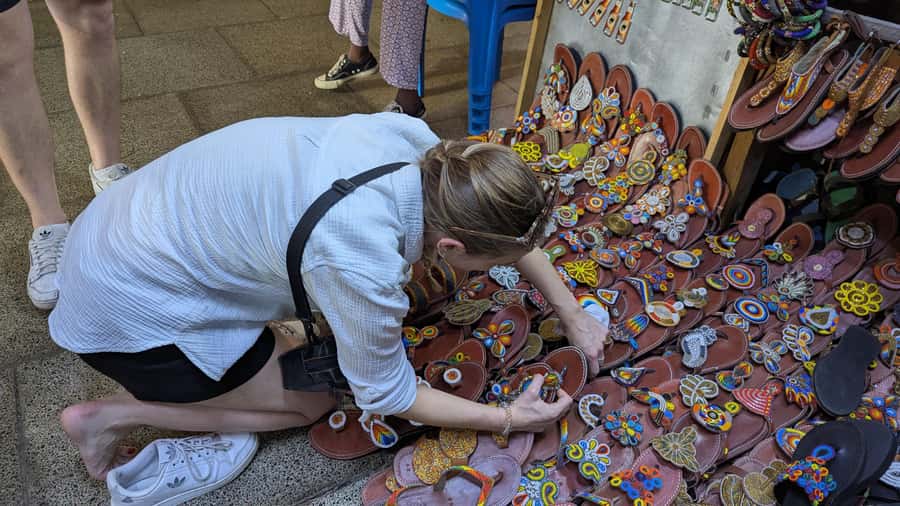
The Maasai Market receives about 40 minutes, making it one of the longest stops. You will find handmade gifts and souvenirs, with plenty of scope for browsing, bargaining, and asking questions about Kenyan crafts.
This is a place where a local guide saves time and confusion. Allan can translate into Swahili, help you compare prices, and suggest ways to approach a purchase. He can also help you avoid rushing into the first offer.
Still, keep control of your spending. Do not feel pressured to buy because Allan has helped with a conversation. Decide what you want before entering, set a rough budget, and remember that bargaining is part of the market process. If you prefer a relaxed walk with no shopping, tell him so at the start.
The market stop also shows why this tour works best as a private or small-group experience. The tone can change according to your interests. You can focus on textiles, carvings, jewelry, or other handmade items, although the exact selection will depend on what is available that day.
Supreme Court, Parliament, and Kenya’s government district
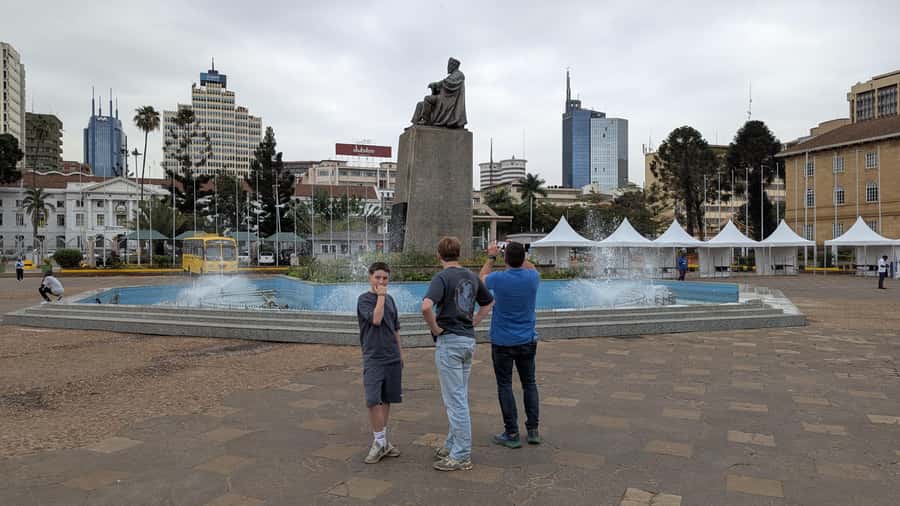
The route then moves through the Supreme Court building and Parliament of Kenya. These are short sightseeing and pass-by stops, with about six minutes at the Supreme Court and ten minutes at Parliament.
You should not expect a full interior tour of government buildings. Their value is in the exterior architecture, the setting, and Allan’s explanation of Kenya’s political history and current civic life. He can connect the buildings to the broader story of Nairobi’s development.
This portion gives the walk a useful balance. The markets show commerce and daily life; these buildings show the institutions that shape the country. Allan’s personal observations make the discussion more grounded than a list of dates and names.
Photography may be limited around government and security-sensitive locations. Follow Allan’s instructions and ask before taking close pictures. The tour promises photo opportunities, but not every building should be treated like an open-air studio.
Java House on Mama Ngina Street
Java House is scheduled as a 40-minute break. It is described as one of Kenya’s most popular coffee houses, and you can sample different coffee, tea, or chai drinks there.
Your drink is not included in the $35 tour price, so budget separately. This is a small extra cost, but it gives you a proper chance to rest, use the facilities, and talk with Allan away from the street.
The coffee stop is also a useful checkpoint. If the pace has been too fast, you can discuss what you still want to see. If you are tired, you can shorten the final portion. The listed timing is flexible enough for this kind of adjustment, but you should be clear about your needs.
Kenyatta International Conference Centre and the city view
The KICC is the visual high point of the walk. The stop includes a guided visit, free time, and photographs, with up to 45 minutes scheduled.
Entry costs $3 and is paid by card or MPESA. Cash is not accepted, so make sure you have one of those payment methods ready. This is the only stated admission fee, but it is not included in the tour price.
The reward is the view from the top, which gives you a broad look across central Nairobi. After walking among streets, markets, government buildings, and transport hubs, seeing the city from above helps you understand how those pieces fit together.
Allow time for security or access procedures, even though the official stop is fairly long. The KICC is particularly worthwhile if you want photographs and a clear orientation to the city center. It may be less important to you if you dislike heights or have limited energy after the market sections.
The route also identifies Nyayo House, the Senate, Holy Family Basilica, and other central landmarks among the sights you may see. Not every place receives a long dedicated stop, so think of the experience as a guided overview rather than a series of full building tours.
What $35 gets you
At $35 per person, the price is fair for a three-hour private or flexible walking experience, especially if Allan is guiding only you or your party. You are paying for local time, interpretation, historical context, market help, and practical advice, not transportation or meals.
The value is strongest if you ask questions. Allan has helped people understand Nairobi, choose gifts, arrange an MPESA account, obtain a Safaricom SIM or eSIM, and plan SGR train tickets to Mombasa. These extra tips can save you trouble later, although the tour itself does not include SIM cards, train tickets, meals, or drinks.
You should also plan for the $3 KICC entry fee and money for coffee or tea. Shopping is entirely optional. The guide fee is included, but tipping may be appreciated, particularly because Allan’s payment arrives later according to one booking note. Tip only if the service deserves it, but keep this detail in mind when planning your budget.
Free cancellation is available up to 24 hours before the tour, and you can reserve now and pay later. Those terms are useful if your Nairobi schedule is still shifting.
Who will enjoy this Nairobi walk?
I would recommend it to a first-time visitor who wants to get oriented quickly. It is also a strong choice for anyone with an afternoon free after arriving in Nairobi, as long as you leave enough time to reach the meeting point.
You will get the most from it if you enjoy conversation, local stories, city architecture, shopping, and practical advice. The tour suits solo visitors, couples, and small groups who want to ask direct questions rather than follow a fixed script.
It is less suitable if you want a wildlife experience, a museum-focused program, or a quiet route with little walking. It is also not recommended for pregnant women or people with heart problems. Sunny conditions and the pace of a city-center walk may be demanding.
The tour is offered in English and Swahili. If you have a particular interest, such as politics, architecture, markets, Kenyan culture, or transport, tell Allan before the walk begins. His flexibility is one of the main reasons this experience can feel personal rather than generic.
Should you book it?
Book this Nairobi walking tour if you want a friendly introduction to the city with a guide who can explain both famous buildings and ordinary street life. Allan’s strongest qualities are his personal approach, his care with safety, his willingness to answer questions, and his practical help in markets and daily travel matters.
The main thing to confirm is the schedule. The detailed stops include long market, coffee, and KICC periods, while the advertised duration is three hours. Ask Allan how he plans to handle the timing and which sights matter most to you.
For $35, plus coffee, optional shopping, and the $3 KICC fee, you get a useful first look at central Nairobi. Bring comfortable shoes, sun protection, a payment card or MPESA for KICC, and some cash for markets. If you want a local introduction with room for real conversation, this is a sensible way to begin your Kenya trip.
FAQ
How long does the Nairobi walking tour last?
The advertised duration is three hours. The listed stops include several scheduled breaks and visits, so you should confirm the exact pace and priorities with Allan before starting.
Where does the tour begin and end?
The tour begins and ends at CJ’s restaurant on Koinange Street in Nairobi. You can wait outside or sit inside the restaurant before the walk.
Who is the guide?
The guide is Allan. He leads the walk in English and Swahili and can provide local advice during the tour.
Is the tour offered in English?
Yes. The available tour languages are English and Swahili.
Is KICC entry included in the price?
No. Entry to Kenyatta International Conference Centre costs $3 separately. Payment must be made by card or MPESA, and cash is not accepted.
Do I pay extra for coffee at Java House?
Yes. Coffee, tea, and chai are not included in the tour price. You pay the restaurant separately for any drinks or food.
Should I bring cash?
Bring cash if you want to buy artifacts or souvenirs at the markets. Some vendors do not accept credit or debit cards, although some accept foreign currency.
What should I wear and bring?
Wear comfortable clothes and walking shoes. Sunscreen and sunglasses are recommended because the walk takes place outdoors in sunny weather.
Is the tour wheelchair accessible?
Yes, the tour is listed as wheelchair accessible. Contact Allan before booking to discuss your specific access needs on the walking route.
Just added in Nairobi
- Wildlife Capital: Half-Day Safari at Nairobi National Park★ 5.0 · 2 reviews
- 3 days maasai mara migration safari★ 4.5 · 7 reviews
- 4 Days Tour Landcruiser in Masai Mara and Lake Nakuru★ 5.0 · 10 reviews
- 4 Days Safari to Lake Nakuru N/P and Maasai Mara N/R★ 5.0 · 18 reviews
- Maasai Mara Day Trip★ 5.0 · 15 reviews
- Day Tour to Nairobi national park, Elephants, and Giraffe Center★ 3.5 · 8 reviews
- 6 Days Kenya Budget Group Safari★ 5.0 · 2 reviews
- 3 Days Masai Mara Wildebeest migration Budget safari★ 5.0 · 2 reviews
Historical Tours, compared.


Nairobi Walking tour:Explore History Culture and Traditions
Read our review →

Nairobi Cultural and Historical City Tour with a Local
Read our review →
Nairobi souvenir Shopping and Historical Half day Tour
Read our review →

Half-Day Cultural Tour to Bomas of Kenya in Nairobi
Read our review →Browse the lists this tour appears in