
Reviewed · HISTORICAL TOURS
Nairobi City Tour; Culture, Historical & Modern Highlights
Nairobi rewards curious walkers. This three-hour city tour brings together Kenyan history and present-day city life, from the National Archives and Jamia Mosque to colorful matatus, local markets, and the rooftop of the KICC. I like the way the tour links major sights with simple Swahili words and stories from a Nairobi guide. I also like the chance to stop for affordable Kenyan food at Pronto Restaurant rather than being kept inside a sightseeing bubble.
The main drawback is its brisk schedule. You may visit or pause at nine different places in roughly two and a half to three hours, so some stops are brief. The Maasai Market is only included when it is operating on Saturday, and the $4 KICC rooftop entry fee, food, and souvenirs cost extra.
In This Review
- Five details that shape the experience
- Meeting your guide near Kencom
- Kenya National Archives and the story behind the city
- 7th August Memorial Park and a difficult chapter
- The KICC rooftop and Nairobi from above
- City Market, established in 1930
- Maasai Market and choosing souvenirs
- Jamia Mosque and McMillan Library
- Matatus, music, color, and modern Nairobi
- Government buildings from a respectful distance
- Kenyan food at Pronto Restaurant
- What $35 buys you
- Who will enjoy this Nairobi walk
- Should you book this city tour?
- FAQ
- How long does the Nairobi City Tour last?
- What is included in the price?
- Is the KICC rooftop entrance included?
- Is food included?
- Where does the tour start and finish?
- Is the Maasai Market visited every day?
- What language is the tour offered in?
Five details that shape the experience

- A local guide leads the walk: Guides have more than five years of professional city-tour experience and are Nairobi natives.
- The KICC rooftop costs extra: Allow $4 per person if you want the city view from the 28th floor.
- Saturday adds a market option: The Maasai Market may be included when it is open, giving you a chance to shop for locally made souvenirs.
- The tour covers serious history: The National Archives and 7th August Memorial Park give the city tour more substance than a simple photo stop.
- Matatus add a modern Kenyan touch: You get a close look at the colorful public commuter vehicles that are part of daily life in Kenya.
- Pronto gives you a local food option: Kenyan dishes are available at your own cost along Wabera Street or Moi Avenue.
Meeting your guide near Kencom
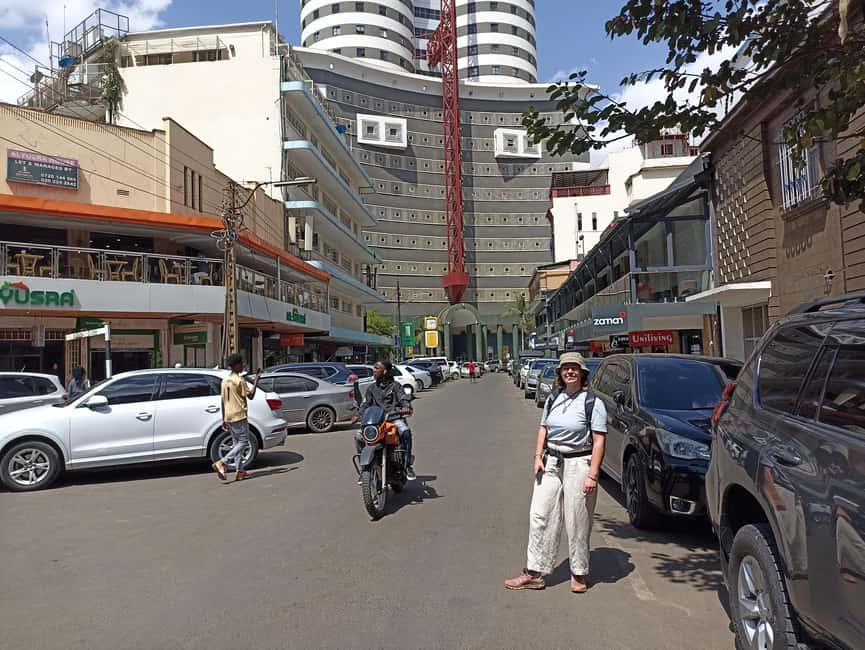
The tour begins outside Hilton Arcade along City Hall Way, opposite the Kencom building. Your guide waits at the agreed time and may wave or contact you through WhatsApp, so keep your phone ready and make sure your messaging number is correct.
This is a practical central meeting point, but Nairobi traffic and busy streets can make orientation tricky. I would arrive a few minutes early, especially if this is your first visit to the city. The guide fee and bottled water are included in the $35 price, but transportation to the meeting point is not listed as part of the experience.
The tour is guided from start to finish. That matters in central Nairobi, where a local can explain what you are seeing instead of leaving you to guess at the meaning of a building, memorial, or street scene. English is the stated tour language.
More History Tours in Nairobi:
- Nairobi: Historic and Modern Highlights Walking Tour
★ 4.8 · 703 reviews - Nairobi Historical Walking City Tour
★ 5.0 · 258 reviews - Full Day Nairobi Cultural and Historical Tour
★ 5.0 · 153 reviews
Kenya National Archives and the story behind the city
The first major stop is the Kenya National Archives. This is a useful starting point because the tour is not only about buildings and photographs. Here, you learn about Kenya’s social and political past, ways of life, and the objects preserved inside a historic building.
The archives display older artifacts, giving you a chance to connect national events with ordinary life. Your guide also introduces Swahili words during the walk, which adds a small but welcome language lesson. Even learning a few greetings or common expressions can make the city feel less distant.
You should keep your expectations realistic. This is one stop within a short city tour, not a lengthy museum visit. The time available for exhibits may be limited, particularly if the group spends longer at later stops. Still, the archives give the rest of the tour a useful foundation. You begin to see central Nairobi as a place shaped by politics, culture, religion, trade, and public life.
7th August Memorial Park and a difficult chapter
The 7th August Memorial Park focuses on the consequences of terrorism and violent extremism. It is a quieter and more serious stop than the markets or the KICC rooftop, and it asks you to consider the human cost behind major events.
This part of the tour brings modern Kenyan history into the day. A guide can provide context and help you understand why the memorial matters to Kenyans and international visitors. The subject is heavy, so it may change the mood of the tour. That is not a flaw, but you should know that the experience is not nonstop sightseeing.
I value the inclusion of the memorial because it prevents the tour from reducing Nairobi to food, shopping, and city views. You get a fuller sense of the capital, including the events that have affected its people.
The KICC rooftop and Nairobi from above
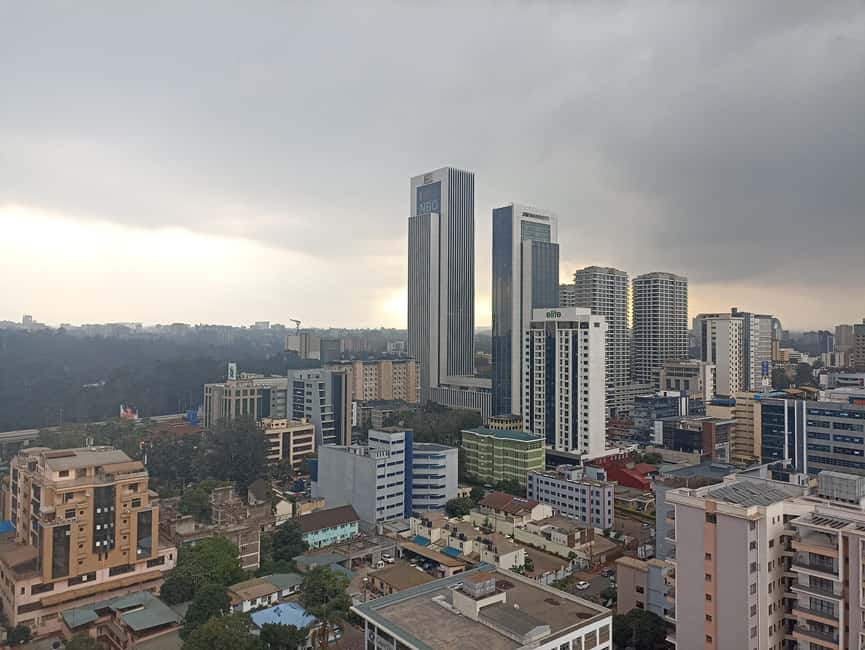
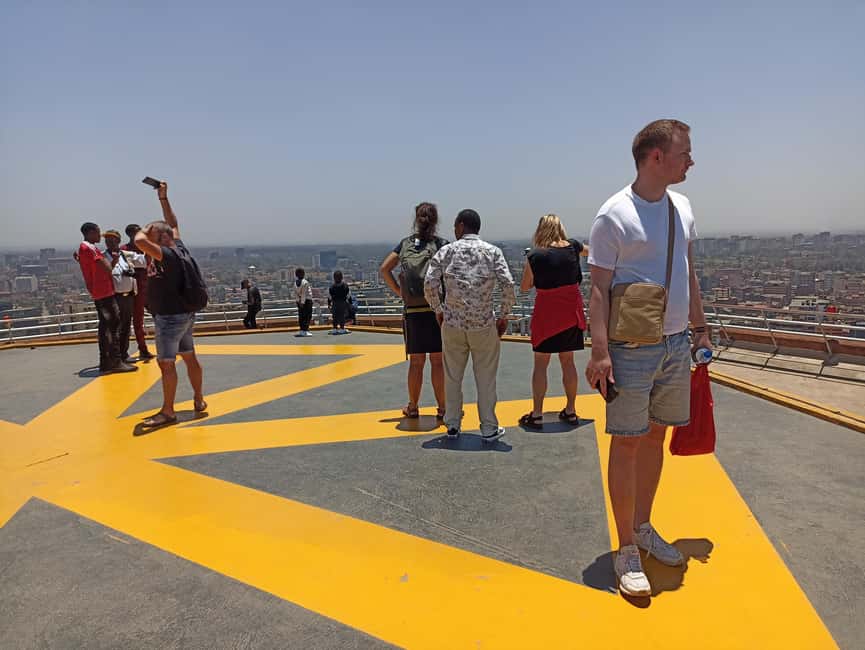
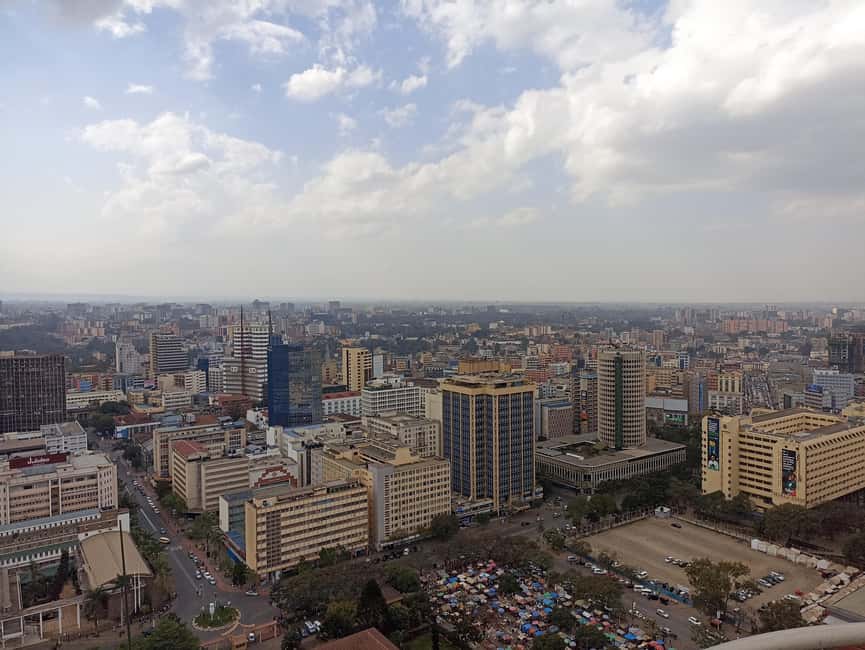
The Kenyatta International Convention Centre, usually called the KICC, is one of the city’s best-known buildings. The rooftop is 28 floors high and offers a broad aerial view of Nairobi. From up there, you can get your bearings quickly and see how the capital spreads out around its central core.
The $4 rooftop entrance fee is not included, so bring that extra amount if the view is important to you. The fee is modest compared with many paid viewpoints, and it is one of the clearest value points in the tour. You are not simply looking at one landmark. You are using the height to understand the scale of Nairobi.
The rooftop is also a natural pause in a walking-heavy city visit. After seeing streets and buildings at ground level, the wider view gives you a different picture. The description calls the view therapeutic, and that is easy to understand. A high viewpoint can provide a calm break from the movement below.
The tradeoff is time. If you want to linger for photographs or study the city carefully, the fixed tour schedule may feel short. Ask your guide at the start how much time is planned here.
A few more options to weigh up in Nairobi
- Nairobi National Park Half-Day Tour; Free Wi-Fi connection
★ 5.0 · 878 reviews - Nairobi: National Park & Optional Elephants & Giraffe Center
★ 4.8 · 874 reviews - NAI NAMI: Nairobi Storytelling Tour with Street Children
★ 5.0 · 792 reviews - Nairobi National Park Half-Day Game Drive
★ 4.5 · 738 reviews
City Market, established in 1930

Nairobi City Market was established in 1930 and is described as the first market founded in the city. Its age gives it a clear place in Nairobi’s story. Markets are not just shopping stops. They show how commerce, food, and daily routines shape a city.
You may see a more ordinary side of Nairobi here than at a major government building. The market helps connect the historical parts of the tour with the city you see today. It is also a useful place to ask your guide about local products and shopping customs.
The tour does not promise a long shopping session, so do not arrive expecting a dedicated market crawl. Instead, treat City Market as a short cultural stop within a larger city route. If you plan to buy something, ask about prices and payment before you begin looking seriously.
Maasai Market and choosing souvenirs
The Maasai Market is included as a pass-by or shopping stop when it is market day, specifically Saturdays. This schedule point matters. If your tour takes place on another day, you should not assume the market will be operating as part of the route.
When open, it gives you a chance to purchase souvenirs and locally made items. The choice is yours, and personal gifts are not included in the tour price. The guide can help you understand what you are seeing, but you remain responsible for the purchase and any price discussion.
I like the flexibility here. You can shop at the Maasai Market or City Market instead of being pushed toward one fixed store. Still, allow extra time if you enjoy bargaining, comparing crafts, or choosing gifts carefully. The tour’s short duration means shopping may be more of a quick opportunity than a long buying session.
Jamia Mosque and McMillan Library

Jamia Mosque is identified as the first mosque established in Nairobi’s city center. Even if you only view it from outside, the stop points to the religious and cultural variety of the capital. Your guide can explain its place in central Nairobi and introduce another side of the city’s past.
The mosque is a reminder that Nairobi’s story is not only about government, colonial-era buildings, or commerce. Religious institutions have also helped shape the city center. As with other stops, the tour may focus on explanation and exterior viewing rather than a long interior visit.
McMillan Library adds another historic layer. Established in 1931, it is the oldest library in Nairobi. Its inclusion may appeal to anyone interested in public education, books, and the institutions that served earlier generations.
Together, the mosque and library make a good contrast. One reflects religious life, while the other reflects learning and civic culture. They also show why a local guide is useful. Without context, you might pass both buildings quickly and miss their importance.
Matatus, music, color, and modern Nairobi
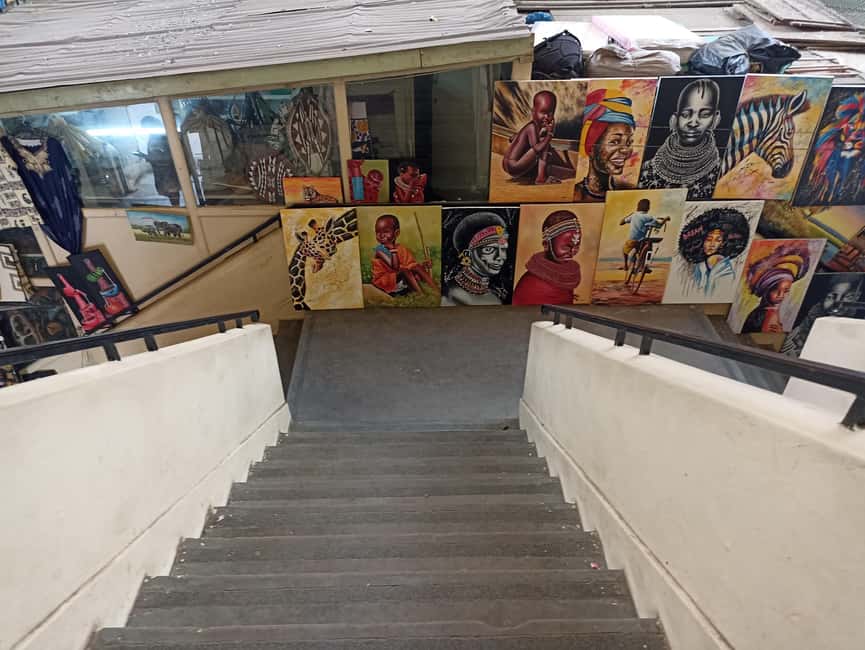
The matatu experience brings the tour into present-day Kenyan street culture. Matatus are public service commuter vehicles, and their colorful designs have become one of the most recognizable features of urban Kenya.
This stop is less formal than a memorial, archive, or library. It gives you a glimpse of how people move around the city and how public transport becomes part of popular style. The tour description calls matatu culture trendy, and you can expect the focus to be on the vehicles and their place in daily urban life.
The experience does not promise a full ride on a matatu, so do not assume you will travel across Nairobi by public vehicle. It is best understood as an introduction to the culture surrounding these commuter vehicles. If you are interested in photography, ask your guide before taking pictures and follow any local guidance.
For me, this is one of the tour’s most useful modern touches. Nairobi is not a museum city. You need to see how people live and move now, not only what happened in the past.
Government buildings from a respectful distance

The route includes views of the Office of the President, the Office of the Deputy President, and the Parliament of Kenya. Parliament includes both the Senate and the National Assembly.
These are restricted areas, so the tour only views the buildings from outside. That limitation is important. You are not buying an official government-building visit, and security rules mean you should follow your guide’s instructions carefully.
Even from the exterior, the stops help explain Nairobi’s role as Kenya’s political center. They also give the history discussed at the National Archives a present-day setting. You see where national decisions are made, while staying within the boundaries required around sensitive buildings.
Kenyan food at Pronto Restaurant
If you want to eat during the outing, Pronto Restaurant along Wabera Street or Moi Avenue offers Kenyan local cuisine at your own cost. Food is not included, so bring money for your meal.
This is a useful option because it lets you add flavor to the sightseeing without committing to an expensive restaurant. A local dish can turn a list of landmarks into a more complete introduction to Nairobi. You can ask the guide what is available and choose according to your appetite and budget.
The restaurant visit is optional, and it may affect the timing. Since the whole tour is scheduled for roughly two and a half to three hours, ask how a meal fits into the route before ordering. If you want a full sit-down meal, the tour may run longer than the basic schedule.
One previous guest, Valentina, had guide Luke and especially valued his kindness, help, and explanations of local culture. She also chose to extend her day beyond the city tour with a visit to Kibera, where Luke accompanied her to a children’s association, introduced her to the association’s head, and stayed with her during activities that included dancing and drawing. That extra experience is not part of this tour, but it gives you a useful sense of the personal support Luke provided when assigned.
What $35 buys you
At $35 per person, this is a reasonable price for a guided introduction to central Nairobi. You are paying for a local guide, bottled water, and a route that brings together historical buildings, memorials, markets, government landmarks, public transport culture, and a city view.
The value is strongest if you want orientation on your first day in Nairobi. A guide can help you understand how the main sights connect and can make the city feel easier to approach. The price is less attractive if you want long visits at museums, extended shopping, or a slow meal, since the schedule is compact and several costs are extra.
Budget separately for the $4 KICC entrance, food at Pronto, and souvenirs. Personal gifts are not included. The reserve-now, pay-later option also helps if you want to keep your plans flexible, and cancellation is allowed up to 24 hours ahead for a full refund.
Who will enjoy this Nairobi walk
I would choose this tour if you have limited time in Nairobi and want a broad first look at the center. It suits you if you enjoy learning from a local guide, asking questions, picking up a few Swahili words, and seeing both serious history and everyday city culture.
It also suits solo visitors who want a guided introduction rather than navigating the center alone. Valentina’s experience with Luke shows how a guide may provide extra reassurance and personal help, though you should confirm which guide will lead your tour.
The tour is not suitable for children under five or people over 95 according to the stated restrictions. It is also less suited to you if you need a slow pace or want to spend a long time at each attraction. The schedule has a lot to cover.
Should you book this city tour?
Book it if you want a compact, affordable introduction to Nairobi with a human guide at the center of the experience. The strongest parts are the mix of the National Archives, memorial park, KICC view, old market spaces, religious and civic buildings, matatu culture, and optional Kenyan food.
Skip it if your priority is a long museum visit, a full shopping day, or an unhurried restaurant meal. Before booking, check the day of the week if the Maasai Market matters to you, set aside the KICC fee, and ask how much time is planned at each stop. For a first look at central Nairobi, $35 offers a useful range of experiences without requiring a full day.
FAQ
How long does the Nairobi City Tour last?
The guided activity is scheduled for a maximum of about two hours and 30 minutes, while the detailed tour description refers to a period of roughly three hours. Confirm the expected timing with the guide before starting.
What is included in the price?
The $35 price includes the guide fee and bottled water.
Is the KICC rooftop entrance included?
No. Entry to the KICC rooftop costs an additional $4 per person.
Is food included?
No. Food at Pronto Restaurant is not included. You can choose to eat there at your own cost.
Where does the tour start and finish?
The meeting point is outside Hilton Arcade along City Hall Way, opposite the Kencom building. The tour ends back at the same meeting point.
Is the Maasai Market visited every day?
No. The Maasai Market is included when it is market day, specifically Saturdays. City Market is another shopping option on the route.
What language is the tour offered in?
The tour is offered in English. The guide also teaches Swahili words during the experience.
Just added in Nairobi
- Wildlife Capital: Half-Day Safari at Nairobi National Park★ 5.0 · 2 reviews
- 3 days maasai mara migration safari★ 4.5 · 7 reviews
- 4 Days Tour Landcruiser in Masai Mara and Lake Nakuru★ 5.0 · 10 reviews
- 4 Days Safari to Lake Nakuru N/P and Maasai Mara N/R★ 5.0 · 18 reviews
- Day Tour to Nairobi national park, Elephants, and Giraffe Center★ 3.5 · 8 reviews
- 6 Days Kenya Budget Group Safari★ 5.0 · 2 reviews
- Maasai Mara Day Trip★ 5.0 · 15 reviews
- 3 Days Masai Mara Wildebeest migration Budget safari★ 5.0 · 2 reviews
Historical Tours, compared.

Nairobi Walking tour:Explore History Culture and Traditions
Read our review →

Nairobi Cultural and Historical City Tour with a Local
Read our review →
Nairobi souvenir Shopping and Historical Half day Tour
Read our review →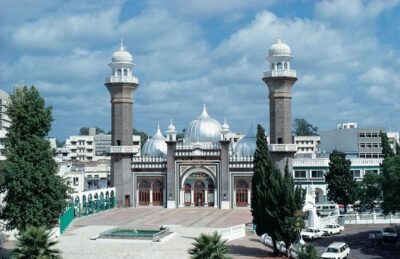

Half-Day Cultural Tour to Bomas of Kenya in Nairobi
Read our review →Browse the lists this tour appears in