
Reviewed · HALLER PARK TOURS
Mombasa: Discovery Day Tour and Haller Park
Mombasa rewards curious eyes. This full-day tour pairs Fort Jesus and Old Town with the animals and restored quarries of Haller Park, giving you a useful first look at both the city and its coastal setting. I like the included transport and entrance fees, and I like the mix of Swahili streets, religious sites, craftwork, and wildlife. The main drawback is the midday heat, especially during the Old Town walk.
You get a private tour for your own party, with hotel, port, or airport pickup arranged in advance. Guide quality matters here, particularly if you need French or German, so confirm your language before booking. Joseph received especially warm praise for clear explanations and patient answers, while one French-speaking booking had a poor language match.
In This Review
- Key details to know before you book
- Why this 10-hour route works
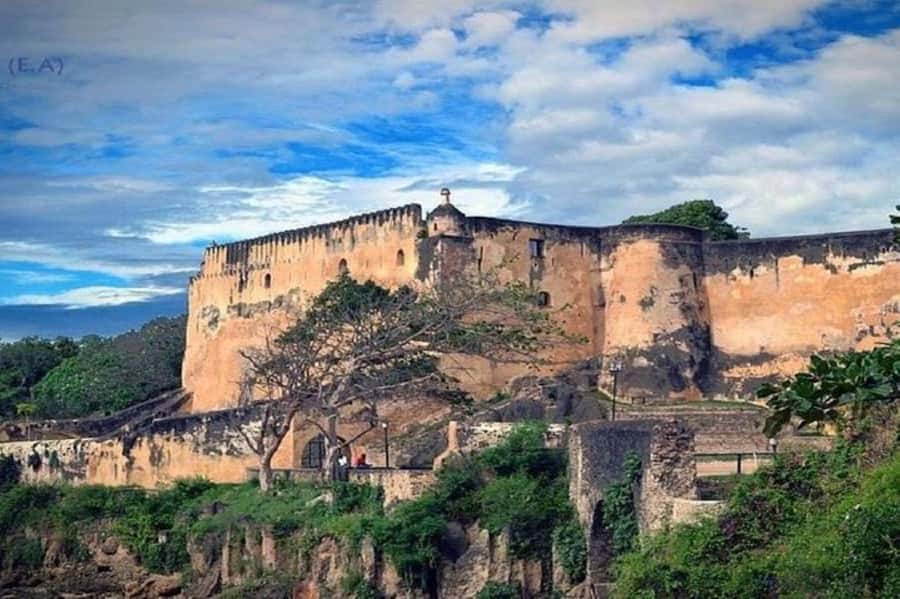
- Fort Jesus puts Mombasa’s past in view
- Old Town is best seen on foot
- Moi Avenue and the city’s public landmarks
- The Akamba workshop offers a real look at craftwork
- Lunch is separate, but the break matters
- Haller Park turns old quarries into a nature stop
- Transport and guide quality shape the day
- Is $125 good value for a full day?
- Who should book this Mombasa tour?
- What to bring and what to expect
- Should you book it?
- FAQ
- How long does the Mombasa Discovery Day Tour and Haller Park visit last?
- What is included in the $125 price?
- Is lunch included?
- Can cruise ship passengers join the tour?
- Where can the tour pick me up?
- Is this a private tour?
- What languages are available?
- What animals might I see at Haller Park?
- Can I cancel the tour for a refund?
Key details to know before you book
- Fort Jesus gives the day its historical focus: The Portuguese fort, built in the 16th century, anchors the Old Town portion.
- Haller Park changes the pace: Former quarries have been replanted and now hold giraffes, hippos, buffalo, antelopes, crocodiles, and other animals.
- Private transport saves time: Pickup and drop-off are available at Mombasa hotels, Kilindini Port, Bombolulu Estate, and the airport.
- The tour includes more than the headline sights: You also visit a Hindu temple, a spice shop, the Elephant Tusks on Moi Avenue, and an Akamba woodcarving workshop.
- Lunch costs extra: A Swahili restaurant, including Tamarind Restaurant as a possible choice, is recommended during the break.
- Plan for sun protection: Sunglasses are listed as essential, but a hat or umbrella is wise for the exposed midday walk.
Why this 10-hour route works
Mombasa can feel like several places at once. It is a historic port, a Swahili city, a modern commercial center, and a base for coastal wildlife parks. This tour gives you a broad introduction without asking you to arrange several separate taxis, guides, and admission tickets.
The route also has a sensible change of rhythm. You begin with architecture and history, move through streets and markets, stop for crafts and lunch, then spend the afternoon outdoors at Haller Park. That variety is the chief strength of the day. You are not looking at old walls for ten hours, and you are not spending the whole day in a vehicle.
The tradeoff is pace. The advertised duration is 10 hours, but the city portion covers many stops. If you want a slow photographic study of Old Town, or a long shopping session at the woodcarvers, you may need to choose between lingering and keeping the schedule.
More Haller Park visits:
- Mombasa: Private City Tour with Fort Jesus & Haller Park
★ 4.6 · 24 reviews - Mombasa Half-Day City Tour with Fort Jesus and Haller Park
★ 5.0 · 23 reviews - Mombasa city tour, Fort Jesus and Haller Park
★ 5.0 · 20 reviews
Fort Jesus puts Mombasa’s past in view
The tour starts at Fort Jesus, built by the Portuguese in the 16th century. Its thick walls and defensive design make the site easy to understand even before your guide begins explaining the details. You are not simply visiting a pretty ruin. The fort helps explain why Mombasa mattered as a port and why control of the city was contested.
Your guide takes you through the fort and explains its changing role over time. The site later became a prison in 1985 before being preserved as a historical landmark. That sequence gives the visit a human edge. Forts are often presented as frozen monuments, but this one continued to be used long after its original military purpose faded.
One strong point is the guided explanation. The fort can be more rewarding with someone who can connect the walls, rooms, and setting to Mombasa’s past. Joseph, one of the guides used on the tour, was praised for answering questions and adding anecdotes rather than reciting a short script. That kind of guide can make a major difference.
Allow for heat. The Old Town and fort sections can fall around the middle of the day, when the sun is strong. Wear light clothing, bring sunglasses, and carry a hat or umbrella. If you are sensitive to heat, ask whether the order of stops can be adjusted.
Old Town is best seen on foot
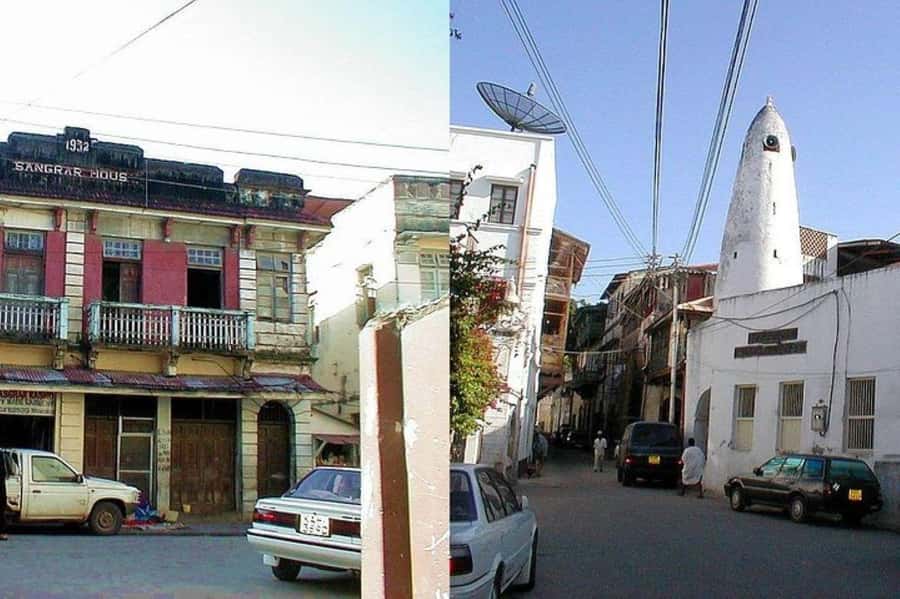
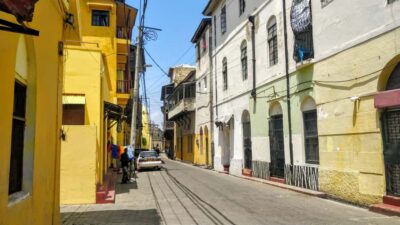
After Fort Jesus, you walk through Mombasa’s Old Town. This is the part of the day where you trade grand monuments for small details: narrow cobbled lanes, ancient mosques, residential houses, overhanging balconies, and doorways that hint at the island’s older character.
You will also pass markets selling spices, fruit, and colorful fabrics. The tour includes a walk to a spice shop, where your guide can help explain what you are seeing and may assist with purchases. The value here is not just shopping. It is the chance to see how everyday commerce fits into the old streets.
The walk is not a polished museum route. Streets can be narrow and busy, and the midday sun has little mercy. That is part of the point, but it is also why good footwear, water, and sun protection matter. You should expect an active city walk rather than a gentle stroll through a quiet historic quarter.
The schedule lists a shorter guided visit followed by a longer sightseeing section of about six hours, but the exact order and timing can vary. Your guide and driver handle the practical movement between sites. Since this is a private tour, you have more room to ask for a brief pause or clarification than you would on a large group excursion.
Moi Avenue and the city’s public landmarks
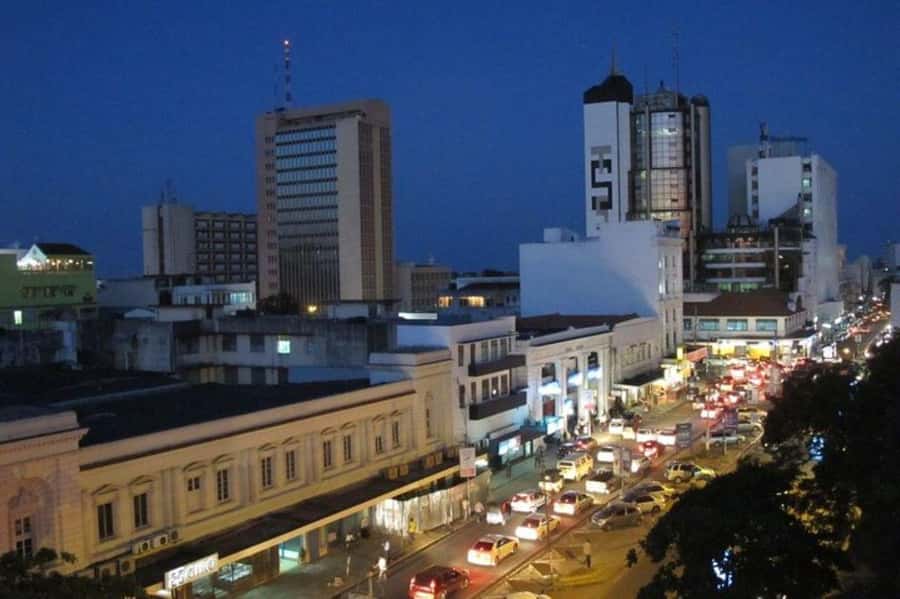
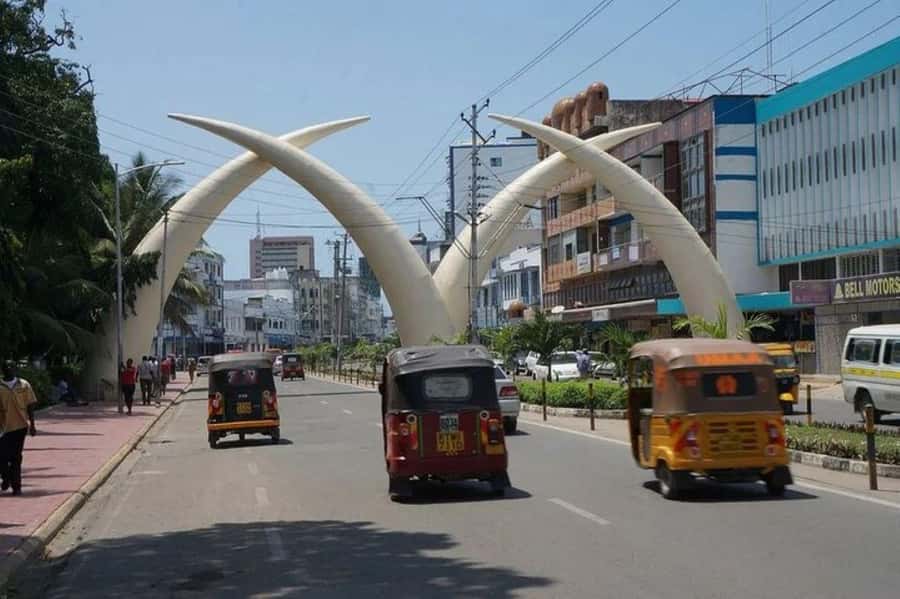
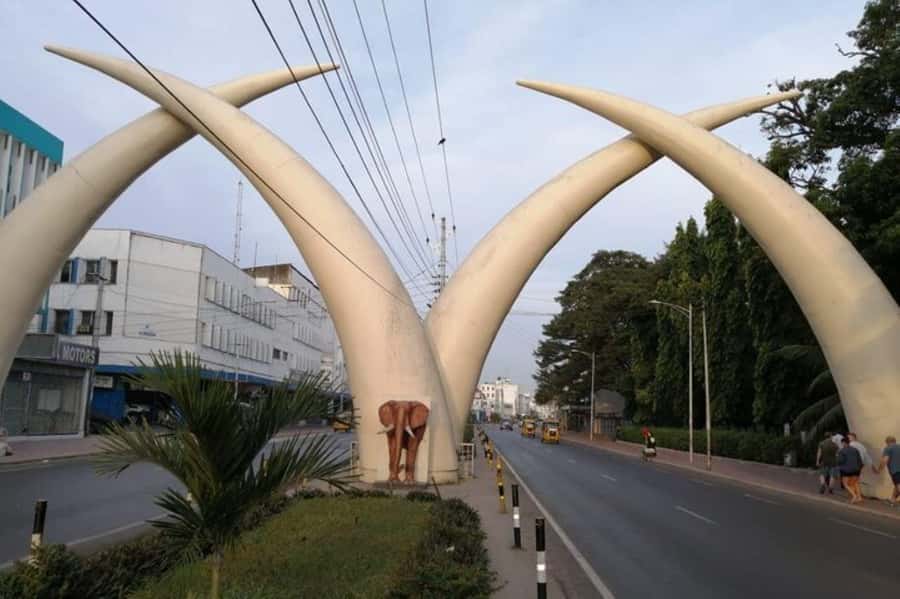
The route includes a drive through the Elephant Tusks on Moi Avenue, one of Mombasa’s best-known city landmarks. These large metal tusks cross above the road and make a quick, memorable photo stop from the vehicle.
You also visit a Hindu temple. This adds an important religious and cultural note to the day. Mombasa is not represented by one tradition alone, and including the temple gives you a wider view of the city’s communities and built environment.
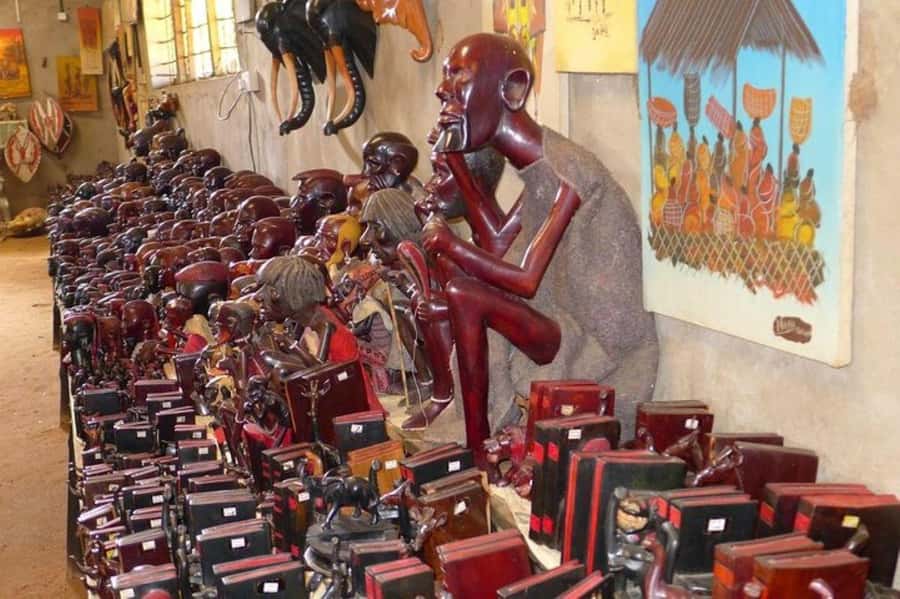
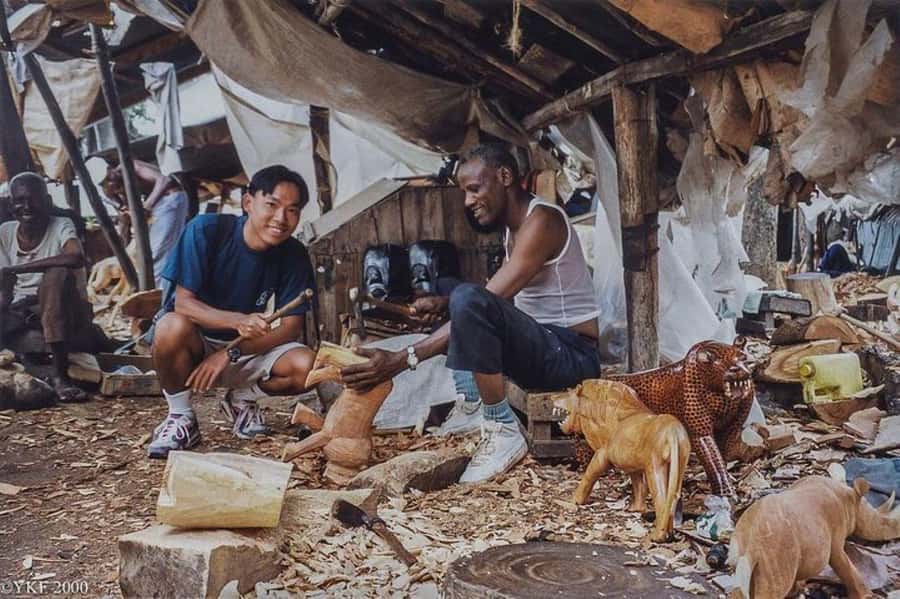
The tour description also includes a visit to the craft market. In practice, this connects with the Akamba woodcarvers, where you can watch artisans work and purchase carvings or other souvenirs. One of the strongest accounts of the day praised the chance to see the artists working in front of you, with the guide helping to negotiate prices.
That stop is worth treating as more than a shopping break. Watching the work gives you a better sense of the time and precision behind the objects. If you buy something, remember that a purchase supports the craft economy directly. Still, do not feel pressured to shop. The experience has value even if you leave without a carving.
A few more options to weigh up in Mombasa
- Walking Tour Through Old Town Mombasa and Fort Jesus
★ 5.0 · 393 reviews - Mombasa: Kisite Park Private Cruise with Breakfast and Lunch
★ 4.7 · 181 reviews - Mombasa City Tour
★ 5.0 · 170 reviews - Mombasa: Tusks, Fort Jesus, Old Town, Beach and City Tour
★ 4.7 · 137 reviews
The Akamba workshop offers a real look at craftwork
The woodcarving stop can be one of the most memorable parts of the city section. You see workers carving by hand and can ask questions about the process. The workshop setting is more direct than a souvenir shop filled with finished goods.
Several practical points make this stop useful. Prices may be negotiable, and a guide such as Joseph may help you handle that exchange. You should still decide what you want to spend before you start shopping. Small pieces are easier to carry, while larger carvings may create problems for cruise passengers and air travelers.
The stop may not suit you if you dislike shopping-oriented visits. The experience includes an opportunity to buy crafts, and some time will be given to that purpose. If you enjoy local arts, it is a strong addition. If you prefer only museums and monuments, tell your guide that you want to keep the visit brief.
Lunch is separate, but the break matters
Lunch is not included in the $125 price. The tour may recommend Tamarind Restaurant or another local Swahili restaurant, with fresh food and choices for different tastes. You pay for your own meal, so ask your guide about the menu and prices before ordering if you are watching your budget.
I see the separate lunch cost as reasonable, because it lets you choose what and how much you eat. It also gives the private group a useful pause between the city walk and Haller Park. A sit-down meal and a clean restroom can make the afternoon much more comfortable, especially after walking in the heat.
Do not treat lunch as an afterthought. The tour covers a lot of ground, and you will enjoy Haller Park more if you have time to rest and cool down. If you have dietary needs, communicate them when arranging the tour, although the supplied information does not promise specific dietary menus.
Haller Park turns old quarries into a nature stop
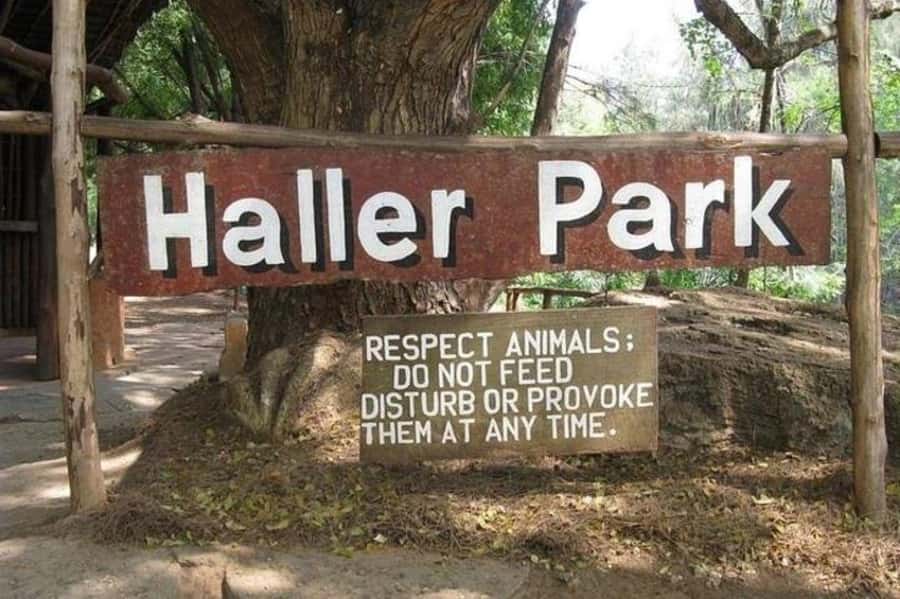
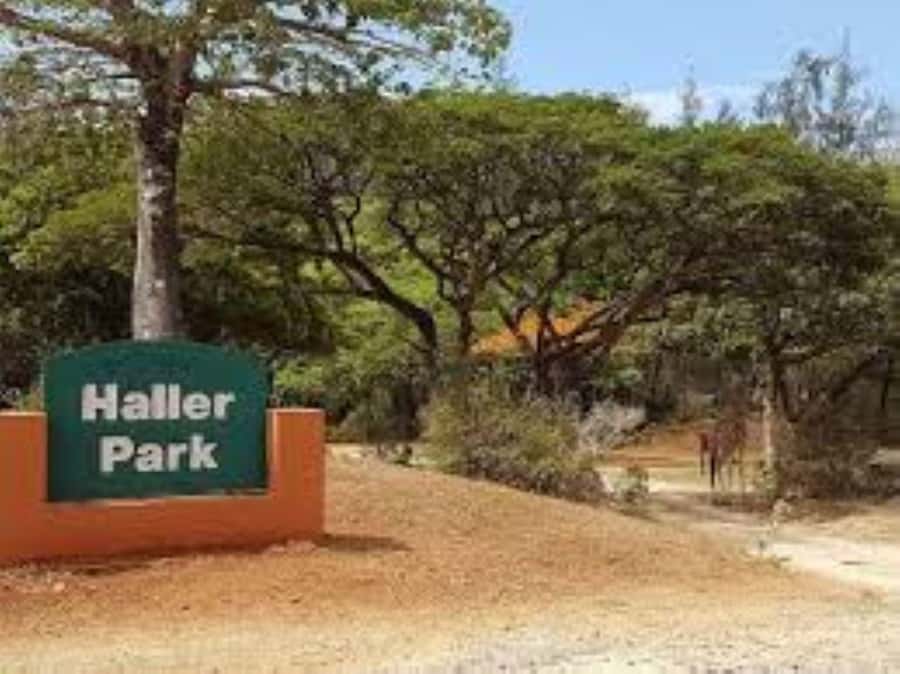
In the afternoon, you drive to Haller Park, created from former quarries that were reforested. This change is the park’s central lesson. You see an area once altered by quarrying now used for plants, animals, education, and recreation.
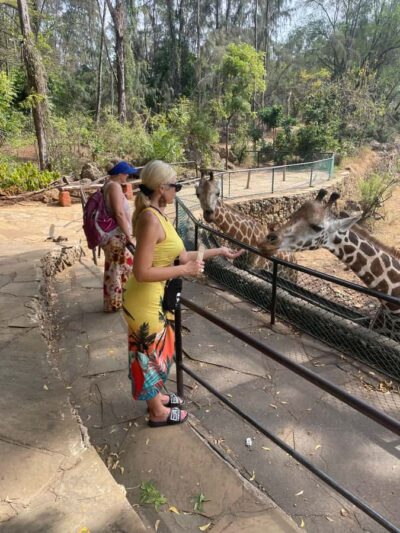
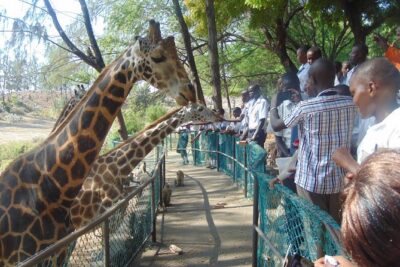
The park is home to hippos, giraffes, buffalo, antelopes, crocodiles, and other species. The animal sightings are not guaranteed at a particular time, but the route includes several places designed for viewing wildlife. A giraffe-viewing platform and game sanctuary provide the main appeal for many visitors.
The park also includes a reptile area, crocodile pens, a small demonstration fish farm, a palm garden, and botanical areas. This makes Haller Park more than a quick animal stop. You can look at the plants and restoration work as well as the larger animals.
The vegetation ranges from mangrove palms and indigenous shade trees to coastal forest. Some plants are rare or endangered. You do not need to be a botanist to appreciate the difference between a former quarry and a functioning green space, but plant lovers may want extra time here.
One useful expectation to set: Haller Park is not presented as a full safari in a national reserve. It is a managed nature park with multiple attractions. You may see giraffes, two hippos, or a giant tortoise, as one recent outing did, but the appeal is the compact mix of animals, plants, and educational displays rather than a long search across open country.
Transport and guide quality shape the day
The private format is a major advantage. Pickup is available from your Mombasa hotel, and cruise passengers can meet the driver in the waiting area outside the dock. A large paper with your name is used for port pickup, and cruise clients are collected as soon as the ship docks.
The stated pickup and drop-off locations include Bombolulu Estate and Kilindini Port, with airport pickup also available. Confirm your exact point in advance, especially if you are arriving by ship. The operator keeps a 24-hour communication line open after booking, which is useful if your arrival details change.
The day normally uses a driver and a separate guide. Several accounts praised Anthony as friendly, positive, and careful behind the wheel. That division of duties can work well because the driver concentrates on roads and timing while the guide handles the sites.
Language is the one area where I would take extra care. English, French, German, Spanish, and Italian are offered, but the actual quality can depend on the person assigned. Joseph was praised for strong French explanations, while another French-speaking group found its guide’s French too limited for questions. If language matters to you, request it clearly and ask for confirmation rather than relying only on the booking option.
Is $125 good value for a full day?
At $125 per person, this is not the cheapest way to see Mombasa. It can still be good value if you want convenience. The price covers hotel or port transport, private transportation, Fort Jesus admission, the Old Town walk, the temple and city landmarks, the craft visit, and Haller Park.
You would otherwise need to arrange transport between several locations, pay separate entrance fees, and find a guide familiar with both Old Town and the park. The private format also means you are not tied to strangers’ shopping habits or questions.
The value is weaker if you want only one or two sights. A self-arranged Fort Jesus and Old Town visit would cost less, and Haller Park could be visited separately. This tour earns its price through breadth and coordination, not through luxury. Lunch, purchases, and personal expenses are extra.
I would choose it for a first day in Mombasa, a cruise stop, or a short stay when you want the main cultural and nature highlights in one outing. I would skip it if your priority is a slow, specialist visit to one site.
Who should book this Mombasa tour?
This experience suits you if you want a broad introduction, prefer a private vehicle, and like mixing history with wildlife. Families may appreciate the change of pace, while first-time visitors get a clear overview of the city’s key areas.
It also works well for cruise passengers because port pickup and drop-off are available. The operator states that cruise clients are collected immediately after the ship docks, but you should still confirm the meeting point and allow enough time to return to the ship.
You should think twice if you dislike heat, walking, shopping stops, or a full schedule. The Old Town route includes uneven cobbled streets, and the day can feel long if you want an unhurried pace. Ask in advance about the guide’s language and request a timing plan that avoids the hottest part of the day if possible.
What to bring and what to expect
Bring sunglasses, as requested, plus a hat, water, and comfortable walking shoes. The hat and water advice comes directly from the practical reality of the route, even though only sunglasses are formally listed.
Pets are not allowed. The tour is private for your party, and the guide will meet you at your hotel lobby or the designated port waiting area. Entrance fees and listed activities are included, but lunch and shopping are not.
Free cancellation is available up to 24 hours before departure for a full refund, and you can reserve now and pay later. Check the available starting times when booking because the tour lasts about 10 hours.
Should you book it?
Book this tour if you want Mombasa in broad strokes: a Portuguese fort, Swahili Old Town, a Hindu temple, city landmarks, working woodcarvers, and a reforested animal park. The combination is the real selling point, and the private vehicle makes a packed day easier to manage.
I would book with two conditions. First, confirm the guide language, especially for French or German. Second, ask how the schedule handles the midday heat. With a strong guide such as Joseph and a careful driver such as Anthony, the day can be both informative and easygoing. Without a good language match, some of the history and local context may get lost.
FAQ
How long does the Mombasa Discovery Day Tour and Haller Park visit last?
The tour lasts 10 hours. Check the available starting times when booking.
What is included in the $125 price?
The price includes hotel pickup and drop-off, private transportation, Fort Jesus admission, the Old Town and spice shop visit, the Mombasa landmark visit, the Hindu temple, the craft market, and Haller Park.
Is lunch included?
No. Lunch at a local Swahili restaurant is not included in the tour price.
Can cruise ship passengers join the tour?
Yes. Pickup is available from Kilindini Port. Cruise passengers are met outside the dock in the waiting area, where the operator uses a paper with the passenger’s name.
Where can the tour pick me up?
Pickup is available from hotels in Mombasa, Bombolulu Estate, Kilindini Port, and the airport.
Is this a private tour?
Yes. The tour is private for your party only.
What languages are available?
Live guides are offered in English, French, German, Spanish, and Italian.
What animals might I see at Haller Park?
Haller Park is home to hippos, giraffes, buffalo, antelopes, crocodiles, and other animals. The park also has a reptile area, fish farm demonstration area, palm garden, crocodile pens, and a giraffe-viewing platform.
Can I cancel the tour for a refund?
Yes. You can cancel up to 24 hours in advance for a full refund.
Just added in Mombasa
- 4-Day Tsavo East West and Amboseli National Park from Mombasa★ 4.0 · 5 reviews
- 1-Day Tsavo East Safari From Mombasa★ 5.0 · 3 reviews
- Tsavo East National Park 2 days Voi Safari Lodge from Mombasa.★ 5.0 · 2 reviews
- 4×4 Safari in Tsavo East National Park★ 5.0 · 4 reviews
- Private Transfer from Mombasa★ 5.0 · 6 reviews
- 4 Days Mount Kenya Trekking★ 5.0 · 6 reviews
- Swahili Street Food Tour★ 5.0 · 7 reviews
- Fort Jesus Sound and Light show Mombasa★ 4.0 · 17 reviews
Haller Park Tours, compared.
Private City Tour with Fort Jesus & Haller Park
Read our review →
Mombasa Half-Day City Tour with Fort Jesus and Haller Park
Read our review →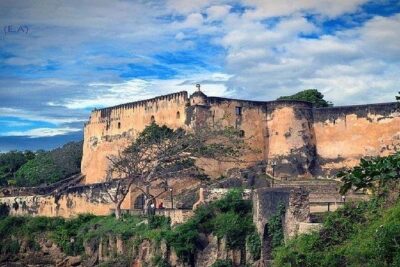
Mombasa Private City Tour & Haller park Sanctuary with sea food luch
Read our review →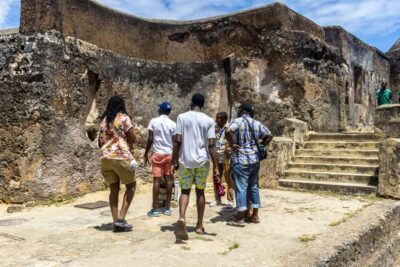
Mombasa City Tour: Fort Jesus Museum, Old Town & Haller Park
Read our review →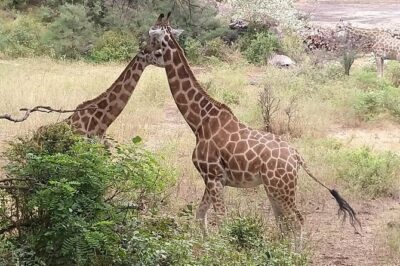
Haller Park Tour observing hippos, giraffes, birds, monkeys, crocs & others
Read our review →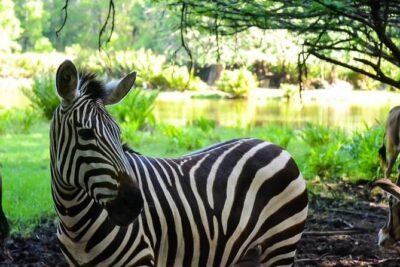
Browse the lists this tour appears in