
Reviewed · WILDLIFE
Mombasa Cultural & Wildlife Experience
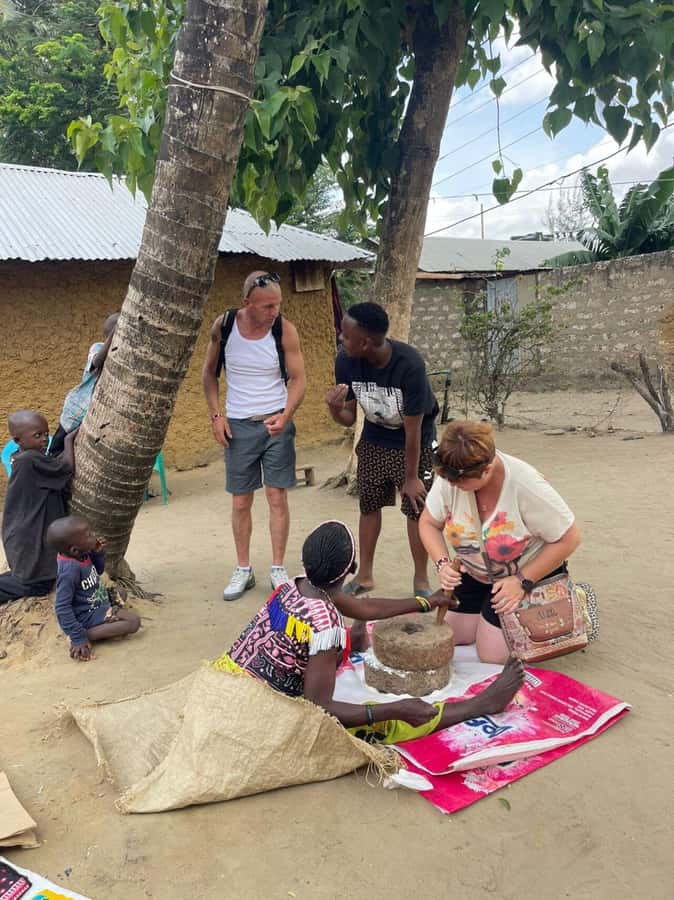
Culture meets giraffes here. This four-hour outing links a Mijikenda village visit with a school stop, traditional dancing, fresh coconut, and wildlife at Nguuni Nature Sanctuary. I especially like the direct contact with village elders and the chance to join the dance rather than simply watch it. The close giraffe encounters also give the day a strong finish.
The main catch is the extra cash you need to carry. The advertised price is $100 per person, but the village fee adds $20 and Nguuni Sanctuary adds $10, making the known total $130 before personal purchases. You also need to confirm transportation costs if you stay outside Mombasa, since one booking included a tuk-tuk ride but the extra transport charge was not understood until the end.
In This Review
- The key points at a glance
- Why this half-day outing works
- Starting from Nyali, Bamburi, or central Mombasa
- Meeting the Mijikenda community in Mtwapa
- A school visit that depends on the calendar
- Joining the Mijikenda dance
- Fresh coconut, palm wine, and a short pause
- Walking among giraffes at Nguuni Nature Sanctuary
- What the $100 price really buys
- Guide languages and personal flexibility
- Who should book this Mombasa tour?
- Practical details before you go
- FAQ
- How long does the Mombasa Cultural & Wildlife Experience last?
- What is included in the $100 price?
- What extra fees must I pay?
- Is the school visit available every day?
- Where can pickup and drop-off be arranged?
- Which languages are available for the guide?
- Can I cancel the tour?
- Should you book it?
The key points at a glance
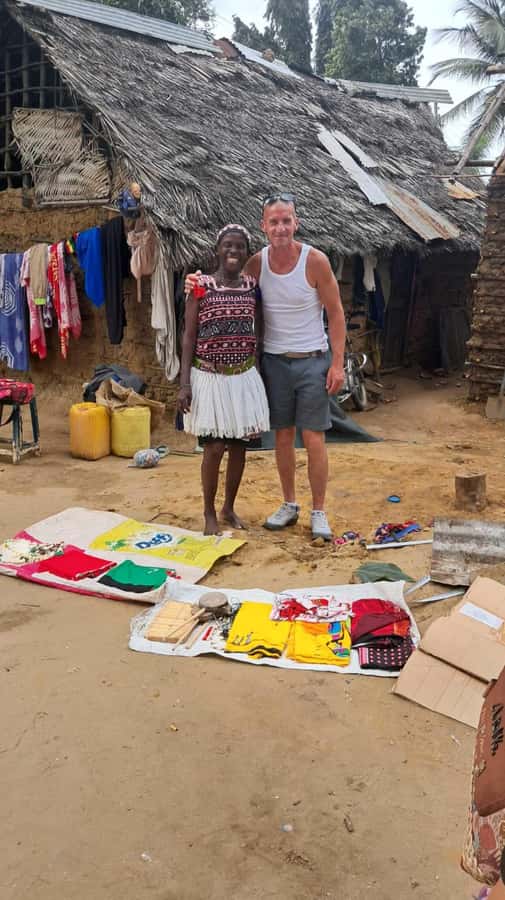
- Village elders lead the cultural visit: You hear ancestral stories, learn about Mijikenda traditions, and walk through local homesteads rather than viewing culture from a distance.
- The school visit is available on weekdays: You meet children and teachers, see classrooms, and experience a warm community welcome.
- The dance is participatory: Drums, movement, and laughter make this more than a staged show.
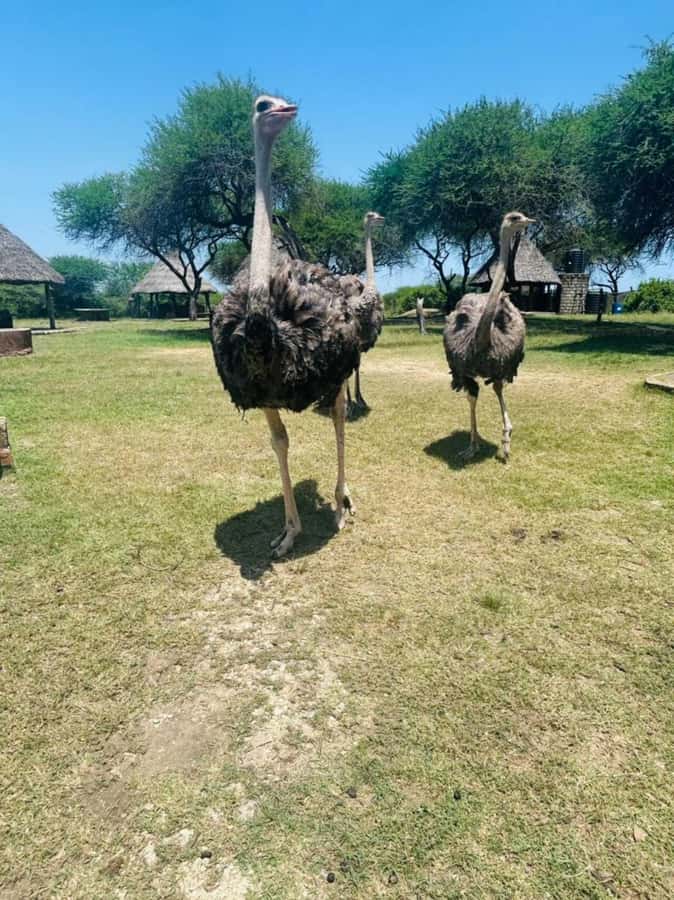
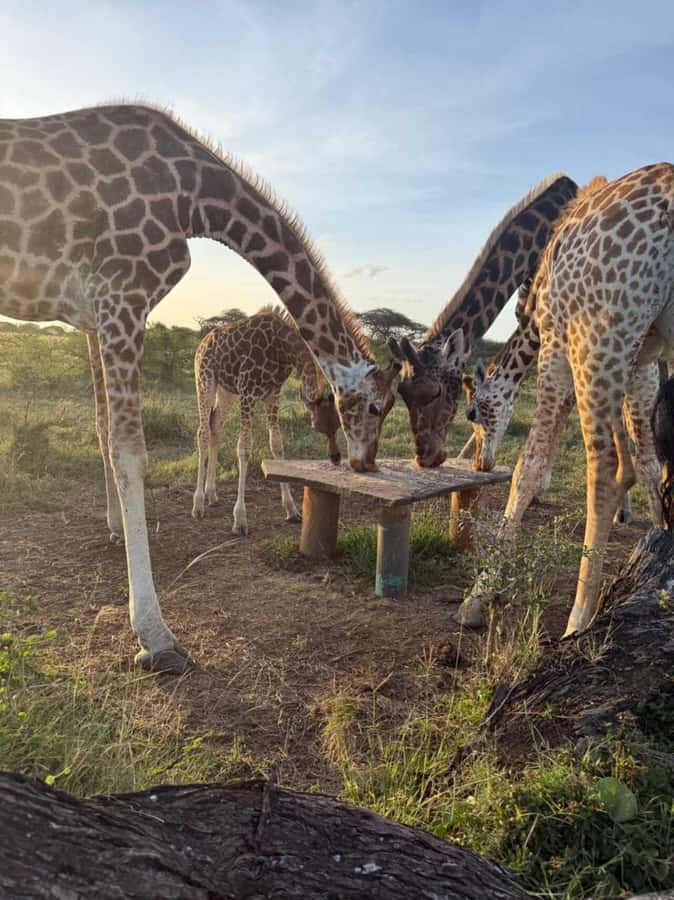
- Nguuni offers unusually close wildlife viewing: Giraffes, ostriches, and antelopes move through open ground, with no fences mentioned around the animals.
- The real price is at least $130 per person: That includes the $100 tour price, the $20 village fee, and the $10 sanctuary fee.
- Rico has earned special praise for flexibility: One person wanted to focus only on the animals, and the guide adjusted the plan to make that possible.
Why this half-day outing works
Mombasa is often treated as a beach stop, but the coast has more to offer than sand and hotel pools. This tour gives you two very different views of Kenya in about four hours: the living traditions of the Mijikenda people and a small wildlife sanctuary where animals move through open surroundings.
That combination is the strongest reason to consider it. You do not spend the entire morning in a vehicle waiting for wildlife, and you do not spend the entire time listening to a cultural presentation. Instead, the pace shifts from conversation and village storytelling to music, then to quiet animal watching.
The outing is also small in spirit, even though the exact group size is not stated. You meet local people directly, rather than only hearing a guide explain them. That matters if you want your time in Kenya to include real human contact.
Still, you should set your expectations correctly. This is not a full safari, and it is not a formal museum tour. The cultural portion depends on interaction, openness, and the quality of the guide. The wildlife stop is a sanctuary visit, not a day in a large national park.
More Wildlife Tours in Mombasa:
- 5 Day Tsavo [East & West] Amboseli & Taita Wildlife Park Safari Expedition
★ 5.0 · 1 review - African Wildlife & Nature – 5 Kenya national parks – 6 day Jeep Safari
★ 5.0 · 60 reviews - Nairobi Park Wildlife Safari
★ 5.0 · 31 reviews
Starting from Nyali, Bamburi, or central Mombasa
Pickup is included from hotels or residences within Mombasa city, with listed pickup areas in Nyali, Bamburi, and Mombasa. The vehicle is described as comfortable, and a tuk-tuk can be arranged if you want a more local way to move through the city.
The tuk-tuk option is a useful touch. It can make the transfer feel more connected to daily life in Mombasa, although you should confirm the extra cost before setting off. One person was picked up on time by tuk-tuk and enjoyed the ride, while another found the transport charge unclear. That is an easy problem to avoid: ask for the full transport price before the tour begins.
If you are staying outside Mombasa, pickup can still be arranged, but the cost depends on distance. Contact the operator after booking to confirm it. Do not assume the $100 price covers a long transfer from another coastal town.
The tour is scheduled for four hours. That is long enough to cover several distinct stops without taking up your entire day. You will want comfortable shoes, light clothing, sunglasses, a sun hat, sunscreen, a camera, and cash.
Meeting the Mijikenda community in Mtwapa
The cultural part takes place in and around Mtwapa. Your guide leads you through a Mijikenda village, where elders explain traditions, survival stories, family life, and ancestral connections.
This is the part I would approach with curiosity rather than a checklist. You may walk through homesteads, hear stories passed down through generations, and see how ordinary village spaces connect to a wider cultural identity. The value is not in collecting facts as quickly as possible. It is in having time to listen to people who live within that tradition.
The guided village walk lasts about 30 minutes, followed by another visit of roughly 20 minutes. That gives the cultural stop a little breathing room. You are not rushed through one doorway, given a speech, and sent back to the vehicle.
A $20 village entry fee is paid in cash on the day. This is separate from the tour price, so include it in your budget from the start. The fee is also part of the direct community-support model described for the outing, though you should still ask your guide exactly how local payments are handled if that matters to you.
The experience will suit you best if you are comfortable asking respectful questions and joining a conversation. It may feel less satisfying if you want a polished historical exhibit with signs and display cases.
A school visit that depends on the calendar
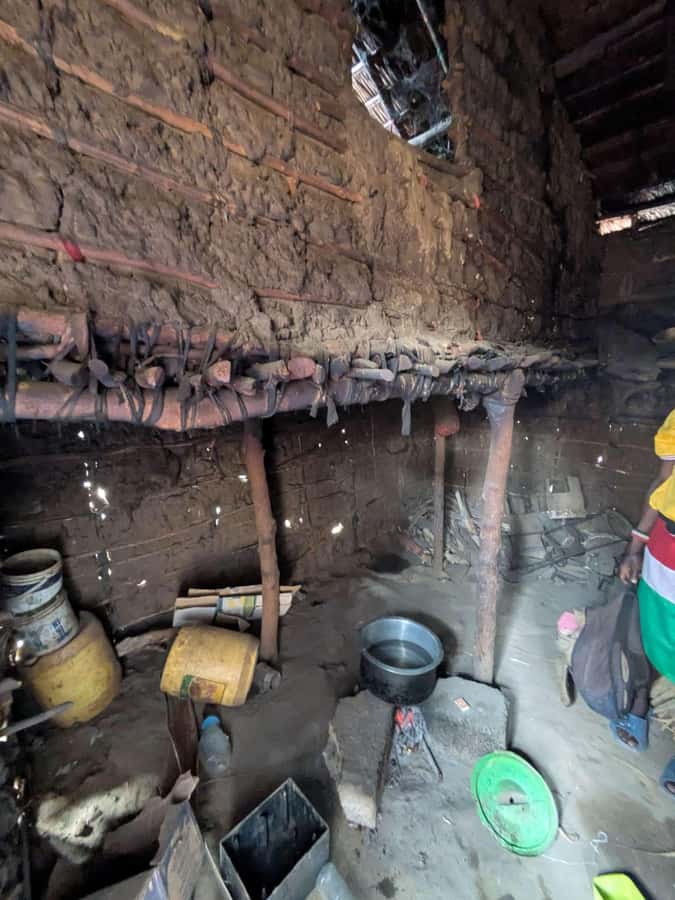
On weekdays, the morning begins with a local school visit. You walk through classrooms, meet children and teachers, and hear about the children’s dreams.
This can be one of the most touching parts of the day, but it also needs a thoughtful approach. A school is not a tourist attraction in the usual sense. You are entering a working place where children are learning, so follow the guide’s direction about photographs and interaction.
The welcome is described as warm and curious, and the school stop gives you a look at community life beyond beaches and sightseeing. It also helps put the village visit into a modern setting. You see that Mijikenda culture is not frozen in the past. Children are studying, teachers are working, and families are looking toward the future.
The important limitation is that this stop is available on weekdays only. If you book for a weekend or public holiday, confirm what replaces it. The supplied details do not promise a school visit outside weekday hours.
A few more options to weigh up in Mombasa
- Walking Tour Through Old Town Mombasa and Fort Jesus
★ 5.0 · 393 reviews - Mombasa: Kisite Park Private Cruise with Breakfast and Lunch
★ 4.7 · 181 reviews - Mombasa City Tour
★ 5.0 · 170 reviews - Mombasa: Tusks, Fort Jesus, Old Town, Beach and City Tour
★ 4.7 · 137 reviews
Joining the Mijikenda dance
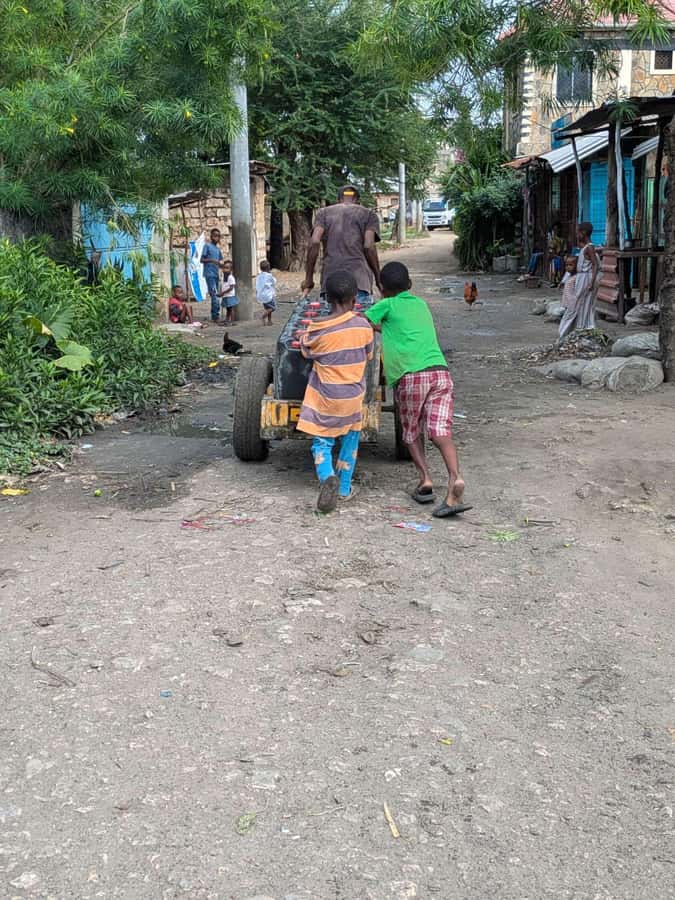
After the village visit, the drums begin. The traditional dance lasts about 25 minutes, and you are invited to join rather than remain seated on the sidelines.
That invitation changes the mood. You may feel awkward for the first few steps, but that is part of the fun. The dance is presented as a shared activity, with movement, laughter, and rhythm doing more work than a long explanation could manage.
I like that this is described as a live performance with audience participation. Many cultural stops give you a short show, a quick photograph, and little contact with the people performing. Here, you can take part and feel the energy of the music.
Keep your clothing practical. Comfortable clothes and shoes are better than anything formal, especially if you plan to dance and walk. Your camera can capture the color and movement, but do not let photography keep you outside the moment.
Fresh coconut, palm wine, and a short pause
A break of about 20 minutes gives you time to cool down. Fresh coconut water comes straight from the tree, and you can try traditional palm wine if you want something more adventurous.
The palm wine may be sweet or dry. If you do not drink alcohol, the coconut water is the simple choice. Bottled water is included as well, which is useful in the coastal heat.
This pause is more than a refreshment stop. It gives you a chance to talk with the guide and local hosts, ask questions, and let the morning settle before the wildlife portion. Extra meals and drinks are not included, so bring money if you want anything beyond the stated refreshments.
Walking among giraffes at Nguuni Nature Sanctuary
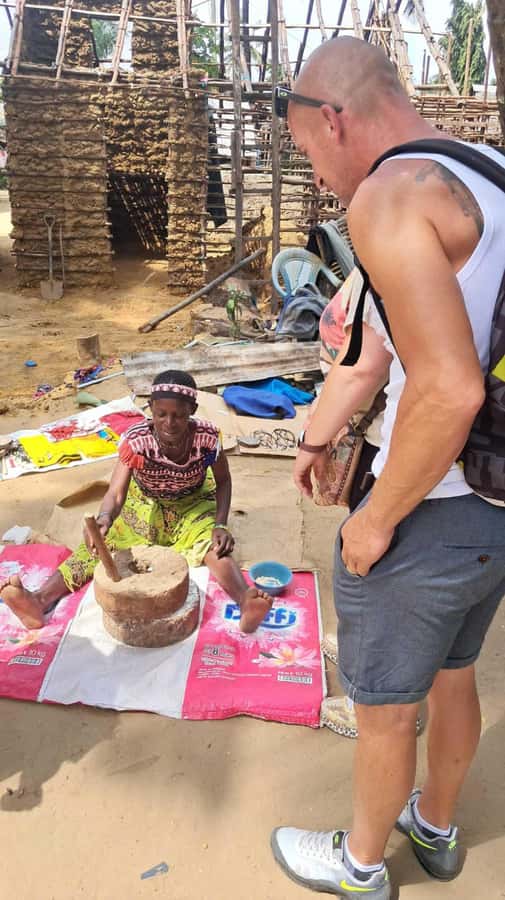
The second half shifts to Nguuni Nature Sanctuary, where giraffes, ostriches, and antelopes move through open ground. The setting is peaceful, and the animal viewing is designed for photographs as well as quiet observation.
The giraffes are the main draw. One booking focused almost entirely on seeing the animals, and the guide adjusted the plan to suit that request. That flexibility came from Rico, who was praised for being attentive and willing to shape the outing around personal interests.
A $10 sanctuary entry fee is paid in cash on arrival. Add that to the $20 village fee when working out the real cost.
The animal viewing can feel remarkably close. One person described seeing the animals without fences, which makes the encounter memorable, but it also means you must follow instructions carefully and keep a respectful distance. Do not treat a close giraffe encounter like a petting zoo visit.
The sanctuary is not presented as a major safari park with a long list of species. You may see giraffes, ostriches, and antelopes, with the appeal coming from the open setting and calm pace. If you want lions, elephants, or a full-day game drive, this is the wrong outing. If you have only a few hours and want to combine wildlife with culture, it offers a useful middle ground.
Bring a camera with spare battery power if photography matters to you. The optional private photo session can be arranged for extra cost, with scenes involving giraffes or the surrounding savannah. A romantic picnic under acacia trees is another upgrade for couples.
There is one environmental concern to keep in mind. Plastic litter has been noticed inside the sanctuary. That does not erase the pleasure of seeing the animals, but it is a reminder to carry your own rubbish and, if you are willing, pick up safe pieces of litter rather than adding to the problem.
What the $100 price really buys
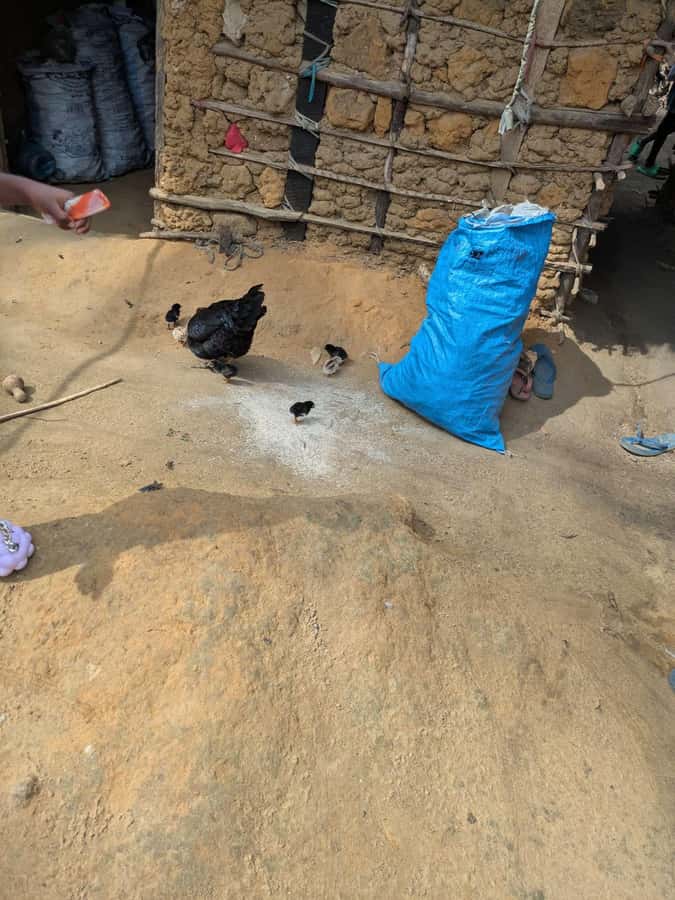
At $100 per person, this is not a bargain-basement Mombasa outing. The known mandatory fees raise the base cost to $130, and transportation outside Mombasa costs extra.
Still, the price covers more than a simple transfer and photo stop. You receive hotel pickup and drop-off within Mombasa, an English-speaking local guide, the school visit when available, village storytelling, a live dance, bottled water, and entry into a wildlife setting, though the sanctuary fee itself is separate.
The value depends on what you want from the day. I think it is fair for someone seeking a guided cultural encounter plus a wildlife visit without committing to a full safari. It is less compelling if your main aim is only to see giraffes, since the cultural portion makes up a large part of the outing.
The direct contact with local communities is also part of the value. You are paying for access, guidance, and time with people who can explain the area in a personal way. Just remember that the entry fees and possible transport charges make the advertised number an incomplete budget.
Guide languages and personal flexibility
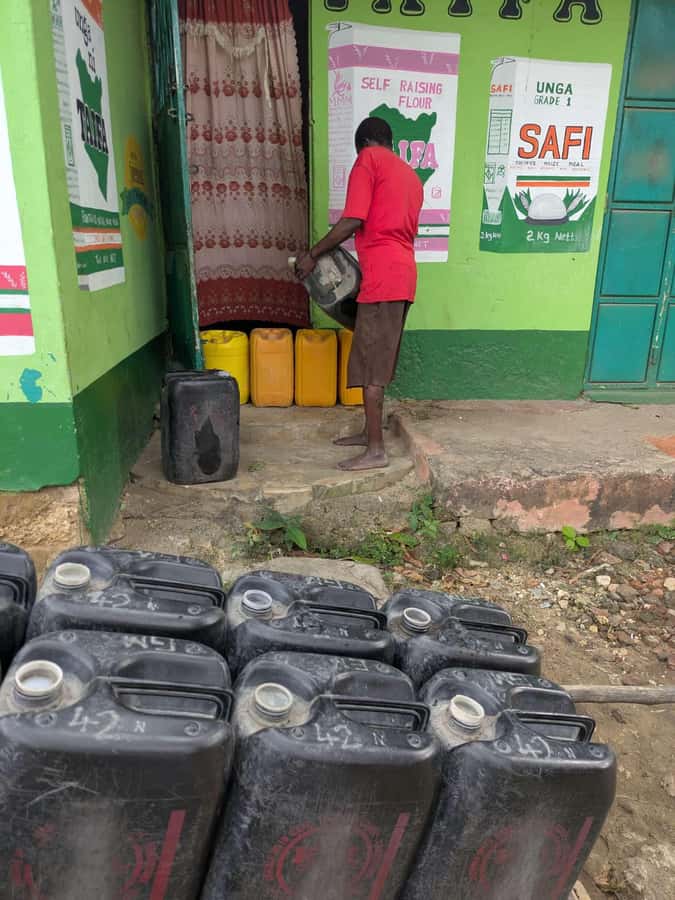
The standard guide language is English, with German, French, and Italian also available. Confirm your preferred language before the day, especially if the cultural stories are important to you.
The experience appears flexible enough to adjust the balance between culture and wildlife. Rico received praise for changing the plan when someone wanted to focus only on animals. Do not assume every request can be granted, but it is worth explaining your priorities at booking.
If you want the full cultural side, ask for enough time with the elders and the dance. If wildlife is your top concern, say so early. Clear communication can prevent disappointment and help the guide pace the morning sensibly.
Who should book this Mombasa tour?
I would recommend it to couples, families, first-time visitors to the Kenyan coast, and anyone who wants more than a resort day. It is also a good fit for photographers, since the tour provides people, dance, coconuts, village scenes, giraffes, ostriches, and open savannah views.
Couples can add the picnic or private photo session, making the four-hour plan feel special without booking a full private day. Families should be ready for walking, sun, and a cultural visit that asks children to listen and interact respectfully.
You may want to skip it if you dislike participatory activities, do not want to carry cash, or prefer a large wildlife reserve. The school visit may also not suit people who feel uncomfortable entering a classroom setting, and it is not available every day.
Book with two questions in mind: Is the school open on my date, and what is my exact transport cost? Those answers will make the plan clearer.
Practical details before you go
The tour offers free cancellation up to 24 hours before departure, and you can reserve now and pay later. Starting times depend on availability, so check the schedule before confirming.
Pickup and drop-off are included within Mombasa city. Nyali, Bamburi, and Mombasa are the stated pickup and return areas. Outside the city, transportation is charged according to distance.
Carry cash for the $20 village fee and $10 sanctuary fee. Also bring money for souvenirs, extra snacks, or drinks not included in the experience.
Wear comfortable shoes and casual clothing. A hat, sunglasses, sunscreen, and bottled water will help with the sun. Take a camera, but keep it away during personal conversations unless you have permission.
FAQ
How long does the Mombasa Cultural & Wildlife Experience last?
The experience lasts four hours. The schedule includes village visits, a traditional dance, a short refreshment break, walking time, and wildlife viewing.
What is included in the $100 price?
The price includes an English-speaking local guide, pickup and drop-off within Mombasa, a local school visit on weekdays, a Mijikenda dance performance, storytelling with village elders, bottled water, and wildlife viewing.
What extra fees must I pay?
You must pay a $20 Mijikenda village entry fee and a $10 Nguuni Nature Sanctuary entry fee in cash on the day. Personal purchases and transportation outside Mombasa cost extra.
Is the school visit available every day?
No. The school visit is available on weekdays only. Confirm the schedule if your tour date falls on a weekend or public holiday.
Where can pickup and drop-off be arranged?
Pickup and drop-off are included from hotels or residences within Mombasa city, including Nyali, Bamburi, and Mombasa. Pickup outside Mombasa can be arranged for an additional distance-based charge.
Which languages are available for the guide?
Guides are available in English, German, French, and Italian. Confirm your preferred language when booking.
Can I cancel the tour?
Yes. You can cancel up to 24 hours in advance for a full refund. You can also reserve the tour and pay later.
Should you book it?
Book this outing if you want a compact, people-focused introduction to the Kenyan coast, with culture first and wildlife second. The village elders, participatory dance, school visit, and close giraffe viewing give the morning real variety.
Just budget $130 before extras, confirm the transport charge, and check whether the school visit operates on your date. If those details work for you, Hakuna Matata Safaris offers a thoughtful way to connect Mombasa’s community life with its natural world in a single half-day.
Just added in Mombasa
- 4-Day Tsavo East West and Amboseli National Park from Mombasa★ 4.0 · 5 reviews
- 1-Day Tsavo East Safari From Mombasa★ 5.0 · 3 reviews
- Tsavo East National Park 2 days Voi Safari Lodge from Mombasa.★ 5.0 · 2 reviews
- 4×4 Safari in Tsavo East National Park★ 5.0 · 4 reviews
- 4 Days Mount Kenya Trekking★ 5.0 · 6 reviews
- Private Transfer from Mombasa★ 5.0 · 6 reviews
- Swahili Street Food Tour★ 5.0 · 7 reviews
- Fort Jesus Sound and Light show Mombasa★ 4.0 · 17 reviews
Wildlife, compared.
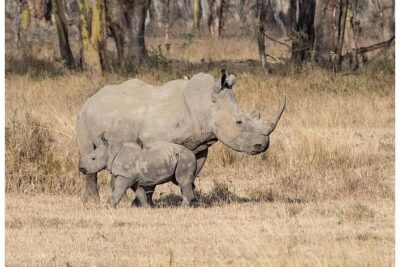
African Wildlife & Nature – 5 Kenya national parks – 6 day Jeep Safari
Read our review →
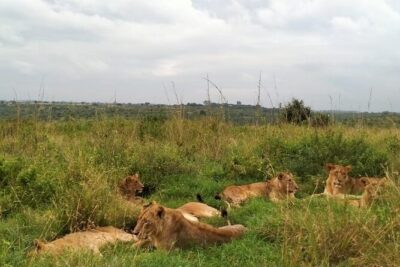
Half day wildlife tour to Nairobi National Park Game Drive with Pickup/Drop off
Read our review →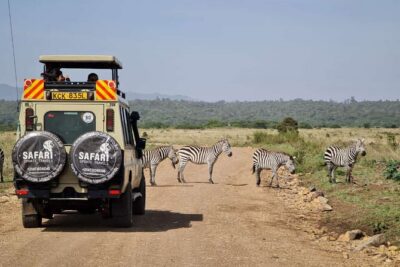
3 Days Best of MasaiMara Wildlife Private Safari, Mid-Range offer
Read our review →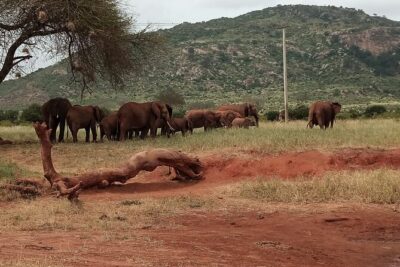
6 Days Kenya Masai Mara,Lake Nakuru & Amboseli Wildlife Safari
Read our review →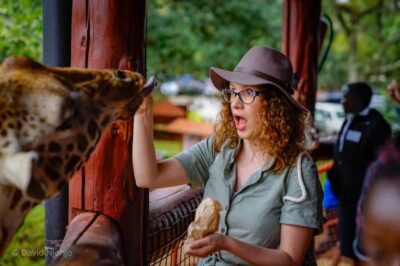
David Sheldrick Wildlife Trust & Giraffe Center with Lunch
Read our review →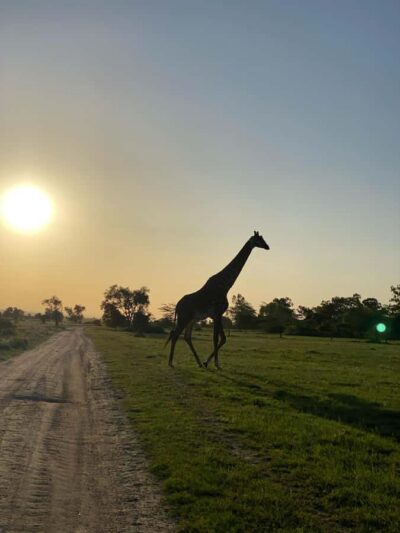
ATV/Quad Bike Wildlife Safari with Transfers & meal
Read our review →Browse the lists this tour appears in