
Reviewed · MAASAI VILLAGE VISITS
Masai village Cultural afternoon Experience
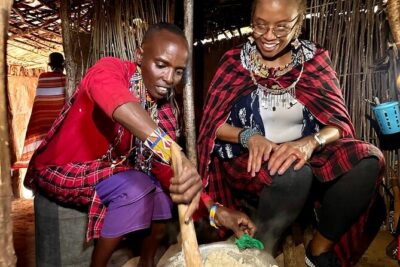
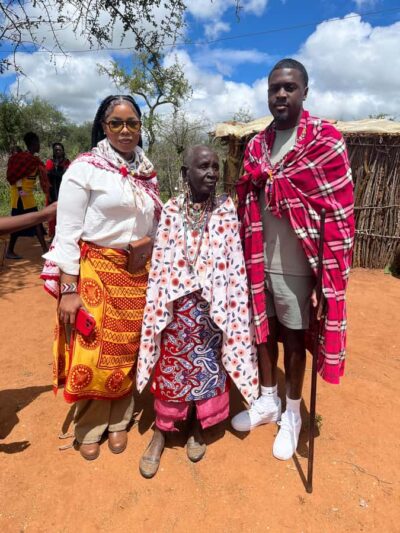
Meet the Maasai community. This private afternoon trip from Nairobi gives you more than a staged dance: you can watch women prepare food, weave necklaces and wristbands, milk goats, and see inside a small mud house. I especially like the chance to learn through everyday tasks, and the added stop at the Bisil cattle market gives the outing a useful connection to local life.
The private pickup and guide also make the $120 price easier to understand, especially if you are sharing the cost with family or friends. The main drawback is time: the village takes about two hours to reach, and the full outing lasts five to six hours, so you will spend a fair part of the day in the vehicle.
In This Review
- Key points to know before you go
- Why this afternoon feels different from a standard safari
- The drive from Nairobi to Kajiado County
- Meeting the women who keep daily skills alive
- Inside a small mud-thatched home
- Maasai warriors, dancing, and the welcome
- Bisil Cattle Market on the right day
- What the $120 price includes
- Timing, comfort, and who will enjoy it most
- How to make the visit respectful and useful
- Should you book the Maasai village afternoon?
- FAQ
- How long does the Maasai village cultural afternoon last?
- What time does the tour start?
- Is hotel pickup and drop-off included?
- Is lunch included in the price?
- Is the Bisil cattle market open every day?
- Is this a private activity?
Key points to know before you go
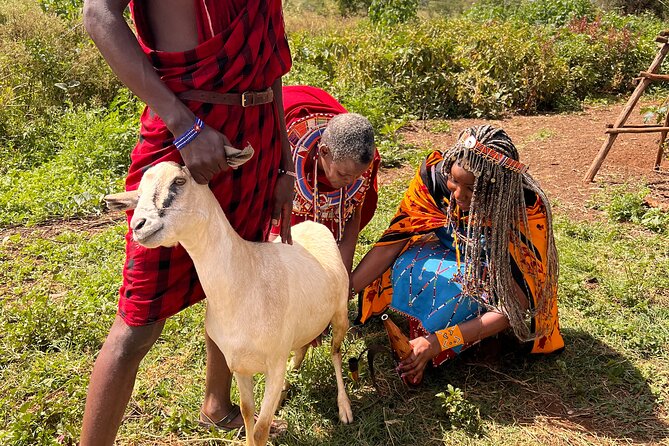
- A hands-on village visit: Learn about cooking, food preparation, beadwork, wristband making, and milking goats.
- Warm cultural welcome: The visit can include Maasai warriors, a war dance, live entertainment, and a look inside a tiny mud house.
- Bisil cattle market stop: The market is mainly held on Fridays, so the day of your visit matters.
- Private from pickup to return: Only your group takes part, with hotel transport included.
- Lunch is not included: A coffee and lunch break stop is provided, but you pay for your own food and drinks.
- Community benefit: Part of the tour money is directed toward the Maasai community visited.
Why this afternoon feels different from a standard safari
Kenya often introduces visitors to Maasai culture through a quick roadside stop or a short performance near a national park. This outing aims to give you more time with the community itself. You are not only watching a dance. You are shown how daily work is done, how small items are made, and how a traditional home is arranged.
That difference matters. A dance can be memorable, but it tells you only one part of Maasai life. Cooking, beadwork, livestock, and housing show how practical the culture is. The village is described as a group of small mud-thatched homes surrounded by cattle and smaller livestock, so you get a better sense of how family life and animals fit together.
I like that the activities are tied to ordinary routines. Watching women prepare food and cook gives you something concrete to ask about. Learning how necklaces and wristbands are woven lets you see the patience and skill behind items that may otherwise look like simple souvenirs.
You should still approach the visit with respect. This is a community visit, not a theme park. Ask before taking photographs, listen when your hosts explain a task, and remember that buying a handmade item can be a direct way to support the people you meet.
More Maasai village visits:
- Nairobi: Day Tour to Amboseli National Park & Maasai Village
★ 4.5 · 310 reviews - Masai village Day Tour Experience
★ 5.0 · 284 reviews - Maasai Village Experience Day Tour
★ 5.0 · 72 reviews
The drive from Nairobi to Kajiado County
The trip begins at about noon, with pickup from your hotel. The drive to the village takes roughly two hours, so this is not a quick city excursion. You will want a comfortable seat, water, and a little patience for the road.
The distance is part of the experience. Nairobi gives way to the open country around Kajiado County, and the change helps you understand why cattle remain so important to Maasai life. The Maasai have traditionally moved across parts of Kenya and Tanzania with their herds, though many of their old grazing areas now overlap with national parks and other settled uses.
The exact road conditions and traffic can affect the timing. Since the overall outing is advertised at five to six hours, you should keep the rest of your afternoon fairly open. A private vehicle is useful here because your group does not have to follow the pace of a large coach.
The tour includes a driver and guide, hotel pickup, and hotel drop-off. That removes one of the harder parts of arranging a rural visit from Nairobi. All fees and taxes are also included, but food and drinks are not.
Meeting the women who keep daily skills alive
The strongest part of the visit is the chance to see work rather than simply hear a cultural explanation. You can learn how women prepare food and cook, then watch or take part in demonstrations involving necklaces and wristbands.
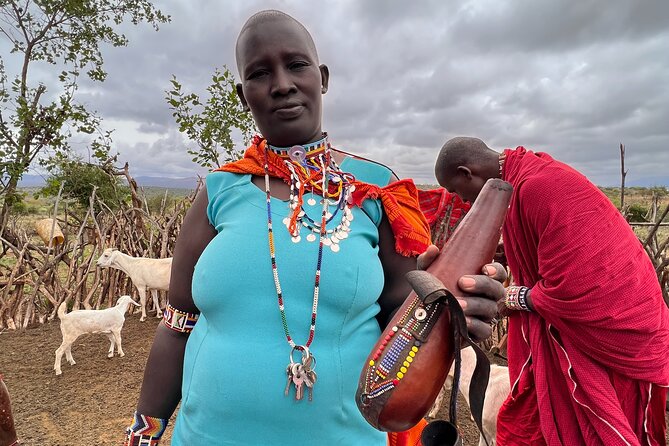
The beadwork has practical value for you as a visitor. It gives you a clearer idea of how long a handmade item may take to produce and why the work deserves more than a casual glance. If shopping is part of your plan, this is also the right time to ask who made an item and how the money supports the household or community.
You can also learn how goats are milked. That small activity may be easy to overlook, but it connects directly to food, livestock care, and the daily rhythm of the village. Cattle and goats are not just background scenery here. They are tied to work, food, wealth, and community life.
The information provided does not promise that every visitor will personally perform each task, so expect demonstrations and instruction rather than a fixed workshop with a guaranteed hands-on schedule. The guide can help explain what is happening and how to take part appropriately.
Inside a small mud-thatched home

One of the more revealing moments can be a look inside a tiny mud house. The interior may surprise you because it is compact yet organized for daily living. The visit gives you a chance to see how a family uses limited space for cooking, storage, sleeping, and other needs.
A small home can communicate more than a long lecture. You see the materials, the scale, and the practical choices made by the people who live there. It also helps correct the habit of viewing rural homes only from the outside, as if they were scenery.
Conditions are simple, and that is worth keeping in mind. If you prefer polished attractions with paved paths and extensive facilities, this may feel basic. If you want a closer look at how people live and work, the simplicity is exactly the point.
The visit should be approached as an exchange, not a chance to inspect someone’s home without thought. Listen to the explanation, follow local instructions, and be considerate with cameras and personal space.
A few more options to weigh up in Nairobi
- Nairobi National Park Half-Day Tour; Free Wi-Fi connection
★ 5.0 · 878 reviews - Nairobi: National Park & Optional Elephants & Giraffe Center
★ 4.8 · 874 reviews - NAI NAMI: Nairobi Storytelling Tour with Street Children
★ 5.0 · 792 reviews - Nairobi National Park Half-Day Game Drive
★ 4.5 · 738 reviews
Maasai warriors, dancing, and the welcome
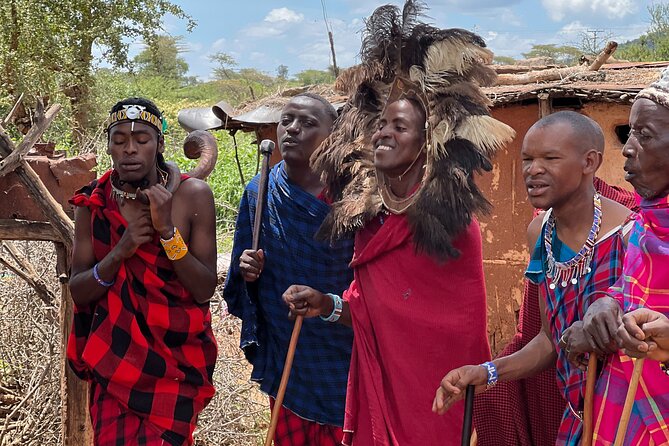
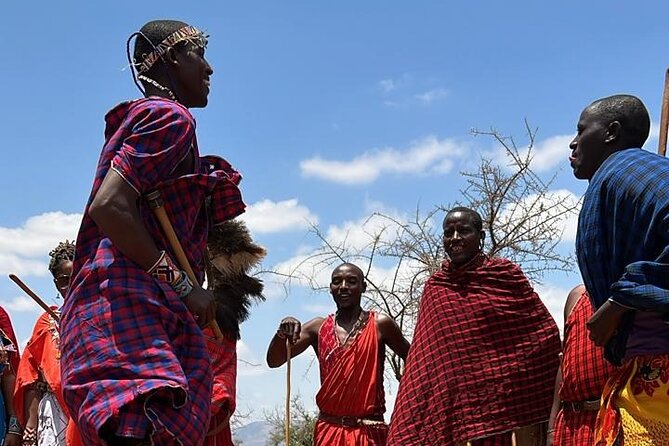
The cultural welcome can include Maasai warriors and a war dance, along with live entertainment. This is the most theatrical part of the afternoon, but it still has value when placed alongside the quieter activities.
The dance gives you a memorable introduction to Maasai performance traditions. It may also be the moment that children enjoy most. Families should note that children must be accompanied by an adult, and the private format makes it easier to keep young people close and engaged.
I would not judge the whole visit by the dance alone. The strongest cultural understanding comes from combining the performance with the cooking, beadwork, livestock, and home visit. The dance is the welcome. The everyday activities provide the detail.
The reception has been described as warm, fun, and hospitable, and one guide named Moses, also referred to as Mwose, was praised for being accommodating and well informed about the visit. Guide quality matters on a community experience because a good guide helps you ask useful questions without turning the meeting into a rushed photo stop.
Bisil Cattle Market on the right day
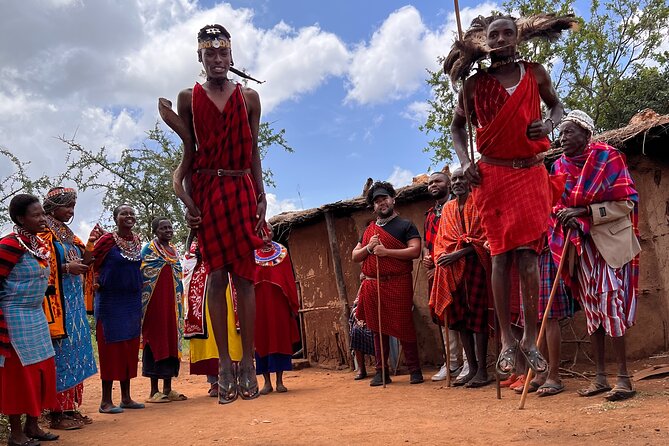
The second stop is Bisil, where you can visit the cattle market. The market is held mainly on Fridays, making the day of your booking an important detail to check before paying.
A cattle market adds a practical side to the cultural visit. Instead of seeing livestock only around the village, you can see the buying and selling activity connected to pastoral life. It gives you another way to understand why cattle hold such importance in the region.
The stop is listed at about 30 minutes. That is enough for a look and a few questions, but not a long market study. If your visit falls on a day other than Friday, the market may not offer the same level of activity. The tour still includes the village portion, but you should not assume the full market scene will be available every day.
The itinerary also includes a shopping town. This may give you time to look for local goods or basic items, though the available information does not specify particular shops or products. Bring a clear spending limit if you are tempted by necklaces, wristbands, or other handmade pieces.
What the $120 price includes
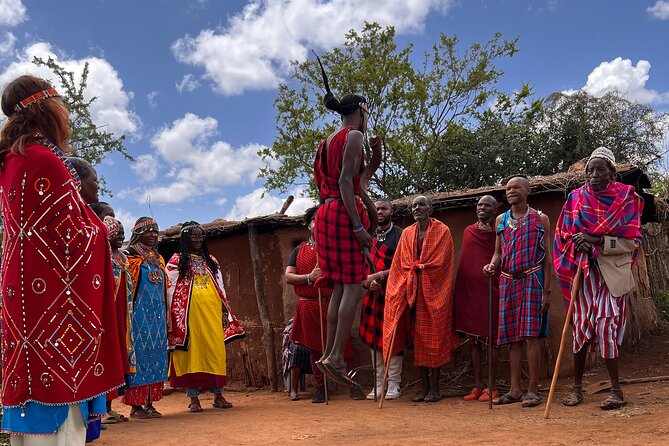
At $120 per person, this is not the cheapest way to spend an afternoon near Nairobi. The value depends heavily on how many people are in your private group and how much you value direct cultural contact.
The price includes:
- Private tour service
- Driver and guide
- Hotel pickup and drop-off
- Admission fees
- All taxes
- Coffee and lunch break stop
- Live entertainment
The private format is the key value. You are not sharing the activity with a large mixed group, so your guide can focus on your questions and your schedule. For a couple or family, the cost may feel high per person. For a larger private group using the available group discount, it becomes easier to justify.
Lunch itself is not included. The wording indicates a coffee and lunch break stop, but you must pay for your own lunch, food, and drinks. Budget for that separately. It is also sensible to carry water for the drive, since the tour lasts five to six hours and includes time outside the vehicle.
Part of the tour money goes toward supporting the community visited. That does not remove the need to spend thoughtfully, but it gives the price a wider purpose than transport and entertainment alone.
Timing, comfort, and who will enjoy it most
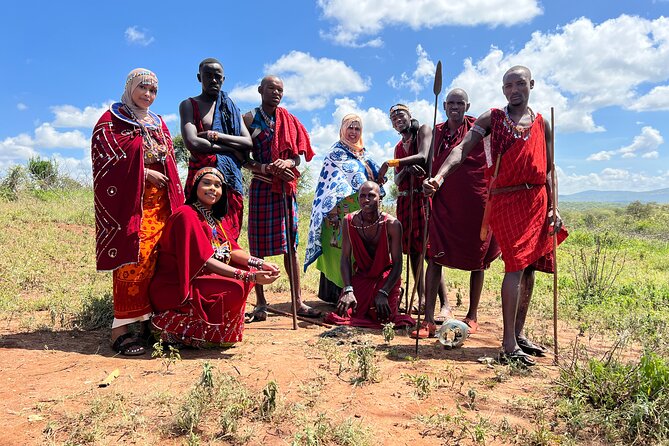
The noon start works well if you want a cultural afternoon after a relaxed morning in Nairobi. It is less suitable if you have an evening flight, another fixed booking, or a tight safari transfer. The return time can shift with traffic and the pace of the visit, so leave room in your plans.
Most people can take part, according to the tour information. Children are welcome when accompanied by an adult. The private format can help families because you can keep the group together and ask the guide to explain activities at a pace children can follow.
I think the experience suits you best if you:
- Want cultural contact beyond wildlife viewing
- Prefer a private tour to a large group
- Enjoy learning through demonstrations
- Are comfortable with a long drive for a rural visit
- Want the option to support local makers through purchases
- Can visit Bisil on a Friday if the cattle market is important to you
It may not suit you if you want a short activity close to Nairobi, a luxury setting, or a fully catered outing. The tour is also not the right choice if you expect a detailed museum-style presentation. Its strength is direct contact with people and practical demonstrations.
How to make the visit respectful and useful
You will get more from the afternoon if you arrive ready to listen. Ask how the cooking method works, what the bead patterns mean if an explanation is offered, and how livestock fits into village life. Simple questions often lead to the best conversations.
If you wish to buy a necklace or wristband, treat it as a way to support the maker rather than as a souvenir bargain. Ask about the item, handle it carefully, and decide on a price respectfully. The tour specifically includes lessons about weaving these items, so you can make a more informed choice.
Photography deserves care. Always ask before photographing people, homes, or children. A private group does not mean you have private access to everything in the village.
Finally, do not treat the performance as the entire culture. Enjoy the dancing, but give equal attention to the quieter parts: preparing food, milking goats, entering a mud house, and watching the livestock economy at Bisil. Those details are what make the afternoon more than a quick show.
Should you book the Maasai village afternoon?
I would book this experience if you want a private, people-focused cultural visit and can spare five to six hours from Nairobi. The combination of village activities, a home visit, live entertainment, and the possible Friday cattle market gives you several ways to learn about Maasai life.
The decision is less clear if your budget is tight or if you are counting on a busy cattle market outside Friday. At $120 per person, the tour makes the most sense for a small group that values private transport and the community connection. Confirm the market day, budget for lunch, and keep your evening free.
For the right visitor, this is a useful counterpoint to a game drive. You leave with a better sense of the people, work, animals, and homes behind the famous name.
FAQ
How long does the Maasai village cultural afternoon last?
The experience lasts approximately five to six hours. The village visit is listed at about four hours, and the Bisil cattle market stop lasts about 30 minutes.
What time does the tour start?
The stated start time is 12:00 pm.
Is hotel pickup and drop-off included?
Yes. Hotel pickup and drop-off are included, along with a driver and guide.
Is lunch included in the price?
No. A coffee and lunch break stop is included, but lunch, food, and drinks are not included in the price.
Is the Bisil cattle market open every day?
The market is held mainly on Fridays. If visiting the cattle market is important to you, plan the tour for a Friday.
Is this a private activity?
Yes. Only your group takes part in the private tour. Children must be accompanied by an adult, and most people can participate.
Just added in Nairobi
- Wildlife Capital: Half-Day Safari at Nairobi National Park★ 5.0 · 2 reviews
- 3 days maasai mara migration safari★ 4.5 · 7 reviews
- 4 Days Tour Landcruiser in Masai Mara and Lake Nakuru★ 5.0 · 10 reviews
- 4 Days Safari to Lake Nakuru N/P and Maasai Mara N/R★ 5.0 · 18 reviews
- Day Tour to Nairobi national park, Elephants, and Giraffe Center★ 3.5 · 8 reviews
- 6 Days Kenya Budget Group Safari★ 5.0 · 2 reviews
- Maasai Mara Day Trip★ 5.0 · 15 reviews
- 3 Days Masai Mara Wildebeest migration Budget safari★ 5.0 · 2 reviews
Maasai Village Visits, compared.

Day Tour to Amboseli National Park & Maasai Village
Read our review →

Day Trip: Amboseli National Park & Maasai Village – Nairobi
Read our review →
Day Trip to Maasai Mara Reserve & Maasai village
Read our review →
3days/2nights group joining Masai Mara with Masai Village Visit
Read our review →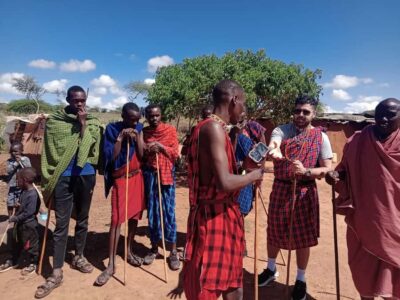
Kenya: Maasai Village Visit with Traditional Dance Show
Read our review →Browse the lists this tour appears in