
Reviewed · KARURA FOREST WALKS
Karura forest: A walking tour into Nairobi’s Nature Oasis
Nairobi has a quiet side. Karura Forest gives you cool tree cover, rushing water, old caves, and a welcome break from city traffic, all within the capital. I like the mix of nature and Kenyan history, especially the walk to Karura Waterfalls and the visit to the Mau Mau Caves. The private English-speaking guide also makes the outing more personal than a large group walk.
I also like the straightforward three-hour format. It is long enough to reach several key sights without taking over your whole day. The main caution is guide quality: Diana earned especially strong praise for her care and organization, while another guest found their guide friendly but limited on plant and park history. Your enjoyment may depend quite a bit on who leads the walk.
In This Review
- Key points at a glance
- Why Karura Forest makes a good Nairobi break
- Meeting at Gate C and getting started
- Shaded trails beneath the forest canopy
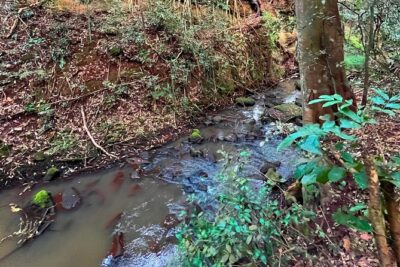
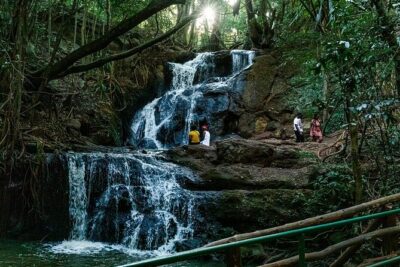
- Karura Waterfalls and the sound of the river
- The Mau Mau Caves and Kenya’s independence struggle
- The Fig Tree Circuit for photos and quiet time
- Picnic time and what you need to bring
- River walk, wildlife, and the return to Gate C
- How much value do you get for $50?
- Who should book this walking tour?
- Booking flexibility and timing
- Should you book Karura Forest with Keana Safaris?
- FAQ
- Where does the Karura Forest tour start?
- How long does the tour last?
- Is the forest entry ticket included?
- Are food and drinks included?
- Is hotel pickup and drop-off provided?
- What language is the tour conducted in?
Key points at a glance
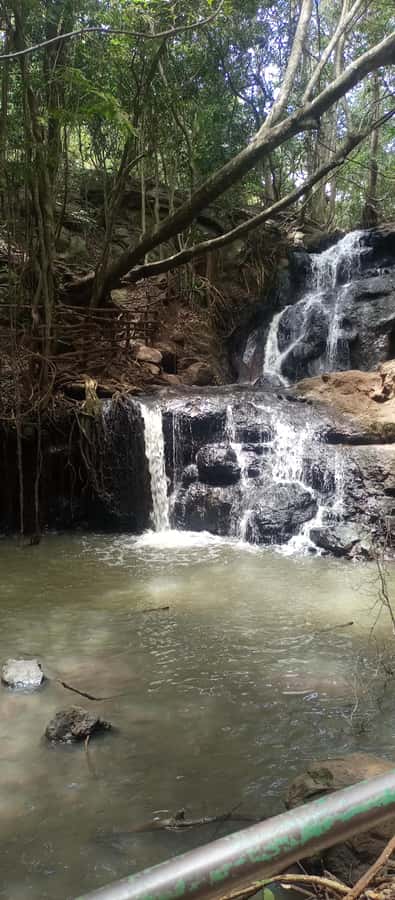
- Karura Waterfalls: A shaded forest walk ends at the sound of falling water and thick greenery.
- Mau Mau Caves: The caves connect the forest to Kenya’s independence struggle and give the walk a serious historical note.
- Private three-hour outing: You walk with an English-speaking forest guide rather than a large shared group.
- Gate C meeting point: You make your own way to Karura Forest Gate C, with no hotel pickup or drop-off included.
- Extra cost to plan for: The tour costs $50 per person, while forest entry costs another $4 per person. Food and drinks are also separate.
- Best for walkers: The route includes sightseeing, hiking, a river walk, and scenic forest trails. Horse riding, cycling, sunset outings, and off-road activity are also listed as possible forest activities, though the supplied tour details focus on walking.
Why Karura Forest makes a good Nairobi break
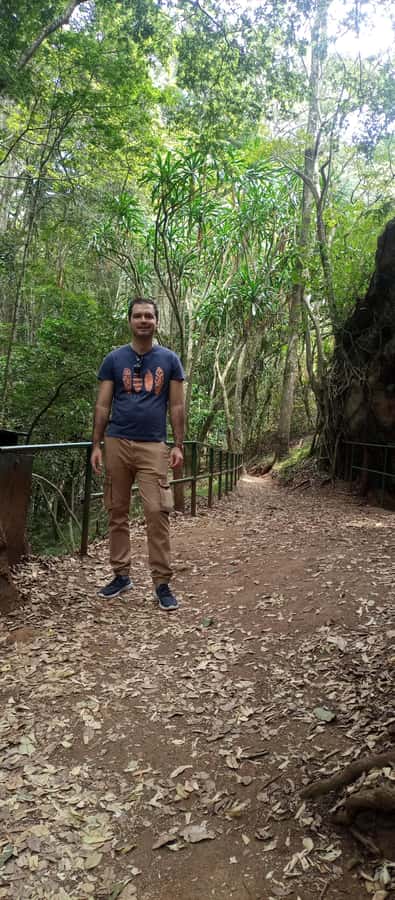
Nairobi can feel fast and noisy. Karura offers a useful change of pace without requiring a full-day trip outside the city. You follow shaded paths beneath tall trees, listen to running water, and watch for monkeys, birds, and butterflies.
That setting is the main reason to book this outing. You do not spend the day ticking off indoor attractions or looking through a vehicle window. Instead, you move at walking speed and notice the small things: bird calls, shifting light beneath the canopy, and the change in sound as you get closer to the river.
The forest also gives the walk more substance than a simple green-space stroll. Its caves connect the outing to Kenya’s fight for independence, while the waterfalls and fig trees provide the scenic reward. You get nature, local history, and gentle exercise in one compact visit.
At $50 per person, this is not the cheapest way to enter Karura Forest. The price pays for a private guide, but it does not cover the $4 forest entry fee, food, drinks, or transport. I see the value mainly in the guiding and the convenience of having a planned route through a large urban forest.
More Walking Tours in Nairobi
- Nairobi: Historic and Modern Highlights Walking Tour
★ 4.8 · 703 reviews - Nairobi Historical Walking City Tour
★ 5.0 · 258 reviews - Nairobi Downtown Walking Tour
★ 4.7 · 208 reviews
Meeting at Gate C and getting started
The tour begins at Karura Forest Gate C, and you return to the same entrance after about three hours. Hotel pickup and drop-off are not included, so you need to arrange your own way to the gate and back.
That detail matters in Nairobi. Allow enough time to reach Gate C, and make sure your driver has the exact entrance name. The supplied information does not include transport, so do not assume the $50 price includes a car.
At the entrance, you meet your English-speaking forest guide. The guide introduces the forest’s background and natural life before you set off. Since this is a private group, you should have more room to ask questions and set a comfortable pace than you would on a large shared tour.
The experience also includes an express security check, described as a skip-the-line feature. Entry tickets are separate and cost $4 per person. Keep that extra fee in your budget from the start.
Shaded trails beneath the forest canopy
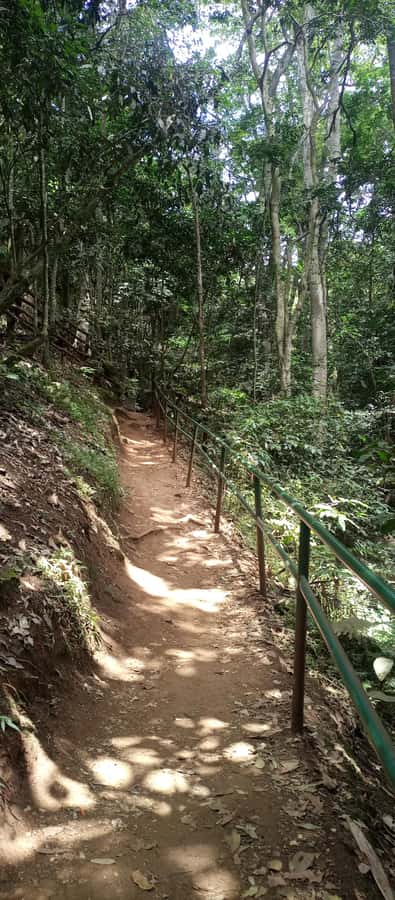
The first walking section takes you along calm, tree-lined trails. The canopy provides shade, making this a sensible way to spend part of a warm Nairobi day. You should still expect a walking tour rather than a short roadside stop, since the program includes hiking, a river walk, and several separate sights.
The forest wildlife is a pleasant possibility rather than a guarantee. You might see monkeys, colorful birds, and butterflies, but the appeal does not rest on a promised animal sighting. The trees, quiet paths, and changing sounds offer enough to make the walk worthwhile even when wildlife keeps out of view.
This is where your guide can add real value. A strong guide can point out plants, explain the forest’s place in Nairobi, and help you notice details you would otherwise pass. One guide received high praise for being helpful, well organized, and willing to do more than expected, while another was described as warm but less informed about trees and local history.
That difference is worth keeping in mind. If plant life matters to you, ask at the start how much natural history your guide can cover. The tour is likely to feel stronger when the guide does more than lead you from one stop to the next.
Karura Waterfalls and the sound of the river
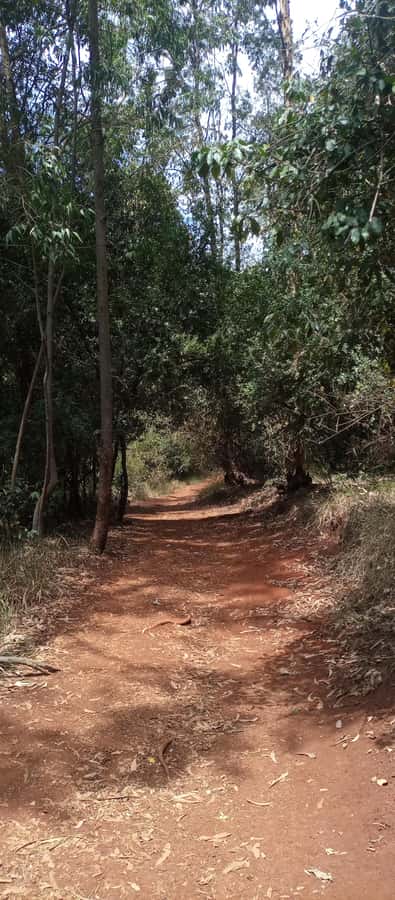
Karura Waterfalls is the scenic center of the walk. As you reach the falls, the noise of the city gives way to cascading water and forest sounds. The setting is suited to a pause, photographs, and a few quiet minutes without a schedule pressing you forward.
The waterfall is not presented as a huge spectacle. Its appeal comes from the contrast: a natural cascade inside Nairobi, reached by a forest path rather than a long expedition. That makes it especially useful if you have only a short time in the city but want more than buildings and traffic.
I would plan to slow down here. Listen to the water, take in the trees around the falls, and let your guide explain the area. The most memorable part may be the sound rather than the view itself.
The main practical limitation is that the tour lasts three hours. You will visit several places, so the time at the waterfall may be limited by the rest of the route. If you want a long picnic or extended photography session, ask your guide how the timing can be adjusted within the private group.
More Karura Forest walks:
- Nairobi: From Nairobi-Karura Forest Guided Walking Tour
★ 5.0 · 21 reviews - Karura Forest: Walking tour with Nature and Waterfalls.
★ 5.0 · 12 reviews - Nairobi: Karura Forest Horseback Riding Tour
★ 4.8 · 11 reviews - Karura Forest Nature Trail
★ 4.5 · 10 reviews
The Mau Mau Caves and Kenya’s independence struggle
The Mau Mau Caves bring a serious historical layer to the forest. These caves served as a hideout during Kenya’s struggle for independence, and the guide explains their role during that period.
This stop changes the mood of the tour. You move from birds, trees, and water to a place linked with secrecy, resistance, and the risks faced during the independence movement. The caves help place Kenyan history in a physical setting rather than leaving it as a date in a textbook.
The quality of the explanation matters here. One guide was criticized for having only a little to say about the park’s history, so you should not be shy about asking questions. Ask what happened at the caves, how they were used, and how they fit into Kenya’s wider independence story.
The supplied details do not describe the cave interior, lighting, or walking conditions. For that reason, you should follow the guide’s instructions and avoid assuming this is a long underground exploration. The attraction is the historical meaning of the site as much as the caves themselves.
The Fig Tree Circuit for photos and quiet time
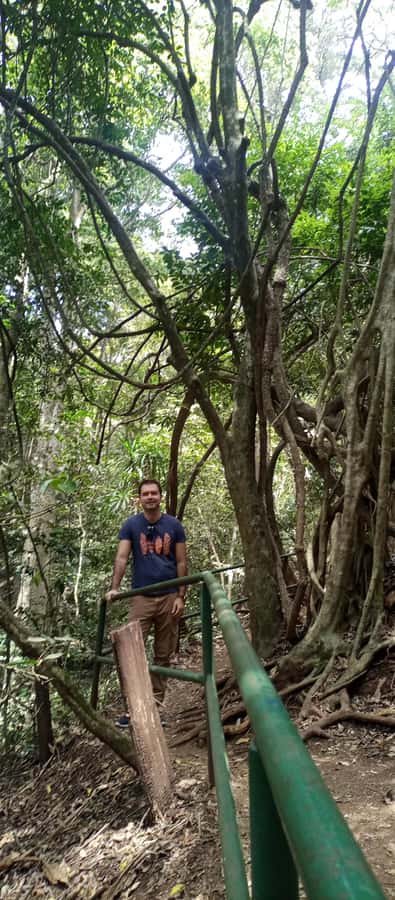
The Fig Tree Circuit takes you among tall fig trees and offers some of the walk’s best chances for photographs. The route also gives you a calmer stretch for reflection after the caves.
Fig trees help give the forest a sense of scale. Their height and form make the path feel more enclosed and removed from Nairobi, even though the city is close by. You will likely want to keep your camera ready, but do not spend every minute looking at the screen. The appeal is the combination of shapes, shade, and quiet.
This part of the walk is also useful if you prefer an unhurried pace. You can take photos, listen to the forest, and ask your guide about the trees. Again, the guide’s own knowledge will shape how much you learn. The tour information promises a professional forest guide, but the available feedback shows that expertise can vary.
Picnic time and what you need to bring
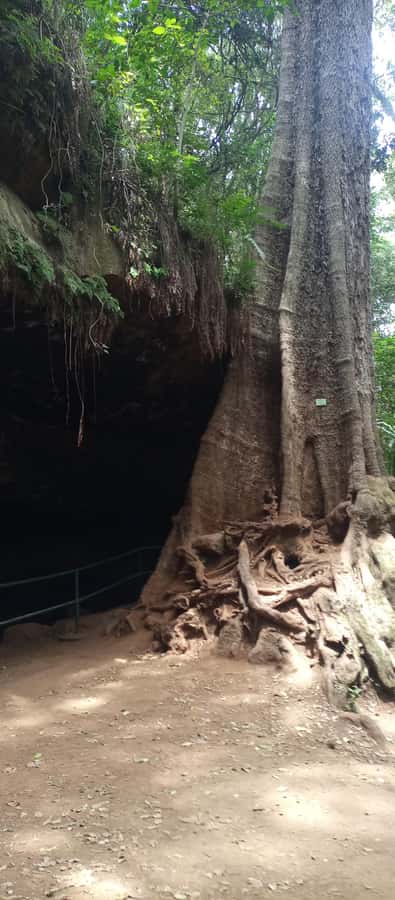
The planned route includes a picnic lunch in the forest. It is an appealing idea, since eating among the trees gives you time to rest and enjoy the setting instead of rushing between sights.
Food and drinks are not included in the price. You need to arrange them yourself, and the supplied details do not confirm that food is available for purchase inside the forest. The safest approach is to organize your own meal and water before arriving, unless the operator gives you different instructions.
This is a small but important cost issue. At $50 per person, plus the $4 entry fee, you may expect lunch to be covered. It is not. Ask Keana Safaris what is practical to bring and where you should purchase supplies before the walk.
The picnic also affects the pace. A three-hour tour has to divide time among the trails, waterfall, caves, fig trees, and river. If you want a relaxed meal, you may need to agree on the timing with your private guide.
River walk, wildlife, and the return to Gate C
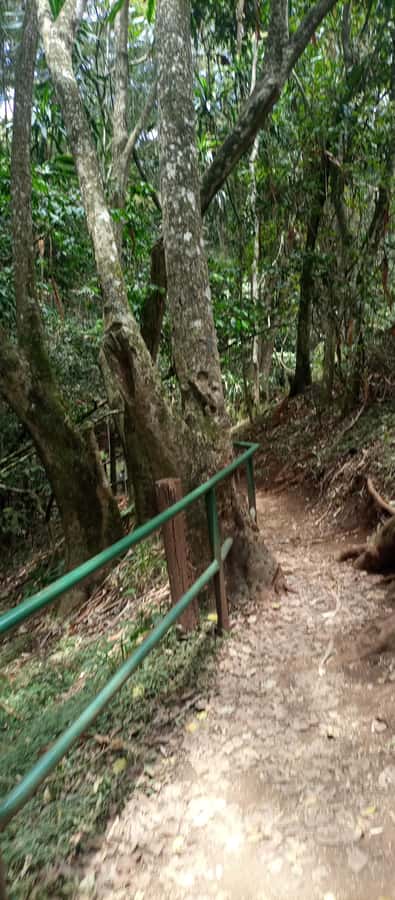
After the central sights, the route follows the river. The riverbanks offer another view of the forest, with more chances to notice wildlife and hear the water moving through the trees.
This section gives the walk a natural finish. You begin under the canopy, visit the waterfall and caves, pass the fig trees, and then follow the river before returning to the entrance. The route has enough variety to keep three hours interesting without requiring a full day.
The wildlife element remains unpredictable. You might encounter monkeys, birds, or butterflies, but the tour should not be treated as a safari. You are visiting a city forest, and the main reward is the setting itself.
At the end, you return to Gate C. From there, you can continue exploring Nairobi or arrange your own return to your hotel. Since drop-off is not included, have your onward plans ready before the walk ends.
How much value do you get for $50?
The advertised tour price is $50 per person, with an additional $4 forest entry ticket. Food, drinks, and transport are not included, so the final cost will be higher.
For a private three-hour walk, the price can make sense if you value a guide and prefer a planned route. You are not paying only for access to trees and trails. You are paying for someone to lead you to the waterfall, caves, fig tree circuit, and river, while providing context along the way.
The value is less convincing if you only want to stroll through Karura on your own. In that case, the guide fee may feel high, especially once you add entry, transport, and food. The private format is the central benefit, not a long list of included extras.
I would also treat guide quality as part of the value calculation. Diana received especially warm praise for being organized, helpful, and attentive, and one person called the outing one of their best tours. Another guide was friendly but offered limited information about plants and park history. If you book, contact Keana Safaris with questions about the guide and the subjects you care about most.
Who should book this walking tour?
I would recommend it to you if you want a nature break in Nairobi and enjoy walking at a moderate sightseeing pace. It suits people who like combining scenery with local stories, especially the Mau Mau Caves.
It is also a good match for a private group. You have more opportunity to ask questions and shape the pace, though the walk still has to fit several stops into three hours.
The outing may suit you less if you dislike walking, want a fully catered day, or expect hotel transportation. It is not an all-inclusive package. You need to handle the entry fee, food, drinks, and getting to Gate C.
The activity information also lists horse riding, bike tours, sunset outings, scenic views, and off-road activity in Karura Forest. Those options should not be confused with the main program described here, which is a three-hour guided walking route.
Booking flexibility and timing
The tour runs for three hours, with starting times subject to availability. You can reserve now and pay later, which is helpful if your Nairobi schedule is still changing.
Free cancellation is available up to 24 hours before the activity for a full refund. That gives you some protection if your plans shift, but check the exact booking conditions when you reserve.
The tour is conducted in English, and the group is private. If you need another language, the supplied information does not list one, so English is the safe expectation.
Should you book Karura Forest with Keana Safaris?
Book this tour if you want a compact, guided outing that combines waterfalls, forest trails, wildlife spotting, and Kenyan history without leaving Nairobi. The private format, Gate C meeting point, and three-hour length make it easy to fit into a city itinerary.
I would book with realistic expectations. The forest itself is the main attraction, while the guide determines how much history and plant information you receive. Budget for the $4 entry fee, food, drinks, and your own transport, then ask about the guide’s background if interpretation matters to you.
For nature lovers and walkers, this is a strong Nairobi add-on. For anyone seeking a guaranteed safari or a fully organized day with meals and transfers, it is not the right product.
FAQ
Where does the Karura Forest tour start?
The tour starts at Karura Forest Gate C and returns to the same entrance at the end.
How long does the tour last?
The walking tour lasts three hours. Starting times depend on availability.
Is the forest entry ticket included?
No. The forest entry ticket costs $4 per person and is separate from the $50 tour price.
Are food and drinks included?
No. Food and drinks are not included, including the picnic lunch mentioned in the route.
Is hotel pickup and drop-off provided?
No. You need to arrange your own transport to and from Karura Forest Gate C.
What language is the tour conducted in?
The tour is conducted in English with a live English-speaking forest guide.
Just added in Nairobi
- Wildlife Capital: Half-Day Safari at Nairobi National Park★ 5.0 · 2 reviews
- 3 days maasai mara migration safari★ 4.5 · 7 reviews
- 4 Days Tour Landcruiser in Masai Mara and Lake Nakuru★ 5.0 · 10 reviews
- 4 Days Safari to Lake Nakuru N/P and Maasai Mara N/R★ 5.0 · 18 reviews
- 6 Days Kenya Budget Group Safari★ 5.0 · 2 reviews
- Maasai Mara Day Trip★ 5.0 · 15 reviews
- Day Tour to Nairobi national park, Elephants, and Giraffe Center★ 3.5 · 8 reviews
- 3 Days Masai Mara Wildebeest migration Budget safari★ 5.0 · 2 reviews
Karura Forest Walks, compared.

Karura Forest: Walking tour with Nature and Waterfalls.
Read our review →

Browse the lists this tour appears in