
Reviewed · KARURA FOREST WALKS
Hike in The Karura Forest
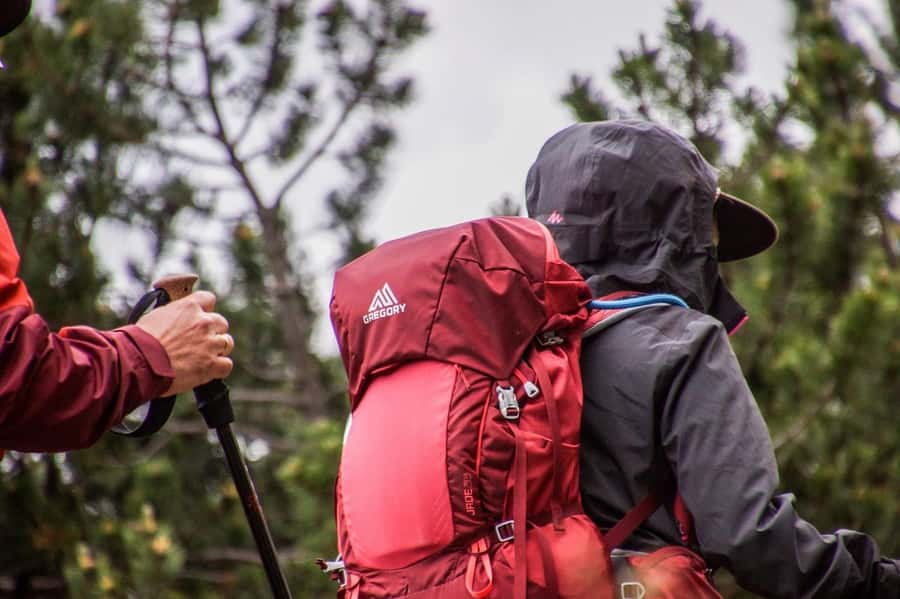
Nairobi hides a quiet forest. Karura Forest gives you shaded paths, a pretty waterfall, old caves, and a welcome break from city traffic. I like the small group of up to six and the chance to walk with Musa, a friendly local guide praised for answering questions about both the forest and Kenya. I also like that the walk includes time for birdwatching and wildlife spotting rather than treating the forest as scenery to rush past. The main catch is transport: the tour starts and ends at 13 Nkrumah Ave, while hotel or residence pickup costs extra.
The four-hour schedule allows about three hours in the forest, with time for photos, a break, and guided sightseeing. You should expect a few hills, but the route is described as manageable for most people who can walk at an easy pace. Do not count on seeing monkeys, even though they sometimes appear. Wildlife is wild, not a cast hired for the afternoon.
In This Review
- Key points to know before you book
- Why Karura Forest makes a good city escape
- Starting at 13 Nkrumah Ave
- Following the three-hour forest route
- Waterfall, caves, and the best photo stops
- Birds, butterflies, and the uncertainty of monkeys
- What Musa adds to the walk
- Is $41 a fair price?
- What to wear and bring
- Who will enjoy this hike most?
- Booking, cancellation, and the final decision
- FAQ
- How long does the Karura Forest hike last?
- Where does the tour start and finish?
- Is transportation to Karura Forest included?
- How many people are in the group?
- Is the hike suitable for beginners?
- Will I definitely see monkeys?
- What should I avoid bringing or wearing?
Key points to know before you book
- Musa earns strong praise: He is described as patient, friendly, helpful, and easy to communicate with.
- Waterfall and caves are the main sights: These give the walk a clear payoff beyond trees and birds.
- The route has some hills: Most people should manage it, but slow walkers may need closer to the full four hours.
- You pay $41 per person: That covers the guided hike and forest facilities, but not transport, food, or optional bike and horseback rentals.
- Small groups make questions easy: With no more than six participants, the guide can adjust the pace more readily.
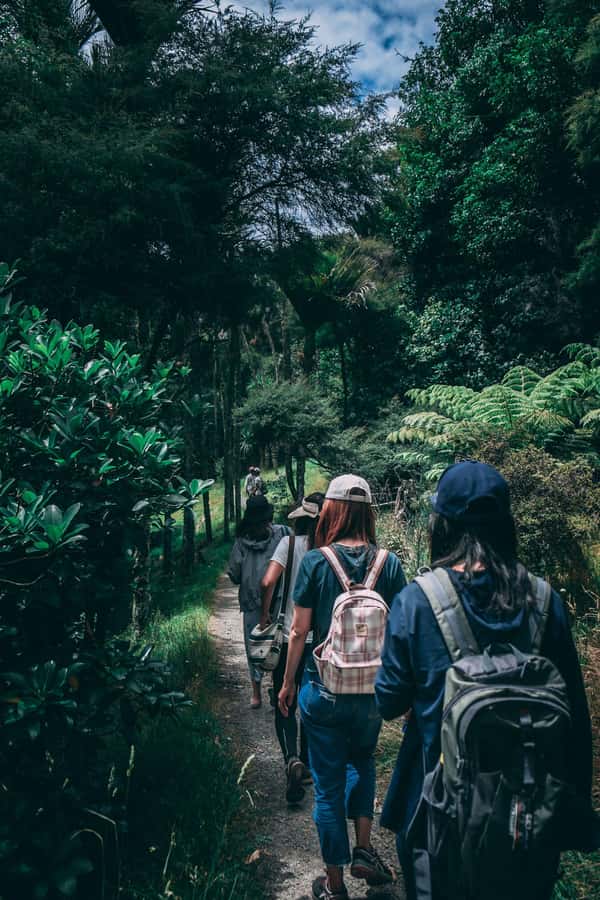
- Wear proper walking shoes: Sandals and flip flops are not allowed, and plastic bottles and bags are prohibited.
Why Karura Forest makes a good city escape
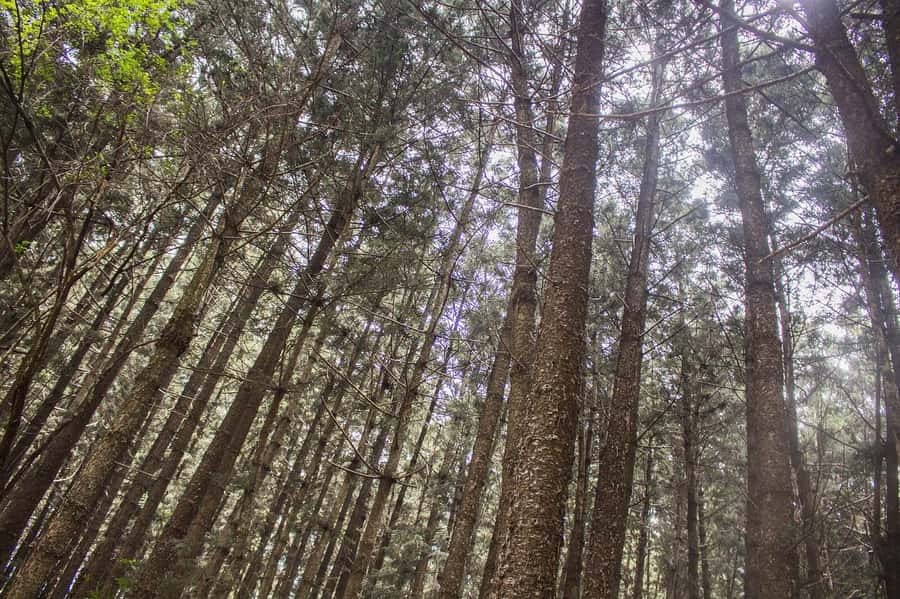
Karura Forest is an unusual place to add to a Nairobi itinerary. You do not have to leave the city far behind to find tall trees, bird calls, shaded paths, and stretches of quiet. After time around traffic and paved streets, the change of pace is the point.
I like this experience because it gives you nature without requiring a full safari schedule. You are not signing up for a long wilderness expedition. Instead, you get a half-day walk through a protected forest with a guide who can explain what you are seeing and help you follow the route.
The forest experience is built around simple pleasures: walking beneath trees, pausing at a waterfall, looking into caves, and listening for birds. The setting may feel wild at times, but this is still an organized outing with designated restrooms, water stations, picnic areas, and a guide to help you move through it.
That balance makes the hike especially useful early in a Nairobi visit. It lets you stretch your legs and see a calmer side of the capital without committing a full day to transport. It also works well near the end of a trip, when you may want fresh air rather than another indoor attraction.
More Hiking Tours in Nairobi
- Private Hiking Day Trip to Mt. Longonot from Nairobi
★ 5.0 · 58 reviews - Private Half Day Hike to Ngong Hills from Nairobi
★ 5.0 · 20 reviews - Mt Longonot National park Day Hike
★ 4.9 · 18 reviews
Starting at 13 Nkrumah Ave
The scheduled meeting and return point is 13 Nkrumah Ave. That detail matters because transportation to and from Karura Forest is not included in the $41 price.
Hotel, guesthouse, or residence pickup can be arranged for an extra charge. Ask about the exact cost before you confirm, and clarify how you will return after the hike. One unhappy experience came from an unexpected taxi charge on the way back, so this is the one practical detail I would settle in writing.
The advertised duration is four hours, while the forest portion takes about three hours. The remaining time allows for meeting up, getting organized, and returning to the starting point. Starting times vary, so you need to check availability when booking.
A small group of six or fewer is a useful feature here. A forest walk is more pleasant when you are not trailing behind a large crowd, and a small group gives you a better chance to ask about trees, birds, caves, and local life. It also makes it easier for Musa to slow down if you need extra time on the hills.
Following the three-hour forest route
Once you reach Karura Forest, the outing becomes a guided walk rather than a simple transfer to a trailhead. You follow winding paths through trees and leafy sections, with regular stops for sightseeing, photographs, and explanation.
The route is not presented as a technical hike. Still, it is not entirely flat. There are a few hilly sections, and one detailed account describes the walk as suitable for most people as long as they take their time. If you prefer a slow pace or want to stop often for pictures, allow the full three hours rather than expecting to finish quickly.
A slower pace is not a problem on this outing. Musa has been praised for waiting patiently when people needed to stop, which is important in a forest where the small details can be more interesting than the distance covered. You may pause to look at a tree, listen for birds, or watch for movement in the branches.
The route can take around two hours at an average pace in quiet periods, but that is not a promise. The duration depends on the group, the selected path, stops, and how long you spend at the waterfall and caves. I would treat four hours as a comfortable window, not as a demand to walk continuously.
Waterfall, caves, and the best photo stops
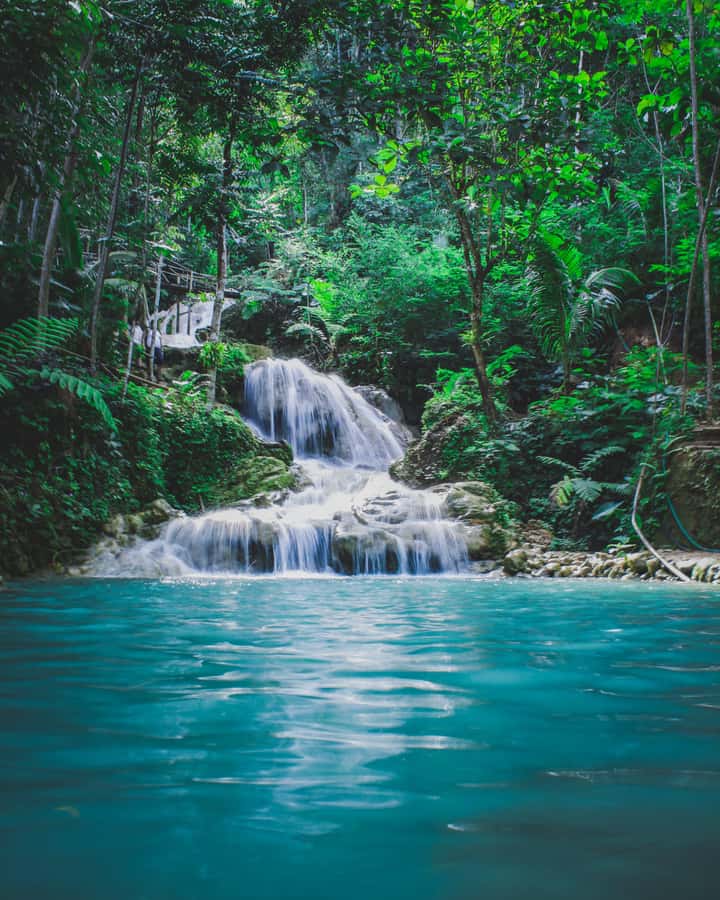
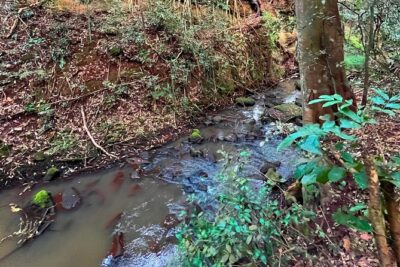
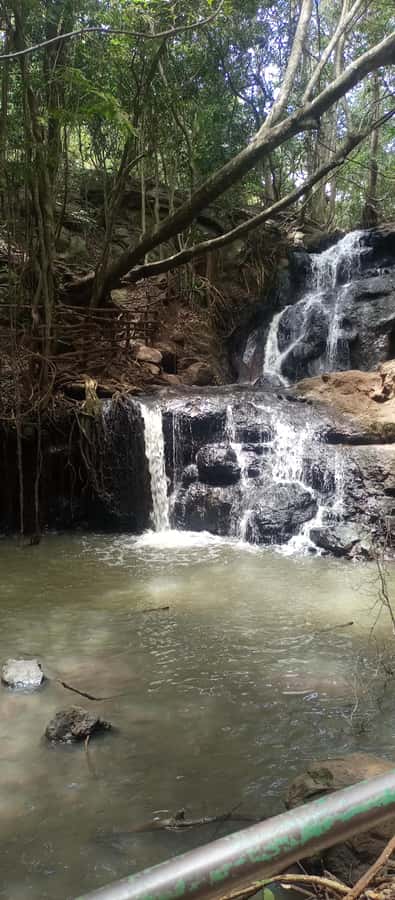
The waterfall is the clearest visual reward on the route. Crystal-clear water, rocks, trees, and filtered light give you a natural place to stop and take photographs. It is also a useful midpoint for a break, especially if you have been walking in warm conditions.
The caves add a different mood. Their moss-covered walls and dark openings give the forest a sense of age and mystery, though you should think of them as a sightseeing stop rather than a full cave expedition. The supplied details do not promise special equipment or an underground route, so keep your expectations sensible.
These two stops help the hike feel varied. Without them, a woodland walk can blur into a long sequence of similar paths. Here, you have a waterfall to look forward to and caves that change the character of the walk.
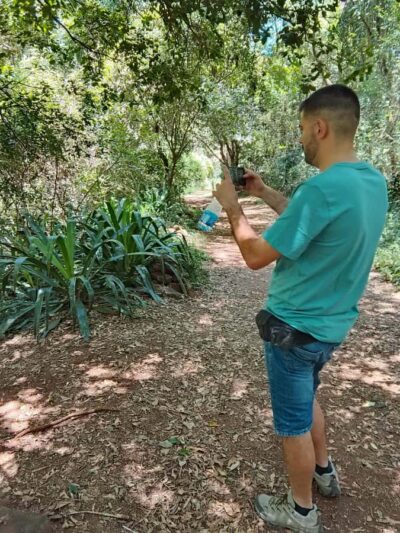
You should bring a phone or camera if photographs matter to you, but do not let the picture stops turn into a race. The forest is at its best when you leave room to notice the sound of water, shade beneath the trees, and small signs of animal life.
More Karura Forest walks:
- Nairobi: From Nairobi-Karura Forest Guided Walking Tour
★ 5.0 · 21 reviews - Karura Forest: Walking tour with Nature and Waterfalls.
★ 5.0 · 12 reviews - Nairobi: Karura Forest Horseback Riding Tour
★ 4.8 · 11 reviews - Karura Forest Nature Trail
★ 4.5 · 10 reviews
Birds, butterflies, and the uncertainty of monkeys
Karura is a good setting for basic birdwatching. The tour includes commentary on plants and animals, and the forest provides plenty to listen for even when you do not see a large animal. Butterflies may pass through flowered areas, and bird calls can become the soundtrack of the walk.
Monkeys are possible, but not guaranteed. One person saw a monkey, while another was disappointed after expecting them and finding none. That is normal for wildlife viewing, but it is worth saying clearly: book this for the forest, waterfall, caves, and peaceful walk, not for a promised animal encounter.
This point is important because the tour description includes wildlife viewing. In practice, that means you have opportunities to look for animals and birds, not a guarantee that specific creatures will appear. A guide can point out signs of life and improve your chances, but no guide controls the branches or the weather.
Feeding animals is prohibited, and that rule should be taken seriously. It protects the animals and keeps the forest from becoming dependent on human food. Smoking, alcohol, drugs, littering, plastic bags, and plastic bottles are also not allowed.
What Musa adds to the walk
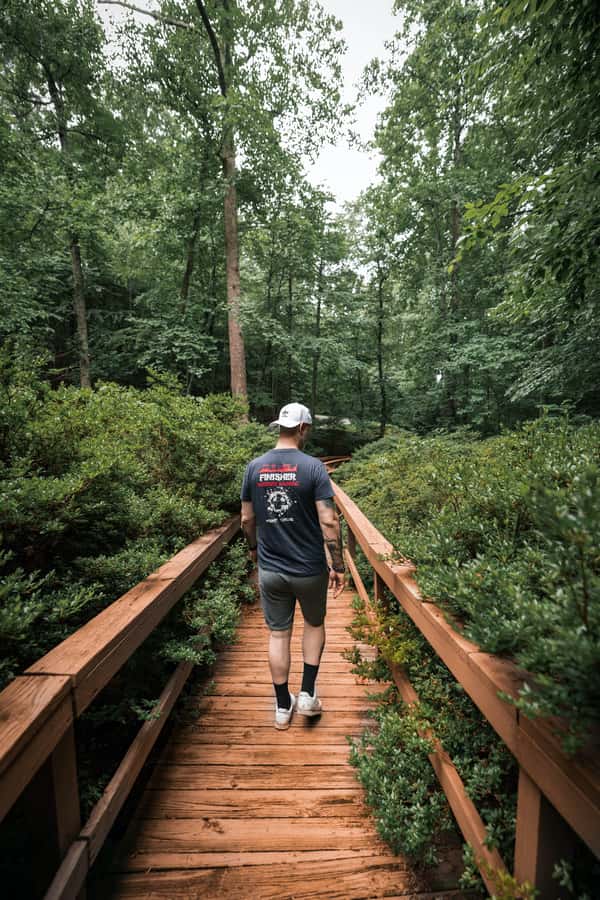
The guide is Musa, and his role appears to be one of the strongest parts of the experience. He is described as friendly, patient, easy to communicate with, and generous with information about Kenya and its people.
That local context can make a short forest walk more useful. You can ask questions as they come up instead of trying to identify every tree or animal alone. A good guide also helps connect the forest to Nairobi, rather than presenting it as an isolated patch of green.
Musa’s patience matters if you are not a regular hiker. He has been praised for keeping the walk smooth when people moved slowly or stopped to look around. That makes this a better fit for a mixed group than an outing built around speed.
The praise is not entirely uniform. One account described the tour as decent but suggested Musa is still developing as a guide. That is fair context: you should expect a young, friendly guide who is building his experience, not a specialist naturalist delivering a formal scientific lecture.
English is the listed tour language. If you want detailed information about plants, birds, or forest history, ask questions directly. The guide’s willingness to explain appears to be a key part of the value.
Is $41 a fair price?
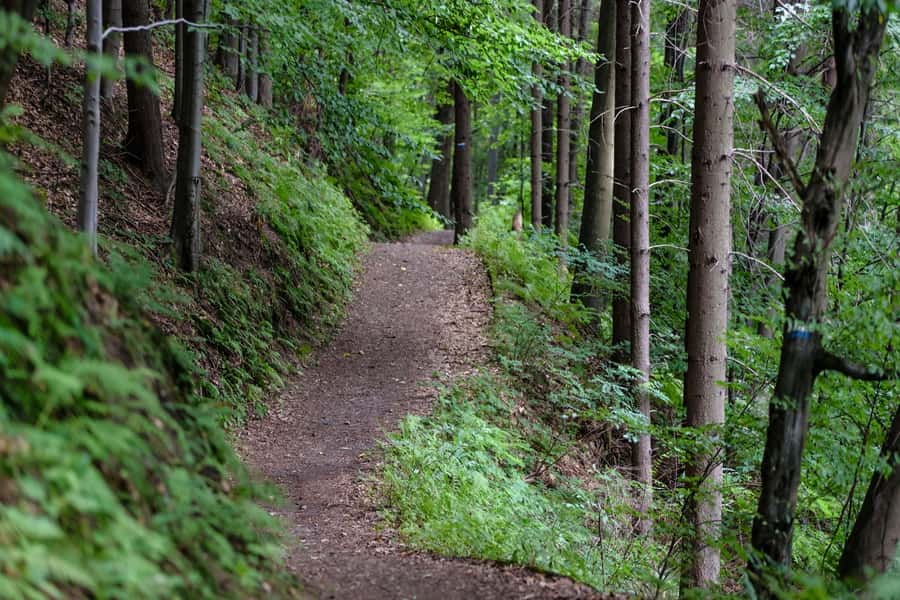
At $41 per person, this is not the cheapest way to take a walk in Nairobi, but you are paying for more than forest admission. The price includes a guided route, safety briefing, interpretation about plants, animals, and history, access to picnic areas, restrooms and water stations, and help with wildlife spotting.
The small group also matters. If you were joining a large outing, I would judge the price more harshly. With up to six people, the guide can give more attention, answer questions, and adjust the pace. That turns a simple forest visit into a more personal half-day activity.
The value drops if you only want to enter the forest and walk alone. In that case, the guide and commentary may not justify $41. The price also does not cover transport, meals, drinks beyond anything specifically included, souvenirs, or optional equipment.
Mountain biking and horseback riding are possible extra activities, but rental fees apply. I would not add them automatically. The guided hike already uses most of the four-hour window, and the walking route is the core experience.
The biggest cost question is transportation. Since pickup and return from a hotel, guesthouse, or residence cost extra, calculate the total before booking. Confirm whether the return ride is included in your chosen arrangement, especially if you are not meeting at 13 Nkrumah Ave.
What to wear and bring
Wear closed walking shoes with a firm sole. Sandals and flip flops are not permitted, and the hilly sections make proper footwear more than a rule for its own sake.
Plastic bottles and plastic bags are prohibited. Follow the forest’s rules and check what reusable water option is accepted before you arrive, since the tour lists water stations but does not specify that drinks are supplied.
Food and beverages are not generally included beyond anything stated in your booking. If you want a picnic, use one of the designated picnic areas, but confirm what you may bring under the forest’s plastic restrictions.
A light day bag, sun protection, and a phone for photographs are sensible choices, though the supplied details do not specify a packing list. You should also be ready for changing pace, uneven ground, and pauses rather than treating this as a paved city stroll.
Who will enjoy this hike most?
I would recommend it to you if you want a quiet outdoor activity in Nairobi, enjoy walking at an easy or moderate pace, and like having a local guide available for questions. It suits solo visitors, couples, and small groups who prefer conversation and flexibility over a large organized outing.
It is also a good choice for people who want a first look at Kenya’s plant and animal life without booking a full safari. The forest gives you birds, butterflies, trees, caves, and the possibility of monkeys, all within a four-hour plan.
You may want another activity if your main goal is guaranteed wildlife. Monkeys are not certain, and this is a forest walk, not a game drive. You should also think twice if you dislike hills, need a fully flat route, or want transport bundled into the headline price.
Families and older walkers may manage the route if they are comfortable walking and taking breaks, but the available details do not provide a formal accessibility assessment. If mobility is a concern, ask the operator about the exact route and terrain before paying.
Booking, cancellation, and the final decision
You can cancel up to 24 hours before the activity for a full refund, and the reserve-now, pay-later option keeps your plans flexible. Those terms are useful when your Nairobi schedule may change.
I would book this hike if you value a personable guide, a small group, and a peaceful break from the city. The waterfall and caves give the route enough variety, while Musa’s patient style appears well suited to people who want to stop, ask questions, and walk without pressure.
I would skip it, or at least clarify the total cost first, if you need hotel transport included or expect guaranteed monkeys. For $41, the tour is good value when you use the guide’s local insight and the small-group attention. It is less compelling as a basic forest entrance ticket.
FAQ
How long does the Karura Forest hike last?
The full activity lasts four hours. About three hours are spent in Karura Forest, including walking, sightseeing, wildlife viewing, photo stops, and a break.
Where does the tour start and finish?
The scheduled starting and return point is 13 Nkrumah Ave.
Is transportation to Karura Forest included?
No. Transportation to and from Karura Forest is not included in the tour package. Pickup from a hotel, guesthouse, or residence may be arranged for an extra cost.
How many people are in the group?
The tour is limited to six participants, making it a small-group experience.
Is the hike suitable for beginners?
The route is described as manageable for most people, though it includes a few hilly sections. You can take longer and walk at a slower pace if needed.
Will I definitely see monkeys?
No. Monkeys may be seen, but sightings are not guaranteed. The tour provides opportunities for wildlife spotting and birdwatching.
What should I avoid bringing or wearing?
Do not wear sandals or flip flops. Smoking, alcohol, drugs, plastic bags, plastic bottles, littering, and feeding animals are not allowed.
Just added in Nairobi
- Wildlife Capital: Half-Day Safari at Nairobi National Park★ 5.0 · 2 reviews
- 3 days maasai mara migration safari★ 4.5 · 7 reviews
- 4 Days Tour Landcruiser in Masai Mara and Lake Nakuru★ 5.0 · 10 reviews
- 4 Days Safari to Lake Nakuru N/P and Maasai Mara N/R★ 5.0 · 18 reviews
- Day Tour to Nairobi national park, Elephants, and Giraffe Center★ 3.5 · 8 reviews
- 6 Days Kenya Budget Group Safari★ 5.0 · 2 reviews
- Maasai Mara Day Trip★ 5.0 · 15 reviews
- 3 Days Masai Mara Wildebeest migration Budget safari★ 5.0 · 2 reviews
Karura Forest Walks, compared.
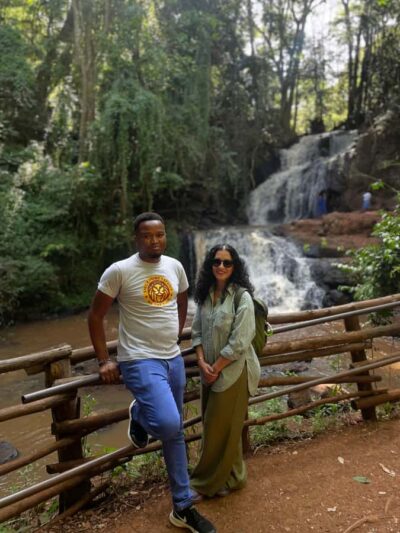
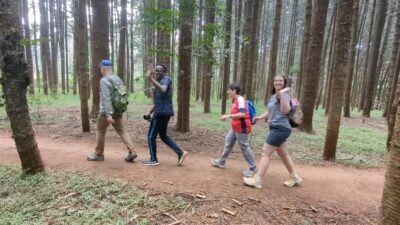
Karura Forest: Walking tour with Nature and Waterfalls.
Read our review →

Karura forest: A walking tour into Nairobi’s Nature Oasis
Read our review →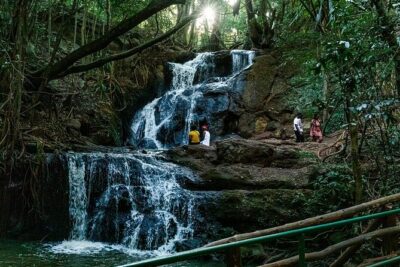
Browse the lists this tour appears in