
Reviewed · MAASAI VILLAGE VISITS
HALF DAY TOUR MASAI VILLAGE FROM NAIROBI WITH PICKUP&DROPOFF
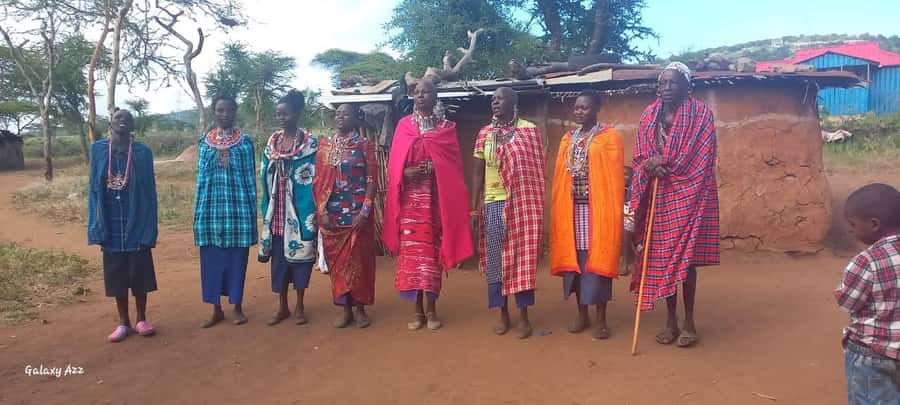
Cattle, song, and thorn fences tell the story. This six-hour trip from Nairobi takes you to a Maasai manyatta near Bisil, where small rounded huts, livestock, beadwork, ceremonies, and dance offer a close look at a living community. Pickup and drop-off are available in several Nairobi areas, and transport is provided by car.
I like the personal touch of Alfred, a guide who is also a member of the village and can explain Maasai customs from inside the community. I also like the friendly, clear service from William, the driver, who has been praised for being punctual, helpful, and easy to communicate with.
The main drawback is the price. At $445 per person, plus a separate $30 entry fee, this is a costly half-day outing. You are paying for private-style transport, a guide, and direct cultural access, but the value depends heavily on how much you want a village visit rather than a wildlife safari.
In This Review
- Key Points Before You Book
- Why Visit a Maasai Manyatta Near Nairobi?
- Leaving Nairobi for Bisil
- Entering the Circular Settlement
- Music, Dance, and Community Traditions
- Cattle, Work, and Everyday Maasai Life
- Arts, Crafts, and Buying Beadwork
- What the $445 Price Really Buys You
- Who Will Enjoy This Half-Day Visit?
- Guide Quality and Communication
- Practical Details for a Smooth Day
- Should You Book This Maasai Village Tour?
- FAQ
- How long is the Maasai village tour?
- What is included in the tour price?
- Is the entry fee included?
- Which Nairobi areas offer pickup and drop-off?
- What language is used during the tour?
- Can I cancel the tour or pay later?
Key Points Before You Book
- A six-hour cultural trip from Nairobi: The tour includes pickup, transport to Bisil, time in the village, and return service.
- A real manyatta setting: You can see circular huts made from mud, sticks, grass, and cow dung, plus the thorn fence that protects livestock.
- Alfred brings local insight: As a member of the village, he can explain customs, daily life, and traditions in a direct way.
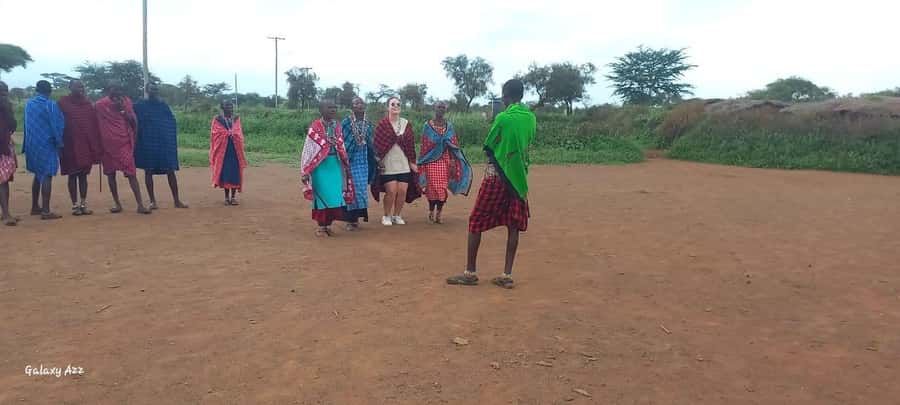
- Music, dance, and crafts are central: Expect a traditional dance show, arts and crafts, and time to look at Maasai beadwork.
- The $30 entry fee is extra: Add it to the advertised $445 price when working out the total cost.
- Flexible booking terms: You can cancel up to 24 hours before the tour for a full refund and reserve now while paying later.
Why Visit a Maasai Manyatta Near Nairobi?

A Maasai manyatta is more than a group of huts. It is a compact settlement built around family life, livestock, safety, work, and ceremony.
The huts are made with local materials including mud, sticks, grass, and cow dung. The design is practical. These materials help insulate the interiors, while the rounded shape makes good use of limited space. The settlement is usually arranged in a circle, with a tall thorn fence around it.
That fence has a clear purpose. Cattle are central to Maasai life, and the enclosure helps protect them from predators such as lions. You are not simply looking at an old building style. You are seeing how housing, livestock, and security fit together.
I find this kind of visit more useful than a quick photo stop because the setting explains daily life. You can connect the huts to cattle herding, milking, family routines, social customs, and spiritual practice.
Still, keep your expectations sensible. This is a six-hour cultural excursion, not a full Maasai cultural course or a safari. The visit gives you a focused introduction, with demonstrations and explanations arranged around the time available.
More Maasai village visits:
- Nairobi: Day Tour to Amboseli National Park & Maasai Village
★ 4.5 · 310 reviews - Masai village Day Tour Experience
★ 5.0 · 284 reviews - Maasai Village Experience Day Tour
★ 5.0 · 72 reviews
Leaving Nairobi for Bisil
Pickup is available from Kilimani, Lavington, Kileleshwa, Westlands, Embakasi, Karen, Parklands, and Syokimau. Your exact pickup time depends on availability, so check the schedule when booking.
Transport is by car, with a driver and an English-speaking guide. That matters because the experience involves explanation, not just transport to a rural location. William has been praised for punctuality and helpful service, which is useful on a half-day schedule where delays can quickly reduce your village time.
The journey to Bisil forms part of the experience, but the supplied details do not give a precise driving time or road description. I would allow room in your day for the six-hour total rather than planning another fixed activity immediately afterward.
A bottle of water is included. It is a small detail, but practical. You will be spending time outside during the village visit, so comfortable clothing and sensible shoes are worth choosing, even though the tour description does not set a formal dress code.
Entering the Circular Settlement
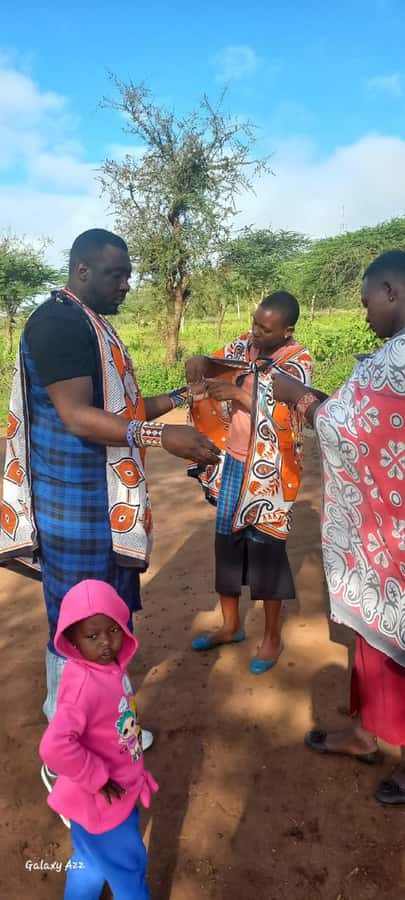
The manyatta is the main reason to book this excursion. The layout gives you a clear view of how the community is organized.
You can expect to see small, rounded huts built from mud, sticks, grass, and cow dung. These materials may sound basic, but their use reflects local building knowledge. The huts provide insulation against the elements, while the circular arrangement makes the settlement feel closely connected.
The thorn fence is just as important as the huts. It surrounds the village and helps keep cattle safe from predators. Since cattle herding is at the center of Maasai life, the enclosure gives you a quick way to understand why the community is arranged as it is.
The visit also brings you close to Maasai beadwork and red shukas, the familiar robes worn by many Maasai people. Beadwork is not simply a decorative souvenir. It is part of the community’s visual identity and a useful way for you to see how craft and culture meet.
Take time to look rather than rushing from one feature to the next. Ask your guide why the huts are shaped as they are, how livestock fit into the daily routine, and what different ceremonies mean. Alfred’s connection to the village should make those questions especially worthwhile.
Music, Dance, and Community Traditions
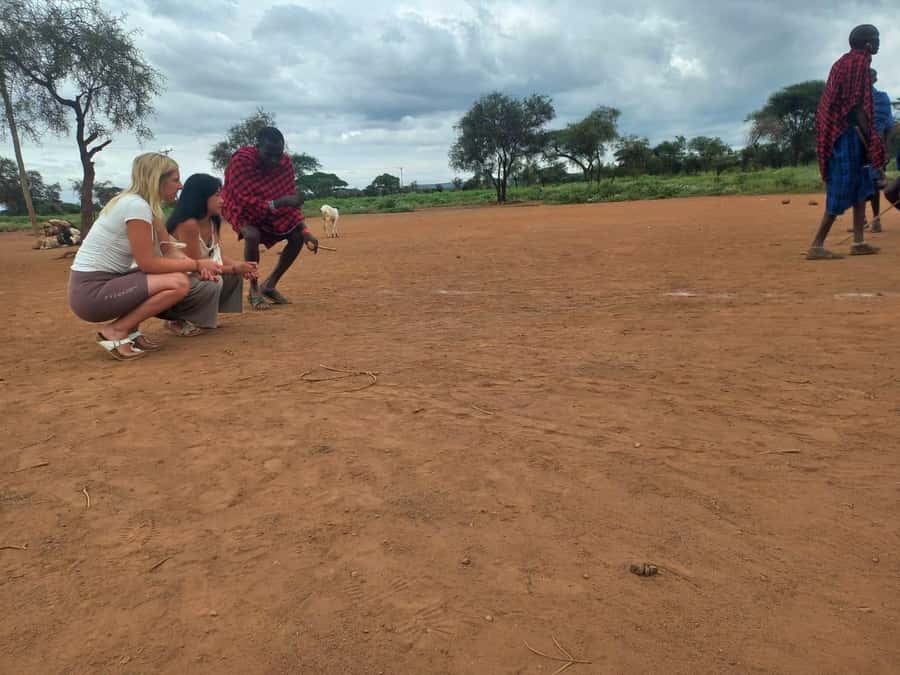
Traditional music and dance are important parts of the visit. A dance show is included in the Bisil program, along with time for cultural explanation.
This is likely to be one of the most memorable sections of the tour because it gives the community a chance to present its traditions through movement and sound. The show is not just background entertainment. Music and dance have a role in ceremonies, social gatherings, and the expression of spiritual beliefs.
At the same time, cultural performances can feel organized for visitors. That is not automatically a flaw, but it is best to see the dance as a guided introduction rather than an unplanned glimpse into a private ceremony. The value comes from listening to the explanation and treating the people involved with respect.
The tour includes a safety briefing. That suggests the guide will explain how to move through the site and interact appropriately. Follow those instructions, ask before taking close-up photographs, and remember that the village is a community rather than a stage set.
The strongest part of this experience is likely the chance to ask questions. English is the tour language, and one member of the community speaks English very well. That makes it easier to understand customs and daily life instead of leaving with only a collection of pictures.
A few more options to weigh up in Nairobi
- Nairobi National Park Half-Day Tour; Free Wi-Fi connection
★ 5.0 · 878 reviews - Nairobi: National Park & Optional Elephants & Giraffe Center
★ 4.8 · 874 reviews - NAI NAMI: Nairobi Storytelling Tour with Street Children
★ 5.0 · 792 reviews - Nairobi National Park Half-Day Game Drive
★ 4.5 · 738 reviews
Cattle, Work, and Everyday Maasai Life

Cattle rearing shapes much of the community’s daily rhythm. Herding and milking are not side activities. They connect food, livelihood, status, family responsibility, and protection.
The information provided for this tour does not promise that you will take part in milking or herding, so do not book it expecting a hands-on livestock program. You can, however, expect the guide to explain the importance of cattle and the way the manyatta is built around them.
This is where the experience earns its cultural value. A hut, a fence, and a herd each make more sense when you understand the work that connects them. A good guide can help you notice those links.
Alfred’s role is particularly useful here. Because he belongs to the village, he can answer questions about customs and traditions with personal context. That does not make him a substitute for every Maasai perspective, but it should give the visit a more direct feel than a general city tour.
Arts, Crafts, and Buying Beadwork
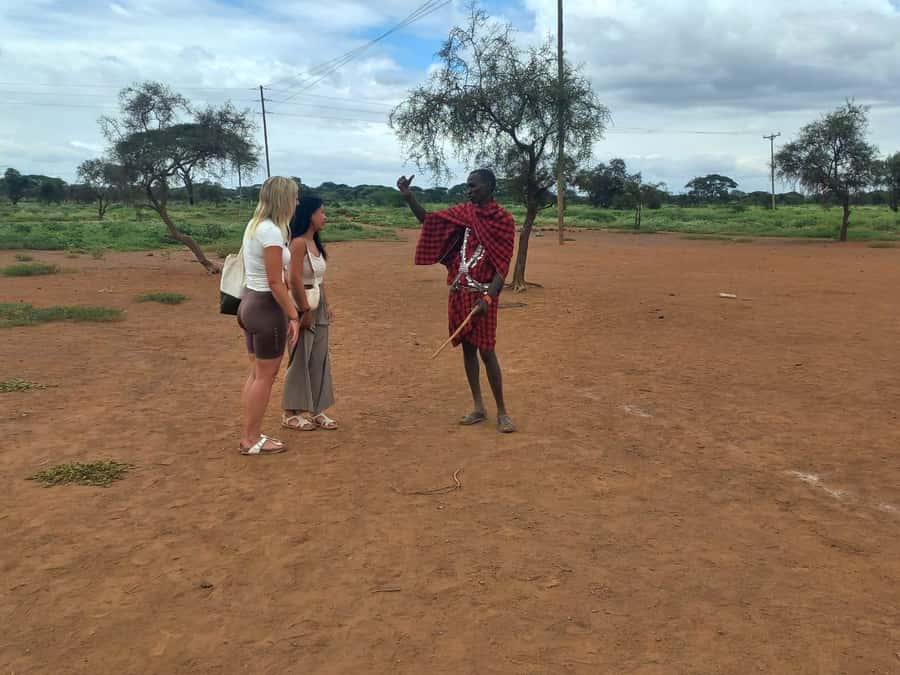
The program includes a visit to an arts and crafts market, with time for shopping. Maasai beads are among the most recognizable crafts associated with the community, and you will have a chance to look at pieces for sale.
One useful point is that buying is not compulsory. You can browse, ask about the work, and decide for yourself. That makes the shopping stop easier to handle for anyone who wants cultural contact without pressure to spend more.
I would set a spending limit before you arrive. The tour price is already high, and the separate entry fee brings the basic cost to $475 per person before any purchases. You may want to buy a small item as a direct contribution to local makers, but it should be a choice rather than an obligation.
Ask about the meaning, materials, and production of the pieces if your guide or the makers can explain them. That turns a quick market visit into a better understanding of the craft.
What the $445 Price Really Buys You
At $445 per person, this is not a budget cultural outing. With the $30 entry fee added, the listed total becomes $475 per person.
The price may make sense if you value door-to-door transport from Nairobi, a private car arrangement, an English-speaking guide, and a focused visit with a local connection. It also saves you from arranging separate transport to Bisil and trying to find a community visit on your own.
The price is harder to justify if you are mainly looking for a low-cost afternoon outside Nairobi. The experience lasts six hours, but part of that time is transport, and the village program itself is listed at about four hours. You should book it for the access and cultural explanation, not for the number of included activities.
There is no safari drive listed, and wildlife viewing is not the purpose. If your priority is seeing lions, elephants, or other animals, spend this money on a wildlife-focused outing instead. If you want a direct introduction to Maasai building traditions, cattle-centered life, dance, and beadwork, the cost becomes easier to understand.
Who Will Enjoy This Half-Day Visit?
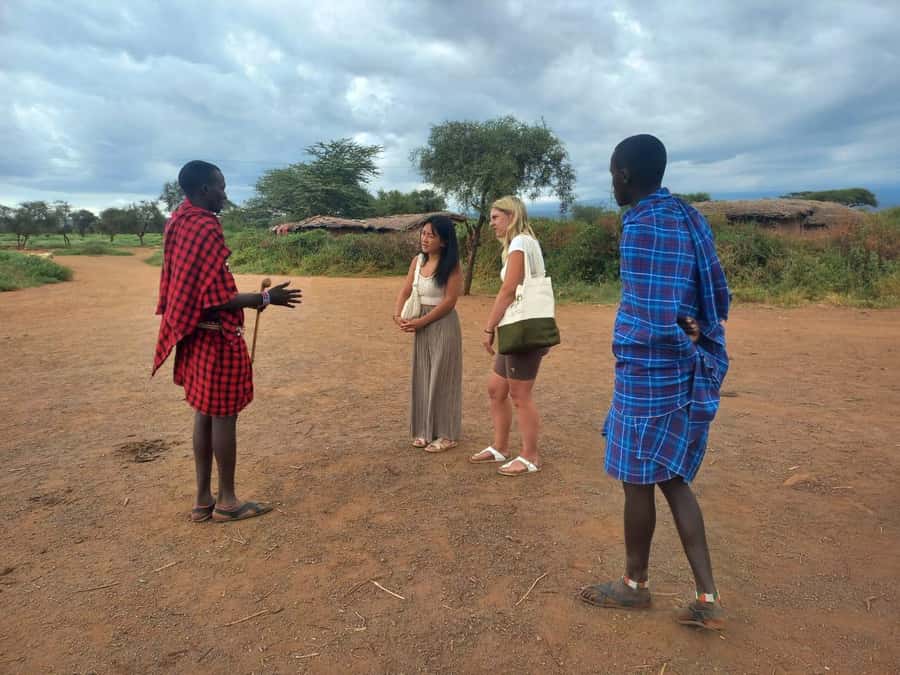
I would recommend this tour to you if you want cultural context during a Nairobi stay and prefer a guide-led visit to an independent trip. It is also a good fit if you want a shorter outing that leaves room for other plans on another day.
Families may appreciate the mix of huts, livestock, music, dance, and crafts. The tour is listed as wheelchair accessible, which is useful for guests who need that feature, although the details do not describe the exact surfaces or access conditions inside the village.
The tour also suits visitors who care about respectful photography and conversation. The experience becomes much stronger when you ask questions and listen to explanations instead of treating the manyatta as a quick backdrop.
I would be more cautious if you dislike organized performances, shopping stops, or a high per-person price. The itinerary includes a dance show and arts and crafts market time, so those are not minor extras. They are part of the structure of the visit.
Guide Quality and Communication
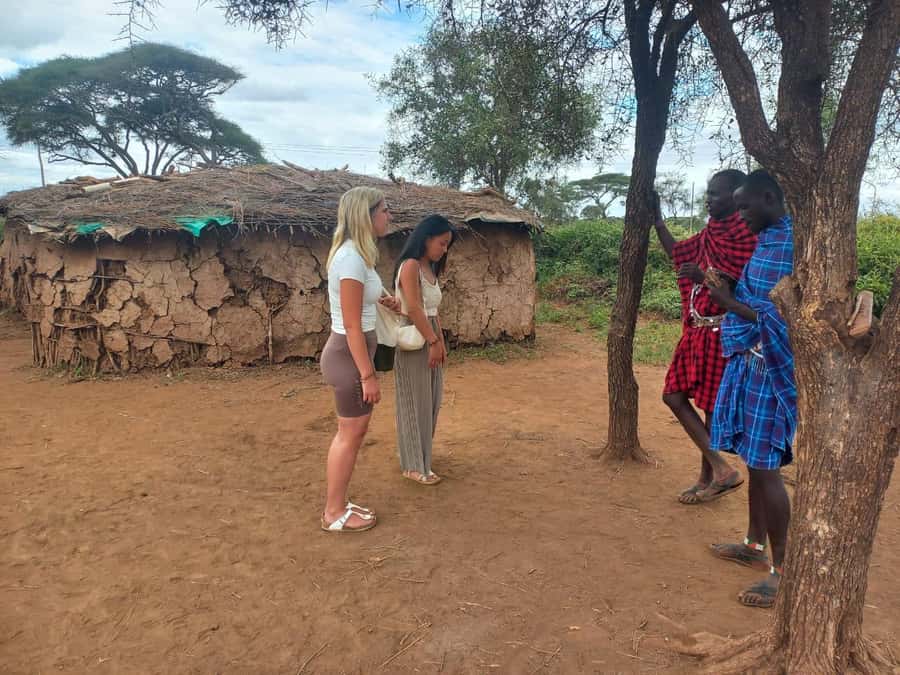
The guides can make or break a cultural tour. Here, the named team receives strong praise for being friendly, punctual, helpful, and easy to communicate with.
William handles the driving and has been described as dependable. That matters because pickup and drop-off cover several parts of Nairobi, including Karen, Westlands, Kilimani, Lavington, Kileleshwa, Embakasi, Parklands, and Syokimau.
Alfred is the more unusual asset. As a member of the village, he can explain Maasai customs and traditions with a personal connection to the place. English is used throughout the tour, and clear communication is one of the strongest reasons to choose a guided visit rather than trying to arrange the same experience without support.
The tour currently carries a five-star rating based on five verified bookings. That is encouraging, especially because the praise focuses on specific things: welcoming community contact, local explanation, punctuality, and no pressure to buy beads. The sample is small, so I would treat it as a positive signal rather than a guarantee that every departure will feel identical.
Practical Details for a Smooth Day
The tour lasts six hours and includes a bottle of water, car transport, and an English-speaking guide. Entry is not included, so budget an additional $30 per person.
Pickup and drop-off areas include:
- Kilimani
- Lavington
- Kileleshwa
- Westlands
- Embakasi
- Karen
- Parklands
- Syokimau
The drop-off list covers the same eight areas. Check availability for the starting time because the exact schedule is not fixed in the supplied details.
A useful plan is to keep the rest of your day open after returning. The total duration includes transport, and Nairobi traffic can affect timing. Bring a phone or camera if you want photographs, but ask before photographing people closely.
Free cancellation is available up to 24 hours before departure, with a full refund. You can also reserve now and pay later, which helps if your Nairobi plans may change.
Should You Book This Maasai Village Tour?
Book it if you want a direct, guided introduction to Maasai life and you are comfortable paying a premium for transport and access. The manyatta’s huts, thorn fence, cattle-centered routine, music, dance, and beadwork create a clear picture of how the community is organized.
The strongest reason to choose this tour is the human connection. Alfred’s local background and William’s helpful driving service give the outing more substance than a simple sightseeing transfer.
Skip it if you are seeking a wildlife safari, a low-cost excursion, or a completely unstructured village visit. Also remember to add the $30 entry fee to the advertised $445 price.
For the right visitor, this is a compact and practical way to place Maasai culture alongside a Nairobi itinerary. Go with curiosity, ask good questions, and allow the community to be more than a photo stop.
FAQ
How long is the Maasai village tour?
The experience lasts six hours. The village program in Bisil is listed at about four hours, with the remaining time covering transport and the pickup and return process.
What is included in the tour price?
The tour includes a bottle of water, transport by car, and an English-speaking guide.
Is the entry fee included?
No. The entry fee is $30 per person and must be added to the advertised $445 price.
Which Nairobi areas offer pickup and drop-off?
Pickup and drop-off are available in Kilimani, Lavington, Kileleshwa, Westlands, Embakasi, Karen, Parklands, and Syokimau.
What language is used during the tour?
The live tour guide speaks English, and English is the listed tour language.
Can I cancel the tour or pay later?
Yes. You can cancel up to 24 hours in advance for a full refund. The tour also offers reserve now and pay later booking.
Just added in Nairobi
- Wildlife Capital: Half-Day Safari at Nairobi National Park★ 5.0 · 2 reviews
- 3 days maasai mara migration safari★ 4.5 · 7 reviews
- 4 Days Tour Landcruiser in Masai Mara and Lake Nakuru★ 5.0 · 10 reviews
- 4 Days Safari to Lake Nakuru N/P and Maasai Mara N/R★ 5.0 · 18 reviews
- Day Tour to Nairobi national park, Elephants, and Giraffe Center★ 3.5 · 8 reviews
- 6 Days Kenya Budget Group Safari★ 5.0 · 2 reviews
- Maasai Mara Day Trip★ 5.0 · 15 reviews
- 3 Days Masai Mara Wildebeest migration Budget safari★ 5.0 · 2 reviews
Maasai Village Visits, compared.
Day Tour to Amboseli National Park & Maasai Village
Read our review →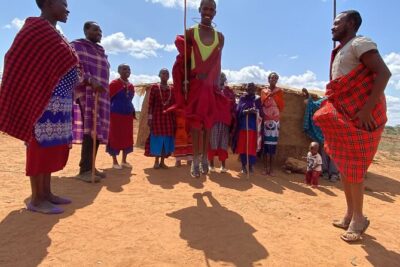


Day Trip: Amboseli National Park & Maasai Village – Nairobi
Read our review →
Day Trip to Maasai Mara Reserve & Maasai village
Read our review →
3days/2nights group joining Masai Mara with Masai Village Visit
Read our review →
Kenya: Maasai Village Visit with Traditional Dance Show
Read our review →Browse the lists this tour appears in