
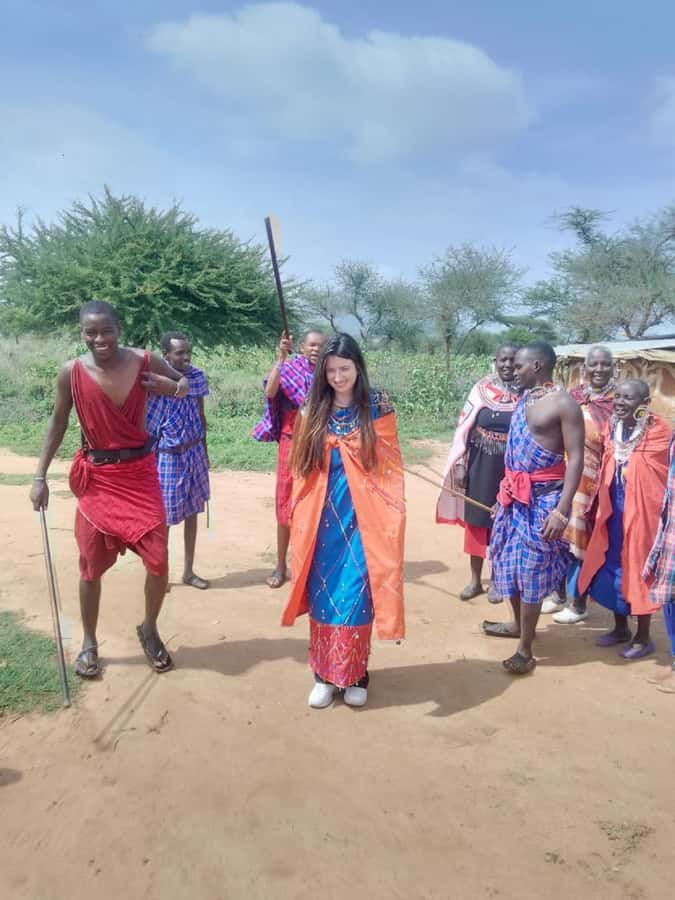
Reviewed · MAASAI VILLAGE VISITS
From Nairobi: Masai Tribe Village Visit
The red robes are only the beginning. This Nairobi day trip gives you a close look at Maasai daily life, from cooking and beadwork to caring for goats and cattle. I like the chance to meet people in their homes rather than only seeing Maasai culture from a safari vehicle, and I like that hotel pickup, transport, and a driver-guide are included.
I also appreciate the hands-on parts, especially learning how women prepare meals, weave necklaces and wristbands, and milk goats. The main caution is value and clarity: the village visit may take only one or two hours within an advertised eight-hour day, and the separate admission fee needs to be confirmed before you set out.
In This Review
- Key points to know before you book
- The road out of Nairobi
- Entering a traditional Maasai village
- Cooking with Maasai women
- Beads, necklaces, and wristbands
- Learning to milk goats and care for animals
- Singing, jumping, and the public welcome
- The USD 52 price and the extra admission fee
- Who will enjoy this most
- Practical ways to improve your day
- Should you book the Maasai village visit?
- FAQ
- How much does the Maasai village tour cost?
- What is included in the price?
- Is lunch included?
- How long does the experience last?
- What activities can I do in the Maasai village?
- What should I bring?
- Which languages are available?
- Can I cancel the booking?
Key points to know before you book
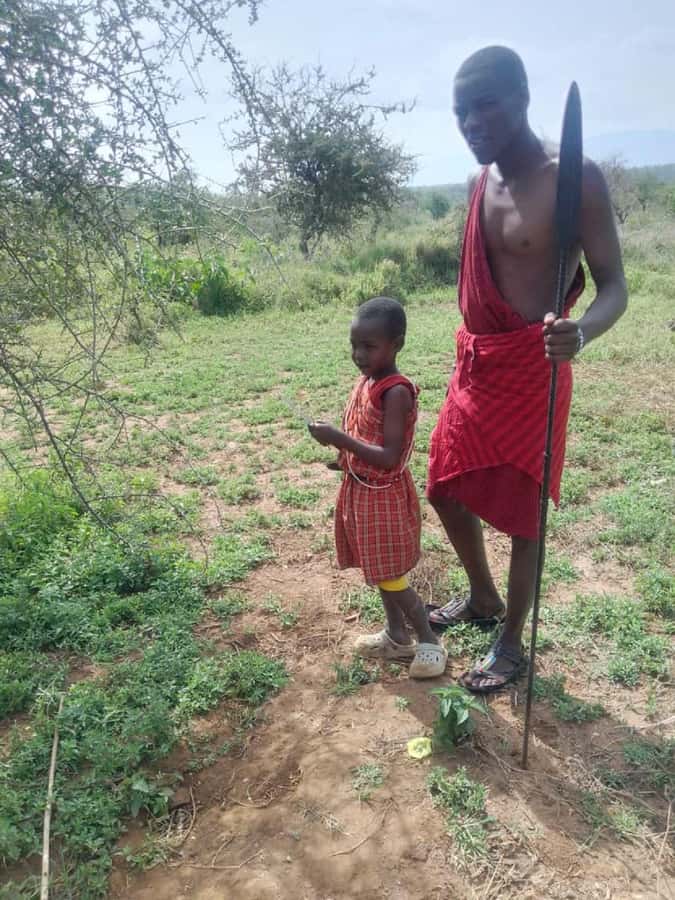
- Maasai culture is the focus: You visit a local community and hear stories about customs preserved across generations.
- Hands-on activities matter: Cooking, beadwork, and goat milking give the visit more substance than a short photo stop.
- Expect a long day from Nairobi: The overall experience is listed as eight hours, with coffee and lunch stops along the way.
- Admission costs extra: The listed village entry fee is USD 30 per person, separate from the USD 52 tour price.
- Bring your passport or ID: An identity document is required for the activity.
- Allow room for a simple visit: The cultural presentation can be brief, so this suits curious visitors who value personal contact over a large performance.
The road out of Nairobi
This is a full-day outing from Nairobi, even though the actual time inside the Maasai community can be much shorter. Your package includes hotel pickup and drop-off, an air-conditioned vehicle, and a driver-guide, so you do not need to arrange a separate taxi or public transport connection.
The drive is part of the experience, but do not expect a tightly narrated sightseeing tour every minute of the way. The quality of the day depends heavily on your driver-guide. Some visitors have had friendly guides who explained the area and looked after them well. Others found the pickup quiet and confusing, with no clear introduction, no estimate of the driving time, and little explanation of the places along the route.
I would ask three questions at the start: the guide’s name, the name of the community you are visiting, and how long the drive will take. That small conversation can prevent the outing from feeling like a simple cab ride.
A coffee stop is included, and there is time for lunch at your own expense. The exact restaurant and menu are not specified, so carry some Kenyan shillings as well as a payment card. Lunch is not part of the USD 52 price.
More Maasai village visits:
- Nairobi: Day Tour to Amboseli National Park & Maasai Village
★ 4.5 · 310 reviews - Masai village Day Tour Experience
★ 5.0 · 284 reviews - Maasai Village Experience Day Tour
★ 5.0 · 72 reviews
Entering a traditional Maasai village
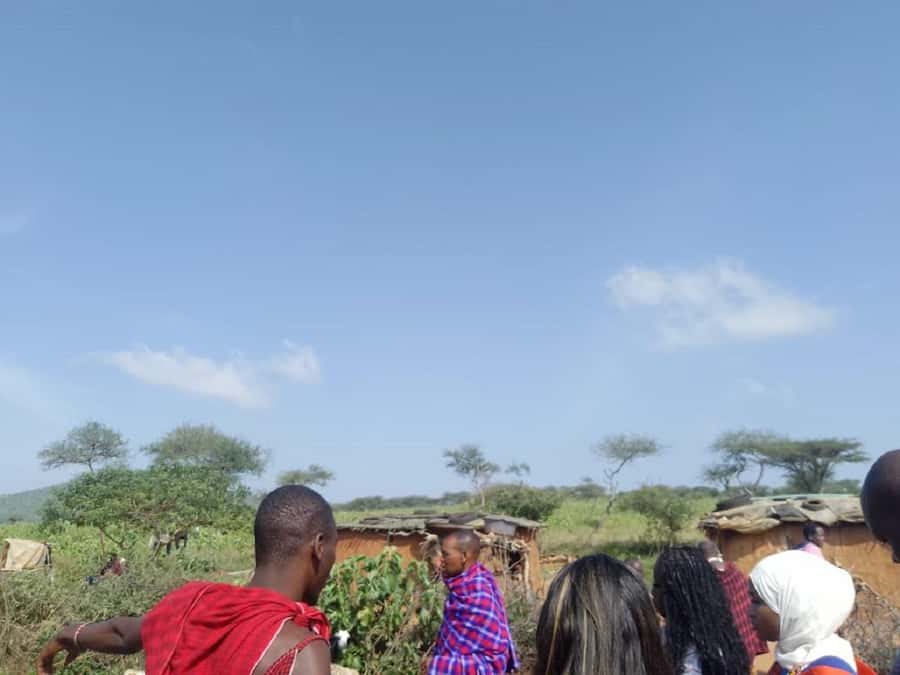
The heart of the outing is the visit to a local Maasai community. You will have a chance to meet people at their homes and hear explanations about customs that have been preserved for decades.
The Maasai, also spelled Masai, are an East African people who mainly live in southern Kenya and northern Tanzania. They speak the Maasai language and are widely known for pastoral traditions centered on cattle and other livestock. Their history is also tied to warrior societies and the need to protect grazing territory.
That background helps you understand why cattle are so important. This is not just a lesson about colorful clothing, singing, or jumping. It is a look at a community whose social life and economy grew around animals, family, land, and movement.
The Maasai migrated south into this part of East Africa in the 16th and 17th centuries. By the time European observers wrote about them, their cattle-herding skills and warrior traditions were already well established. The Rift Valley grasslands played a major role in their history, and the Maasai Mara game reserve takes its name from the people who still live across this wider region.
You should approach the visit with respect and curiosity. The community is not a museum exhibit, and the people you meet are not there simply to perform for a camera. Listen first, ask polite questions, and remember that a short visit can only show part of a much larger culture.
Cooking with Maasai women
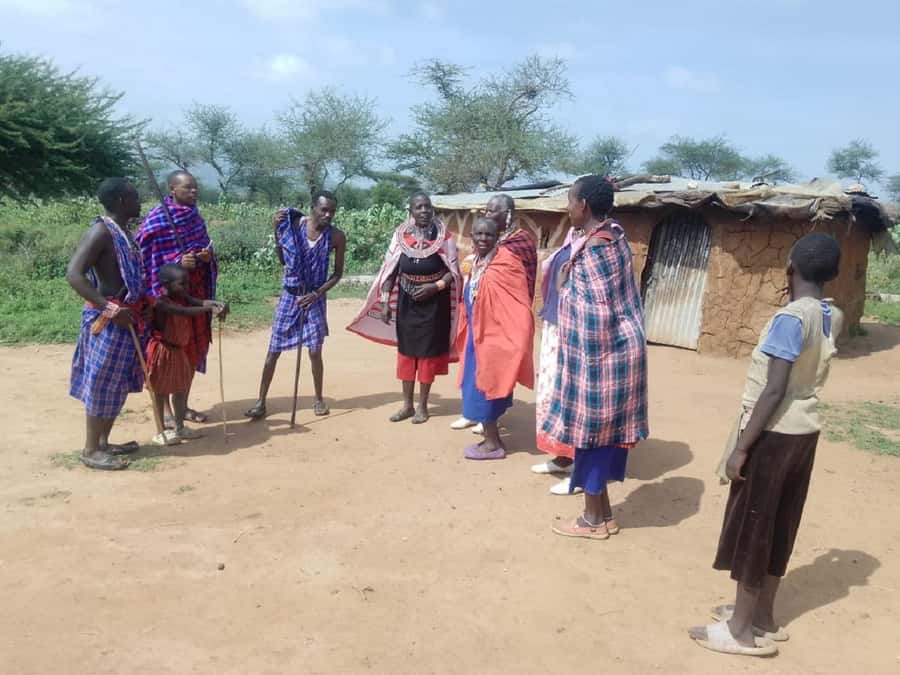
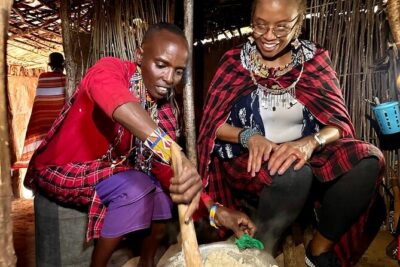
One of the more useful parts of the visit is learning how Maasai women prepare food. You may see how ingredients are handled, how meals are cooked, and how food preparation fits into community life.
This activity gives you something that a staged dance cannot: a view of ordinary work. Cooking connects family life, local resources, time, and tradition. You may not leave with a full cooking lesson or a recipe book, but you should come away with a better sense of the daily tasks that hold a household together.
The information provided does not promise that you will eat the food prepared during the demonstration. Food and drinks are not included in the tour price, so do not assume that the cooking activity replaces lunch.
I would treat this as a cultural demonstration rather than a formal cooking class. If you want more detail, ask what ingredients are being used, who usually prepares the meal, and how the process changes for special occasions. A few thoughtful questions can turn a short demonstration into a much better conversation.
Beads, necklaces, and wristbands

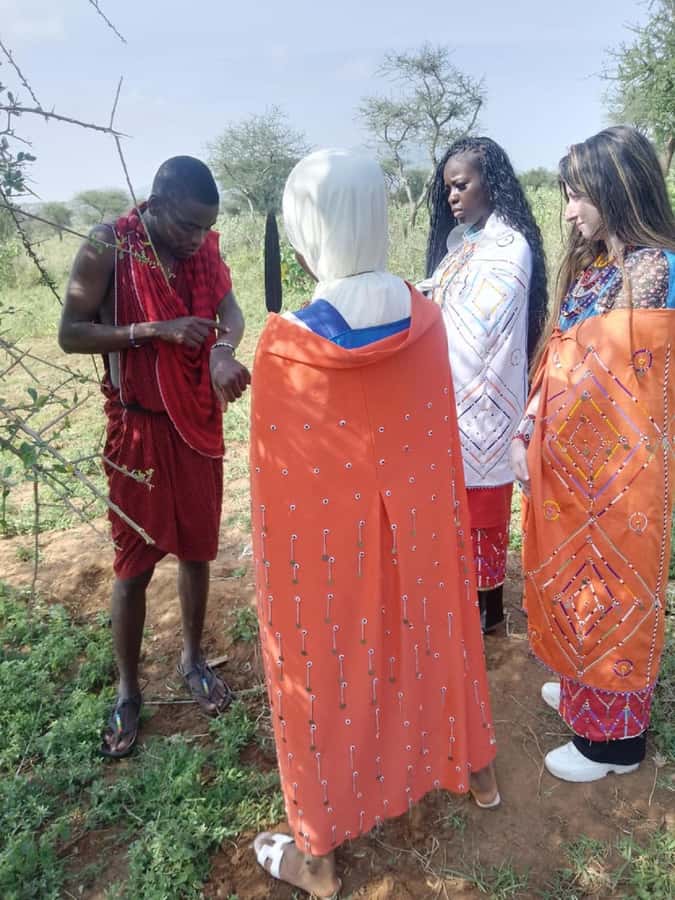
The beadwork session is another practical way to connect with local skills. You may see women weave necklaces and wristbands, and you will have the chance to examine or purchase accessories made by the community.
These pieces are more than generic souvenirs. Beadwork is an important form of Maasai craft, and buying directly can give you a way to support the people you have met. Still, keep your expectations realistic. The souvenir item may be the accessory itself, not a professional photographer’s picture package.
This distinction matters because the tour information refers to souvenir photos, while the actual experience can involve purchasing handmade beadwork. If you are hoping for someone to take portraits and sell you printed images, ask your guide before the visit.
Bring Kenyan shillings if you would like to buy something. One practical tip is to decide in advance what you can spend, then choose one item you genuinely like. That keeps the purchase personal rather than turning the visit into a rushed sales exchange.
A few more options to weigh up in Nairobi
- Nairobi National Park Half-Day Tour; Free Wi-Fi connection
★ 5.0 · 878 reviews - Nairobi: National Park & Optional Elephants & Giraffe Center
★ 4.8 · 874 reviews - NAI NAMI: Nairobi Storytelling Tour with Street Children
★ 5.0 · 792 reviews - Nairobi National Park Half-Day Game Drive
★ 4.5 · 738 reviews
Learning to milk goats and care for animals
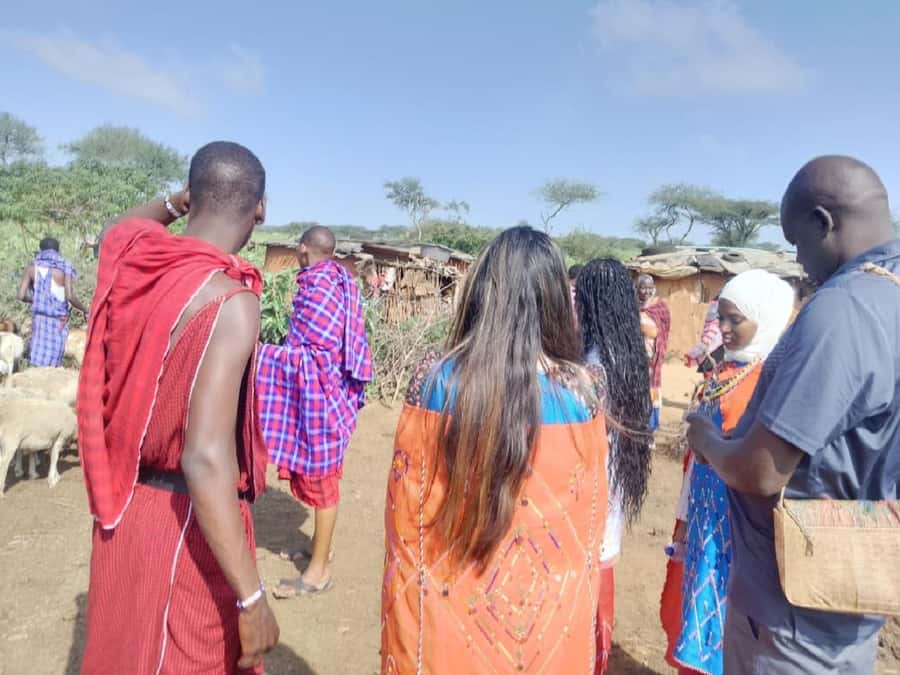
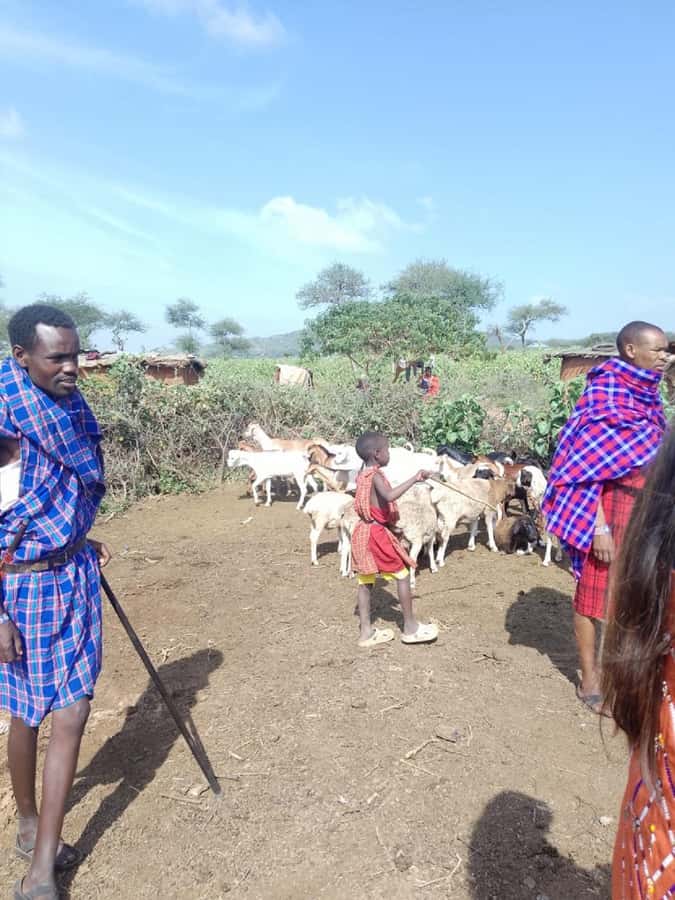
You may also learn how to milk goats. This is a small activity, but it gives you direct contact with the pastoral side of Maasai life.
The experience is valuable because it links the broader cultural story to a simple daily task. The Maasai are famous for cattle herding, yet goats and other animals are also part of life in the community. Handling an animal, listening to instructions, and seeing how livestock fit into a household can make the history easier to understand.
The information does not promise a long animal-care session, so think of this as a short practical lesson rather than a farm visit. The same applies to other activities described as part of the community experience. The schedule may move quickly, especially if the village portion is closer to one or two hours.
Singing, jumping, and the public welcome
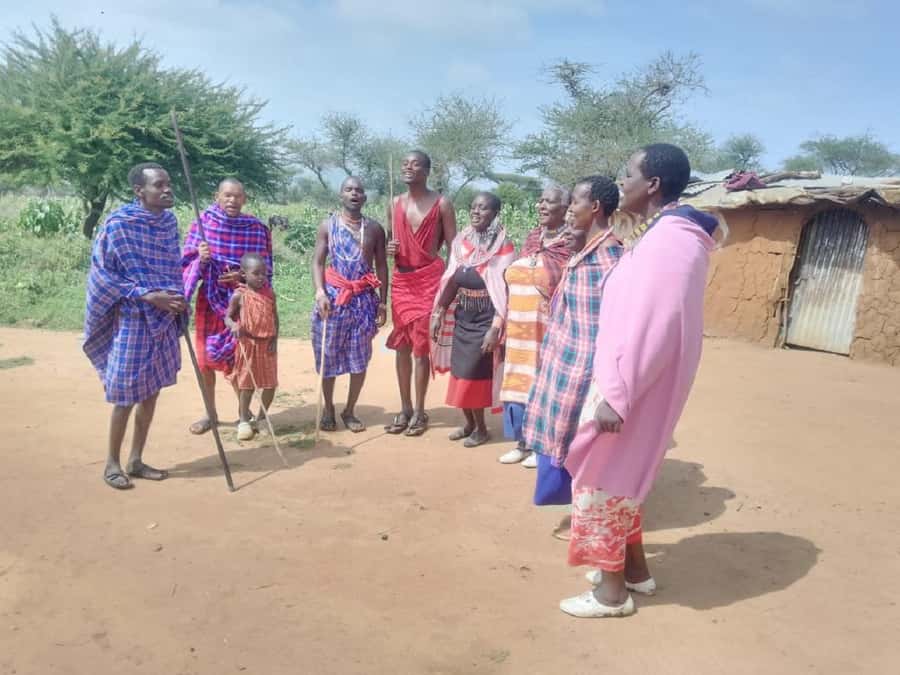
The best-known Maasai performance is the group of young men and women singing and jumping. This may be included as part of your welcome or cultural presentation.
It can be a memorable moment, but it should not be the only reason you book. The jumping is famous because it reflects strength, rhythm, group identity, and the public role of Maasai warriors. Seeing it in person gives you a chance to connect a familiar image with the people and customs behind it.
At the same time, the performance may not be as long or elaborate as the promotional photos suggest. Some visitors have expected a larger presentation and felt disappointed when the visit was basic or the jumping did not happen in the way they imagined.
My advice is simple: treat the singing and jumping as one part of the visit, not the whole product. If this is your priority, ask directly at the start whether it is planned that day. That is especially important because the experience can vary in how much time is given to each activity.
The USD 52 price and the extra admission fee
The tour costs USD 52 per person. That includes hotel pickup and drop-off, transport in an air-conditioned vehicle, a driver-guide, and the Maasai village experience.
For a private taxi-style ride to a cultural site, that price may seem reasonable, particularly if you are traveling alone or want door-to-door service. The value improves if your driver gives useful explanations and the village visit includes several activities rather than a quick greeting.
The separate entry fee is the key issue. The stated amount is USD 30 per person, and it is not included in the tour price. Food, drinks, and purchases are also extra, so the real cost is higher than USD 52.
There has been confusion about the admission amount, with USD 20 appearing in some information and USD 30 being requested at the time of the visit. Confirm the current fee before departure and ask who collects it and where it goes. That is a fair question, especially because the visit is presented as support for a local community.
At the higher total cost, you should expect clear communication and a meaningful village visit. If the guide is silent and the community portion is very short, the value becomes weak. If you receive a warm welcome, useful cultural explanations, and time for cooking, crafts, animals, and questions, the price is easier to justify.
Who will enjoy this most
I would recommend this outing to you if you want a direct cultural meeting during a Nairobi stay. It suits first-time visitors who want to learn about the Maasai beyond the familiar images of red clothing and jumping dances.
It is also a good fit if you enjoy small, practical activities. Milking a goat, watching beadwork, and seeing food preparation may be more meaningful to you than another standard city attraction.
Families and curious older children may enjoy the variety, though the information provided does not specify age limits or child arrangements. Ask the provider if you are traveling with young children.
You may not enjoy it if you want a polished, long-form cultural show with a fixed timetable. It may also disappoint you if your main goal is photography, since the souvenir option appears to involve handmade accessories rather than a dedicated photographer.
Finally, this is not a substitute for a safari. You are learning about people and community life, not searching for wildlife. The Maasai Mara connection is historical and cultural, but this outing does not include a game drive.
Practical ways to improve your day
Start by confirming the admission fee and the expected length of the village visit. Ask if the singing and jumping presentation is planned, and clarify whether photographs are included or simply available as souvenir purchases.
Carry your passport or ID card, as requested. Bring money for lunch, coffee, the USD 30 admission fee, and any beadwork you may wish to buy.
Wear clothes that are comfortable for a full day and suitable for a community visit. Nothing in the provided details requires special clothing, but modest, practical dress is a sensible way to show respect.
Use the drive to ask questions. The experience is offered in English, Swahili, and French, so language should not be a major problem if you confirm your preferred language in advance.
The booking terms are flexible: you can reserve now and pay later, and cancellation is allowed up to 24 hours ahead for a full refund. Keep those options in mind if your Nairobi schedule is still changing.
Should you book the Maasai village visit?
Book it if you want a personal introduction to Maasai culture and you are happy with a simple, community-based visit. The strongest parts are the direct contact, the cooking and beadwork demonstrations, and the chance to try a small task such as goat milking.
I would book with realistic expectations and a few questions ready. Confirm the extra admission charge, ask how long you will spend in the village, and find out what the driver-guide will explain along the way.
If you need a long, highly structured cultural program, this may feel too basic for the total cost. If you value conversation, local crafts, and a glimpse of everyday life, it can be a worthwhile addition to a Nairobi trip.
FAQ
How much does the Maasai village tour cost?
The tour price is USD 52 per person. A separate village entry fee of USD 30 per person is listed, so admission is not included in the advertised tour price.
What is included in the price?
The price includes hotel pickup and drop-off, transport in an air-conditioned vehicle, a driver-guide, and the Maasai village experience.
Is lunch included?
No. The tour provides time for lunch, but food and drinks are at your own expense. There is also a coffee stop.
How long does the experience last?
The tour is advertised as an eight-hour experience from Nairobi. The time spent inside the village may be shorter, with one account describing roughly one to two hours there.
What activities can I do in the Maasai village?
You may learn how Maasai women prepare and cook food, watch or try beadwork, learn to milk goats, hear cultural stories, and see young men and women sing and jump.
What should I bring?
Bring your passport or ID card. You should also carry money for the entry fee, lunch, drinks, and optional beadwork purchases.
Which languages are available?
The experience is available in English, Swahili, and French.
Can I cancel the booking?
You can cancel up to 24 hours in advance for a full refund. The reserve-now, pay-later option also lets you keep your plans flexible.
Just added in Nairobi
- Wildlife Capital: Half-Day Safari at Nairobi National Park★ 5.0 · 2 reviews
- 3 days maasai mara migration safari★ 4.5 · 7 reviews
- 4 Days Tour Landcruiser in Masai Mara and Lake Nakuru★ 5.0 · 10 reviews
- 4 Days Safari to Lake Nakuru N/P and Maasai Mara N/R★ 5.0 · 18 reviews
- Day Tour to Nairobi national park, Elephants, and Giraffe Center★ 3.5 · 8 reviews
- 6 Days Kenya Budget Group Safari★ 5.0 · 2 reviews
- Maasai Mara Day Trip★ 5.0 · 15 reviews
- 3 Days Masai Mara Wildebeest migration Budget safari★ 5.0 · 2 reviews
Maasai Village Visits, compared.

Day Tour to Amboseli National Park & Maasai Village
Read our review →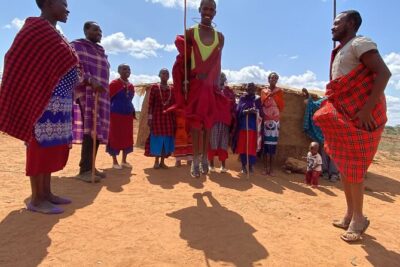

Day Trip: Amboseli National Park & Maasai Village – Nairobi
Read our review →
Day Trip to Maasai Mara Reserve & Maasai village
Read our review →
3days/2nights group joining Masai Mara with Masai Village Visit
Read our review →
Kenya: Maasai Village Visit with Traditional Dance Show
Read our review →Browse the lists this tour appears in