
Reviewed · MAASAI VILLAGE VISITS
From Nairobi: Maasai village and cultural experience
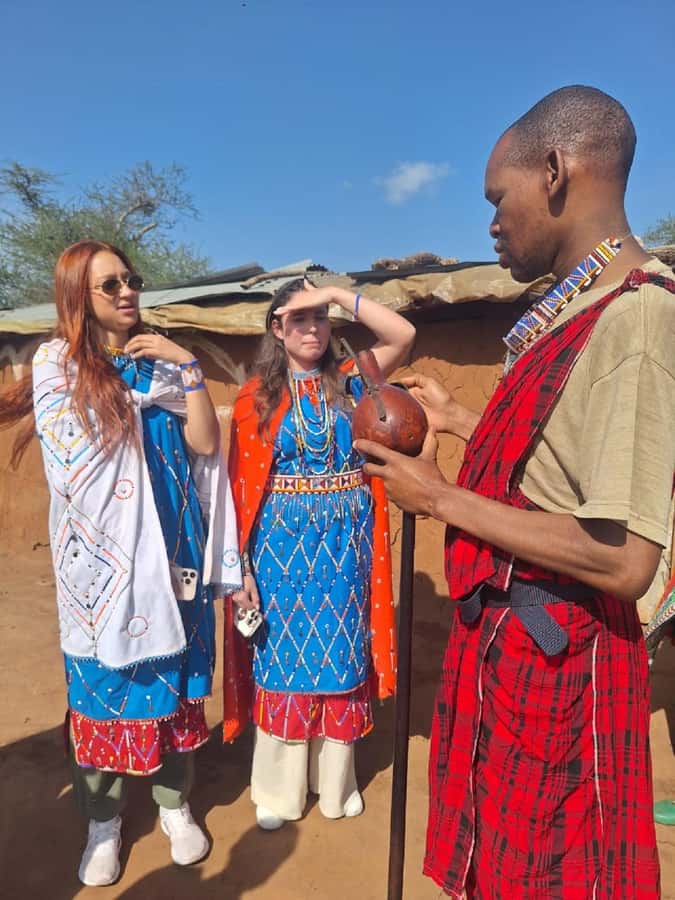
Meet Kenya beyond the city. This half-day outing takes you from Nairobi to Bisil, near Kajiado, for songs, dancing, a homestead visit, fire making, and a close look at Maasai customs. I like the traditional welcome and the chance to enter a real manyatta rather than simply watch a staged performance from a distance. I also like the direct contact with Maasai women, whose beadwork gives you something beautiful and meaningful to examine.
The main thing to watch is the price. The tour costs $50 per person, but entry fees and a Maasai guide cost an additional $30 per person. That brings the basic total to about $80 before food, drinks, or purchases. You should also expect a busy half-day, with driving from Nairobi taking a good part of the 5 to 6 hour schedule.
In This Review
- Key points to know before you go
- From Nairobi to Bisil by air-conditioned vehicle
- A Maasai welcome with song, movement, and adumu
- Walking through a manyatta
- Fire making the old-fashioned way
- Beadwork, color, and conversation with Maasai women
- What the $50 price really covers
- Private and small-group options
- Who will enjoy this experience most?
- Practical advice for a smoother visit
- Should you book this Maasai village visit?
- FAQ
- How long does the Maasai village experience last?
- Where does the tour go?
- Is pickup from Nairobi included?
- Is transportation provided?
- What language is the tour conducted in?
- Is the Maasai guide included in the $50 price?
- Are food and drinks included?
- Can I buy Maasai jewelry during the visit?
- Is the experience wheelchair accessible?
- Can I cancel the booking?
Key points to know before you go
- The adumu jumping dance opens the experience with real energy, as Maasai warriors welcome you through song and movement.
- Bisil gives you a direct village setting, where you can walk among manyatta homes and see how mud-thatched houses are made.
- The fire-making demonstration connects daily life with old skills, using traditional methods rather than a museum display.
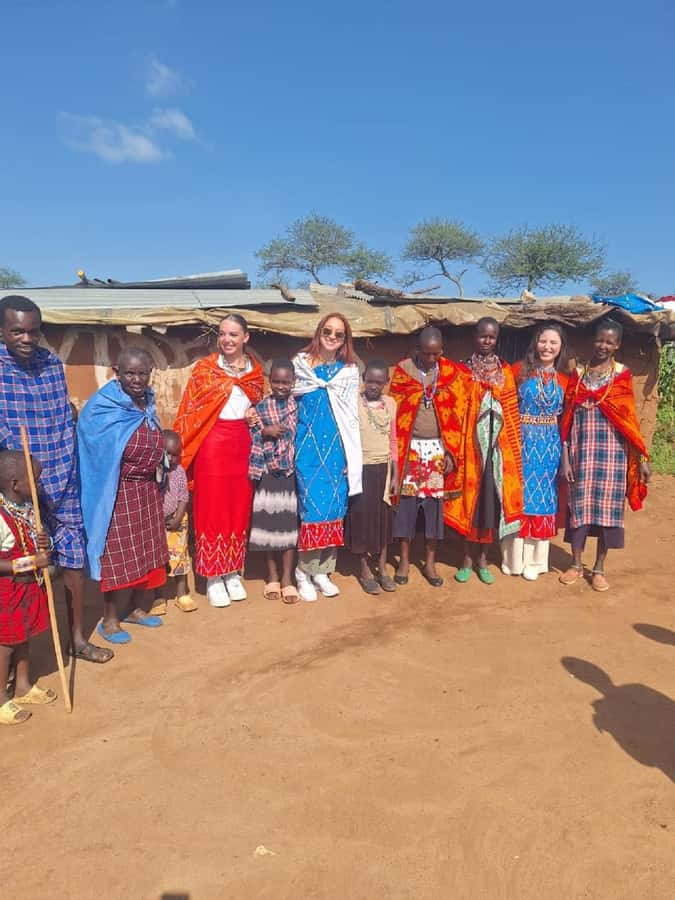
- Maasai beadwork carries meaning, with colors linked to identity and tradition, not just decoration.
- The $50 headline price is not the full cost, since entry and a Maasai guide add $30 per person.
- A private or small-group format is available, which can make questions and conversation easier.
From Nairobi to Bisil by air-conditioned vehicle
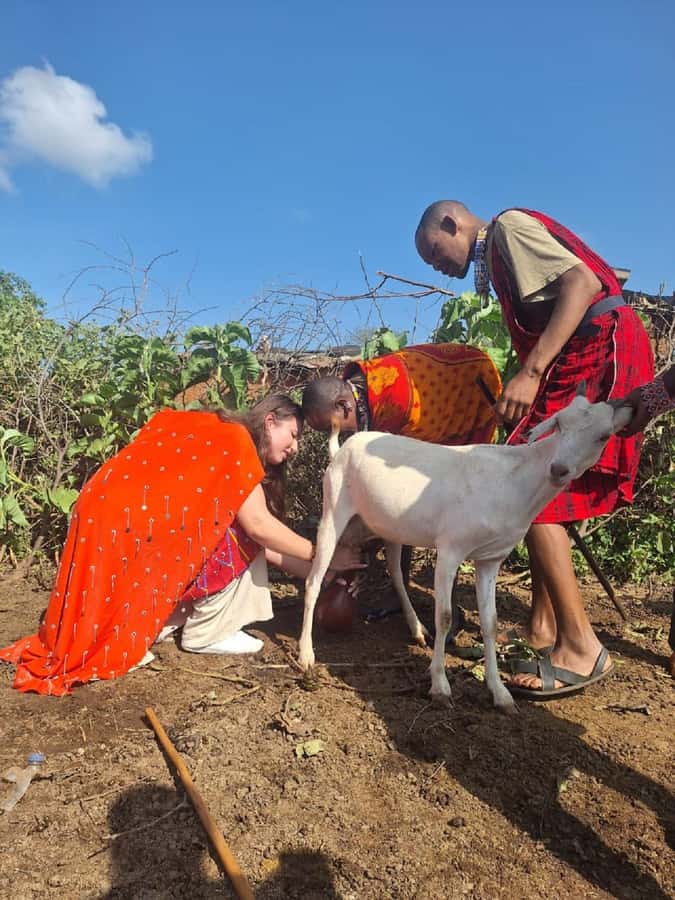
Your day begins with pickup from your selected location in Nairobi. Airport pickup is also included, which is useful if you are working around an arrival or departure day. The driver and guide take you south toward Bisil in Kajiado County, with scenic views along the way and the possibility of some off-road driving near the village.
The drive matters here. This is not a city attraction with a few Maasai costumes added for atmosphere. You are leaving Nairobi and heading toward a community where the visit centers on homes, cattle, family life, craft, and shared customs. The changing views help make the journey part of the experience, although you should not expect every minute to be filled with commentary or activity.
The vehicle is air-conditioned, and bottled water is included. That makes the outing easier in Kenya’s heat, especially if you are not used to spending several hours on the road. Food and drinks are not included, so eat before departure or plan accordingly. Alcoholic drinks may be available for purchase, but they are not part of the tour.
Since the start time depends on availability, check the departure option carefully before booking. A 5 to 6 hour trip can fit neatly into a Nairobi schedule, but traffic and road conditions can affect how much time you spend at the village itself.
More Maasai village visits:
- Nairobi: Day Tour to Amboseli National Park & Maasai Village
★ 4.5 · 310 reviews - Masai village Day Tour Experience
★ 5.0 · 284 reviews - Maasai Village Experience Day Tour
★ 5.0 · 72 reviews
A Maasai welcome with song, movement, and adumu
Arrival at Bisil begins with a traditional welcome. Songs and dances set the tone, followed by the famous adumu, often called the Maasai jumping dance. Maasai warriors perform the movement as part of the greeting, and the scene gives you an immediate sense of how ceremony, pride, and community come together.
I like this opening because it is not just an introduction from a guide standing beside a vehicle. The welcome uses sound and movement to bring you into the setting. You are seeing a living form of expression rather than reading a paragraph about Maasai customs on a signboard.
At the same time, keep your expectations sensible. A cultural visit like this is organized for visitors, so the welcome is prepared. That does not make it meaningless, but it does mean you should approach it respectfully and avoid treating the dance as a quick photo opportunity. Watch first, listen, and ask before taking close photographs.
The English-speaking village chief explains the customs and answers questions in clear English. That is a valuable part of the visit. You are not left to guess what a movement or object means, and you can ask about the details that interest you most.
Walking through a manyatta
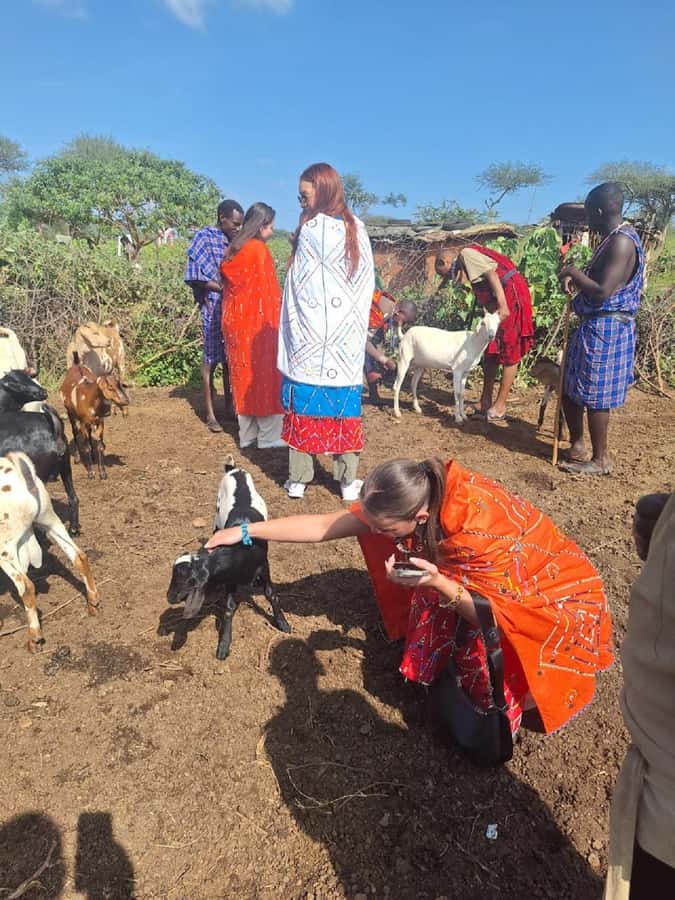
After the welcome, you are guided through the homesteads. A manyatta is a Maasai settlement, and this visit focuses on seeing how the homes are built and how the community is arranged.
The houses use mud and thatch, with construction based on materials and methods passed down through generations. Seeing the structure in person gives you a better understanding than simply hearing that Maasai homes are traditional. You can look closely at the building style and learn how local resources become practical shelter.
This part of the experience is likely to appeal most to people who enjoy ordinary details. The important question is not only what the houses look like, but what they reveal about adaptation, family life, and the relationship between people and their surroundings. Your guide can connect the buildings to the wider Maasai way of life.
You should also remember that a manyatta is a home, not a theme-park set. Walk where you are led, listen to instructions, and ask permission before entering private spaces or photographing people. The quality of the visit depends partly on how willing you are to treat the community as a community, not as scenery.
The walk may include uneven ground and off-road sections. The experience is listed as wheelchair accessible, but the exact ease of moving through the homesteads can depend on the conditions at the time. If you use a wheelchair, it is wise to confirm the village route and vehicle arrangements before you pay.
Fire making the old-fashioned way
The warriors demonstrate how to make fire using traditional methods. It is a small activity, but it can be one of the clearest ways to see practical knowledge in action.
Modern visitors often think of fire making as a survival trick. Here, it is better understood as part of a wider set of skills connected with daily life, shelter, cooking, warmth, and self-reliance. The demonstration shows patience and technique, and it gives the guide a natural way to explain how Maasai traditions have been carried forward.
I would pay attention to the sequence rather than waiting only for the final spark. The point is not just whether the fire starts. Watch the materials, the hand movements, and the shared concentration around the demonstration. Those details help you understand why these skills matter.
The activity also gives you a good chance to ask questions. The tour includes a live English-speaking guide, and the Maasai guide is an important part of the visit. Remember that the Maasai guide fee is separate from the advertised $50 tour price.
A few more options to weigh up in Nairobi
- Nairobi National Park Half-Day Tour; Free Wi-Fi connection
★ 5.0 · 878 reviews - Nairobi: National Park & Optional Elephants & Giraffe Center
★ 4.8 · 874 reviews - NAI NAMI: Nairobi Storytelling Tour with Street Children
★ 5.0 · 792 reviews - Nairobi National Park Half-Day Game Drive
★ 4.5 · 738 reviews
Beadwork, color, and conversation with Maasai women
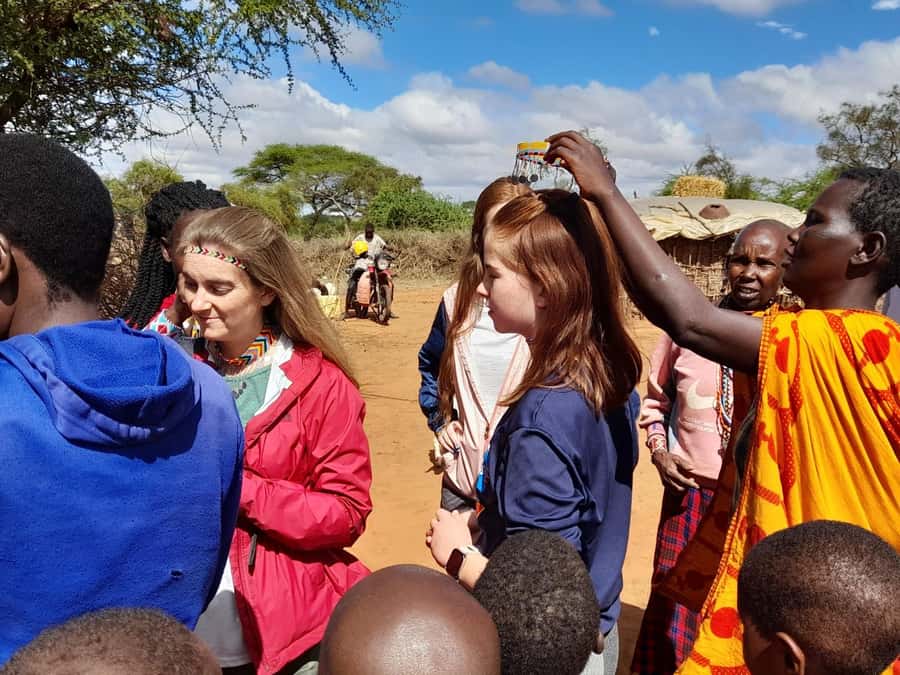
The visit includes time with Maasai women, who display handcrafted beadwork and jewelry. You can browse necklaces, bracelets, and other pieces, with each color carrying a particular meaning connected to Maasai identity and tradition.
This is more than a shopping stop if you take the time to look carefully. Ask about the colors, the patterns, and the work involved in making each piece. You may find that the jewelry becomes a way to understand ideas about community and identity rather than simply a souvenir.
Buying directly also gives the craft section a practical purpose. The supplied price details do not specify the cost of individual items, so bring cash if you want to purchase something. The tour specifically lists cash as one of the things to bring, and cards may not be useful in the village.
A fair approach is to treat the beadwork as handmade art rather than bargain-bin merchandise. If you like a piece, ask about its meaning and agree on the price clearly before completing the purchase. The interaction can be one of the warmest parts of the day, especially if you are curious and willing to have a real conversation.
What the $50 price really covers
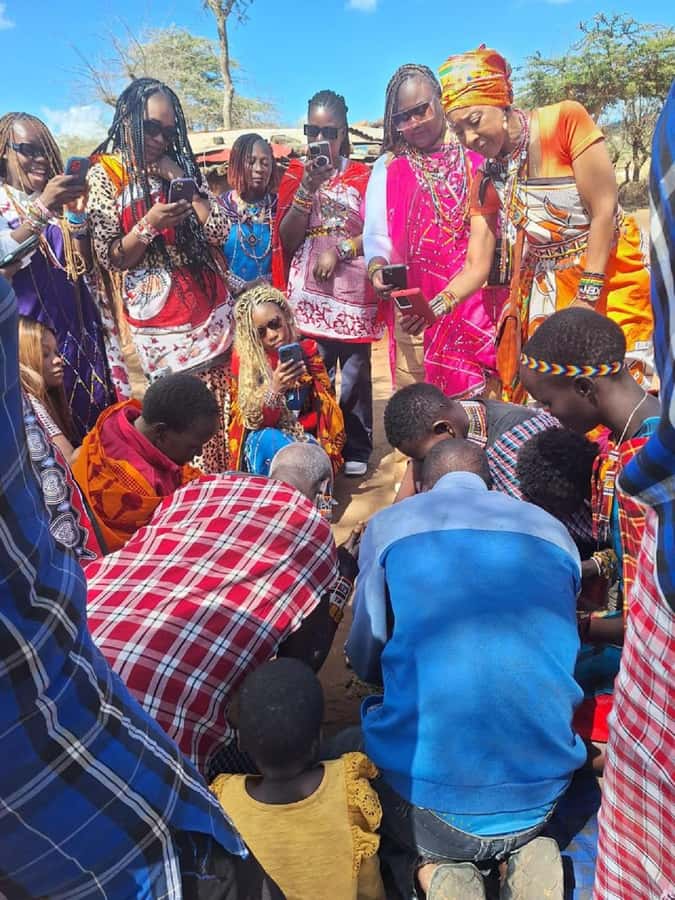
At first glance, $50 per person looks like a modest price for transport from Nairobi, a guide, bottled water, and a cultural visit. It becomes less simple once you add the $30 per person for entry fees and the Maasai guide. Your basic cost is therefore approximately $80 per person, before food, drinks, and beadwork.
That total can still be fair, particularly if you value private or small-group transport and a direct village visit. An air-conditioned vehicle, hotel or airport pickup, a driver-guide, and several hours of access to the community make this more than a simple transfer.
The value depends on your priorities. If you want the lowest-cost way to see a performance, this may not be the right choice. If you want transport from Nairobi, interpretation in English, a manyatta walk, fire making, dancing, and time with local artisans in one outing, the package makes more sense.
Ask for a clear breakdown of the extra $30 before departure. You want to know exactly how the entry fee and Maasai guide charge will be handled. Clear pricing is especially important because food, drinks, alcohol, and purchases are not included.
Private and small-group options
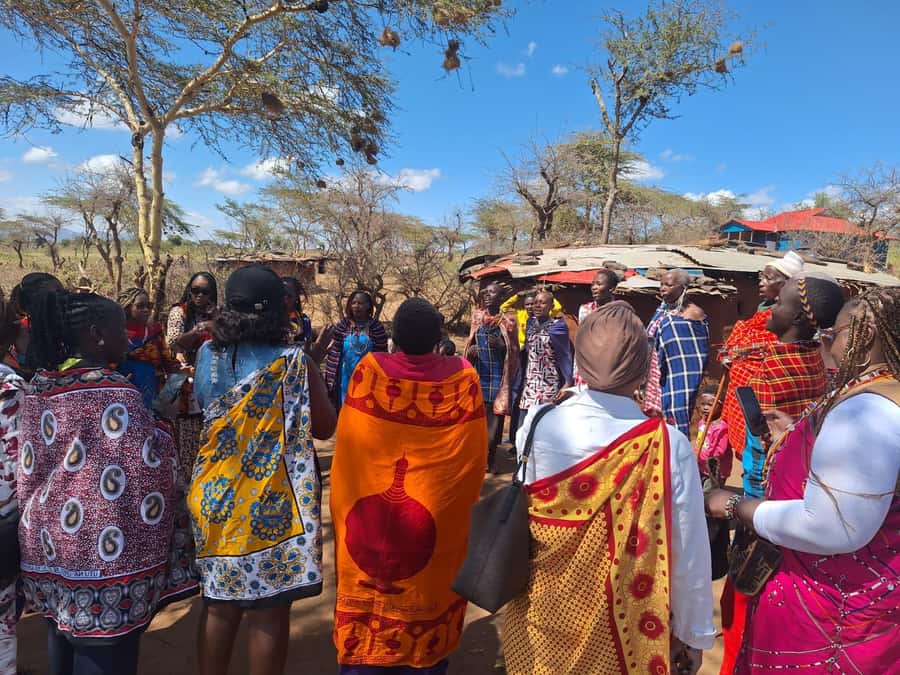
Private and small-group formats are available. That choice can shape the day more than the headline attractions do.
A private visit may suit you if you want to ask many questions, take your time around the homes, or coordinate the pickup closely with a flight or hotel schedule. A small group can offer similar benefits while keeping the price and social feel more manageable.
The information provided does not give a maximum group size, so check the selected option before booking. A larger group could make the welcome feel less personal and may limit the time you have with the Maasai women or the village guide.
The English-language guiding is useful for anyone who wants context rather than a silent transfer. One particularly positive detail is that the village chief explains the community in fluent English. You can expect that direct explanation to add substance to the dancing and demonstrations.
Who will enjoy this experience most?

I would recommend this trip to you if you want a cultural activity that fits into one Nairobi day and does not require a multi-day safari. It suits first-time visitors to Kenya who want to meet Maasai hosts, learn about their customs, and see a village setting beyond the capital.
Families may appreciate the mix of movement, stories, building methods, fire making, and craft. Children can find the jumping dance and fire demonstration memorable, though adults should help them behave respectfully around homes and people.
The tour also suits photographers, provided you ask before taking pictures and understand that a community visit requires more care than photographing an empty monument. The beadwork offers strong visual interest, while the manyatta and road views give you a sense of place.
It may be less suitable if you dislike driving, want a long wildlife safari, or prefer an attraction with a fixed indoor schedule. This is a road-based cultural visit, and the amount of time available in the village depends partly on the journey from Nairobi.
Practical advice for a smoother visit
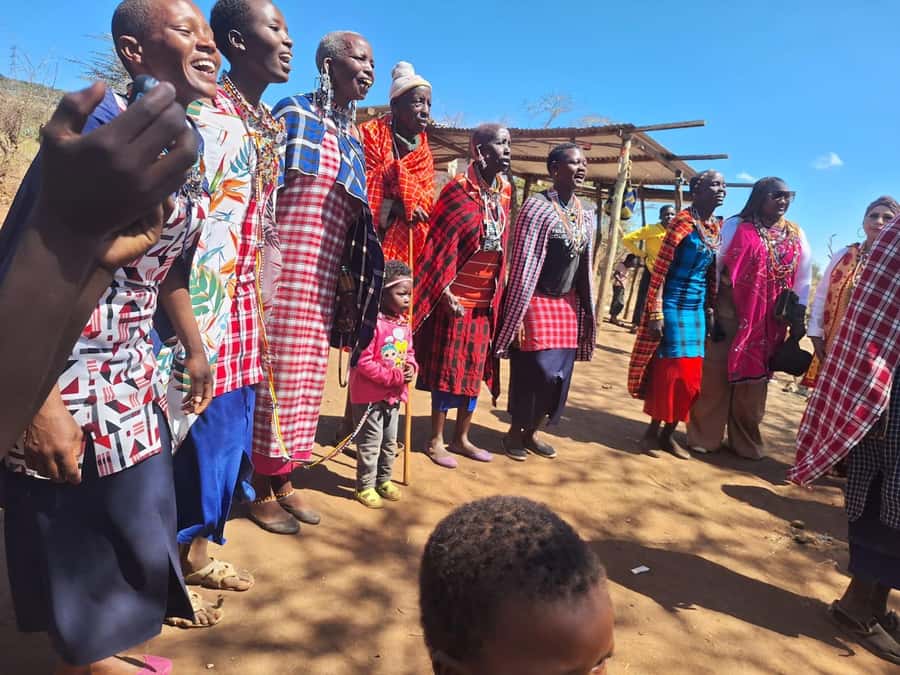
Bring cash. You may need it for the additional Maasai guide and entry charges, and you will want it if you decide to buy beadwork or jewelry.
Wear practical clothing and shoes suitable for walking and possible off-road conditions. The supplied information does not specify a dress code, but respectful clothing is sensible when visiting homes and meeting community members.
Carry water even though bottled water is included. Food and drinks are not included, so start the day prepared. If your schedule is tight, allow room for the return drive to Nairobi rather than arranging an important commitment immediately after the stated end time.
Use the cancellation flexibility if your plans are uncertain. You can cancel up to 24 hours before the activity for a full refund, and the reserve-now, pay-later option lets you hold a place without paying immediately. Check availability for the exact starting time.
The experience has a 4.7 rating from four reviews, including a verified booking from Aliya of Saudi Arabia dated January 25, 2026. Her strongest praise was for the charm of exploring the village, the Maasai way of life, and the village chief’s clear English explanation. That matches the central strength of the outing: direct contact supported by interpretation.
Should you book this Maasai village visit?
Book it if you want an accessible half-day introduction to Maasai culture from Nairobi, and if you are happy to pay the extra $30 for entry and a Maasai guide. The welcome dance, manyatta walk, fire-making demonstration, and beadwork visit create a well-rounded experience in a short time.
Skip it if you are looking only for wildlife, a very cheap outing, or a completely unstructured local visit. The schedule is organized, the journey takes time, and the $50 price is not the final cost.
For the right visitor, this is a thoughtful way to spend part of a Nairobi stay. Go with cash, patience, respectful curiosity, and enough time for the road. You will get far more from the day if you pay attention to the people and their explanations, not only the photographs.
FAQ
How long does the Maasai village experience last?
The experience lasts approximately 5 to 6 hours, including the journey from Nairobi and the return to Nairobi.
Where does the tour go?
The tour travels from Nairobi to Bisil in Kajiado County, where you visit a Maasai village and homesteads.
Is pickup from Nairobi included?
Yes. Pickup is provided from the selected starting location, and airport pickup is included.
Is transportation provided?
Yes. The tour includes an air-conditioned vehicle, a driver, and a guide. Bottled water is also included.
What language is the tour conducted in?
The live tour guide speaks English. The village chief also explains the community in English.
Is the Maasai guide included in the $50 price?
No. Entry fees and the Maasai guide cost an additional $30 per person.
Are food and drinks included?
No. Food and drinks are not included. Alcoholic drinks may be available to purchase.
Can I buy Maasai jewelry during the visit?
Yes. Maasai women display handcrafted beadwork and jewelry, and shopping is part of the experience.
Is the experience wheelchair accessible?
Yes, the activity is listed as wheelchair accessible. You should confirm the specific village route and vehicle arrangements when booking.
Can I cancel the booking?
Yes. You can cancel up to 24 hours in advance for a full refund. You can also reserve now and pay later.
Just added in Nairobi
- Wildlife Capital: Half-Day Safari at Nairobi National Park★ 5.0 · 2 reviews
- 3 days maasai mara migration safari★ 4.5 · 7 reviews
- 4 Days Tour Landcruiser in Masai Mara and Lake Nakuru★ 5.0 · 10 reviews
- 4 Days Safari to Lake Nakuru N/P and Maasai Mara N/R★ 5.0 · 18 reviews
- Day Tour to Nairobi national park, Elephants, and Giraffe Center★ 3.5 · 8 reviews
- 6 Days Kenya Budget Group Safari★ 5.0 · 2 reviews
- Maasai Mara Day Trip★ 5.0 · 15 reviews
- 3 Days Masai Mara Wildebeest migration Budget safari★ 5.0 · 2 reviews
Maasai Village Visits, compared.
Day Tour to Amboseli National Park & Maasai Village
Read our review →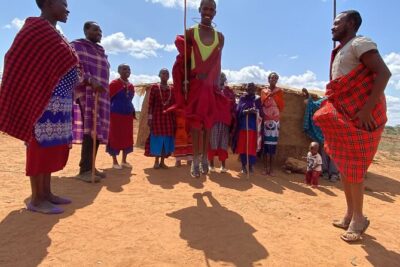



Day Trip: Amboseli National Park & Maasai Village – Nairobi
Read our review →
Day Trip to Maasai Mara Reserve & Maasai village
Read our review →
3days/2nights group joining Masai Mara with Masai Village Visit
Read our review →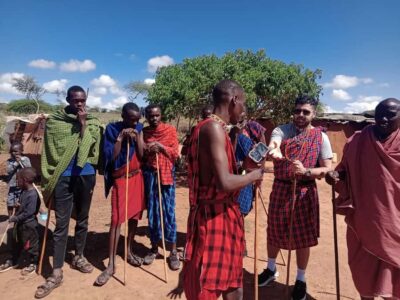
Kenya: Maasai Village Visit with Traditional Dance Show
Read our review →Browse the lists this tour appears in