Reviewed · NAIROBI TOURS
Nairobi: Volunteering with Orphans and Vulnerable Children
Small fees can support real classroom needs. This Nairobi volunteer experience links you with charity schools and orphanages serving orphans and vulnerable children. I like that the $30 booking fee helps fund meals and teacher pay, and I like that you meet Jack Williams, a social entrepreneur whose own childhood shaped this work. The main consideration is that this is not an all-inclusive outing: transport, food, drinks, and personal costs are yours to arrange.
The visit begins at Olympic Primary School, a public school in Kibera, and returns there after the program. You can interact with children and staff, help with educational activities, and learn how a local social enterprise supports community programs. I appreciate the direct, human focus, but you should be ready for walking, a simple setting, and clear rules about respectful photography and conduct.
In This Review
- Key points before you book
- Why this Nairobi visit feels different
- Meeting Jack Williams and hearing the personal story
- Starting at Olympic Primary School in Kibera
- Walking through the community and school programs
- Taking part in educational activities
- Supporting meals and teacher pay
- Photography, privacy, and respectful contact
- What the $30 price really buys
- Who will get the most from this experience
- Practical preparation for the school visit
- The main strengths and limitations
- Should you book this Nairobi volunteer experience?
- FAQ
- Where does the experience begin?
- Where does the activity end?
- Is transportation included?
- Are meals and drinks included?
- What does the booking fee help support?
- What activities can I take part in?
- Who leads the experience?
- What should I bring?
- Is photography allowed?
- Is the experience suitable for everyone?
Key points before you book
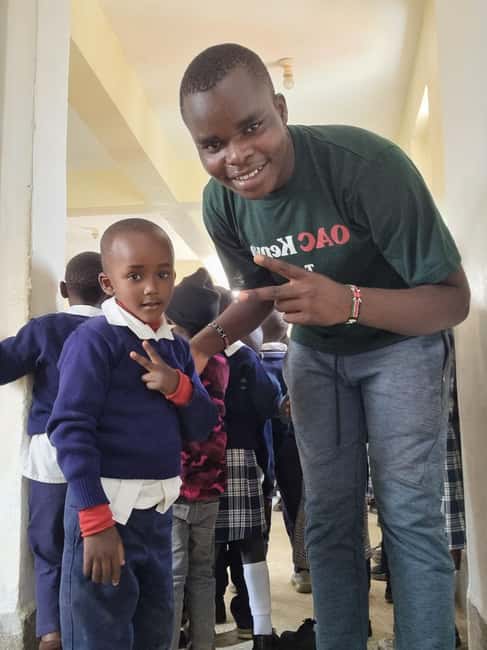
- Your $30 helps pay teachers and provide meals through school social programs.
- Meet Jack Williams, a social entrepreneur and social worker who lost both parents at age nine.
- Begin and end at Olympic Primary School in Kibera, with no transportation included.
- Take part in educational activities and interact with children and school staff.
- Bring water, sunscreen, a hat, and comfortable walking shoes for the outdoor walking involved.
- The experience is rated five stars from one review, so the rating is encouraging but based on a very small sample.
Why this Nairobi visit feels different
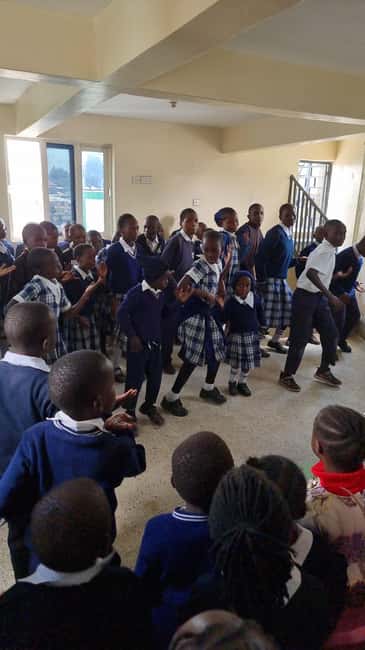
Many Nairobi tours focus on landmarks, wildlife, or food. This one asks you to spend time with a local community organization and support children through practical school programs. That gives the experience a clear purpose, but it also means you should arrive with the right expectations.
You are not booking a polished attraction with a fixed show. You are joining a community-based effort connected to education, meals, teachers, charity schools, and orphanages. The value comes from meeting the people involved and contributing to programs that need regular support.
The work is connected to OAC Kenya, also known as Tours & Crafts, a social enterprise founded in 2018. Jack also works with KCOOP, a nonprofit community-based organization founded and registered in 2022. Together, these groups link volunteers with schools and orphanages in the local community.
That structure matters. Your fee is not presented simply as payment for sightseeing. It helps support social programs, including paying teachers and providing meals. You still receive a guided visit and a chance to volunteer, but the bigger point is helping maintain a school program after your visit is over.
A few more options to weigh up in Nairobi
- Nairobi National Park Half-Day Tour; Free Wi-Fi connection
★ 5.0 · 878 reviews - Nairobi: National Park & Optional Elephants & Giraffe Center
★ 4.8 · 874 reviews - NAI NAMI: Nairobi Storytelling Tour with Street Children
★ 5.0 · 792 reviews
Meeting Jack Williams and hearing the personal story
Jack Williams is the person who gives this experience its personal center. He is described as a social entrepreneur, social worker, and volunteer. His motivation is not abstract: he lost both parents at age nine and grew up as a total orphan.
That history helps explain why Jack focuses on children facing hardship. He is working to connect schools, volunteers, organizations, and people who want to offer practical help. You may find that his personal connection gives the visit a more direct tone than a standard charity stop.
Jack is also looking for partnerships with individuals, enterprises, and organizations that can help reach more children. If you represent a school, business, nonprofit, or volunteer group, the experience may open a conversation beyond a single visit.
Still, keep your role realistic. A short activity cannot solve every problem facing vulnerable children. Your most useful contribution is to participate respectfully, support the school program financially, and listen to the people doing this work locally.
Starting at Olympic Primary School in Kibera
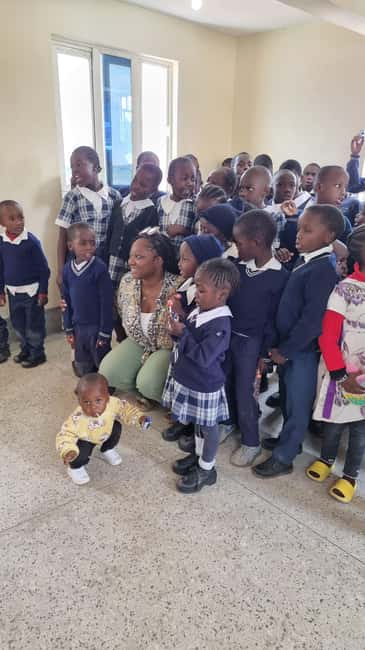
The meeting point is the entrance of Olympic Primary School, a public school in Kibera. You should plan to arrive with your walking shoes on, your water ready, and your belongings kept simple.
The school is both the starting point and the ending point. Since transportation to and from the activity is not included, you must arrange your own way to the entrance. The information provided does not specify a pickup service, private vehicle, or transfer from a hotel, so do not assume one is included.
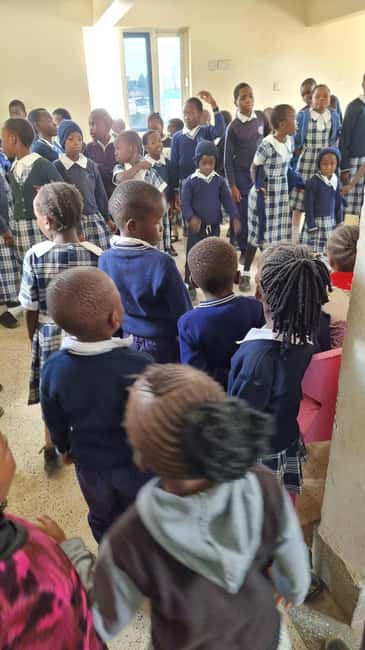
Beginning at a public school gives the visit a direct connection to everyday education. You are not simply viewing a building from outside. The program is designed to introduce you to school staff and children, then give you a chance to take part in activities that support learning.
The setting may feel more active and less controlled than a museum or commercial attraction. That is part of the point, but it also calls for patience. School schedules and community needs come first, and the experience is best approached as a service visit rather than a sightseeing performance.
Walking through the community and school programs

The tour includes a guided visit to charity schools and orphanages. The available information does not give a detailed stop-by-stop route, so you should not expect a fixed list of named facilities beyond the starting point at Olympic Primary School.
You can expect walking during the experience. Comfortable shoes are specifically recommended, and the program is not suitable for people with back problems or wheelchair users. A hat, sunscreen, and water are sensible additions because you may spend time outdoors between activities.
The walking is useful because it places the school work in its local setting. You get a better sense of how the social enterprise connects volunteers with community institutions instead of keeping the program inside a tourist office.
At the same time, the lack of a published duration or detailed route means you should leave your schedule flexible. Ask for any same-day timing details when you arrange the visit, especially if you have another appointment afterward.
A completely different kind of day:
- Nairobi National Park Half-Day Game Drive
★ 4.5 · 738 reviews - Nairobi: Historic and Modern Highlights Walking Tour
★ 4.8 · 703 reviews - Safari Tour; Nairobi National Park
★ 4.5 · 594 reviews - 3 Days Masai Mara Group Joining
★ 5.0 · 486 reviews
Taking part in educational activities
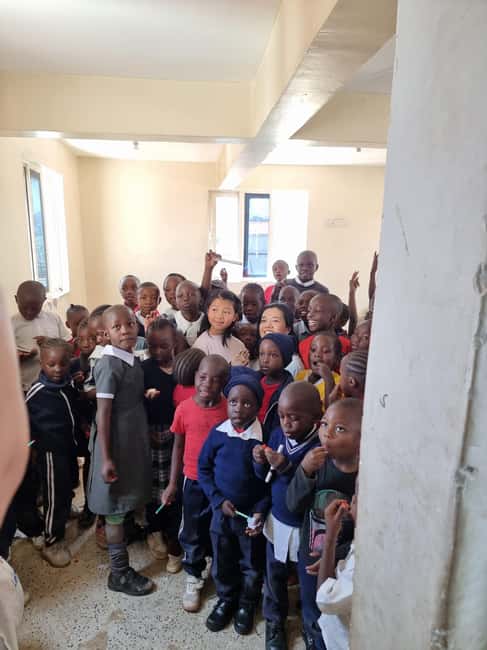
The most active part of the experience is the opportunity to volunteer in educational activities. The exact lesson or task is not specified, so the activity may depend on the school’s needs and what Jack organizes on the day.
You will be encouraged to interact with children and staff. That can mean helping with a school activity, offering attention during an educational session, or assisting in a simple program. You should not arrive expecting to take over teaching. Your role is to support the local staff and follow their direction.
I like this arrangement because it keeps the school in charge. Local teachers and staff understand the children and the daily needs of the program. Your contribution is most useful when you add energy and time without trying to impose an outside method.
A little humility helps. Ask before stepping into an activity, listen carefully, and let staff explain what is appropriate. Children are not sightseeing subjects, and a respectful approach matters more than taking the perfect photo or completing a dramatic task.
Supporting meals and teacher pay
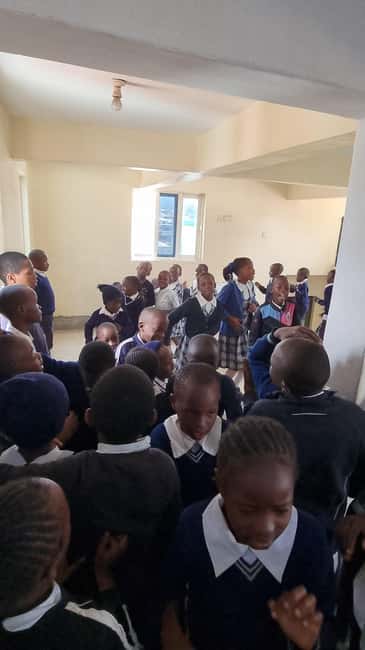
The booking fee helps fund social programs at the school, including providing meals and paying teachers. At $30 per person, the price is modest compared with many Nairobi excursions, but its value depends on how much importance you place on direct community support.
You are paying for more than a guided walk, yet you should not view the full amount as a donation. The fee supports the experience and the connected programs. It is a practical way to contribute while meeting the people involved in the work.
Meals and drinks for you are not included. That distinction is worth noting because the school’s meal program is part of the social mission, not a promise that you will be fed during the visit. Bring your own water and plan separately for food.
The clearest benefit is the link between your booking and ongoing needs. Teachers need to be paid, and children need meals. Supporting those basic pieces of school life can be more useful than donating supplies you have not been asked to provide.
Photography, privacy, and respectful contact
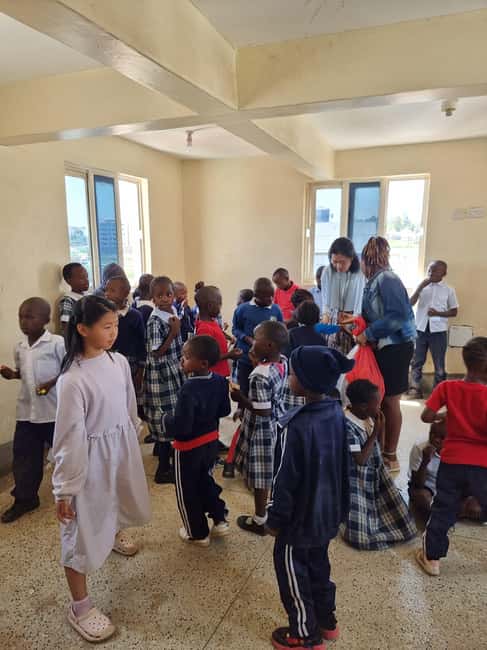
Photography is allowed, but you should ask for permission where necessary and treat the children and staff with care. A camera is listed among the recommended items, but taking pictures should never become the main purpose of your visit.
Ask Jack or school staff before photographing children, classrooms, or activities. Put the camera away if anyone seems uncomfortable. You can remember the experience without turning children’s lives into travel content.
The rules also prohibit smoking, plastic bags, and littering. These may sound simple, but they are important in a school and community setting. Bring a reusable water bottle if possible, and take responsibility for anything you carry in.
The best interaction is calm and genuine. Speak with the children when invited, join activities appropriately, and pay attention to staff instructions. You are entering a working school, not a staged show.
What the $30 price really buys
At $30 per person, this is a low-cost experience with a social purpose. The price includes a guided tour of charity schools and orphanages, interaction with children and staff, and an opportunity to help with educational activities.
It does not include transportation, meals, drinks, or personal expenses. That makes the final cost higher than the advertised price if you need to arrange a taxi or buy food and water separately.
Still, the price is reasonable if you want a short, purposeful visit and you value the support of teacher pay and school meals. You also receive direct contact with Jack and the local organizations connected to the program.
The value is less clear if you are looking for a conventional tour with a long sightseeing route, detailed transport arrangements, or a guaranteed set of activities. There is no stated duration, group size, or exact schedule, so the experience requires some flexibility.
You can reserve now and pay later, which helps if your Nairobi plans are still changing. Cancellation is allowed up to 24 hours in advance for a full refund. Those terms make it easier to hold a place without committing your money immediately.
Who will get the most from this experience
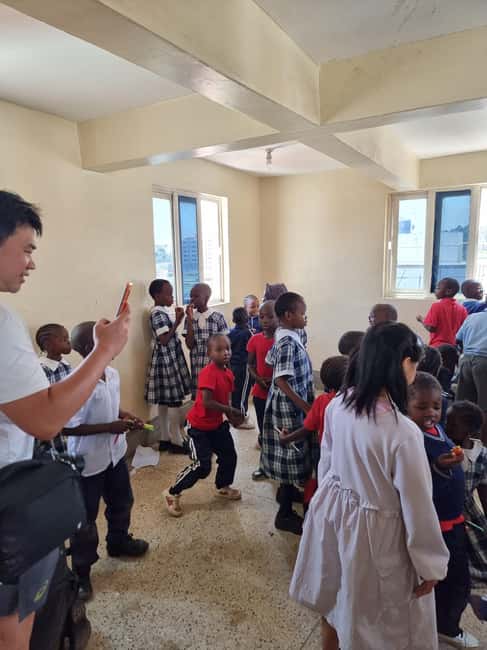
This visit suits you if you want to support a local education effort while meeting the people behind it. It is a good fit for visitors who are comfortable with a community setting, walking, and activities that may respond to school needs rather than follow a rigid entertainment schedule.
It may also suit educators, social workers, nonprofit representatives, and organizations looking for local partnerships. Jack’s work includes connecting volunteers with schools and orphanages, and he is seeking people and groups who can help reach more children.
The experience is less suitable for anyone who needs step-free access or has back problems. It is not suitable for children under five, and wheelchair users should not book it. Since English is the listed language, you should be comfortable receiving the guidance in English.
Families with older children may need to think carefully about maturity and behavior. The program involves vulnerable children, and young participants must be able to follow instructions, respect privacy, and understand that this is a service activity.
Practical preparation for the school visit
Wear comfortable walking shoes. The tour involves walking, and ordinary sandals or fashion shoes may become tiring.
Bring water, sunscreen, a hat, and a camera if you want one. Water and sunscreen are especially important because the program may involve outdoor movement, and neither is provided as part of the activity.
Keep your belongings and clothing practical. The supplied rules prohibit plastic bags, smoking, and littering. Pack lightly and avoid bringing anything that could create extra work for school staff.
Before setting out, confirm the meeting details and plan your transport to Olympic Primary School. The entrance is the stated meeting point, and the activity ends there. Since no transport is included, allow enough time to reach Kibera without rushing.
Most of all, bring patience. The school’s needs are more important than keeping to a tourist timetable. If an activity changes, that is not necessarily a failure. It may simply reflect the realities of community work.
The main strengths and limitations
The strongest part of this experience is its clear connection between the fee and practical school needs. Paying teachers and providing meals are direct forms of support, and the visit lets you see the people involved rather than sending money without context.
Jack’s background adds another layer. His experience as a total orphan helps explain why he is committed to vulnerable children, and meeting the person behind the program can make the visit more meaningful.
The five-star rating is encouraging, but it comes from only one review. I would treat that as a positive signal, not proof that every visitor will have the same experience.
The main limitation is the amount of information left open. No duration, group size, detailed route, or exact educational task is given. That may be fine for a flexible volunteer visit, but it can frustrate you if you want a tightly scheduled outing.
Transportation is another practical drawback. You must reach the school yourself, and meals and drinks are not included. These costs are manageable, but they should be part of your planning.
Should you book this Nairobi volunteer experience?
Book it if you want a modestly priced, community-focused activity that supports education, teacher pay, and school meals. You will get the most from it if you are respectful, flexible, comfortable walking, and interested in meeting Jack Williams and the local staff behind the work.
Skip it if you want a polished sightseeing tour, guaranteed activities, included transport, or a fully published timetable. This is a social visit with a practical purpose, not a standard attraction.
For the right visitor, $30 offers a useful way to spend part of a Nairobi day while supporting local programs. Arrive prepared, follow the school’s lead, and judge the experience by the connection and contribution it makes, not by how many tourist sights it checks off.
FAQ
Where does the experience begin?
It begins at the entrance of Olympic Primary School, a public school in Kibera, Kenya.
Where does the activity end?
The activity ends back at the same meeting point at Olympic Primary School.
Is transportation included?
No. Transportation to and from the activity location is not included.
Are meals and drinks included?
No. You must arrange your own meals and drinks.
What does the booking fee help support?
The fee helps fund school social programs, including paying teachers and providing meals.
What activities can I take part in?
You can join a guided tour of charity schools and orphanages, interact with children and staff, and help with educational activities.
Who leads the experience?
Jack Williams leads the experience. He is a social entrepreneur, social worker, and volunteer connected with OAC Kenya and KCOOP.
What should I bring?
Bring comfortable walking shoes, a hat, a camera, sunscreen, and water.
Is photography allowed?
Yes, photography is allowed, but you should be respectful and ask for permission where necessary.
Is the experience suitable for everyone?
It is not suitable for children under five, people with back problems, or wheelchair users. The experience is conducted in English.
Just added in Nairobi
- Wildlife Capital: Half-Day Safari at Nairobi National Park★ 5.0 · 2 reviews
- 3 days maasai mara migration safari★ 4.5 · 7 reviews
- 4 Days Tour Landcruiser in Masai Mara and Lake Nakuru★ 5.0 · 10 reviews
- 4 Days Safari to Lake Nakuru N/P and Maasai Mara N/R★ 5.0 · 18 reviews
- Maasai Mara Day Trip★ 5.0 · 15 reviews
- Day Tour to Nairobi national park, Elephants, and Giraffe Center★ 3.5 · 8 reviews
- 6 Days Kenya Budget Group Safari★ 5.0 · 2 reviews
- 3 Days Masai Mara Wildebeest migration Budget safari★ 5.0 · 2 reviews
Nairobi Tours, compared.
Nairobi National Park Half-Day Tour; Free Wi-Fi connection
Read our review →
National Park & Optional Elephants & Giraffe Center
Read our review →
NAI NAMI: Nairobi Storytelling Tour with Street Children
Read our review →