
Reviewed · TOURS
Nairobi Street Art and Graffiti Tour
Walls tell Nairobi’s story. This three-hour private tour uses murals, graffiti, matatus, music, and local slang to show you a side of the city that a standard sightseeing route often misses. I like the chance to connect street art with politics, identity, hardship, and hope, and I also like that the experience can stretch beyond painted walls into Nairobi’s wider urban culture. The main thing to consider is that the art may not fill the whole tour. One recent outing included only a few street art pieces, with much of the time spent walking and exploring the city.
I also appreciate the human scale of the experience. A local guide such as Kevin can explain the meaning behind the work and help you move through places that might feel hard to approach alone. The chance to ride a nganya, Nairobi slang for a matatu, adds a memorable local touch, though the start can be a little disorganized and the advertised meetings with artists are not guaranteed.
In This Review
- Key points to know before booking
- What this Nairobi tour is really about
- Reading Nairobi through murals and graffiti
- Nairobi West, downtown alleys, and the changing route
- The nganya ride and Nairobi’s matatu culture
- Meeting a local guide such as Kevin
- What the three hours may feel like
- Is $95 a fair price?
- Practical tips for a better outing
- Who should book the Nairobi Street Art and Graffiti Tour?
- Final verdict: book it for culture, not just graffiti
- FAQ
- How long does the Nairobi Street Art and Graffiti Tour last?
- Is hotel pickup included?
- What if I stay outside Nairobi CBD?
- Is this a private tour?
- Is a matatu ride included?
- Can I cancel for a refund?
Key points to know before booking
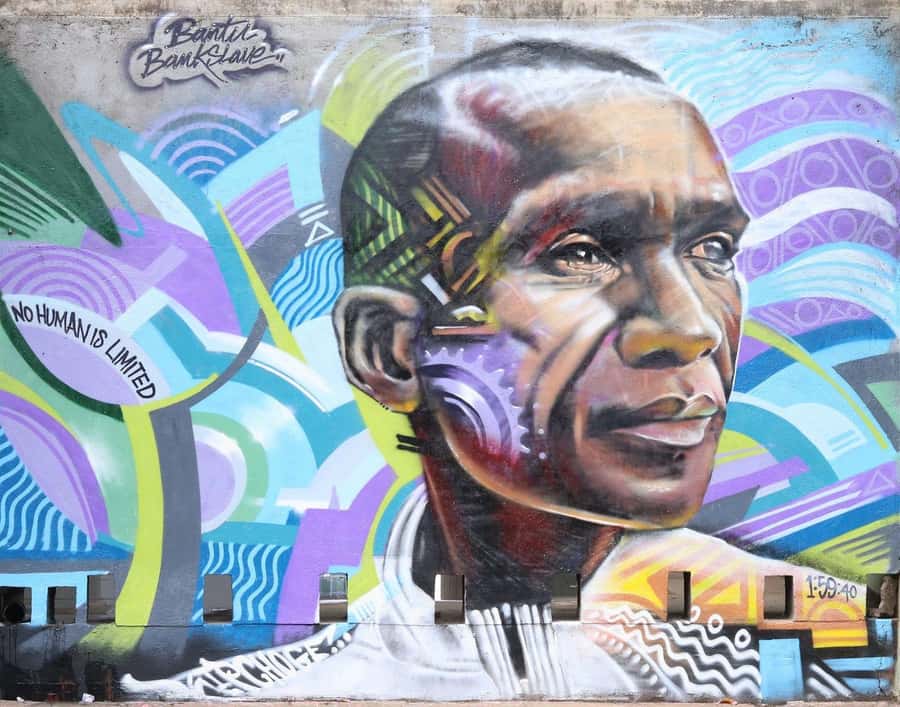
- Street art with a wider city story: Murals and graffiti open conversations about politics, culture, identity, and community life.
- Matatu culture is part of the experience: You may ride in a decorated nganya surrounded by loud music and custom artwork.
- A private three-hour tour: Your group receives a personal guide rather than joining a large public outing.
- The route can reach Eastlands: A recent experience included a ride to the densely populated Eastland area, well beyond the usual tourist circuit.
- Photo opportunities are plentiful: Walls, vehicles, alleys, and street scenes give you plenty to photograph and record.
- Art is not the entire focus: Book this for Nairobi urban culture, not for a gallery-style tour with wall after wall of graffiti.
What this Nairobi tour is really about
At first glance, this sounds like a straightforward street art walk. You meet a guide, stroll through Nairobi, stop at murals, and hear the stories behind them. In practice, the experience is broader. Street art is the doorway into conversations about how people live, speak, create, organize, and respond to difficult conditions.
That broader focus is part of the appeal. Nairobi’s public art is not simply decoration. A painted wall may carry a political message, honor a local identity, promote social change, or offer a note of hope. Your guide helps you read those details instead of passing them as colorful background.
The tour may begin around Nairobi West or in the downtown area, with the exact route depending on the day’s arrangements. You can expect a mix of main streets, side lanes, and less polished city spaces. This is not a tidy art district with a fixed row of galleries. The surroundings are part of the lesson.
You should also set your expectations carefully. The title promises street art and graffiti, but the actual balance may lean toward general city exploration. One outing involved roughly 9,000 steps but only a small number of graffiti sites, along with one especially detailed explanation of a piece. That does not make the tour poor. It simply means the experience is best understood as a local culture walk with art at its center, not an art survey.
A few more options to weigh up in Nairobi
- Nairobi National Park Half-Day Tour; Free Wi-Fi connection
★ 5.0 · 878 reviews - Nairobi: National Park & Optional Elephants & Giraffe Center
★ 4.8 · 874 reviews - NAI NAMI: Nairobi Storytelling Tour with Street Children
★ 5.0 · 792 reviews
Reading Nairobi through murals and graffiti
The strongest part of the tour is the chance to hear what the walls are saying. You may see work connected to politics, culture, empowerment, identity, or hope. The guide can explain who made it, what inspired it, and how local people understand the message.
That context matters. A photograph of a mural can look striking, but the story behind it may be the part you remember. You might learn how artists respond to public events, how neighborhoods use art to express frustration, or how creative work helps people build a sense of community.
The social themes are not presented as a dry lecture. The tour moves through real streets, so the art sits beside shops, traffic, people going about their day, and the ordinary noise of Nairobi. That setting gives the work more meaning than it would have behind a gallery wall.
The guide may also discuss historical events and present-day realities. This helps you see that the city’s creative life is tied to everyday pressure and resilience. The art can be political, but it can also be playful, musical, commercial, or simply energetic.
For photographers, the changing backdrop is a real benefit. You can photograph large murals, smaller pieces, painted vehicles, passing street scenes, and details that are easy to miss from a car. Ask before photographing people or private spaces, and keep your camera ready because urban art can appear unexpectedly.
Nairobi West, downtown alleys, and the changing route
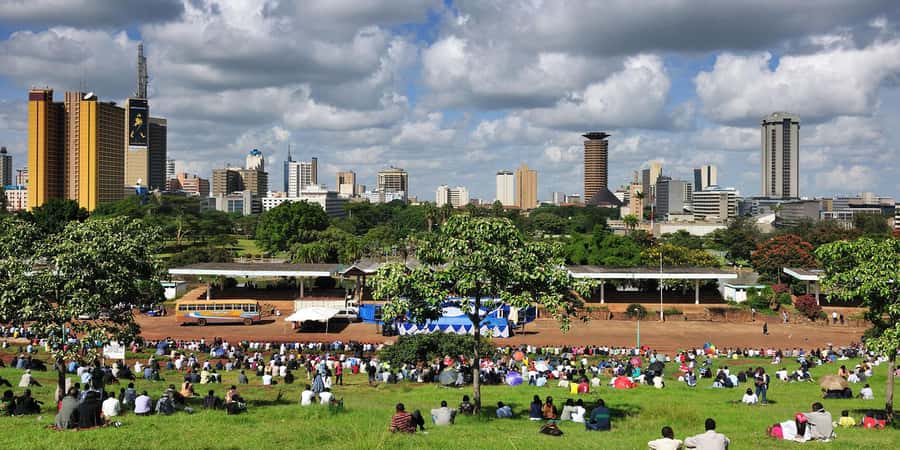
The walk may include parts of Nairobi West and downtown, with the guide leading you through areas known for wall art and local activity. These sections offer different views of the city. One area may present a large public mural, while another may reveal smaller work in a side lane or on a wall that has already been partly covered.
That changing quality is important. Nairobi’s street art is not a museum collection. Paint fades, buildings change, and new work appears. You may not see the same walls on every departure. The route can also shift because the guide is working with current conditions and the places that are most worthwhile that day.
The less polished parts of the walk are part of its value, but they require the right attitude. You will be walking for much of the three hours, and a route of about 9,000 steps is possible. Wear comfortable shoes and expect city noise, uneven walking surfaces, and a fairly active outing.
The tour is private, which helps. You can ask questions without worrying about holding up a large group, and the guide can spend more time on the pieces that interest you. If you care most about politics, photography, design, music, or local history, tell your guide early so the conversation can follow your interests when possible.
The nganya ride and Nairobi’s matatu culture
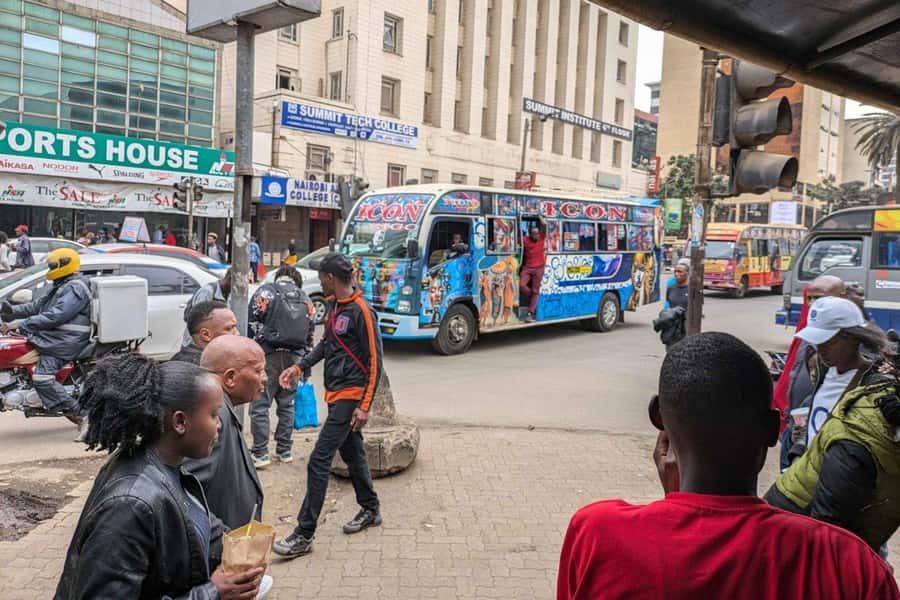
The matatu portion may be the most distinctive part of the experience. In Nairobi, a matatu is more than a basic public vehicle. The nganya name refers to the local slang and identity surrounding these brightly decorated minibuses, which may feature elaborate artwork, loud music, and strong personal style.
A ride in one gives you a direct look at a major part of Nairobi’s urban culture. The painted exterior and interior designs are often as striking as the murals on city walls. The music, movement, and visual detail make the ride a natural extension of the street art tour.
A recent route included a nganya ride toward Eastlands, a densely populated part of Nairobi. This is a significant strength for anyone who wants more than a central-city photo stop. You get to see how the tour links public art with transport, music, slang, and daily life.
At the same time, this part may not suit everyone. A matatu ride is a real local transport experience, not a controlled sightseeing vehicle. You may find it noisy or crowded, and the route is not presented as a polished attraction. That is precisely why guided help matters. One visitor specifically valued having Kevin along because the ride and the Eastlands visit would not have felt comfortable to arrange alone.
If you are curious about Nairobi’s music and slang, listen closely and ask questions. The tour can help you understand how language, sound, design, and transport combine to create a culture that cannot be reduced to a few wall paintings.
A completely different kind of day:
- Nairobi National Park Half-Day Game Drive
★ 4.5 · 738 reviews - Nairobi: Historic and Modern Highlights Walking Tour
★ 4.8 · 703 reviews - Safari Tour; Nairobi National Park
★ 4.5 · 594 reviews - 3 Days Masai Mara Group Joining
★ 5.0 · 486 reviews
Meeting a local guide such as Kevin
The guide makes a major difference here. The experience is led by a local artist or urban culture expert, and Kevin is named as one of the guides connected with the tour. He is described as friendly, well informed, and able to explain Nairobi from a viewpoint that a standard city tour may miss.
That kind of guide is important because street art rarely explains itself. A local can point out the difference between a political message, a neighborhood statement, a commercial design, and a piece made mainly for visual impact. The guide can also connect the work to events and social issues without turning the walk into a formal classroom.
You may have a chance to meet local creatives, but this should not be treated as a firm promise. One outing did not include a meeting with artists. If that element matters most to you, ask when booking whether an artist visit is scheduled for your date.
Storytelling is built into the tour, and that is where the strongest value lies. Instead of collecting photos without context, you can leave with a clearer sense of how Nairobi’s creative communities use public space. The tour is at its best when you ask questions and treat the guide as a cultural interpreter, not simply someone who leads you from wall to wall.
What the three hours may feel like
The experience begins with hotel pickup for people staying within Nairobi’s Central Business District. Your guide is expected to meet you in the hotel lobby or at the agreed pickup point about 15 to 30 minutes before the start. If you stay outside the CBD, you receive a meeting-point address and a Google Maps pin in advance.
The opening stage may involve a little coordination. The start has been described as chaotic on one occasion, so keep your phone available by WhatsApp or SMS on the day. Once the group is together, the walk becomes easier to follow.
The middle of the tour is likely to combine several elements:
- Viewing murals and graffiti in city streets and side lanes
- Hearing stories about artists, public issues, and local events
- Photographing wall art and urban details
- Learning Nairobi slang, music, and matatu culture
- Possibly riding a decorated nganya toward Eastlands
- Exploring parts of Nairobi that are not usually included on a first city visit
The final part depends on the route and the time spent at each stop. Since this is a private outing, the pace may feel more personal than a large group tour. Still, three hours goes quickly if the tour includes a long walk and a matatu ride. Do not expect an exhaustive catalogue of Nairobi’s art.
Bottled water is included, but meals and snacks are not. Bring anything you need for the three-hour outing, especially if you tend to get hungry while walking. Hotel drop-off is included within the CBD, while transportation beyond the designated pickup area is not included.
Is $95 a fair price?
At $95 per person, this is not the cheapest way to see Nairobi. The value depends on what you want from the day.
If you want a fixed route packed with major murals, the price may feel high, especially if the outing includes only a few significant art pieces. You are paying for a private guide, local interpretation, pickup and drop-off within the CBD, bottled water, and possible entry fees, not just for the number of walls you photograph.
The price makes more sense if you value access and context. A guide can help you understand the city’s politics, slang, music, and public transport culture. The support can also make it easier to visit places and try a nganya ride that you might not attempt on your own.
Private groups are another factor. You are not sharing the experience with a large crowd, and you can ask for explanations that match your interests. For a couple, family, or small group that wants a personal introduction to Nairobi’s urban culture, the cost may be reasonable.
I would book it for the guide and the access, not for a guaranteed number of murals. If you want a specialist photography walk or an artist-led gallery-style route, confirm the day’s focus before paying.
Practical tips for a better outing
Wear shoes suited to a long city walk. The possible 9,000-step route is a useful warning, especially if you have planned a busy Nairobi day before or after this activity.
Keep your phone charged. You will likely want it for photographs, videos, map coordination, and WhatsApp or SMS contact with the guide. A small power bank is sensible, though one is not listed as an included item.
Dress for an active urban outing and carry only what you need. The tour involves walking, public streets, and possibly a local minibus ride, so a compact bag is easier than bulky luggage.
Ask at the start how much time is planned for street art, matatus, downtown, and Eastlands. This removes any confusion about the day’s emphasis. If you want detailed art interpretation, say so clearly.
Do not judge the tour only by the number of murals. Some of its best material may come from the links between art, slang, music, public transport, and community life. If you want a narrow art focus, though, this distinction is important.
The activity has a 4.6 rating from two verified bookings, which is encouraging but still a small sample. I would treat that score as a positive sign, not as proof that every departure will follow the same route.
Who should book the Nairobi Street Art and Graffiti Tour?
I recommend this for first-time visitors who want a local view of Nairobi beyond major sights. It also suits photographers, students of urban culture, and people interested in how public art carries political and social messages.
You will get the most from it if you enjoy walking, asking questions, and adapting to a changing route. The tour rewards curiosity more than a checklist mentality.
I would hesitate if your main goal is to see a large number of carefully selected graffiti works. The outing may spend substantial time on general city exploration, and an artist meeting may not happen. In that case, ask for a street-art-heavy route before booking.
For me, the best reason to choose it is the combination of wall art and matatu culture. A mural alone gives you an image. A mural followed by a conversation about Nairobi’s history, slang, music, and daily life gives you a much better sense of the city.
Final verdict: book it for culture, not just graffiti
Book this tour if you want a personal introduction to Nairobi’s creative life and are comfortable with a flexible route. The guide, the social stories, the photo chances, and the possible nganya ride make it more unusual than a standard city walk.
Skip it if you expect three straight hours of graffiti viewing or a guaranteed meeting with artists. At $95, you should know that the real product is a private urban culture experience with street art as its main thread.
For the right visitor, that is a fair trade. You may leave with fewer mural photos than expected, but a much better understanding of how Nairobi expresses itself in paint, music, language, and motion.
FAQ
How long does the Nairobi Street Art and Graffiti Tour last?
The tour lasts three hours. Starting times vary, so you need to check availability for your preferred date.
Is hotel pickup included?
Hotel pickup and drop-off are included for people staying within Nairobi’s Central Business District. Pickup takes place at the hotel lobby or an agreed point about 15 to 30 minutes before the tour.
What if I stay outside Nairobi CBD?
Transportation outside the designated pickup zones is not included. You can instead meet the guide at the starting location, with the meeting address and Google Maps pin provided in advance.
Is this a private tour?
Yes. The activity is arranged as a private group experience with a live local guide.
Is a matatu ride included?
A matatu, or nganya, ride may be part of the route. One route included a ride toward Eastlands, but the supplied information does not state that the same ride occurs on every departure.
Can I cancel for a refund?
You can cancel up to 24 hours before the tour for a full refund. The activity also offers reserve now and pay later booking.
Just added in Nairobi
- Wildlife Capital: Half-Day Safari at Nairobi National Park★ 5.0 · 2 reviews
- 3 days maasai mara migration safari★ 4.5 · 7 reviews
- 4 Days Tour Landcruiser in Masai Mara and Lake Nakuru★ 5.0 · 10 reviews
- 4 Days Safari to Lake Nakuru N/P and Maasai Mara N/R★ 5.0 · 18 reviews
- Maasai Mara Day Trip★ 5.0 · 15 reviews
- Day Tour to Nairobi national park, Elephants, and Giraffe Center★ 3.5 · 8 reviews
- 6 Days Kenya Budget Group Safari★ 5.0 · 2 reviews
- 3 Days Masai Mara Wildebeest migration Budget safari★ 5.0 · 2 reviews
Tours, compared.

Nairobi National Park Half-Day Tour; Free Wi-Fi connection
Read our review →
NAI NAMI: Nairobi Storytelling Tour with Street Children
Read our review →


Elephant Orphanage and Giraffe Center Tour with Options
Read our review →
Walking Tour Through Old Town Mombasa and Fort Jesus
Read our review →
Day Tour to Amboseli National Park & Maasai Village
Read our review →