Reviewed · NAIROBI TOURS
Nairobi: Party bus(matatu) adventure experience
Nairobi moves to its own beat. This experience lets you compare an ordinary city bus with a music-filled matatu, while guides connect the ride to Nairobi’s transport story and neighborhoods. I like the local point of view and the chance to see buses as both daily tools and moving works of art. I also like the small private-group format, which can make a walking tour and bus ride feel more personal.
The main caution is security and road conditions. A recent booking ended early after a minor crash involving a matatu and another car. The guides helped the group return to the CBD, but you should be comfortable with ordinary city traffic, changing plans, and a ride that is not a controlled sightseeing vehicle.
In This Review
- Key points to know before booking
- Starting at KICC in Nairobi’s city center
- The quiet contrast of a regular city bus
- Ngong Road and the creative side of matatus
- Eastlands and Nairobi’s matatu heartbeat
- What the party bus changes
- Returning to KICC after the ride
- Safety, comfort, and practical limits
- Who will enjoy this Nairobi transport tour
- Should you book the party matatu experience?
- FAQ
- Where does the Nairobi party bus experience begin?
- How long does the experience last?
- Is the party bus private?
- Is bus fare included in the price?
- What does the price include?
- What is the cancellation policy?
Key points to know before booking
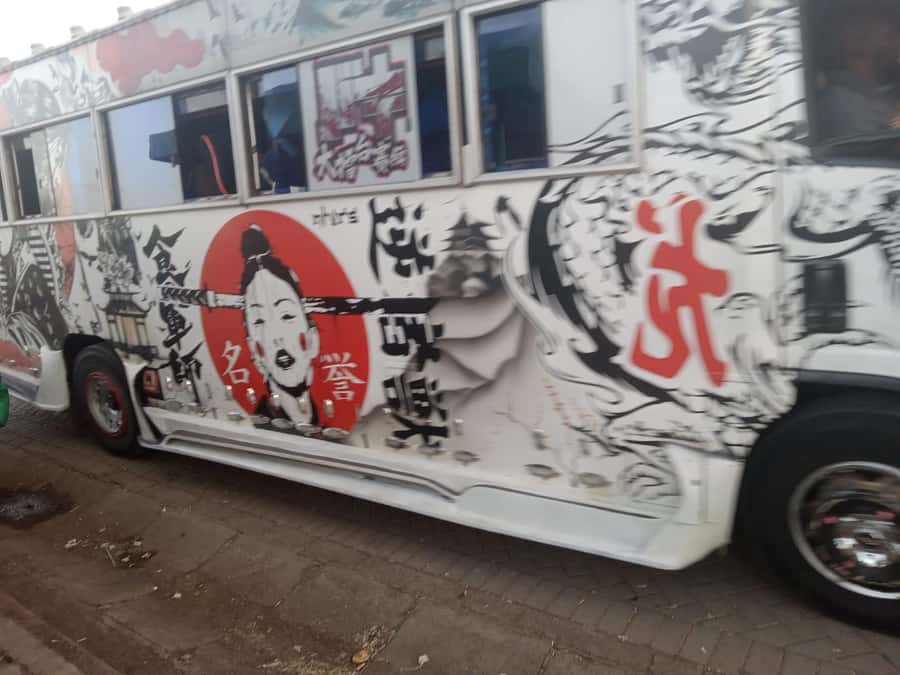
- Two bus worlds in one outing: Compare calm city buses such as Citi Hoppa and Super Metro with loud, decorated party matatus.
- Starts at KICC: Meet at the entrance of Kenyatta International Convention Centre, opposite the Nairobi Governor’s office.
- Three and a half hours: The advertised duration is 210 minutes, including walking, sightseeing, waiting for a bus to fill, and the return trip.
- Private group with an English guide: The experience is designed for a private party, though the matatu itself carries ordinary local passengers.
- Bring extra Kenyan shillings: Bus fare is not included. The activity information gives 500 KES, while one booking paid 100 KES per person each way, so confirm the current amount.
- Flexible guides, imperfect ride: Guides can adjust the plan, but the activity does not promise the comfort or security of a private vehicle.
Starting at KICC in Nairobi’s city center
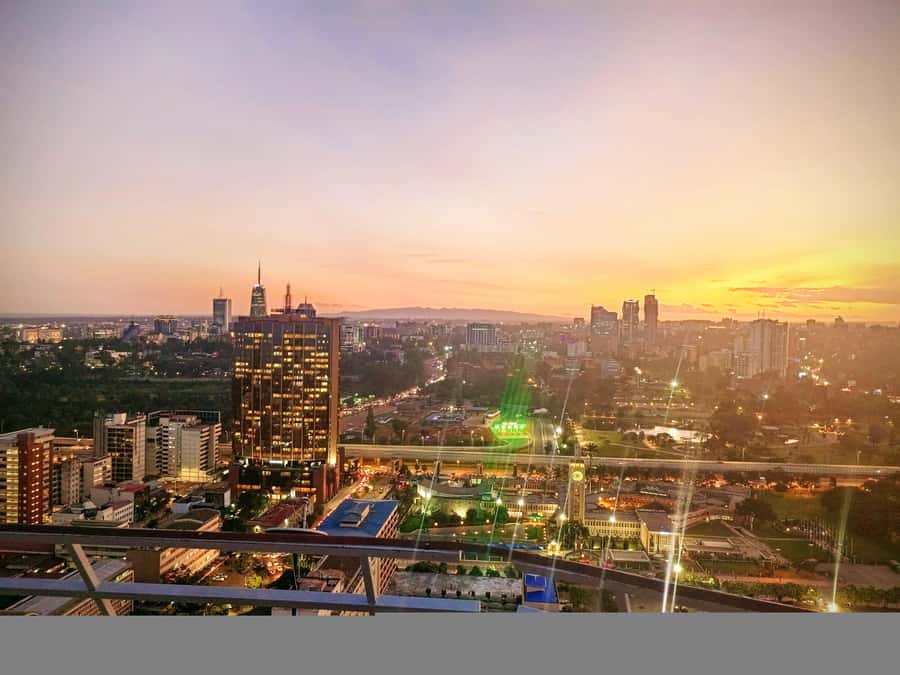
Your meeting point is the entrance of Kenyatta International Convention Centre, opposite the office of the Governor of Nairobi. This is a useful central location, and the high-rise setting gives you an immediate sense of Nairobi as a working capital rather than a resort town.
The experience begins on foot. Expect a guided look at the CBD, with time for photographs and sightseeing before you board anything. That matters because the tour is not just a party ride. The walking portion gives you the setting for the transport culture you are about to see.
You should allow a little patience at the start. The guides may first show you several matatus, discuss their designs, and decide which vehicle suits the outing. This is a moving local activity, not a fixed attraction with a bus waiting at a reserved platform.
The private format can work well here. You can ask questions about how Nairobi’s buses operate, why matatus carry such strong visual identities, and how daily commuting differs from a special party ride. The tour is conducted in English.
A few more options to weigh up in Nairobi
- Nairobi National Park Half-Day Tour; Free Wi-Fi connection
★ 5.0 · 878 reviews - Nairobi: National Park & Optional Elephants & Giraffe Center
★ 4.8 · 874 reviews - NAI NAMI: Nairobi Storytelling Tour with Street Children
★ 5.0 · 792 reviews
The quiet contrast of a regular city bus
The first bus portion is intended to show you the ordinary side of Nairobi transport. City buses such as Citi Hoppa and Super Metro are practical vehicles for daily commuters. The mood is more restrained, and passengers are generally focused on getting to work, shopping, or another part of the city.
The route described for this part heads toward Westlands, a major commercial area. You are not simply being driven past famous sights. You are watching how Nairobi’s transport system functions when it is doing its everyday job.
That comparison is the heart of the experience. A regular bus is priced and used for convenience. A party matatu adds music, decoration, and social energy. Seeing both in one outing helps you understand that Nairobi’s transport culture is not only about moving from point A to point B. It is also a place for design, sound, and public expression.
Do not expect a private ride during this section. One recent booking involved waiting for a bus to fill with local passengers who were traveling for work and other routine reasons. The wait was not especially long in that case, but it is still part of the experience. If you want a guaranteed departure at a precise minute, this tour may test your patience.
The fare also needs attention. The activity information says bus fare is not included and lists 500 Kenyan shillings. A recent participant paid 100 KES per person for a ride expected to last 20 to 30 minutes in one direction, then paid the same amount for the return. The difference may reflect the route or a changing fare, so ask the provider before setting out and carry cash.
Ngong Road and the creative side of matatus
One of the featured routes is Ngong Road. The route is presented as a creative side of Nairobi’s bus culture, where the matatu is more than a plain commuter vehicle.
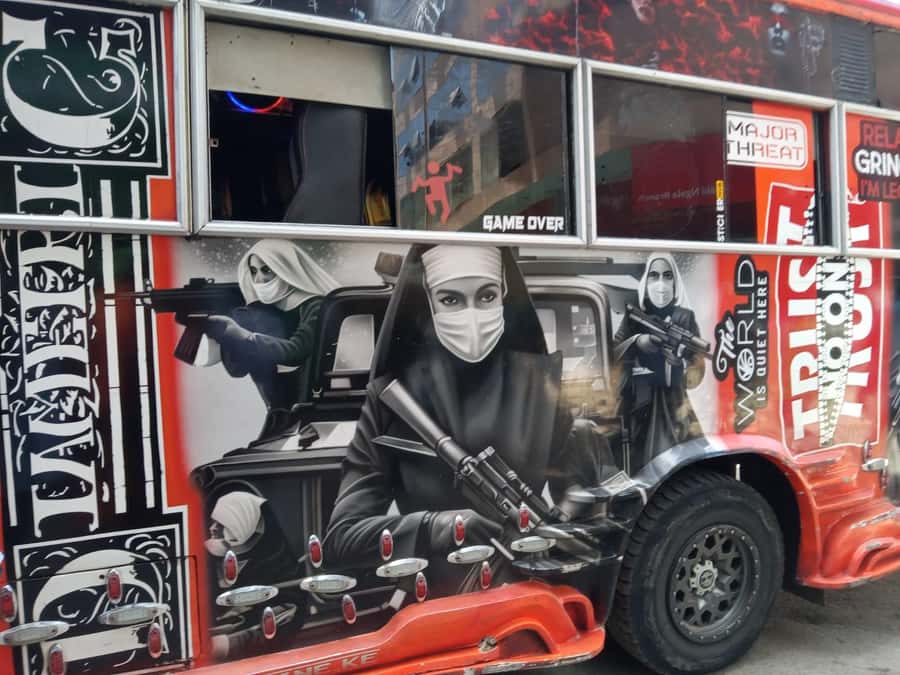
A matatu can function as a rolling design project. Bold graphics, custom interiors, and powerful sound systems help separate one vehicle from another. Party buses take these features further, turning a normal ride into something closer to a mobile event.
The value here is visual and social. You will see how a privately owned minibus can become a public expression of style. The guide’s explanation of transport history gives this context a purpose, so the artwork is not just something to photograph and forget.
Still, keep your expectations grounded. The activity does not promise a specific decorated bus, music theme, or exact route. The available vehicle depends on what is operating and available at the time. That uncertainty is part of the local character, but it also means the experience can vary.
For photographers, Ngong Road may be one of the more rewarding parts of the outing. You get opportunities for photo stops and guided walks, while the bus itself provides a colorful subject. Ask permission before photographing people closely, and follow the guide’s advice in crowded areas.
Eastlands and Nairobi’s matatu heartbeat
The second route focus is Eastlands, an area associated with the city’s strong matatu culture. The tour uses this part of Nairobi to show how ordinary transport and entertainment can overlap.
Here, the visual difference between a regular bus and a party matatu becomes clearest. The regular vehicle is built around function. The party bus is built around atmosphere, with louder music and more theatrical decoration.
The experience also connects the vehicles to local employment. Party buses create work for drivers, DJs, and event planners. That does not make them a replacement for regular public transport, but it shows how Nairobi’s transport culture supports a small entertainment economy.
You may find the Eastlands section more intense than the opening walk through the CBD. The supplied details do not promise a particular landmark or named stop, so the main attraction is the bus culture itself. Go for the people, vehicles, sound, and explanation, not for a checklist of monuments.
The same practical warning applies: a party matatu is still on a public road. It shares traffic with cars and other buses. A recent group experienced a minor collision about ten minutes into its ride and chose to return to KICC. The guides adapted, found a normal matatu back toward the CBD, and supported the change of plan. That flexibility is reassuring, but the incident also shows why you should not treat this as a risk-free amusement ride.
A completely different kind of day:
- Nairobi National Park Half-Day Game Drive
★ 4.5 · 738 reviews - Nairobi: Historic and Modern Highlights Walking Tour
★ 4.8 · 703 reviews - Safari Tour; Nairobi National Park
★ 4.5 · 594 reviews - 3 Days Masai Mara Group Joining
★ 5.0 · 486 reviews
What the party bus changes
The party bus changes the mood before it changes the route. Regular buses are generally calm and structured. Party matatus are louder, more decorative, and intended for special occasions rather than routine commuting.
That difference explains the higher price. You are paying for a guide, organized walking stops, transport history, a private booking arrangement, and the chance to experience a distinctive part of Nairobi’s urban culture. You are not paying for luxury transport, guaranteed seating, or a polished sightseeing coach.
At $32 per person, the value depends on what you want. For someone interested in urban life, music, graphic art, and local transport, this can be a memorable use of half a day. If you only want a cheap bus ride, it is poor value because ordinary fares are far lower and the party bus fare is extra.
The private-group setup improves the value for couples, families, or friends who want a guide’s attention. It does not mean the bus will be private. You may share the ride with local passengers, and you may need to wait until enough people are aboard.
The advertised inclusions are professional guide services, bottled water, and security. Food and drinks are not included. Entry to KICC is also separate and can be paid by card. Alcohol and drugs are not allowed, and drones are prohibited.
Returning to KICC after the ride
The route finishes back near the city center and KICC. If everything goes to plan, the final stretch gives you time to reflect on the contrast between the two bus types and the different neighborhoods you have seen.
A change of plan is possible. In the recent booking that ended early, the group returned to the KICC area in a normal matatu and paid 20 KES per person for a five to ten minute ride. They then chose to visit the KICC helipad, which required a separate fee. That helipad visit is not part of the listed experience, so do not count on it as an included backup.
This is a useful example of why the guide relationship matters. The guides were described as flexible when the family no longer wanted to continue. If you are traveling with children, that flexibility may be important. At the same time, the crash left the children frightened, even though it was minor. Families should think carefully about how their children handle loud music, crowded buses, and unpredictable traffic.
The return section is less about a grand finale and more about getting back safely. You should keep some time free after the tour rather than scheduling an important appointment immediately afterward.
Safety, comfort, and practical limits
The activity includes security, but that does not mean a private escort or controlled transport environment. One posted booking gave the experience three out of five specifically because it did not feel guaranteed to provide traveler security. You should read that as a clear signal to keep normal city-tour precautions in place.
Keep your phone and wallet secure, follow the guide’s instructions, and avoid wandering away from the group during walking portions. Do not bring a drone, alcohol, or drugs. Feeding animals is also prohibited, although animals are not presented as a central part of this outing.
Comfort is basic. You might stand while waiting, share space with commuters, and deal with traffic noise. Bottled water is included, but food and other drinks are not. Wear shoes suitable for walking and clothing that works for a warm city outing.
The tour provider is Tour Guru Kenya. If you make a late booking or do not receive a response after booking, contact the provider directly. This is especially important because the schedule depends on a live guide, available buses, and local traffic.
Cancellation is free up to 24 hours before the activity for a full refund. A reserve-now, pay-later option is also offered, which can help if your Nairobi plans are still shifting.
Who will enjoy this Nairobi transport tour
I would recommend it most strongly to you if you enjoy seeing how a city works from street level. It suits people who want local transport, urban art, music culture, and a guide’s explanation rather than a parade of famous buildings.
It may also suit repeat visitors who have already seen Nairobi’s main sights. The experience offers a different angle on the capital, linking everyday commuting with nightlife and event culture.
Families can book it, but I would use caution with younger children. The noise, traffic, waiting, and shared bus ride may be tiring. The recent minor crash is another reason to decide based on your children’s comfort with ordinary city travel.
You should think twice if you need strict timing, guaranteed security, quiet transport, or a fixed vehicle. The experience works because it is connected to real buses and real streets. That is also what makes it less predictable.
The limited rating of 3.5 from two posted bookings suggests you should book with realistic expectations. The strongest positive points are the guides’ flexibility, the unusual subject, and the chance to compare two sides of Nairobi transport. The main concerns are security, extra fares, and the fact that the party bus experience depends on what is available that day.
Should you book the party matatu experience?
Book this if you want an unusual, guide-led look at Nairobi’s bus culture and you are happy to trade polished comfort for local character. The combination of CBD walking, a regular bus, Ngong Road or Eastlands, and a party matatu gives you a useful story about how Nairobi moves and celebrates.
Skip it if you want a relaxed sightseeing ride or if traffic risk will make you uneasy. Confirm the bus fare, ask how the route will operate that day, carry small cash, and leave room in your schedule. For the right visitor, this is not simply a bus trip. It is a close look at Nairobi’s sound, style, and daily movement.
FAQ
Where does the Nairobi party bus experience begin?
It begins at the entrance of Kenyatta International Convention Centre, opposite the office of the Governor of Nairobi.
How long does the experience last?
The stated duration is 210 minutes, or three and a half hours.
Is the party bus private?
The booking is for a private group, but the bus itself may carry local passengers. You may also need to wait for the bus to fill before departure.
Is bus fare included in the price?
No. Bus fare is separate. The activity information lists 500 Kenyan shillings, while one recent booking paid 100 KES per person each way. Confirm the current fare with the provider and carry cash.
What does the price include?
The price includes a professional English-speaking guide, bottled water, and security. Food, drinks, KICC entry, and bus fares are not included.
What is the cancellation policy?
You can cancel up to 24 hours in advance for a full refund. A reserve-now, pay-later option is also available.
Just added in Nairobi
- Wildlife Capital: Half-Day Safari at Nairobi National Park★ 5.0 · 2 reviews
- 3 days maasai mara migration safari★ 4.5 · 7 reviews
- 4 Days Tour Landcruiser in Masai Mara and Lake Nakuru★ 5.0 · 10 reviews
- 4 Days Safari to Lake Nakuru N/P and Maasai Mara N/R★ 5.0 · 18 reviews
- Day Tour to Nairobi national park, Elephants, and Giraffe Center★ 3.5 · 8 reviews
- 6 Days Kenya Budget Group Safari★ 5.0 · 2 reviews
- Maasai Mara Day Trip★ 5.0 · 15 reviews
- 3 Days Masai Mara Wildebeest migration Budget safari★ 5.0 · 2 reviews
Nairobi Tours, compared.

Nairobi National Park Half-Day Tour; Free Wi-Fi connection
Read our review →
National Park & Optional Elephants & Giraffe Center
Read our review →
NAI NAMI: Nairobi Storytelling Tour with Street Children
Read our review →