
Reviewed · CITY TOURS
NAIROBI: MOTHERLAND GASTRONOMIC NAIROBI CITY TOUR
Nairobi tastes better one small bite at a time. This 210-minute food walk links breakfast snacks, a full Kenyan lunch, market stops, and city history in one compact outing. I like the range, from samosas and mandazi to ugali, fish, meat, chicken, and fresh fruit. I also like the small group, limited to five people, which should make conversation with the guide easier.
The main drawback is that the food payment details are not perfectly clear. The experience lists breakfast street snacks and nyama choma lunch as included, yet the fine print says food and snacks consumed during the tour are not included. I would confirm exactly what the $55 price covers before booking, and bring cash for anything extra.
In This Review
- Key points about this Nairobi food tour
- A food tour that uses Nairobi as its dining room
- Starting with samosas, mandazi, and boiled maize
- A Kenyan lunch with ugali and kachumbari
- City Market, where food becomes everyday commerce
- Smocha, Mayai pasua, and uji power at the bus station
- Sarova Stanley and more than a century of hotel history
- Why the small group matters
- Timing, walking, and what to carry
- What the $55 price really means
- Who will get the most from this experience
- Should you book the Motherland Gastronomic Nairobi City Tour?
- FAQ
- How long does the Nairobi food tour last?
- Where does the tour start and finish?
- What food can I expect to sample?
- Is food included in the $55 price?
- Is this a small-group tour?
- Can children under 10 join the tour?
Key points about this Nairobi food tour
- Breakfast starts with Kenyan street favorites: Try samosas, mandazi, mitai, kaimati, and boiled maize.
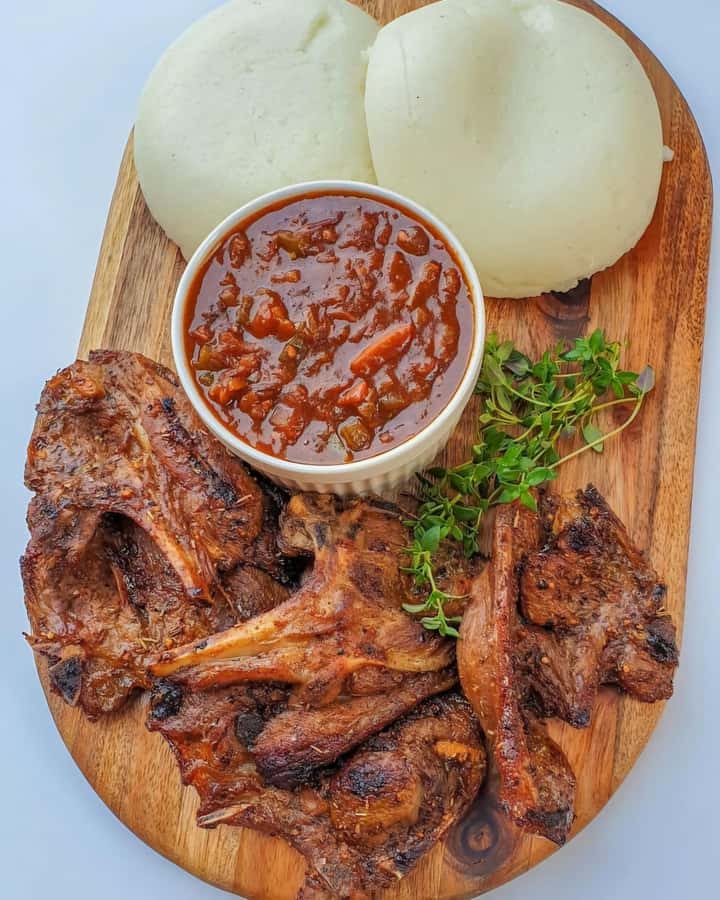
- Lunch brings the biggest meal: Expect traditionally prepared fish, meat, and chicken with kachumbari and ugali.
- City Bus Station adds local context: You learn how Nairobi’s commute system connects with daily life.
- City Market broadens the food picture: Fresh fruit, spices, and small snacks show another side of Nairobi eating.
- Sarova Stanley closes the route with history: The century-old hotel links food, tourism, and Nairobi’s past.
- The group stays small: With no more than five participants and an English-speaking guide, the format should feel personal.
A food tour that uses Nairobi as its dining room
This is not a sit-down restaurant crawl. It is a guided walk through central Nairobi, with food used as the thread connecting daily life, transport, trade, and city history.
For $55 per person, you get three and a half hours of structured time. That is a fair price if several tastings and the lunch are covered, especially with a small group. If you must pay separately for every bite, the value becomes less clear. The food inclusion note deserves a quick check before you commit.
I like the shape of the experience. You start with familiar morning snacks, move into a more substantial meal, then visit places where Nairobi residents buy food and move around the city. The final stop at Sarova Stanley gives the tour a different tone, shifting from street food to the story of Nairobi’s hotel trade.
The tour begins at Nation Centre, a practical central meeting point. Look for the tall curved building with pillars at the entrance. The guide will be wearing white trousers, which should help you make the connection in a busy city setting.
A few more options to weigh up in Nairobi
- Nairobi National Park Half-Day Tour; Free Wi-Fi connection
★ 5.0 · 878 reviews - Nairobi: National Park & Optional Elephants & Giraffe Center
★ 4.8 · 874 reviews - NAI NAMI: Nairobi Storytelling Tour with Street Children
★ 5.0 · 792 reviews
Starting with samosas, mandazi, and boiled maize
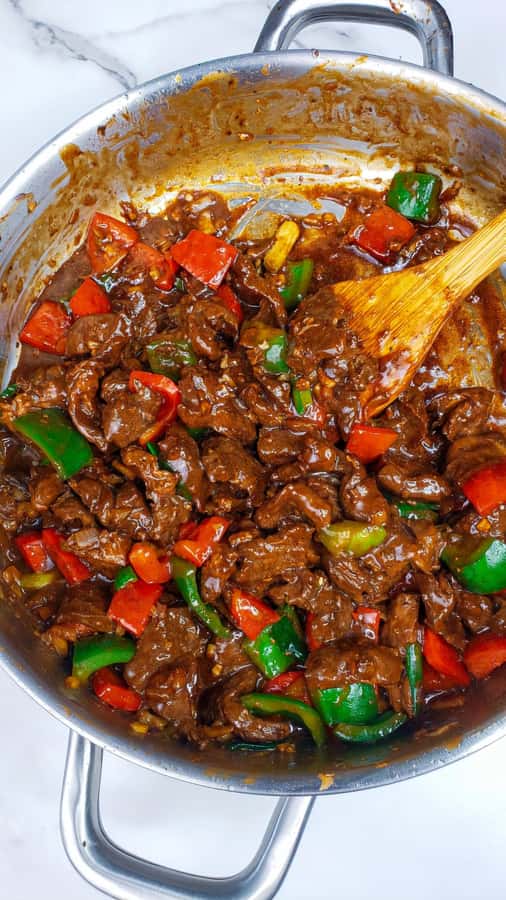
The first food section focuses on breakfast street snacks. Samosas offer a crisp, savory start, while mandazi brings a lightly sweet fried pastry to the table. You may also try mitai, kaimati, and boiled maize.
These foods matter because they are everyday choices, not special-occasion dishes made only for tourists. A short tasting like this gives you a quick sense of the flavors and textures people reach for early in the day. It also keeps the tour from becoming one long formal meal.
I would arrive hungry but not starving. The snack list is broad, and you may want room to sample several items rather than fill up on the first one. Since the route includes lunch later, pacing yourself is part of the strategy.
Food tours work best when the guide explains how to approach unfamiliar dishes. This is where a small group can help. With up to five people, you have a better chance to ask what you are eating, how it is prepared, and which snack is most common at different times of day.
A Kenyan lunch with ugali and kachumbari
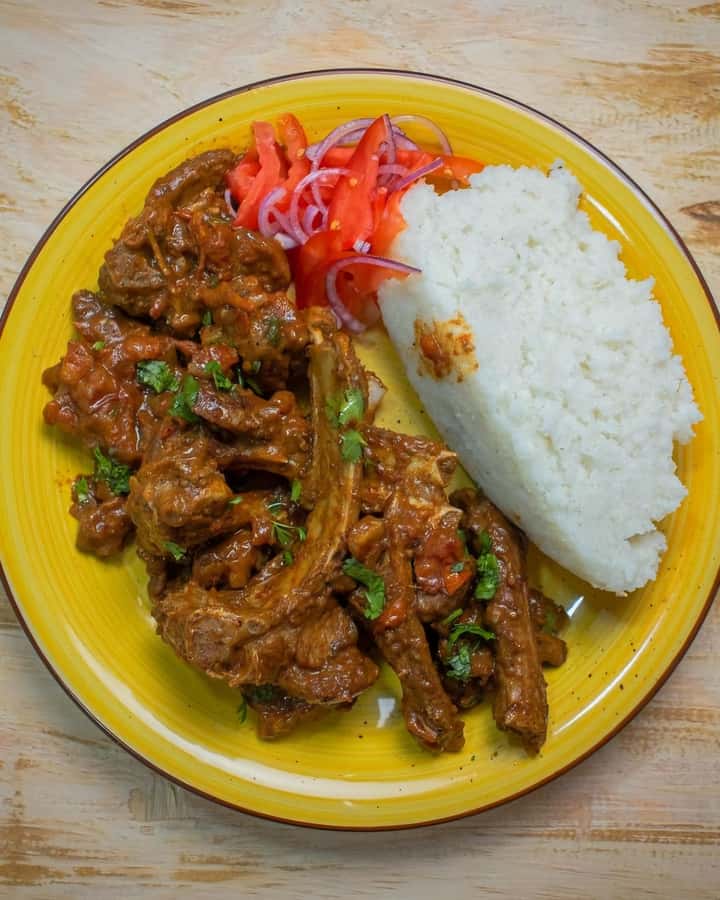
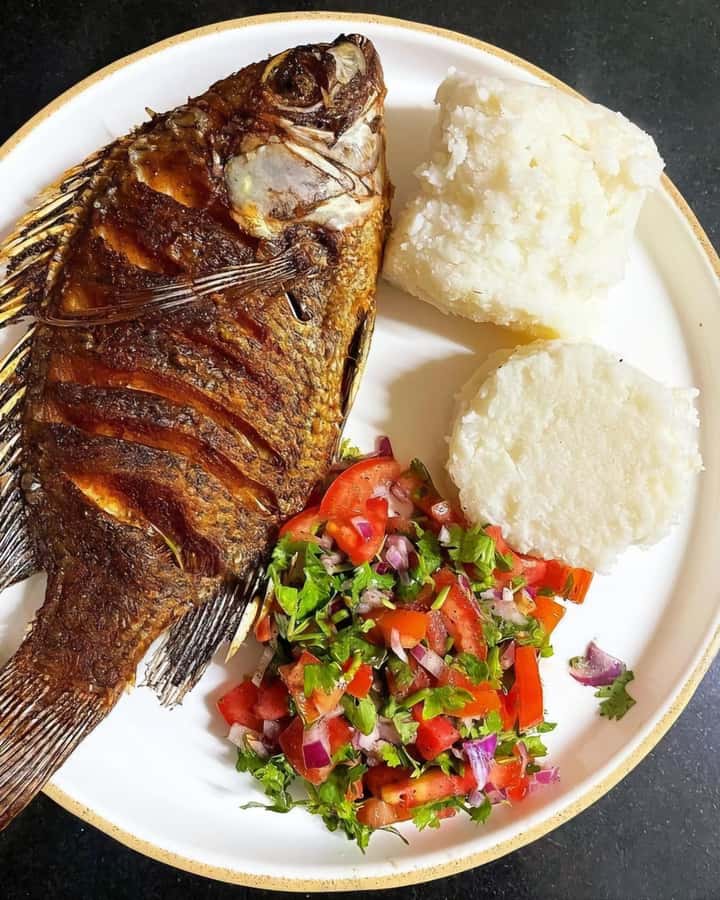
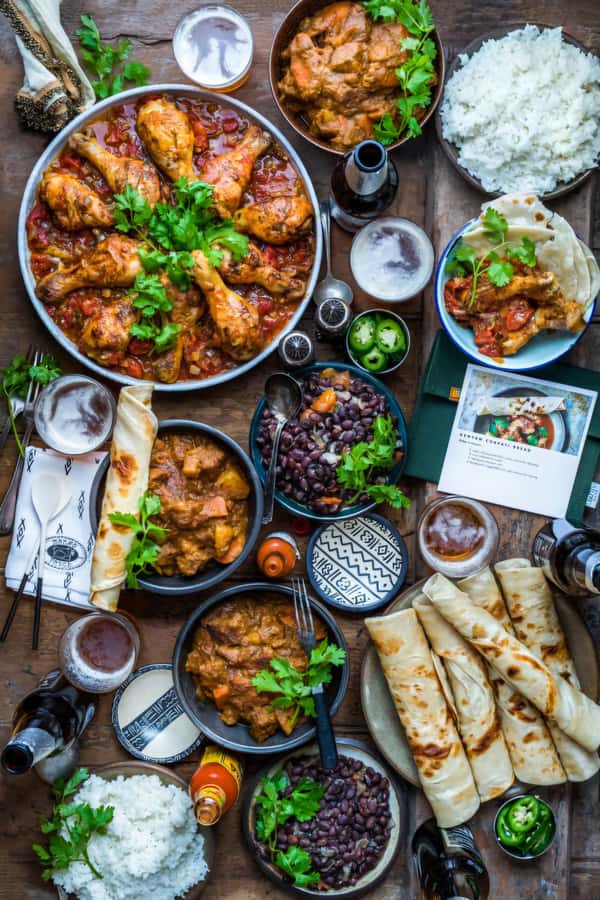
The main meal is traditionally prepared fish, meat, and chicken, served with kachumbari and ugali. The experience also identifies nyama choma lunch, so you should expect grilled or roasted meat to be part of the meal, while the full selection may include the other listed proteins.
Ugali is a firm maize-based staple, often used with the hands to scoop up food and sauce. Kachumbari, a fresh tomato and onion salad, adds a sharper, lighter contrast. Together, they make the plate more than a simple serving of meat.
The lunch takes place at a local heritage restaurant. That setting gives you a chance to sit down and eat at a slower pace after the opening snacks. It also helps connect the meal to Nairobi’s older food traditions rather than treating it as a quick sample between attractions.
I would pay attention to portion size and the exact lunch arrangement. The provided details name fish, meat, and chicken, but they do not say whether each person receives all three or chooses among them. The same applies to the phrase nyama choma. A quick question before the tour can prevent surprises, especially for anyone with a limited diet.
City Market, where food becomes everyday commerce
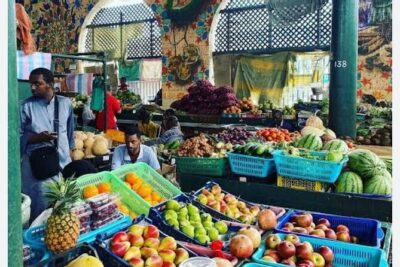
The route continues to City Market for fresh fruit, spices, and more snacks. This is a useful stop because it shifts the focus from prepared food to the ingredients and trade behind it.
You may find yourself comparing the market’s fresh produce with the fried breakfast foods from earlier. Spices also add a different sensory layer, and they give the guide a natural way to explain how flavor enters home cooking and street dishes.
The market is also one of the better places to use your camera, provided you do so respectfully. Ask before photographing people, stalls, or close-up portraits. The tour guidance specifically asks you to respect local customs and etiquette, and that matters more than getting one extra picture.
Carry cash here. Small purchases are not included, and the tour advises you to bring money for market items. The price of $55 does not mean every snack or product you see is part of the package. Think of the market as a chance to buy something additional if you want it, not as a shopping obligation.
More city tours in Nairobi:
- Nairobi Historical Walking City Tour
★ 5.0 · 258 reviews - Nairobi City Walking Tour with Traditional Kenyan Lunch
★ 5.0 · 106 reviews - Nairobi Cultural and Historical City Tour with a Local
★ 5.0 · 67 reviews - Nairobi: City Site-Seeing Bus Tour
★ 4.5 · 35 reviews
Smocha, Mayai pasua, and uji power at the bus station
The City Bus Station is one of the most distinctive parts of the route. You are not visiting only to eat. You also learn about Nairobi’s local commute system and the way transport shapes daily routines.
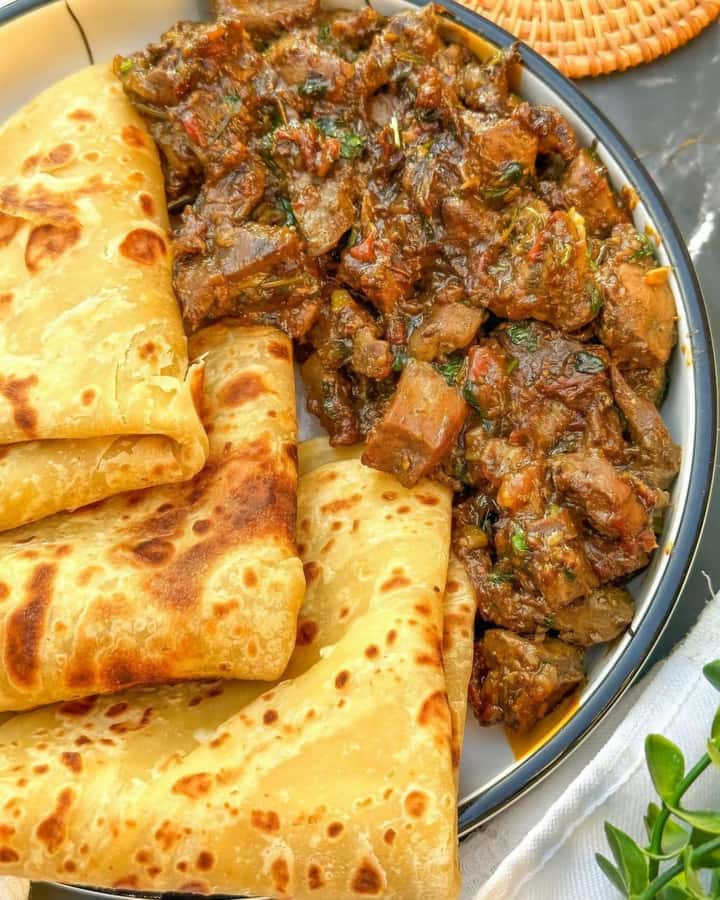
Food around a transport center tends to be practical, quick, and easy to carry. Here you may sample Smocha, Mayai pasua, and uji power. These names give the tour a useful local vocabulary, and the setting makes the food feel connected to the rhythm of the city.
Mayai pasua is listed among the snacks, while uji power is a porridge-style drink or food name that you can ask the guide to explain in detail. Smocha is another local snack to sample and discuss. The important point is that the bus station stop adds context. You are tasting food where people gather during ordinary movement through the city.
This may be the least polished stop, but that is part of its value. If you prefer quiet restaurants and carefully arranged plates, the bus station could feel rough around the edges. If you want to see how food fits into normal city life, it is likely to be one of the most useful sections.
Sarova Stanley and more than a century of hotel history
The final major stop is Sarova Stanley, a legacy hotel more than 100 years old. The visit turns the tour toward Kenya’s past and the development of Nairobi’s hotel industry.
After street snacks, market food, and bus station fare, a historic hotel provides a clear change of pace. You can learn how hospitality developed in Nairobi and how hotels became part of the city’s public life. The details supplied do not promise a full hotel tour or access to every area, so think of this as a guided visit and history stop rather than a long museum visit.
I like this ending because it avoids making the experience only about eating. Nairobi’s food culture does not exist apart from its trade, transport, visitors, and old institutions. Sarova Stanley gives the guide a place to tie those ideas together.
It also gives you a final chance for photographs. Bring a camera, as recommended, but remember that this remains a guided city experience rather than a dedicated photography tour.
Why the small group matters
The tour is limited to five participants and led in English. That is a strong format for a food experience, where questions are part of the fun and timing can change as you taste, walk, and stop to look around.
A small group should also make it easier to discuss food preferences. Still, the supplied details do not promise vegetarian substitutions, allergy planning, or a specific dietary menu. If you cannot eat fish, meat, chicken, wheat, fried foods, or maize, ask before booking.
The guide named in the strongest praise is Sharon. She is described as warm, friendly, attentive, and joyful, with a style that made the time feel personal. One person who met her enjoyed the food outing so much that they later spent additional time with her socially, including playing pool. That points to a guide who may bring plenty of friendliness beyond simply reciting facts.
Of course, guide assignments can vary. Sharon’s name is useful when you are checking the booking details, but you should not assume every departure has the same guide.
Timing, walking, and what to carry
The total duration is 210 minutes. The schedule is arranged around several guided sections of about 30 minutes each, plus 30 minutes of free time, with the route returning to Nation Centre.
That makes this a half-day activity rather than a full-day commitment. You still need to allow for walking, food stops, conversations, and city traffic around the route. Comfortable shoes are essential. Wear clothes suitable for changing weather, and carry a water bottle to stay hydrated.
The practical packing list is simple:
- Comfortable walking shoes
- A camera
- Cash for small market purchases
- Weather-appropriate clothing
- A water bottle
Smoking, littering, bare feet, and alcohol in the vehicle are not allowed. Baby strollers are also not allowed, and children under 10 are not considered suitable for the tour.
The experience begins and ends at Nation Centre. Since no private transport details are provided for the route, ask how much of the tour is on foot and where any vehicle portion fits in. That question is especially useful if you have mobility concerns or want to plan your next activity.
What the $55 price really means
The $55 price is reasonable for a three-and-a-half-hour guided food and city experience if the listed breakfast snacks and lunch are included. You are also paying for a small group, an English-speaking guide, market interpretation, a transport-focused city stop, and the Sarova Stanley visit.
The unclear part is the food wording. The inclusions name breakfast street snacks and nyama choma lunch, while another note says any food or snack consumed during the tour is not included. It may refer to extra purchases, but the wording does not make that certain.
I would send one direct question before booking: Which food tastings and which lunch items are covered by the $55 price, and what must I pay for separately? Also ask whether the fish, meat, and chicken are all served or whether the meal offers a choice.
The booking terms are flexible. You can reserve now and pay later, and cancellation is free up to 24 hours before the experience for a full refund. Those terms help if your Nairobi schedule may change, but they do not replace checking the food details.
Who will get the most from this experience
I would recommend this tour to you if food is your preferred way to understand a city. It suits someone who wants a guided introduction to Kenyan snacks, a proper local meal, market ingredients, transport culture, and Nairobi history without giving up an entire day.
It is also a good fit if you prefer personal guiding over a large coach group. The five-person limit should keep the experience more conversational, and Sharon’s praised warmth is a positive sign if she is leading your departure.
You may want a different activity if you need a fully specified menu, guaranteed dietary substitutions, a seated restaurant itinerary, or a route designed for strollers. The food stops are varied, but the tour may include unfamiliar flavors and informal city settings.
Bring patience as well as an appetite. The appeal is not only the food on the plate. It is the connection between what people eat, where they shop, how they commute, and how Nairobi presents its past.
Should you book the Motherland Gastronomic Nairobi City Tour?
Book it if you want a compact, human-scale introduction to Nairobi through food. The combination of samosas and mandazi, a filling Kenyan lunch, City Market, City Bus Station, and Sarova Stanley gives you more range than a simple tasting walk.
Before paying, clarify what the $55 includes and ask about any dietary needs. If those points work for you, this is a strong choice for curious eaters, first-time Nairobi visitors, and anyone who values a friendly guide and real city context over polished tourist staging.
FAQ
How long does the Nairobi food tour last?
The tour lasts 210 minutes, or three and a half hours.
Where does the tour start and finish?
It starts and ends at Nation Centre. The meeting point is a tall curved building with pillars at the entrance, and the guide will be wearing white trousers.
What food can I expect to sample?
The tour lists samosas, mandazi, mitai, kaimati, boiled maize, Smocha, Mayai pasua, uji power, fresh fruit, spices, and a lunch of fish, meat, and chicken with kachumbari and ugali. Nyama choma is also listed as part of lunch.
Is food included in the $55 price?
Breakfast street snacks and nyama choma lunch are listed as included, but another note says food and snacks consumed during the tour are not included. Confirm the exact food allowance before booking.
Is this a small-group tour?
Yes. The group is limited to five participants, and the live tour is conducted in English.
Can children under 10 join the tour?
No. The experience is not suitable for children under 10. Baby strollers are also not allowed.
Just added in Nairobi
- Wildlife Capital: Half-Day Safari at Nairobi National Park★ 5.0 · 2 reviews
- 3 days maasai mara migration safari★ 4.5 · 7 reviews
- 4 Days Tour Landcruiser in Masai Mara and Lake Nakuru★ 5.0 · 10 reviews
- 4 Days Safari to Lake Nakuru N/P and Maasai Mara N/R★ 5.0 · 18 reviews
- Day Tour to Nairobi national park, Elephants, and Giraffe Center★ 3.5 · 8 reviews
- 6 Days Kenya Budget Group Safari★ 5.0 · 2 reviews
- Maasai Mara Day Trip★ 5.0 · 15 reviews
- 3 Days Masai Mara Wildebeest migration Budget safari★ 5.0 · 2 reviews
City Tours, compared.
Tusks, Fort Jesus, Old Town, Beach and City Tour
Read our review →
Nairobi City Walking Tour with Traditional Kenyan Lunch
Read our review →
Nairobi Cultural and Historical City Tour with a Local
Read our review →

Private City Tour with Fort Jesus & Haller Park
Read our review →Browse the lists this tour appears in